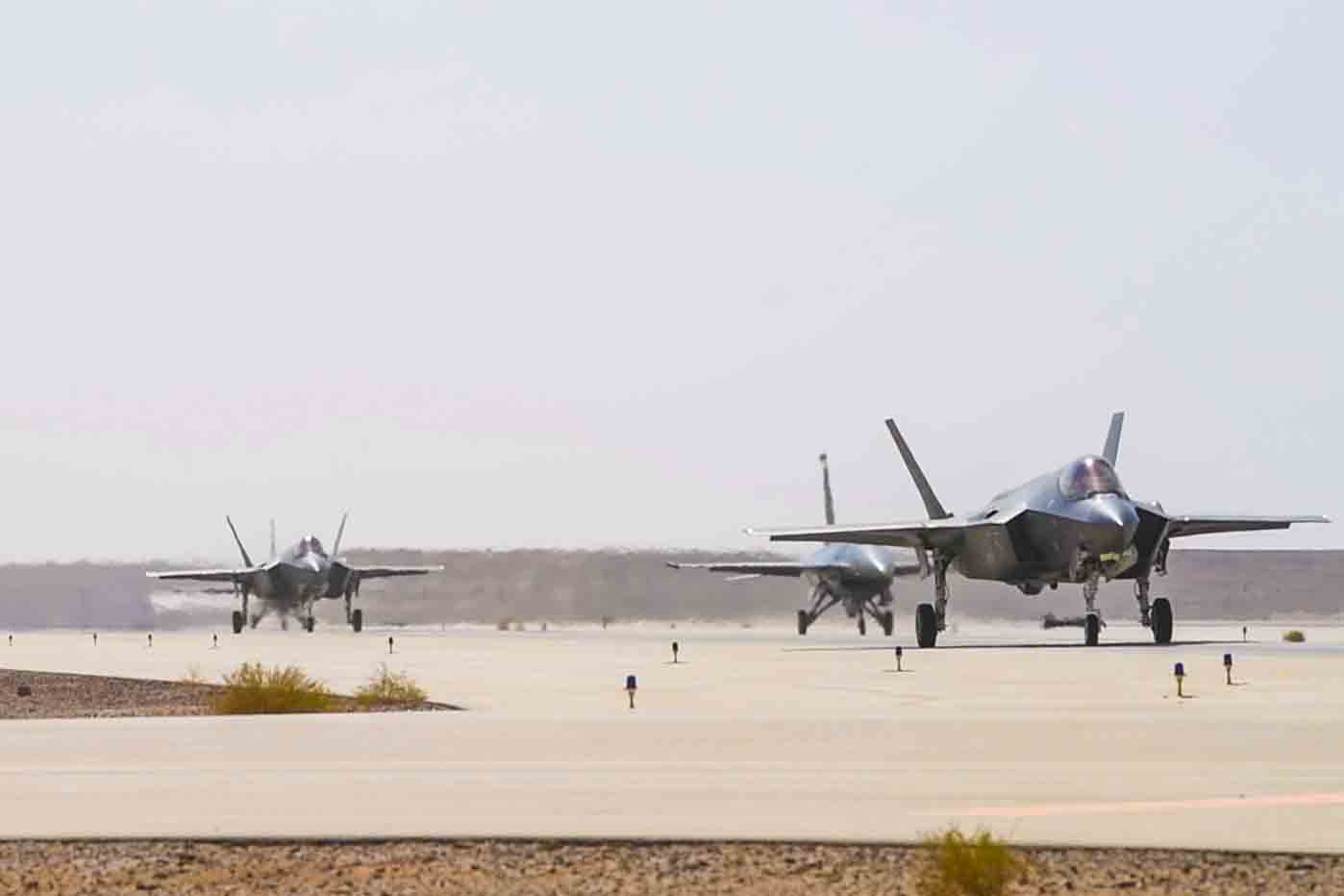
WASHINGTON — When Israeli warplanes struck Kharg Island in the early hours of March 8, turning Iran’s largest oil export terminal into a pillar of fire visible from satellites in low orbit, the immediate reaction inside the White House was not triumphant. According to two senior administration officials with knowledge of the National Security Council’s response, the reaction was something closer to fury.
The strikes had not been coordinated with Washington. They had not been cleared through the backchannel that US officials believed they had established with the Netanyahu government precisely to prevent escalatory unilateralism. And they hit something that everyone from the Treasury Secretary to the Saudi finance ministry had explicitly identified as a red line: Iran’s oil export infrastructure — the economic lever that, if destroyed, would send crude prices into territory that could derail the global economy and, more immediately, undermine Donald Trump’s domestic agenda heading into the midterm cycle.
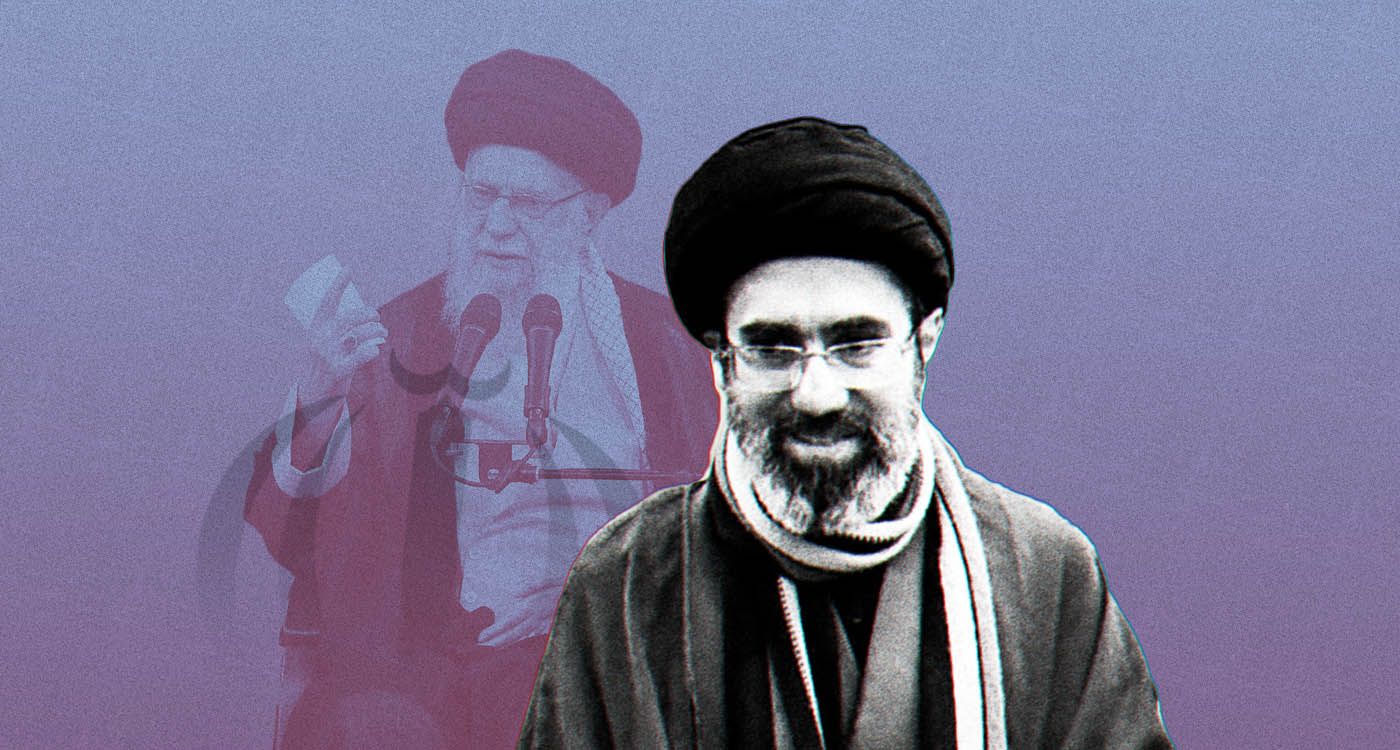
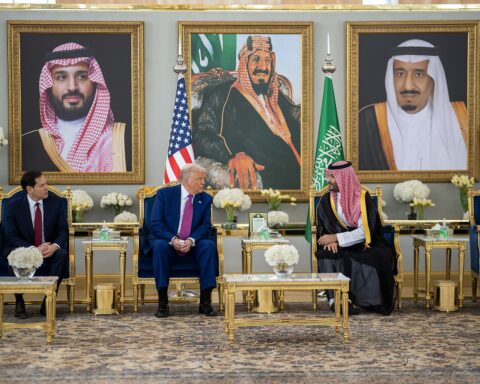
The Kharg Island strikes crystallised a fault line that has been widening beneath the surface of the US-Israeli-Saudi coalition since the Iran war began. On one side stands Benjamin Netanyahu’s government, prosecuting a campaign of maximum economic and psychological destruction against the Iranian state — the Gaza playbook scaled up. On the other side, in an increasingly explicit alignment, stand Donald Trump and Mohammed bin Salman, who want Iran’s IRGC leadership decapitated, its nuclear programme dismantled, and its civilian population kept — carefully, deliberately — on side.
This is not a dispute about ends. It is a profound dispute about means, about what kind of Iran emerges when the fighting stops, and about who gets to determine the post-war order in the Middle East.
In this analysis:
- What happened at Kharg Island — and why it matters
- The White House reaction — from “WTF” to diplomatic ultimatum
- Netanyahu’s logic — the Gaza playbook applied to Iran
- What does Trump actually want in Iran?
- Where does MBS stand on the oil field strikes?
- Can you win ordinary Iranians by bombing their economy?
- Can Trump and MBS force a different endgame?
- Frequently asked questions
What Happened at Kharg Island — and Why It Matters
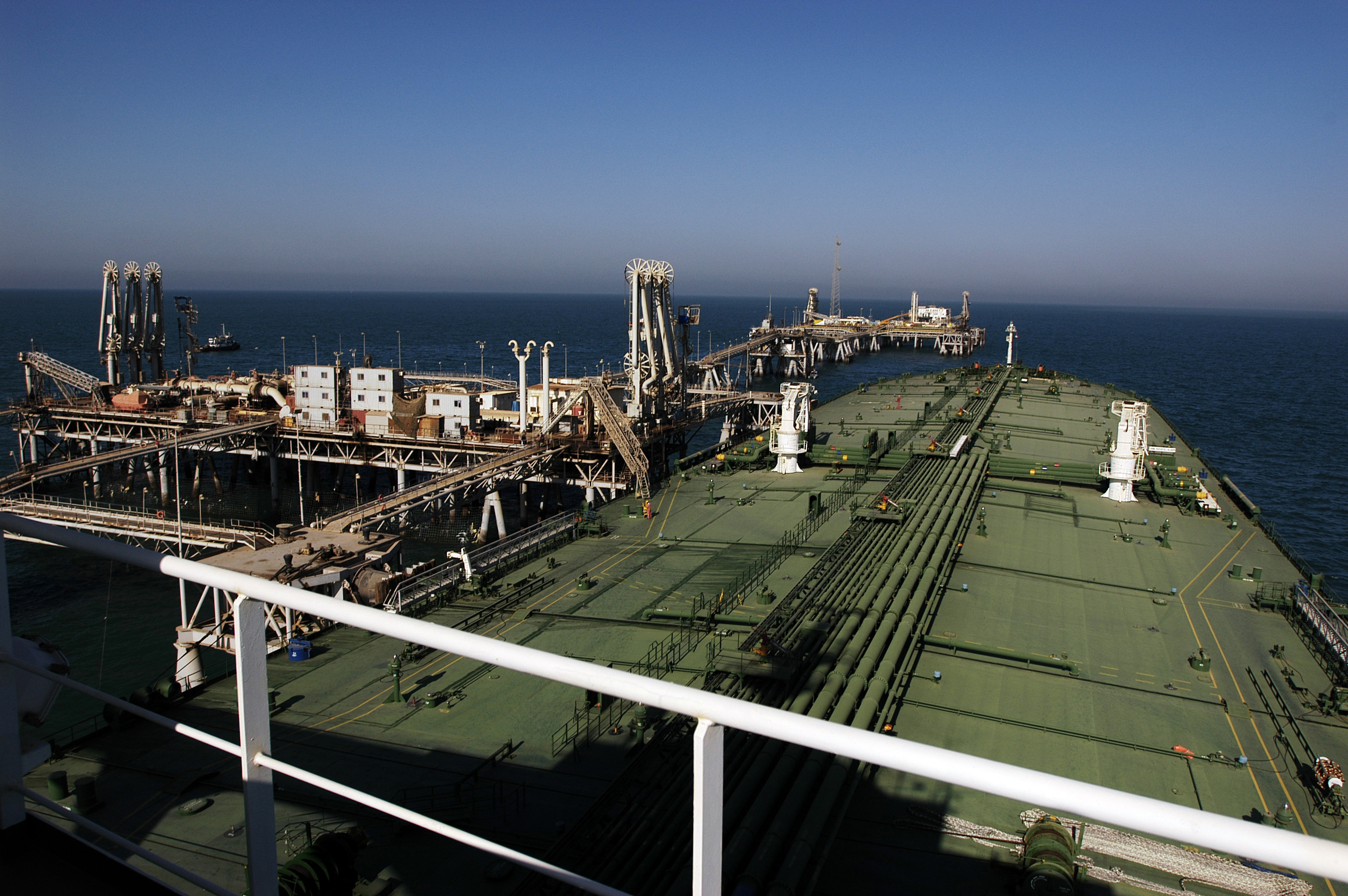
Kharg Island sits in the northern Persian Gulf, forty kilometres off the Iranian coast, connected to the mainland by an underwater pipeline that carries the lifeblood of Iran’s export economy. Before the current conflict, approximately 90 percent of Iran’s crude oil exports — then running at around 1.4 million barrels per day — passed through the island’s loading terminals. For Iran’s government, Kharg is not simply an oil facility. It is the financial circulatory system of the state.
The Middle East briefing 3,000+ readers start their day with.
One email. Every weekday morning. Free.
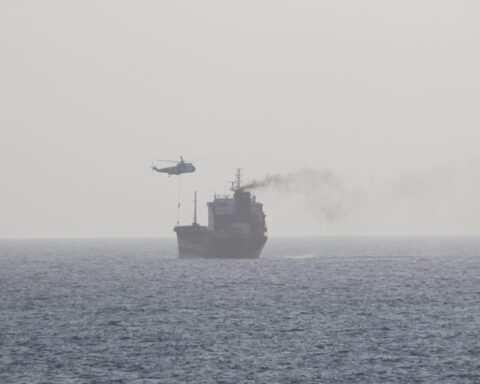
Israeli strike packages hit the island in two waves, according to flight tracking data reviewed by Reuters and reporting by The Wall Street Journal. The first wave targeted storage tank clusters on the island’s southern tip; the second struck the loading jetties and pipeline junction infrastructure. Fires burned for more than eighteen hours. Iranian state media acknowledged “significant damage” to export infrastructure — a rare admission that suggested the scale of destruction had overwhelmed the usual capacity for denial.
The immediate economic consequences were not subtle. Brent crude futures jumped $14 in after-hours trading when the strikes were first confirmed, briefly touching $138 per barrel — a price point last seen during the post-pandemic energy shock of 2022. Iranian officials announced a temporary halt to all Kharg Island export operations pending damage assessment.
What made the strikes politically explosive within the coalition was not merely the economic fallout. It was the timing and the unilateral character of the decision. The Trump administration has spent weeks arguing, publicly and privately, that the most effective path to ending the Iran war on favourable terms runs through internal Iranian politics — specifically, through accelerating the delegitimisation of the IRGC and the Supreme Leadership among Iran’s urban middle class, which has shown sustained hostility to the regime since the 2022 protests.
Bombing Kharg Island torches that strategy. When oil workers, truck drivers, and port employees lose their livelihoods alongside the regime’s export revenues, the political calculus inside Iran does not neatly track to increased hostility toward the IRGC. History suggests the opposite: economic devastation radicalises populations and entrenches nationalist sentiment even against governments those populations would otherwise oppose.
Why Did the White House React With Fury to the Kharg Strikes?
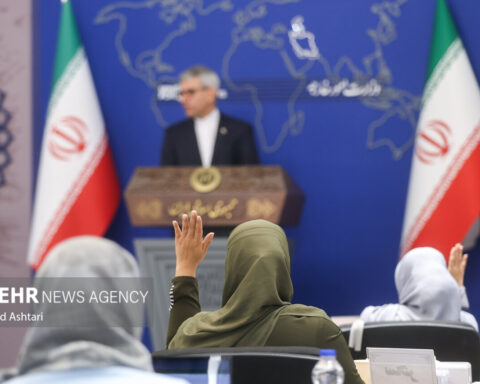
The Trump administration’s reaction to the Kharg Island strikes was notable for its speed and its directness. Within twelve hours, National Security Adviser Mike Waltz had convened an emergency call with his Israeli counterpart. Secretary of State Marco Rubio delivered what diplomatic sources in Washington described to Politico as “unambiguously pointed” messaging through the Israeli ambassador. And Trump himself, in an unscheduled Oval Office appearance, declined to endorse the strikes when pressed by reporters — an omission that, in the context of an alliance that had operated on the assumption of unconditional US backing, amounted to a public rebuke.
The administration’s concern operates on at least three levels.
The first is macroeconomic. Oil at $138 per barrel is a problem Trump cannot manage through Federal Reserve pressure or tariff policy. Fuel prices at the pump have been climbing since the conflict began, accelerated by Israel’s strikes on Iranian fuel depots that sent black rain falling on Tehran; when crude broke $110 in February, the administration’s own economic team began circulating internal assessments of inflationary risk. At $138, those risks become materially significant heading into the midterm cycle. Trump’s political coalition is disproportionately concentrated in the exurban and rural communities most exposed to high fuel prices.
The second concern is diplomatic. The administration has maintained, at significant cost to other relationships, that it supports a coalition approach to Iran — one that includes the Gulf states, who have accepted significant civilian and economic damage during the conflict on the understanding that the end state will not be a chaotic failed state on their northern border. Saudi Arabia’s interest in the post-war order is closely aligned with Washington’s stated position: a transformed Iranian government, not a destroyed Iranian state.
The third, and perhaps most significant, concern is strategic. Trump’s Iran team — drawing on a combination of CIA analysis, advice from Gulf interlocutors, and the administration’s own ideological preference for demonstrative rather than comprehensive military action — has coalesced around a view that the IRGC can be defeated without destroying Iran. The Kharg strikes represent a direct challenge to that theory of the case.
The Kharg Island strikes crystallised a fault line that has been widening beneath the surface of the US-Israeli-Saudi coalition since the Iran war began.
House of Saud, March 2026
What Is Netanyahu’s Logic in Striking Iranian Oil Infrastructure?
To understand why Israel made the decision it made, it is worth understanding how the Netanyahu government has framed its strategic objectives from the earliest days of the current conflict — and how those objectives differ from the stated aims of its principal ally.
Israeli security doctrine, particularly as articulated by the Netanyahu government, has never embraced the concept of a reformed Iran. The distinction between the IRGC and the Iranian state is, in the Israeli strategic view, largely academic. The threat is systemic: it is the Islamic Republic itself, its ideology, its funding networks, its proxy architecture across Lebanon, Syria, Iraq, and Yemen. Surgical decapitation of the IRGC leadership does not resolve that threat in the Israeli assessment. The institution regenerates. The ideology persists. The proxies regroup.
Netanyahu’s preferred model, applied with methodical consistency since the Gaza operation of 2023-24, is comprehensive pressure on the state’s will and capacity to fight. Destroy the revenue base. Degrade the civilian infrastructure that sustains popular toleration of the regime. Force a political and economic collapse that delegitimises the entire system, not merely its most visible organs.
This is an argument with historical precedent. The economic pressure applied to the Soviet Union in the 1980s, the sanctions architecture that forced Iran to the table in 2015, the combination of military and economic warfare that has historically ended prolonged conflicts — all suggest that comprehensive pressure can produce results where surgical action creates only temporary disruption.
Netanyahu also operates within a domestic political framework that Trump’s team either does not fully appreciate or chooses not to prioritise. His coalition’s continued support requires visible, escalatory action against Iran. Every Israeli city that has received Iranian missile fire, every Hezbollah rocket that has fallen on northern communities, has created domestic pressure for responses that go beyond precision targeting of IRGC commanders. Bombing Kharg Island, in domestic Israeli political terms, is a proportionate response to the sustained assault on Israeli civilian life. The international economic consequences are, to Netanyahu’s base, not an Israeli problem.
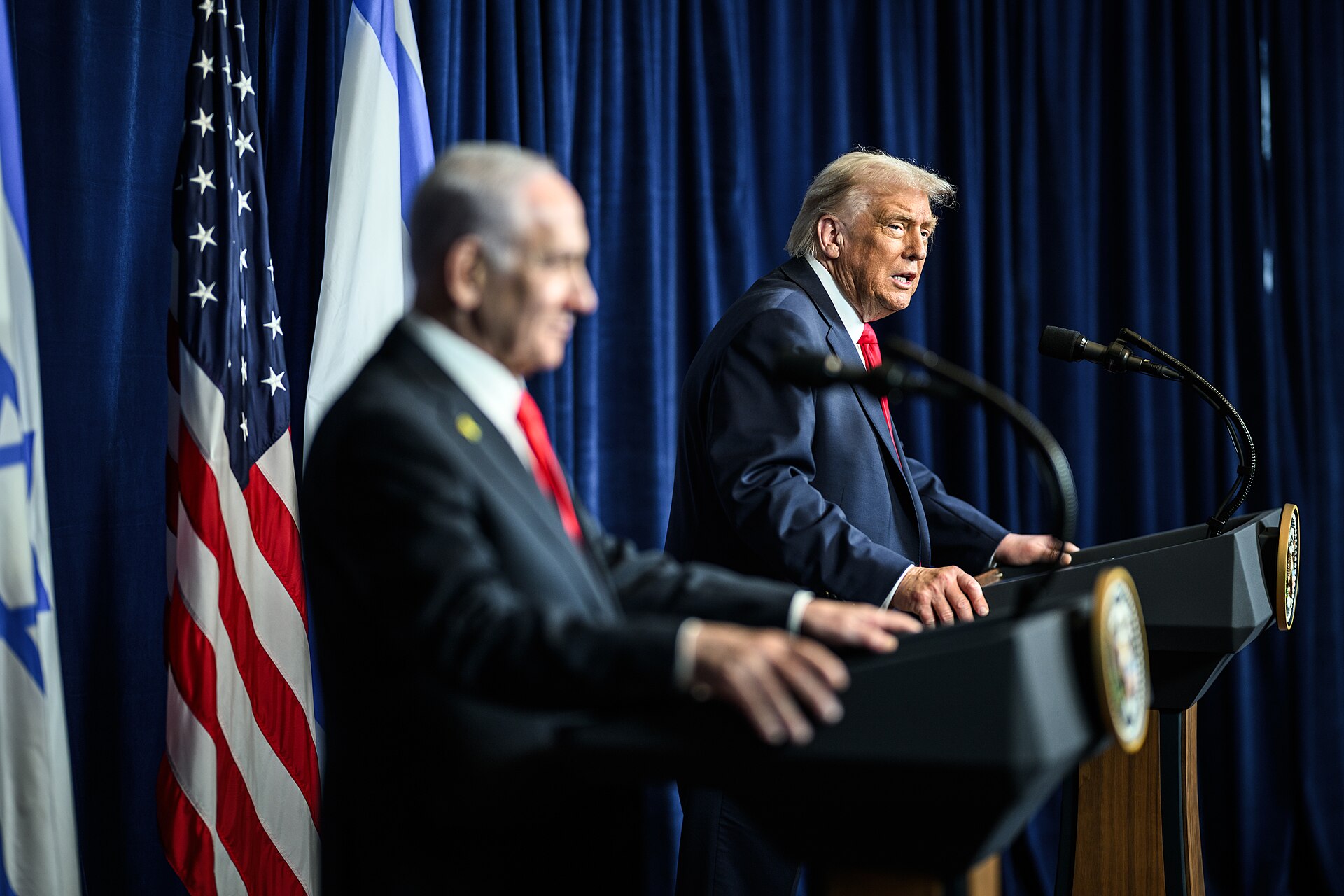
What Does the Trump Administration Actually Want in Iran?
The Trump administration’s Iran policy has been internally contested since before the current conflict began, but a dominant theory has emerged from the infighting: call it regime decapitation without state destruction.
The theory rests on several premises. The first is that the IRGC and the Supreme Leadership represent a distinct political entity that can be removed without dismantling the Iranian state’s administrative and economic infrastructure. The analogy drawn, in more candid internal discussions, is to the de-Ba’athification of Iraq — with the critical lesson that de-Ba’athification was catastrophic not because it removed a leadership class, but because it dismantled the institutions those individuals ran. A surgical Iranian operation would remove the IRGC top command, the Supreme Leadership’s direct apparatus, and the nuclear programme’s technical infrastructure, while leaving the oil ministry, the banking system, the provincial governments, and the civilian economy structurally intact.
The second premise is that the Iranian public can be converted, quickly and at relatively low cost, into a constituency for change — if the external military campaign is seen as liberating rather than colonising. Trump’s advisers, drawing on polling and analysis of Iranian social media through the conflict, believe there is a politically significant portion of Iranian society that would welcome the removal of the IRGC leadership provided it came without the comprehensive destruction of Iran’s economic infrastructure. Hit the IRGC. Spare the people. That is the Trump theory.
The third premise is economic. A destroyed Iran is a failed state on the Saudi and Emirati border, a humanitarian catastrophe with $200 oil, and a geopolitical vacuum that Russia, China, and a reconstituted set of non-state actors will rush to fill. A reformed Iran — with its civilian institutions intact and its economy recovering — is a market, a stabilising force, and potentially a counterweight to the very proxy networks that have made Iranian foreign policy so destructive.
These are not naive premises. They reflect a genuine strategic calculation, articulated by serious foreign policy thinkers within and adjacent to the administration. Whether that calculation survives contact with the reality of the conflict is, of course, a separate question.
Where Does Mohammed bin Salman Stand on the Oil Field Strikes?
Saudi Arabia’s public position on the Kharg Island strikes has been characteristically measured. The kingdom issued no statement praising the operation. No Saudi official appeared on television endorsing the expanded targeting. The foreign ministry’s public communications, reviewed by House of Saud, said nothing that could be construed as celebration.
This restraint is not neutrality. It is, in the Saudi diplomatic context, a considered political signal — and one that aligns closely with the substantive position the kingdom has communicated through private channels.
MBS’s calculations on Iran are complex, and they do not map cleanly onto the Netanyahu position. Saudi Arabia has suffered more than any other non-Iranian state from the IRGC’s regional operations: the Aramco drone strikes of 2019, the Houthi campaigns against Saudi cities and infrastructure, the network of proxy militias that have extended Iranian influence to the Saudi border in Yemen. The kingdom has a fundamental strategic interest in seeing the IRGC dismantled and Iranian proxy infrastructure destroyed.
But MBS also runs a country whose national development strategy depends, more than any other sovereign wealth plan in the world, on a stable and functioning global economy. Vision 2030, for all its ambition, requires sustained foreign direct investment, tourism revenues, and international business confidence of a kind that is not compatible with oil at $150 per barrel and global recession risk. Saudi Arabia is also an oil exporter — but one for whom the upper end of the price range creates its own economic problems, by destroying demand and accelerating the global energy transition.
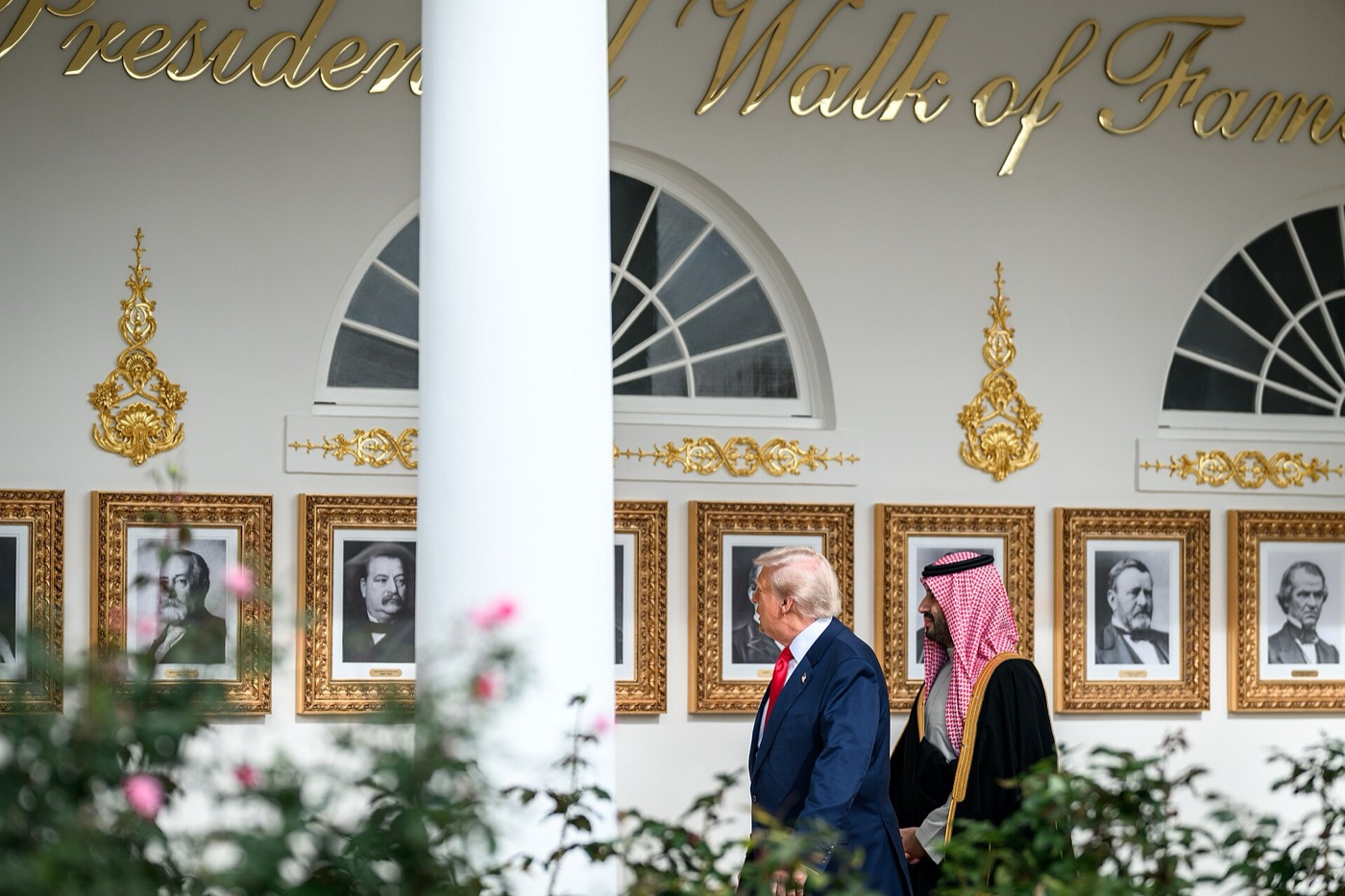
Saudi officials have communicated to their American counterparts, according to sources familiar with those discussions, that Riyadh supports the targeted dismantling of the IRGC leadership and the nuclear programme. They do not support, and have actively lobbied against, the destruction of Iran’s civilian economic infrastructure. The distinction is not sentimental. It is strategic: a comprehensively destroyed Iran serves no one’s interests except, perhaps, those who believe that permanent regional chaos is preferable to any stable order that does not centre their own power.
The alignment between the Trump team’s theory of the case and Saudi Arabia’s strategic calculus is not coincidental. It reflects months of coordination through the back channels that have characterised US-Saudi relations since Trump’s return to office, and it reflects a shared reading of what the post-war Middle East needs to look like for both Washington and Riyadh to claim the campaign as a success.
Can You Win Ordinary Iranians by Bombing Their Economy?
The question of Iranian public opinion sits at the centre of the strategic disagreement between Washington and Jerusalem, and it is worth examining with some precision rather than falling back on simplistic assumptions about collective punishment and national solidarity.
Iranian civil society has been in sustained, visible conflict with the Islamic Republic since at least the 2009 Green Movement. The 2022 protests, triggered by the death in IRGC custody of Mahsa Amini, represented the most significant internal challenge to the regime since the revolution — and they drew on a cross-generational, cross-class coalition that included groups not previously associated with opposition politics. Polling conducted before the current conflict by groups with access to Iranian respondents consistently showed majority support for political reform and deep hostility to the IRGC among urban Iranians under forty.
That political substrate creates an opportunity of the kind that analysts and policymakers rarely encounter. The IRGC’s domestic security function has made it loathed in ways that the regular Iranian military has not been. The Supreme Leadership’s connection to the Revolutionary Guards’ business empire and domestic repression has delegitimised the theocratic structure in ways that were already visible before the first strike fell.
The question is what kind of external military action accelerates that delegitimisation — and what kind reverses it. Iranian President Pezeshkian’s reformist instincts have been repeatedly overridden by the hardline security apparatus, but his government represents a political tendency within Iran that the Trump administration believes can be strengthened if the external military campaign is correctly calibrated.
Destroying Kharg Island does not strengthen that tendency. It provides the IRGC’s propaganda apparatus with precisely the imagery — burning national infrastructure, ordinary Iranians thrown out of work, economic pain spreading far beyond the IRGC’s inner circle — that sustains the regime’s nationalist narrative. The IRGC does not need Iranians to love it. It needs them to believe that the external threat is existential and that resistance is the only rational response.
Economic warfare at the scale of the Kharg strikes risks delivering exactly that psychological environment, at precisely the moment when the internal conditions for political change are more favourable than they have been in decades. The timing, from Washington’s perspective, could hardly be worse.
According to analysis by the International Crisis Group published in February 2026, surveys of Iranian attitudes conducted during the conflict showed that military strikes targeting IRGC command and control generated significantly less nationalist backlash among urban respondents than economic infrastructure strikes — a distinction that has informed US targeting doctrine since the conflict began.
Can Trump and MBS Force a Different Endgame?
The history of US-Israeli strategic disagreements does not offer an encouraging precedent for American leverage. Israel has, on multiple occasions over the past four decades, conducted military operations that Washington explicitly asked it not to conduct — and faced no meaningful consequences. The US-Israeli relationship has a structural asymmetry in which the domestic political cost to any American administration of sanctioning Israel consistently outweighs the strategic benefit of doing so.
But the current situation has features that differentiate it from past episodes. The Iran war is not a discrete Israeli operation that can be framed as defensive or proportionate and absorbed into the existing framework of unconditional US backing. It is an extended conflict in which American military assets, intelligence support, and diplomatic capital are materially engaged — and in which the strategic outcomes are directly tied to decisions that Israel is making unilaterally.
Trump’s administration has demonstrated a willingness to use economic and diplomatic leverage against allies when it serves American interests — more so than its predecessors. The tools available are not trivial: weapons supply decisions, intelligence-sharing modalities, diplomatic cover in international forums, and the implicit signal to Saudi Arabia and the Gulf states about whether Washington’s coalition management can be trusted. Each of these carries real weight.
The Saudi dimension adds a further element. Riyadh’s continued military and diplomatic cooperation with the coalition — including its decision to absorb significant civilian and economic damage without publicly breaking ranks — has been premised on the understanding that the campaign’s objectives are limited and achievable. As the war has widened to Gulf civilian infrastructure, that premise has come under growing strain. If Saudi Arabia concludes that the campaign has escaped coherent strategic direction and become a vehicle for Israeli maximalism, the coalition’s political architecture faces serious risk.
The immediate practical question is whether Trump can extract a commitment from Netanyahu not to repeat the Kharg strikes — or at least to submit targeting decisions with this level of strategic consequence to allied consultation before, not after, execution. That is a lower bar than reversing the trajectory of the conflict, but it would represent a meaningful reassertion of coalition discipline.
The harder question is structural. Netanyahu’s domestic political situation means that de-escalatory signals — commitments to limit targeting, acceptance of diplomatic off-ramps, restraint in the face of ongoing Iranian missile fire — carry real political costs that Trump cannot easily offset from Washington. Coalition management at this scale requires a degree of strategic alignment that goes beyond individual decisions, and the Kharg Island strikes suggest that alignment is under more serious strain than either party has been willing to acknowledge publicly.
| Objective | Israel | United States | Saudi Arabia |
|---|---|---|---|
| Dismantle IRGC command structure | Yes — primary objective | Yes — primary objective | Yes — primary objective |
| Destroy Iran’s nuclear programme | Yes — existential priority | Yes — core objective | Yes — strong support |
| Destroy Iranian oil/economic infrastructure | Yes — secondary pressure tool | No — risks global recession | No — Vision 2030 dependency |
| Preserve Iranian civilian government capacity | No — regime change systemic | Yes — prevent failed state | Yes — stable post-war order |
| Win Iranian public opinion | Low priority | High priority | High priority |
| Regional order post-conflict | Israeli security primacy | US-led coalition architecture | Saudi-US Gulf partnership |
The table above captures the core tension with unusual clarity. On the two objectives that matter most in the near term — the IRGC and the nuclear programme — the three principals are aligned. On everything that follows, including the nature of the campaign, the treatment of civilian infrastructure, and the character of the post-war order, the gaps are significant and widening.
What is clear from the Kharg Island episode is that the coalition is not operating as one. Netanyahu is prosecuting a campaign calibrated to Israeli domestic political requirements and Israeli strategic doctrine. Trump is pursuing a theory of managed regime change that requires a very different set of targeting decisions. MBS is attempting to advance Saudi strategic interests while maintaining enough coalition cohesion to avoid being left exposed when the fighting stops.
The three can still produce a common outcome — the removal of the IRGC and the collapse of the nuclear programme. But they are increasingly at risk of producing a common outcome in ways that serve none of their post-war interests: a devastated Iran, $160 oil, a humanitarian catastrophe, and a regional vacuum that tests the capacity of every government in the Middle East to manage what comes next.
The Kharg Island strikes are, in this reading, not just an intelligence and coordination failure. They are a signal of a deeper incoherence in the coalition’s theory of victory — one that Trump and MBS will need to address with more than diplomatic displeasure if the campaign is to end on terms any of them can claim as a success.
Frequently Asked Questions
Why did Israel strike Kharg Island without coordinating with the US?
Israel’s decision to strike Kharg Island without prior US coordination appears to reflect a combination of domestic political pressure and strategic disagreement about the campaign’s objectives. The Netanyahu government operates within a domestic framework that rewards visible escalatory action, and it has consistently resisted American attempts to constrain its targeting decisions. Senior administration officials told Politico that Israel informed Washington of the strikes only minutes before they were executed — insufficient time for Washington to intervene.
How significant is the damage to Kharg Island’s oil export capacity?
Iranian officials have described “significant damage” to the island’s loading and storage infrastructure, and export operations were halted immediately after the strikes. Analysts at S&P Global Commodity Insights estimated in their post-strike assessment that full restoration of Kharg Island’s pre-strike export capacity could take between three and six months, depending on the scope of infrastructure damage and the availability of replacement components under existing sanctions.
Does Saudi Arabia benefit economically from higher oil prices?
At moderate price elevations, yes — higher crude prices increase Saudi Aramco’s revenues and improve the kingdom’s fiscal position. But the relationship is not linear. At prices above $120-130 per barrel, demand destruction effects begin to outweigh revenue gains, and the political and economic stability of Saudi Arabia’s major trading partners — and therefore its export markets — comes under serious pressure. Saudi Arabia’s Vision 2030 strategy also depends on sustained foreign investment and tourism that are incompatible with global economic turbulence.
What leverage does Trump have over Netanyahu to prevent further oil infrastructure strikes?
The US retains significant formal leverage over Israel’s military operations — weapons supply, intelligence-sharing, diplomatic cover in international forums — but has historically been reluctant to deploy that leverage publicly. In the current conflict, the administration’s tools include conditioning specific weapons transfers, adjusting intelligence-sharing modalities for targeting decisions, and signalling to Gulf allies that US coalition management remains credible. Whether Trump chooses to use these tools aggressively is a political question as much as a strategic one.
Is there evidence that ordinary Iranians would respond positively to a more limited campaign?
Survey data collected by the International Crisis Group, Gallup, and several European academic institutions before and during the conflict consistently shows that Iranian urban populations — particularly those under forty — distinguish between external action targeting the IRGC and external action targeting civilian economic infrastructure. Strikes on IRGC command structures generate significantly less nationalist backlash in these surveys than economic warfare targeting oil terminals, ports, or civilian utilities. The Trump administration’s theory of managed regime change is grounded in this data, however imperfect the survey methodology in wartime conditions.
What does the MBS-Trump alignment on Iran mean for the future of the US-Saudi relationship?
The shared strategic preference between Riyadh and Washington for surgical rather than comprehensive Iranian targeting represents one of the stronger areas of alignment in the US-Saudi relationship since the Yemen war created significant friction in the mid-2010s. But the alignment is contingent and instrumental — it reflects shared interests in the Iran outcome, not a transformation of the deeper relationship. If the post-war order does not deliver the stable Gulf environment that both parties want, the convergence of interests that currently underwrites the partnership will face its own tests.