
RIYADH — Iranian drones struck oil infrastructure in Kuwait and targeted military and energy sites across four Gulf states on Friday morning as hundreds of millions of Muslims gathered for Eid al-Fitr prayers, marking what Saudi Arabia’s defense ministry called a deliberate escalation during Islam’s holiest celebration. Kuwait’s state oil company confirmed fires at its 730,000-barrel-per-day Mina Al-Ahmadi refinery, while Saudi air defenses intercepted and destroyed 11 drones within two hours. Brent crude surged past $116 a barrel as the attacks underscored the vulnerability of the world’s most critical energy corridor twenty days into the Iran war.
The strikes represent the most religiously provocative act of the conflict so far, arriving as dawn Eid prayers were called in mosques from Kuwait City to Riyadh. Iran’s Foreign Minister Abbas Araghchi had warned just hours earlier that Tehran would show “zero restraint” if its energy infrastructure continued to face Israeli bombardment, according to Al Jazeera. The Gulf Cooperation Council condemned the attacks as “a violation of every norm of Islamic law and international humanitarian standards,” Reuters reported.
Table of Contents
- What Happened at Kuwait’s Mina Al-Ahmadi Refinery?
- How Did Saudi Arabia’s Air Defenses Respond?
- The Eid Morning Attacks Across the Gulf
- Why Did Iran Escalate on Eid al-Fitr?
- Oil Markets React as Brent Crude Surges Past $116
- The Three-Week War in Numbers
- What Comes Next for Gulf Air Defenses?
- Frequently Asked Questions
What Happened at Kuwait’s Mina Al-Ahmadi Refinery?
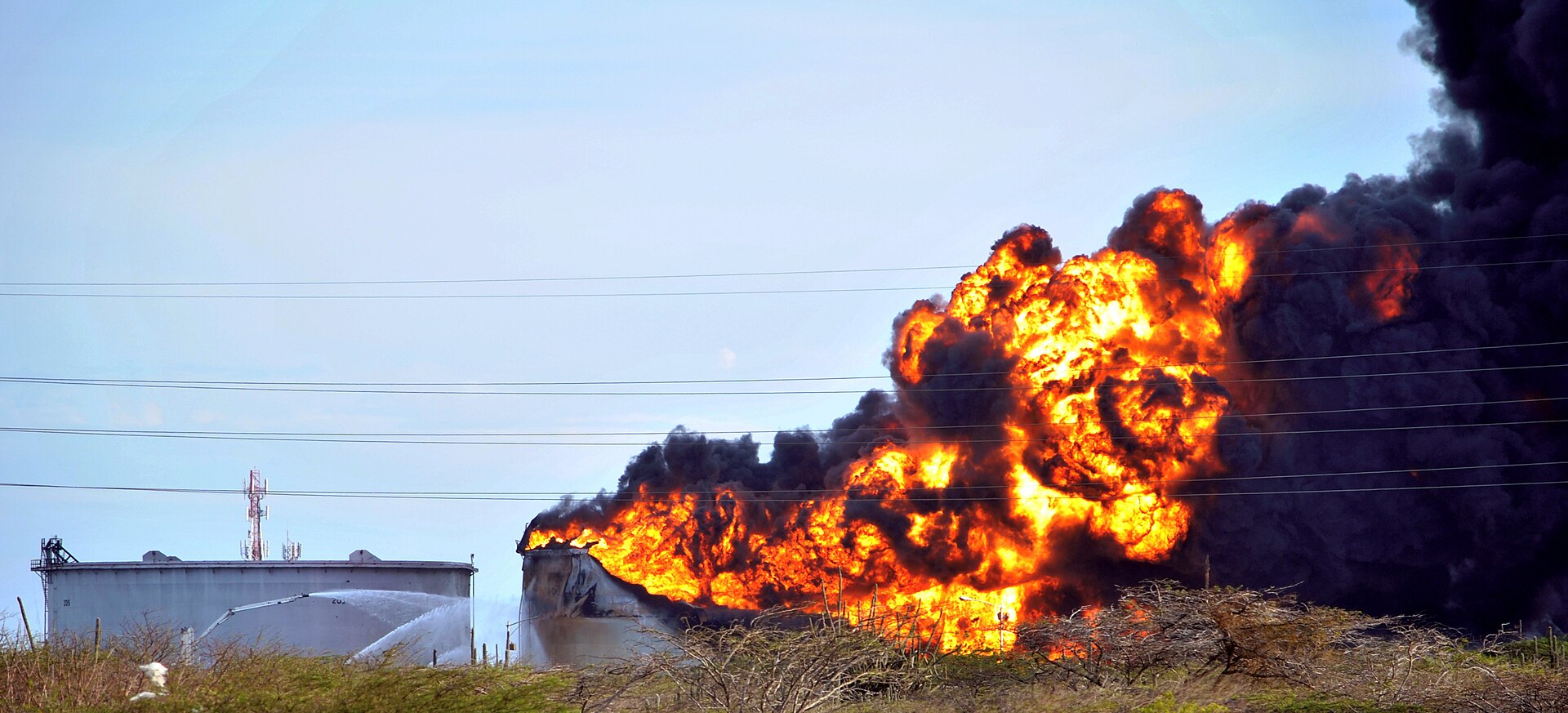
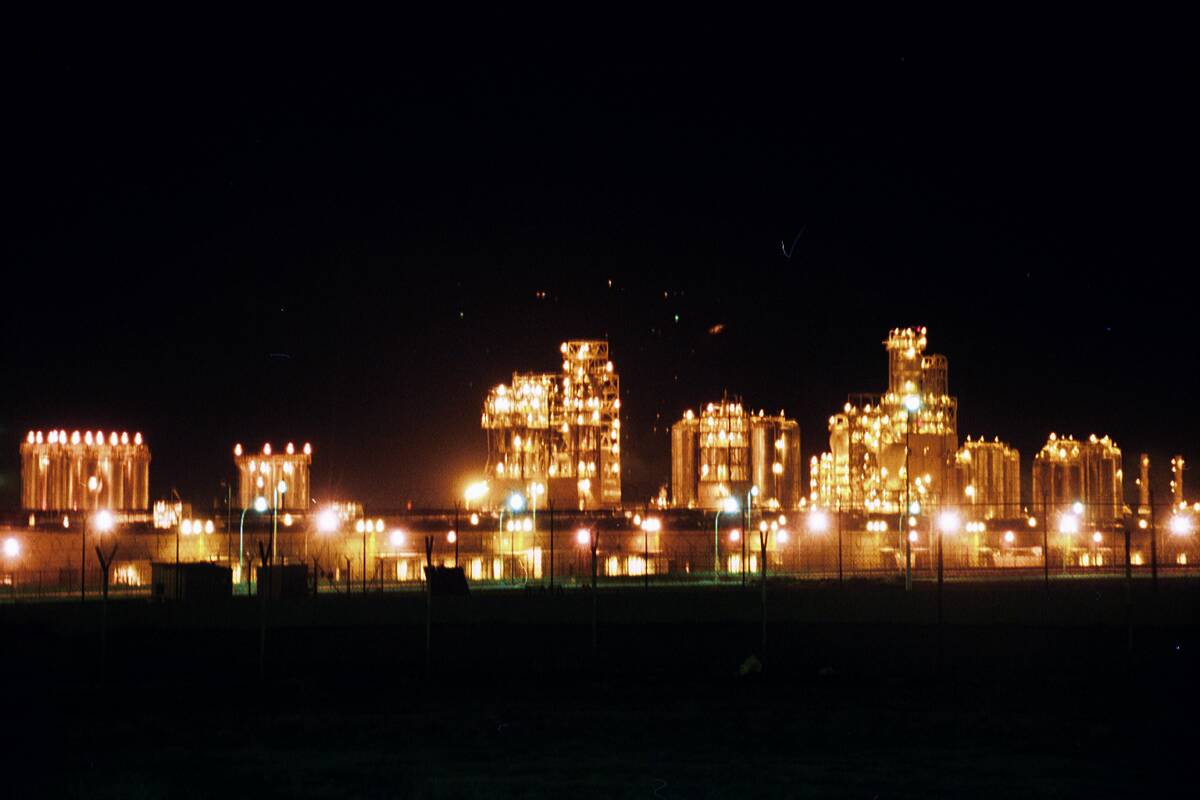
Multiple Iranian drones struck Kuwait’s Mina Al-Ahmadi refinery in the early hours of Friday, March 20, sparking fires in several processing units and forcing an immediate partial shutdown, according to Kuwait Petroleum Corporation. Firefighters responded within minutes, and KPC reported no initial casualties, though damage assessment remained ongoing as of mid-morning.
The Mina Al-Ahmadi refinery, located approximately 45 kilometres south of Kuwait City on the Persian Gulf coast, is one of the Middle East’s largest refining complexes. Commissioned in 1949 as a modest 25,000-barrel-per-day skimming unit, the facility has since grown to a processing capacity of 730,000 barrels per day, according to industry data compiled by MEED. It produces a range of products from gasoline and diesel to jet fuel and liquefied petroleum gas for both domestic consumption and export.
Friday’s attack marked the second consecutive day that the refinery came under drone fire, the Associated Press reported. On Thursday, a separate drone strike hit the facility, starting fires that were brought under control but causing an undisclosed amount of damage. KPC suspended some refinery operations as a precautionary measure following the latest strikes, the Wall Street Journal reported, raising concerns about Kuwait’s domestic fuel supply and its ability to meet export commitments.
Kuwait, which produces approximately 2.8 million barrels of oil per day according to OPEC data, relies heavily on Mina Al-Ahmadi and two other refineries — Mina Abdullah and Al-Zour — to process crude for both local use and overseas shipments. The repeated targeting of Mina Al-Ahmadi threatens to disrupt a significant share of that output at a time when global oil markets are already under severe strain from the Hormuz closure.
The Middle East briefing 3,000+ readers start their day with.
One email. Every weekday morning. Free.
The strikes also carry international commercial implications. While Kuwait’s refineries are state-owned and operated by Kuwait National Petroleum Company, the country’s oil sector maintains extensive partnerships with international energy companies. Any prolonged disruption to refining capacity could ripple through contracts with buyers in Asia and Europe who depend on Kuwaiti refined products.
How Did Saudi Arabia’s Air Defenses Respond?
Saudi Arabia’s Ministry of Defense confirmed that the Kingdom’s air defense forces intercepted and destroyed 11 drones targeting Saudi territory within a two-hour window on Friday morning. Ten of the drones were engaged over the Eastern Province, home to the bulk of Saudi Arabia’s oil production infrastructure, while one was destroyed over the northern Al-Jawf region, according to the Saudi Press Agency.
The interceptions represent one of the most successful single-day defense performances since the war began on February 28. Unlike the record 100-drone day earlier this week, when at least one drone penetrated defenses and struck the SAMREF refinery in Yanbu, Friday’s engagement appears to have prevented any impacts on Saudi soil, Reuters reported.
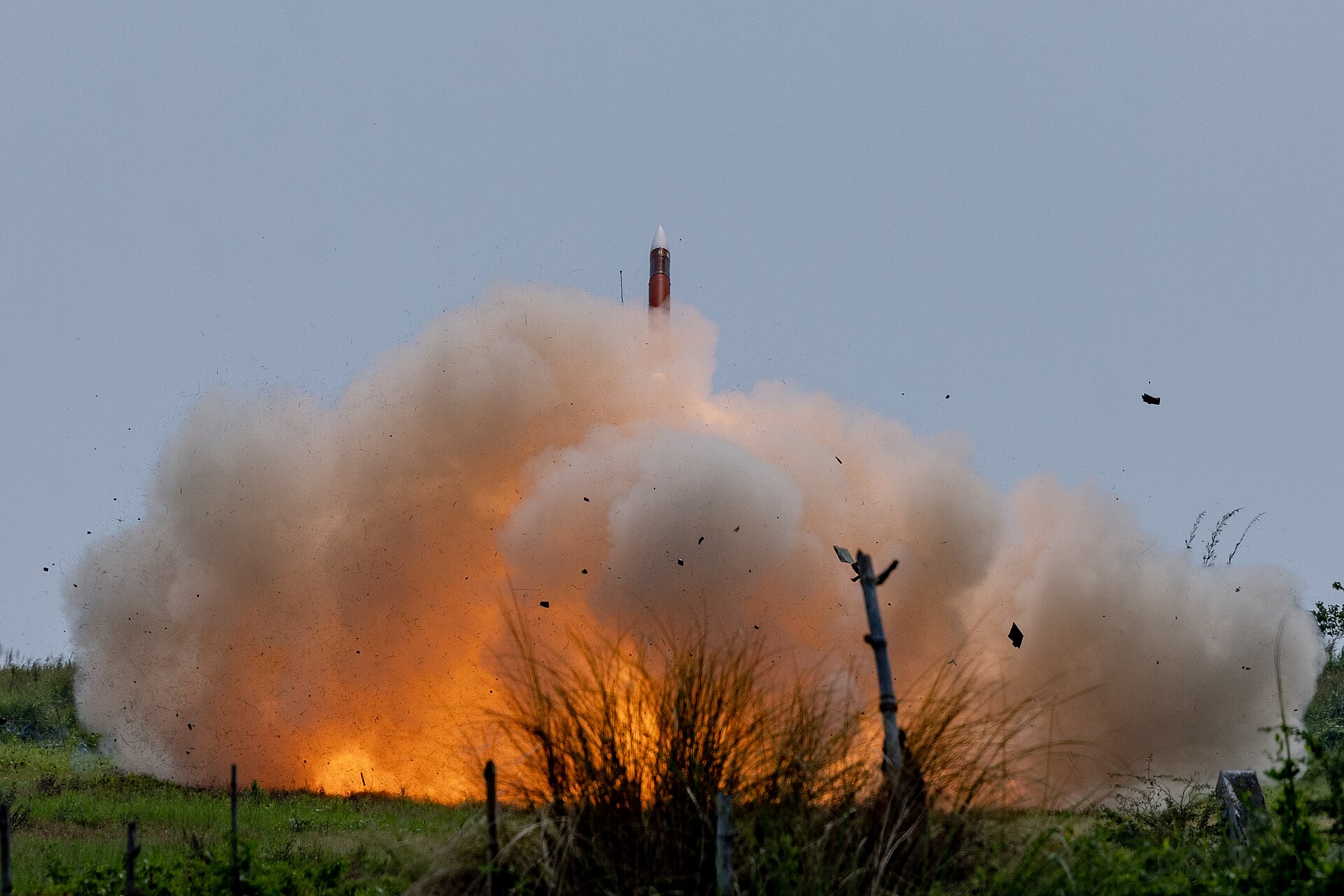
Saudi air defenses have been under extraordinary strain since the conflict began. The Saudi Gazette reported that air defense batteries protecting gas and energy facilities in the Eastern Province had been engaging targets almost continuously for three weeks, cycling between Patriot PAC-3 interceptors for higher-altitude threats and shorter-range systems for low-flying drones.
The Eastern Province’s significance is difficult to overstate. The region contains the Ghawar field — the world’s largest conventional oil field — along with the Abqaiq processing facility, which handles roughly 70 percent of Saudi crude output before it reaches export terminals, according to the U.S. Energy Information Administration. A successful strike on Abqaiq or Ghawar would constitute one of the most consequential attacks on energy infrastructure in modern history.
Saudi Arabia’s defense ministry has reserved the right to take military action against Iran in response to the sustained campaign of missile and drone strikes. Prince Faisal bin Farhan, the foreign minister, said on Wednesday that trust with Tehran had been “completely shattered” and that the patience being exhibited by Gulf states was “not unlimited,” according to The National.
The Eid Morning Attacks Across the Gulf
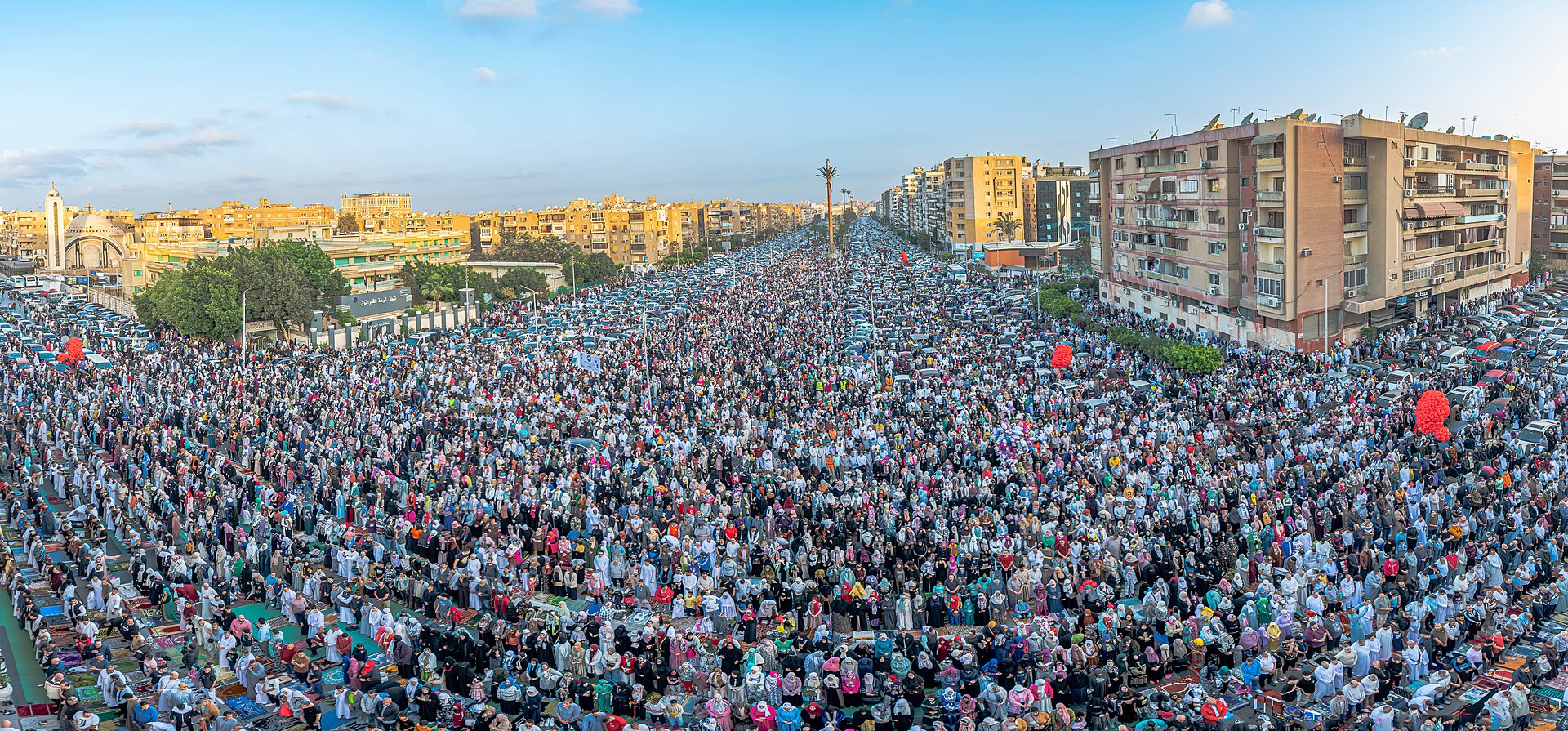
The Friday attacks extended beyond Kuwait and Saudi Arabia, striking or threatening energy and civilian infrastructure in the UAE and Bahrain. The timing was precise and, in the view of Gulf officials, calculated: the first explosions were reported around the time of the dawn call to prayer in Kuwait City, just as millions of Gulf residents prepared for Eid al-Fitr celebrations marking the end of the holy month of Ramadan.
In Dubai, heavy explosions shook the emirate early Friday as air defense systems engaged incoming missiles and drones over the city, according to Al Jazeera’s live coverage. Dubai authorities confirmed the success of all interception operations, with no injuries reported. The UAE has been one of the most heavily targeted Gulf states since the war began, having faced 167 missiles and 541 drones in the first 24 hours alone, according to earlier reports citing UAE military sources.
Bahrain’s interior ministry reported that shrapnel from what it described as “Iranian aggression” caused a fire at a warehouse on the island nation, the Associated Press reported. The fire was brought under control and no injuries were recorded. Bahrain has intercepted 125 missiles and 203 drones since the start of Iran’s campaign, according to Bahraini government figures cited by Al Jazeera.
The multi-front nature of the attack was consistent with Iran’s strategy throughout the three-week conflict: striking multiple Gulf states simultaneously to overwhelm air defenses and demonstrate Tehran’s ability to project force across the entire Persian Gulf region. As Reuters noted, the attacks appeared designed to signal that no Gulf state — regardless of whether it had actively participated in the US-Israeli military campaign against Iran — would be shielded from retaliation.
| Country | Targets | Weapons Used | Outcome | Casualties |
|---|---|---|---|---|
| Kuwait | Mina Al-Ahmadi refinery | Multiple drones | Fires started, units shut down | None reported |
| Saudi Arabia | Eastern Province, Al-Jawf | 11 drones | All intercepted and destroyed | None |
| UAE (Dubai) | Unspecified targets | Missiles, drones | All intercepted | None |
| Bahrain | Warehouse (shrapnel) | Missile/drone fragments | Fire, controlled | None |
Saudi Arabia had prepared extensively for Eid under wartime conditions. Earlier this week, authorities deployed additional air defense batteries around major prayer sites in Riyadh, Jeddah, and the holy cities of Makkah and Madinah. The Kingdom’s first-ever air raid alert to eight million phones in Riyadh, issued earlier this week, had already heightened public anxiety about the possibility of attacks during the holiday. The Eid strikes came just hours after twelve nations meeting in Riyadh had issued a joint statement demanding Iran cease its attacks on Gulf states, a diplomatic signal that Tehran chose to answer with drones rather than dialogue.
Why Did Iran Escalate on Eid al-Fitr?
Iran’s decision to strike Gulf states during Eid al-Fitr follows a clear pattern of escalation driven by Israel’s March 18 bombing of the South Pars gas field, one of Iran’s most critical economic assets. Tehran has explicitly linked its intensified campaign against regional energy infrastructure to the South Pars strike, according to multiple statements carried by Iran’s state media and reported by Al Jazeera.
Iranian Foreign Minister Abbas Araghchi stated late Thursday that Tehran had used only a “fraction” of its firepower in attacks on regional energy infrastructure and warned of “zero restraint” if Iran’s energy facilities were targeted again, Al Jazeera reported. The South Pars field, which Iran shares with Qatar in the Persian Gulf, is the world’s largest natural gas deposit and accounts for a substantial portion of Iran’s export revenue.
Israel’s strike on South Pars on March 18 had already triggered an immediate Iranian retaliatory response: Tehran struck Saudi Arabia’s Jubail industrial complex and launched rockets at Qatar’s Ras Laffan liquefied natural gas facility that same day, according to CBS News. Iran’s escalatory logic appears straightforward: if its energy infrastructure faces destruction, Gulf states hosting US military forces or maintaining diplomatic ties with Israel will pay a proportional economic price.
The religious dimension of the Eid timing is contested. Gulf officials and Arab media condemned the strikes as a deliberate affront to the sanctity of the holiday. Iran’s IRGC media arm, Tasnim News Agency, made no reference to Eid in its reporting on the Friday operations, instead framing the attacks as responses to ongoing “Zionist-American aggression against the Iranian nation,” according to a translation published by BBC Monitoring.
Several analysts cautioned against over-reading the Eid timing. “Iran is firing on a daily basis. The fact that it continued on Eid is consistent with its posture since the war began — there has been no letup for weekends, holidays, or diplomatic summits,” Sanam Vakil, director of the Middle East and North Africa Programme at Chatham House, told Reuters on Friday. “But the optical damage is enormous. Striking Muslims on Eid is a propaganda gift to Riyadh.”
Oil Markets React as Brent Crude Surges Past $116
Oil prices climbed sharply in Asian trading on Friday as news of the Eid morning strikes reached global markets. Brent crude futures rose to $116.01 a barrel, having briefly touched $119 a barrel on Thursday following the South Pars and escalating attacks on Gulf oil infrastructure, according to CNBC. West Texas Intermediate, the US benchmark, traded above $112.
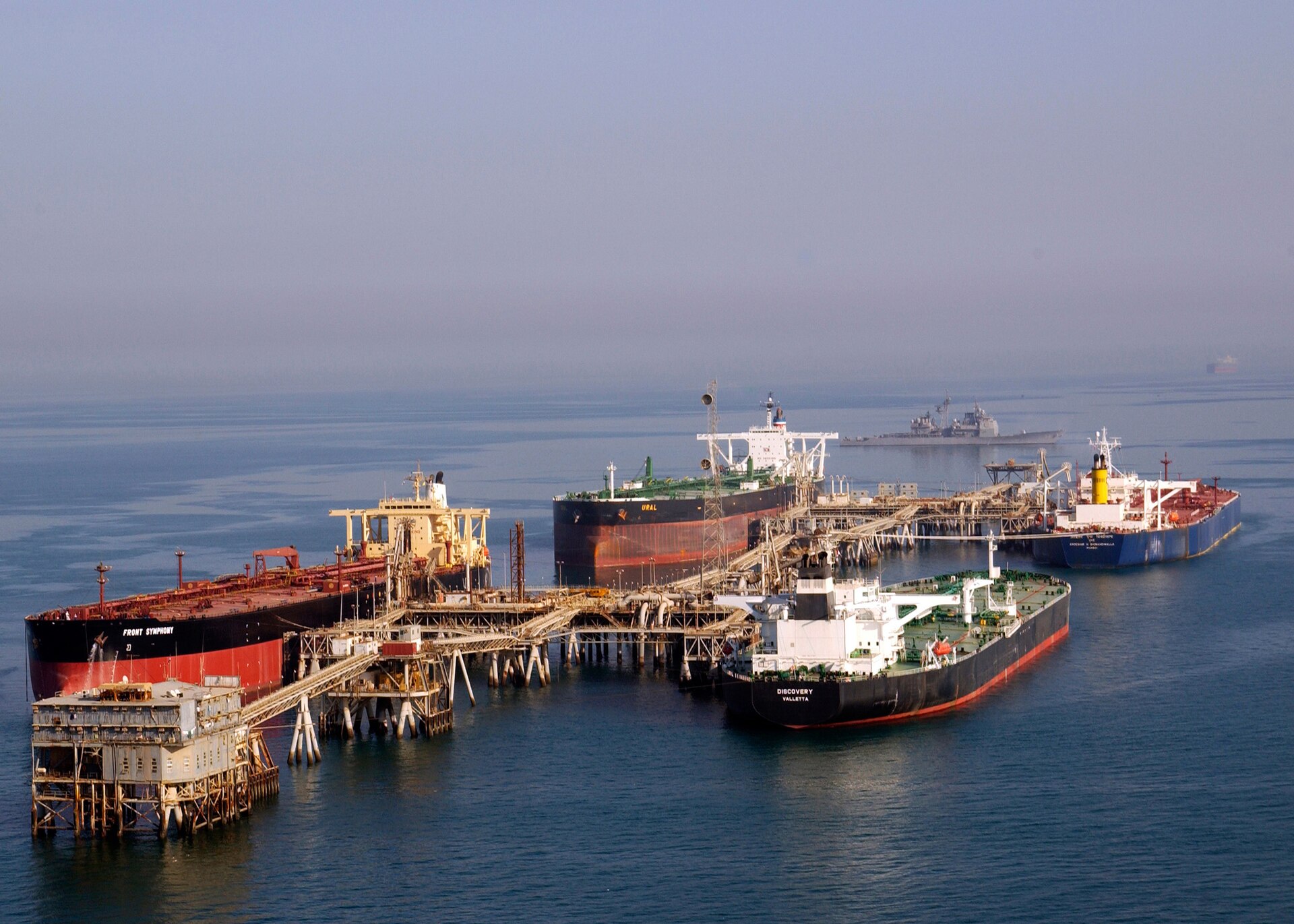
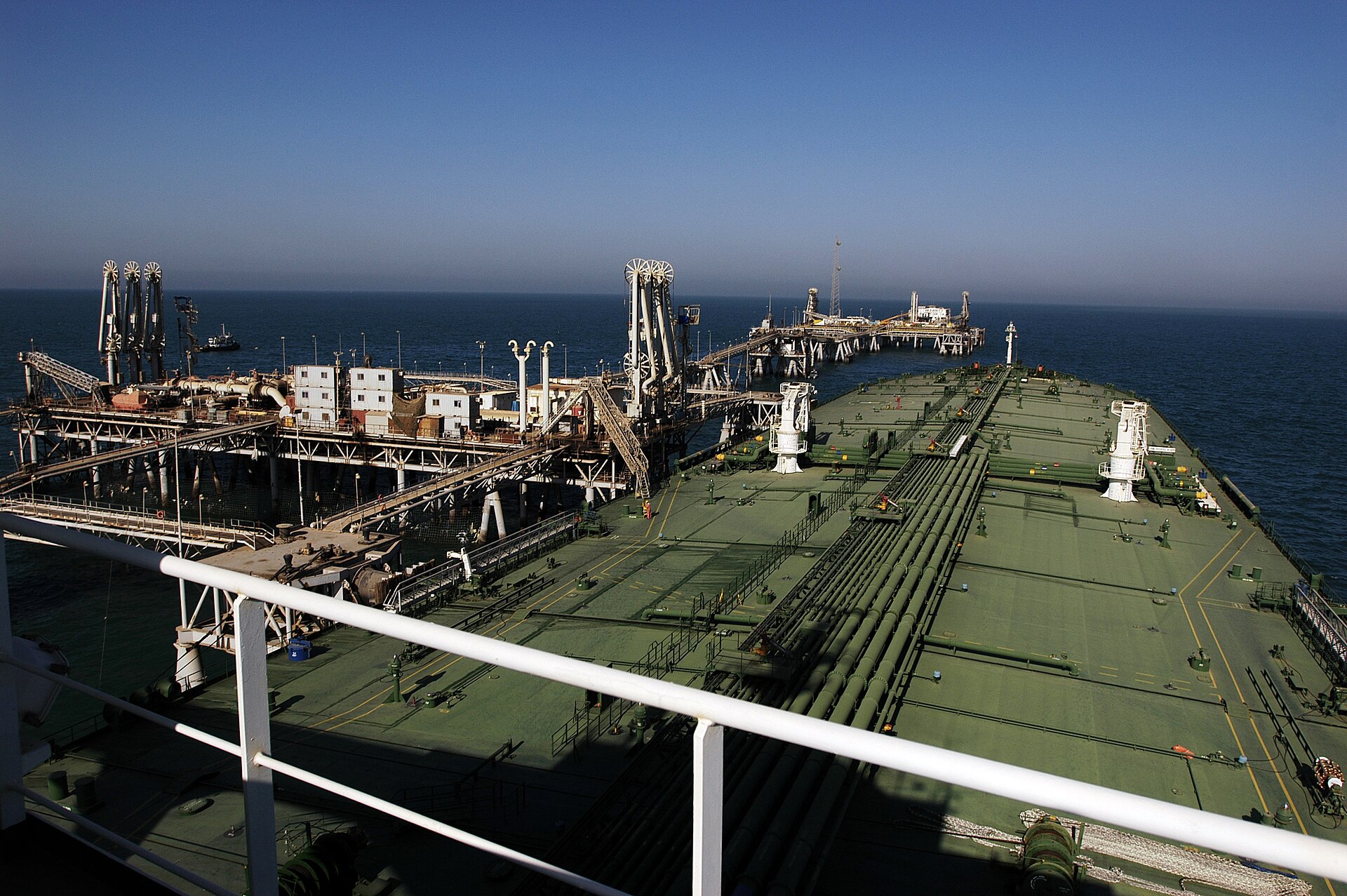
The price surge reflects a market already under extraordinary stress. Brent crude has risen more than $42 per barrel compared to its price a year earlier, according to Fortune, driven primarily by the effective closure of the Strait of Hormuz and the sustained Iranian campaign against Gulf energy infrastructure. The strait, which handles roughly 20 percent of global oil supply according to the EIA, has seen tanker traffic fall to near-zero since Iran’s IRGC issued transit warnings in early March.
The damage to Kuwait’s Mina Al-Ahmadi refinery compounds existing supply concerns. The 730,000 barrel-per-day facility is a significant contributor to global refined product output. Any prolonged disruption would tighten diesel and jet fuel markets that are already stretched by the loss of refining capacity in the region.
| Benchmark | Pre-War (Feb 27) | March 20 | Change |
|---|---|---|---|
| Brent Crude | $73/bbl | $116/bbl | +59% |
| WTI Crude | $69/bbl | $112/bbl | +62% |
| Asian LNG (spot) | $14/MMBtu | $28/MMBtu | +100% |
Saudi Aramco has been working to offset the Hormuz disruption by rerouting crude exports through its east-to-west pipeline to the Red Sea port of Yanbu, Bloomberg reported. Loadings at Yanbu averaged 2.2 million barrels per day in the first nine days of March, up from 1.1 million in February, according to shipping data compiled by Kpler. By mid-March, Red Sea terminal exports had reached more than 4 million barrels per day — but that still falls short of the roughly 6 million barrels per day Saudi Arabia was shipping through Hormuz before the war.
However, the Yanbu backup route is itself under threat. A drone struck Saudi Arabia’s SAMREF refinery in Yanbu on Thursday, marking the first Iranian attack on Saudi Red Sea oil infrastructure and raising the alarming possibility that both of the Kingdom’s major export corridors could face simultaneous disruption.
The Three-Week War in Numbers
As the Iran war enters its 21st day on Friday, the scale of the conflict across the Gulf region has grown far beyond what most analysts anticipated at the outset. The following data points, compiled from official government statements, UN reports, and wire service tallies, illustrate the breadth of the campaign.
More than 2,200 people across the Middle East have been killed since the war began on February 28 with joint US-Israeli strikes on Iran, according to CNN’s tally of reports from multiple governments. In the Gulf specifically, at least 20 people have been killed by Iranian strikes — predominantly security personnel and foreign workers — while at least 268 have been injured, according to Human Rights Watch citing GCC government sources through March 16.
| Metric | Figure | Source |
|---|---|---|
| Total Iranian missiles and drones fired at Gulf | 3,800+ | Saudi FM statement, The National |
| Gulf civilian deaths (through Mar 16) | 20+ | GCC governments / Al Jazeera |
| Gulf injuries (through Mar 16) | 268+ | Human Rights Watch |
| Bahrain interceptions (cumulative) | 125 missiles, 203 drones | Bahrain government / Al Jazeera |
| Brent crude increase since war start | +59% | CNBC / Fortune |
| Strait of Hormuz transit | Near-zero | EIA / Bloomberg |
| Saudi Aramco Red Sea exports (Mar) | 4+ million bpd | Kpler shipping data / Bloomberg |
| Days of conflict | 20 | AP / CNN |
Iran has maintained its ability to strike Gulf targets despite US claims of having degraded Tehran’s missile production capacity, Al Jazeera reported on March 16. Tehran’s use of low-cost, mass-produced drones — many based on the Shahed-136 design that was battle-tested in Ukraine — has allowed it to sustain a high operational tempo while preserving its more expensive ballistic missile inventory for strategic targets.
The GCC states have collectively spent billions of dollars on interceptors since the conflict began. Each Patriot PAC-3 interceptor missile costs between $3 million and $6 million, according to the Congressional Research Service, while the Iranian drones they are designed to counter cost an estimated $20,000 to $50,000 each, according to IISS estimates. The cost asymmetry is one of the most pressing strategic challenges facing Gulf defense planners.
What Comes Next for Gulf Air Defenses?
Friday’s Eid attacks are likely to accelerate several defense initiatives already underway across the Gulf. Saudi Arabia’s defense ministry has been operating at a wartime tempo since late February, and the sustained drone campaign has exposed both the strengths and limitations of existing air defense architectures.
Greece deployed a Patriot missile battery to Saudi Arabia this week, successfully intercepting Iranian missiles in its first engagement — a development that underscored the growing international dimension of the Gulf’s air defense challenge. Pakistan has also deployed air defense assets and troops, while Ukraine has sent drone defense teams to multiple Gulf states, according to earlier reports.
The US State Department’s approval of a $3.5 billion sale of 1,000 AIM-120C-8 advanced air-to-air missiles to Saudi Arabia, announced in May 2025, has taken on new urgency as interceptor stockpiles diminish, Military.com reported. The Trump administration is considering deploying thousands of additional troops to reinforce US military operations in the region, according to Al Jazeera, citing unnamed US officials.
The most significant resupply initiative came from Secretary of State Marco Rubio, who invoked emergency authority to push through a $16.5 billion emergency arms package for the UAE, Kuwait, and Jordan without waiting for congressional approval. The deal includes THAAD batteries, Patriot interceptors, and emergency counter-drone systems for the Gulf — precisely the platforms being consumed at unsustainable rates by three weeks of continuous Iranian bombardment.
Gulf states are also exploring non-Western defense partnerships. Saudi Arabia signed a $5 billion agreement to manufacture Chinese combat drones in Jeddah earlier this month, according to earlier reports, and has been in discussions with South Korea about the KM-SAM medium-range air defense system. The diversification of defense suppliers — once a diplomatic taboo for US-aligned Gulf monarchies — has accelerated dramatically under the pressure of actual combat.
For the immediate term, however, the Gulf’s defense challenge remains one of mathematics. Iran’s drone production capacity, dispersed across hardened facilities throughout the country, continues to outpace the rate at which Gulf states and their Western allies can replenish interceptor stocks. Friday’s attacks, while largely defeated, consumed expensive defensive munitions that will take weeks or months to replace. Tehran’s strategy of attrition, analysts say, is working precisely as designed.
Frequently Asked Questions
What is the Mina Al-Ahmadi refinery and why is it significant?
Mina Al-Ahmadi is one of the Middle East’s largest oil refineries, located in southern Kuwait with a processing capacity of 730,000 barrels per day, according to MEED. Operated by Kuwait National Petroleum Company, it produces gasoline, diesel, jet fuel, and LPG for domestic consumption and export. Iranian drones struck the facility on consecutive days on March 19 and 20, 2026, sparking fires and forcing partial shutdowns.
How many drones did Saudi Arabia intercept on Eid al-Fitr?
Saudi Arabia’s Ministry of Defense confirmed that air defense forces intercepted and destroyed 11 drones within a two-hour window on Friday morning, March 20, 2026, according to the Saudi Press Agency. Ten drones were engaged over the oil-rich Eastern Province and one over the northern Al-Jawf region. No impacts on Saudi soil were reported.
What caused the escalation in Iranian attacks this week?
The intensified strikes followed Israel’s March 18 bombing of Iran’s South Pars gas field, the world’s largest natural gas deposit shared between Iran and Qatar. Iranian Foreign Minister Abbas Araghchi warned of “zero restraint” if Iran’s energy infrastructure continued to face attack, according to Al Jazeera. Tehran has framed its Gulf strikes as proportional retaliation for the destruction of Iranian economic assets.
How high have oil prices risen since the Iran war began?
Brent crude has surged approximately 59 percent since the war began on February 28, rising from around $73 per barrel to over $116 per barrel by March 20, according to CNBC and Fortune. Prices briefly touched $119 a barrel on March 19 following the South Pars strikes and the escalation against Gulf energy infrastructure. The effective closure of the Strait of Hormuz has removed roughly 20 percent of global oil supply from the market.
Which Gulf states have been targeted by Iran during the war?
Iran has launched missiles and drones at Saudi Arabia, the UAE, Kuwait, Bahrain, Qatar, and Oman since the conflict began, according to GCC government statements compiled by Al Jazeera. Saudi Arabia’s foreign minister stated that more than 3,800 Iranian missiles and drones have struck the Gulf region as of mid-March. Bahrain alone has intercepted 125 missiles and 203 drones, according to its government.