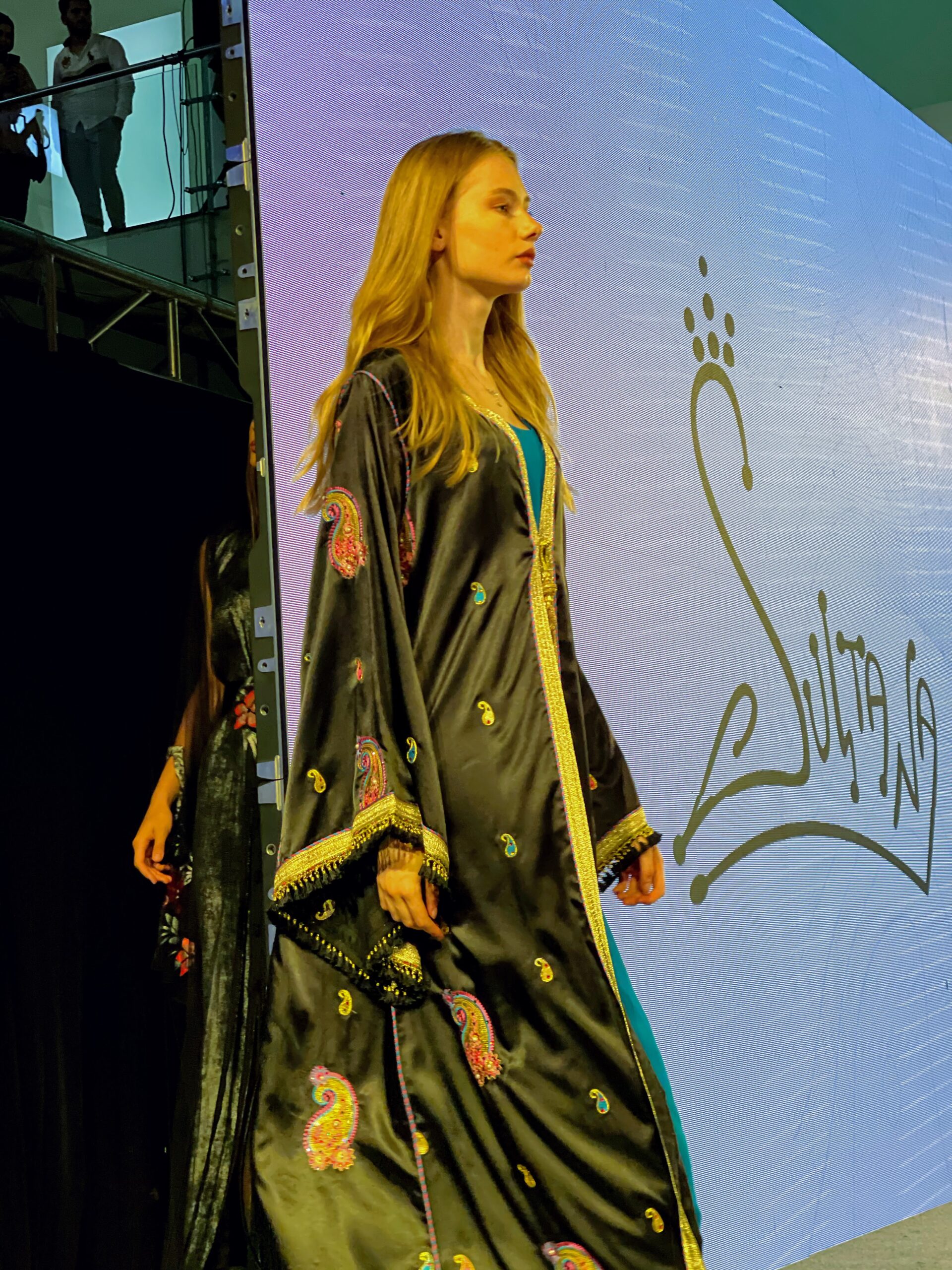

Saudi Arabia has undergone one of the most dramatic cultural transformations in modern history. A country that once deployed religious police to enforce strict dress codes now welcomes millions of international tourists each year, having scrapped the mandatory abaya requirement for foreign women in 2019 and replaced rigid enforcement with a principles-based Public Decorum Code. But “relaxed” does not mean “anything goes.” Understanding the dress code remains one of the most important preparation steps for any visitor to the Kingdom.
This guide covers every scenario you will encounter as a tourist in Saudi Arabia in 2026 — from navigating Riyadh’s gleaming malls to visiting Medina’s sacred precincts, from beach resorts on the Red Sea coast to entertainment mega-events at Riyadh Season. It includes what the law actually says, what local custom expects, what to pack, and the penalties you could face for violations.
The Legal Framework — What Saudi Law Actually Requires
Saudi Arabia’s dress code for tourists is governed by the Public Decency Law, formally enacted in September 2019 alongside the launch of the Kingdom’s tourist e-visa programme. The regulations replaced decades of informal enforcement by the religious police (the mutawa, formally the Committee for the Promotion of Virtue and the Prevention of Vice) with a codified set of rules enforced by regular police officers.
The law requires all visitors to “dress modestly” in public spaces. Specifically, clothing must be:
- Loose and opaque, covering shoulders, elbows, and knees for both men and women
- Free of provocative slogans, racial emblems, or imagery that “outrages public morality”
- Not sleepwear, underwear, or excessively revealing garments
The official Saudi Tourism Authority website (visa.visitsaudi.com) frames the standard as “modesty, not uniformity” — a deliberate signal that Western-style clothing is welcome provided it meets the coverage threshold.
Penalties for Dress Code Violations
The Public Decorum Code identifies 19 specific offences. Dress-related violations carry the following fines, as published by the Saudi Ministry of Interior:
| Violation | First Offence (SAR) | Repeat Offence (SAR) | Approximate USD |
|---|---|---|---|
| Wearing improper clothing in public places | 500 | 1,000 | $133 / $267 |
| Indecent behaviour (including acts of a sexual nature) | 3,000 | 6,000 | $800 / $1,600 |
| Photographing individuals without permission | 1,000 | 2,000 | $267 / $533 |
In practice, enforcement is light-touch. Police officers are instructed to correct behaviour rather than escalate, and tourists who comply when asked to cover up are unlikely to face fines. Repeat violations within twelve months carry doubled penalties. Sharing unauthorised photographs of people online can escalate the matter under Saudi cybercrime regulations, which carry significantly heavier penalties.
The 2019 Turning Point — How the Rules Changed
For decades, all women in Saudi Arabia — locals and foreigners alike — were required to wear a black abaya (a full-length flowing cloak) and cover their hair in public. The mutawa actively patrolled shopping centres, restaurants, and public spaces to enforce compliance. Violations could result in detention, deportation, or public confrontation.
Everything changed in September 2019. Ahmed Al-Khateeb, then chairman of the Saudi Commission for Tourism and National Heritage (now Minister of Tourism), announced that foreign women visiting Saudi Arabia would no longer be required to wear an abaya. Crown Prince Mohammed bin Salman had already signalled the shift in a 2018 interview, stating that Saudi women themselves were not required by law to wear a black abaya so long as their attire was “decent and respectful.”
The change was part of a broader package that included the launch of the tourist e-visa (now available to citizens of 66 countries), the end of the ban on unmarried foreign couples sharing hotel rooms, and the formal codification of public decency rules to replace the discretionary power of the religious police.
The mutawa‘s powers had already been curtailed by a royal decree from King Salman in April 2016, which stripped the committee of the authority to arrest, pursue, or request identification from suspects. By 2022, a former mutawa agent told AFP that the institution he had served for a decade effectively “no longer exists.”
Dress Code for Women — The Complete Guide
The baseline rule for women visitors is straightforward: wear loose-fitting, opaque clothing that covers your shoulders, elbows, and knees. Beyond that, the specifics depend on where you are and what you are doing.
Everyday Clothing — Cities and Shopping
In Riyadh, Jeddah, Dammam, and other major cities, Western-style clothing is perfectly acceptable. You will see Saudi women themselves wearing a wide range of styles — from traditional black abayas to colourful designer outfits, jeans, and branded sportswear. Foreign tourists regularly wear:
- Maxi dresses and midi skirts (below the knee)
- Loose trousers or wide-leg linen pants with tunics or long blouses
- Long-sleeve shirts or three-quarter sleeves with modest necklines
- Light cardigans or wraps over short-sleeve tops
Avoid low-cut necklines, sheer fabrics, tight-fitting clothing, short skirts, and anything with provocative imagery or text. Tank tops and sleeveless shirts should be covered with a cardigan or light jacket when in public spaces outside your hotel.
Do I Need to Wear an Abaya?
No. Foreign women are not required to wear an abaya anywhere in Saudi Arabia except when entering mosque areas. That said, many experienced travellers recommend packing a lightweight open-front abaya for two practical reasons:
- Convenience: It can be thrown over any outfit to instantly meet the modesty standard for conservative areas, traditional markets, or mosque visits.
- Cultural immersion: Wearing one is seen as a sign of respect, and local vendors and residents often respond warmly to tourists who make the effort.
Abayas are widely available for purchase in Saudi Arabia itself — from luxury designer abayas in Riyadh’s upscale malls to affordable options in traditional souqs. Prices range from SAR 100 ($27) for basic designs to several thousand riyals for hand-embroidered designer pieces.
Do I Need to Cover My Hair?
Covering your hair (wearing a hijab) is not legally required for non-Muslim women in Saudi Arabia. You will see many Saudi women with uncovered hair in malls, restaurants, and entertainment venues, particularly in Jeddah and the western region.
However, you should carry a lightweight scarf at all times. You will need it when:
- Visiting mosque areas (mandatory)
- Entering traditional souqs in conservative areas
- Visiting rural or small-town locations outside major cities
- Attending religious or cultural events
What to Wear at Restaurants and Hotels
Hotel lobbies and restaurants in major cities follow international standards. Upscale restaurants may have their own dress codes (smart casual or formal), but these are about style rather than modesty — think “no trainers or flip-flops” rather than “cover your elbows.” Within hotel premises, standard resort-casual attire is generally acceptable.
Dress Code for Men — What Most Guides Underestimate
Male tourists often assume the dress code applies only to women. This is a mistake. While enforcement is less strict for men, Saudi social expectations apply to both genders, and you will feel noticeably out of place if you ignore them.
The Basics
- Always wear a shirt. Going shirtless in any public space (outside hotel pool areas) is unacceptable.
- Avoid sleeveless vests and tank tops in public areas including malls, restaurants, and markets.
- Shorts: Knee-length shorts are tolerated in casual settings, but long trousers are the safer and more respectful choice. Many upscale restaurants and malls will not admit men wearing shorts.
- Avoid tight-fitting clothing, including fitted gym wear, skinny jeans, or muscle shirts in public.
What Saudi Men Wear — Understanding the Context
To understand the dress expectations, it helps to know what Saudi men themselves wear. The traditional Saudi outfit consists of several distinct elements:
| Garment | Description | When Worn |
|---|---|---|
| Thobe (also thawb) | A long, loose, ankle-length robe. White in summer, darker colours in winter. | Daily wear for most Saudi men |
| Ghutra | A white headscarf folded into a triangle | Formal occasions, devotional settings |
| Shemagh | A red-and-white chequered headscarf | Everyday wear, casual settings |
| Agal | A black cord ring that holds the ghutra or shemagh in place | Paired with either headscarf |
| Bisht | A flowing cloak worn over the thobe, often gold-trimmed | Weddings, Eid, ceremonies, royal occasions |
The white thobe is not merely traditional attire — it is engineered for the Saudi climate. The loose design promotes air circulation, and the white fabric reflects sunlight. Both the ghutra and shemagh provide essential sun and dust protection.
Tourists are not expected to wear Saudi traditional dress, but understanding its cultural significance demonstrates respect. If a Saudi host invites you to try on a thobe or shemagh, accepting is considered a gracious response.
Dress Code by Location — A Venue-by-Venue Breakdown
Shopping Malls
Saudi Arabia’s mega-malls — from the Kingdom Centre and Riyadh Park Mall to the Red Sea Mall in Jeddah — are modern, air-conditioned environments where modest Western clothing is the norm. Women should ensure shoulders and knees are covered. Men should wear long trousers and shirts with sleeves. Some malls post signage at entrances specifying their dress requirements.
Traditional Souqs and Markets
Traditional markets (souqs) such as Souq Al-Zal in Riyadh (one of Saudi Arabia’s oldest, founded in 1901), Souq Al-Alawi in Jeddah, and the Qaisariah Souq in Al-Ahsa tend to be more conservative environments. Women should consider wearing an abaya or at minimum a long, loose outfit with a headscarf available. Men should wear long trousers. These markets are often adjacent to mosques, so having appropriate mosque-ready clothing is practical.
Restaurants and Cafes
Casual restaurants and chain cafes have relaxed standards similar to malls. Upscale dining venues in Riyadh and Jeddah increasingly expect smart-casual dress — closed-toe shoes, collared shirts for men, and elegant attire for women. Shorts are generally not acceptable at fine-dining establishments regardless of gender.
Hotels and Resorts
Within hotel premises, dress standards are relaxed. Pool areas allow standard swimwear for both men and women. When moving through hotel lobbies, restaurants, and common areas, cover up with a wrap, kaftan, or shirt over your swimwear.
Entertainment Events and Riyadh Season
Saudi Arabia’s entertainment calendar has exploded in recent years. Riyadh Season 2025-2026 — a six-month mega-festival running across 11 zones including Boulevard City, Boulevard World, and Kingdom Arena — attracts millions of visitors with concerts, sporting events, theatrical performances, and immersive experiences.
At entertainment events, the atmosphere is notably more relaxed than in everyday public spaces. You will see younger Saudis in trendy, fashion-forward outfits. However, the baseline modesty requirements still apply — shoulders and knees covered, no provocative slogans. Check specific venue guidelines for events like the WWE Royal Rumble, concerts, and the WTA Finals, as some venues publish their own dress standards.
AlUla and Desert Tourism
AlUla, home to the UNESCO World Heritage site of Hegra with its Nabataean tombs, operates as a premium tourism destination with a relatively relaxed atmosphere. Modest, lightweight clothing is appropriate — think long-sleeve linen shirts, loose trousers, and comfortable walking boots for desert exploration. The AlUla Season (December-January) features festivals, concerts, hot air balloon tours, and luxury camping where smart-casual attire is the norm.
Workplaces and Business Meetings
If your visit includes business meetings, dress formally. Men should wear suits or at minimum a dress shirt and trousers. Women should wear business-formal clothing — a tailored trouser suit, a below-the-knee dress with sleeves, or a long skirt with a blazer. In Saudi business culture, first impressions carry significant weight, and conservative, polished attire signals professionalism and respect.
Holy Sites — Mecca, Medina, and Mosque Etiquette
The dress code becomes significantly stricter in religious contexts. This is the one area where tourists must pay careful attention to avoid causing offence or breaking the law.
Mecca — Non-Muslims May Not Enter
Non-Muslims are prohibited from entering Mecca (Makkah). This is not merely a dress code issue — it is a legal restriction enforced at checkpoints on all roads leading into the city. Visitors are required to show Hajj or Umrah visas and identification cards. There is no exception for tourists, and attempting to enter can result in detention and deportation.
Medina — Accessible With Restrictions
The city of Medina (Madinah) became accessible to non-Muslim tourists following regulatory changes. Non-Muslims may enter the city, explore its markets and restaurants, and view the exterior of the Prophet’s Mosque (Al-Masjid an-Nabawi). However, non-Muslims are not permitted to enter the mosque itself or the immediate sacred area surrounding it, which is clearly demarcated by a dark green fence.
When visiting Medina, dress conservatively even by Saudi standards. Women should wear an abaya and headscarf. Men should wear long trousers and a long-sleeve shirt. Medina is one of the most sacred cities in Islam, and dressing conservatively is both legally required and a fundamental sign of respect.
Visiting Any Mosque in Saudi Arabia
If you are invited to visit a mosque (many welcome non-Muslim visitors outside prayer times), the following dress requirements apply:
Women:
- Must cover their hair completely with a headscarf or hijab
- Must wear an abaya or a full-length, loose garment covering the entire body (wrists to ankles)
- Must remove shoes before entering
- Hands and face may remain exposed
Men:
- Must wear long trousers (no shorts of any length)
- Must wear a shirt with sleeves (no sleeveless tops)
- Must remove shoes before entering
- Head covering is not required but is welcomed
Ihram — Dress Code for Hajj and Umrah Pilgrims
Muslim visitors performing Hajj or Umrah enter a sacred state called ihram, which has its own specific dress requirements. While this section applies only to Muslim pilgrims, understanding ihram helps all visitors appreciate the significance of what they may observe in Saudi Arabia.
Men’s ihram: Two white, seamless, unstitched cloths. The izar wraps around the waist covering the area from navel to feet. The rida covers the left shoulder (the right shoulder is exposed during tawaf, the circumambulation of the Kaaba). No underwear, socks, head covering, or additional garments are worn. Footwear must reveal the ankles and toes.
Women’s ihram: A loose, full-length robe covering the whole body. Unlike men’s ihram, the garment may have seams and buttons but should be free of adornments. It can be white or any other colour. Women’s hands and face should remain exposed, and shoes should cover the entire foot.
The ihram clothing symbolises equality and unity before God — its simplicity makes it impossible to distinguish the wealthy from the poor, the powerful from the ordinary.
Beach and Pool Dress Code
Beach etiquette in Saudi Arabia varies dramatically between public and private settings. This is one of the areas where tourists are most likely to make mistakes without guidance.
Public Beaches
At public beaches, modest swimwear is expected. For women, this means one-piece swimsuits, rash guards, swim leggings, or loose clothing that covers arms and legs. A burkini is a practical option. For men, knee-length or longer swim shorts are appropriate — avoid speedos and short swim trunks.
Some public beaches have designated women-only sections where women can wear standard swimwear including swimsuits and bikinis, as these areas are screened from public view.
Private Resorts and Hotel Pools
Private resort beaches and hotel pool areas operate on significantly more relaxed standards. Bikinis and standard swimwear are generally acceptable at private resort pools and beach clubs, including at Red Sea resort destinations. However:
- Cover up with a sarong, kaftan, or shirt when moving through resort common areas
- Check your specific resort’s policy — standards vary
- Even at the most liberal resorts, nude or topless sunbathing is strictly prohibited
2026 Beach Regulations
Saudi Arabia introduced updated beach management regulations in 2026, establishing a digital management system for beach safety and environmental monitoring. Under the new framework, all beach operators must be licensed and registered. Beaches are now zoned to separate swimming areas from water sports and fishing zones. Visitor conduct guidelines, including dress codes, must be clearly displayed at every managed beach.
Gym and Fitness Dress Code
Gyms in Saudi Arabia are strictly gender-segregated. This means the dress code within the gym depends on who is present.
Women’s gyms: Once inside the all-female environment, women can wear standard workout clothing including shorts, tank tops, and sports bras. However, you should be dressed modestly when arriving at and departing from the gym — have an abaya or a modest cover-up ready for the transition between the gym floor and your car.
Men’s gyms: Standard gym wear is acceptable, though more conservative than Western norms. In public-facing gyms, sleeveless vests and very tight leggings may draw disapproval. Hotel gyms tend to be more relaxed.
The fitness fashion market in Saudi Arabia has grown rapidly, with brands including Gymshark now offering gym-appropriate abayas and modest activewear designed for the Saudi market.
Seasonal Clothing Guide — Dressing for Saudi Arabia’s Climate
Saudi Arabia’s climate is one of the most extreme on earth. Getting your clothing right is not just about cultural respect — it is about survival and comfort.
Summer (May to September)
Temperatures regularly reach 45 degrees Celsius and can exceed 50 degrees Celsius in inland cities like Riyadh. This is the most challenging period for tourists who must balance modesty requirements with heat management.
Essential strategies:
- Natural fabrics: Cotton and linen are essential. They breathe, wick moisture, and dry quickly. Avoid polyester and synthetic blends, which trap heat.
- Light colours: White and pastel shades reflect sunlight. This is why the traditional Saudi thobe is white in summer.
- Loose fits: Tight clothing traps heat against the body. Loose garments allow air to circulate — the same engineering principle behind the thobe.
- Sun protection: A wide-brimmed hat or lightweight scarf provides critical head and neck protection. Apply SPF 50+ sunscreen liberally.
- Layer for air conditioning: Saudi indoor spaces are aggressively air-conditioned, often dropping to 18-20 degrees Celsius. Pack a light cardigan or wrap for the dramatic temperature swing between outdoors and indoors.
- Multiple changes: Pack more clothes than you think you need. You may want to change two or three times a day due to perspiration.
Winter (November to February)
Saudi winters are mild by most international standards but can surprise visitors. Riyadh temperatures can drop to 5-10 degrees Celsius at night, and the northern regions around Tabuk, Al-Jouf, and NEOM can see frost and even occasional snowfall.
Recommended approach:
- Light layers that can be added or removed as temperatures fluctuate
- A medium-weight jacket for evenings, especially in Riyadh and the north
- Jeddah and the western coast remain warm (20-30 degrees Celsius) year-round
Hajj and Umrah Seasons
Hajj 2026 falls in summer, meaning pilgrims face extreme heat while wearing ihram. For Umrah visitors travelling outside Hajj season, the winter months (December-February) offer the most comfortable conditions for the physically demanding rituals.
What to Pack — The Essential Saudi Arabia Clothing List
Based on the research above, here is a practical packing list for tourists visiting Saudi Arabia.
Women’s Packing List
| Item | Quantity | Notes |
|---|---|---|
| Maxi dresses (loose-fitting) | 2-3 | Your most versatile item — works for sightseeing, dining, and souq visits |
| Loose trousers or linen pants | 2-3 | Cotton or linen only for summer travel |
| Long-sleeve blouses or tunics | 3-4 | Pack light colours for summer |
| Lightweight cardigan or wrap | 2 | For air-conditioned spaces and mosque visits |
| Lightweight scarf or shawl | 2 | Essential — doubles as hair covering for mosques and conservative areas |
| Open-front abaya (optional but recommended) | 1 | Can be purchased locally for SAR 100-300 |
| Modest swimwear | 1-2 | One-piece, rash guard, or burkini for public beaches; bikini for resort pools |
| Comfortable walking shoes | 1-2 | Closed-toe for desert; sandals acceptable in cities |
| Wide-brimmed hat | 1 | Sun protection is non-negotiable |
| Evening outfit | 1 | Smart-casual for fine dining — modest but elegant |
Men’s Packing List
| Item | Quantity | Notes |
|---|---|---|
| Long trousers (cotton or linen) | 3-4 | Your daily staple — avoid jeans in summer heat |
| Short-sleeve polo shirts or button-downs | 3-4 | Collared shirts work everywhere from malls to restaurants |
| Long-sleeve shirts | 2 | For mosque visits, business meetings, and sun protection |
| Knee-length shorts | 1-2 | Acceptable for casual daytime only — not for malls, restaurants, or mosques |
| Lightweight jacket or blazer | 1 | For air conditioning and evening temperature drops |
| Swim shorts (knee-length) | 1-2 | For hotel pools and beaches |
| Comfortable closed-toe shoes | 1 | Essential for desert excursions and walking |
| Sandals | 1 | Acceptable in casual settings; practical in heat |
| Hat or cap | 1 | Sun protection |
| Smart-casual outfit | 1 | For fine dining or business — dress shirt and trousers minimum |
Universal Items
- SPF 50+ sunscreen — reapply every two hours
- Moisturiser — the desert air is extremely dry
- Sunglasses — high-quality UV protection is essential
- Reusable water bottle — hydration is critical in the Saudi climate
- Slip-on shoes — practical for mosque visits where shoes must be removed frequently
Photography Etiquette and Dress
Photographing people in Saudi Arabia without their permission is a violation of the Public Decorum Code, carrying a fine of SAR 1,000 ($267) for the first offence. This is particularly important in the context of dress and culture:
- Never photograph women without explicit consent, especially those wearing traditional dress. This is taken extremely seriously.
- Never photograph families without asking permission first.
- Do not photograph police, military personnel, or government buildings.
- Ask before photographing anyone in traditional dress — most Saudis are happy to pose if asked politely, but taking photos without permission is deeply offensive.
- Sharing unauthorised photographs online can escalate the matter under Saudi cybercrime regulations, which carry penalties far exceeding the standard dress code fines.
If you are photographing architecture, landscapes, or street scenes, be mindful of who appears in the frame. When in doubt, ask.
Common Mistakes Tourists Make
Based on traveller accounts and official guidance, these are the most frequent dress code errors made by visitors to Saudi Arabia:
- Assuming Jeddah is “like Dubai”: While Jeddah is considered the most liberal Saudi city, it is still more conservative than Dubai or Bahrain. Do not assume that what works in the UAE will work in Saudi Arabia.
- Wearing shorts to malls and restaurants: Many venues will refuse entry to men in shorts, even knee-length ones. Long trousers are always the safer option.
- Forgetting a headscarf: Even if you never plan to visit a mosque, situations arise — a spontaneous invitation, a traditional neighbourhood, a cultural site. Always carry one.
- Packing only dark clothes: Light colours and breathable fabrics are critical for the climate. An all-black wardrobe will make summer sightseeing miserable.
- Over-relying on “the rules have relaxed”: The legal requirements are more relaxed than they were before 2019. But local social expectations, particularly outside major cities, remain conservative. Dressing modestly is not just about avoiding fines — it is about showing respect for your hosts.
- Wearing offensive slogans: T-shirts with political messages, profanity, alcohol brands, or anything related to Saudi Arabia, the government, the royal family, or Islam should be left at home.
- Tight activewear in public: Yoga pants, leggings, and form-fitting gym wear are fine inside a gender-segregated gym. They are not appropriate as streetwear.
Dress Code by Region — How It Varies Across Saudi Arabia
Saudi Arabia is not culturally monolithic. Dress expectations vary significantly by region, and a tourist’s experience in cosmopolitan Jeddah will differ markedly from rural Najd or the ultra-conservative Qassim province.
| Region | Conservatism Level | Practical Advice |
|---|---|---|
| Jeddah and the Western Coast | Moderate | The most relaxed city in Saudi Arabia. Modest Western clothing widely accepted. Private beaches allow bikinis in designated areas. |
| Riyadh | Moderate to Conservative | The capital has modernised rapidly, but Najd cultural roots remain. More conservative than Jeddah. Cover up at traditional areas and souqs. |
| Eastern Province (Dammam, Al-Khobar, Dhahran) | Moderate | Oil industry presence means a large expat community. International compounds are very relaxed. Public areas follow standard modesty rules. |
| Medina | Very Conservative | A holy city. Women should wear abayas and headscarves. Men should wear long trousers and full sleeves at all times. |
| Qassim and Hail (Central Plateau) | Very Conservative | Deeply traditional communities. Full modest dress essential. Women should strongly consider wearing an abaya and headscarf. |
| AlUla and the North-West | Moderate (Tourist Zones) | Tourist infrastructure is designed for international visitors. Modest casual clothing is appropriate. |
| Asir and the South-West Highlands | Conservative | Traditional communities with rich regional dress customs. Dress conservatively and respect local traditions. |
| NEOM and Red Sea Resorts | Relaxed (Resort Zones) | New tourism developments designed for international visitors. Resort-standard dress codes apply within designated zones. |
Practical Tips From Experienced Travellers
These tips come from published travel guides and first-hand accounts from tourists who have navigated Saudi Arabia’s dress code:
- Buy an abaya locally. Purchasing one in Saudi Arabia is cheaper, gives you the correct local style, and supports local businesses. The souqs in Jeddah and Riyadh have enormous selections at every price point.
- Dress in layers. The temperature differential between outdoor heat (40 degrees Celsius or more) and indoor air conditioning (sometimes below 20 degrees Celsius) is extreme. A light wrap or cardigan that can be added or removed is essential.
- Invest in quality linen. Lightweight linen trousers, shirts, and dresses are the single best clothing choice for Saudi Arabia. They meet modesty requirements, breathe in the heat, and look presentable at restaurants and events.
- Pack slip-on shoes. You will remove your shoes frequently — at mosques, at some traditional homes, and occasionally at cultural sites. Slip-on shoes save time and hassle.
- Bring more socks and underwear than you think you need. In the heat, you may change undergarments multiple times per day.
- Check your luggage for problematic items. Alcohol-branded clothing, politically sensitive imagery, and anything with profanity should stay at home.
Saudi Arabia’s Dress Code in Context — A Society in Transition
Understanding Saudi Arabia’s dress code in 2026 requires understanding the speed of change. In less than a decade, the Kingdom has moved from mandatory abayas and religious police patrols to hosting concerts, mixed-gender entertainment events, and international sporting competitions. The tourist e-visa programme, launched in September 2019, has been a cornerstone of Vision 2030’s diversification strategy, with Saudi Arabia welcoming an estimated 122 million visitors in 2025 — exceeding its original 100 million target six years ahead of schedule, according to Arab News.
The dress code today reflects this transition. The laws prioritise “modesty” over “uniformity,” the enforcement is handled by regular police rather than religious authorities, and the fines are calibrated to correct rather than punish. But Saudi Arabia remains a deeply conservative society with Islam at the centre of its national identity. Tourists who approach the dress code with respect and common sense will find a country that is remarkably welcoming — and one that rewards cultural sensitivity with warmth, hospitality, and memorable experiences.
The golden rule is simple: when in doubt, cover up. Carry a scarf, pack loose-fitting clothes in natural fabrics, and remember that modest dress is not a restriction imposed on you — it is a bridge to genuine connection with one of the world’s most rapidly evolving societies.
Frequently Asked Questions (See also: Solo female travel | Safety guide | Mecca | Ramadan guide)
Can I wear jeans in Saudi Arabia?
Yes, jeans are widely worn by both locals and tourists in Saudi cities. Ensure they are not excessively tight or ripped. In summer, jeans may be uncomfortably hot — opt for linen or cotton trousers instead.
Can I wear makeup and jewellery?
Yes, makeup and jewellery are absolutely fine. Saudi women are known for their sophisticated approach to beauty and fashion. There are no restrictions on cosmetics for tourists.
What happens if I accidentally violate the dress code?
In most cases, nothing dramatic. If a police officer or security guard notices a violation, they will typically ask you to cover up. Comply politely and that will be the end of it. Fines are reserved for persistent or flagrant violations.
Are there changing facilities at tourist sites?
Major tourist attractions, malls, and mosque visitor centres often have restrooms where you can adjust your outfit. Some mosques provide loaner abayas and headscarves for visitors.
Can tourists wear Saudi traditional dress?
Wearing a thobe, shemagh, or abaya as a tourist is generally welcomed as a sign of cultural appreciation. However, avoid wearing the bisht (the formal ceremonial cloak) unless specifically invited to do so, as it carries significance similar to a military dress uniform or academic regalia in Western cultures.
Is the dress code stricter during Ramadan?
During Ramadan, social expectations around modesty increase. Eating, drinking, and smoking in public during daylight hours is prohibited for everyone (including non-Muslim tourists in most public spaces), and dressing conservatively becomes more important. Cover shoulders, elbows, and knees at all times during Ramadan.