
Quick Facts — Saudi Arabia Desert Safaris
- Best season: October to March (15 °C–28 °C daytime)
- Top destinations: Empty Quarter, Edge of the World, Red Sands, Al Nafud, AlUla
- Price range: SAR 299–2,000+ per person depending on duration and format
- Minimum time needed: Half-day (Red Sands), 2–3 days (Empty Quarter expedition)
- Key activities: Dune bashing, sandboarding, camel rides, stargazing, Bedouin dining
- Visa note: Tourist e-visas available for 63 nationalities at visa.visitsaudi.com
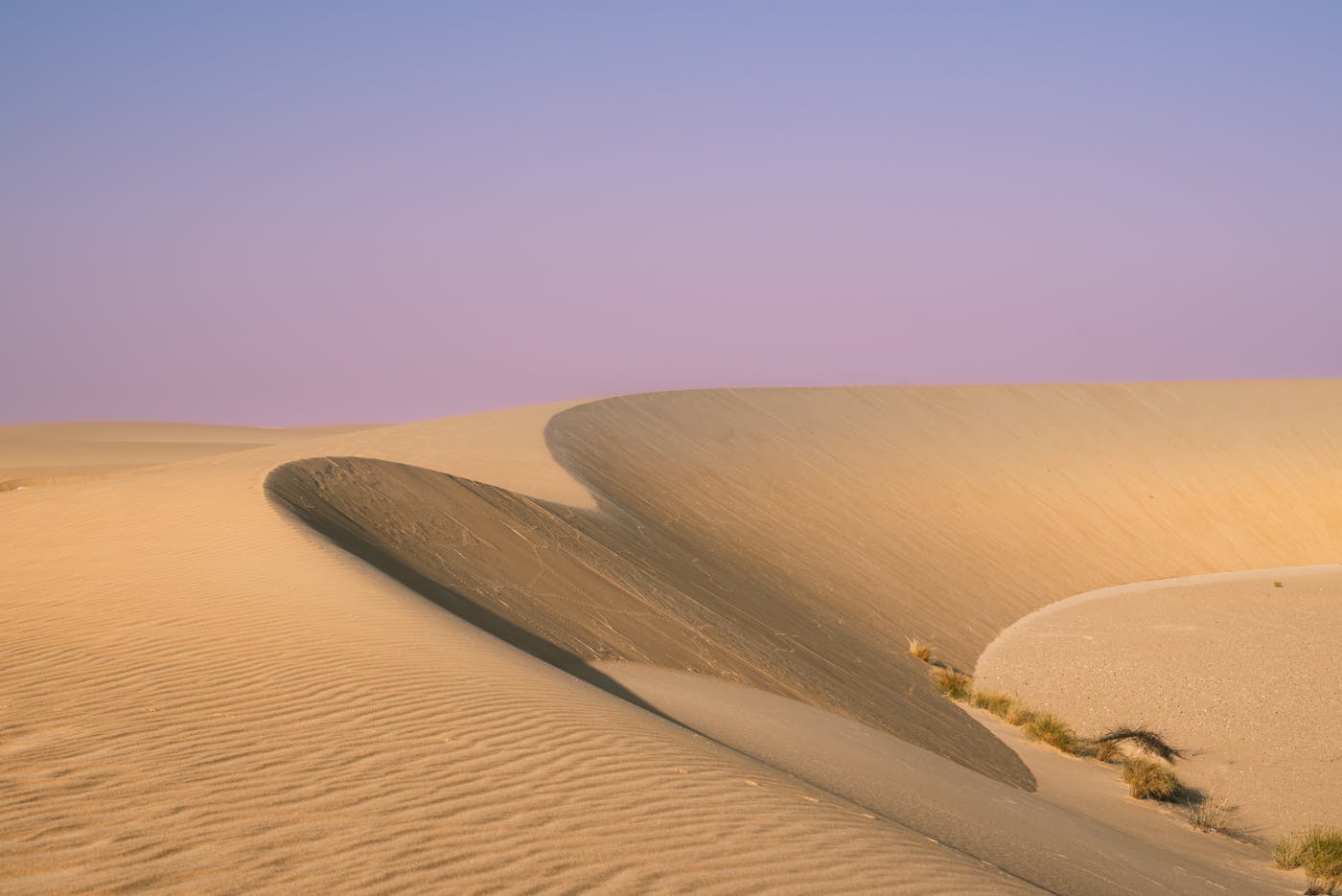
Saudi Arabia contains some of the most dramatic desert landscapes on earth, from the burnt-orange dunes of the Empty Quarter — the world’s largest contiguous sand desert — to the sheer 300-metre cliffs of the Edge of the World outside Riyadh — one of the Kingdom’s premier hiking destinations. Yet for decades, these landscapes remained largely inaccessible to international visitors. That has changed. The Kingdom’s tourism push under Vision 2030 has unlocked a network of licensed safari operators, luxury desert camps and adventure outfitters that now make it possible to explore Arabia’s sand seas in everything from a stripped-down 4×4 to a climate-controlled glamping villa.
This guide covers every major desert destination in the country, from quick half-day escapes near Riyadh to multi-day expeditions into the Empty Quarter. Whether you want an adrenaline-charged dune bashing session, a contemplative night of stargazing at a certified Dark Sky reserve, or a traditional Bedouin feast under the stars, Saudi Arabia’s deserts deliver an experience unlike anything else in the Middle East.
Saudi Arabia’s Major Desert Destinations
The Arabian Peninsula is roughly one-third desert, and Saudi Arabia alone contains three distinct sand seas plus dozens of smaller dune fields. Each offers a different character, a different palette and a different kind of adventure. Understanding the geography is the first step toward choosing the right safari.
The Empty Quarter (Rub al Khali)
The Rub al Khali is the undisputed centrepiece of Arabian desert tourism. Spanning roughly 650,000 square kilometres across Saudi Arabia, Oman, the UAE and Yemen, it is the largest contiguous sand desert on the planet — larger than France. On the Saudi side, the Empty Quarter stretches from the southern border with Yemen northward toward Riyadh Province, its dunes rising in places to over 250 metres.
Multi-day expeditions typically launch from Sharurah in the south or from the Liwa area on the UAE border. Expect long driving days across sabkha (salt flat) corridors between towering star dunes, overnight camps in silence so absolute you can hear your own heartbeat, and sunrises that paint the sand in shades of copper and rose. This is not a day-trip destination — plan at least two to three nights to do it justice, and book with an operator experienced in deep-desert navigation. Satellite phones and spare fuel are standard kit.
Edge of the World (Jebel Fihrayn)
Located roughly 100 kilometres northwest of Riyadh, the Edge of the World is the most accessible dramatic desert landscape in the Kingdom. The name is apt: the Tuwaiq Escarpment drops some 300 metres in a sheer cliff face, with the flat gravel plains of the ancient Tethys Sea bed stretching to the horizon below. On a clear day, the view feels genuinely infinite.
The drive from central Riyadh takes about 90 minutes on tarmac, followed by 10–15 minutes of moderate off-road driving to the parking area. A 4×4 vehicle is essential for the final approach. Most visitors arrive in the afternoon to catch sunset, when the cliff face turns deep amber. Several operators offer combined packages that include a Riyadh pickup, guided cliff walk, Arabic coffee service at the edge, and a campfire dinner under the stars before returning to the city by around 10 pm.
Red Sands (Dahna Desert)
The Red Sands sit within the Dahna Desert, a narrow arc of rust-coloured dunes that connects the Nafud in the north to the Empty Quarter in the south. The section closest to Riyadh — less than an hour’s drive from the city centre — has become the capital’s default desert playground. The dunes here are modest in height but photogenic, with their distinctive iron-oxide tint providing a striking contrast against clear blue skies.
Red Sands is ideal for half-day excursions: a few hours of dune bashing, sandboarding and quad biking followed by a Bedouin-style camp dinner with bonfire, Arabic coffee and shisha. It is the most popular destination among Riyadh-based expatriates and Saudi families, particularly on Thursday and Friday evenings. If you are short on time and based in Riyadh, this is the desert experience to prioritise.
Al Nafud Desert
The Great Nafud occupies approximately 65,000 square kilometres of north-central Saudi Arabia, centred on the Ha’il region. Its sand is brick-red, coloured by iron oxide, and its dunes are sculpted by notoriously violent winds into enormous crescent formations. The landscape is starker and less visited than the Empty Quarter, lending it an atmosphere of genuine remoteness.
A partially tarmacked road south of the oasis town of Jubbah extends several kilometres into the red dunes and offers an accessible taster of the Nafud without requiring deep-desert logistics. The region also holds serious archaeological significance: an 85,000-year-old fossilised human finger discovered in An Nafud in 2016 provided some of the earliest evidence of modern humans outside Africa. The annual Ha’il Desert Festival, held each spring, showcases poetry, traditional arts, authentic Arabian food and Bedouin heritage in the Nafud sands.
AlUla and the Hejaz Desert
While AlUla is best known for the Nabataean tombs of Hegra, the surrounding desert is a destination in its own right. Sandstone canyons, volcanic basalt fields and open sand plains create a landscape more varied than any other desert region in Saudi Arabia. AlUla also holds the distinction of hosting Saudi Arabia’s first DarkSky International-certified Dark Sky Parks at the Manara and AlGharameel Nature Reserves — making it arguably the finest stargazing destination in the Middle East.
Desert experiences around AlUla range from hot-air balloon flights at dawn over the sandstone formations to camel treks through the Ashar Valley. The area is also home to Saudi Arabia’s most refined desert accommodation, including Our Habitas AlUla and the Ashar Tented Resort. For those who want their desert safari served with Egyptian cotton sheets and a wellness spa, AlUla is the answer — our luxury travel guide covers these properties in detail.
Desert Activities: What You Can Actually Do
The phrase “desert safari” covers a wide spectrum of experiences in Saudi Arabia, from white-knuckle off-roading to meditative stargazing sessions. Here is a breakdown of the main activities available.
Dune Bashing
Dune bashing — driving a 4×4 at speed across dune crests, climbing steep sand faces and sliding sideways down slip faces — is the signature Saudi desert adrenaline experience. Most operators use Toyota Land Cruisers or Nissan Patrols with deflated tyres and roll cages. Sessions typically last 30–60 minutes and are included in most safari packages. The Red Sands near Riyadh and the dunes outside Jeddah are the most popular dune bashing locations, though the Empty Quarter’s towering dunes offer the most extreme terrain for experienced drivers.
Safety note: reputable operators carry recovery gear, first-aid kits and satellite communication equipment. Always confirm that your driver is licensed and the vehicle is insured before setting off. Motion sickness is common — sit in the front seat if you are prone to it, and avoid eating heavily beforehand.
Sandboarding
Sandboarding works on the same principle as snowboarding, substituting waxed boards for the snow variety and desert dunes for mountain slopes. The Red Sands and Al Khobar dunes are particularly well-suited to the activity, with moderate gradients that are forgiving for beginners. Boards are typically provided by tour operators. The experience is less technical than snowboarding — no lifts, no groomed runs, and considerably more sand in your shoes — but the thrill of carving down a dune face with nothing but open desert ahead is genuinely memorable.
Camel Rides and Treks
Camel riding ranges from a gentle 15-minute circuit at a tourist camp to multi-hour treks along ancient Bedouin routes. The best camel trekking experiences are found around AlUla, where rides pass through historically significant landscape, and in the Red Sands, where 5-kilometre treks follow the dune ridgelines at sunset. For a deeper immersion, some operators in the Empty Quarter offer multi-day camel-supported expeditions where dromedaries carry supplies while you walk alongside — the closest modern approximation of traditional Bedouin desert travel.
Quad Biking and Buggies
Electric and petrol-powered quad bikes and dune buggies are available at most organised desert camps near Riyadh, Jeddah and Al Khobar. Sessions typically last 30–60 minutes and are suitable for beginners, with guides leading convoy-style through marked routes. Some operators near Riyadh now offer electric quad bikes, which reduce noise pollution in the desert environment while still delivering plenty of power on the dunes.
Stargazing
Saudi Arabia’s deserts offer some of the darkest skies in the world, and the Kingdom has invested significantly in astrotourism infrastructure. AlUla’s Manara and AlGharameel Nature Reserves became the first DarkSky International-certified parks in the Middle East, with the AlNufud Dark Sky Park in the Great Nafud now holding the distinction of being the largest Dark Sky Park in the MENA region. On a clear winter night in the Empty Quarter, the Milky Way is visible as a luminous band from horizon to horizon, and the zodiacal light — a faint triangular glow caused by sunlight reflecting off interplanetary dust — is readily observable.
Several operators offer dedicated stargazing packages that include telescopes, astronomy guides and desert camping. The best months for stargazing are December through February, when skies are clearest and the air is cool enough for comfortable overnight observation.
Falconry Demonstrations
Falconry is deeply embedded in Saudi culture and has been practised on the Arabian Peninsula for thousands of years. Many desert safari operators offer falconry demonstrations as part of their evening programme, with trained handlers showing visitors how the birds hunt and allowing guests to hold a falcon on a gloved wrist. The experience provides a tangible connection to the Bedouin heritage that shaped life in these deserts for centuries.
Desert Camping: Budget to Ultra-Luxury
Where you sleep in the Saudi desert shapes your experience as much as what you do during the day. Options now range from a SAR 50 patch of sand to resorts that charge four figures per night.
Budget Camping (SAR 50–300 per night)
Wild camping is legal in most Saudi desert areas, and the Red Sands outside Riyadh fill with family camps every winter weekend. Bring your own tent, sleeping bag, firewood and water. The infrastructure is zero — no toilets, no shade structures, no phone signal in deeper areas — but the freedom is absolute. For a step up, several operators at Red Sands and the Dahna Desert offer basic camp setups with provided tents, mattresses, a campfire and a simple dinner for around SAR 200–300 per person.
Mid-Range Desert Camps (SAR 500–1,500 per night)
Organised desert camps near Riyadh, Jeddah and AlUla provide furnished tents, proper bedding, communal dining areas and activity programmes including dune bashing, sandboarding and campfire entertainment. Bathroom facilities are typically shared portable units. These camps represent the best value for most visitors: you get the desert experience without hauling your own gear, and the included activities and meals simplify logistics considerably. Overnight safari packages from Riyadh into the Red Sands typically fall in the SAR 649–900 range per person with all activities included.
Luxury Glamping and Desert Resorts (SAR 2,000+ per night)
At the top end, AlUla has established itself as the Kingdom’s premier luxury desert destination. Our Habitas AlUla offers 96 villas built from bamboo, canvas and responsibly sourced hardwood, set among the sandstone canyons of the Ashar Valley. The resort includes the Thuraya Wellness spa, the Tama restaurant sourcing local ingredients, and a range of curated desert experiences. Rates start from approximately SAR 3,000 per night.
The Ashar Tented Resort and Caravan by Habitas provide slightly more accessible luxury alternatives in the same valley, while Banyan Tree AlUla offers another ultra-premium option. For those willing to invest, these properties deliver a desert experience that rivals anything in the UAE or Oman — arguably surpassing them in terms of landscape drama and cultural depth.
Bedouin Culture and Hospitality Experiences
A desert safari in Saudi Arabia is incomplete without engaging with Bedouin culture, the living heritage of the people who have navigated these sands for millennia. The best operators weave cultural elements throughout the experience rather than treating them as a bolt-on.
Traditional Coffee and Dates
Arabic coffee (qahwa) — lightly roasted, cardamom-spiced and served in small handleless cups — is the universal gesture of desert hospitality. At organised camps and safari stops, coffee is prepared using a traditional dallah pot and served alongside dates. The ritual of pouring and receiving carries social meaning: accepting the cup with your right hand, drinking in small sips, and gently shaking the cup when you have had enough. Understanding these small courtesies enriches the experience.
Bedouin Feasts
Evening meals at desert camps typically feature dishes cooked using traditional methods — lamb or chicken slow-cooked underground in a zarb pit, served with rice, flatbreads and salads. The communal dining format, eating together on floor cushions around shared platters, reflects genuine Bedouin practice rather than tourist theatre. Many camps also offer bread-making demonstrations, where guests learn to prepare markook flatbread on a domed griddle.
Storytelling and Music
After dinner, some camps host traditional entertainment around the campfire: poetry recitations, stories of desert navigation, and music played on the rababa (a single-stringed instrument) or the oud. These evening sessions, when they are done well, offer an authentic window into the oral culture that sustained communities across thousands of years of desert life.
Tour Operators and Booking Platforms
The Saudi desert safari market has matured considerably since the Kingdom opened to tourism in 2019. Here are the main channels for booking.
| Operator / Platform | Speciality | Price Range (SAR) | Best For |
|---|---|---|---|
| 365 Adventures | Multi-activity desert tours from Riyadh, Jeddah, Tabuk | 299–1,200 | Half-day and full-day group tours |
| WadiTrip | Bedouin cultural experiences, VIP private tours | 500–2,500 | Private groups, cultural immersion |
| Saudi Safari Tours | Dune bashing, Nafud and Empty Quarter expeditions | 650–3,000 | Adventure-focused multi-day trips |
| Saudi Private Tours | Luxury private desert camping, multi-city itineraries | 1,000–5,000+ | High-end private experiences |
| GetYourGuide | Aggregator — Edge of the World, Red Sands packages | 150–800 | Quick booking, reviews, cancellation flexibility |
| Viator | Aggregator — broad range of Riyadh and Jeddah tours | 125–1,500 | Comparison shopping, verified reviews |
| Experience AlUla | Official AlUla tourism portal — desert, heritage, luxury | Varies | AlUla-specific experiences |
For Empty Quarter expeditions, specialist operators like Saudi Arabia Travel and Tours offer multi-day guided crossings with full logistical support. For day trips near Riyadh, aggregators like GetYourGuide and Viator offer competitive pricing and flexible cancellation policies. Always confirm that your chosen operator holds a Saudi Tourism Authority licence.
What to Wear and What to Bring
Desert conditions in Saudi Arabia demand thoughtful preparation. Daytime temperatures during peak season (November to March) range from 15 °C to 28 °C, but nights can drop below 10 °C — and in summer, daytime heat regularly exceeds 45 °C. Here is your packing checklist.
Clothing
Lightweight, loose-fitting clothing in breathable fabrics (cotton and linen) is essential. Long sleeves and long trousers protect against both sun and sand abrasion. Saudi Arabia’s dress code is more relaxed in desert settings than in cities, but modesty is still expected — shoulders and knees should be covered, particularly for women. Bring a warm layer (fleece or light down jacket) for desert evenings, when temperatures drop sharply after sunset. A shemagh (traditional headscarf) is both culturally appropriate and genuinely useful for protecting your face during sandstorms or windy conditions.
Footwear
Closed-toe hiking shoes or boots with ankle support are best for rocky terrain at Edge of the World and similar locations. For pure sand environments like the Red Sands, many visitors prefer sandals or lightweight trail shoes — but be warned that sand temperatures can exceed 60 °C in summer. Bring both options if your itinerary includes varied terrain.
Essential Gear Checklist
| Item | Why You Need It |
|---|---|
| High-SPF sunscreen and lip balm | UV exposure is intense; reapply every 2 hours |
| Sunglasses (polarised) | Sand glare can cause eye strain and headaches |
| Water (minimum 3 litres per person per day) | Dehydration is the single biggest desert risk |
| Power bank | No charging facilities in the desert; GPS and camera drain batteries fast |
| First-aid kit | Blisters, minor cuts and insect stings are common |
| Torch or headlamp | Essential for camps without electricity |
| Wet wipes and hand sanitiser | Water for washing is scarce or non-existent at basic camps |
| Snacks and energy bars | Backup nutrition for long drives between stops |
| Camera with spare memory cards | You will take more photographs than you expect |
| Cash (SAR) | Card payment is unreliable at desert camps and rural fuel stations |
Best Time to Go: A Seasonal Guide
Timing matters enormously for a Saudi desert safari. The difference between a December trip and a July trip is the difference between a magical experience and a genuinely dangerous one.
| Season | Months | Temperature Range | Conditions | Verdict |
|---|---|---|---|---|
| Peak (Winter) | November – February | 10 °C – 25 °C | Cool days, cold nights, clear skies, minimal wind | Ideal for all desert activities |
| Shoulder | March – April, October | 20 °C – 35 °C | Warm days, comfortable nights; occasional sandstorms in March | Good — book early morning or sunset tours |
| Off-Season (Summer) | May – September | 35 °C – 50 °C+ | Extreme heat, limited operator availability, potential heat-related illness | Avoid unless you are experienced and take extreme precautions |
The sweet spot is December through February. Skies are reliably clear, temperatures are comfortable for hiking and camping, and the low sun angle produces the most dramatic light for photography. Riyadh Season (October–March) also brings additional cultural events and festivals to the capital that can be combined with a desert excursion.
Cost Guide: What to Budget
Desert safari costs in Saudi Arabia have become more competitive as the market has grown. Here is a realistic breakdown for 2026.
| Experience | Duration | Typical Cost (SAR) | Includes |
|---|---|---|---|
| Red Sands half-day (group) | 4–5 hours | 299–400 | Transport, dune bashing, sandboarding, campfire dinner |
| Edge of the World sunset tour | 6–8 hours | 350–600 | 4×4 transport, guided hike, coffee, dinner |
| Red Sands overnight (group) | 18–20 hours | 649–900 | All activities, tent, meals, campfire |
| Private desert safari (Riyadh) | Full day | 975–1,500 | Private 4×4, driver-guide, all activities, meals |
| Empty Quarter expedition | 2–4 days | 3,000–8,000 | Full logistics, camping gear, guide, meals, satellite phone |
| AlUla luxury glamping | Per night | 3,000–7,000+ | Accommodation, some activities, dining |
Tips: group tours are significantly cheaper than private bookings. A group of four to six sharing a private 4×4 can bring the per-person cost down to SAR 200–400 for a full-day experience. Renting your own 4×4 and self-driving to the Red Sands or Edge of the World is the cheapest option of all — but only if you are confident with off-road driving and carry proper recovery equipment.
Safety and Practical Tips
The Saudi desert is not inherently dangerous, but it is unforgiving of poor preparation. These guidelines apply whether you are on an organised tour or self-driving.
Hydration
Carry a minimum of three litres of water per person per day, more in shoulder and summer months. Dehydration symptoms — headache, dizziness, dark urine — should be treated immediately by moving to shade, resting and drinking steadily. Heat stroke is a medical emergency requiring immediate evacuation.
Vehicle Preparation
If self-driving, ensure your 4×4 has a full tank, a tyre deflator and inflator, a tow rope, a shovel and a basic tool kit. Share your GPS coordinates and expected route with someone not on the trip. Mobile signal is unreliable beyond 20–30 kilometres from major roads — consider renting a satellite communicator.
Navigation
Download offline maps before departing. Google Maps and Maps.me both offer offline functionality for Saudi Arabia. GPS coordinates for key desert landmarks are widely shared on Saudi travel forums and should be programmed before you leave paved roads.
Wildlife Awareness
Saudi deserts are home to scorpions, horned vipers and the occasional Arabian wolf. Shake out shoes and clothing before putting them on in the morning, and avoid reaching into crevices or under rocks. Encounters with dangerous wildlife are rare on organised tours but possible at wild camping sites.
Cultural Respect
The desert is a sacred space in Saudi culture. Carry out all rubbish, avoid disturbing archaeological sites, and respect any areas marked as private or restricted. If you encounter Bedouin herders or residents, a greeting of as-salamu alaykum is always welcome. Photography of people requires permission.
Getting There and Getting Around
Your base city determines which deserts are most accessible.
| Base City | Nearest Desert Destination | Drive Time | Vehicle Needed |
|---|---|---|---|
| Riyadh | Red Sands (Dahna) | 45–60 min | 4×4 recommended |
| Riyadh | Edge of the World | 90 min | 4×4 essential |
| Riyadh | Empty Quarter (northern edge) | 5–6 hours | 4×4 essential + guide |
| Jeddah | Hejaz desert dunes | 60–90 min | 4×4 recommended |
| Ha’il | Al Nafud desert | 30–60 min | 4×4 essential for deep dunes |
| AlUla (fly or drive) | Ashar Valley, Dark Sky reserves | On-site | Tours arranged locally |
Riyadh is the most practical base for first-time desert visitors, offering same-day access to both the Red Sands and the Edge of the World. For the Empty Quarter, the southern city of Sharurah or the Najran region serves as a launch point, though these require a domestic flight or a long drive. AlUla is served by direct flights from Riyadh and Jeddah.
Suggested Itineraries
Weekend Escape from Riyadh (2 Days)
Day 1: Morning departure to Edge of the World. Guided cliff hike, Arabic coffee at the escarpment edge, sunset dinner with campfire. Return to Riyadh by 10 pm.
Day 2: Afternoon departure to Red Sands. Dune bashing, sandboarding, camel ride. Bedouin camp dinner with stargazing before returning to the city.
AlUla Desert and Heritage (3 Days)
Day 1: Fly to AlUla. Check into Our Habitas or Ashar Tented Resort. Afternoon camel trek through the Ashar Valley. Evening stargazing at Dark Sky reserve.
Day 2: Morning visit to Hegra (UNESCO site). Afternoon hot-air balloon flight over the sandstone formations. Spa treatment at Thuraya Wellness.
Day 3: Sunrise desert drive. Explore the old town of AlUla. Fly back to Riyadh or Jeddah.
Empty Quarter Expedition (4–5 Days)
Day 1: Fly to Sharurah. Meet guide and convoy. Drive into the northern Empty Quarter. First camp on the edge of the dune field.
Day 2–3: Deep desert driving through star dunes and sabkha flats. Navigate by GPS and dune compass. Camp under open sky. Sandboarding on mega-dunes.
Day 4: Traverse toward the Liwa corridor or return route. Final desert camp with Bedouin feast.
Day 5: Drive out and transfer to departure city.
Frequently Asked Questions
Is dune bashing in Saudi Arabia safe?
Yes, when conducted by a licensed operator with an experienced driver. Reputable companies use vehicles fitted with roll cages, carry recovery equipment and satellite phones, and brief passengers on safety procedures before departure. Choose operators with Saudi Tourism Authority accreditation and positive reviews on platforms like GetYourGuide or Viator.
Can I self-drive in the Saudi desert?
You can, provided you have a valid driving licence (international or Saudi) and a suitable 4×4 vehicle. The Red Sands and Edge of the World are manageable for confident off-road drivers. The Empty Quarter and deep Nafud require expert navigation — do not attempt these without a guide, satellite communication and proper recovery equipment. Always inform someone of your route and expected return time.
What is the best desert in Saudi Arabia for beginners?
The Red Sands near Riyadh. It is close to the city, offers gentle dunes suitable for sandboarding and dune bashing, and has a well-established network of tour operators offering half-day packages from SAR 299. The Edge of the World is another accessible option, though it is more of a hiking and scenic experience than a traditional sand-dune safari.
Do I need a visa for Saudi Arabia?
Citizens of 63 countries can obtain a tourist e-visa online at visa.visitsaudi.com. The visa is valid for one year and permits stays of up to 90 days. Processing typically takes 5–30 minutes. GCC nationals do not require a visa.
Can women go on desert safaris in Saudi Arabia?
Absolutely. Women can participate in all desert activities — dune bashing, sandboarding, camping — without restriction. Saudi Arabia has significantly relaxed its regulations for female travellers since 2019. Women are no longer required to travel with a male guardian, and modest but practical clothing (long sleeves, trousers, headscarf optional) is perfectly acceptable in desert settings.
Is it possible to see the Milky Way in the Saudi desert?
Yes, and spectacularly so. The Empty Quarter, Al Nafud and AlUla’s Dark Sky reserves offer some of the darkest skies in the world. On a clear winter night away from city lights, the Milky Way is visible as a bright band stretching across the entire sky. December to February offers the best conditions for stargazing, with minimal humidity and clear atmospheric conditions.
How far in advance should I book a desert safari?
For day trips to Red Sands or Edge of the World, 2–3 days advance booking is usually sufficient, though weekend slots fill quickly during winter season (November–February). For Empty Quarter expeditions, book at least 2–4 weeks ahead. For AlUla luxury resorts during peak season, 4–8 weeks advance booking is recommended.
What happens if there is a sandstorm during my safari?
Experienced operators monitor weather conditions closely and will reschedule or adjust routes if a sandstorm is forecast. If caught in unexpected conditions, your guide will find shelter behind a dune, and you should cover your nose and mouth with a shemagh or cloth, protect electronics in sealed bags, and wait for the storm to pass. Sandstorms are most common in March and April and rarely last more than a few hours.