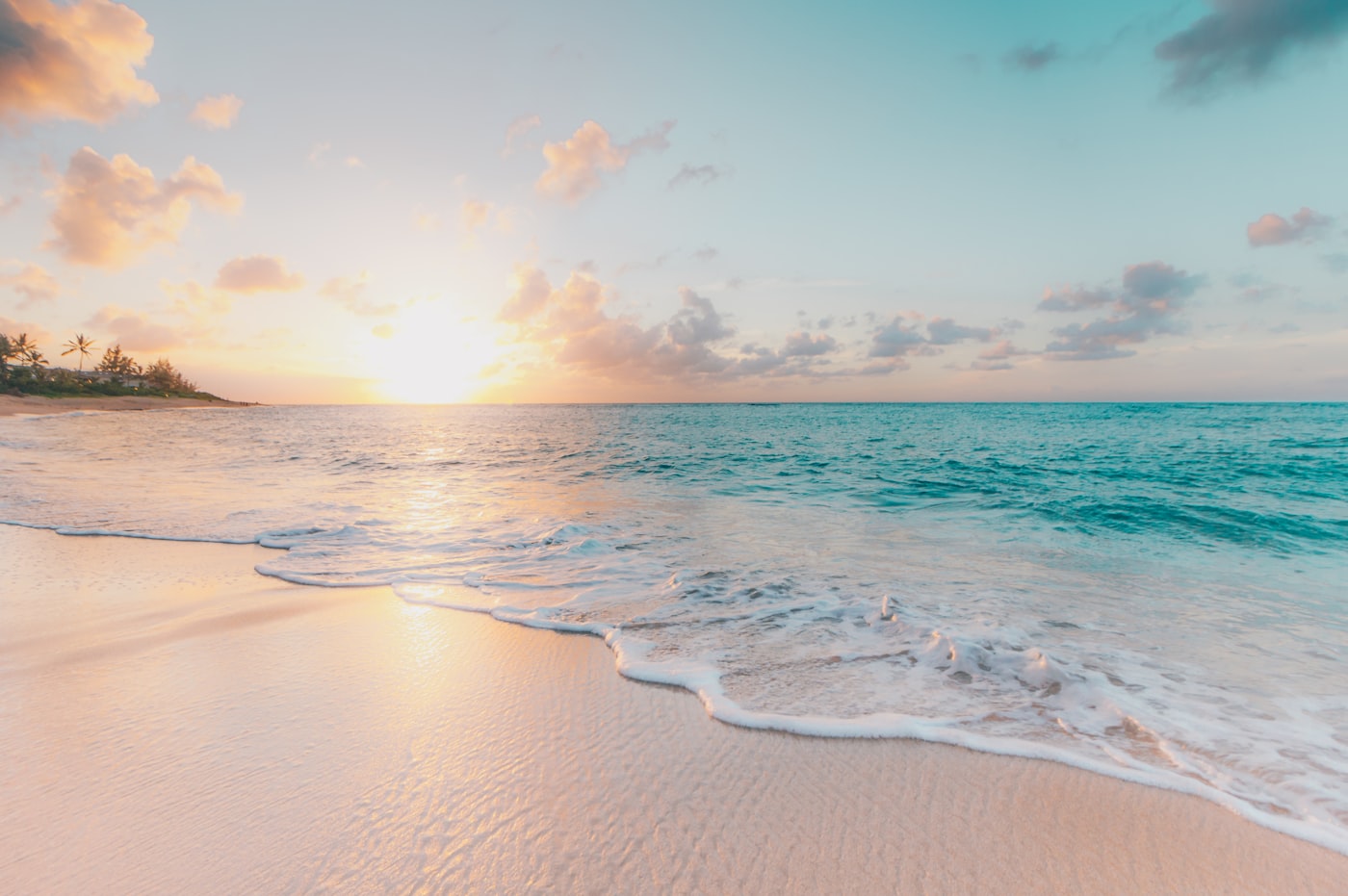

Saudi Arabia has more than 3,400 kilometres of coastline split between two dramatically different bodies of water: the Red Sea to the west and the Arabian Gulf to the east. Until recently, most of that shoreline was the private domain of Saudi families on weekend camping trips, with barely a resort in sight. The opening of the Kingdom under Vision 2030 tourism reforms has changed the equation. International visitors can now reach powder-white islands that rival the Maldives, snorkel coral reefs that marine biologists rank among the healthiest on the planet, and check into beach resorts that range from budget chalets to ultra-luxury wellness retreats.
This guide covers every major beach destination in Saudi Arabia, from the turquoise lagoons of Umluj to the family-friendly crescent of Half Moon Bay, with practical information on access, costs, dress-code expectations, and the best months to visit.
| Total coastline | 3,400+ km (Red Sea ~1,760 km; Arabian Gulf ~1,640 km) |
| Water temperature range | 22 °C – 33 °C (Red Sea); 16 °C – 36 °C (Arabian Gulf) |
| Best months for beach visits | October – April (pleasant air and water temps) |
| Peak domestic season | Eid al-Fitr and Eid al-Adha holidays; weekends (Fri–Sat) |
| Visa requirement | eVisa or visa-on-arrival for 50+ nationalities |
| Currency | Saudi Riyal (SAR), pegged at 3.75 to 1 USD |
| Swimwear rules | Bikinis and board shorts at private resorts; modest cover-up on public beaches |
| Top beach destinations | Umluj, Yanbu, Jeddah, KAEC, Farasan Islands, Half Moon Bay, Al Khobar |
Red Sea Coast — The Western Shoreline
The Red Sea coast runs from the Jordanian border near Haql in the far north-west down to the Yemeni border past the Farasan Islands in the south-west. It is, by any measure, one of the most biologically rich marine corridors on Earth. Water visibility regularly exceeds 30 metres, coral coverage is dense and healthy, and megafauna — whale sharks, manta rays, hammerheads — patrol the deeper drop-offs. For beachgoers, the Red Sea side generally offers calmer water, whiter sand, and more dramatic island scenery than the Gulf coast.
Umluj — The Maldives of Saudi Arabia
Umluj is the beach destination that put Saudi Arabia on the international travel map. Located roughly 400 kilometres north of Jeddah in Tabuk Province, this former fishing village presides over a scattering of more than 100 small coral islands that glow turquoise in shallow water — earning it the nickname “the Maldives of Saudi Arabia.”
The appeal is straightforward: shallow, impossibly clear lagoons; uninhabited islands fringed with palm trees; and virtually no crowds outside of Saudi holiday weekends. Boat operators based at Umluj harbour run island-hopping excursions that stop at three or four islands over a half-day, with snorkelling gear included. The coral is close to shore and the water is warm enough for a swimsuit year-round, though visibility peaks between November and March.
Getting there: Fly into Prince Abdulmohsen bin Abdulaziz Airport in Yanbu (roughly 150 km south), then drive north on Route 55. Alternatively, drive from Jeddah (approximately five hours) or from Tabuk city (roughly four hours). Car rental is the most practical option for reaching Umluj.
Where to stay: Accommodation in Umluj is modest — expect serviced apartments, Airbnb-style holiday rentals, and a handful of small hotels rather than international chains. Many Saudi visitors camp along the shore (see the beach camping section below). Budget around SAR 300–600 per night for a clean apartment with sea views.
Best for: Island hopping, snorkelling, photography, beach camping, escaping resort crowds.
Yanbu — The Red Sea Diving Hub
Yanbu al-Bahr sits 300 kilometres north of Jeddah and serves as both an industrial port and a surprisingly good beach town. The coastline south of the city has several public beaches with clear water, and the offshore reef systems — notably the Seven Sisters — are among the best dive sites in the Kingdom.
Divers come for the sea-fan forests, barrel sponges, and the Iona shipwreck, a World War I-era vessel now encrusted with coral and home to schools of barracuda and jacks. Snorkellers can reach healthy reef from the shore at several points along the Yanbu corniche. The Royal Commission beaches in the industrial zone are well-maintained with changing facilities and shade structures.
Getting there: Yanbu has a domestic airport with flights from Riyadh, Jeddah, and Dammam. The drive from Jeddah takes about three hours via the coastal highway.
Where to stay: Holiday Inn Resort Yanbu, Novotel Yanbu, and several mid-range hotels line the corniche. Rates start around SAR 400 per night.
Best for: Scuba diving, wreck diving, snorkelling, family-friendly public beaches.
Jeddah — City Beaches and Beach Clubs
Jeddah is the Kingdom’s coastal metropolis, and its northern shoreline between Obhur Creek and the new Jeddah Waterfront project is lined with private beach clubs, resort day-passes, and public stretches of sand. The city is not a pristine beach destination in the traditional sense — this is urban coastline — but it offers the widest range of beach facilities in Saudi Arabia and the easiest access for visitors already in the country.
Silver Sands Beach: A gated private beach north of the city with 250 metres of white sand, calm water, and a relaxed atmosphere popular with expats and families. Entry fees apply (typically SAR 100–200 per person on weekdays, higher on weekends). Bikinis are accepted inside the compound.
Obhur Beach and Creek: The Obhur area is Jeddah’s water-sports capital. Jet-ski rental, banana-boat rides, parasailing, and boat charters operate along the creek. Several private resorts offer day access with beach, pool, and dining packages.
Jeddah Waterfront (New Corniche): The redeveloped corniche stretches for 30 kilometres along the Red Sea. While much of it is promenade rather than swimmable beach, sections have sandy coves, and the sunset views across the water are among the best in the city. Al-Nakheel Beach and Durrat Al-Arus Beach to the south are cleaner options for swimming.
Best for: Water sports, day-pass beach clubs, urban beach culture, dining and nightlife after the beach.
King Abdullah Economic City (KAEC)
KAEC is a planned city roughly 100 kilometres north of Jeddah with a marina, golf course, and several kilometres of managed beachfront. Yam Beach in the Bay La Sun district is the standout — a landscaped beach with loungers, food outlets, and calm water suitable for families. The Royal Greens Golf and Country Club, designed by Greg Norman, sits directly behind the beach, and the marina hosts a yacht club and waterfront restaurants.
KAEC is a good option for visitors who want a resort-style beach day within easy reach of Jeddah without the urban density. It is also the closest quality beach to Makkah (about 80 km), making it a popular weekend escape for residents of the holy city.
Getting there: Drive from Jeddah (roughly one hour north on the coastal highway) or from Makkah (roughly 1.5 hours).
Best for: Family beach days, golf, marina dining, a cleaner alternative to central Jeddah beaches.
Al Lith and the Farasan Banks
Two hours south of Jeddah, the small port town of Al Lith is the launch point for boats to Jabal Al Lith Island and the Farasan Banks — a vast offshore archipelago of sand cays, coral atolls, and pristine reefs. This is serious diving and snorkelling territory, not a resort beach. The water is crystal clear, the coral walls teem with fish, and between March and June, whale sharks gather in significant numbers.
The island itself is only 4.5 km by 2 km, combining sandy beaches with low rocky terrain. There are no hotels on the island; visitors go on day trips arranged through dive operators in Al Lith or Jeddah.
Best for: Advanced snorkelling and diving, whale-shark encounters, marine photography.
Farasan Islands — Saudi Arabia’s Untouched Archipelago
The Farasan Islands are an archipelago of more than 80 coral islands off the coast of Jazan in Saudi Arabia’s far south-west. Designated as the Kingdom’s first UNESCO Man and Biosphere Reserve, the islands are home to pristine white-sand beaches, mangrove lagoons, nesting sea turtles, and colonies of rare seabirds including the white-eyed gull and sooty falcon.
Ghadeer Bay on the main island is the primary swimming and snorkelling spot — calm, shallow, and backed by low vegetation. The surrounding reefs are healthy and largely untouched, with visibility rivalling Umluj on good days. Beyond the beaches, the islands hold Ottoman-era forts, the German-built Al-Qurmah House from World War I, and the ancient village of Al-Qassar.
Getting there: Free daily ferries run from Jazan port to Farasan Island (roughly one hour). Book in advance, especially during the annual Harid fish festival in April. Jazan has a domestic airport with flights from Riyadh and Jeddah.
Where to stay: The Farasan Hotel on Ghadeer Bay, plus a handful of guesthouses and holiday rentals. Options are limited — book ahead.
Best for: Eco-tourism, birdwatching, snorkelling, historical exploration, escaping mass tourism entirely.
Haql — The Shipwreck Beach
At the very top of the Red Sea coast, near the Jordanian border, the town of Haql sits on the Gulf of Aqaba with views across the water to the mountains of Sinai. The main draw is the Georgios G shipwreck — a Greek cargo vessel whose rusting hull sits in shallow water just offshore, creating one of the most photographed beach scenes in Saudi Arabia. Locals call it “Safinat Haql” (the boat of Haql) or, with some affection, the “Saudi Titanic.”
The beach itself is clean and quiet, the water is clear enough for snorkelling around the wreck, and the mountain backdrop at sunset is spectacular. Haql is remote — this is NEOM territory in the far north-west — but that remoteness is part of the appeal.
Getting there: Fly into Tabuk, then drive approximately 200 km north-west. A rental car is essential.
Best for: Photography, snorkelling, solitude, combining with a broader Tabuk Province road trip.
Arabian Gulf Coast — The Eastern Shoreline
The Arabian Gulf coast stretches from Kuwait in the north to the UAE border in the south, running through Saudi Arabia’s Eastern Province — the heartland of the oil industry. The beaches here are different in character from the Red Sea side: the water is warmer (sometimes uncomfortably so in summer), the sand tends toward gold rather than white, the seabed is flatter and sandier, and coral reefs are sparse. What the Gulf coast lacks in dramatic underwater scenery, it makes up for in family-friendly infrastructure, resort density, and proximity to the cities of Dammam, Al Khobar, and Dhahran.
Half Moon Bay — Saudi Arabia’s Most Famous Beach
Half Moon Bay (Shati Nisf al-Qamar) is a sweeping crescent of golden sand about 25 kilometres south of Al Khobar. It has been the default beach getaway for Eastern Province residents — and for generations of Aramco oil workers — for more than 80 years. The bay is shallow and calm, the sand stretches for kilometres, and the sunsets over the water are the stuff of Saudi weekend Instagram.
The bay is lined with resorts, beach clubs, and chalets that range from basic to four-star. On weekends and holidays, Saudi families set up elaborate picnic camps along the public stretches, with barbecues, tents, and off-road vehicles parked on the sand — a quintessential Saudi beach experience.
Key resorts:
- Radisson Blu Resort, Half Moon Bay — 137 rooms, suites, chalets, and villas on the western shore. Pool, private beach, family-friendly.
- Dana Beach Resort — 142 family villas surrounded by gardens with a private beach.
- Mena Holiday Beach Resort — Three pools, landscaped gardens, and direct beach access. Budget-friendly by Half Moon Bay standards.
- Tamara Beach Resort — Pool, private beach, and garden setting. Good mid-range option.
- Seven Sisters, Yanbu — Sea-fan forests, barrel sponges, the Iona shipwreck, hammerhead sharks at depth.
- Five Corals, Rabigh — Steep walls, coral plateaus, tuna, and barracuda. Located between Jeddah and Yanbu.
- Al Lith / Farasan Banks — Pristine offshore reefs, whale sharks (March–June), manta rays.
- Umluj Islands — Shallow-water snorkelling with hard and soft coral, ideal for beginners.
- Farasan Islands — Reef sharks, coral gardens, and the Abu Galawa dive site.
- Inform the nearest coast-guard station of your camping location and provide a male ID holder as the responsible party.
- Sleeping on the beach with a sleeping bag (no tent) is generally permitted.
- Open fires may be restricted; check locally and use designated fire pits where available.
- Pack out all rubbish — leave-no-trace principles apply.
- Avoid camping near valley beds (wadis), which can flash-flood after rain.
- The ideal camping season is November to March, when coastal temperatures are comfortable overnight.
- Fly into Jeddah. Spend one day at a beach club (Silver Sands or Obhur) and explore the corniche.
- Drive north to KAEC for a half-day at Yam Beach and the marina.
- Continue north to Yanbu (stay two nights). Dive the Seven Sisters and swim at the Royal Commission beaches.
- Drive north to Umluj (stay two nights). Island-hop, snorkel, and camp on the coast.
- Return to Jeddah via the coastal highway or fly out from Yanbu.
- Fly into Dammam. Check into a Half Moon Bay resort.
- Beach day at Half Moon Bay. Evening on the Al Khobar corniche with dinner overlooking Bahrain.
- Day-trip to Al Fanateer Beach in Jubail, or cross the causeway to Bahrain.
- Fly into Jeddah, drive south to Al Lith. Boat to Farasan Banks for diving.
- Fly from Jeddah to Jazan. Ferry to the Farasan Islands (two to three nights).
- Return to Jeddah, fly to Tabuk. Drive to Haql for the shipwreck beach and Gulf of Aqaba swimming.
- Combine with NEOM/Sindalah if resort access is available. For a multi-day sand-and-sea itinerary, pair beach time with a desert safari from Jeddah or Riyadh.
Getting there: A 30-minute drive from Al Khobar or Dammam. Dammam’s King Fahd International Airport is the nearest hub, with domestic and international flights.
Best for: Family beach days, resort stays, Saudi beach culture, weekend getaways from the Eastern Province cities.
Al Khobar Corniche and Beaches
Al Khobar’s waterfront corniche runs along the Gulf with parks, playgrounds, and views across the water toward Bahrain (connected by the King Fahd Causeway, just 25 km away). The corniche is more of a promenade than a swimming beach, but several beach clubs and hotel beaches in the city offer day-pass access with pools, sand, and food.
The main appeal of Al Khobar for beach visitors is its role as a base: stay in the city’s hotels, eat in its restaurants, and day-trip to Half Moon Bay or the quieter beaches further south toward Salwa.
Best for: Waterfront walking, dining, a base for Half Moon Bay.
Al Fanateer Beach, Jubail
Jubail is an industrial city roughly 80 kilometres north of Dammam, but its Al Fanateer Beach is one of the best-maintained public beaches on the Gulf coast. The corniche area has landscaped walkways, children’s play areas, and clean sand with clear views across the Gulf. The beach is popular with families and is notably less crowded than Half Moon Bay outside of peak holidays.
Getting there: Drive north from Dammam or Al Khobar (about one hour).
Best for: A quieter family beach alternative to Half Moon Bay, waterfront picnics.
Ras Tanura Beach
Ras Tanura, the site of Saudi Aramco’s major refinery and export terminal, has a surprisingly attractive beach along its peninsula. Palm-lined white sand, calm water, and a laid-back atmosphere make it a hidden gem for Eastern Province residents in the know. Access to some sections may be restricted to Aramco employees and their guests, but public stretches are available.
Best for: A quiet, uncrowded Gulf beach with good sand quality.
The New Mega-Resort Beaches
Saudi Arabia’s Vision 2030 tourism strategy includes several multi-billion-dollar coastal resort developments that will reshape the Kingdom’s beach landscape over the coming years. These are not yet fully open to the general public, but they are worth tracking for future trips.
The Red Sea (Red Sea Global)
Red Sea Global’s flagship destination spans more than 28,000 square kilometres of coastline, islands, and desert along the Red Sea between Umluj and Al Wajh. The first phase includes luxury resorts on Shura Island (St. Regis) and Ummahat Island, with brands including Ritz-Carlton Reserve and Six Senses. Sheybarah Island features the striking over-water villas that have become the visual signature of the project.
The marine environment here is exceptional — more than 300 coral species, manta rays, dolphins, dugongs, and sea turtles. Red Sea Global has committed to a net-positive conservation approach, aiming to enhance the reef ecosystem rather than merely protect it.
AMAALA
AMAALA, also developed by Red Sea Global, is positioned as an ultra-luxury wellness destination on the Red Sea coast north of Umluj. Spanning 4,155 square kilometres, it will host resorts from Six Senses, Rosewood, and Equinox, with a combined offering of beachfront villas, hillside spas, a coral nursery (the Corallium Marine Life Institute), and a yacht marina.
The Six Senses AMAALA offers 100 pool suites and villas with a 3,000 m² spa. Rosewood Resort AMAALA has 110 guest rooms across family, couples, and wellness zones. Phase-one openings are scheduled for 2026.
Sindalah Island (NEOM)
Sindalah is NEOM’s island resort in the Gulf of Aqaba, featuring an 86-berth marina, a Four Seasons hotel, and yacht-club facilities aimed at the Mediterranean superyacht crowd. Following a soft launch, it has positioned itself as a competitor to Monaco and the Maldives for the ultra-high-net-worth segment. The beaches are exclusive and access is tied to resort or marina bookings.
Beach Comparison Table
| Beach | Coast | Sand Type | Best For | Accommodation | Crowd Level |
|---|---|---|---|---|---|
| Umluj Islands | Red Sea | White coral | Island hopping, snorkelling | Apartments, camping | Low–Medium |
| Yanbu | Red Sea | White | Diving, family beaches | Hotels (Holiday Inn, Novotel) | Medium |
| Silver Sands, Jeddah | Red Sea | White | Beach club, swimming | Day-pass only | Medium |
| Obhur, Jeddah | Red Sea | Mixed | Water sports, jet ski | Private resorts | High |
| KAEC (Yam Beach) | Red Sea | White | Family, golf, marina | KAEC hotels | Low–Medium |
| Farasan Islands | Red Sea | White coral | Eco-tourism, birdwatching | Limited (book ahead) | Low |
| Haql (Shipwreck Beach) | Gulf of Aqaba | Mixed | Photography, snorkelling | Basic hotels | Very Low |
| Half Moon Bay | Arabian Gulf | Golden | Family, resorts, Saudi culture | Resorts and chalets | High (weekends) |
| Al Fanateer, Jubail | Arabian Gulf | Golden | Family, quiet beach | Jubail city hotels | Low–Medium |
| Ras Tanura | Arabian Gulf | White | Quiet swim, palm-lined | Limited | Low |
Water Sports and Marine Activities
Saudi Arabia’s coastline supports a wide range of water sports, with the Red Sea side offering the better conditions for most activities. Here is what is available and where to find it.
Scuba Diving and Snorkelling
The Saudi Red Sea has more than 1,700 kilometres of largely unexplored coastline, over 1,200 species of fish (10 per cent of which are endemic), and coral reefs that rank among the healthiest in the world. Key dive areas include:
Water visibility in the Red Sea regularly exceeds 30 metres. The ideal diving season runs from October to May, when water temperatures range from 22 °C to 28 °C and surface conditions are calm. Several PADI-certified dive centres operate in Jeddah, Yanbu, and Al Lith — see our complete diving guide for site-by-site details and operator recommendations.
Jet Skiing and Motorised Water Sports
Jeddah’s Obhur Creek is the main hub for jet-ski rental, parasailing, banana-boat rides, and wakeboarding. Operators line the creek and prices are negotiable — expect to pay SAR 150–300 for a 30-minute jet-ski session. Half Moon Bay also has jet-ski and boat rental operators, though the scene is smaller than Jeddah.
Kayaking and Stand-Up Paddleboarding
Calm-water kayaking and SUP are available at KAEC, Umluj, and several Jeddah beach clubs. The mangrove channels near Al Lith and the Farasan Islands offer particularly scenic paddling routes. Equipment rental typically costs SAR 50–100 per hour.
Fishing
Deep-sea fishing charters operate from Jeddah, Yanbu, and Jubail. The Red Sea yields grouper, barracuda, tuna, and kingfish, while the Gulf side is known for hammour (orange-spotted grouper) and king mackerel. Charter prices start around SAR 1,500 for a half-day boat.
Beach Camping in Saudi Arabia
Beach camping — known locally as “kashta” — is one of the most authentic Saudi leisure traditions. On weekends and holidays, families drive to remote stretches of coastline, set up tents and barbecues, and spend one to three nights sleeping on the sand. The practice is deeply embedded in Saudi culture and is the primary way many locals experience the coast.
Current Regulations
Beach camping regulations have tightened in recent years. Pitching tents directly on the beach is no longer permitted along most of the Saudi coastline. However, camping a short distance from the shore — typically a few metres inland — is often allowed with coast-guard approval. The key rules:
Best Beach Camping Spots
Umluj coast: The most popular beach-camping destination in Saudi Arabia. Long stretches of empty coast north and south of the town are accessible by car, with flat sand suitable for tents.
Yanbu coast: Quieter sections south of Yanbu offer good camping, particularly for divers who want early-morning access to the reefs.
Eastern Province coast: The long shoreline south of Half Moon Bay toward Salwa has open stretches used by local campers. The Visit Saudi “Coast-side Kashtah” guide covers Eastern Province camping spots in detail.
Dress Code and Etiquette at Saudi Beaches
Beach dress codes in Saudi Arabia vary significantly depending on whether you are at a private resort, a public beach, or a mixed family area. The Kingdom has liberalised considerably since 2019, but cultural expectations of modesty remain strong in public spaces. For full details, see our Saudi Arabia Dress Code Guide.
| Setting | Women | Men | Notes |
|---|---|---|---|
| Private resort / beach club | Bikinis, one-piece swimsuits accepted | Swim trunks, board shorts | Cover up when leaving the beach or pool area |
| Public beach (mixed) | Modest swimwear: loose trousers and t-shirt, or burkini | Knee-length shorts or longer | Observe what local women are wearing and follow suit |
| Women-only beach sections | Regular swimwear permitted | No access | Available at some resorts and a few public areas |
| Beach camping (remote) | More relaxed in private groups; modest when others are nearby | Standard swimwear | Use common sense and respect other campers |
General etiquette: Photography of other beachgoers (especially women and families) without permission is culturally unacceptable and can lead to confrontation. Music should be kept at a reasonable volume. Alcohol is prohibited throughout Saudi Arabia, including on beaches and at resorts. Littering carries fines.
Best Season for Beach Visits
Saudi Arabia’s coastal climate is hot for much of the year, and timing your visit correctly is the difference between a pleasant holiday and a punishing one. For a detailed month-by-month breakdown, see our Best Time to Visit Saudi Arabia guide.
| Period | Red Sea Conditions | Arabian Gulf Conditions | Verdict |
|---|---|---|---|
| October – November | Air 28–32 °C, water 27 °C, excellent visibility | Air 28–33 °C, water 28 °C, still warm | Ideal start of season |
| December – February | Air 22–27 °C, water 23–25 °C, peak diving season | Air 15–22 °C, water 18–20 °C, can be cool | Best overall (Red Sea); cool evenings (Gulf) |
| March – April | Air 27–32 °C, water 24–26 °C, whale-shark season begins | Air 25–32 °C, water 22–25 °C, warming up | Excellent; last comfortable weeks |
| May – September | Air 35–42 °C, water 28–33 °C, high humidity | Air 38–48 °C, water 32–36 °C, brutal | Too hot for comfort; avoid Gulf coast |
The sweet spot for both coasts is November through March. If you must choose one coast in summer, the Red Sea is marginally more bearable thanks to sea breezes and lower humidity than the Gulf, but temperatures above 40 °C make extended beach time unpleasant regardless of location.
Private Beaches vs Public Beaches
Understanding the distinction between private and public beach access in Saudi Arabia will shape your experience significantly.
Private Beaches and Beach Clubs
Most international-standard beach experiences in Saudi Arabia are behind the gates of a resort or beach club. These venues charge entry fees (typically SAR 100–500 per person per day) or require a hotel booking. In return, you get maintained sand, loungers, shade, changing rooms, food and beverage service, and — crucially for many visitors — relaxed dress-code norms. Women can wear bikinis at most private beaches without issue.
Key private beach options include Silver Sands and Durrat Al-Arus in Jeddah, the resorts at Half Moon Bay, KAEC’s Yam Beach, and the beach facilities at the new Red Sea Global developments. For travellers willing to invest in a premium coastal experience, our luxury travel guide covers the Red Sea’s ultra-luxury resorts in detail.
Public Beaches
Public beaches in Saudi Arabia are free but vary enormously in quality. Some, like Al Fanateer in Jubail, are well-maintained with corniche walkways and facilities. Others are essentially raw coastline with no infrastructure. Public beaches tend to be busier on weekends (Friday and Saturday), and the cost advantage comes with trade-offs: no shade structures, no lifeguards, limited or no changing facilities, and stricter expectations around modest dress.
The quality of public beaches is improving under Vision 2030 tourism investment. The Saudi Tourism Authority has updated beach regulations to boost standards, including requirements for cleanliness, safety signage, and basic facilities at designated public beach areas.
How to Plan a Saudi Beach Trip
A practical framework for combining beach time with a broader Saudi itinerary. For complete trip-planning guidance, see our Saudi Arabia itinerary guide.
Red Sea Beach Circuit (5–7 Days)
Gulf Coast Weekend (2–3 Days)
Remote Red Sea Explorer (7–10 Days)
Frequently Asked Questions
Can women wear bikinis on Saudi beaches?
Yes, at private resort beaches and beach clubs. On public beaches, modest swimwear (loose clothing that covers arms and legs, or a burkini) is the cultural expectation. Some beaches have women-only sections where regular swimwear is accepted. See our dress code guide for full details.
Are Saudi beaches safe for swimming?
Generally yes, but public beaches rarely have lifeguards. The Red Sea has strong currents in some areas, and stonefish and sea urchins are present on reef sections. The Arabian Gulf is calmer and shallower, making it safer for children. Always check local conditions, swim with others, and wear reef shoes on rocky or coral-strewn beaches.
Is alcohol available at beach resorts in Saudi Arabia?
No. Alcohol is prohibited throughout Saudi Arabia, including at international hotel chains and beach resorts. This applies to all beaches, public and private, without exception.
What is the best beach in Saudi Arabia for families?
Half Moon Bay is the most popular family beach in the Kingdom, with calm shallow water, resort facilities, and a long tradition of family use. On the Red Sea side, KAEC’s Yam Beach and the managed beaches at Yanbu are good family options.
When is whale-shark season in Saudi Arabia?
Whale sharks congregate off the coast near Al Lith and the Farasan Banks from approximately March through June, with peak sightings in April and May. Dive operators in Al Lith and Jeddah run dedicated whale-shark snorkelling excursions during this period.
Can I camp on the beach in Saudi Arabia?
Beach camping regulations have tightened. Pitching tents directly on the sand is no longer allowed on most coastlines, but camping a short distance from the shore is often permitted with coast-guard approval. You can sleep on the beach with a sleeping bag without a tent. Notify the nearest coast-guard station and provide ID. The camping season runs November to March.
How much does a beach day cost in Saudi Arabia?
Public beaches are free. Private beach clubs charge SAR 100–500 per person for day access, which typically includes a lounger, shade, and access to pools and facilities. Resort beach access is usually included in room rates. Water-sport activities (jet ski, parasailing) cost SAR 150–400 per session. For a full breakdown of travel costs, see our Saudi Arabia cost guide.
Do I need a visa to visit Saudi beaches?
Most international visitors need a tourist eVisa, available online for citizens of 50+ countries, or a visa-on-arrival at major airports. The eVisa costs approximately SAR 535 (about USD 142) and is valid for one year with multiple entries of up to 90 days each.