
Perched at 1,879 metres above sea level in the Hijaz Mountains of western Saudi Arabia, Taif has served as the Kingdom’s unofficial summer capital for generations. Known throughout the Arab world as the “City of Roses,” this highland retreat draws visitors with its fragrant rose farms, cool mountain breezes, ancient literary heritage, and a culinary tradition built around honey, fruit, and rosewater. Whether you are planning a day trip from Jeddah or Mecca, or spending a full week exploring the Hijaz highlands, Taif offers an experience unlike any other destination in the Kingdom.
This comprehensive travel guide covers everything you need to plan your visit: the best time to go, how to get there, where to stay, what to see, and what to eat in Saudi Arabia’s most fragrant city.
Taif Quick Facts
| Detail | Information |
|---|---|
| Elevation | 1,879 m (6,165 ft) above sea level |
| Population | Approximately 726,000 (metro area) |
| Province | Makkah Province |
| Airport | Taif International Airport (TIF) |
| Distance from Jeddah | 170 km (approx. 2 hours by road) |
| Distance from Mecca | 90 km (approx. 1.5 hours by road) |
| Climate | Semi-arid; mild summers (avg. 32 C), cool winters (avg. 20 C) |
| Best time to visit | March-April (rose season) or June-September (summer escape) |
| UNESCO designation | Creative City of Literature (2023) |
| Famous for | Damask roses, honey, grapes, Shubra Palace, Souq Okaz |
Why Visit Taif?
Most international visitors to Saudi Arabia gravitate toward Riyadh’s gleaming towers, Jeddah’s Red Sea waterfront, or the holy cities. Taif remains something of a hidden gem, yet it has been a favoured retreat for Saudi royals and Hijazi families for more than a century. King Faisal, King Khalid, and King Fahd all maintained summer courts here, and the city’s cooler altitude made it a natural escape long before air conditioning transformed the Gulf’s coastal metropolises.
Today, Taif appeals to travellers who want to experience a quieter, more fragrant side of Saudi Arabia. The city’s 900-plus rose farms produce over 300 million blossoms each year. Its mountain orchards yield grapes, pomegranates, figs, and peaches. And its position as a UNESCO Creative City of Literature, a designation it received in October 2023 as the first Saudi city so honoured, reflects a poetic tradition stretching back to the pre-Islamic fairs of Souq Okaz. The city’s history also intersects with the Kingdom’s broader heritage story — see our guide to Saudi Arabia’s UNESCO World Heritage Sites for the full picture.
For visitors on a broader Saudi Arabia itinerary, Taif fits naturally as a two- or three-day stop between Jeddah and Mecca, offering mountain air and cultural depth that complement the coastal and urban experiences elsewhere in the Kingdom.
Best Time to Visit Taif
Taif is one of the few destinations in Saudi Arabia where the question of timing genuinely shapes the experience. The city has two distinct peak seasons, each with its own appeal.
Rose Season (March to April)
The Taif Rose Festival, typically held in April, coincides with the annual harvest of the Ward Taifi, the 30-petalled damask rose that gives the city its famous epithet. The harvest runs for 35 to 45 days beginning in late March, during which workers pick the blooms by hand in the early morning hours when the fragrance is most concentrated. Visiting during this window means you can tour working rose farms, watch the traditional copper-pot distillation process, and purchase fresh rose oil and rosewater directly from the producers.
Daytime temperatures during rose season hover around 25 to 28 degrees Celsius, making it pleasant for outdoor exploration. The festival itself features cultural events, artisan markets, and floral displays throughout the city.
Summer Season (June to September)
When temperatures in Jeddah and Mecca push past 40 degrees Celsius, Taif’s mountain elevation keeps things around 30 to 33 degrees with noticeably lower humidity. Taif Season, the city’s broader summer festival programme, runs during these months and includes live entertainment, heritage activities, food festivals, and outdoor concerts. This is the busiest period for domestic tourism, so book accommodation well in advance.
Off-Season (October to February)
The quietest months bring cooler temperatures, sometimes dipping to 10 degrees Celsius at night between December and February. Hotel prices drop, crowds thin, and the hiking conditions are excellent. The trade-off is that the rose farms are dormant and some seasonal attractions close. For a deeper look at seasonal travel planning across the Kingdom, see our guide on the best time to visit Saudi Arabia.
How to Get to Taif
By Air
Taif International Airport (TIF) receives domestic flights from Riyadh, Dammam, and several other Saudi cities. The airport sits about 30 kilometres northeast of the city centre. Saudia and flynas operate the most frequent routes. International visitors will typically fly into Jeddah’s King Abdulaziz International Airport and transfer by road.
By Road from Jeddah
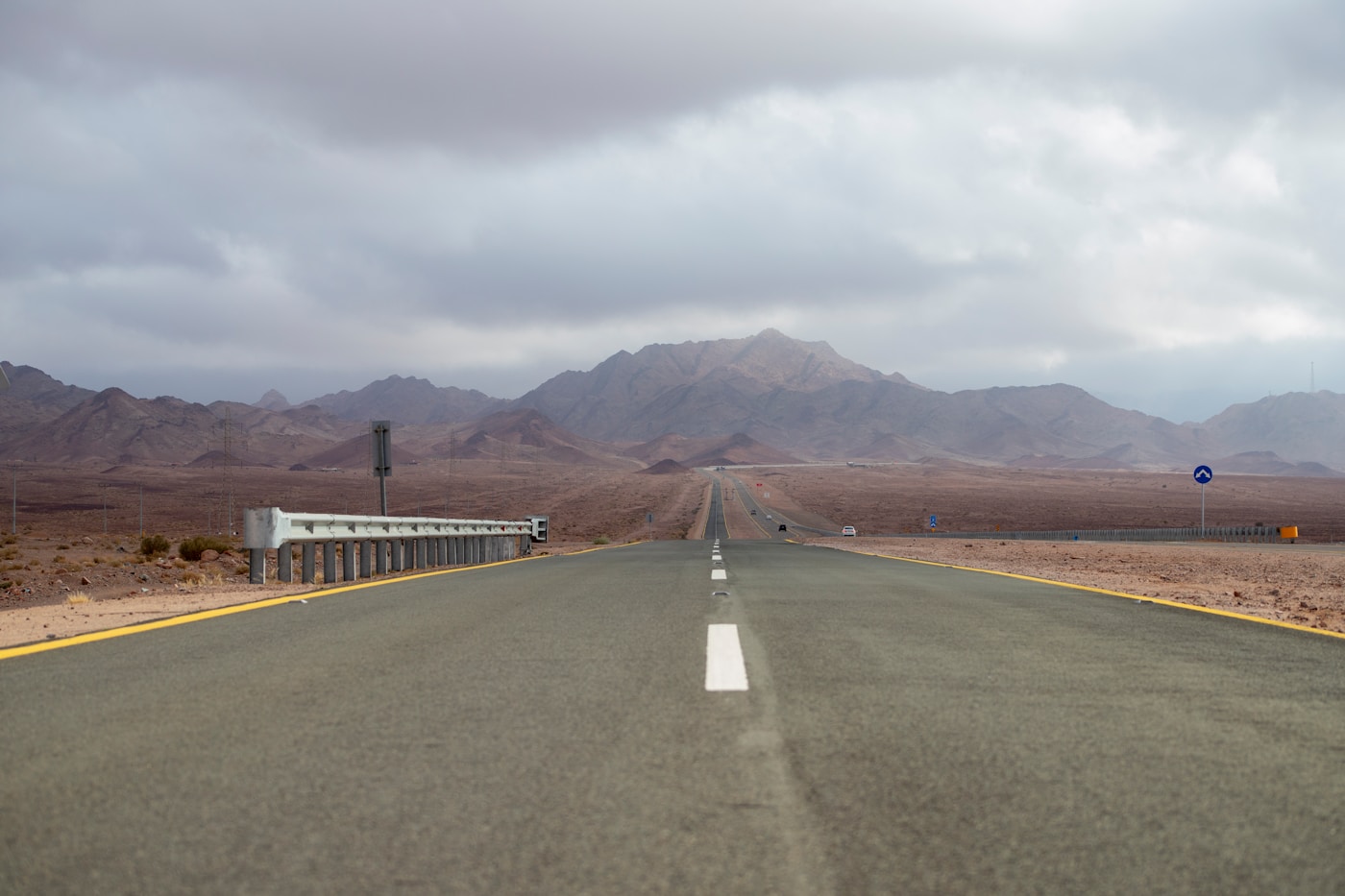
The drive from Jeddah to Taif takes approximately two hours via the Taif-Jeddah Highway, one of the most scenic routes in the Kingdom. The road climbs from sea level through arid foothills into the green Hijaz highlands, offering dramatic switchbacks and valley panoramas. Rental cars are available at Jeddah airport, and ride-hailing services such as Uber and Careem operate in both cities.
By Road from Mecca
The journey from Mecca to Taif is roughly 90 kilometres and takes about 1.5 hours. The Al Hada mountain road, which connects the two cities, is itself one of Taif’s top attractions, with its serpentine curves and spectacular cliff-edge viewpoints. For broader transport advice across Saudi, consult our guide to getting around Saudi Arabia.
The Roses of Taif: Ward Taifi
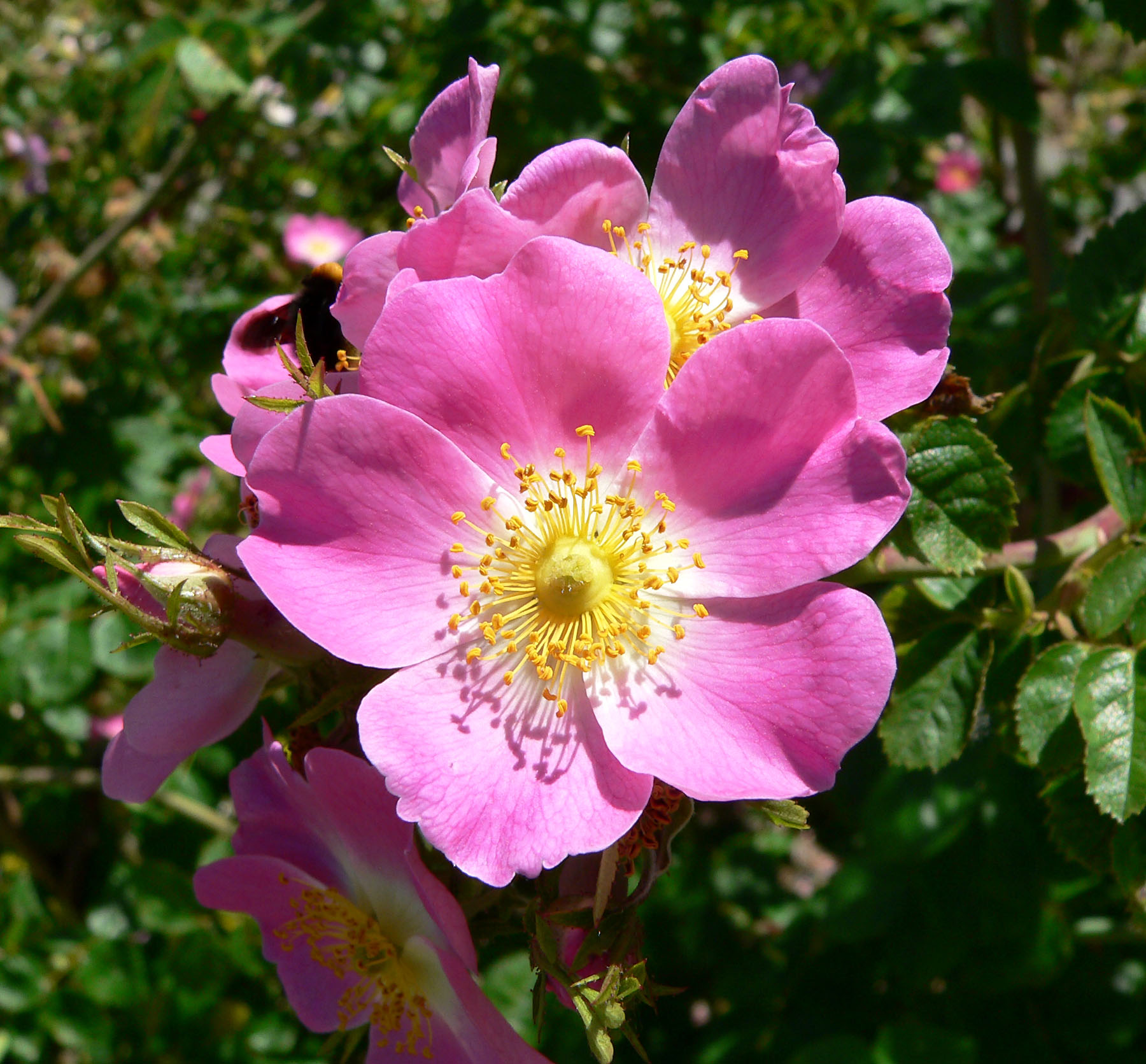
No visit to Taif is complete without experiencing the industry that defines the city. The Ward Taifi, a variety of Rosa damascena, has been cultivated in the Hijaz highlands for centuries. The rose is distinguished by its 30 swirling petals and a scent described as simultaneously honeyed, tea-like, and sun-warmed, deeper and more complex than the Bulgarian or Turkish varieties more familiar to Western perfumers.
The Farms
More than 900 rose farms are scattered across Taif’s mountain valleys, concentrated in the Al Hada and Al Shafa areas at elevations between 1,500 and 2,500 metres. The largest operations cultivate tens of thousands of bushes, while family-run plots may have just a few hundred plants tended across multiple generations. Most farms welcome visitors during harvest season, particularly if you arrive early in the morning when the picking is underway.
Rose Oil Distillation
The traditional distillation process is a spectacle in itself. Workers load freshly harvested petals into large copper pots, add water, and slowly heat the mixture. Steam carries the essential oil upward through a coiled condensation pipe, and the precious liquid collects drop by drop. A single 11-gram tola of pure Taif rose oil requires approximately 40,000 individual rose flowers, which explains why it commands prices comparable to gold by weight.
Notable factories open to visitors include the Al-Kadhi Rose Factory and the Abdulrahman Alkurdi Distillery, both of which offer guided tours during the harvest season.
What to Buy
Rose products make the best souvenirs from Taif. Look for small vials of pure rose oil (sold by the tola), bottles of rose water used in cooking and religious rituals, rose-infused honey, rose jam, and rose-scented soaps. Prices are significantly lower when purchased directly from farms or factory shops than from Riyadh or Jeddah retailers.
Top Attractions and Things to Do
Shubra Palace
Built between 1905 and 1907 by Al-Shareef Ali Pasha, the former Sharif of Mecca, Shubra Palace is Taif’s most impressive architectural monument. The palace blends Ottoman, Roman, and traditional Hijazi design elements: ornate columns and arches sit alongside intricately carved rawasheen (projecting wooden window screens), Islamic geometric decoration, and classical marble bathrooms.
The building served as a ruling headquarters during the Ottoman era, later becoming a summer residence for Saudi kings including King Abdulaziz and King Faisal. It was converted into a regional museum in 1995 and now houses collections of antique jewellery, swords, rifles, shields, stone carvings, pottery, and inscriptions dating from the Ottoman and early Saudi periods. Entry is free, and the building itself is as much a reason to visit as the artefacts within it.
Souq Okaz
The original Souq Okaz was one of the most important commercial and cultural gatherings in pre-Islamic Arabia, active from approximately 542 to 726 CE. Strategically located on the ancient Spice Route, the market operated for 21 days each year during the month of Dhu al-Qadah, drawing traders from across the peninsula to buy and sell rugs, camel-hair tents, sheepskins, pottery, jewellery, perfumes, and spices.
More significantly, Souq Okaz was the arena where the finest Arabic poets competed, their verses judged by the greatest bards of the age. These competitions helped formalise the rules of Arabic verse, grammar, and syntax, a legacy that underpins Taif’s modern UNESCO City of Literature designation.
The Saudi government revived the market as the Souq Okaz Festival in 2007. The modern incarnation, typically held during Taif Season in summer, features around 150 activities including poetry recitations, theatrical performances, artisan craft demonstrations, calligraphy workshops, and traditional food stalls. The site, located about 35 kilometres northeast of Taif city centre, includes reconstructed market structures and an open-air amphitheatre.
Al Hada Mountain and Cable Car
Al Hada is both a mountain and a resort area perched at the western edge of Taif’s highlands. The Al Hada mountain road from Mecca is one of Saudi Arabia’s great drives: a well-engineered highway with dozens of switchbacks, cliff-edge barriers, and lookout points where you can photograph the valleys falling away beneath you.
The Telefric Al Hada cable car runs 4.2 kilometres from the upper station near the Ramada Al Hada Hotel down to Al Kar Tourist Village at the base of the mountain. The 15- to 20-minute ride offers panoramic views over deep valleys, winding roads, and dramatic cliff faces. Al Kar Village at the lower station has restaurants, shops, water attractions, rope challenges, and other family-friendly activities. The best time for the cable car is late afternoon, when the golden light transforms the mountain landscape.
Al Rudaf Park
Located about 10 kilometres from the city centre, Al Rudaf Park is Taif’s main public green space. The park is known for its rose gardens, musical fountains with fire shows in the evenings, illuminated garden displays after dark, and a small zoo housing lions, tigers, giraffes, monkeys, and various birds and reptiles. Camel rides, horse-drawn carriages, quad bikes, and children’s playgrounds round out the family-friendly amenities. Entry is free, and you can easily spend three to four hours here. The park also has food outlets and a mosque.
Abdullah Ibn Abbas Mosque
One of the oldest mosques in the Hijaz, the Abdullah Ibn Abbas Mosque was originally constructed in 630 CE on the site where a pre-Islamic shrine to the goddess Al-Lat once stood. The mosque is named after the Prophet Muhammad’s paternal cousin, Abdullah Ibn Abbas, who was renowned as one of the foremost commentators on the Quran. His tomb is located within the mosque complex. The current structure has been rebuilt and expanded several times over the centuries but retains historical significance as a place of Islamic scholarship.
Al Shafa Village
Set at around 2,500 metres elevation south of Taif, the mountain village of Al Shafa is famous for its cool climate, terraced agriculture, and honey production. The area is cooler than Taif itself and offers hiking trails through juniper forests and mountain orchards growing figs, pomegranates, and apricots. Al Shafa’s beekeepers produce some of Saudi Arabia’s most prized mountain honey, harvested from hives maintained by the same families for generations.
Turkish Fort (Qalat Al-Kaaki)
The remains of an Ottoman-era fortress near the old town area, Qalat Al-Kaaki served as a defensive stronghold and centre of governance during the Turkish administration of the Hijaz. Only portions of the original structure survive, but the site offers historical context and views over the old city. Nearby, the Al-Kou Mosque, built approximately 160 years ago during the Ottoman era, shows Abbasid-period architectural influences.
Taif’s Honey Heritage
While roses draw the headlines, Taif’s honey production is equally revered across the Gulf. The mountain areas around Al Shafa and Al Hada — which also offer excellent hiking trails — host some of the oldest continuously operated apiaries in Saudi Arabia, with certain families maintaining traditional hives for more than 500 years. The most prized variety is Taif’s white mountain honey, produced by bees foraging on the wildflowers and herbs of the highland ecosystem.
Saudi Arabia produced more than 3,000 tonnes of honey in 2023 and has set a national target of 7,500 tonnes per year by 2026 as part of agricultural diversification under Vision 2030. Taif contributes significantly to this production, and the city hosts weekly honey auctions where producers sell directly to buyers. Visitors can purchase honey from roadside stands in the Al Shafa area or from specialist shops in the city centre. A special variety, Taif rose honey, is made by bees that collect nectar from the Ward Taifi rose farms, combining two of the city’s most famous products.
Food and Local Cuisine
Taif’s culinary identity reflects its position as a mountain agricultural centre and a crossroads of Hijazi, Bedouin, and pilgrim-route cooking traditions.
Dishes to Try
Kabsa is the national rice dish found throughout Saudi Arabia, but Taif’s version often incorporates local lamb raised in the mountain pastures. Saleeg, a creamy white rice porridge cooked with broth and milk and served with roasted chicken or lamb, is a Hijazi speciality particularly popular in Taif. Mandi, slow-cooked meat over rice in an underground pit, is another staple. Mutabbaq, a stuffed savoury pastry, makes an excellent street-food snack.
For sweets, try local baklava and maamoul (date-filled shortbread cookies), often flavoured with Taif rosewater. Fresh fruit, particularly Taif grapes and pomegranates in season, is sold at markets throughout the city.
Where to Eat
| Restaurant | Specialty | Price Range |
|---|---|---|
| Al Saddah | Traditional Saudi cuisine; one of Taif’s oldest restaurants | Moderate |
| Hashi Basha | Arabian cuisine; known for quality and reasonable prices | Budget-Moderate |
| Shawaya House | Grilled meats, chicken, and fish | Moderate |
| Local souq vendors | Mutabbaq, fresh fruit juices, street-food snacks | Budget |
Taif Heart Mall and Jouri Mall also have food courts with both international chains and local restaurants, though the most memorable meals will be at traditional establishments in the city centre. For a broader understanding of dining costs across the country, see our Saudi Arabia cost guide.
Where to Stay in Taif
Taif’s accommodation ranges from international luxury hotels to budget apartments and mountain chalets. Prices spike during summer months and Eid holidays, when domestic tourism peaks, so early booking is strongly advised during these periods.
| Category | Hotels | Price Range (per night) | Notes |
|---|---|---|---|
| Luxury | InterContinental Taif | From SAR 600 ($160) | Mountain views, pool, spa; 13 km from airport |
| Mid-Range | Al Qasr Hotel Taif, Velar Inn Hotel | SAR 200-500 ($55-135) | Central locations, good facilities |
| Budget | Rawat Al Msaif, Rawasi Al Fakhama Apartments | From SAR 130 ($35) | Basic but clean; good for longer stays |
| Mountain Chalets | Al Shouq Chalets, various Airbnb listings | SAR 300-800 ($80-215) | Mountain settings; ideal for families |
For the best experience, consider staying in the Al Hada area for mountain views and proximity to the cable car, or in the city centre for walking access to the souqs, restaurants, and Shubra Palace. Sunday through Wednesday typically offers the lowest rates, while Thursday and Friday (the Saudi weekend) commands premium pricing.
Day Trip or Destination?
Taif works well both as a day trip from Jeddah or Mecca and as a multi-day destination in its own right.
As a Day Trip
If you have just one day, drive from Jeddah or Mecca via the Al Hada road, stopping at viewpoints along the way. Visit Shubra Palace in the morning, explore the city souqs over lunch, tour a rose farm (in season), and ride the cable car in the late afternoon before driving back. It is a full but manageable day.
As a Two- to Three-Day Stay
With more time, you can add Al Shafa village and its honey farms, spend a morning at Souq Okaz, explore Al Rudaf Park, visit the Abdullah Ibn Abbas Mosque, drive the scenic roads at a leisurely pace, and eat your way through the city’s traditional restaurants. Two to three days allows you to experience Taif at the pace the mountain city deserves.
As Part of a Wider Itinerary
In a broader Saudi Arabia itinerary, Taif slots naturally between Jeddah and Mecca. A route of Jeddah (two to three days), Taif (two days), and Mecca (for those eligible, two to three days) covers the western Hijaz comprehensively. The travel hub has guides for each of these destinations.
Getting Around Taif
Public transport within Taif is limited for tourists. The most practical options are:
Ride-hailing apps: Uber and Careem both operate in Taif and are the easiest way to move between attractions within the city. Fares are inexpensive by international standards.
Rental cars: For exploring the mountain roads, Al Shafa, and the rose farm areas, a rental car provides the most flexibility. Roads are well-maintained, and signage is in both Arabic and English. Cars can be rented at Taif airport or through agencies in the city centre.
Organised tours: Several local operators run half-day and full-day tours covering the main attractions, including rose farm visits and mountain drives. These are particularly useful during the rose festival when farm access may be easier with a guide.
Taif’s Literary Heritage
Taif’s connection to Arabic literature runs far deeper than most visitors realise. The city’s designation as a UNESCO Creative City of Literature in October 2023 was not a modern branding exercise but a recognition of a tradition stretching back 1,500 years.
The Poetry of Souq Okaz
In pre-Islamic Arabia, the annual fairs at Souq Okaz were the equivalent of today’s literary festivals combined with international trade expos. Poets from across the Arabian Peninsula gathered to recite their finest qasidas (odes) before panels of master judges. The competitions were fierce and consequential: a winning poem could elevate a tribe’s prestige across the entire peninsula. These gatherings helped standardise Classical Arabic as a literary language, establishing the metrical and grammatical conventions that would later carry the Quran’s prose and shape Arabic literature for centuries to come.
The legendary “suspended poems” or Muallaqat, considered the greatest works of pre-Islamic Arabic poetry, were associated with these fairs. Tradition holds that winning poems were inscribed in gold and hung on the walls of the Kaaba in Mecca, though historians debate the literal truth of this account. What is beyond dispute is that Souq Okaz was the crucible in which Classical Arabic poetry was forged.
Modern Literary Taif
The city’s literary heritage extends beyond ancient poetry. Taif was home to the first library established in the Arabian Peninsula, the Abdullah bin Abbas Library, and continues to host literary events, book fairs, and writers’ retreats. The Souq Okaz Festival’s modern iteration includes poetry competitions that consciously echo the ancient tradition, alongside calligraphy exhibitions, storytelling sessions, and literary panels. In 2025, Taif hosted an international writers’ retreat programme as part of its UNESCO City of Literature commitments, drawing authors from partner cities worldwide.
Shopping in Taif
Beyond the rose products and honey that define Taif’s souvenir landscape, the city offers several shopping experiences worth seeking out.
Traditional Souqs
The old souqs in Taif’s city centre retain much of their traditional character. Narrow lanes lined with shops sell spices, perfumes, textiles, silverwork, and traditional clothing. The atmosphere is unhurried compared to the commercial hustle of Jeddah or Riyadh, and bargaining is expected. The perfume shops, in particular, are worth browsing: many blend their own attars (concentrated perfume oils) using local rose oil as a base ingredient.
Modern Malls
For air-conditioned retail therapy, Taif Heart Mall and Jouri Mall are the main options, with a mix of Saudi and international brands, electronics shops, food courts, and entertainment facilities. Neither matches the scale of Riyadh or Jeddah’s mega-malls, but they serve the practical needs of longer-stay visitors.
Farm-Gate Purchases
Some of the best shopping in Taif happens at farm gates and roadside stands rather than in shops. The Al Shafa road is lined with honey sellers, fruit vendors, and rose-product stalls, particularly during harvest season. Prices are typically lower than city-centre shops, and the produce is as fresh as it gets. Taif grapes, in particular, are prized throughout the Kingdom and make an excellent seasonal purchase if you are driving onward.
Practical Tips for Visitors
Clothing
Even in summer, evenings in Taif can be cool due to the altitude. Pack a light jacket or sweater regardless of when you visit. In winter, temperatures at night can drop to around 10 degrees Celsius, so warmer layers are advisable. Standard Saudi modest dress guidelines apply: both men and women should dress conservatively in public areas.
Currency and Costs
Taif is generally less expensive than Riyadh or Jeddah for accommodation and dining. Most establishments accept credit cards, but carry cash for souq shopping, roadside honey vendors, and small rose-farm purchases. ATMs are widely available.
Language
Arabic is the primary language. English is spoken at hotels and tourist-facing businesses but less commonly at traditional restaurants and markets. Having a few Arabic phrases or a translation app is helpful.
Visa
International visitors to Saudi Arabia need a tourist eVisa, available online for citizens of 49 eligible countries, or a visa on arrival at major airports. The eVisa covers Taif and all non-holy-city destinations. Processing is typically fast and straightforward.
Frequently Asked Questions
How many days do you need in Taif?
A minimum of two days is recommended to experience Taif’s highlights comfortably. One day allows you to see Shubra Palace, tour a rose farm, and ride the cable car. A second day opens up Al Shafa village, Souq Okaz, Al Rudaf Park, and time to explore the city’s souqs and restaurants at a relaxed pace. Three days is ideal if you want to include hiking, multiple farm visits, and a more thorough exploration of the mountain roads and viewpoints.
Is Taif worth visiting?
Taif is one of Saudi Arabia’s most underrated destinations. The combination of mountain scenery, rose farms, ancient literary heritage, excellent food, and cooler temperatures makes it a rewarding stop for any traveller, particularly those who have already seen the major cities and want a different perspective on the Kingdom.
How far is Taif from Jeddah?
Taif is approximately 170 kilometres from Jeddah by road, a drive of about two hours. The route passes through scenic mountain terrain and is considered one of Saudi Arabia’s most beautiful drives.
When is the Taif Rose Festival?
The Taif Rose Festival is typically held in April, coinciding with the rose harvest season that runs from late March through early May. Exact dates vary slightly each year, so check the Visit Saudi or Taif Season websites for the current year’s schedule.
Can non-Muslims visit Taif?
Yes. Unlike Mecca and Medina, Taif has no religious restrictions on visitors. Non-Muslims are welcome throughout the city, including at cultural sites, parks, and heritage attractions. The Abdullah Ibn Abbas Mosque is a functioning mosque, so visitors should check local etiquette guidelines before entering.
What is Taif famous for?
Taif is most famous for its damask roses and rose oil production, its cool mountain climate, its honey, and its historical significance as a centre of pre-Islamic Arabic poetry at Souq Okaz. It also holds the distinction of being Saudi Arabia’s first UNESCO Creative City of Literature.
How much does a tola of Taif rose oil cost?
A single tola (approximately 11 grams) of pure Taif rose oil typically costs between SAR 1,000 and SAR 3,000 ($265 to $800), depending on the grade and the producer. The high price reflects the labour intensity of production: around 40,000 individual rose flowers are needed for each tola.
Is Taif safe for tourists?
Taif is very safe for tourists. Saudi Arabia generally has low crime rates, and Taif, as a well-established domestic tourism destination, has good infrastructure, well-maintained roads, and a welcoming atmosphere. Standard travel precautions apply as they would anywhere.
What souvenirs should I buy in Taif?
The top souvenirs from Taif are rose oil, rosewater, rose-infused honey, local white mountain honey, rose jam, and rose-scented soaps. These are best purchased directly from rose farms, honey producers, or specialist shops in the city centre for the freshest quality and best prices.