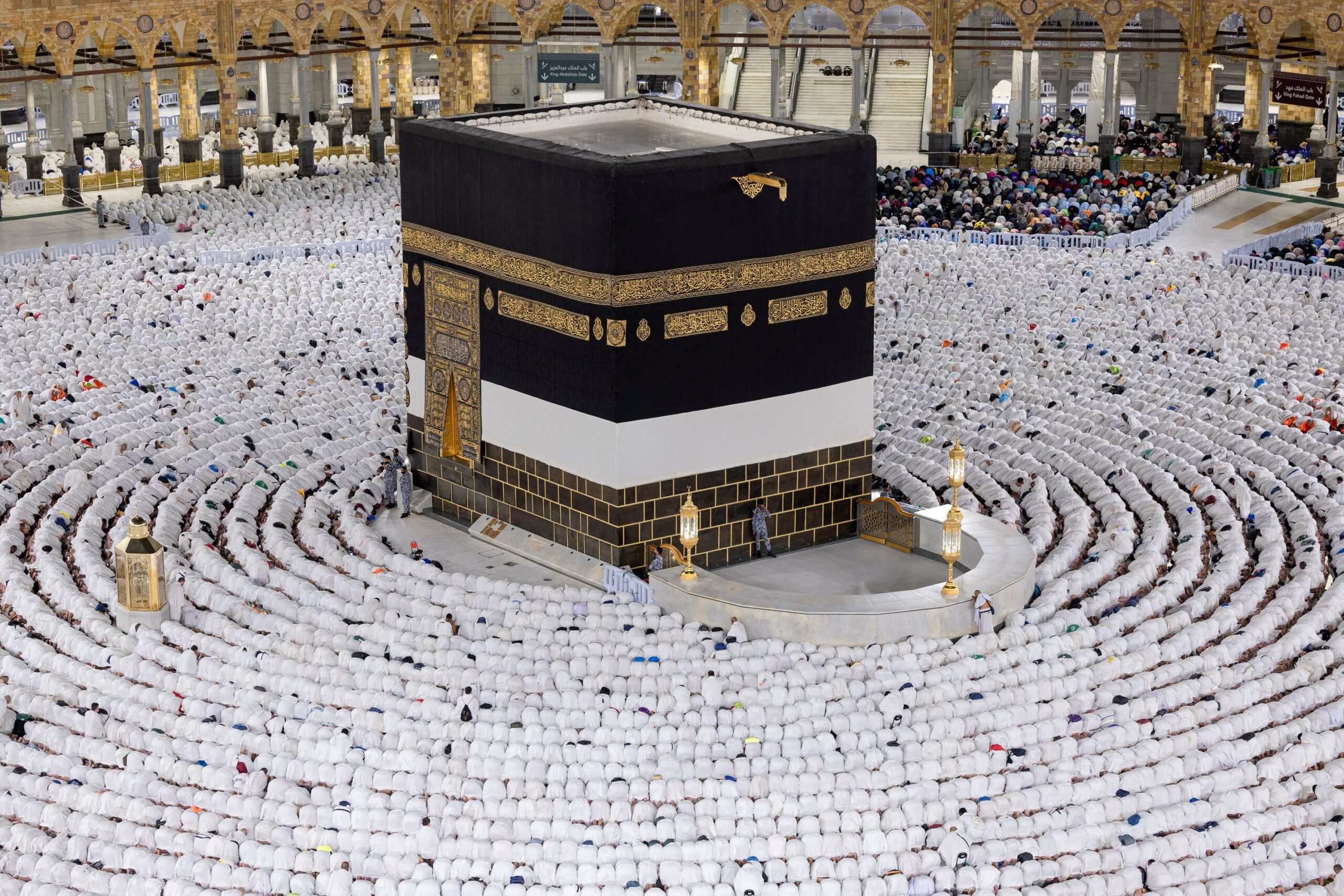

Packing for Umrah is not like packing for an ordinary holiday. Every item you bring — or leave behind — can shape the quality of your pilgrimage. From the two seamless cloths of ihram to fragrance-free toiletries that comply with the sacred state, the wrong suitcase contents can turn a spiritual journey into an exercise in frustration. This guide, part of our comprehensive Hajj 2026 Guide, breaks down exactly what men and women need to pack for Umrah — item by item, category by category — so you can focus on worship rather than logistics.
Whether you are performing Umrah for the first time or returning after several years, the practical demands of Mecca and Medina have evolved. New hotel developments, expanded Haram facilities, and Saudi Arabia’s modernising infrastructure mean some old packing advice is outdated. What follows is current, research-based, and tested against the realities of pilgrimage in 2026.
Best Time to Visit: October–March for cooler weather; Ramadan for maximum spiritual reward
Getting There: Fly into Jeddah (KAIA) or Medina (Prince Mohammed bin Abdulaziz Airport); tourist e-visa or Umrah visa required
Visa Required: Yes — Umrah visa or tourist e-visa
Budget: $80–$200/day depending on hotel proximity to the Haram
Must-Pack: Ihram garments, unscented toiletries, comfortable walking sandals
Avoid: Overpacking — most essentials are available in shops near the Haram
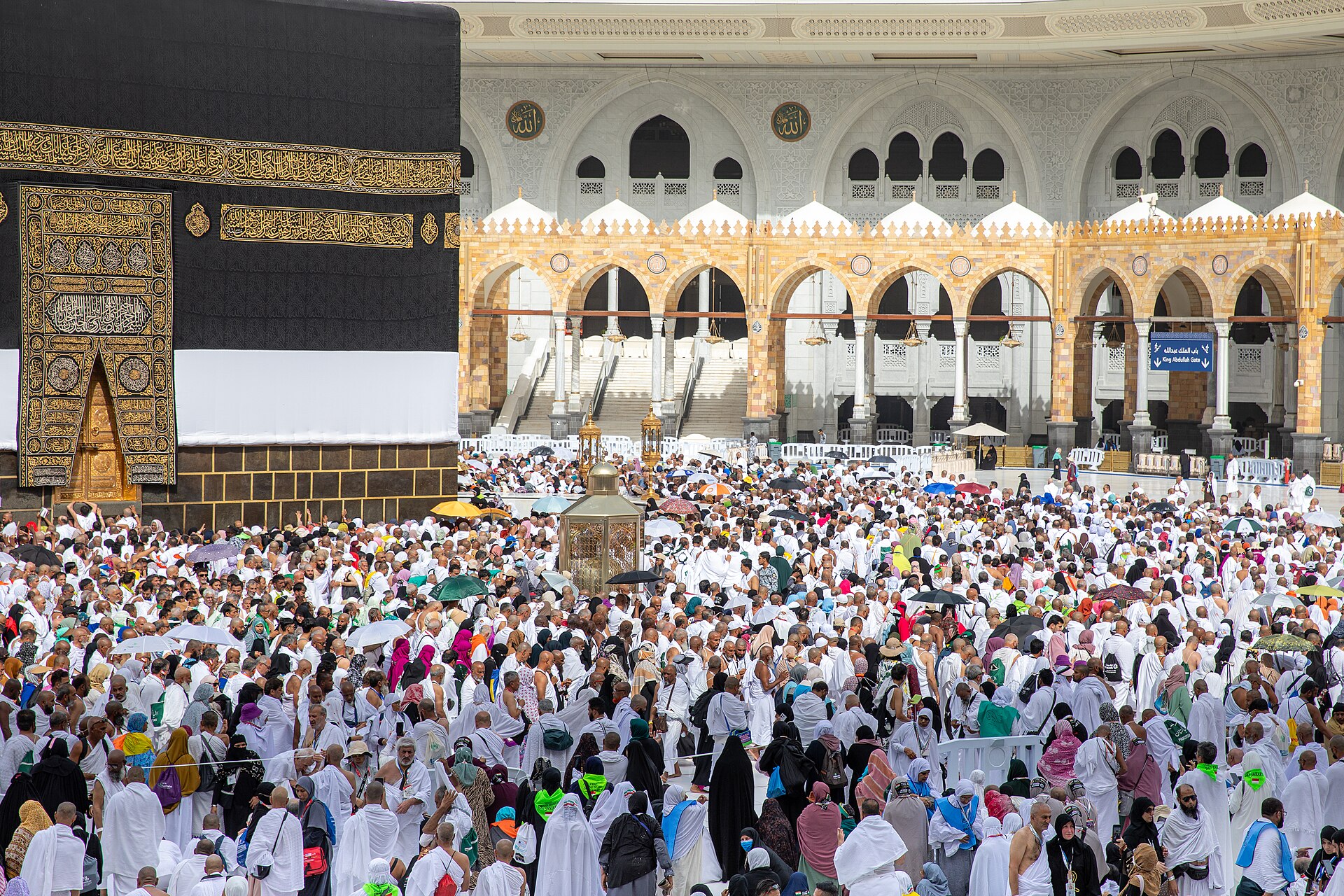
Essential Documents and Travel Papers
No item on your packing list matters more than your documents. Without the correct paperwork, you will not board the flight — let alone enter the Haram. Prepare these well in advance and keep both physical and digital copies.
Must-Have Documents
- Passport — valid for at least six months beyond your travel date, with at least two blank pages
- Umrah visa or tourist e-visa — printed confirmation. Citizens of 49 countries can apply for a Saudi tourist e-visa online and use it for Umrah
- Flight tickets — printed itinerary for both outbound and return journeys
- Hotel booking confirmation — printed, with address in Arabic if possible
- Vaccination certificate — Saudi Arabia requires a valid quadrivalent meningococcal meningitis (ACWY) vaccination certificate for all Umrah pilgrims. Depending on your country of origin, yellow fever and polio certificates may also be required
- Travel insurance documents — mandatory for visa issuance in most cases
- Passport-sized photos — bring 4–6 copies for any on-the-ground administrative needs
- Marriage certificate — if travelling as a couple, some authorities may request proof of relationship
Tip: Scan every document and save digital copies in your email, cloud storage, and phone. If your bag is lost, a digital copy at a Saudi embassy or airline desk can save your pilgrimage.
Financial Essentials
- Saudi Riyals (SAR) — carry at least SAR 500–1,000 in cash for taxis, small purchases, and tips. ATMs are widely available near the Haram
- Credit/debit cards — Visa and Mastercard are accepted at most hotels, restaurants, and larger shops in Makkah and Madinah
- Travel wallet or money belt — crowds around the Haram are dense, and pickpocketing can occur
Ihram Clothing for Men
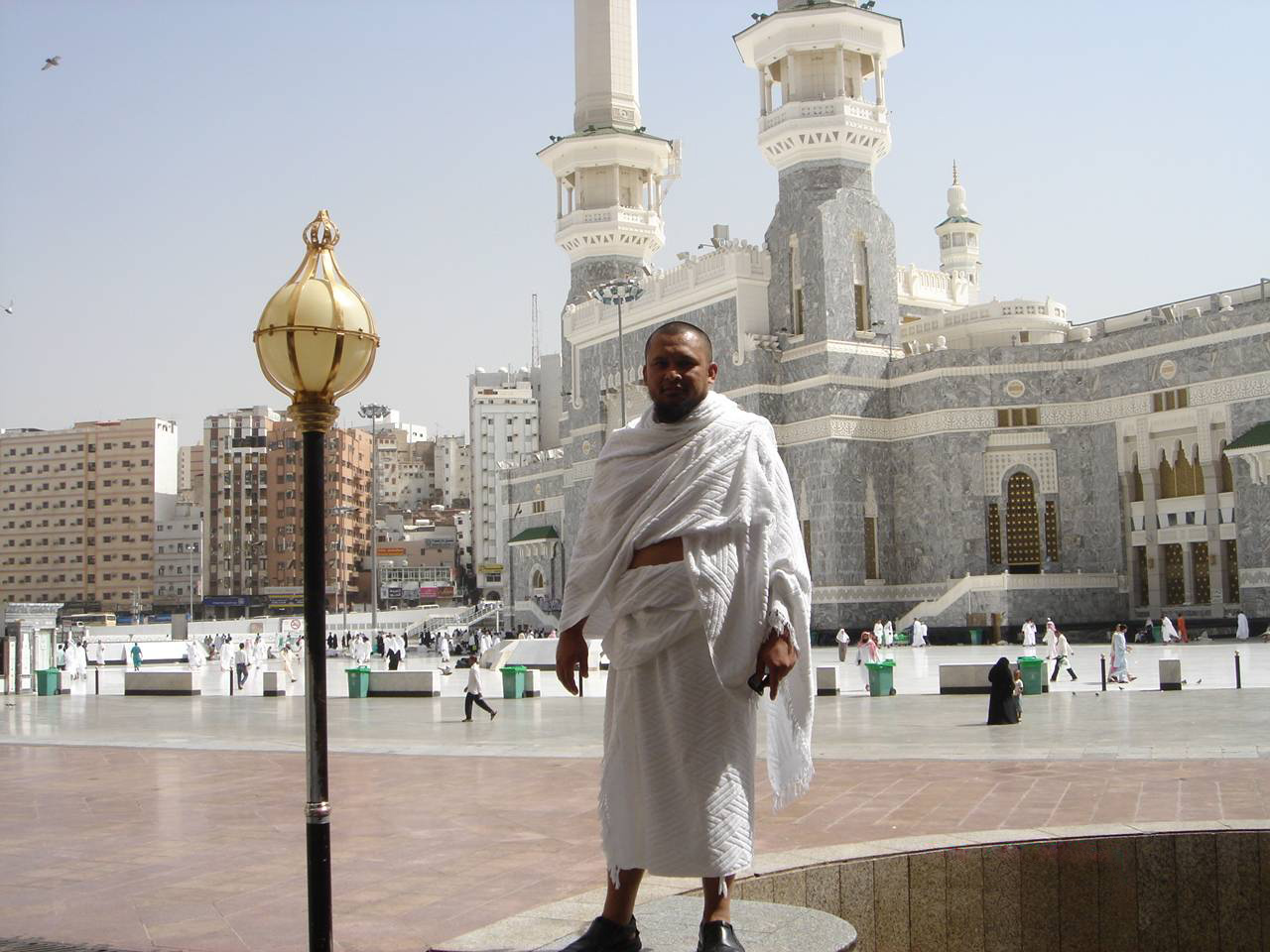
The ihram is not merely clothing — it is the physical embodiment of your intention to perform Umrah. For men, the ihram consists of two unstitched, seamless white cloths. Getting the right ones and knowing how to manage them is essential.
What to Pack
- Two sets of ihram cloth — the izar (lower garment, wrapped from waist to below the knees or ankles) and the rida (upper garment, draped over the left shoulder). Bring a spare set so you can change if one gets sweaty or stained
- Ihram belt — a simple cloth or leather belt to secure the lower garment and hold a small pouch for your phone and money
- Open-toed sandals — footwear must expose the ankle bones and the top of the foot. Break them in before you travel to avoid blisters during Tawaf and Sa’i
Fabric Choices
| Fabric | Pros | Cons |
|---|---|---|
| 100% cotton | Soft, breathable, absorbs sweat | Wrinkles easily, slower to dry |
| Cotton-polyester blend | Wrinkle-resistant, dries faster | Less breathable in extreme heat |
| Microfibre | Lightweight, quick-drying, packs small | Can feel synthetic against skin |
Important: While in the state of ihram, men must not wear stitched clothing, cover their heads, use perfume or scented products, cut hair or nails, or wear socks. Plan your non-ihram clothing separately for time outside the sacred state.
Non-Ihram Clothing for Men
- 3–4 loose-fitting outfits — light trousers or thobes with comfortable shirts for wearing in Madinah and outside prayer times
- Light jacket or sweater — air conditioning inside the Haram and hotels can be surprisingly cold, even when outdoor temperatures exceed 40°C
- Sleepwear — lightweight pyjamas or loose shorts
- Underwear — enough for your trip length (not worn during ihram)
- Comfortable walking shoes — for use outside the state of ihram, when exploring Makkah or Madinah
Clothing for Women
Women’s ihram requirements differ significantly from men’s. There is no specific colour or garment prescribed — the key rules are modesty, coverage, and the absence of fragrance. Women must cover their entire body except the face and hands while in the state of ihram.
Ihram and Prayer Clothing
- 2–3 lightweight abayas — loose-fitting, in black, white, or neutral colours. Quick-dry fabrics are ideal for managing heat and the pace of rituals
- 3–4 hijabs or headscarves — cotton or jersey blends that stay in place during Tawaf. Bring extras as they can get damp with sweat
- Prayer garments — a long prayer dress (jilbab) or two-piece prayer set that provides full coverage
- Under-layers — lightweight, moisture-wicking undershirts and full-length leggings to wear beneath the abaya
- Closed-toe shoes — women’s footwear during ihram should cover the feet. Choose slip-on shoes that are easy to remove and put on, as you will do this repeatedly at the Haram entrance. For more on what to wear, see our Saudi Arabia dress code guide
Important: Women must not wear a niqab (face veil) during ihram — the face must remain uncovered. Gloves are also not permitted. If you normally wear a niqab, you may drape a portion of your headscarf forward to partially shield your face without pinning or tying it.
Non-Ihram Clothing for Women
- 2–3 additional modest outfits — for time in Madinah, at the hotel, or during travel days
- Warm layer — a cardigan or pashmina for air-conditioned environments
- Sleepwear — comfortable nightwear
- Undergarments — sufficient for your trip duration
- Socks — the marble floors of the Haram can be cold at night and scorching hot during the day
Toiletries and Personal Care
The single most important rule for Umrah toiletries: everything must be fragrance-free while you are in the state of ihram. Using perfumed soap, scented shampoo, or even fragranced laundry detergent while in ihram invalidates certain aspects of the sacred state and may require a penalty (fidyah). Pack accordingly.
Fragrance-Free Essentials
- Unscented soap or body wash — bar soap is easier to pack and lasts longer
- Fragrance-free shampoo and conditioner — travel-sized bottles
- Unscented deodorant — crystal deodorant or fragrance-free roll-on
- Fragrance-free toothpaste — some scholars consider mint-flavoured toothpaste acceptable, but fragrance-free is the safest option
- Unscented moisturiser and lip balm — the desert air in Makkah is extremely dry, and lips crack quickly
- Fragrance-free sunscreen — SPF 50+ recommended, especially for men whose heads are uncovered during ihram
General Toiletries
- Toothbrush and miswak (traditional tooth-cleaning stick, widely available in Makkah)
- Nail clippers — trim nails before entering ihram, as cutting is prohibited during the sacred state
- Comb or hairbrush
- Wet wipes — invaluable for freshening up between prayers
- Tissues and toilet paper — not all public restrooms are fully stocked
- Small towel or microfibre cloth
- Razor or shaving kit — for use after completing Umrah rituals (men shave or trim their hair as the final step)
For Women — Additional Items
- Sanitary products — pads, liners, or menstrual cups. These are available locally but your preferred brand may not be
- Facial cleanser and fragrance-free toner
- Hair ties and bobby pins — to keep hijab secure during Tawaf
Health and Medical Supplies
The physical demands of Umrah are significant. You will walk an estimated 10–15 kilometres during Tawaf and Sa’i alone, often in temperatures exceeding 35°C. Crowds, irregular sleep patterns, and unfamiliar food add further strain. A well-stocked medical kit is not optional — it is essential.
First Aid and Medications
- Prescription medications — bring your full supply plus extras in case of travel delays. Keep them in original packaging with a doctor’s letter if the medication is controlled
- Pain relief — paracetamol and ibuprofen for headaches, muscle aches, and fever
- Anti-diarrhoea medication — changes in water and food can cause stomach upset
- Oral rehydration salts (ORS) — critical for managing dehydration in the heat
- Cold and flu medication — upper respiratory infections are extremely common among pilgrims due to crowded conditions
- Throat lozenges — sore throats from dust, air conditioning, and repeated du’a are almost guaranteed
- Antihistamines — for allergic reactions or insect bites
- Blister plasters — Compeed or similar hydrocolloid plasters. Blisters from new sandals or extensive walking are the most common pilgrim complaint
- Antiseptic cream and plasters — for minor cuts and scrapes
- Motion sickness tablets — useful for the bus journey between Makkah and Madinah
- Eye drops — the dry, dusty air can irritate eyes
Tip: Pack all medications in your carry-on bag, not your checked luggage. If your suitcase is delayed or lost, you will need immediate access to prescriptions and basic first aid.
Sun and Heat Protection
- Sunscreen (SPF 50+, unscented) — reapply every two hours when outdoors
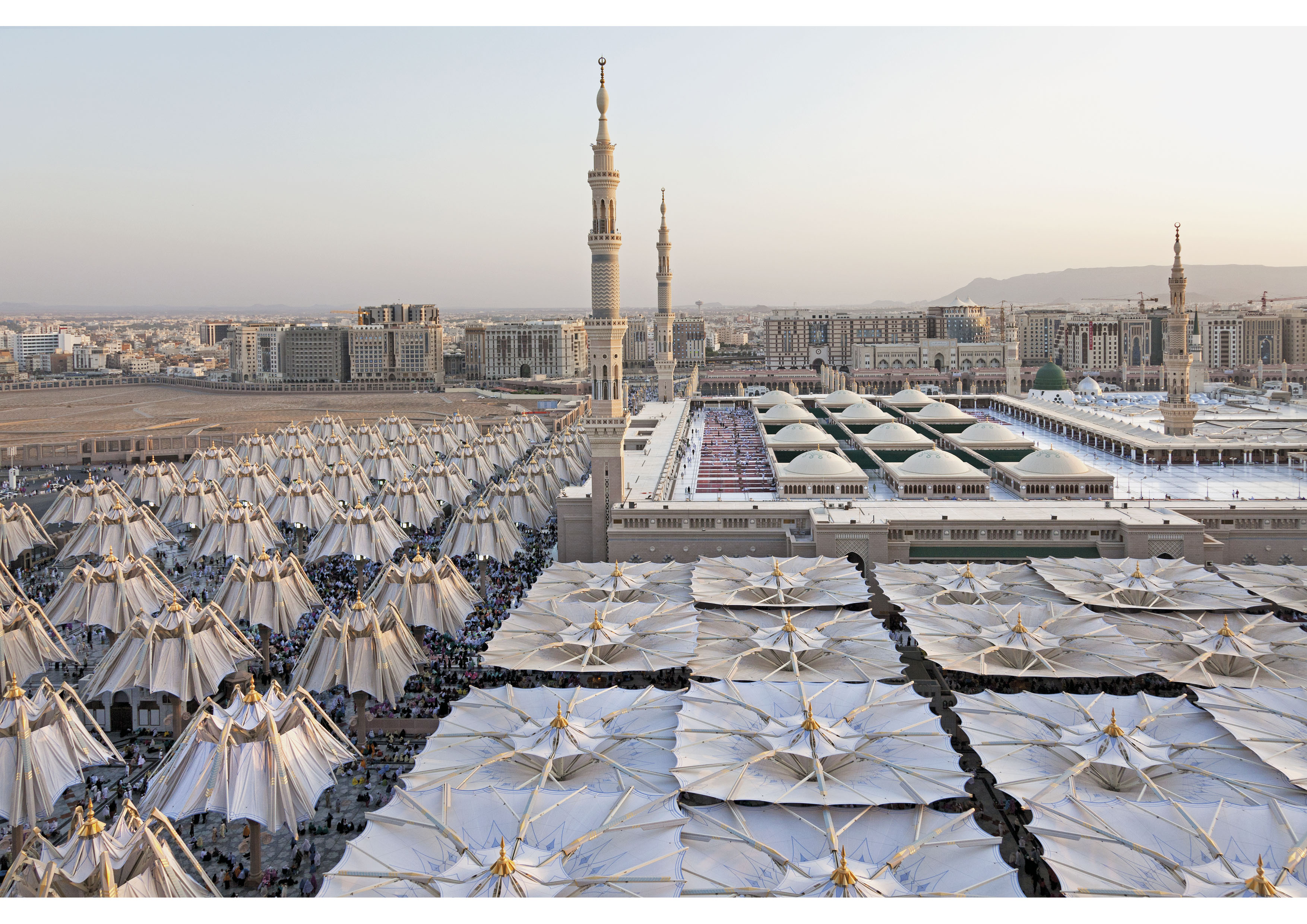
- Portable umbrella — doubles as sun shade and rain protection. Makkah temperatures can exceed 45°C in summer
- Reusable water bottle — Zamzam water is freely available at the Haram, and staying hydrated is critical
- Cooling towel — wet it and drape around your neck for instant relief
- Electrolyte sachets — add to water to replace minerals lost through sweating
Prayer and Spiritual Items
Umrah is first and foremost a spiritual journey. Packing the right prayer aids helps you maintain focus and make the most of every moment at the holiest sites in Islam.
What to Bring
- Pocket-sized Quran — or a Quran app on your phone. A physical copy is valued by many pilgrims for reading at the Haram
- Du’a book — a guide to supplications for each stage of Umrah (Tawaf, Sa’i, at Safa and Marwa). The Fortress of the Muslim (Hisnul Muslim) is a popular compact choice
- Tasbeeh (prayer beads) — or use a digital counter app
- Portable prayer mat — lightweight and foldable. Useful for praying outside the Haram when it is full, or during travel. Prayer mats are available inside the Haram itself
- Small notebook and pen — for writing down du’as, reflections, or practical notes
- Umrah ritual guide — a step-by-step laminated card or printed sheet with the order of rituals, du’as for each circuit of Tawaf, and Sa’i procedures. Our Umrah guide covers the complete ritual sequence
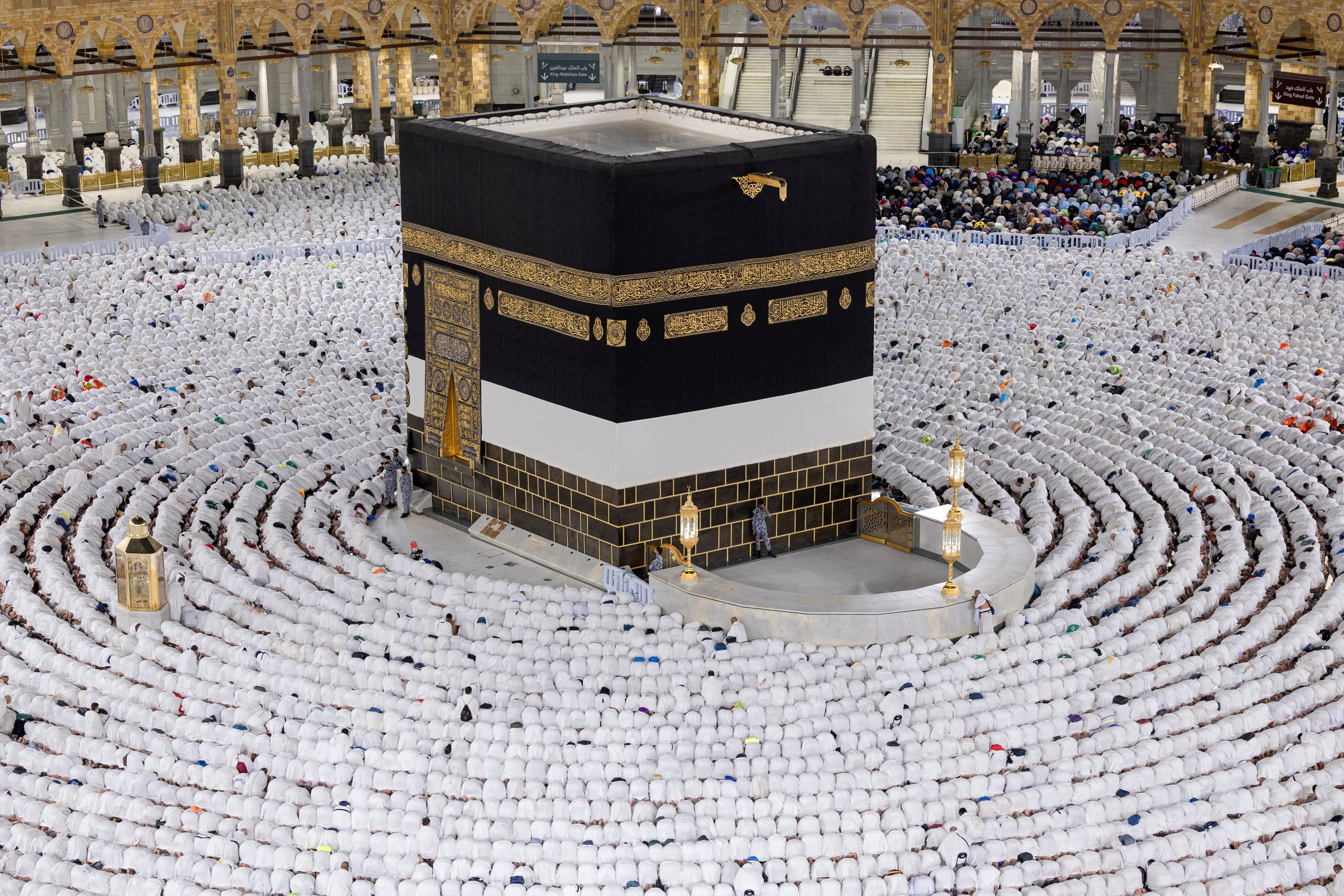
Electronics and Gadgets
Modern pilgrimage benefits from smart technology choices. The right electronics make navigation, communication, and spiritual practice easier — but do not overpack gadgets that will sit unused in your hotel room.
Essential Electronics
- Smartphone — for navigation, Quran apps, du’a apps, communication, and booking rides. Download offline maps of Makkah and Madinah before departure
- Power bank (10,000–20,000mAh) — long days at the Haram will drain your battery. A high-capacity portable charger is essential
- Universal power adapter — Saudi Arabia uses Type G sockets (the same as the UK). Bring the correct adapter for your country’s plugs
- Charging cables — bring at least two, as cables frequently break or get lost
- Earbuds or headphones — for listening to Quran recitation, Islamic lectures, or audio guides during travel
Optional but Useful
- Kindle or e-reader — for Islamic reading material without carrying heavy books
- Small digital camera — photography is restricted inside the Haram during prayers, but permitted in some areas and in Madinah
- SIM card or eSIM — Saudi SIM cards from STC, Mobily, or Zain are available at the airports. An eSIM activated before travel saves time
- Wristwatch — for tracking prayer times without checking your phone
Bags and Luggage
How you organise your luggage matters as much as what goes inside it. You need a system that separates ihram items from everyday clothing and keeps essentials accessible during rituals.
Recommended Bag Setup
- Main suitcase (checked luggage) — medium-sized, with a hard shell if possible. Overpacking is the most common mistake; most items are available in shops within walking distance of both Harams
- Carry-on backpack or duffle — containing documents, medications, one set of ihram/prayer clothing, a change of clothes, and electronics. If your checked bag is lost, this should sustain you for 48 hours
- Small day bag or waist pouch — for carrying inside the Haram. Must hold your phone, wallet, water bottle, and a small du’a book. A cross-body bag is more secure than a backpack in dense crowds
- Shoe bag — a drawstring bag for carrying your sandals or shoes inside the mosque (shoe racks outside the Haram are often full, and shoes do go missing)
- Laundry bag — to separate worn clothing. Many hotels offer laundry services, and laundromats are available near the Haram
- Ziplock bags — for organising toiletries, keeping electronics dry, and storing snacks
Comfort and Convenience Items
These items are not strictly necessary, but experienced pilgrims swear by them. The difference between a physically draining Umrah and a comfortable one often comes down to these details.
For the Journey
- Neck pillow — for the flight and any long bus transfers
- Eye mask and earplugs — for sleeping on the plane or in shared hotel rooms
- Compression socks — for the flight (remove before entering ihram)
- Snacks — nuts, energy bars, dates. Meal times can be irregular during rituals
For the Haram and Rituals
- Foldable sitting mat — for resting outside the Haram between prayers
- Small spray bottle — fill with water and mist yourself for cooling
- Safety pins — for securing ihram garments (men) or hijab (women)
- Vaseline or anti-chafing cream — extensive walking in heat causes chafing, particularly for men wearing ihram
- Foot cream — apply nightly to prevent cracked heels from walking on hot marble
- Portable fan (battery-operated) — a small handheld fan provides relief during crowded Tawaf
Seasonal Packing Adjustments
Makkah’s climate ranges from mild winters to punishing summers. What you pack should reflect when you are travelling. Madinah is generally a few degrees cooler than Makkah but follows similar patterns.
| Season | Months | Makkah Temperature | What to Add |
|---|---|---|---|
| Winter | December–February | 18–30°C | Light jacket, warm socks, pashmina or shawl |
| Spring | March–May | 25–40°C | Extra sunscreen, cooling towel, more water capacity |
| Summer | June–September | 30–48°C | Umbrella (essential), electrolyte sachets, extra water bottles, cooling spray |
| Autumn | October–November | 25–38°C | Similar to spring — comfortable but still hot midday |
Ramadan note: If performing Umrah during Ramadan, pack extra energy-dense snacks for suhoor and iftar. Dates, nuts, and dried fruit are ideal. Ramadan Umrah crowds are significantly larger, so pack patience alongside your provisions.
What NOT to Pack
Knowing what to leave behind is as important as knowing what to bring. These items are either prohibited, impractical, or easily purchased locally.
- Perfume, cologne, or any scented products — prohibited during ihram. Even scented hand sanitiser counts
- Excessive clothing — you will wear ihram or abayas for most of your trip. Three to four outfits beyond ihram clothing is plenty
- Valuable jewellery — risk of loss in crowded conditions far outweighs any benefit
- Heavy books — use a Kindle or phone apps instead
- Hair dryer — hotels provide them, and the heat dries hair quickly
- Large prayer mat — bulky and unnecessary. A compact travel mat or the mats provided at the Haram are sufficient
- Too much cash — ATMs are everywhere in Makkah and Madinah. Carry SAR 500–1,000 and withdraw as needed
- Weapons, alcohol, or non-Islamic religious materials — strictly prohibited in Saudi Arabia
What You Can Buy Locally
The streets around Masjid al-Haram and the Prophet’s Mosque are lined with shops selling everything a pilgrim could need. If you prefer to travel light, these items are reliably available and often cheaper than at home:
- Ihram garments — sold at every corner shop near the Haram, from basic cotton (SAR 30–50) to premium microfibre (SAR 80–150)
- Prayer mats, tasbeeh beads, and du’a books
- Unscented toiletries — specifically marketed for pilgrims
- Sandals and slippers
- Zamzam water containers — for bringing water home
- Abayas, hijabs, and prayer garments for women
- Snacks, dates, and drinks
- SIM cards and phone accessories
That said, purchasing ihram and shoes before you arrive allows you to break them in and ensure comfort — a priority given the 10+ kilometres of walking ahead.
The Complete Umrah Packing Checklist
Print this checklist or screenshot it on your phone. Tick off each item as you pack.
Documents
- Passport (valid 6+ months)
- Visa confirmation (printed)
- Flight tickets (printed)
- Hotel booking confirmation
- Vaccination certificates
- Travel insurance documents
- Passport photos (4–6)
- Digital copies of all documents
Men’s Clothing
- 2 sets ihram cloth (izar + rida)
- Ihram belt with pouch
- Open-toed sandals (broken in)
- 3–4 casual outfits
- Light jacket or sweater
- Underwear and sleepwear
- Walking shoes (non-ihram use)
Women’s Clothing
- 2–3 lightweight abayas
- 3–4 hijabs or headscarves
- Prayer dress or jilbab
- Modest underlayers
- Slip-on closed-toe shoes
- 2–3 additional outfits
- Warm layer (cardigan/pashmina)
- Socks and undergarments
Toiletries
- Unscented soap/body wash
- Fragrance-free shampoo
- Unscented deodorant
- Fragrance-free toothpaste + toothbrush
- Unscented moisturiser + lip balm
- Sunscreen SPF 50+ (unscented)
- Wet wipes and tissues
- Nail clippers and comb
- Razor/shaving kit
- Sanitary products (women)
Medical Kit
- Prescription medications
- Paracetamol + ibuprofen
- Anti-diarrhoea tablets
- Oral rehydration salts
- Cold/flu medication
- Throat lozenges
- Blister plasters
- Antiseptic cream + plasters
- Eye drops
- Electrolyte sachets
Prayer and Spiritual
- Pocket Quran or Quran app
- Du’a book (Fortress of the Muslim)
- Tasbeeh or digital counter
- Portable prayer mat
- Umrah ritual guide
- Notebook and pen
Electronics
- Smartphone with offline maps
- Power bank (10,000+ mAh)
- Type G adapter
- Charging cables (x2)
- Earbuds or headphones
- SIM card or eSIM
Comfort Items
- Neck pillow + eye mask
- Portable umbrella
- Reusable water bottle
- Snacks (nuts, dates, energy bars)
- Anti-chafing cream
- Safety pins
- Shoe bag
- Ziplock bags
- Small day bag or waist pouch
Packing Tips from Experienced Pilgrims
- Roll, don’t fold — rolling clothing saves space and reduces wrinkles, especially important for ihram cloth
- Wear your heaviest items on the plane — jacket, walking shoes, and thick socks should be worn during travel to save luggage space
- Use packing cubes — separate ihram items, everyday clothing, and toiletries into individual cubes for quick access
- Test everything before you go — walk in your sandals for at least a week before departure. Test that your ihram belt holds securely. Confirm your power bank charges your phone fully
- Label your bags — thousands of pilgrims carry identical-looking ihram bundles and shoe bags. Use a coloured ribbon or distinctive tag
- Pack a “Haram bag” separately — keep your day bag ready with phone, water, du’a book, tissues, and snacks. You will grab this bag multiple times daily
- Leave space for Zamzam — most pilgrims want to bring Zamzam water home. Leave room in your luggage or bring a collapsible bag
Practical Information
Getting to Makkah
Most international pilgrims fly into King Abdulaziz International Airport (KAIA) in Jeddah, approximately 80 kilometres from Makkah. The Haramain High-Speed Railway connects Jeddah to Makkah in around 30 minutes. Alternatively, fly into Prince Mohammed bin Abdulaziz Airport in Madinah if you plan to visit the Prophet’s Mosque first. For complete entry requirements, see our Saudi Arabia visa guide.
Luggage Allowances
Most airlines flying Umrah routes from major markets allow 30–40kg checked luggage, but verify with your specific carrier. Budget airlines may have lower allowances. Zamzam water is typically permitted as additional luggage on the return flight — check your airline’s Zamzam policy before departure.
Planning Your Umrah Trip
For a comprehensive overview of Umrah rituals, costs, best times to visit, and step-by-step guidance, read our full Umrah Guide 2026. If you are also considering Hajj, our Hajj 2026 guide covers everything from registration to ritual completion. And for broader travel planning across Saudi Arabia, our Saudi Arabia Travel Guide 2026 is the best starting point.
Explore More Saudi Arabia Travel Guides
- Hajj 2026: The Complete Guide — Dates, costs, packages, rituals, and everything you need to know about Hajj
- Umrah Guide 2026 — Rituals, costs, best times, and step-by-step guidance for performing Umrah
- Mecca Travel Guide 2026 — Masjid al-Haram, hotels, transport, and practical tips for visiting the holiest city
- Medina Travel Guide 2026 — The Prophet’s Mosque, Rawdah, hotels, and everything to see in the radiant city
- Saudi Arabia Dress Code — What to wear as a tourist, pilgrim, or business traveller across the Kingdom
- Saudi Arabia Travel Guide 2026 — The complete guide to visiting the Kingdom
- Saudi Arabia Visa Guide — Every visa type explained