
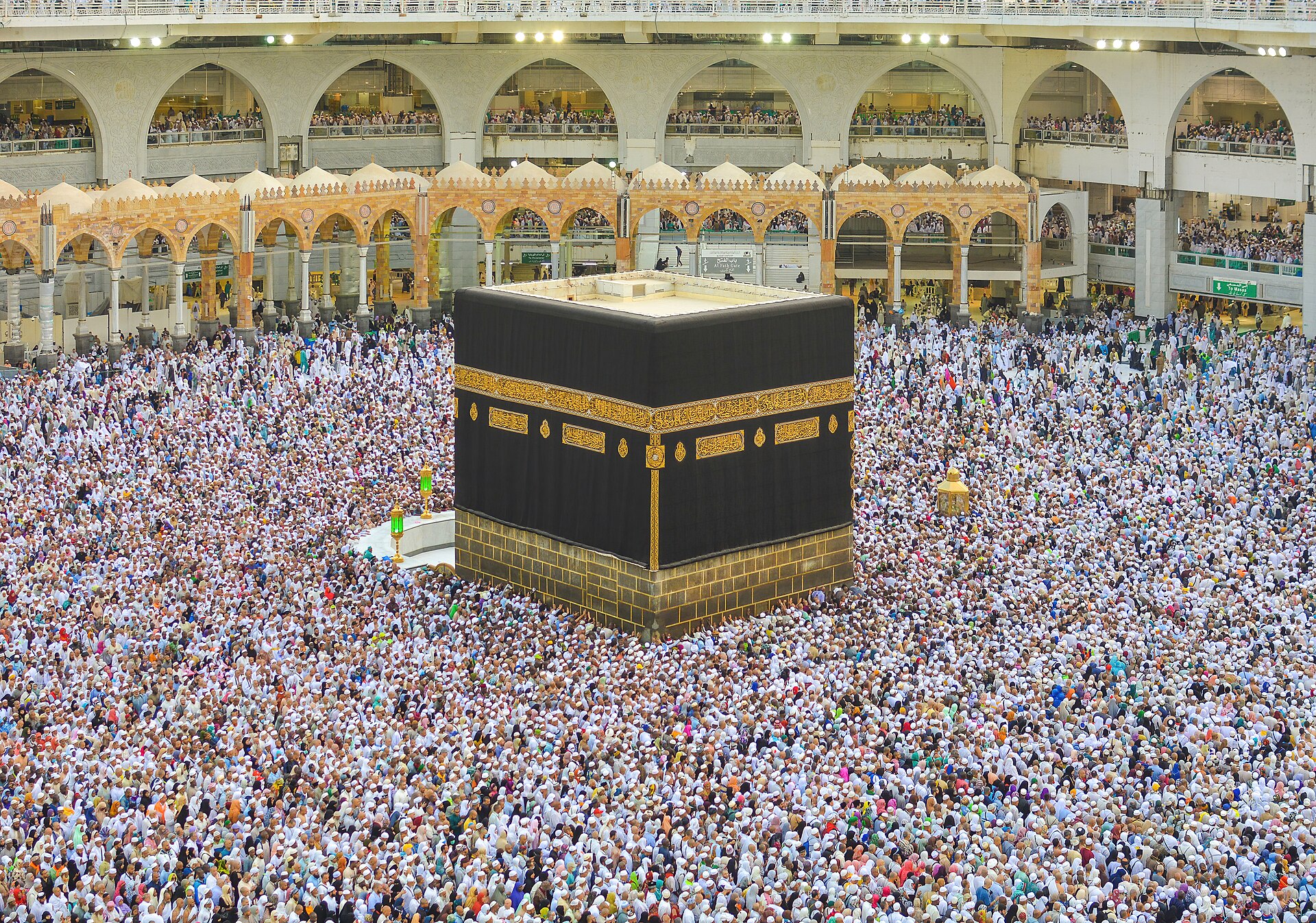
Every year, millions of Muslims travel to Saudi Arabia to perform Umrah — the lesser pilgrimage to the Holy Mosque in Mecca. Unlike Hajj, which takes place during a fixed window in the Islamic calendar, Umrah can be performed at any time of year outside the Hajj season. But before you can set foot in the Kingdom, you need the right visa. This guide covers every route to an Umrah visa in 2026: the tourist e-visa for citizens of 66 eligible countries, the traditional Umrah visa for everyone else, and the new Nusuk platform that has reshaped how pilgrims book their journeys. For a broader overview of the Hajj and Umrah pilgrimage experience, see our Hajj 2026 Guide, which covers rituals, timelines, and spiritual preparation alongside the practical logistics detailed here.
Best Time to Visit: October–March (cooler temperatures and peak Umrah season)
Getting There: Fly to Jeddah (IATA: JED) or Medina (IATA: MED); both airports have dedicated Hajj and Umrah terminals
Visa Required: Yes — tourist e-visa or traditional Umrah visa
Budget: $80–$110 USD for the e-visa alone; $1,500–$5,000+ total trip including flights, accommodation, and packages
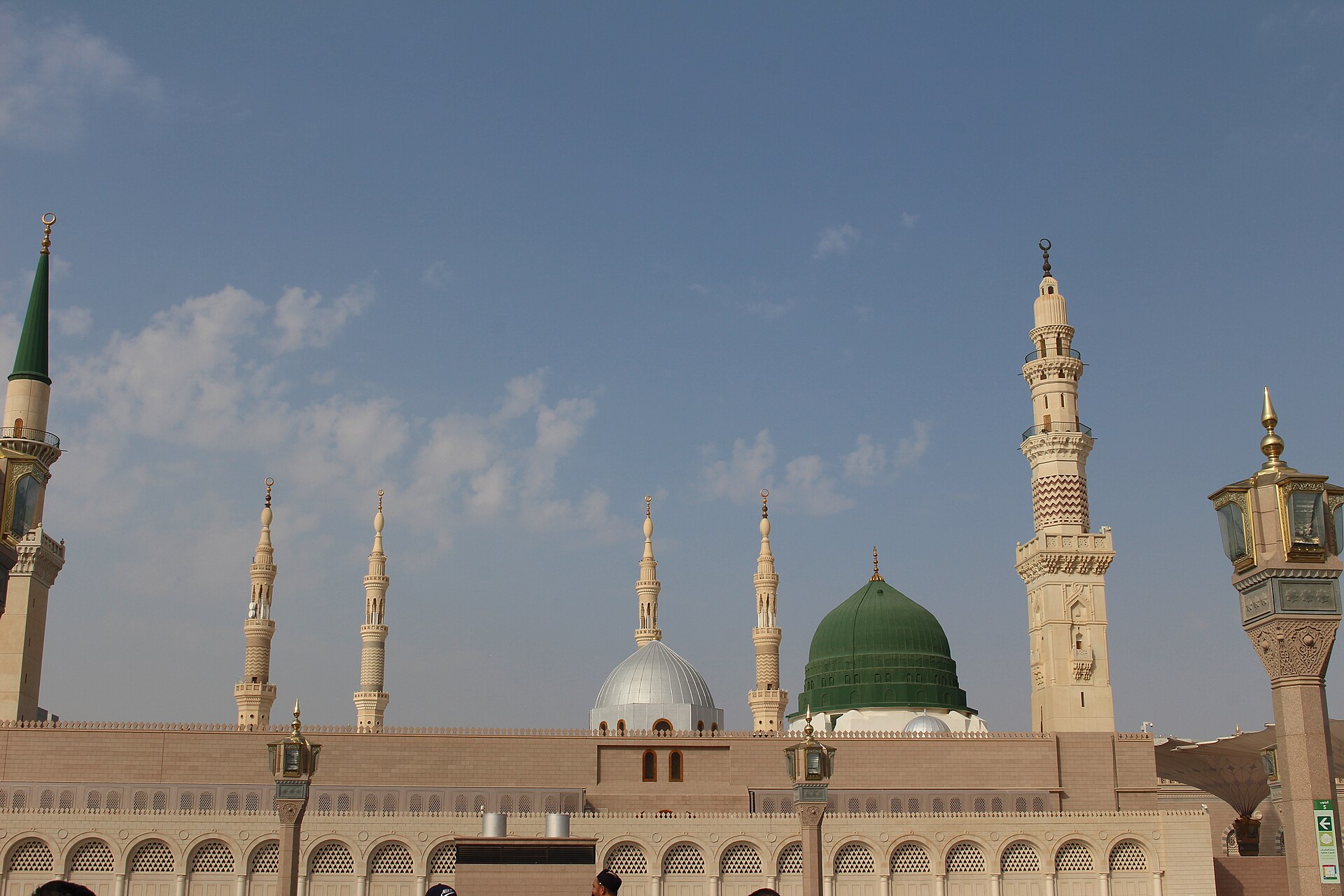
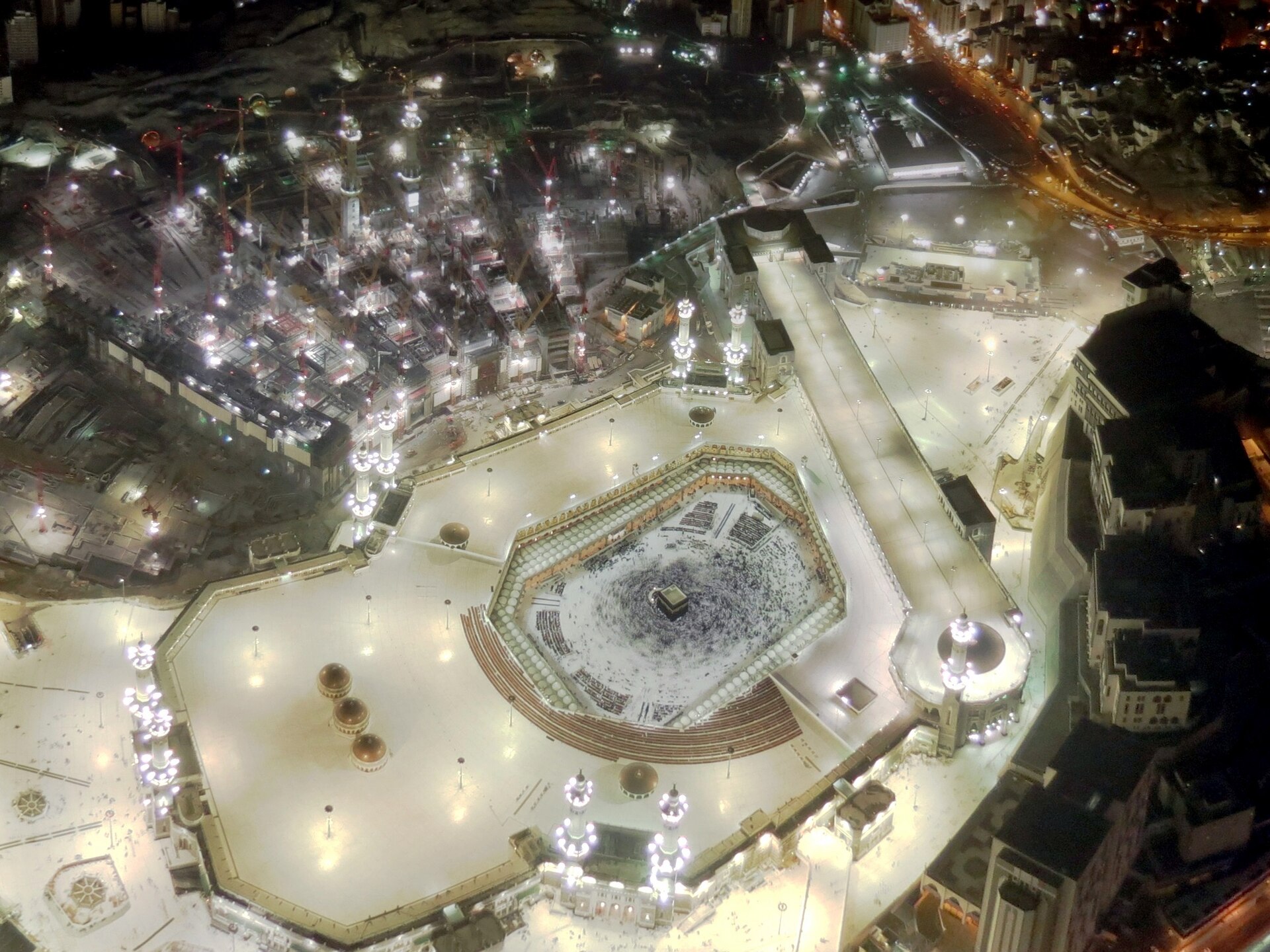
Must-See: Masjid al-Haram, The Prophet’s Mosque in Medina
Avoid: Applying too late before Hajj season — Umrah visa issuance closes weeks before Hajj begins
Which Visa Do You Need for Umrah?
Saudi Arabia now offers multiple pathways to perform Umrah, a significant shift from the days when a dedicated Umrah visa through an authorized agent was the only option. Understanding which route applies to you depends primarily on your nationality.
Option 1: Saudi Tourist e-Visa (66 Eligible Countries)
Citizens of 66 countries — including the United States, United Kingdom, Canada, Australia, most EU member states, Japan, South Korea, Singapore, and Malaysia — can apply for a Saudi tourist e-visa online. Since a landmark 2019 policy change, holders of this tourist visa are permitted to perform Umrah at any time outside the Hajj season. There is no need to apply for a separate Umrah-specific visa.
The e-visa is valid for one year with multiple entries, and each stay can last up to 90 days. This makes it the most flexible option: you can combine Umrah with sightseeing in Mecca, Medina, or other Saudi cities like Riyadh or Jeddah.
Option 2: Traditional Umrah Visa (Through Authorized Agent)
If your country is not on the 66-country e-visa list — which includes most of South Asia (India, Pakistan, Bangladesh), many African nations, and several Middle Eastern countries — you must apply for a traditional Umrah visa through a travel agency licensed by the Saudi Ministry of Hajj and Umrah. This is the route used by the largest contingents of Umrah pilgrims worldwide.
The traditional Umrah visa is typically valid for 30 to 90 days depending on the package, and is tied to specific travel dates and an approved itinerary.
Option 3: Any Existing Saudi Visa
In a welcome change, Saudi Arabia announced that holders of any valid Saudi visa — including work visas, family visit visas, business visas, and transit visas — can now perform Umrah. If you are already in the Kingdom on another visa type, you simply need to book an Umrah permit through the Nusuk app.
e-Visa Eligibility: The Full Country List
The following countries are eligible for the Saudi tourist e-visa, which permits Umrah outside Hajj season. As of 2025, the list includes 66 nationalities plus holders of valid US, UK, or Schengen visas regardless of nationality:
| Region | Eligible Countries |
|---|---|
| Europe | Austria, Belgium, Bulgaria, Croatia, Cyprus, Czech Republic, Denmark, Estonia, Finland, France, Germany, Greece, Hungary, Iceland, Ireland, Italy, Latvia, Liechtenstein, Lithuania, Luxembourg, Malta, Monaco, Montenegro, Netherlands, Norway, Poland, Portugal, Romania, San Marino, Slovakia, Slovenia, Spain, Sweden, Switzerland, United Kingdom |
| Americas | United States, Canada |
| Asia-Pacific | Australia, Brunei, China, Japan, Kazakhstan, Malaysia, New Zealand, Singapore, South Korea |
| Other | Andorra, Georgia, Moldova, Russia, South Africa, Turkey, Ukraine, and others recently added |
Important: Even if your country is not on the list, you may still qualify for the e-visa if your passport contains a valid entry stamp from the US, UK, or a Schengen country. Check the official portal at visa.visitsaudi.com for the latest eligibility updates.
How to Apply for the Saudi e-Visa (Step by Step)
Applying for the e-visa is straightforward and can be completed entirely online. Processing typically takes 24 to 72 hours, though many applicants receive approval within 6–12 hours.
Step 1: Gather Your Documents
- Valid passport with at least 6 months of validity from your planned arrival date
- Recent digital passport photo — colour, white background, full face visible, no head covering (unless religious)
- Email address for receiving the approved e-visa
- Debit or credit card for payment
- Valid passport with at least 6 months of validity and at least two blank pages
- Passport-sized photographs (usually 4, with white background)
- Completed visa application form (provided by the agent)
- Proof of relationship for women under 45 travelling with a male Mahram (guardian) — though solo women aged 45 and over may now travel in organized groups
- Meningococcal ACWY vaccination certificate (see Health Requirements section below)
- Confirmed round-trip flight itinerary
- Hotel booking confirmation in Mecca and/or Medina
- Umrah permit booking — required to enter Masjid al-Haram for Tawaf and Sa’i
- Rawdah appointments — book a time slot to pray in the Rawdah area of the Prophet’s Mosque in Medina
- Package booking — economy to premium packages including accommodation, transport, and meals
- e-Visa issuance — for some nationalities, the visa can be obtained directly through the platform
- Digital guides — step-by-step ritual instructions and mosque navigation
- Download the Nusuk app (available in English, Arabic, Urdu, Bahasa, French, and Turkish)
- Create an account with your passport details
- Upload your visa (e-visa PDF or traditional visa details)
- Book your Umrah permit by selecting your preferred date and time slot
- Optionally, book a Rawdah appointment in Medina
- Meningococcal ACWY: No longer mandatory for Umrah as of February 2025, but strongly recommended by health authorities including the CDC and WHO. The policy may be reinstated — check before travelling
- COVID-19: No vaccination or testing requirements as of 2025
- Routine vaccinations: Ensure your standard vaccinations (MMR, tetanus, polio) are up to date
- Yellow fever: Required if arriving from a country with risk of yellow fever transmission
- Passport validity: Your passport must be valid for at least 6 months from your date of arrival in Saudi Arabia, not from the date of application. This is the single most common reason for rejection
- Photo specifications: The photo must have a plain white background, show your full face, and be a recent likeness. Blurry photos, shadows, or incorrect backgrounds trigger automatic rejections
- Name mismatches: Every detail on the application must exactly match your passport. Even small differences in name spelling or date formats cause issues
- Incomplete documentation: For traditional visa applicants, missing hotel confirmations or vaccination certificates are common causes
- Applying too late: Visa issuance closes weeks before Hajj season. Last-minute applications during this window will be rejected
- Previous overstay: If you have overstayed a previous Saudi visa, your application will likely be flagged and rejected
- Women aged 45 and over can now travel for Umrah without a Mahram (male guardian), provided they travel as part of an organized group
- Women under 45 applying through a traditional Umrah visa still typically need to travel with a Mahram or as part of a family group. Proof of relationship (marriage certificate, birth certificate) is required
- e-Visa holders: Women from e-visa-eligible countries face no Mahram requirement when applying for the tourist visa, regardless of age. However, they may need a Mahram companion for certain rituals
- King Abdulaziz International Airport (JED), Jeddah — the main gateway, with a dedicated Hajj Terminal (South Terminal) that handles pilgrim arrivals during peak periods. See our Saudi Arabia Airport Guide for terminal maps and transfer tips
- Prince Mohammad bin Abdulaziz International Airport (MED), Medina — convenient if you plan to visit Medina first
- Apply early: Do not wait until the last week before travel, especially during Ramadan or pre-Hajj season
- Screenshot everything: Save your e-visa, Nusuk confirmation, and booking details both on your phone and printed
- Check your passport: Verify the expiry date, available blank pages, and that your name matches exactly how you entered it on the application
- Download the Nusuk app before you fly: Registration and permit booking is easier to do at home with a stable internet connection
- Get vaccinated early: Even if not mandatory at the time of your travel, requirements can change rapidly — having the ACWY vaccine certificate ready avoids last-minute scrambles
- Carry physical copies: Saudi immigration and hotel staff may request printed visa and booking documents
- Know the currency: Visa fees are denominated in Saudi Riyals (SAR). Check our Saudi Arabia currency guide for current exchange rates and payment tips
- Hajj 2026 Guide — Complete guide to the Hajj pilgrimage including rituals, registration, and timelines
- Umrah for First Timers — Step-by-step walkthrough of every ritual from Ihram to Halq
- How Much Does Umrah Cost? — Full budget breakdown including flights, hotels, and packages
- Mecca for Muslim Travellers — City guide covering hotels, food, transport, and sacred sites
- Medina Travel Guide — Exploring the Prophet’s city beyond the mosque
- Masjid al-Haram Visitor Guide — Navigating the Great Mosque of Mecca
- Saudi Arabia Travel Guide 2026 — The complete guide to visiting the Kingdom
- Saudi Arabia Visa Guide — Every visa type explained
Step 2: Complete the Online Application
Visit the official Saudi e-visa portal at visa.visitsaudi.com. Enter your personal details, passport information, and travel plans exactly as they appear on your passport. Select your purpose of travel — for Umrah, choose “Tourism” or “Umrah” if available as an option.
Step 3: Pay the Fee
The e-visa fee is SAR 300 (approximately $80 USD) for the government visa fee, plus mandatory medical insurance that brings the total to approximately SAR 400–480 ($107–$128 USD). Payment is made securely online by card.
Step 4: Receive Your e-Visa
Once approved, the e-visa is sent to your registered email address as a downloadable PDF. Print a copy and save a digital version on your phone. The e-visa is also linked electronically to your passport number.
Step 5: Register on the Nusuk Platform
Even with an e-visa in hand, you must register on the Nusuk platform (nusuk.sa) to book your Umrah permit, schedule entry to Masjid al-Haram, and reserve a Rawdah appointment in Medina. This step is mandatory for all pilgrims as of 2025.
How to Apply for a Traditional Umrah Visa (Non e-Visa Countries)
If you are from India, Pakistan, Bangladesh, Indonesia, Egypt, Nigeria, or another country not on the e-visa list, your application goes through a licensed Umrah travel agent. Here is the process:
Step 1: Choose a Licensed Agent
Select a travel agency authorized by the Saudi Ministry of Hajj and Umrah. In many countries, the Saudi embassy publishes an approved list. Your agent will handle the visa application on your behalf and typically bundle it with flights, accommodation, and ground transport.
Step 2: Submit Required Documents
Step 3: Agent Submits via MOFA or Nusuk
Your agent submits the application through the Saudi Ministry of Foreign Affairs (MOFA) portal or via the Nusuk platform. Processing typically takes 3–7 working days, though times can vary during peak season.
Step 4: Receive Visa and Travel
The approved visa is stamped in your passport or issued electronically, depending on the country. Your agent will provide your complete itinerary and Nusuk booking confirmation.
Umrah Visa Costs: Complete Breakdown
Costs vary significantly depending on whether you apply independently via e-visa or through a travel agent with a bundled package. Use our detailed Umrah cost breakdown guide for full trip budgeting.
| Cost Component | e-Visa Route | Traditional Agent Route |
|---|---|---|
| Government visa fee | SAR 300 (~$80 USD) | SAR 300 (~$80 USD) |
| Medical insurance | Included in e-visa fee (~SAR 100–180) | Usually included in package |
| Agent service fee | N/A | $50–$200 USD |
| Total visa cost | ~$107–$128 USD | ~$150–$300 USD |
| Nusuk package (optional for e-visa holders) | SAR 800–6,500 ($213–$1,733) | Typically bundled |
Budget tip: If you hold a tourist e-visa, you can arrange your own flights and accommodation independently, potentially saving hundreds compared to agency packages. However, booking through the Nusuk platform is still mandatory for the Umrah permit itself.
The Nusuk Platform: What You Need to Know
The Nusuk platform (nusuk.sa) is the Saudi government’s official digital gateway for Hajj and Umrah. Since 2023, it has progressively become the central hub for all pilgrimage logistics, and as of 2025, it is mandatory for all international Umrah pilgrims.
What Nusuk Does
How to Register
Country-specific note: Indian and Pakistani passport holders currently cannot apply for an Umrah visa directly through Nusuk and must use a licensed agent in their home country. However, once the visa is issued, the Nusuk app is still used for permit booking and mosque scheduling.
Umrah Visa Requirements: Documents Checklist
Whether you apply by e-visa or through an agent, ensure you have the following ready before starting your application:
| Requirement | e-Visa | Traditional Visa |
|---|---|---|
| Passport (6+ months validity) | Required | Required |
| Passport photo (white background) | Digital upload | 4 physical copies |
| Confirmed accommodation | Recommended | Required |
| Return flight ticket | Not required at application | Required |
| Meningococcal ACWY vaccine | Recommended | Often required |
| Mahram proof (women under 45) | Not required | May be required |
| Travel insurance | Included in fee | Usually included in package |
Health Requirements and Vaccinations
Saudi Arabia has historically required all Hajj and Umrah pilgrims to show proof of a quadrivalent meningococcal (ACWY) vaccination administered at least 10 days before arrival. However, in February 2025, the General Authority of Civil Aviation (GACA) suspended the mandatory meningitis vaccination requirement for Umrah travellers.
Current Vaccination Guidance
Health tip: Even where vaccinations are not mandatory, the dense crowds during Umrah create a high-risk environment for respiratory and meningococcal infections. The CDC specifically recommends the ACWY vaccine for all Umrah and Hajj travellers regardless of Saudi entry requirements.
Umrah Season 2026: Key Dates and Deadlines
Umrah is available year-round except during the Hajj season, when Mecca is reserved exclusively for Hajj pilgrims. In 2026, the critical deadlines are:
| Milestone | Date (2026) |
|---|---|
| Last day for Umrah visa issuance | March 19 |
| Last day for entry on Umrah visa | April 2 |
| All Umrah pilgrims must depart | April 18 |
| Hajj season begins (approximate) | Late May |
| Hajj dates | ~May 25–30 |
| Umrah visa issuance reopens | ~Mid-June |
Warning: Tourist visa holders are banned from entering Mecca during the Hajj season (approximately May 10–June 25) without a specific Hajj permit. Saudi authorities enforce this with police checkpoints, and violations carry a SAR 10,000 fine (~$2,660 USD) plus deportation and a potential multi-year re-entry ban.
The best months for Umrah are October through March, when temperatures in Mecca are more manageable (25–35°C compared to 40–50°C in summer) and the holy sites are less congested than during Ramadan.
Umrah Visa Processing Times
How quickly you receive your visa depends on the application route:
| Application Method | Typical Processing Time |
|---|---|
| Saudi tourist e-visa | 6–72 hours |
| Traditional Umrah visa (via agent) | 3–7 working days |
| Peak season (Ramadan approach) | Up to 14 working days |
Apply well in advance during Ramadan season (which falls in February–March in 2026) when demand spikes and processing times lengthen.
Common Mistakes That Get Umrah Visas Rejected
Visa rejections are frustrating and can derail your entire trip. Here are the most frequent causes and how to avoid them:
Women Travelling for Umrah
Saudi Arabia has significantly relaxed rules for female Umrah pilgrims in recent years:
Arriving in Saudi Arabia: Airport and Entry
Most Umrah pilgrims fly into one of two airports:
At immigration, you will need your passport, printed or digital e-visa, and Nusuk booking confirmation. Biometric data (fingerprints and photograph) is collected at entry. The process is well-organized but can be slow during peak season — allow 1–2 hours for clearance.
Make sure you have a valid Saudi visa before boarding your flight — airlines check visa status at check-in and will deny boarding without one. For staying connected on arrival, see our Saudi SIM card and eSIM guide.
Extending Your Umrah Visa
The tourist e-visa does not need extension for most travellers — it is valid for one year with 90-day stays. If you wish to stay longer than 90 days, you must exit and re-enter.
The traditional Umrah visa has stricter terms. Overstaying is taken seriously: penalties include fines, deportation, and multi-year re-entry bans. If you need more time, contact your sponsoring travel agent before your visa expires to explore options.
Umrah Visa vs. Hajj Visa vs. Tourist Visa
Confused about which visa type to apply for? Here is a comparison:
| Feature | Tourist e-Visa | Traditional Umrah Visa | Hajj Visa |
|---|---|---|---|
| Who can apply | 66 eligible countries | All nationalities (via agent) | All nationalities (via agent) |
| Permits Umrah | Yes (outside Hajj season) | Yes | Hajj only |
| Validity | 1 year, multiple entry | 30–90 days | Single entry, Hajj period only |
| Max stay | 90 days per visit | Duration of package | ~30 days |
| Sightseeing permitted | Yes, anywhere in Saudi | Mecca and Medina only | Holy sites only |
| Cost (visa only) | ~$107–$128 USD | ~$150–$300 USD | Varies by country |
| Apply online | Yes | No (through agent) | No (through agent) |
For travellers from e-visa-eligible countries, the tourist e-visa is the clear winner: cheaper, more flexible, and allows you to explore the rest of Saudi Arabia beyond the holy cities. If you are planning a first-time pilgrimage, our Umrah for First Timers guide walks through the rituals step by step.
Practical Tips for a Smooth Visa Process
What to Pack for Umrah
Once your visa is sorted, packing is the next step. Men will need Ihram garments (two unstitched white cloths), while women should pack modest, loose-fitting clothing that covers everything except the face and hands. Comfortable walking shoes are essential — you will walk 10–15 kilometres during the Tawaf and Sa’i rituals alone. For a detailed checklist, see our Umrah Packing List for both men and women.