
Travelling to Saudi Arabia during Ramadan is one of the most extraordinary travel experiences in the Islamic world — the streets come alive after dark, the hospitality is at its warmest, and you can witness the full depth of Saudi culture in a way that simply isn’t possible at any other time of year. But it also means navigating a distinct set of rules and social expectations. This guide covers everything tourists need to know: what you can and cannot eat or drink in public, how dress codes intensify during the holy month, which businesses are open and when, and how to make the most of the unique Ramadan atmosphere. For a broader overview of the country, start with the Saudi Arabia Travel Guide 2026.
Ramadan 2027 (approx.): Late January to late February 2027 (shifts ~11 days earlier each year)
Getting There: International flights to Riyadh (RUH), Jeddah (JED), or Dammam (DMM)
Visa Required: Yes — tourist e-visa, available online in advance
Budget: $80–$150/day (hotel restaurants serve discreetly; iftar buffets $30–$80)
Must-Do: Attend an iftar meal, explore night markets after sunset, visit Masjid al-Haram in Mecca or Masjid al-Nabawi in Medina
Avoid: Eating, drinking, or smoking anywhere in public during daylight fasting hours — this applies to tourists too
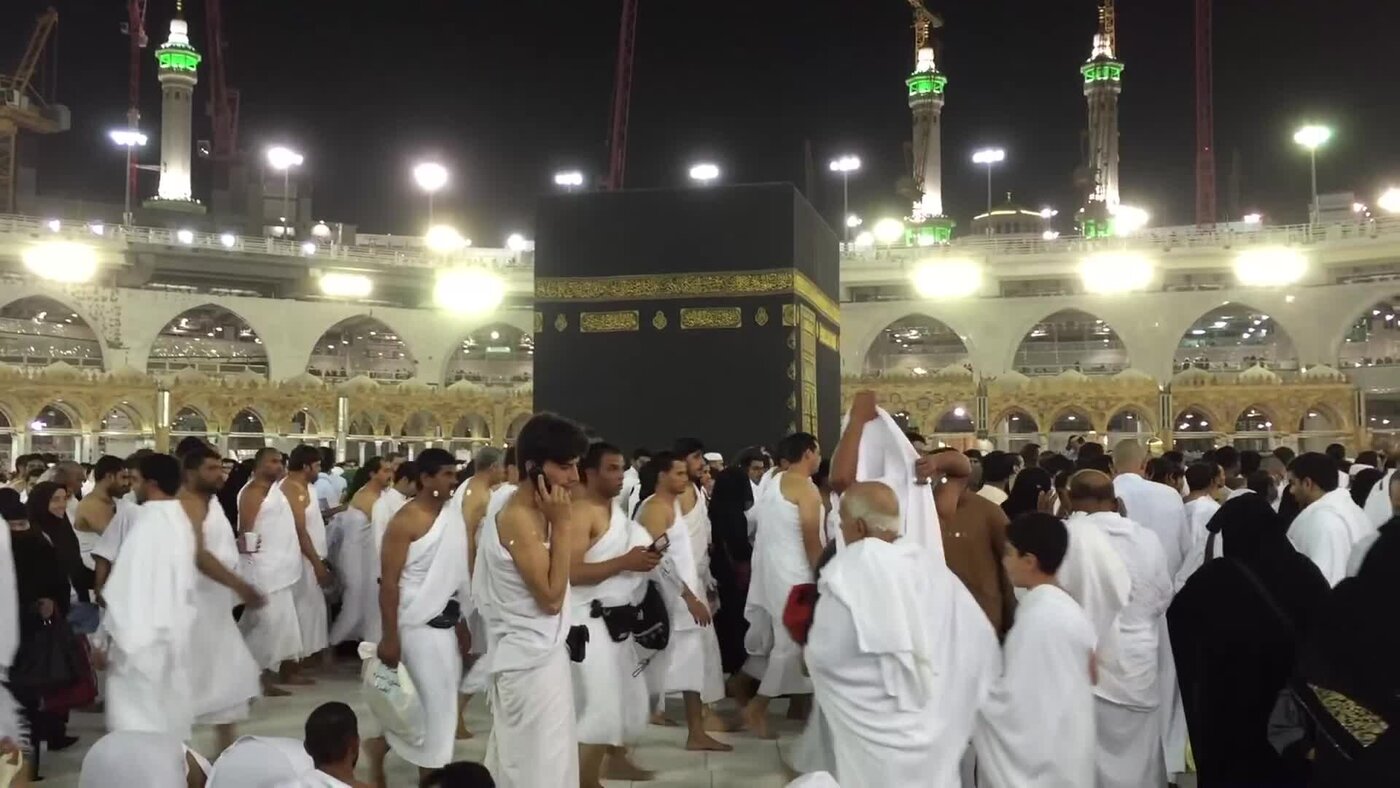
When is Ramadan in Saudi Arabia?
Ramadan is the ninth month of the Islamic lunar (Hijri) calendar, during which Muslims fast from dawn to sunset. Because the Islamic calendar is approximately 11 days shorter than the Gregorian calendar, Ramadan shifts earlier each year. In 2026, Ramadan ran from approximately 18 February to 19 March. In 2027, it is expected to begin around late January. By the early 2030s, it will fall in midwinter.
The official start of Ramadan in Saudi Arabia is determined by the moon sighting confirmed by the Supreme Court — which means the exact date is not announced until the evening before. Build a day’s flexibility into your travel plans if you are arriving around the expected start date.
| Year | Ramadan Start (Approx.) | Ramadan End (Approx.) |
|---|---|---|
| 2026 | 18 February | 19 March |
| 2027 | 8 February | 8 March |
| 2028 | 28 January | 26 February |
| 2029 | 17 January | 14 February |
Practical note: Eid al-Fitr — the three-day celebration marking the end of Ramadan — is also an official public holiday in Saudi Arabia. Hotels and tourist sites can become very busy. If you plan to travel around Eid, book accommodation well in advance.
The Most Important Rule: No Eating or Drinking in Public During Daylight
This is the single most critical rule for tourists to understand. Eating, drinking, and smoking in public during daylight fasting hours is illegal for everyone in Saudi Arabia during Ramadan — including non-Muslim tourists. This is not a cultural preference; it is enforceable law under the Public Decency Code, with fines of up to SAR 500 (approximately USD 133) for violations.
Daylight fasting hours run from Fajr (dawn prayer, approximately 5:00–5:30am) to Maghrib (sunset prayer, approximately 6:00–6:30pm) in central Saudi Arabia, with minor variation depending on the time of year and city.
Where you can eat and drink during the day
The restriction applies to public spaces — streets, shopping malls, markets, public parks, and vehicles visible to others. The following spaces are generally acceptable:
- Hotel rooms and suites — always permitted; use your room for breakfast and daytime snacks
- Designated screened dining areas in hotels — most four- and five-star international hotels maintain a discreetly partitioned restaurant section for non-fasting guests during daylight hours
- Private offices and company canteens — designated areas in international business compounds typically remain available for non-Muslim staff
- Your car, if parked discreetly — while technically a grey area, many non-Muslim residents eat in their parked cars. Avoid being visible from the street.
- Cover shoulders and upper arms — sleeveless tops and strappy dresses are inappropriate and may attract disapproving attention
- Cover knees — shorts and short skirts are not suitable for public spaces during Ramadan
- Loose-fitting clothing is more appropriate than tight-fitting clothes, regardless of coverage
- Carry a light scarf or shawl — useful if entering mosques, visiting more conservative areas, or if you receive feedback about your dress
- Many women find that a long linen dress, loose trousers with a tunic, or an abaya over normal clothes is both comfortable in the heat and completely appropriate
- Avoid sleeveless shirts or muscle vests in public areas
- Shorts should reach at least to the knee — many Saudi men wear thobes during Ramadan; knee-length trousers are an acceptable tourist equivalent
- Swimwear is acceptable at hotel pools and private beach facilities, but not in any public space
- Swearing or using profane language in public is prohibited and subject to fine
- Arguing loudly or causing public disturbances is taken more seriously during Ramadan
- Playing loud music in public areas or from a car is frowned upon, particularly during prayer times
- Photography of individuals without consent is not appropriate — this is especially sensitive during Ramadan when worshippers are more emotionally engaged
- Lower your voice and avoid boisterous behaviour near mosques
- Some shops may pause briefly during prayer times — this is normal
- The Tarawih prayer, a special extended night prayer unique to Ramadan, fills mosques every evening after Isha (night prayer). The sound of communal Quran recitation is a memorable part of the Ramadan atmosphere
- Morning shift: approximately 11:30am–5:30pm (quieter; useful for tourists who want to shop without crowds)
- Evening shift: opens approximately 8:30–9pm, reaches peak activity around 10pm–midnight, and stays open until 1–2am
- Fajr prayer (~5am): marks the beginning of the daily fast. The city is briefly awake, with the suhoor (pre-dawn meal) wrapping up before the call to prayer
- Dhuhr (~12:30pm): midday prayer. Short pause in activity
- Asr (~4pm): afternoon prayer. Activity quietens as fasting hours approach iftar
- Maghrib (~6:15–6:30pm): sunset prayer — and the moment of iftar. Restaurants open, the city erupts with activity
- Isha (~8pm): night prayer, followed by Tarawih — the extended Ramadan prayer that can last 1–2 hours in major mosques
- Riyadh Metro extends its operating hours during Ramadan — running until 3:00am on weekdays and as late as 3:30am on Fridays to accommodate the late-night culture
- Uber and Careem operate throughout Ramadan; availability may reduce briefly around iftar time as drivers break their fast
- Taxis are available but may be harder to find in the 20–30 minutes immediately after iftar
- Road traffic surges dramatically in the 30 minutes before Maghrib (sunset/iftar). Everyone is rushing home or to restaurants. Plan your movements to either be already seated somewhere or off the road during this window
- Domestic flights run normally; airports serve food airside (though not in visible public areas landside during fasting hours)
- Crowds are intense — particularly in the final 10 days of Ramadan (Laylat al-Qadr period). Book accommodation months in advance
- Prices spike sharply for the last 10 days — the highest prices of the year for Mecca and Medina hotels
- Umrah during Ramadan carries enormous spiritual significance and is considered equivalent in reward to Hajj — see the Umrah for First Timers guide for a step-by-step overview
- Non-Muslims cannot enter Mecca — entry is restricted to Muslims; checkpoints are enforced on all roads entering the city
- Saudi Arabia Travel Guide 2026 — The complete guide to visiting the Kingdom
- Saudi Arabia Dress Code for Tourists — What to wear in every situation and city
- Hajj 2026 Guide — Dates, registration, costs and what to expect
- Umrah for First Timers — The complete step-by-step guide
- Mecca for Muslim Travellers — The complete Hajj and Umrah city guide
- Saudi Arabia Visa Guide — Every visa type explained
Practical tip: If you need medication that requires eating, or have a medical condition requiring regular food intake, carry documentation from your doctor. Authorities have discretion and typically respond to genuine medical needs sympathetically — but proactive communication is better than hoping for the best.
What happens if a tourist accidentally violates the rule?
First-time, clearly accidental violations by tourists are usually met with a polite warning rather than a fine. However, deliberate or repeated violations, or behaviour that appears disrespectful, can result in the full SAR 500 fine or, in extreme cases, referral for deportation. The safest approach is simply to plan your daytime meals around your hotel.
Ramadan Dress Code: Modesty Expectations Increase
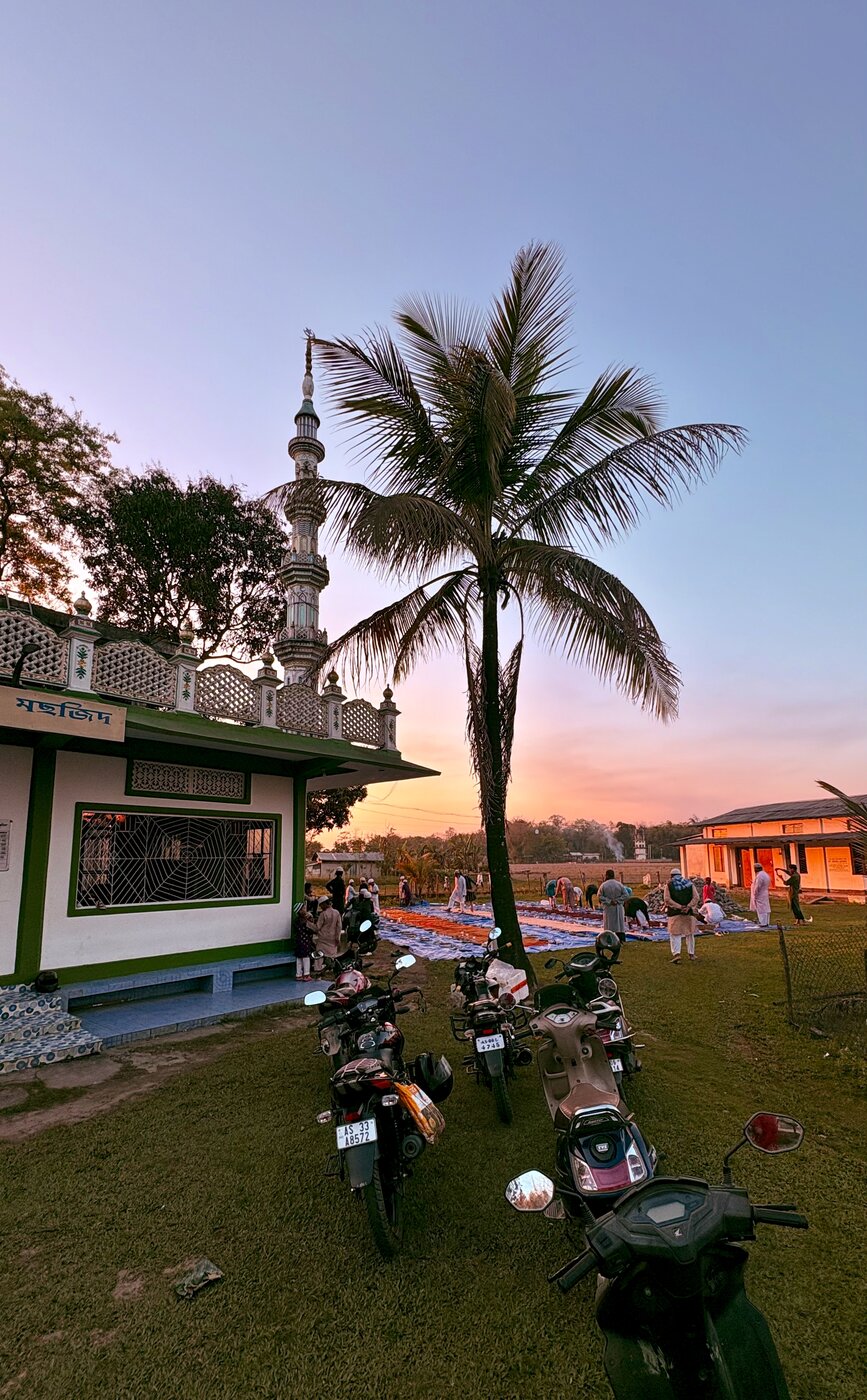
Saudi Arabia’s dress code requirements apply year-round, but social expectations intensify noticeably during Ramadan. Foreign women are not legally required to wear an abaya or headscarf in most public spaces — this requirement was lifted for tourists in 2019 — but the standard of modesty expected by local convention is higher during the holy month.
For women tourists during Ramadan
For men tourists during Ramadan
At mosques during Ramadan
Non-Muslims are generally not permitted to enter the Masjid al-Haram in Mecca or the Masjid al-Nabawi in Medina — these are restricted to Muslims only, and this restriction is strictly enforced year-round. Muslim tourists visiting these mosques should dress in modest Islamic attire; women should cover hair and wear loose, full-length clothing. See the Masjid al-Haram Visitor Guide and the Prophet’s Mosque Visitor Guide for full details.
Other mosques across Saudi Arabia may welcome respectful non-Muslim visitors at the discretion of local management — always ask before entering, and follow dress guidelines strictly.
Public Behaviour and Decency Rules During Ramadan
Saudi Arabia’s Public Decency Code applies year-round but is more strictly observed — and more strictly enforced — during Ramadan. Key rules for tourists:
Public displays of affection
Any public display of affection is prohibited and subject to fine. This includes holding hands, hugging, and kissing in public — even between married couples. The fine for public indecent behaviour starts at SAR 3,000 (approximately USD 800) and can be doubled for repeat offences. Couples travelling together should be particularly mindful of this in malls, restaurants, and public spaces.
Language and behaviour
During the call to prayer
The five daily prayers (Salah) are observed throughout Saudi Arabia. During Ramadan, the calls to prayer carry particular significance, especially the Fajr call (marking the start of the daily fast) and the Maghrib call (marking iftar, when the fast breaks). When you hear the call to prayer:
What’s Open During Ramadan: Shops, Restaurants and Services
Business hours in Saudi Arabia shift significantly during Ramadan. The country essentially inverts its daily rhythm: quieter during the day, extraordinarily lively at night.
Restaurants and food
| Type of Venue | Daytime Hours | Evening/Night Hours |
|---|---|---|
| Street cafés and casual restaurants | Closed during fasting hours | Open from iftar (~6pm) until 1–2am |
| Shopping mall food courts | Closed during fasting hours | Open from 8pm, busy until midnight+ |
| International hotel restaurants (for non-Muslims) | Open discreetly in screened sections | Full iftar buffet from sunset |
| Hotel room service | Available throughout | Available throughout |
| Supermarkets | Usually open (food section) | Extended hours until midnight+ |
For iftar: Many of Saudi Arabia’s best hotels offer lavish Ramadan iftar buffets — a cultural event in themselves. Expect dates, laban (buttermilk), soup, traditional Gulf dishes, shawarma stations, and elaborate dessert spreads. Budget $30–$80 per person at major hotels. Some mosques and community organisations host open public iftars that tourists may be invited to join.
Shopping malls
Malls become some of the liveliest places in the country during Ramadan evenings. Most major malls run two shifts:
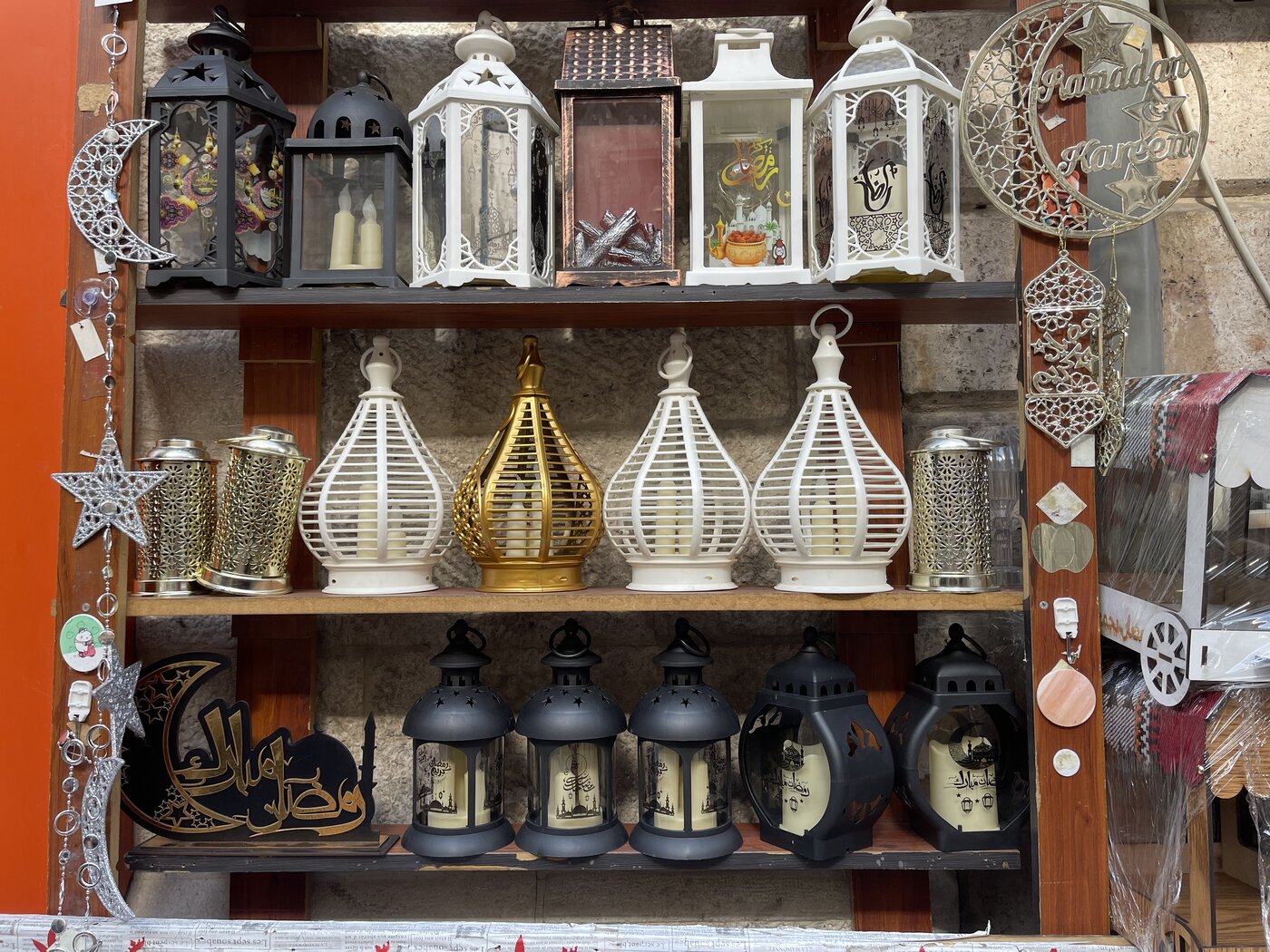
Malls are decorated with Ramadan crescent and star motifs, and many host special Ramadan sales, food markets, and entertainment events in their atriums.
Government offices and services
Government offices operate reduced hours during Ramadan: typically 9am to 2pm, reduced from the standard 7:30am–2:30pm. If you need any government services — visa extensions, police reports, official documentation — plan around these shorter hours and expect queues.
Banks and private businesses
Private businesses typically operate 10am to 4pm during the day, with many reopening after iftar until 10–11pm. Banks generally maintain shorter hours (9am–1pm) but some larger branches have additional evening windows.
Alcohol During Ramadan (and Year-Round)
Alcohol is completely prohibited throughout Saudi Arabia, at all times of year — not just during Ramadan. There are no exceptions for tourists, no hotel bars, no airport lounges serving wine, no private dining menus with wine pairings. This is one of the most important things to know before visiting the Kingdom.
Attempting to import alcohol — including wines packed in checked luggage — is a customs offence that can result in confiscation, fines, and detention. Saudi Arabia’s customs authorities do inspect baggage.
Non-alcoholic options are abundant: Saudi Arabia has a sophisticated culture of mocktails, fresh juices, Arabic coffee (qahwa), cardamom tea, laban (fermented buttermilk), and imported sodas. During Ramadan, breaking the fast with chilled tamarind juice or jallab (a sweet rosewater drink) is a particularly pleasant experience.
Prayer Times and How They Shape the Day
Five prayers structure daily life in Saudi Arabia throughout the year, but during Ramadan they take on additional significance. During Ramadan, two additional prayer routines also occur:
During prayer times, some smaller shops close for 15–20 minutes. The Riyadh Metro and inter-city transport continue operating through prayer times.
Transport During Ramadan
Getting around Saudi Arabia during Ramadan is generally straightforward, with some important nuances:
Tip: The 30–45 minutes after iftar is actually one of the calmest times to travel by road in Saudi Arabia — everyone has just eaten, traffic has dispersed, and the city is in a relaxed, festive mood before the late-night peak begins.
The Best of Ramadan: Iftar, Suhoor, Night Markets and Atmosphere
For all the restrictions it involves, Ramadan is also an extraordinary time to visit Saudi Arabia. The Kingdom’s famous hospitality reaches new heights, and unique experiences become available that simply don’t exist at other times of year.
Iftar — breaking the fast at sunset
If there is one thing worth timing your visit around, it is experiencing iftar. When the Maghrib call to prayer sounds, the fast breaks. Traditionally, it begins with dates and water or laban — the Prophet Muhammad’s practice — followed by soup, and then a full meal. Restaurants, hotel iftar tents, mosques, and homes all open up for the occasion.
Tourists are often genuinely welcomed at communal iftars. If a Saudi acquaintance invites you to join their family’s iftar — accept. It is one of the most generous acts of hospitality in the culture, and the food and conversation will be remarkable.
Ramadan tents and night markets
Cities across Saudi Arabia — particularly Riyadh, Jeddah, and Dammam — set up dedicated Ramadan tents and souq nights. These are a combination of food market, cultural exhibition, and late-night fair. Boulevard City in Riyadh and the Dhiriyah area host major events. Expect live oud music (played discreetly), traditional food stalls, artisan crafts, and a festive atmosphere that runs until well after midnight.
Suhoor — the pre-dawn meal
Suhoor is the meal consumed before the Fajr prayer (around 4:30–5am) to sustain fasters through the day. Many restaurants and cafés serve suhoor well into the early morning hours. The social culture around a 3am suhoor meal with friends is one of the most distinctive aspects of Ramadan in the Gulf — and tourists are entirely welcome to participate.
Tarawih prayers at major mosques
Even if you are not Muslim, the sound of Tarawih prayers emanating from the major mosques is something to experience. In Mecca and Medina, millions attend. For Muslim visitors, attending Tarawih at Masjid al-Haram or the Prophet’s Mosque in Medina is among the most spiritually significant experiences available. See the full Hajj 2026 Guide for context on the significance of these sites during the holy month.
Visiting Mecca and Medina During Ramadan
For Muslim visitors, Ramadan is the single most popular time to visit the holy cities. Mecca for Muslim Travellers is one of the most comprehensive guides on the site for planning this trip. A few key practical notes for Ramadan visits:
Practical Tips: Making the Most of Ramadan in Saudi Arabia
Plan your meals in advance
Before leaving your hotel each day, know exactly where and when you will eat. Map out hotel dining rooms that serve non-fasting guests, note iftar start times, and carry a small water bottle in your bag for use inside your hotel or car only.
Adjust your sleep schedule
Saudi Arabia essentially runs on a nocturnal Ramadan schedule. If you fight it, you will miss the best of the country during this period. Shift your rhythm: sleep from 3–4am to late morning, do any daytime admin or museum visits in the early afternoon, rest again before iftar, and then enjoy the vibrant evening from 7pm to midnight or later.
Carry a scarf
Both men and women benefit from having a lightweight scarf or shawl during Ramadan — useful for covering up quickly when entering a traditional area or if you receive a polite suggestion to cover more.
Book iftar experiences in advance
The best Ramadan tents and hotel iftar buffets book out quickly. If you plan to experience a high-end iftar at one of Riyadh’s or Jeddah’s major hotels, reserve at least a few days ahead.
Budget for higher prices
Accommodation prices at tourist destinations rise during Ramadan, particularly in the holy cities. The shoulder period just before or just after Ramadan often offers the same cultural richness with better prices.
Respect the fast visually
Even if you are permitted to eat in your hotel room, avoid sitting in view of windows while eating, carrying food visibly through reception areas, or chewing gum in public spaces. The spirit of the rule — not causing unnecessary visual discomfort to fasting observers — is worth honouring.
Frequently Asked Questions
Can tourists eat at all during Ramadan in Saudi Arabia?
Yes — but only in private spaces (your hotel room, screened hotel dining sections, private offices). Eating or drinking anywhere visible to the public during daylight fasting hours is prohibited by law for everyone, including non-Muslim tourists.
Do I need a visa to visit Saudi Arabia during Ramadan?
Yes. Most nationalities require a Saudi Arabia tourist e-visa, available online. Apply at least a week before travel. Umrah visas are separate and require booking through an authorised agent.
Is Saudi Arabia safe to visit during Ramadan?
Yes — Saudi Arabia is consistently rated among the safest countries in the world for tourists. Ramadan does not increase risk to visitors; if anything, the communal spirit and heightened hospitality make it a particularly welcoming time. See the main Saudi Arabia Travel Guide for general safety information.
Can non-Muslims attend iftar?
Absolutely. Non-Muslim tourists are warmly welcomed at restaurant iftars, hotel iftar buffets, and community iftar events. If personally invited by a Saudi family — accept the invitation. It is one of the most genuine hospitality experiences the country offers.
Is alcohol available during Ramadan?
No. Alcohol is completely prohibited throughout Saudi Arabia at all times of year. This does not change during Ramadan — and it applies equally to hotels, restaurants, and private homes.
What should I pack for Ramadan travel in Saudi Arabia?
Modest clothing covering shoulders and knees, a lightweight scarf or shawl, a reusable water bottle for use in private, any prescription medications you need (plus a doctor’s letter if they require eating), and an open schedule that embraces the night-time culture.