
Best Sites: Farasan Banks, Yanbu, Jeddah reefs, Umluj
Best Season: October–May
Visa Required: Yes — tourist e-visa
Water Temp: 22–30°C year-round
Visibility: 15–40m
Avoid: Summer months (jellyfish season, reduced vis)
The Red Sea has long been considered one of the world’s great diving destinations — but for decades, the Saudi coastline remained off-limits to outsiders. That changed when Saudi Arabia opened to tourism in 2019, and what divers are finding here has rearranged assumptions about where the Red Sea’s finest diving actually sits. The answer, increasingly, is on the eastern shore. This guide to scuba diving in Saudi Arabia covers every major site from the Gulf of Aqaba to the Farasan Banks, with detailed information on operators, liveaboards, marine life, logistics and cost.
Saudi Arabia’s Red Sea coast stretches approximately 1,800 kilometres from the Jordanian border near Aqaba to the Yemeni border at Jizan — a frontier so vast it encompasses conditions ranging from cold-water hammerhead aggregations in the north to pristine deep banks thick with pelagics in the south. Infrastructure is catching up quickly, but the diving remains largely untrammelled: reefs here have never faced the same pressure as those off Egypt or Jordan, and live coral coverage reflects it. If you have not yet arranged your Saudi Arabia tourist e-visa, do that first — the application is straightforward and takes 24–72 hours.
Why Dive Saudi Arabia’s Red Sea?
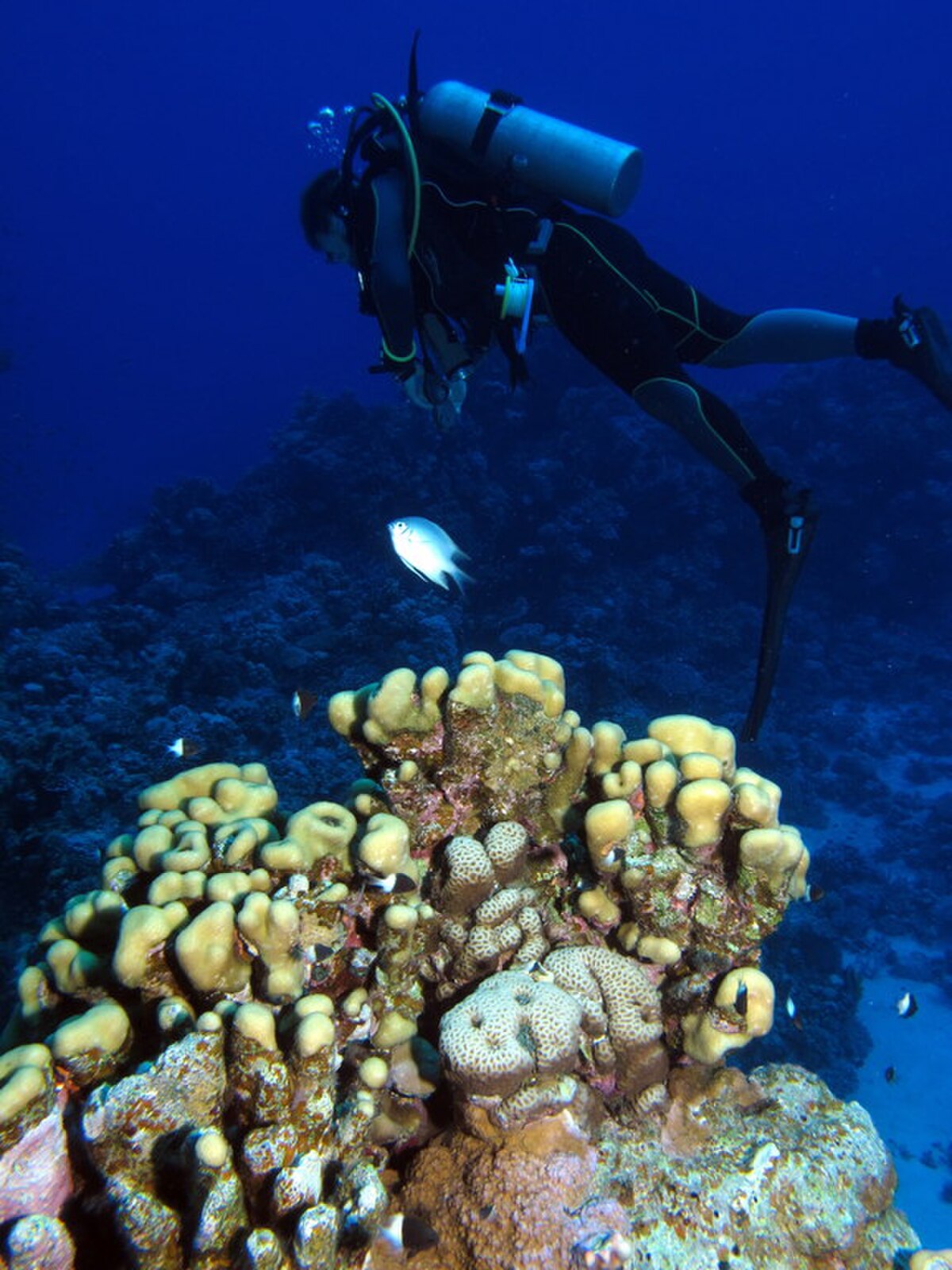
Three things distinguish Saudi diving from its neighbours: scale, condition and access. Egypt’s celebrated sites — Elphinstone, the Brothers, Daedalus — attract thousands of divers per week. Saudi Arabia’s equivalent sites, including the Seven Sisters Reef near Yanbu and the Farasan Banks off Jizan, see a fraction of that traffic. Coral cover is visibly healthier for it. Reef fish populations run denser, and apex predators — hammerheads, silvertip sharks, oceanic whitetips — appear with regularity rather than being a headline event.
Conditions vary meaningfully by region and season. Water temperatures sit between 22°C in winter and 32°C at peak summer. Visibility is characteristically exceptional: 20–30 metres is the norm at established sites, while the Farasan Banks routinely offer 30–40 metres. Currents range from gentle to substantial, with the stronger flows at deep outer reef walls drawing the richest pelagic life.
The dive industry is young but growing fast. The Saudi Red Sea Authority has invested in dive infrastructure as part of Vision 2030’s tourism push, certifying hundreds of new divemasters and overseeing the establishment of PADI and SSI-affiliated centres across the coast. For those interested in combining diving with freediving, see the Saudi Arabia freediving guide.
The Major Dive Regions
Yanbu — The Capital of Saudi Diving
Situated some 350 kilometres north of Jeddah, Yanbu has earned its reputation as the country’s foremost dive hub through sheer variety of site. The town itself is a busy industrial port, but its outer reefs — accessed by boat in 15–40 minutes — are among the finest in the northern Red Sea. The water here is so transparent that divers routinely see the seafloor at 18 metres from the surface of their dive boat.
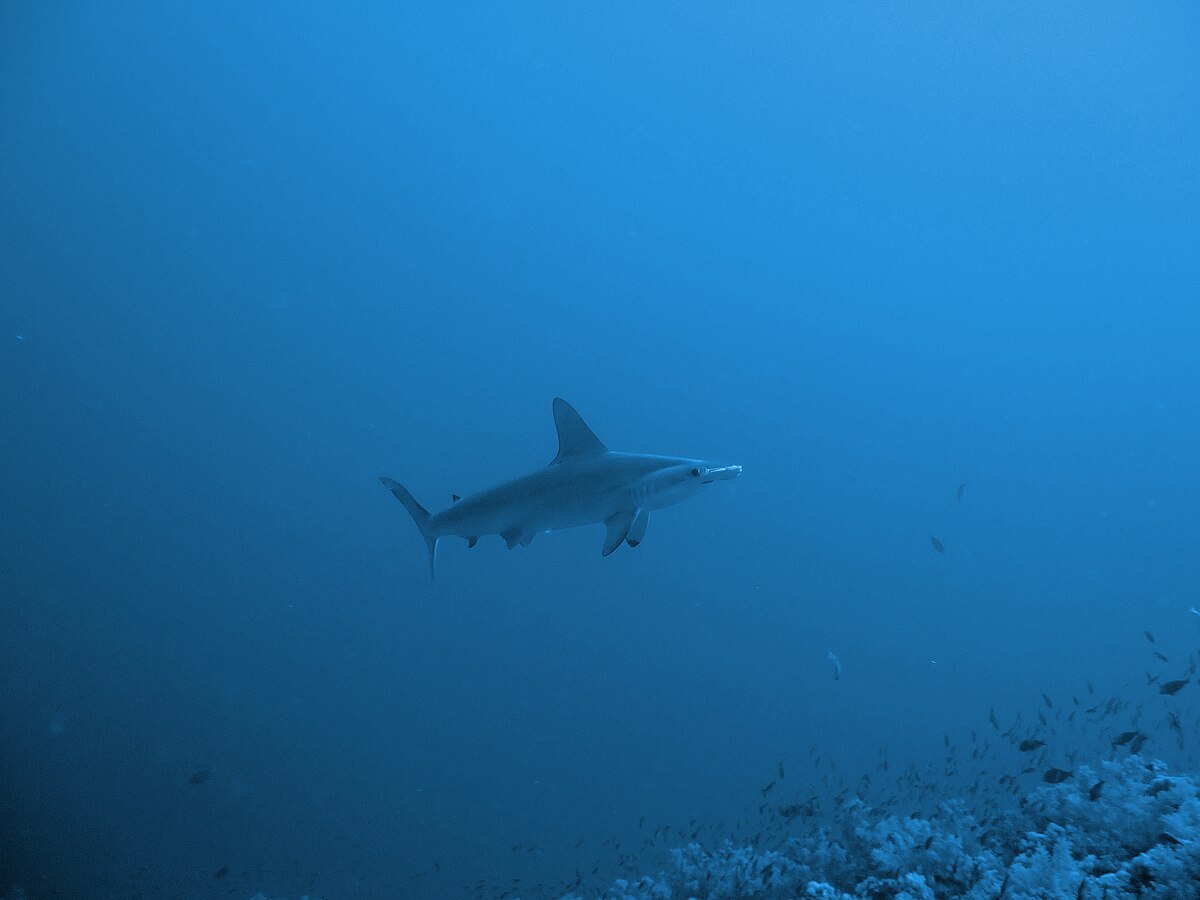
The standout site is the Seven Sisters Reef (sometimes called Seven Reefs), a series of coral pinnacles and plateaus extending into open water. The site earns its reputation primarily for hammerhead sharks, which school here in the cooler months with near-guaranteed frequency from October through April. Beyond the sharks, the Sisters host tuna, barracuda, eagle rays and a full complement of reef fish. Walls drop over 300 metres at the outer edge, creating a dramatic environment for drift diving when current is running.
Other named sites around Yanbu include Abu Qalawa (a maze of coral arches and swim-throughs), Nemo Garden (shallow and photogenic, abundant in anemonefish), Marker 32 and Marker 42 (Mansi) — the latter a coral plateau with strong mid-water action. The Iona Wreck off Yanbu is one of Saudi Arabia’s most famous wreck dives, offering intact sections resting in 20–28 metres amid dense coral encrustation.
Yanbu currently has around five dive centres, making it the best-serviced point on the coast for independent travellers who want day-boat diving without committing to a liveaboard. It is also the primary departure point for Seven Sisters liveaboard itineraries running from June through September. Yanbu’s wider charms — including a beautifully preserved old town — are covered in the Yanbu city guide.
Jeddah — History, Wrecks and Urban Reefs
Jeddah is the country’s diving capital by sheer volume of infrastructure: more than 30 dive centres operate in and around the city, more than anywhere else on the Saudi coast. The diving itself centres on two main appeals — accessible reef systems north of the city and a collection of wrecks that span several decades of Red Sea maritime history.
The reefs north of Jeddah run parallel to the coast for some 60 kilometres and are reachable via short boat rides or, at some locations, directly from beach access points. Visibility is typically 15–25 metres, and the shallower sites — in the 10–20 metre range — are well suited to beginners and advanced divers alike. Marine life includes parrotfish, grouper, snappers, moray eels and a reliable population of reef sharks.
The wreck scene is compelling for technical and recreational divers. Several vessels lie in recreational diving depth (18–35 metres), their superstructures colonised by black coral, soft coral fans and glassfish. Dive operators in Jeddah run dedicated wreck trips and can pair them with afternoon reef dives on the same day. With 31 dive shops, Jeddah also offers the most options for PADI or SSI courses, equipment rental and fill stations for visiting divers with their own kit.
Umluj — Remote Archipelago Diving
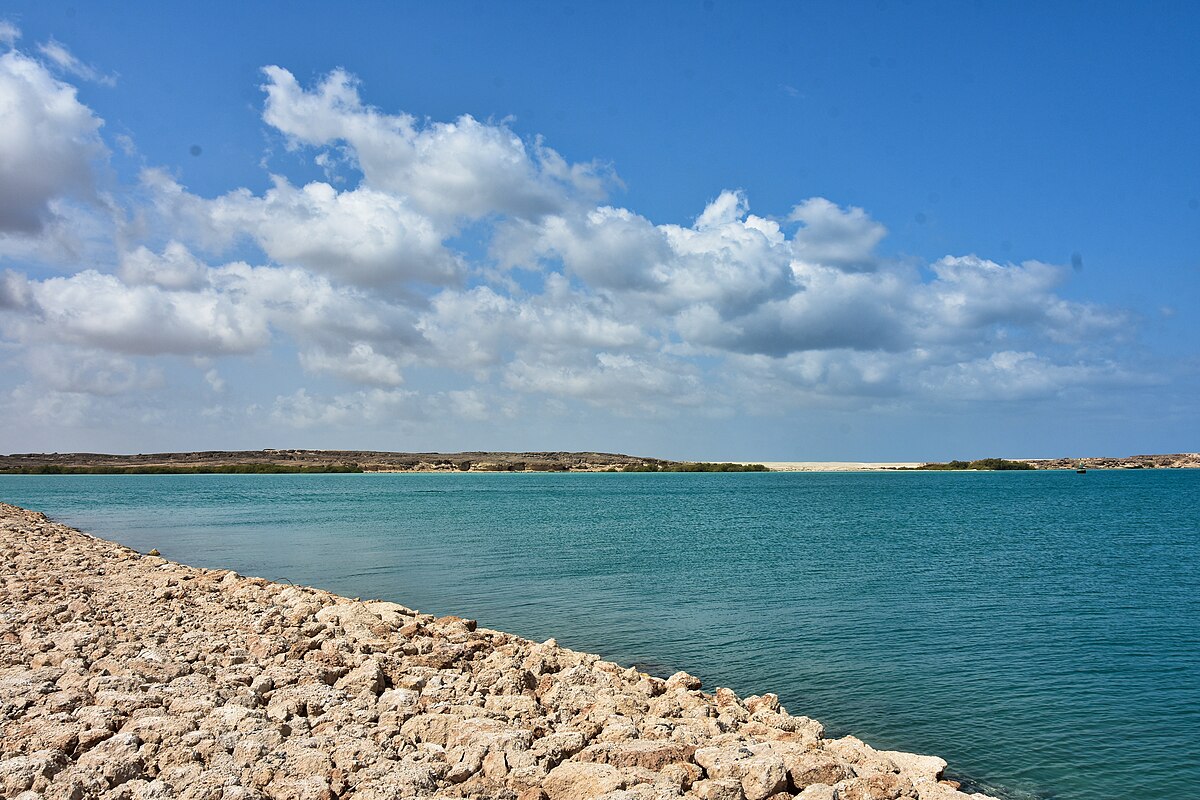
Umluj sits midway between Jeddah and Yanbu along a stretch of coast that most travellers pass through without stopping. It should not be overlooked. The town provides access to an archipelago of over 100 islands scattered through turquoise Red Sea shallows, a setting that has earned Umluj comparison to the Maldives among Saudi divers. The diving here is informal — there is no large established dive centre with full course infrastructure — but experienced local boat operators know the sites intimately and have been diving these waters for decades.
Visibility at Umluj can exceed 40 metres, among the best on the coast. Coral gardens and pinnacles in 8–25 metres give way to walls and drop-offs on the outer islands. Dugongs have been documented here with some regularity; spotting one is a genuine possibility. Parrotfish, bannerfish, squirrelfish and triggerfish populate the shallower zones, while turtles cruise the mid-water column. Independent divers with their own gear and a hire boat can access sites unavailable to day-trip operators. The wider Umluj region is detailed in the Saudi Arabia snorkelling guide.
Farasan Banks — Saudi Arabia’s Premier Pelagic Frontier
The Farasan Banks are the jewel of Saudi diving — and arguably one of the last genuinely underpublicised reef systems in the Red Sea. Located in the far south off the coast of Jizan, the Banks comprise an archipelago of roughly 170 islands and a vast system of submerged banks, pinnacles and walls that have never been subject to serious diving pressure. New sites are still being discovered on every expedition.
The Banks operate on a seasonal logic. Between December and May, cold upwelling draws spectacular concentrations of pelagic life: schooling hammerhead sharks, whale sharks, oceanic whitetip sharks, silvertip sharks, manta rays and masses of open-water baitfish. This is the window to target if big animals are the priority. Reef diving is impressive year-round — pristine hard coral assemblages, enormous gorgonian fans, dense aggregations of anthias — but it is the winter and spring pelagic season that has divers booking liveaboards months in advance.
Access to the Farasan Banks is almost exclusively via liveaboard, departing from Al Lith (approximately 200 kilometres south of Jeddah) or direct from Jeddah. The surrounding Farasan Islands are also worth exploring in their own right, offering beaches, mangroves and exceptional birdlife — covered in detail in the Farasan Islands guide. Snorkellers who have visited these waters consistently rank the experience among their best anywhere: see the Saudi snorkelling guide for surface-level options.
Marine Life: What You Will Encounter
Saudi Arabia’s Red Sea supports one of the most biodiverse marine ecosystems on the planet. At least 1,200 fish species have been recorded in Red Sea waters, alongside over 300 coral species and a full complement of large marine vertebrates. What follows is a guide to the signature encounters at each type of site.
Sharks
Nearly 50 shark species inhabit the Red Sea, and Saudi waters hold strong populations of several key species. Scalloped hammerhead sharks aggregate at Seven Sisters Reef near Yanbu from October through April and appear at the Farasan Banks throughout the cool season. Schools of 20–80 individuals are not unusual on peak days. Oceanic whitetip sharks patrol the outer walls of deep sites, particularly in the Farasan Banks region. Silvertip sharks and silky sharks are common at drop-off sites with current. Reef sharks — both blacktip and whitetip — are ubiquitous across shallow reef systems from Yanbu to Jeddah. Tiger sharks are present in the system but encounters are rare.
Whale sharks deserve separate mention. They are a seasonal phenomenon in Saudi waters, appearing most reliably between March and May at both the Farasan Banks and sites off Umluj. They feed along the surface near coral spawn aggregations and can be encountered in astonishing numbers. For a dedicated account of whale shark diving and snorkelling, see the Saudi Arabia whale shark guide.
Rays and Other Large Animals
Manta rays visit the Farasan Banks and deeper Yanbu sites, particularly from November through April. Spotted eagle rays cruise the mid-water column at most reef sites. Bluespotted ribbontail rays — arguably the Red Sea’s most photogenic resident — rest on sandy patches in shallow water across the entire coast. Green turtles and hawksbill turtles are common; dugongs appear with notable regularity at the Umluj archipelago and the Farasan region.
Reef Fish and Invertebrates
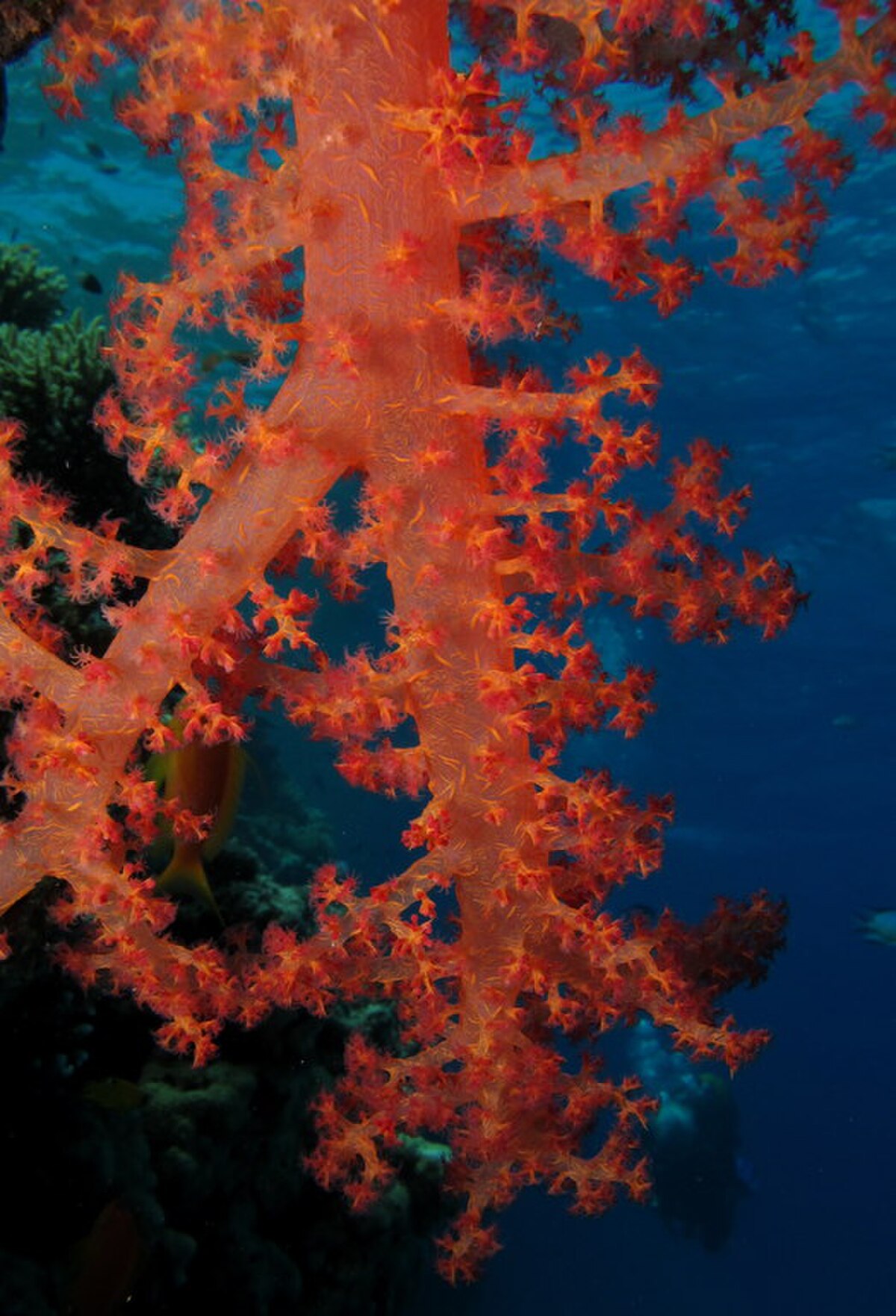
The density and diversity of reef fish on pristine Saudi reefs is exceptional. Humphead wrasse (Napoleon fish) are regularly encountered at deeper sites. Massive schools of yellow-masked surgeonfish, snapper and fusilier sweep the mid-water column. Lionfish and scorpionfish lurk among coral heads. Red Sea clownfish occupy every healthy anemone. Moray eels patrol crevices from shallow zones to 40 metres. On the macro side, nudibranchs, flatworms, decorator crabs and bobtail squid reward careful searching on night dives.
Dive Operators and PADI Centres
The Saudi dive industry expanded significantly following the 2019 tourist opening, accelerated by Vision 2030 investment in marine tourism. Operators are concentrated in Jeddah, Yanbu and Dammam (for Gulf diving), with smaller operations around Umluj and Al Lith.
Key Operators
Red Sea Citizen Dive Club (Jeddah) is a PADI-affiliated centre run by PADI Ambassador Nouf Alosaimi — one of the most experienced dive professionals in the country. They offer PADI courses from Open Water to Divemaster, day-boat trips to Jeddah’s reefs and wrecks, and specialist courses including underwater photography and reef ecology. Equipment rental is comprehensive and maintained to international standards.
Al-Haddad Scuba (Jeddah) is one of the city’s established independents, offering daily boat trips, charters and equipment rental. Their team has logged extensive time on Jeddah’s northern reefs and wreck sites, making them a strong choice for divers seeking local knowledge.
Saudi Red Sea Authority Dive Centres operate at several coastal locations as part of the government’s push to develop marine tourism infrastructure. They offer introductory Discover Scuba Diving sessions, full PADI courses and guided reef dives, with English-speaking instructors and modern equipment.
Yanbu’s five dive shops each run regular trips to the Seven Sisters area and can organise custom charters for groups. Independent research via PADI’s dive centre finder (filtering for Saudi Arabia) will return current-status operators with verified certification.
Liveaboards: The Best Way to Dive the Farasan Banks
For the Farasan Banks and multi-day Seven Sisters itineraries, a liveaboard is the unambiguous recommendation. The logistics of returning to shore each night make day-boat diving impractical at these remote sites, and the best diving — early morning and late afternoon — happens when overnight guests are already on site.
M/Y Almonda
The Almonda is the best-documented liveaboard operating in Saudi waters, with strong reviews across liveaboard booking platforms (rated 8.7/10 across 67 verified reviews as of early 2026). The vessel runs two primary itineraries: a Seven Sisters programme departing from Yanbu that covers Marker 32, Abu Qalawa, the Sisters reefs and sites off Rabigh; and a Farasan Banks expedition departing from Al Lith. The Seven Sisters programme typically runs 5–7 nights; the Farasan expedition 7–10 nights.
Pricing runs from approximately $195 per person per day, with full-trip costs ranging from $1,558 to $2,848 per person depending on cabin type, trip duration and season. This includes accommodation in en-suite cabins, all meals and non-alcoholic beverages, all diving (tanks, weights, up to 3 dives per day plus night dives), guide services and site briefings. International flights and transfers are not included.
Saudi Explorer
Operated by Equator Diving, the Saudi Explorer runs comparable itineraries covering Yanbu’s Seven Reefs, the Five Sisters off Rabigh, and Al Lith/Farasan Banks expeditions. The vessel is set up specifically for Red Sea conditions with a dedicated dive platform, camera rinse tanks and gear storage. Trip pricing is broadly comparable to the Almonda, with specific quotes available via direct booking.
Ocean Breeze Liveaboards
Ocean Breeze specialises in Saudi Red Sea safari itineraries, offering expert-guided expeditions to sites including Abu Galawa — a WWII-era Chinese shipwreck — alongside the major reef systems. Their guides have documented some of the more remote Farasan Banks sites and offer a more expedition-orientated experience suited to experienced divers seeking first-diver-on-site conditions.
Most Saudi liveaboards depart on Saturday or Sunday. Bookings fill well in advance for the November–May Farasan season; the September–October window for Seven Sisters is more accessible. PADI Travel and LiveAboard.com both list current availability.
Seasons and Conditions
October to May: Prime Season
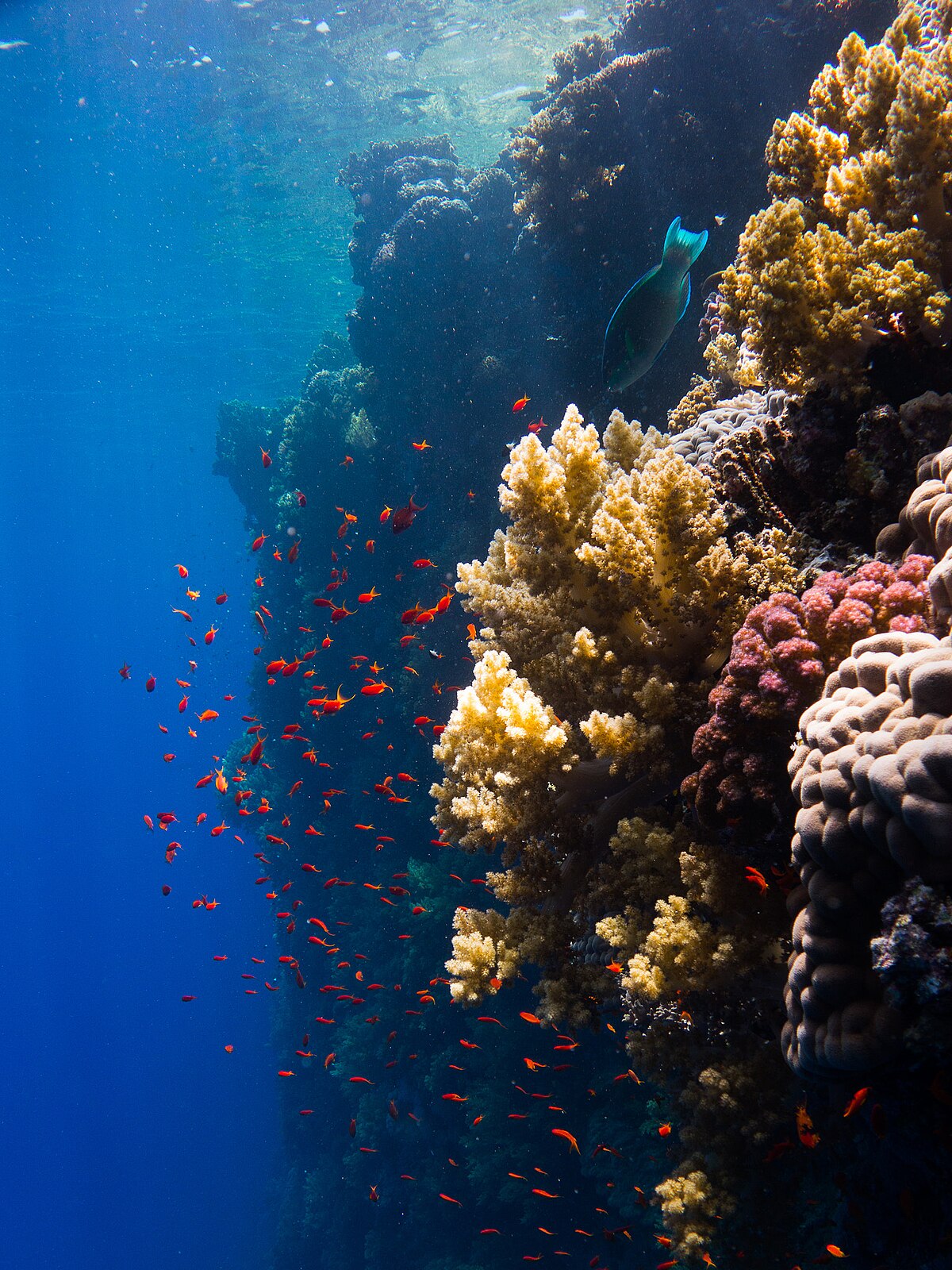
The October–May window is the recommended dive season for most of the coast. Air temperatures are comfortable (22–30°C), water temperatures sit between 22–27°C, and visibility is at its clearest — 20–35 metres at most sites, 30–40 metres at the Farasan Banks. Currents at deeper sites generate the upwelling that drives pelagic activity. The hammerhead season at Seven Sisters peaks from November through March. Whale sharks are most reliably encountered March–May.
June to September: Northern Sites Only
Summer on the Saudi coast is genuinely brutal: air temperatures regularly exceed 42°C, and the heat makes surface intervals uncomfortable. Water temperatures push to 31–32°C, which reduces visibility to 15–20 metres at some sites and brings increased jellyfish presence. That said, the Seven Sisters area and other Yanbu sites continue to operate through the summer, and dedicated liveaboards run northern itineraries specifically from June through September. The Farasan Banks liveaboard season effectively closes in June.
Water Temperature and Exposure
A 3mm wetsuit is adequate for October–May diving at most sites. A 5mm suit or a thin hood is worthwhile for the Farasan Banks in December–February when water temperatures can drop to 22°C at depth. In summer, many divers opt for a thin 1–2mm suit purely for protection against jellyfish and stinging hydroids rather than thermal insulation.
Diving Costs
Saudi Arabia represents reasonable value for a world-class dive destination. Day-boat guided dives with equipment rental from Jeddah or Yanbu operators run approximately SAR 350–600 ($95–160) for a two-dive day, including boat transfer, dive guide, tanks and weights. Equipment-only rental (without guide or boat) costs around SAR 150–200 ($40–55) per day from established operators.
A PADI Open Water course costs approximately SAR 1,800–2,400 ($480–640) at Jeddah or Yanbu centres, including classroom materials, pool sessions and four open-water checkout dives. Discover Scuba Diving introductory experiences run around SAR 450–600 ($120–160) and include pool orientation plus a shallow supervised sea dive to a maximum of 12 metres.
Liveaboard pricing is detailed above: budget from $1,558 for a five-night Seven Sisters trip, or $2,200–2,848 for a seven-to-ten-night Farasan expedition. For context, this is competitive with comparable Egyptian liveaboard pricing, particularly given the freshness of the sites.
There are no marine park fees on the Saudi Red Sea coast as of 2026, though the Saudi Red Sea Authority is expected to introduce site conservation levies as visitor numbers increase.
Getting There and Getting In
Jeddah’s King Abdulaziz International Airport is the primary gateway for Red Sea diving. It receives direct flights from London, Paris, Frankfurt, Amsterdam, Istanbul and numerous other European and Asian hubs. Yanbu has its own airport (YNB) with domestic connections from Riyadh and Jeddah; for dedicated Yanbu diving or a Seven Sisters liveaboard departure, the Yanbu flight saves several hours of ground transfer.
All international visitors require a Saudi tourist e-visa. The application is processed online, costs approximately $130–140 and is typically approved within 24–72 hours. Full details on eligibility, application and what to expect are in the Saudi Arabia visa guide. Visitors from most Western countries are eligible.
The broader logistics of travelling in Saudi Arabia — transport, accommodation, cultural norms, money and what to see beyond the reef — are covered in the Saudi Arabia travel guide 2026.
Practical Information
Certification Requirements
All dive operators on the Saudi coast follow standard international certification requirements. A recognised Open Water certification (PADI, SSI, NAUI, CMAS or equivalent) is required for guided dives. Advanced Open Water is required for sites deeper than 18 metres and for most liveaboard programmes. Dive certification cards from home agencies are universally accepted; there is no requirement to obtain Saudi-specific certification.
Equipment
Rental equipment is available at all major dive centres and aboard liveaboards. Quality is variable at the smaller centres; serious photographers or divers with specific kit preferences should bring their own regulators, BCD and wetsuit. Fins, mask and booties are cheap to hire everywhere. Nitrox is available at established Jeddah and Yanbu centres and on the Almonda and Saudi Explorer liveaboards.
Dive Insurance
Decompression illness treatment facilities exist in Jeddah (King Fahd Hospital has a hyperbaric chamber). DAN (Divers Alert Network) membership or equivalent dive-specific travel insurance is strongly recommended for all Saudi diving, particularly for remote liveaboard expeditions to the Farasan Banks where evacuation logistics are non-trivial.
Cultural Considerations
Saudi Arabia has a conservative dress code that applies on land, not underwater. Swimwear is acceptable at beach clubs and on dive boats. However, female divers should be aware that dive operators maintain professional environments and any social areas at shore-based centres are subject to standard Saudi cultural norms. Alcohol is prohibited in Saudi Arabia; liveaboards serve non-alcoholic beverages only.
Explore More Saudi Arabia Travel
- Saudi Arabia Diving and Snorkelling Guide — the complete hub for underwater travel
- Diving with Whale Sharks in Saudi Arabia — the Red Sea’s greatest seasonal spectacle
- Snorkelling in Saudi Arabia — the best surface experiences on the Red Sea coast
- Freediving in Saudi Arabia — the growing apnea scene on the Red Sea
- Farasan Islands Travel Guide — the remote southern archipelago in detail
- Yanbu City Guide — where to stay, eat and explore near Saudi’s dive capital
- Saudi Arabia Travel Guide 2026 — the full country overview
- Saudi Arabia Visa Guide — how to apply for the tourist e-visa