
Best Spots: North Jeddah coast, near Yanbu
Wave Type: Small reef breaks, wind swells
Visa Required: Yes — tourist e-visa
Best Season: November–February (winter swells)
Board Rental: Limited — bring your own or rent via operators
Honest Note: Not a premier surf destination — combine with other activities
Saudi Arabia is not on any serious surfer’s global hit list — and this guide will not pretend otherwise. The Red Sea, sheltered by the narrow Bab al-Mandab Strait to the south and largely enclosed geography to the north, simply does not generate the open-ocean swells that power world-class surf destinations. What it does offer, for the patient and adventurous traveller, is something rarer: the experience of surfing one of the world’s most unusual coastlines, within a country that has only recently opened its doors to international visitors and is only now discovering its own relationship with the ocean. For more on planning your time in the Kingdom, start with the Saudi Arabia Travel Guide 2026.
This is a guide for curious surfers, intermediate watersports enthusiasts, and travellers who want to round out a Red Sea trip with something unusual. If you are chasing barrels, book a flight to Indonesia. If you want to surf a reef break in one of the most geopolitically significant bodies of water on earth, read on.
Understanding Red Sea Wave Conditions
The Red Sea is a narrow, semi-enclosed sea stretching roughly 1,900 kilometres from the Gulf of Aqaba in the north to the Bab al-Mandab Strait near Yemen in the south. Its enclosed geography is both its charm and its surfing limitation.
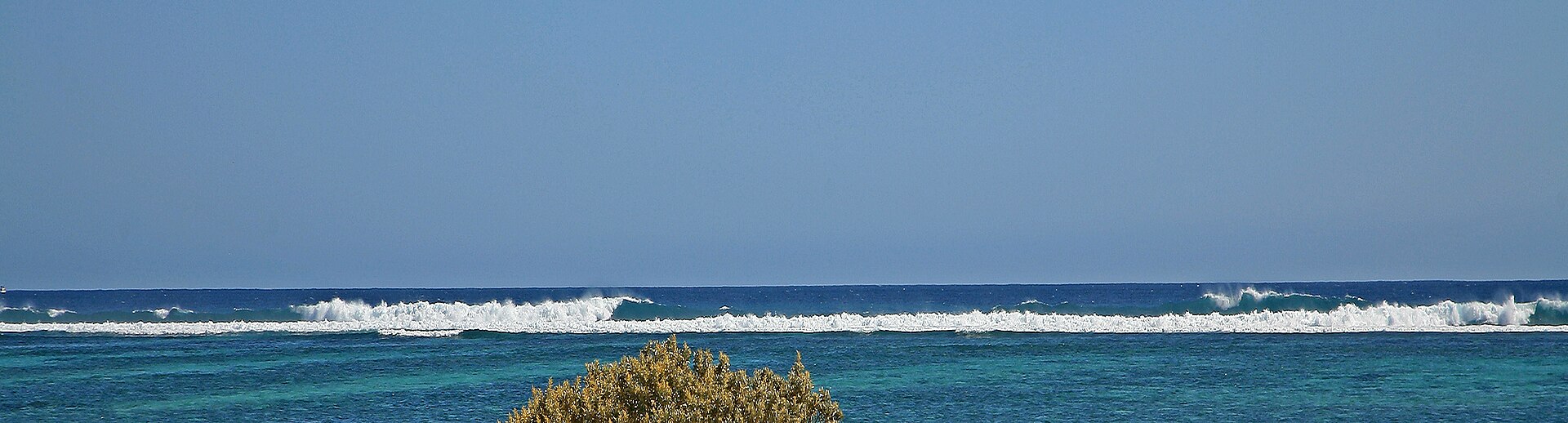
Ocean swells — the powerful, long-period waves that make places like Pipeline or Nazaré famous — need thousands of kilometres of open water to build. The Red Sea, at its widest, measures just 355 kilometres. That physical constraint means almost all waves here are wind swells: short-period, steep, and typically small. Significant wave heights off the Jeddah coast average between 0.5 and 1.5 metres in normal conditions, with episodic winter events occasionally pushing 2 metres or slightly above. Academic research published in the Journal of Marine Science and Engineering on wave climate off the Jeddah coast confirms that extreme wave events are statistically rare and relatively modest by global surfing standards.
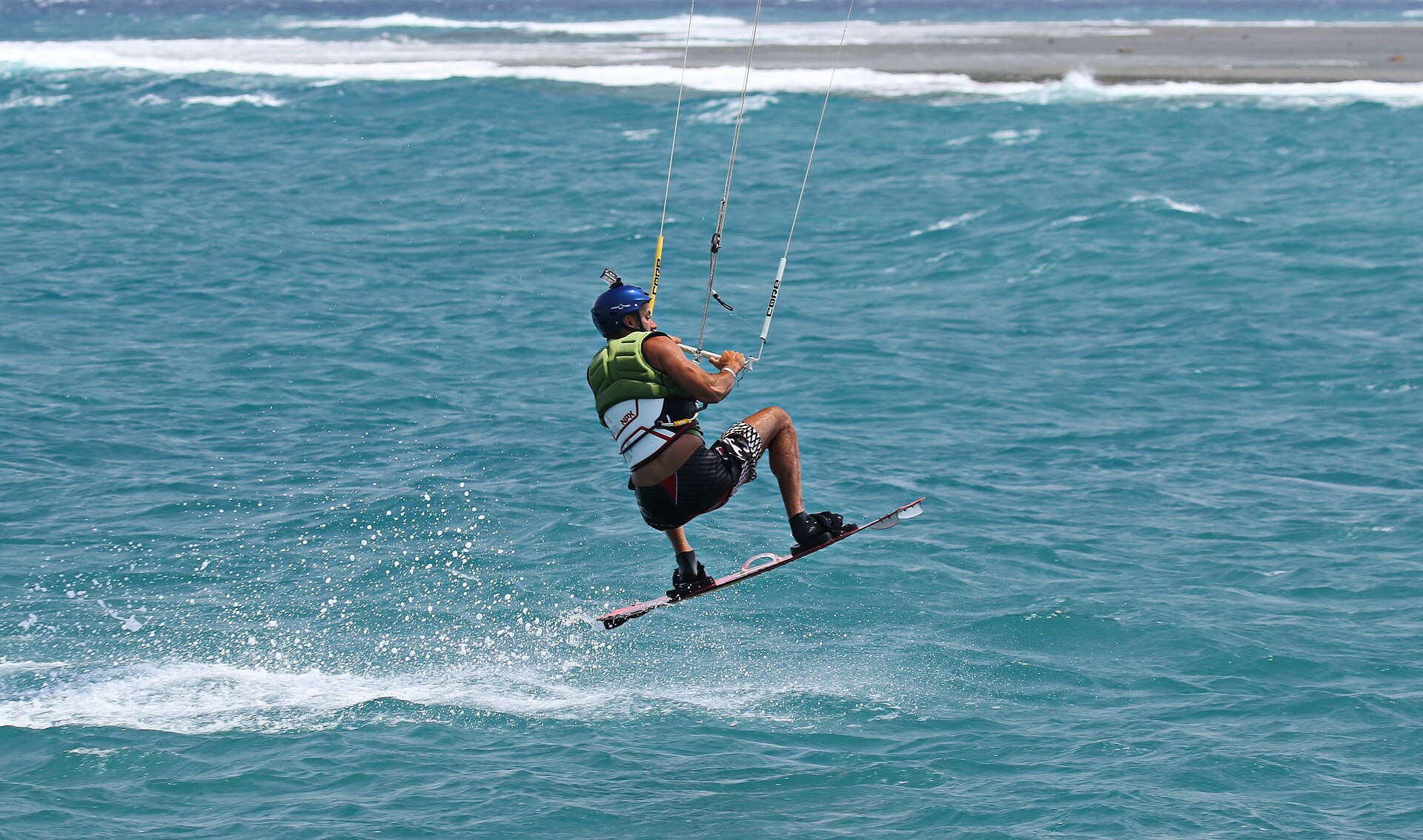
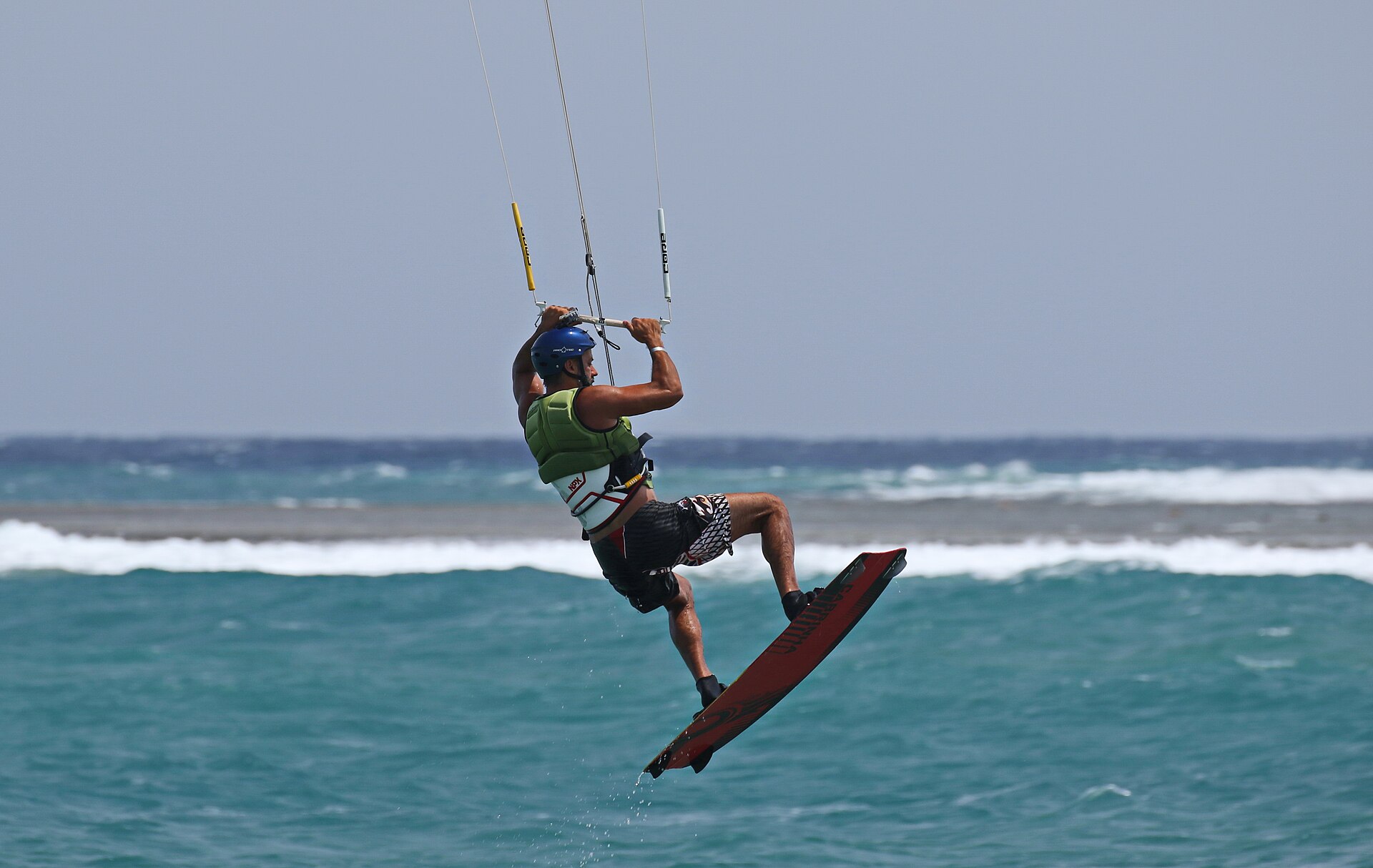
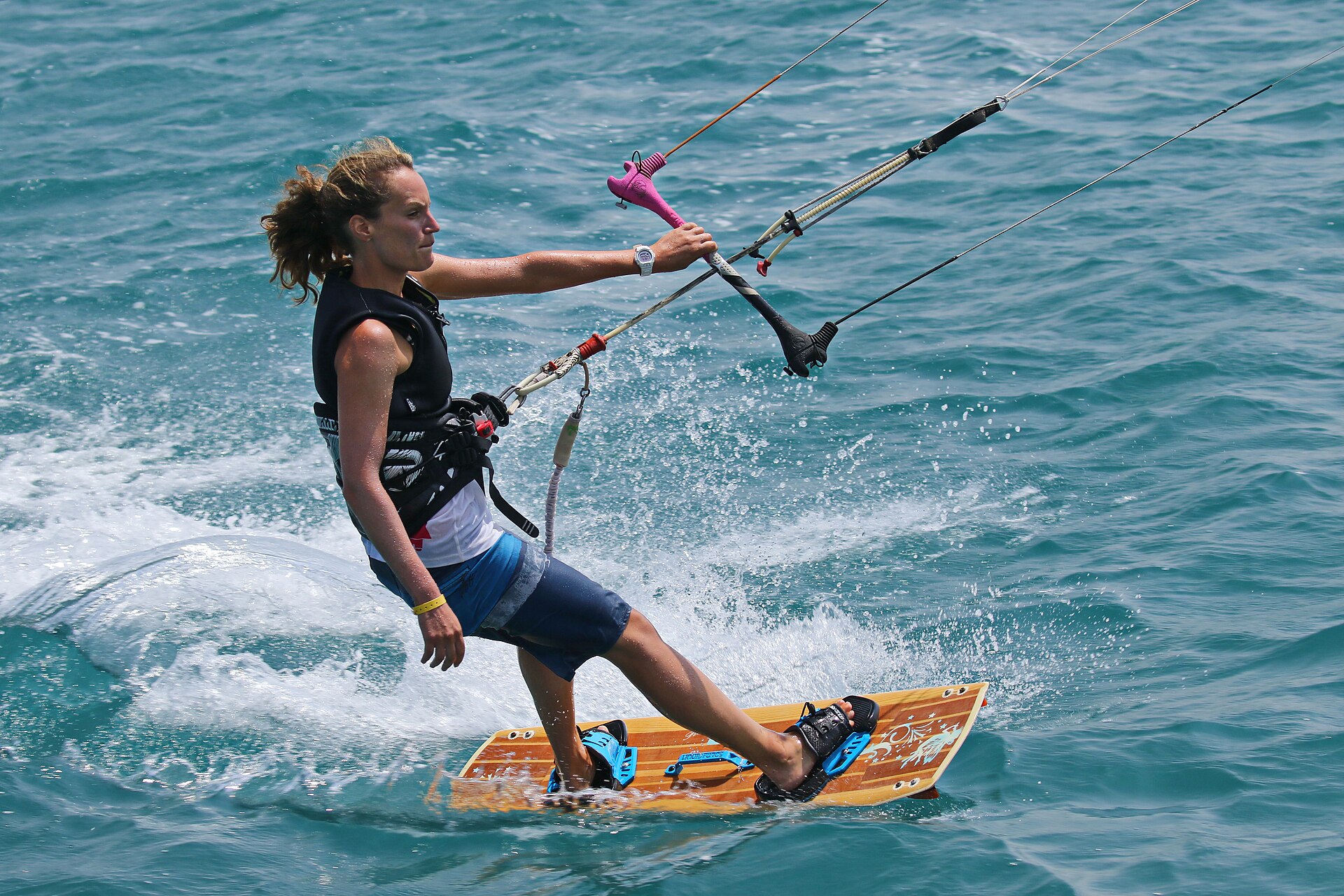
What the Red Sea does produce is consistent wind. The Jeddah region experiences reliable northwesterly winds (locally called the shamal) from late autumn through February, which generate the short, punchy reef break waves that local surfers have been quietly riding for decades. The same consistent wind that limits swell fetch also makes the Red Sea coast excellent for kitesurfing and windsurfing — activities covered separately in our Red Sea watersports guide.
The Natural Surf Spots: Where Waves Actually Break
North Jeddah — Obhur and the Reef Edge
The most accessible surfing in Saudi Arabia clusters around the north Jeddah coastline, particularly the area around Obhur Creek (Al-Obhor). This is a high-end beach resort district about 25 kilometres north of the city centre, lined with private beach clubs, marina developments, and weekend villas. The reef edge here catches the northwesterly wind swell and can produce rideable waves — typically 0.5 to 1.2 metres — when conditions align.
The catch is tidal. At low tide, the coral reef becomes dangerously shallow, and surfing is not advisable. The experienced local surfers who know this stretch well time their sessions carefully to the mid-to-high tide window. The reef also demands respect: coral cuts are a serious injury risk, and the water clarity is excellent enough that you can see exactly what lies beneath you — which is motivating in the wrong direction if you fall.
There are no formal surf schools or rental shops operating at Obhur. This is a local surfers’ spot, not a tourist facility. You will need your own equipment, and ideally a local contact who knows the tidal tables and specific reef geometry.
Mastabah — The Best Natural Break South of Jeddah
Among Saudi Arabia’s small surfing community, Mastabah — located south of Jeddah on the coastal highway — has a reputation as the most consistent reef break in the region. The spot benefits from slightly more exposure to southerly wind swells than the northern Jeddah spots, and the reef configuration produces a more defined wave shape than the scattered reef edge at Obhur.
This is not a beginners’ wave. Mastabah breaks over shallow coral and requires the confidence to handle a fall in a reef environment. Experienced surfers who have ridden it describe it as a fun, if unpredictable, short right-hander on its better days. Getting there requires a vehicle; public transport does not serve the coastal road south of Jeddah. This is firmly in the category of exploratory surfing — bring your own board, check forecasts via Surf-forecast.com or the Meteoblue Jeddah surf and sea forecast, and be prepared for the conditions to be entirely flat.
Yanbu — The Northern Alternative
Yanbu, approximately 350 kilometres north of Jeddah on the Red Sea coast, is best known as Saudi Arabia’s diving capital — a gateway to some of the finest unspoiled coral reefs in the Red Sea. For surfers, it is an occasional detour rather than a destination in its own right.
The coastline around Yanbu can generate rideable wind swells under the right conditions, and the area is significantly less crowded than Jeddah. If you are combining a surf exploration with a diving trip — which makes excellent sense given Yanbu’s underwater credentials — there may be waves worth riding. Our Yanbu city guide covers the full range of activities in the region. For dedicated surfing, however, Yanbu is a bonus stop rather than a primary destination.
King Abdullah Economic City (KAEC) — Yam Beach
About 100 kilometres north of Jeddah, the purpose-built King Abdullah Economic City includes Yam Beach, a well-maintained stretch of coastline that has become a hub for wind-based watersports. Kitesurfers in particular rate it highly — it features consistent wind, sufficient beach width, and excellent facilities compared to the wild coastal spots south of the city. While traditional surfing is limited by the same wave constraints that affect the wider Red Sea, the energy here is of a watersports hub in development. If the wind is blowing and conditions are right, there is something to ride. See our dedicated guide to kite surfing in Saudi Arabia for details on KAEC and the wind-sport scene.
The Artificial Wave Revolution: ADRENA and Surftopia
Saudi Arabia’s Vision 2030 program has invested heavily in building world-class leisure infrastructure, and the country’s answer to its natural wave deficit has arrived in spectacular fashion: purpose-built surf lagoons.
ADRENA Surf Lagoon — The Red Sea Project
The most significant development for surfing in Saudi Arabia — arguably in the entire Middle East — opened in early 2026 at ADRENA, the adventure sports and entertainment district within The Red Sea mega-development by Red Sea Global. The facility features an Endless Surf ES36 saltwater lagoon measuring 215 metres in length, capable of generating waves up to 2.1 metres (6.8 feet) across a full range of surf zones for beginners through advanced surfers.
What makes it extraordinary from a technical standpoint is that it is the world’s first pneumatic wave pool to use actual seawater rather than freshwater. The closed-loop system draws water from the Red Sea, filters and circulates it through the lagoon, and returns it clean. The result is a genuinely saltwater surf experience — with the buoyancy, sensation, and feel of ocean surfing — in a fully controlled environment.
ADRENA is located near Red Sea International Airport and Shura Island, making it accessible from the resort archipelago. For travellers staying at the luxury properties on The Red Sea project, this is the most reliable and most impressive surfing experience available in the country. Wave programming is precision-tunable across different zones, so a beginner and an intermediate surfer can be riding simultaneously without conflict.
Surftopia at Aquarabia — Qiddiya City
The second major wave pool development is Surftopia at Aquarabia, part of the enormous Qiddiya City entertainment development outside Riyadh. Marketed as the first surfing pool in Saudi Arabia and the largest in the Middle East (predating ADRENA’s opening), Surftopia offers a more amusement-park-oriented surfing experience. It is primarily positioned for learners and casual participants rather than dedicated surfers seeking performance waves. For visitors to Riyadh who want to try surfing without travelling to the coast, Surftopia provides a legitimate introduction to the sport.
The Saudi Surfing Federation and Growing Community
Surfing in Saudi Arabia is not an entirely solitary pursuit. The Saudi Surfing Federation (SSF), backed by the Saudi Olympic Committee, was established as part of the broader Vision 2030 sports diversification agenda. The federation runs training programs for junior Saudi surfers — including internationally competitive athletes — and welcomes membership registration for athletes, coaches, and referees at surfing.sa.
One of the faces of this emerging scene is Leila Zahid, a Jeddah-born competitive surfer who has represented Saudi Arabia internationally and whose story was profiled in Surfer magazine’s coverage of the country’s fledgling surf community. Her journey — learning to surf on the limited waves of the Red Sea coast and developing enough skill to compete globally — illustrates both the constraints and the determination that define Saudi surfing. The community remains small. You are unlikely to find crowds at any natural surf spot in the Kingdom. But there is a genuine local surf culture, particularly in Jeddah, built by people who love the ocean and have found ways to ride it despite its limitations.
Practical Guide: When to Go and What to Bring
Best Season
November through February is the window when natural surfing conditions are at their best. Winter brings stronger northwesterly winds and occasional cold fronts that push wave heights above the seasonal average. Water temperatures during this period settle around 24–27°C, meaning a rash vest or thin 1mm wetsuit top is sufficient for most people rather than a full suit.
Summer (June–September) brings extreme heat — air temperatures above 40°C are common in Jeddah — and the wind patterns shift. The Red Sea can become extremely flat in summer, and extended time on the water carries genuine dehydration risk. Wave pool facilities like ADRENA remain an option year-round regardless of seasonal conditions.
Equipment
Bring your own board. There is no established surf rental infrastructure at the natural spots around Jeddah or Yanbu. For those visiting ADRENA or Surftopia, board rental is available at the facilities themselves. For the natural breaks, a shortboard or fish in the 5’8″–6’4″ range suits the small, fast reef break conditions. A longer board will struggle in the steep, short-period waves typical of wind swell.
Essential gear beyond the board: reef booties to protect your feet at shallow coral breaks, a helmet if you are surfing over very shallow reef sections, and reef-safe sunscreen — chemical sunscreens are banned or strongly discouraged at many Red Sea protected areas to protect coral ecosystems. The Saudi snorkeling guide covers reef etiquette in more detail.
Forecasting and Conditions Checks
Before driving to any coastal surf spot, check forecasts via Meteoblue’s Jeddah sea and surf forecast or Surf-forecast.com’s Saudi Arabia swell map. The Red Sea is notoriously fickle — a spot that was rideable yesterday may be completely flat today. Wind direction matters enormously: northwesterly (NW) or northerly (N) winds at 15–25 knots will generate the most consistent swell for breaks north and south of Jeddah.
Getting There
Jeddah is served by King Abdulaziz International Airport with direct connections from London, Paris, Frankfurt, Dubai, and many other hubs. A tourist e-visa is required for most nationalities and can be obtained online in a straightforward process. Rental cars are readily available in Jeddah and are the only practical way to reach the coastal surf spots outside the city. The drive to Mastabah south of Jeddah and to KAEC north of the city both require a vehicle.
For those visiting the Jeddah Corniche area between surf sessions, the Jeddah Corniche guide covers the city’s spectacular seafront promenade — 30 kilometres along the Red Sea including the King Fahd Fountain, the world’s tallest at 312 metres.
Combining Surfing with Other Red Sea Activities
The honest recommendation for any traveller heading to the Red Sea coast of Saudi Arabia is to frame surfing as one strand of a broader watersports and coastal itinerary rather than the sole purpose of the trip. The Red Sea offers genuinely world-class experiences in other marine activities that more than compensate for its surfing limitations.
Diving and snorkeling around Yanbu and the Farasan Islands in the far south are among the finest in the world — pristine coral, extraordinary marine biodiversity, and virtually no dive tourism pressure compared to the Egyptian side. Kitesurfing and windsurfing thrive on the consistent winds. The Red Sea watersports guide and kite surfing guide cover these alternatives in detail.
A sensible itinerary for a surf-focused Red Sea trip might run: two days in Jeddah for city exploration and the Corniche, with a dawn surf check at Obhur; one or two days driving south to Mastabah for the best natural break; a day at ADRENA for guaranteed waves; and several days at Yanbu for diving, snorkeling, and coastal exploration.
The Honest Verdict
Saudi Arabia will not replace Bali, Morocco, or Portugal on the global surf map. The Red Sea’s geography imposes hard physical limits on the waves it can produce, and the absence of surf tourism infrastructure means natural breaks require effort, local knowledge, and a tolerance for flat days.
What Saudi Arabia offers instead is novelty, beauty, and genuine discovery. Surfing a reef break on the Red Sea — one of the world’s most ancient trade routes, flanked by desert mountains and extraordinary coral ecosystems — is an experience entirely its own. For surfers who value exploration over consistency, and who want to visit a country in the midst of a remarkable transformation, there is something here worth finding.
And for those who simply want reliable, well-shaped waves in Saudi Arabia, ADRENA at The Red Sea project delivers exactly that — world-class wave technology in an extraordinary desert setting. Sometimes the best surf experience in a place is the one they built from scratch.