
Saudi Arabia has changed more in the past five years than in the previous fifty, and nowhere is that shift more visible than in what women wear. If you are planning a trip to the Kingdom as part of a wider Saudi Arabia travel itinerary, the dress code is almost certainly one of your first questions. The short answer: foreign women are no longer required to wear an abaya or cover their hair in public. The longer answer involves regional differences, religious-site requirements, and practical choices that will make your trip far more comfortable. This guide covers everything a female visitor needs to know — from what to pack for Riyadh malls to what is expected inside the Prophet’s Mosque in Medina.
Best Time to Visit: October to March (cooler temperatures make modest clothing more comfortable)
Key Rule: Cover shoulders and knees in all public spaces; loose-fitting, opaque clothing
Visa Required: Yes — tourist e-visa available for 63 nationalities
Budget: Modest clothing from local markets SAR 50-300 ($13-80); designer abayas SAR 400-2,000+ ($107-533+)
Must-Know: No abaya required for tourists since 2019; head covering mandatory at mosques only
Avoid: Wearing anything transparent, skin-tight, or with offensive slogans in any public space
The Legal Framework: What Saudi Law Actually Says
In September 2019, Saudi Arabia introduced a formal Public Decency Regulation alongside the launch of the tourist visa. This replaced decades of unwritten but strictly enforced dress rules with a codified system overseen by the Ministry of Interior. The regulation identifies 19 categories of public-decency offences, of which inappropriate dress is one.
For women, the legal requirement is straightforward: wear modest, non-transparent, non-tight clothing that covers the shoulders and knees in all public spaces. There is no mention of abayas, head coverings, or specific colours. Crown Prince Mohammed bin Salman confirmed this directly in a 2018 interview, stating that Saudi law requires “decent, respectful clothing” but that “this absolutely does not mean wearing a black abaya or covering your hair.”
The practical enforcement mechanism is a fine schedule. Wearing inappropriate clothing in public — defined as underwear as outerwear, sleepwear, or clothing with obscene or discriminatory images — carries fines of SAR 100 to SAR 1,000 (roughly $27 to $267). However, enforcement against tourists for minor modesty infractions is extremely rare. The regulation is designed to set expectations, not to police individual wardrobes.
Practical note: The 2019 Public Decency Regulation applies equally to men and women. For a companion guide to men’s clothing expectations, see our dress code guide for men in Saudi Arabia.
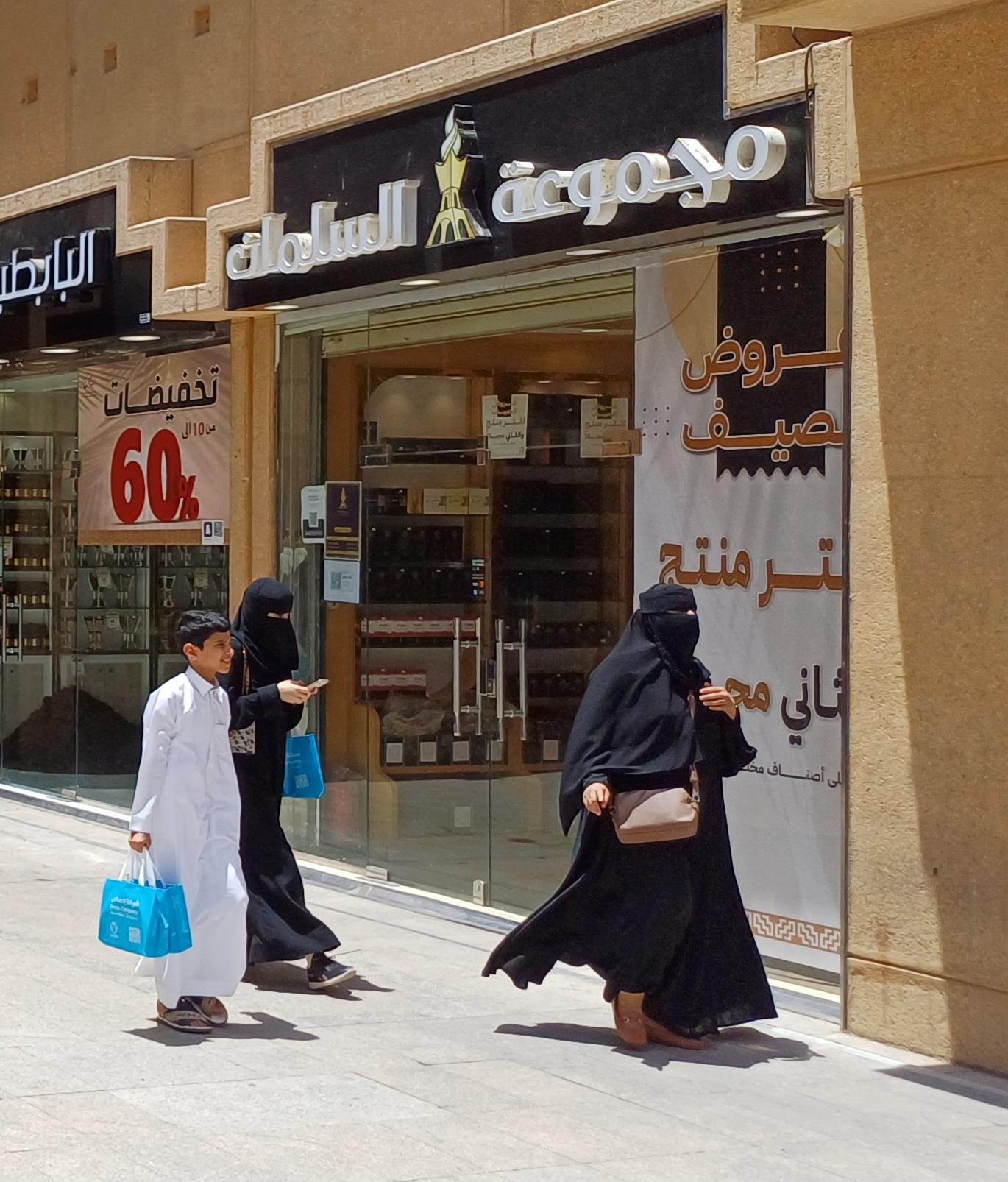
What to Wear: The Core Rules for Female Tourists
Across the entire Kingdom, the baseline modesty standard for women visitors remains the same. Here is what you need to remember every time you step out of your hotel room.
The Non-Negotiables
- Shoulders covered — cap sleeves at minimum, though longer sleeves are better in conservative areas
- Knees covered — trousers, long skirts, or maxi dresses all work; nothing above the knee
- No cleavage — high necklines or modest crew-neck/scoop-neck tops
- Opaque fabrics — avoid sheer, see-through, or very thin materials
- Loose fit — clothing should not cling tightly to the body; flowing silhouettes are ideal
- An abaya — not required for foreign women since 2019, though you may buy one locally if you wish
- A headscarf in the street — only required at mosques and in the holy cities
- Black clothing — any colour is fine; modern Saudi women themselves wear coloured, embroidered, and designer abayas in every shade
- Floor-length coverage — below the knee is sufficient in most settings outside of religious sites
- Full-length garment (abaya, maxi dress, or long skirt and tunic) covering to wrists and ankles
- Headscarf fully covering all hair — no loose strands visible
- Socks — shoes are removed at the entrance, and bare feet on mosque carpet are acceptable, but some women prefer socks for cleanliness
- No tight clothing, no see-through fabrics, no bright or attention-drawing colours
- Private resort pools and beach clubs — standard swimwear is fine, including bikinis. Red Sea resorts such as those at AMAALA, The Red Sea (Shura Island), and St. Regis Red Sea operate with the same dress expectations as any international resort pool.
- Hotel pools — most four- and five-star hotels have mixed-gender pools where standard swimwear is acceptable. Some hotels have separate women-only pools or time slots.
- Public beaches — cover up. Standard Western swimwear is not appropriate. Wear a burkini, a swim top and long shorts, or similar modest swimwear. Some public beaches have designated women-only sections with screening, where standard swimwear is permitted.
- Between the pool and the lobby — always wear a cover-up, kaftan, or sarong over your swimwear when walking through any indoor hotel space.
- Linen — the gold standard; breathable, loose-draping, dries quickly
- Cotton — lightweight cotton in a loose weave is comfortable; avoid heavy cotton knits
- Rayon and viscose — drapes well, inexpensive, widely available in local markets
- Bamboo fabric — moisture-wicking and naturally cooling
- Polyester — traps heat and moisture; uncomfortable in anything above 30 degrees
- Denim — acceptable but uncomfortable in summer; fine for winter or air-conditioned spaces
- Silk — can be transparent and clings when damp; save it for hotel restaurants
- 3-4 maxi dresses or long-sleeve tunic-and-trouser sets
- 1-2 wide-leg linen or cotton trousers
- 2-3 modest blouses (elbow-length sleeves or longer)
- 1 lightweight cardigan or linen blazer (essential for over-airconditioned interiors)
- 2 large scarves or pashminas (one neutral, one colourful — for mosques and chilly malls)
- Comfortable closed-toe flats for souks and mosques
- Sandals for resort settings
- Swimwear plus a cover-up/kaftan
- SPF 50+ sunscreen, sunglasses, hat
- A lightweight abaya — useful if visiting Medina or conservative areas; can be bought locally for SAR 50-200
- A dedicated mosque outfit (dark-coloured maxi dress plus matching headscarf) stored in a small bag
- Compression socks for long desert drives
- A small crossbody bag — easier than a backpack for souk navigation
- Assuming Riyadh rules apply everywhere — what works in an Olaya mall will attract attention in an Asir village. Dress for the most conservative place on your day’s itinerary.
- Forgetting a scarf — you will want to visit at least one mosque during your trip, and you cannot enter without a head covering. Carry one at all times.
- Packing only tight-fitting activewear — leggings and fitted tops are not appropriate as outerwear. If you are planning to hike, bring loose-fitting activewear or layer a tunic over leggings.
- Wearing shorts above the knee — even in “relaxed” Jeddah, shorts that do not reach the knee will draw stares and potentially a polite request from staff.
- Relying on a sarong as primary clothing — beach cover-ups are for the beach-to-hotel-room transition only, not for walking down the street.
- Ignoring the air conditioning — Saudi interiors are heavily air-conditioned. A cardigan or light jacket is essential even when it is 45 degrees outside.
- Wearing clothing with offensive imagery or slogans — political, religious, or sexually suggestive graphics on clothing can result in fines under the Public Decency Regulation.
- Saudi Arabia Travel Guide 2026 — The complete guide to visiting the Kingdom
- Saudi Arabia Dress Code for Tourists — The general dress code guide for all visitors, men and women
- Dress Code for Men in Saudi Arabia — What male visitors need to know about clothing expectations
- Saudi Arabia Customs and Etiquette — What not to do: the complete social rules guide
- Solo Female Travel in Saudi Arabia — An honest guide for women travelling alone in the Kingdom
- Saudi Arabia Visa Guide — Every visa type explained, with e-visa eligibility and costs
What You Do Not Need
Recommended Clothing for Day-to-Day Wear
| Item | Why It Works | Notes |
|---|---|---|
| Linen or cotton maxi dress | Full coverage, breathable, one piece | Choose a higher neckline; pair with a light cardigan for AC-blasted malls |
| Loose linen trousers + long-sleeve blouse | Versatile, comfortable in heat | Palazzo pants are popular among local women too |
| Wide-leg culottes (below knee) + tunic top | Covers knees while staying cool | Ensure the culottes are well below the knee, not just at it |
| Cotton maxi skirt + modest top | Easy to layer, packs flat | A-line or flowing skirts work best; avoid pencil-skirt styles |
| Lightweight scarf or pashmina | Covers shoulders when needed, useful for mosques | Carry one at all times — indispensable in Saudi Arabia |
| Closed-toe flats or low sandals | Practical for souks, mosques (shoes off), and desert excursions | Avoid stilettos for anything outside upscale hotels |
City-by-City Guide: How Standards Vary Across Saudi Arabia
Saudi Arabia is not monolithic. What feels normal in central Jeddah may attract glances in a rural Asir village, while the tourist-oriented desert camps of AlUla operate with relaxed expectations that would surprise anyone who only knows the Kingdom from headlines. Understanding regional variation will help you pack smarter and move more comfortably. If you are planning a broader trip, our Saudi Arabia itinerary guide covers the best routes through these different regions.
Riyadh
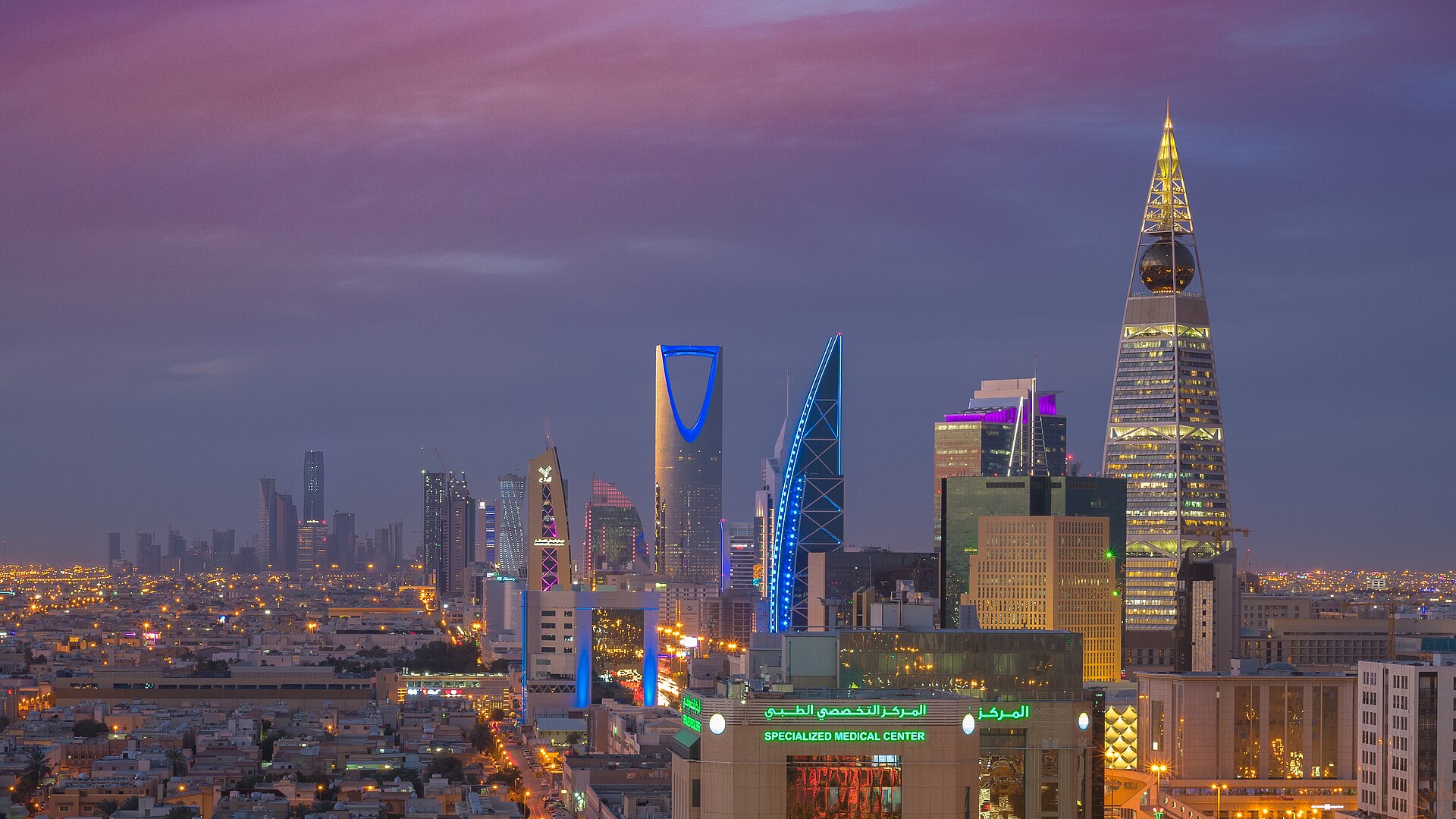
The capital is the most diverse city in terms of dress. In upscale neighbourhoods like Olaya and the Diplomatic Quarter, you will see Saudi women in everything from traditional black abayas to colourful designer versions, alongside expats in Western-style modest clothing. The malls — especially Kingdom Centre, Riyadh Park, and the Via Riyadh — are relaxed environments where long trousers and a modest top are perfectly fine.
However, the older neighbourhoods and traditional souks (such as Souq Taibah and the Dira market) are more conservative. Here, a longer tunic or loose-fitting top that covers to mid-thigh, paired with trousers, is a respectful choice. You will not be stopped for wearing a short-sleeved top, but you will blend in better with sleeves past the elbow.
Jeddah
Jeddah has historically been Saudi Arabia’s most cosmopolitan city, and it remains the most relaxed major city for women’s dress. The port city’s centuries-long exposure to international pilgrims and traders has created a culture that is noticeably more laid-back than Riyadh. On the Jeddah Corniche waterfront and in the trendy cafes of Al Hamra and Al Rawdah, you will see the full spectrum — from women in full niqab to women in jeans and shirts with no headscarf. In Al Balad, the UNESCO-listed historic old town, modest but colourful clothing is common and welcomed.
AlUla
AlUla is Saudi Arabia’s showcase tourism destination, and the dress code here reflects that intentionally international audience. At Hegra, Elephant Rock, and the various desert camps, Western-style modest clothing is entirely normal. Many visitors wear long shorts (below the knee) and T-shirts without issue. The resort-like atmosphere at Habitas AlUla and the Banyan Tree means you will feel comfortable in the same type of clothing you would wear at a Middle Eastern beach resort. That said, shoulders should still be covered during daytime in the Old Town area.
Mecca and Medina
The holy cities are in a category of their own. Non-Muslims cannot enter Mecca at all — the city is entirely closed to non-Muslim visitors, with checkpoints on all approach roads. In Medina, non-Muslims can visit most of the city but cannot enter the Prophet’s Mosque (Al-Masjid an-Nabawi). For Muslim women visiting either city, the dress code is significantly stricter: full body coverage including arms to the wrists and legs to the ankles, plus a mandatory head covering. An abaya is strongly recommended in both cities, not because the law requires it for tourists, but because it is the universal standard and anything else will stand out. For comprehensive pilgrimage guidance, see our Hajj 2026 guide.
Eastern Province (Dammam, Al Khobar)
The Eastern Province has a large expat community, particularly in Al Khobar, and dress norms are relatively relaxed by Saudi standards. Malls, restaurants, and the Corniche area are comparable to Riyadh’s modern districts. However, the area around Dammam’s traditional souks and residential neighbourhoods is more conservative.
Abha, Asir, and the Highlands
The Asir region in the southwest is more socially conservative than the major cities. While the law is the same everywhere, local customs lean traditional. Covering arms to the wrists and legs to the ankles is wise here, especially in smaller towns like Rijal Almaa. The cooler mountain climate makes longer clothing practical anyway — you will want layers.
Dress Codes for Specific Settings
Mosques
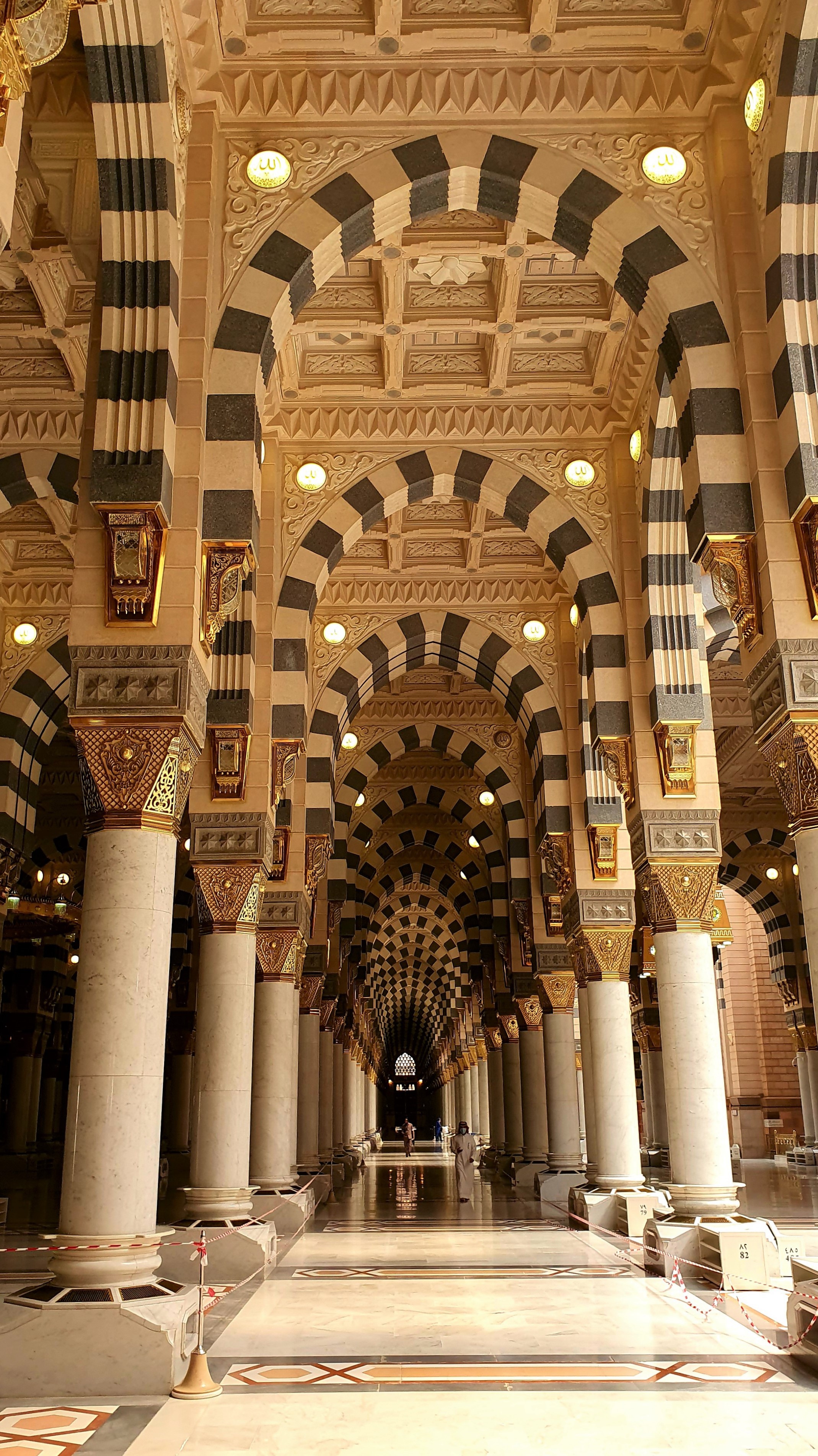
Every mosque in Saudi Arabia requires women to cover their entire body except the face and hands. This means:
Many major mosques provide abayas and headscarves for visitors who arrive without them, but you should not rely on this. Carrying your own scarf means you can enter any mosque spontaneously. For a detailed guide on etiquette, see our mosque etiquette guide.
Beaches, Pools, and Resorts
Swimwear rules depend entirely on the type of facility:
For more on Saudi Arabia’s coastal options, see our beaches guide.
Entertainment Events and Concerts
At events such as Riyadh Season, Jeddah Season, MDLBeast Soundstorm, the F1 Grand Prix, and other large entertainment events, the atmosphere is noticeably more relaxed than in everyday public spaces. The baseline modesty requirements still apply — shoulders and knees should be covered, and clothing should not bear provocative slogans — but the enforcement environment is casual. You will see women at Riyadh Boulevard in colourful outfits, designer jeans, and fashionable modest wear. Some specific venues publish their own dress guidelines on tickets, so check before attending.

Business Meetings and Professional Settings
If you are visiting Saudi Arabia on business, the expectation is smart, conservative professional wear. Tailored trousers with a blouse, a knee-length or longer skirt with a jacket, or a modest business dress all work. Avoid sleeveless tops — a blazer over a sleeveless top is fine, but remove the blazer and you may attract attention. The Ministry of Human Resources and Social Development has drafted a Code of Appearance and Conduct that mandates modest, non-transparent, and non-tight clothing for all workers across public, private, and non-profit sectors.
An abaya is not required for business meetings but some conservative Saudi organisations may appreciate the gesture. When in doubt, ask your local contact. In co-working spaces, tech companies, and international firms in Riyadh and Jeddah, the dress is indistinguishable from any Gulf business hub.
During Ramadan
If you visit during Ramadan, dress expectations become noticeably stricter in practice, even though the law does not change. Most Saudi residents are fasting and social sensitivity around modesty increases. During Ramadan, make sure you always cover shoulders and elbows (not just shoulders), and dress on the more conservative end of what you would normally wear. A lightweight long-sleeved top and long trousers or a maxi dress is the safest choice during this period.
Fabric and Climate Considerations
Saudi Arabia’s climate makes fabric choice as important as style. Summer temperatures in Riyadh regularly exceed 45 degrees Celsius (113 degrees Fahrenheit), and even winter can bring 25-30 degrees in most cities. You need clothing that provides coverage without overheating you.
Best Fabrics for Saudi Heat
Fabrics to Avoid
Colours
Light colours (white, cream, beige, pastels) reflect heat and are the most practical. Dark colours, including black, absorb heat — which is why many Saudi women have shifted toward lighter-coloured abayas in recent years. You will not stand out for wearing colour; Saudi Arabia’s fashion scene has moved decisively beyond all-black.
Sun protection tip: Even with full arm and leg coverage, carry high-SPF sunscreen for your face and hands, quality sunglasses, and consider a wide-brimmed hat for outdoor sightseeing at places like Edge of the World or AlUla’s open-air archaeological sites.
Packing List: What to Bring
Based on a 7-14 day trip covering multiple Saudi regions, here is a practical packing list for women:
Essentials
Optional but Useful
Where to Buy Modest Clothing in Saudi Arabia
If you arrive underprepared or want to shop for something special, Saudi Arabia has excellent options for modest fashion at every price point.
Souks and Traditional Markets
For affordable abayas, headscarves, and loose tunics, head to the traditional souks. In Riyadh, Souq Taibah (also spelled Souq Al-Taibah) is the go-to — sprawling stalls sell abayas from SAR 50 for a basic black design to SAR 500+ for embroidered pieces. Bargaining is expected and encouraged. In Jeddah, Souq Al-Alawi in the heart of the old city offers handmade abayas in classic styles with intricate beadwork.
Malls
Every major Saudi mall carries modest fashion. H&M, Zara, and Mango all stock Saudi-specific modest lines with longer hemlines and higher necklines. The Kingdom Centre mall in Riyadh and Red Sea Mall in Jeddah have dedicated abaya boutiques on their upper floors. For Saudi designer abayas, look for brands like Kaafmeem, Nayomi Moda, and Orange Blossom (the last two are Jeddah-based, starting from around SAR 420).
Online Shopping
If you want to buy before you arrive, Namshi and Noon are the two largest Saudi e-commerce platforms, both with extensive modest-fashion and abaya sections. They deliver within Saudi Arabia in 1-2 days, making them useful for topping up your wardrobe mid-trip.
What Local Women Actually Wear
Understanding what Saudi women themselves wear helps put the tourist dress code in context. The diversity may surprise you.
In Riyadh and Jeddah, local women range from full niqab (face veil, gloves, and black abaya covering everything) to colourful designer abayas with embroidery, to modern outfits of jeans, long tops, and no head covering. The younger generation in particular has embraced a wide range of styles within modest parameters. Coloured abayas in olive, rust, powder blue, and sapphire are now mainstream, and Saudi fashion influencers have built global followings around “Saudi modest fashion” aesthetics.
In smaller towns and rural areas, traditional dress remains the norm: black abayas and head coverings are nearly universal for women in public. This is cultural preference, not legal requirement, but visitors in these areas should dress more conservatively as a mark of respect.
Common Mistakes to Avoid
Based on feedback from female travellers and our research into Saudi customs and etiquette, here are the most common clothing-related mistakes tourists make:
Solo Female Travellers: Additional Considerations
Women travelling alone in Saudi Arabia face no additional legal dress requirements beyond what applies to all female visitors. However, solo travellers report that dressing on the more conservative side reduces unwanted attention and makes interactions with local men more comfortable. A long tunic or abaya, especially in traditional areas, sends a clear signal of cultural awareness. For a comprehensive guide to travelling alone as a woman, see our solo female travel in Saudi Arabia guide.
Driving and Transportation
Since 2018, women have been legally permitted to drive in Saudi Arabia. If you are renting a car, the dress code is the same as for any public space — cover shoulders and knees. There is no requirement to wear specific clothing while driving. For ride-hailing apps like Uber and Careem (widely available in all Saudi cities), the same applies.
Getting Your Visa and Entry Requirements
All visitors to Saudi Arabia need a visa. Citizens of 63 countries can obtain a tourist e-visa online or on arrival in under five minutes. The e-visa permits stays of up to 90 days and allows travel throughout the Kingdom except Mecca (for non-Muslims). There are no dress-code requirements for the visa application itself, but you will need a passport-style photograph. For full details, see our Saudi Arabia visa guide.