
Riyadh sits at the heart of the Najd plateau, a vast expanse of desert escarpments, ancient wadis and abandoned mud-brick villages that most visitors to Saudi Arabia never see. This guide covers the ten best day trips you can make from the capital, all reachable within three hours by car. Whether you are building a wider Riyadh travel itinerary or simply looking for a single afternoon escape, every destination here rewards the effort of getting out of the city. From the 300-metre cliffs of the Edge of the World to the underground pool at Heet Cave, the landscape surrounding Riyadh is far more varied than the capital’s glass towers suggest. You will need a tourist e-visa for all of these trips, and a rental car or private driver for most of them.
Best Time to Visit: October to March (cooler temperatures, ideal for hiking and desert exploration)
Getting There: Rental car (4×4 recommended for off-road destinations) or guided tours from Riyadh
Visa Required: Yes — tourist e-visa
Budget: $30–$150 per day trip (fuel, tours, entry fees)
Must-See: Edge of the World, Diriyah At-Turaif, Ushaiger Heritage Village
Avoid: Attempting off-road destinations without a 4×4 or in summer heat (temperatures exceed 45°C)
1. Edge of the World (Jebel Fihrayn)
No list of Riyadh day trips begins anywhere else. Jebel Fihrayn — universally known as the Edge of the World — is a 300-metre cliff face along the Tuwaiq escarpment, roughly 90 to 100 kilometres northwest of the city. Standing at the rim, you look out across an ancient seabed that stretches to the horizon with nothing to interrupt the view. The nickname is earned.
Getting there
The drive takes around 1.5 to 2 hours from central Riyadh. The first hour is straightforward highway driving, but the final 30 to 40 minutes require a 4×4 vehicle on unmarked, rocky desert tracks. There is no paved road to the cliff edge, and no public transport. If you are not comfortable with off-road navigation, book a guided tour — operators such as Riyadh Explorers and Desert Adventures offer half-day and sunset trips starting from around 180 SAR (approximately $48) per person, including hotel pickup.
What to expect
The cliff itself is unfenced and unguarded. You can walk along the rim, hike down into the ancient wadi below via the Al Guelta Trail (roughly 6 kilometres, 3 to 4 hours round trip depending on fitness), or simply sit and watch the light change. The best time to arrive is mid-afternoon, when the sandstone turns copper and gold as the sun descends. Sunset trips are deservedly popular. Bring plenty of water — at least 2 litres per person — sunscreen, and sturdy shoes. There are no facilities, shops or shade at the site.
Tip: The area is part of the wider Saudi hiking trail network along the Tuwaiq escarpment. If you want a longer trek, experienced guides can lead multi-hour hikes along the ridge with views that rival anything in the Kingdom.
Best time of year
October through March. Summer temperatures at the exposed cliff regularly exceed 45°C, making the experience genuinely dangerous. Winter afternoons are ideal, with highs around 20–23°C.
2. Diriyah and At-Turaif UNESCO World Heritage Site
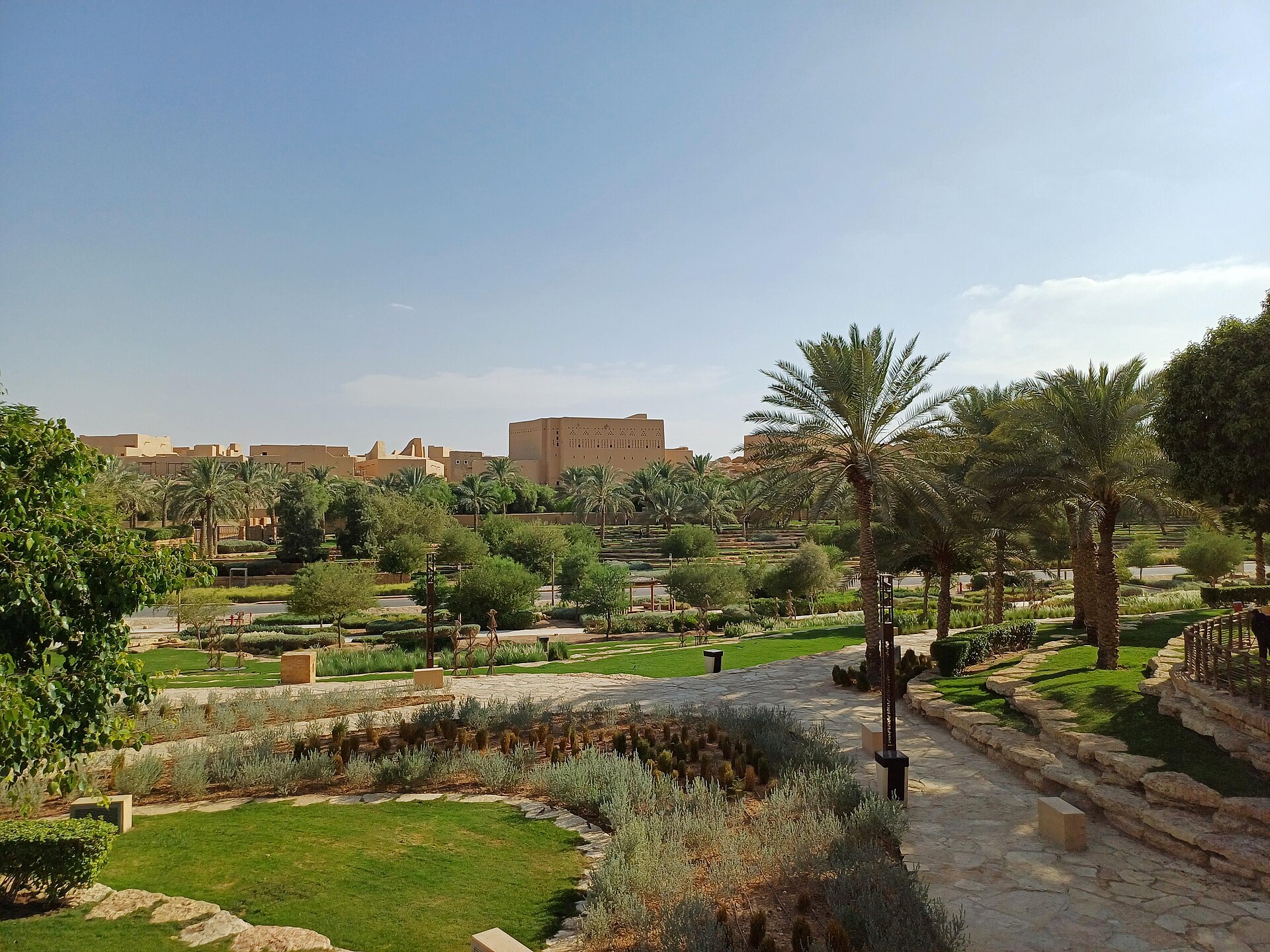
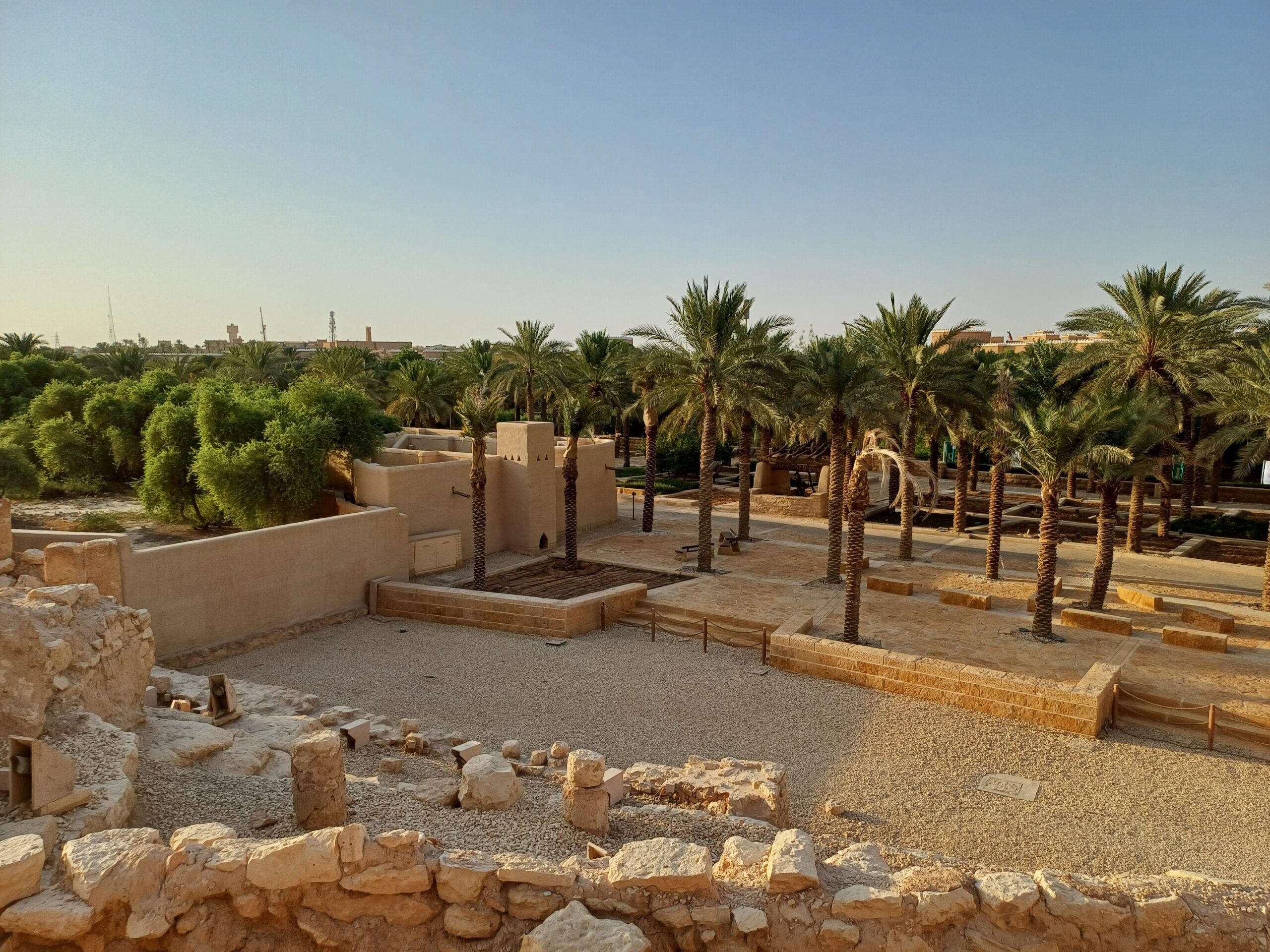
Diriyah is the easiest day trip from Riyadh because it barely counts as leaving the city. The historic district sits just 20 minutes northwest of central Riyadh, on the banks of Wadi Hanifah. This is where the first Saudi state was founded in 1727, and its mud-brick ruins — the At-Turaif District — were inscribed as a UNESCO World Heritage Site in 2010.
What to see
At-Turaif is dominated by Salwa Palace, a grand structure spanning 10,000 square metres, built in 1765 as the seat of government during the First Saudi State. Inside, the Diriyah Gallery, Arabian Horse Gallery and Military Gallery host permanent exhibitions on Saudi history and culture. You will need a Diriyah Pass for entry, which also grants access to the Bujairi Terrace dining precinct across the wadi. Purchase the pass online in advance to avoid issues with QR codes at the gate.
Bujairi Terrace
Across from At-Turaif, the Bujairi Terrace is a modern dining and retail complex designed in traditional Najdi style. It houses restaurants, cafes and shops, and makes a natural lunch stop before or after exploring the ruins. Paid parking is available at Bujairi Parking and Samhan Parking (30 SAR for 3 hours).
Photography tip: At-Turaif is a photographer’s dream during the golden hour and after sunset, when the mud-brick architecture is illuminated. The atmospheric alleyways and the grand facade of Salwa Palace are the standout shots.
Diriyah Gate development
Diriyah is also the site of a $63 billion giga-project overseen by the Public Investment Fund, with development accelerating toward an opening ahead of Expo 2030 Riyadh. New hotels, museums and cultural venues are under construction around the heritage core, making this a destination that will only grow in the coming years.
3. Wadi Hanifah
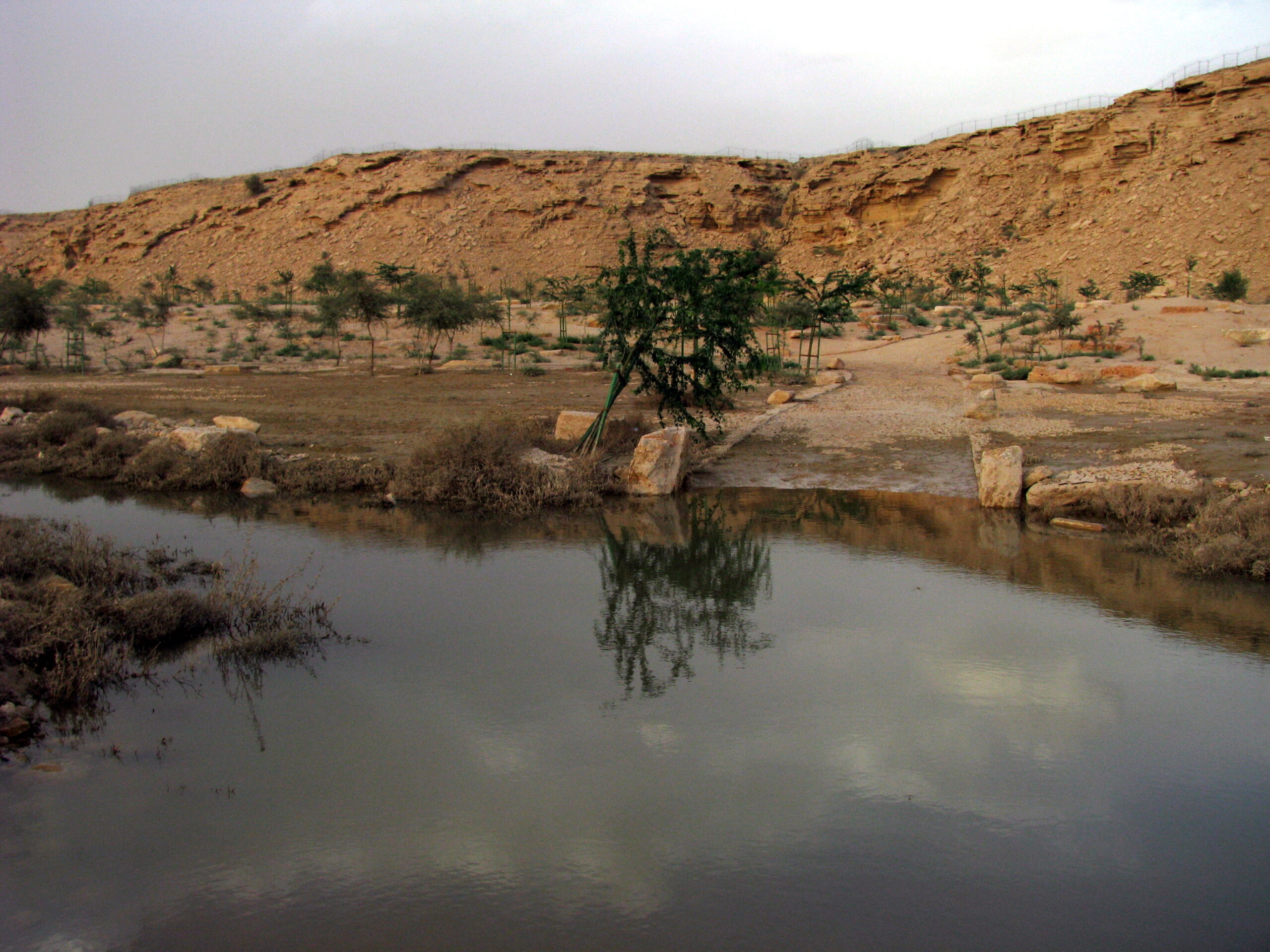
Wadi Hanifah runs for 120 kilometres through the heart of Riyadh Province, from northwest to southeast, cutting directly through the city. It is Saudi Arabia’s most ambitious urban environmental rehabilitation project and, for visitors, one of the most pleasant half-day escapes in the capital — no 4×4 required.
What to do
The wadi now features extensive pedestrian and cycling pathways, equestrian trails and picnic areas. Key parks along the valley include:
- Wadi Hanifah Dam Park — 27 rest areas and a 5.6-kilometre walkway along the dam
- Bioremediation Facility Park (Utaiqah) — 52 rest areas and 1,100 metres of walkways around the world’s largest wastewater bioremediation facility, which treats urban wastewater through natural processes including pools, weirs and biocells
- Museum As-Salem — a private collection of antiques and artefacts (10 SAR entry fee)
- Two historic schools and a traditional marketplace
- Heritage houses with restored interiors showing how families lived in the pre-oil era
- The Heritage Village — located in the centre of Shaqra Governorate, representing the traditional Najdi style with its mosques, markets and houses. Wander through narrow alleys to admire the intricate earth-built construction
- Hlewa Heritage Market — an open-air market surrounded by the colours and aromas of traditional goods, including antiques and local crafts
- Regional history exhibits — artefacts and displays showcasing the cultural heritage of the central Najd
- Ayun Seeh (“Eyes of Seeh”) — two deep holes formed thousands of years ago, approximately 500 metres apart, creating a remarkable natural landmark
- King Abdulaziz Palace — built in 1937, a historic royal residence open to visitors
- Cumulus Stone Tombs — dating back to approximately 4000 BC, found along the road from Riyadh
- Al Kharj Water Tower — a 105-metre structure with six floors including an exhibition hall, cafe, revolving restaurants and an auditorium
- Al Kharj Date Market — a bustling marketplace where you can buy fresh dates directly from local farms
- Restored mud-brick buildings — the village underwent a restoration project to rehabilitate its mud structures and pathways
- An ancient obelisk with inscriptions and writings dating back to antiquity
- Traditional Najdi architecture with unique stucco decorations not found at other heritage villages in the region
- Swimming — during the rainy season, the lake fills with water deep enough for swimming
- Dune bashing and sandboarding — the surrounding dunes are ideal for desert sports
- Hiking — trails lead to the highest sand dunes with panoramic views of the valley
- Hifna Waterfalls — a short drive from the lake, water cascades down from the sand dunes after rains (seasonal)
- Water — at least 2 litres per person, more for desert destinations
- Sun protection — hat, sunscreen (SPF 50+), sunglasses
- Sturdy footwear — hiking boots for Edge of the World and Heet Cave, comfortable walking shoes for heritage villages
- Snacks and lunch — most day trip destinations have no dining facilities (Diriyah and Al Kharj are the exceptions)
- Full fuel tank — fill up before leaving Riyadh, especially for northern destinations like Ushaiger and Shaqra
- Phone with offline maps — mobile coverage is patchy at off-road locations; download your route in advance
- Riyadh Travel Guide 2026 — The complete guide to Saudi Arabia’s capital: things to do, where to stay and how to get around
- Edge of the World Riyadh — The ultimate visitor guide to Jebel Fihrayn and the Tuwaiq escarpment
- Riyadh Sky Bridge at Kingdom Centre — Tickets, views and tips for the capital’s most iconic observation deck
- Riyadh Olaya District — Restaurants, malls and nightlife in the city’s commercial heart
- Diriyah Travel Guide — Birthplace of the Saudi state and At-Turaif UNESCO World Heritage Site
- Saudi Arabia Travel Guide 2026 — The complete guide to visiting the Kingdom
- Saudi Arabia Visa Guide — Every visa type explained
The wadi attracts an estimated 200,000 visitors per week, and functions as Riyadh’s green lung. You can walk or cycle for hours along the valley floor, passing through parks, natural vegetation and, after rainfall, genuine pools of water — a rare sight in the central Najd.
Getting there
The wadi is accessible from multiple points within Riyadh. The section behind the Diplomatic Quarter is one of the most popular entry points and is served by Uber and Careem. No special vehicle is needed.
4. Red Sand Dunes (Thumamah)
The Red Sand Dunes are Riyadh’s closest proper desert experience, located roughly 45 to 80 kilometres north of the city (distances vary depending on which dune area you visit). Driving time is approximately 40 to 60 minutes from central Riyadh.
Activities
This is the place for quad biking, sandboarding, dune bashing and camel rides. Rental operators at the dunes provide quad bikes (typically Suzuki Z250 models, with more powerful options available), along with brief training sessions. Guided desert safari packages from Riyadh typically include 4×4 transport, quad biking, sandboarding and sunset viewing, starting from around 200 to 350 SAR per person.
Thumamah National Park
Further north, roughly 100 kilometres from Riyadh, Thumamah Desert Park covers 170 square kilometres and functions as a desert oasis surrounded by sand. The park offers 200 Bedouin-style camps equipped with barbecue areas, kitchens and restrooms, making it viable for overnight stays. Camel herds roam the area, and you can arrange camel rides on site. The park also has bouncing tents for children and rock climbing off natural cliffs.
Warning: If you drive yourself to Thumamah, use a 4×4 with proper recovery tools. The desert terrain can trap standard vehicles. Carry at least 3 litres of water per person, and be aware that desert wildlife — including snakes and scorpions — is present.
5. Ushaiger Heritage Village
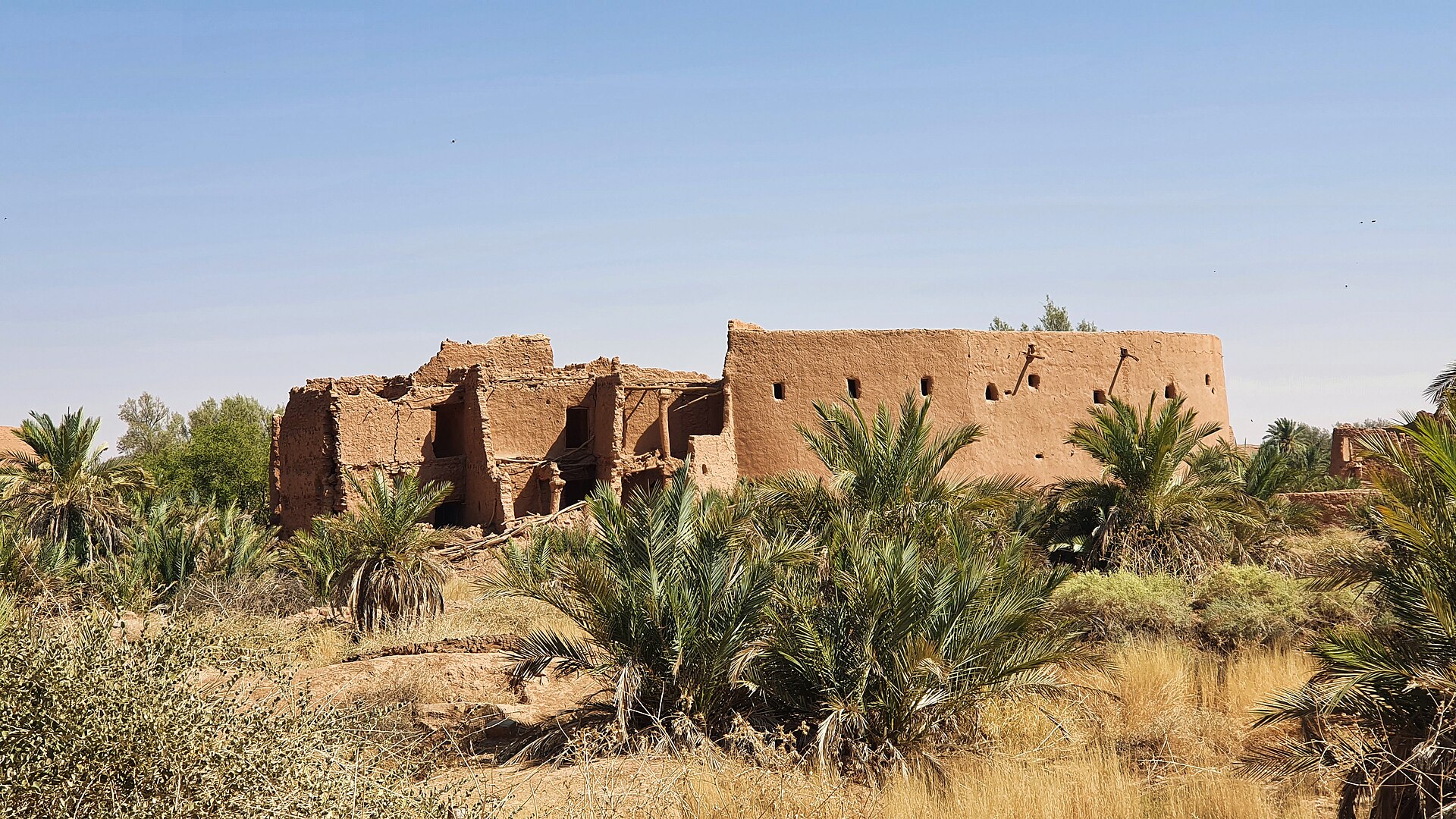
Ushaiger (also spelled Ushaiqer) is a beautifully preserved mud-brick village roughly 200 kilometres northwest of Riyadh, in the heart of the Najd oasis belt. The drive takes approximately 1.5 to 2 hours. This is one of the finest examples of traditional Najdi architecture in Saudi Arabia, and entry to the village is free.
What to see
The village is a labyrinth of narrow alleyways lined with hundreds of mud houses, divided into distinct districts and bisected by palm tree groves. The architecture features the distinctive triangular windows and roofs of the Najdi style, with ornately carved wooden doors. Key sites include:
You can easily spend an entire day wandering the seemingly endless alleyways. The village is a genuine living settlement, not a theme park, so expect uneven terrain and minimal signage.
Navigation tip
Many visitors recommend setting your GPS to Shaqra rather than searching directly for Ushaiger, as the village can be difficult to find in some mapping apps. The road from Riyadh is paved and does not require a 4×4.
6. Shaqra Heritage Village
Shaqra sits roughly 200 kilometres northwest of Riyadh (about 2.5 hours by car) and can be combined with Ushaiger for a full day of heritage exploration. Like Ushaiger, Shaqra is a beautifully preserved mud-brick settlement showcasing traditional Najdi architecture — but it is larger and includes a functioning traditional marketplace.
What to see
Practical note: Dining options within the village are limited. Bring water and snacks, especially if you plan to spend several hours exploring. The terrain is uneven, so comfortable walking shoes are essential.
7. Heet Cave (Ain Hit)
Heet Cave — also known as Ain Heet, meaning “Eye of Heet” for the distinctive eye-shaped opening of its entrance — is one of the most unusual day trips from Riyadh. Located roughly 30 to 55 kilometres southeast of the city, near Al Kharj, the cave conceals a stunning underground lake of crystal-clear water, more than 30 metres deep and extending horizontally for over 150 metres.
Getting there
The cave is between Riyadh and Al Kharj, off Route 65. The drive takes around 45 minutes to an hour. Access requires hiking down a steep descent of 300 to 500 metres, so wear sturdy shoes with good grip and carry plenty of water. The cave is one of the most accessible in the Riyadh area, but it is not a casual stroll — the descent is genuinely physical. For a broader look at the Kingdom’s subterranean world, see our guide to cave exploration in Saudi Arabia.
Important access note
Recent reports indicate that government restrictions on entry may be in effect at Heet Cave. Check local conditions before making the trip, and respect any barriers or signage at the site. When open, the cave is free to enter, but there are no facilities — no trash bins, no guides, no safety rails. Pack out everything you bring in.
Best time to visit
October to March for the approach hike. The underground lake maintains a cool temperature year-round, so the cave itself is pleasant even in warmer months — but the exposed descent in summer heat is punishing.
8. Al Kharj: Springs, Farms and a Water Tower
Al Kharj is an agricultural oasis southeast of Riyadh, roughly 1 to 1.5 hours by car. The town formed around a series of deepwater springs — including al-Saih, Mawan, al-Khabi and Nasah — that made it a regional farming hub for cereals, dates, vegetables and fruit long before the oil economy.
What to see
Farm visits
Al Safi Dairy Farm, one of the largest integrated dairy farms globally, welcomes visitors through scheduled tours. The Al Maha Al Wadhihi Farm and Reserve, about an hour from Riyadh, offers encounters with Arabian oryx and other local wildlife.
9. Sadus Heritage Village
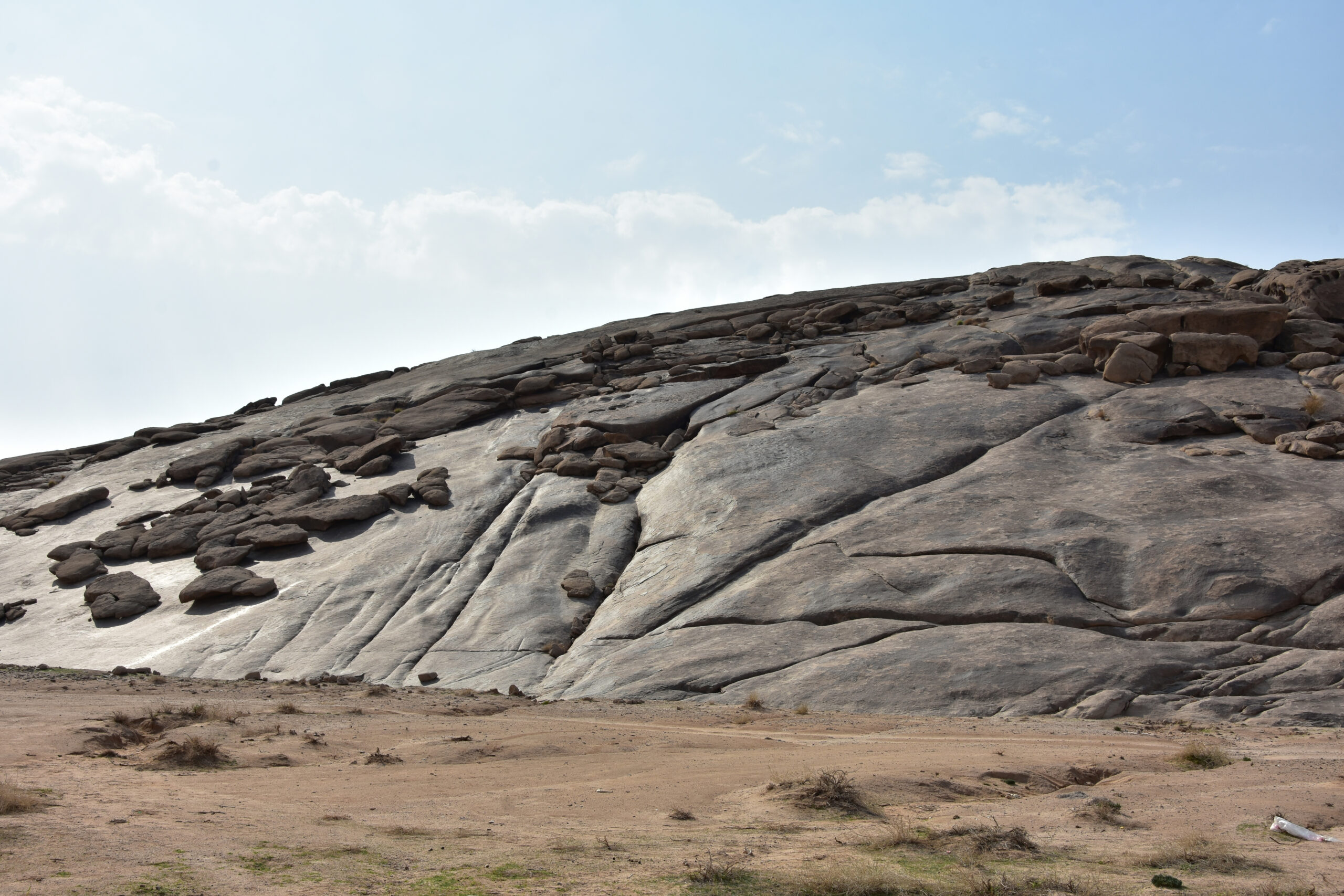
Sadus sits 70 kilometres northwest of Riyadh, making it one of the closest heritage village day trips from the capital. The village is located along Wadi Hanifah and represents some of the finest traditional Najdi architecture in the Kingdom, with distinctive stucco decorations that set it apart from Ushaiger and Shaqra.
What to see
The village extends in a rectangular shape from north to south, surrounded by a wall with semi-circular towers at the corners and a main gate in the middle of the southern wall. Key highlights include:
Getting there
The 70-kilometre drive takes roughly one hour from central Riyadh. The road is paved and does not require a 4×4. Sadus pairs well with a walk along Wadi Hanifah — the village sits directly in the wadi’s northern course.
10. Al Kharrarah National Park
Al Kharrarah National Park lies roughly 90 kilometres southwest of Riyadh, about 1.5 hours by car via the Makkah Highway (Route 40). The park is centred on Lake Kharrarah — sometimes called the “Lake of Liquid Light” — a seasonal lake that forms after rainfall in a valley of red-hued hills.
What to do
Best time to visit
Late autumn to early spring (November to March) for comfortable temperatures and the best chance of seeing water in the lake. The park is open year-round, but summer heat makes outdoor activity impractical. If you enjoy desert camping, this is one of the best spots within day-trip range of Riyadh.
How to Plan Your Day Trip
Transport options
| Option | Best for | Approximate cost |
|---|---|---|
| Rental car (4×4) | Edge of the World, Red Sand Dunes, Thumamah, Al Kharrarah | 250–450 SAR/day ($67–$120) |
| Rental car (sedan) | Diriyah, Wadi Hanifah, Ushaiger, Shaqra, Al Kharj, Sadus | 120–200 SAR/day ($32–$53) |
| Guided tour | Edge of the World (if unfamiliar with off-road driving) | 180–500 SAR/person ($48–$133) |
| Uber / Careem | Diriyah, Wadi Hanifah only (within city limits) | 30–80 SAR each way ($8–$21) |
For detailed information on renting a vehicle and Saudi road rules, see the driving in Saudi Arabia guide. An international driving licence is required for rental cars.
What to pack
For a complete packing checklist, see the Saudi Arabia packing list.
Best months for day trips
| Month | Avg. high (°C) | Day trip suitability |
|---|---|---|
| October | 34.5 | Good — warm but manageable, especially later in the month |
| November | 27 | Excellent — ideal hiking and desert weather |
| December | 22 | Excellent — cool and comfortable |
| January | 20 | Excellent — coolest month, layer up for early morning starts |
| February | 23 | Excellent — pleasant temperatures, occasional rain fills wadis and lakes |
| March | 28 | Good — warming up, still comfortable for outdoor activity |
| April–September | 35–44 | Avoid outdoor desert trips — dangerously hot, especially June to August |
Combining Day Trips: Suggested Itineraries
Heritage day (full day)
Start early at Ushaiger Heritage Village, then drive 30 minutes to Shaqra Heritage Village for a combined exploration of two of the Najd’s finest mud-brick settlements. Stop at a roadside farm stand for fresh dates on the return drive. Total driving time: approximately 5 hours round trip.
Desert adventure day (half day)
Drive to the Red Sand Dunes in the early afternoon for quad biking and sandboarding, then stay for sunset. Total driving time: approximately 1.5 hours round trip. This pairs well with a morning visit to Olaya District for brunch and shopping.
History and nature day (full day)
Start with Diriyah and At-Turaif in the morning (2 to 3 hours), then drive to Wadi Hanifah for a walking or cycling session along the valley floor (1 to 2 hours). Finish with lunch at Bujairi Terrace. Total driving time: under 1 hour.
Off-the-beaten-path day (full day)
Drive to Sadus Heritage Village in the morning (1 hour), then continue northwest to the Edge of the World for an afternoon hike and sunset (additional 1.5 hours from Sadus). You will need a 4×4 for the final stretch to the cliff. Total driving time: approximately 4 hours round trip.
Safety and Practical Advice
Off-road driving
Three of these day trips — Edge of the World, Red Sand Dunes and Al Kharrarah — require off-road driving. If you rent a 4×4, ensure it has a full-size spare tyre and a basic recovery kit. Deflate your tyres to around 18 to 20 psi for sand driving and reinflate before returning to tarmac. For more, read the 4×4 off-roading guide.
Mobile coverage
Coverage drops out at the Edge of the World and in parts of Al Kharrarah. Download offline maps (Google Maps or Maps.me) before departing Riyadh. Share your planned route with someone who is not travelling with you.
Cultural respect
At heritage villages, you are visiting places where people still live. Dress modestly (both men and women), ask permission before photographing locals, and do not enter private homes without invitation. For detailed guidance, consult our Saudi Arabia etiquette guide.
Health considerations
Dehydration is the primary risk on desert day trips. Carry more water than you think you need. The sun in the Najd is intense year-round — even on overcast days. Start early to avoid peak heat between 11 AM and 3 PM.