
RIYADH — Saudi Arabia summoned Iraq’s ambassador on April 12, 2026 — the first time Riyadh has formally held Baghdad accountable for proxy attacks launched from Iraqi territory, and a deliberate escalation timed to the hour that the Islamabad ceasefire framework collapsed. The summoning converts years of Saudi diplomatic restraint toward Baghdad into a bilateral ultimatum: control the militias or accept the consequences of not controlling them.
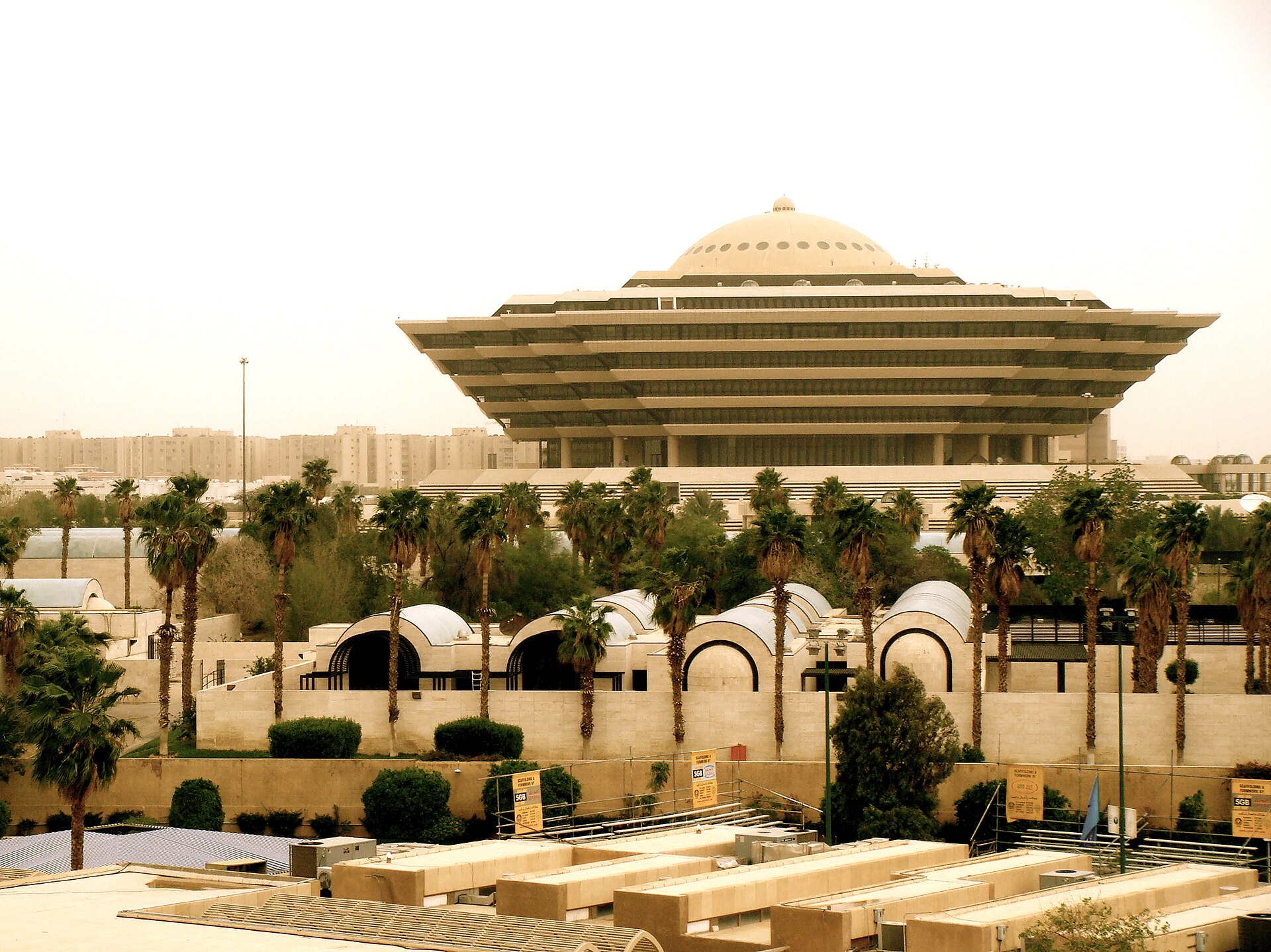
Dr. Saud Al-Sati, Saudi Undersecretary for Political Affairs, delivered the message to Iraqi Ambassador Safia Al Souhail in language calibrated to foreclose ambiguity. The Foreign Ministry statement condemned “attacks originating from Iraqi territory against the Kingdom and the Gulf states,” warned that Saudi Arabia would “take all necessary measures to defend its security and protect its territories,” and stressed “the importance of Iraq dealing responsibly with these threats and attacks.” In diplomatic grammar, “all necessary measures” is not a phrase states use when they intend to keep talking.
Table of Contents
- Why April 12 — The Dual Collapse
- What Did Saudi Arabia Tell Iraq’s Ambassador?
- The Iraqi Drone Corridor — From Abqaiq to 2026
- The PMF Accountability Trap
- Why Didn’t Saudi Arabia Summon Iraq’s Ambassador After Abqaiq in 2019?
- The GCC Summoning Pattern — Kuwait, the US, and the Multilateral Turn
- What Normalization Investment Is at Risk?
- Al-Sudani’s Impossible Position
- Ten Days to April 22
- Frequently Asked Questions
Why April 12 — The Dual Collapse
Two things happened on April 12, 2026, and the timing was not coincidental. In Islamabad, Vice President JD Vance walked out of 21 hours of negotiations with no agreement, telling reporters that Iran “have chosen not to accept our terms” and describing the American position as “our final and best offer.” In Riyadh, the Saudi Foreign Ministry summoned Iraq’s ambassador. The ceasefire — already structurally unenforceable, already violated by IRGC-affiliated cells across four countries — lost its last diplomatic scaffolding within a single morning.
The Islamabad collapse eliminated the framework through which Saudi Arabia had channeled its security demands indirectly, relying on Pakistan as the sole enforcement mechanism for a ceasefire that had no enforcement clause. With Vance’s departure, the question of who constrains Iran’s proxy architecture reverted to the states being hit by it. Saudi Arabia’s answer was to open a second front — not military, but diplomatic, and aimed not at Tehran but at the weakest link in Iran’s decentralized attack chain.
The April 22 ceasefire expiry sits ten days from the summoning. Whatever negotiating framework emerges after that date will inherit the positions states staked before it. Saudi Arabia’s formal statement condemns “attacks originating from Iraqi territory against the Kingdom and the Gulf states” — geography, not chain of command, as the operative legal predicate.
What Did Saudi Arabia Tell Iraq’s Ambassador?
The Saudi Foreign Ministry’s formal statement, published by Asharq Al-Awsat on April 12, carried three distinct components, each escalating from the last. First, condemnation: the Kingdom’s “condemnation and denunciation of attacks originating from Iraqi territory against the Kingdom and the Gulf states.” Second, a demand: “the importance of Iraq dealing responsibly with these threats and attacks.” Third, a threat: Saudi Arabia would “take all necessary measures to defend its security and protect its territories.”
The Middle East briefing 3,000+ readers start their day with.
One email. Every weekday morning. Free.
That three-part structure — condemnation, demand, warning — is the standard format for a diplomatic ultimatum. States do not use “all necessary measures” language unless they have considered what those measures might be. The phrase carries specific weight in international law, echoing UN Security Council authorization language and signaling that the issuing state considers its response legitimate under Article 51 self-defense provisions.
The choice of interlocutor matters. Dr. Saud Al-Sati, as Undersecretary for Political Affairs, sits one level below the Foreign Minister — senior enough to convey state-level gravity, not so senior as to exhaust escalation options. If Ambassador Al Souhail had been summoned by Prince Faisal bin Farhan himself, there would be nowhere left to escalate short of recalling the Saudi ambassador from Baghdad. The undersecretary level preserves that option.
The Iraqi Drone Corridor — From Abqaiq to 2026
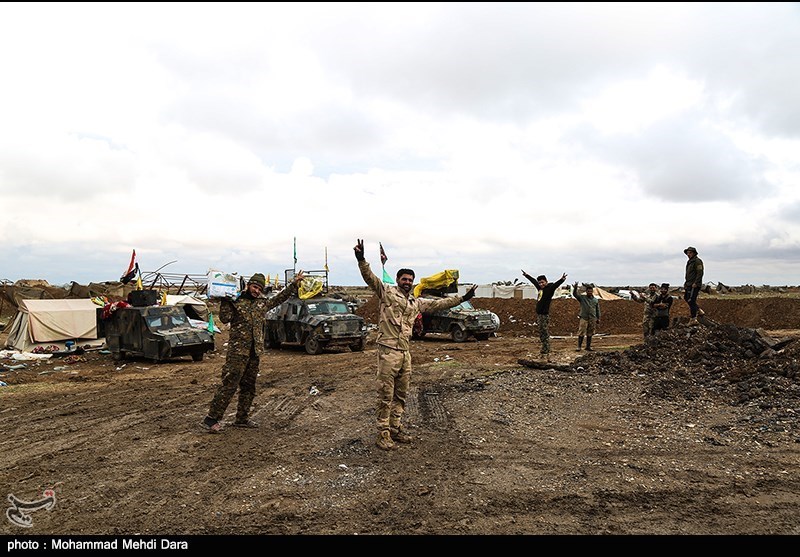
The corridor Saudi Arabia is now formally protesting is not new. It is the same attack vector that struck Abqaiq and Khurais on September 14, 2019 — the largest single attack on Saudi oil infrastructure in history, halving Aramco’s output for weeks. Middle East Eye’s exclusive reporting identified Iranian drones launched from Hashd al-Shaabi bases in southern Iraq as the primary attack vector. The Washington Institute for Near East Policy identified Jurf al-Sakhr, a Kata’ib Hezbollah-controlled base roughly 600–700 kilometers from Riyadh, as the likely launch point.
In 2026, the same corridor is active at industrial scale. The Foreign Policy Research Institute documented over 500 attacks “conducted against targets inside Iraq or launched from Iraqi territory since late February, primarily by Shia armed factions aligned with Iran.” Between April 2 and April 8 alone, Saudi Arabia intercepted waves of drones and missiles traced to Iraqi-territory launch vectors. On April 6, the Islamic Resistance in Iraq — the umbrella brand used by Iran-aligned militias for external operations — claimed 21 drone attacks against US bases in Iraq and the wider region in a single day.
Through April 7, Saudi Arabia had intercepted 894 aerial threats: 799 drones and 95 missiles. Not all originated from Iraq — Iran, Yemen’s Houthis, and Lebanese Hezbollah cells have all contributed. But the Iraqi corridor presents a specific problem: it sits within range of every Gulf capital, it operates through a state that is formally an Arab ally and GCC partner, and it runs through territory nominally controlled by a government that formally incorporated those forces into its own military command chain in 2016.
The Production Infrastructure
The drone threat from Iraq is not simply a matter of Iranian weapons transiting Iraqi territory. FPRI documented that key PMF factions maintain “indigenous drone and missile production facilities” supported by Iranian technical expertise at locations including Jurf al-Sakhr. The Washington Institute’s analysis of propaganda coordination showed that when attacks occur, five main Iran-backed militia channels in Iraq provide “rapid support” to facade attack-claiming groups, indicating “they were instructed to do so by the IRGC, the only senior partner with the connections and sway to direct all of them at once.”
The architecture is deliberately layered. When a drone strikes a Gulf target, a previously unknown front group claims responsibility. The established militia brands — Kata’ib Hezbollah, Kata’ib Sayyid al-Shuhada, Harakat al-Nujaba — maintain plausible deniability while their propaganda arms simultaneously amplify the claim. The IRGC coordinates the signaling. Baghdad absorbs the diplomatic cost. Iran denies involvement. Saudi Arabia’s April 12 statement condemns “attacks originating from Iraqi territory” — a formulation that discards the question of who issued the order and holds the launch state responsible instead.
The PMF Accountability Trap
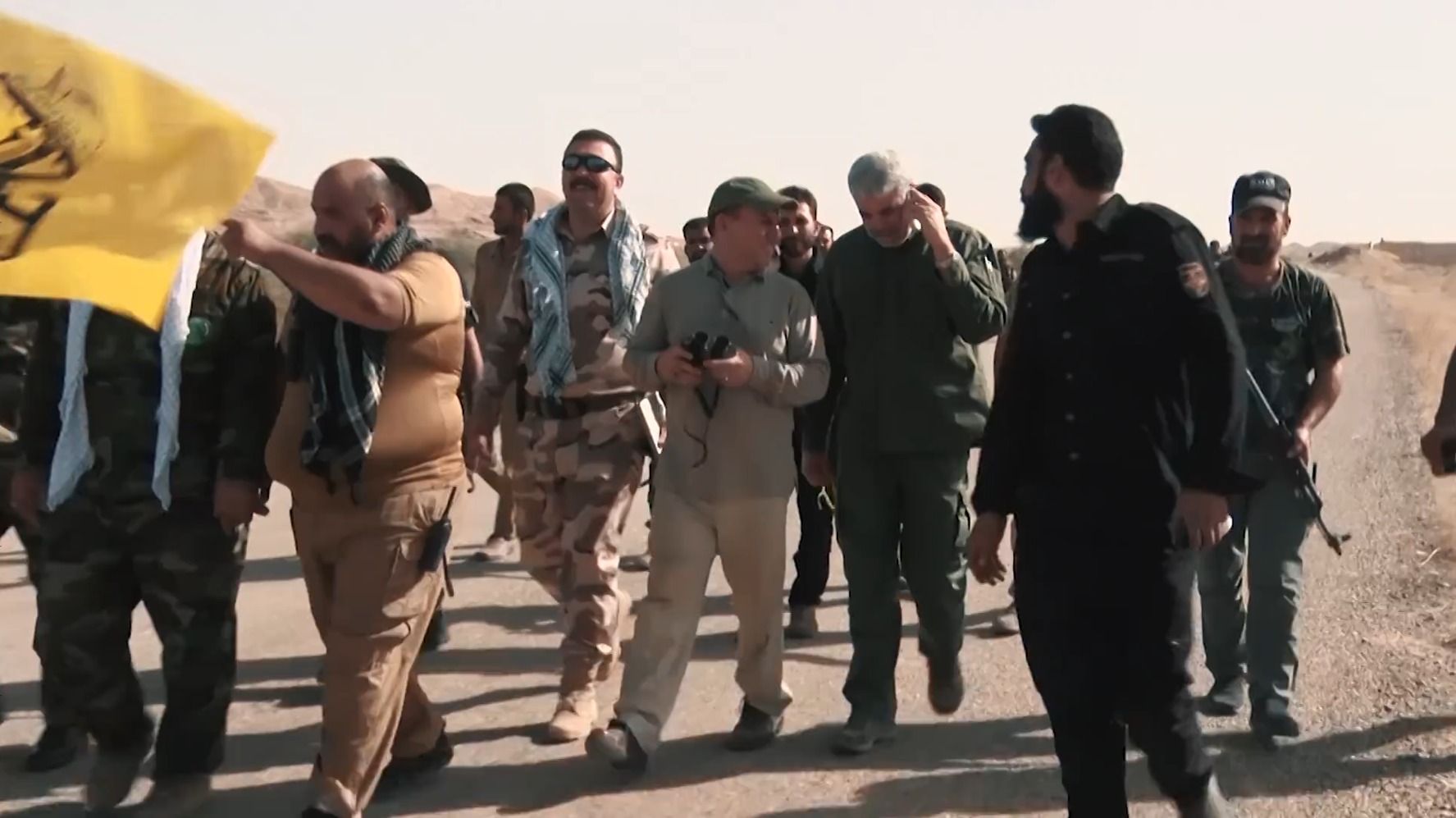
Iraq’s Popular Mobilization Forces comprise approximately 60–70 brigades and 230,000 personnel. They were incorporated into Iraqi state structures by the 2016 PMF Law, which gave factions state salaries, military ranks, and a formal command chain reporting to the Prime Minister. Their annual budget of $3.5 billion flows through the Iraqi treasury. On paper, they are Iraqi state forces. In practice, the factions that matter — Kata’ib Hezbollah, Asa’ib Ahl al-Haq, Harakat al-Nujaba — pledge operational allegiance to Iran’s Supreme Leader, not to Mohammed Shia al-Sudani.
This is the accountability trap Saudi Arabia’s summoning exploits. Baghdad has legal responsibility for the PMF by statute. Baghdad has zero operational control over the PMF’s Iran-aligned factions by reality. Saudi Arabia’s diplomatic message forces Iraq into a binary: either you control your forces, in which case you are responsible for their attacks, or you do not control your forces, in which case you have ceded sovereignty over your own territory to a foreign power — and Saudi Arabia will respond accordingly.
FPRI’s March 2026 assessment captured the dilemma precisely: Baghdad “appears incapable of mounting a full-scale campaign to rein in these militias, [but] could still take meaningful steps to demonstrate seriousness in holding them accountable.” As of April 12, none of those steps had been taken.
| PMF Faction | Estimated Strength | Allegiance | Role in 2026 Attacks |
|---|---|---|---|
| Kata’ib Hezbollah | 20,000–30,000 | Iran Supreme Leader | Primary drone/missile production at Jurf al-Sakhr; linked to 2019 Abqaiq corridor |
| Kata’ib Sayyid al-Shuhada | 5,000–10,000 | Iran Supreme Leader | Cross-border operations; IRGC coordination channel |
| Harakat al-Nujaba | 10,000–15,000 | Iran Supreme Leader | Facade group amplification; external operations arm |
| Asa’ib Ahl al-Haq | 10,000–15,000 | Iran Supreme Leader / political dual role | Parliamentary bloc + operational capability; leader Qais al-Khazali in Iraqi parliament |
| Badr Organization | 20,000+ | Iran-aligned / political dual role | Intelligence coordination; political cover in Baghdad |
Why Didn’t Saudi Arabia Summon Iraq’s Ambassador After Abqaiq in 2019?
The September 2019 Abqaiq/Khurais attack temporarily knocked out 5.7 million barrels per day of Saudi production — roughly 5 percent of global supply. US intelligence and multiple open-source investigations identified Iraqi-territory launch vectors. Saudi Arabia blamed Iran directly but never formally held Baghdad accountable through diplomatic channels. No ambassador was summoned. No formal protest was lodged with the Iraqi government.
The restraint was strategic. In 2019, Saudi Arabia was investing heavily in pulling Iraq away from Iran’s orbit. Crown Prince Mohammed bin Salman had reopened the Arar border crossing with Iraq in 2017 after a 27-year closure. A Saudi trade mission had opened in Baghdad. The Iraqi-Saudi Coordination Council was being established. Summoning Iraq’s ambassador over Abqaiq would have destroyed a normalization project that Riyadh considered more valuable than the diplomatic satisfaction of a formal protest.
By April 2026, the equation had reversed. The normalization project survived seven years of careful cultivation — but the war rendered it secondary. FPRI documented over 500 attacks from Iraqi territory in six weeks. Saudi Arabia’s PAC-3 MSE stockpile, at approximately 400 rounds remaining, is too depleted for continued restraint to be cost-free. The corridor Riyadh chose not to name in 2019 became the primary threat vector against Gulf civilian and energy infrastructure.
The GCC Summoning Pattern — Kuwait, the US, and the Multilateral Turn
Saudi Arabia’s April 12 summoning did not occur in isolation. It followed a sequence of parallel diplomatic actions by Gulf states and the United States, each targeting Baghdad over the same Iraqi-territory proxy corridor.
Kuwait summoned Iraq’s chargé d’affaires on April 7–8 after Iranian-backed militia rockets struck a house near Basra, killing three people and wounding five. On the same day, demonstrators waving PMF and Kata’ib Hezbollah flags stormed the Kuwaiti consulate in Basra — an act Kuwait’s Foreign Ministry described as a “flagrant violation” of the Vienna Conventions. Kuwait’s statement was unambiguous: it was “not involved in any regional conflict and would not permit its territory to be used as a launch point for attacks against other countries.”
The United States summoned Iraq’s ambassador in the same window. Deputy Secretary of State Christopher Landau delivered the message after a drone struck a major US diplomatic facility in Baghdad, with the embassy attributing the attack to an Iraqi “terrorist militia” group aligned with Iran. Saudi Arabia, the UAE, Kuwait, Bahrain, Qatar, and Jordan issued a joint condemnation of “Iran and its affiliated armed groups in Iraq.”
The pattern converts a multilateral complaint into a series of bilateral confrontations. Each summoning carries its own diplomatic weight. Collectively, they amount to Baghdad’s near-total isolation from the Arab and Western states it depends on for trade, investment, and political legitimacy. Between April 7 and April 12, the US, Kuwait, and Saudi Arabia had each summoned Baghdad’s ambassador or chargé d’affaires.
What Normalization Investment Is at Risk?
The Saudi-Iraq relationship that the April 12 summoning threatens took a quarter-century to rebuild. Saudi Arabia had no ambassador in Baghdad from 1990 — when Iraq invaded Kuwait — until 2015–2016. The gap was not merely diplomatic absence; it reflected a Saudi strategic judgment that Iraq under Saddam, then Iraq under American occupation, then Iraq under Iranian-aligned Shia coalitions, was not a state worth investing in. The Gulf International Forum had documented the subsequent MBS-era rapprochement as the most ambitious Arab-state outreach to Baghdad in a generation.
The February 2026 interior ministry security MOU — signed weeks before the war began — now reads as either prescient or naive. It committed both governments to security cooperation at a moment when Iraq’s security apparatus was about to become a launch platform for attacks on Saudi territory. The summoning does not necessarily destroy that investment. But it subordinates it to something Riyadh now considers more urgent: establishing, before any post-ceasefire framework is negotiated, that Iraqi-territory attacks carry bilateral consequences for Baghdad.
“Baghdad appears incapable of mounting a full-scale campaign to rein in these militias, [but] could still take meaningful steps to demonstrate seriousness in holding them accountable.”
Foreign Policy Research Institute, March 2026
Al-Sudani’s Impossible Position
Prime Minister Mohammed Shia al-Sudani’s governing coalition depends on the political blocs affiliated with the same militias launching drones at Saudi Arabia. The Iraqi parliament includes figures like Qais al-Khazali of Asa’ib Ahl al-Haq, who openly celebrates IRGC operations. The Badr Organization — whose leader Qassim al-Araji called for severing Saudi diplomatic ties during the 2016 Nimr al-Nimr crisis — holds ministerial positions. Al-Sudani cannot move against the PMF’s Iran-aligned factions without dismantling the parliamentary coalition that keeps him in office.
His public statements reflect the impossibility. He has condemned drone attacks targeting the Gulf, reportedly telling Gulf leaders privately that they “threaten Iraq’s interests and risk creating a crisis that could turn into isolation.” Simultaneously, he has denounced US and Israeli retaliatory strikes on PMF positions in Iraq as “systematic and repeated aggression” and a “desperate attempt to cause chaos.” On March 24, al-Sudani authorized the PMF to respond militarily to attacks on its bases — a decision that, as FPRI noted, effectively made Iraq a formal belligerent and legally destroyed any remaining claim of non-involvement in the war.
Foreign Policy’s April 7 analysis described the structural result: “Baghdad doesn’t control much of its own territory. The result is a gradual erosion of sovereignty as, internally, the state’s monopoly on the use of force is compromised and, externally, Iraq’s foreign policy becomes entangled with the agendas of non-state actors beholden to Iran.”
No formal Iraqi response to the Saudi summoning had been reported in open sources as of April 12. Baghdad had neither denied the attacks, nor apologized for them, nor promised to stop them.
The March 24 Authorization Problem
Al-Sudani’s March 24 decision to authorize PMF military response created a specific legal entanglement that Saudi Arabia can now exploit. Before that authorization, Baghdad could plausibly argue that PMF cross-border attacks were unauthorized acts by rogue elements — embarrassing but not attributable to the Iraqi state. After March 24, the PMF operates under formal prime ministerial authorization. Any attack launched by a PMF unit after that date carries the legal imprimatur of the Iraqi government, regardless of whether al-Sudani specifically ordered it. Saudi Arabia’s summoning statement — condemning “attacks originating from Iraqi territory” rather than attacks by specific militias — is drafted to exploit exactly this legal architecture.
Ten Days to April 22
The ceasefire expires on April 22 — ten days from the summoning. With Islamabad collapsed, no extension mechanism exists. The Soufan Center’s assessment that the ceasefire contained no enforcement clause has been validated by six weeks of violations: the Islamic Resistance in Iraq announced a two-week operational halt after the April 8 ceasefire announcement, then affiliated cells continued attacking through April 12. The umbrella group’s ceasefire is structurally unenforceable for the same reason Baghdad’s sovereignty over the PMF is structurally fictional — the IRGC’s decentralized command architecture means orders from the top do not reliably reach operational cells at the bottom.
Saudi Arabia’s summoning positions Riyadh for whatever framework emerges after April 22. If negotiations resume, the formal diplomatic record now includes a Saudi ultimatum to Baghdad — establishing that Iraqi-territory attacks are a bilateral issue between Riyadh and Baghdad, not merely a subset of the Saudi-Iran confrontation. If negotiations do not resume and the war escalates, the “all necessary measures” language provides Riyadh with a self-defense predicate for strikes against launch sites in Iraqi territory under Article 51.
The US withdrawal timeline adds a complicating variable. Iraq expects full American departure from Ain al-Assad by the end of 2026. Washington’s ability to pressure Baghdad through troop presence — already diminished by the attacks on US facilities that prompted Landau’s summoning of Iraq’s ambassador — is contracting on a fixed schedule. The February 2026 interior ministry security MOU Riyadh signed with Baghdad, weeks before the war, may have been designed with precisely this transition in mind.
The IRGC’s Decentralized Problem
Even if al-Sudani genuinely attempted to halt PMF cross-border operations, the IRGC’s command structure operates through 31 regional corps established in the September 2008 mosaic reorganization. Iraqi-based factions receive operational guidance through IRGC channels that bypass Baghdad entirely. The Washington Institute documented this coordination architecture in real time: when attacks occur, five main PMF propaganda channels amplify simultaneously on IRGC instruction — “the only senior partner with the connections and sway to direct all of them at once.” Al-Sudani could shut down every PMF headquarters in Baghdad tomorrow and the drone production facility at Jurf al-Sakhr would continue operating under IRGC technical supervision, outside any Iraqi chain of command.
| Date | Event | Diplomatic Consequence |
|---|---|---|
| Feb 28, 2026 | War begins; Iraqi-territory attacks commence | GCC collective condemnation issued |
| March 24 | Al-Sudani authorizes PMF military response | Iraq becomes formal co-belligerent; legal accountability established |
| April 6 | Islamic Resistance in Iraq claims 21 drone attacks in single day | Scale of Iraqi-corridor threat documented |
| April 7 | Kuwait consulate in Basra stormed; rockets kill 3 near Basra | Kuwait summons Iraqi chargé d’affaires |
| April 7 | Saudi intercept count reaches 894 (799 drones + 95 missiles) | PAC-3 MSE stockpile drawn to ~400 rounds |
| April 8 | Ceasefire announced; Islamic Resistance declares two-week halt | Violations continue through April 12 |
| April 12 | Islamabad talks collapse; Vance departs | “Final and best offer” language closes negotiating space |
| April 12 | Saudi Arabia summons Iraqi ambassador | “All necessary measures” warning issued |
| April 22 | Ceasefire expiry | No extension mechanism exists |
Frequently Asked Questions
Has Saudi Arabia ever summoned Iraq’s ambassador before over security issues?
No public record exists of Saudi Arabia summoning an Iraqi ambassador over proxy attacks prior to April 12, 2026. After the September 2019 Abqaiq/Khurais strikes — which US intelligence traced to launch vectors in southern Iraq — Saudi Arabia blamed Iran directly but did not file a formal diplomatic protest with Baghdad. The 2026 summoning represents a departure from a long-standing Saudi policy of shielding Baghdad from accountability for Iranian proxy operations conducted from Iraqi soil, a policy that prioritized the normalization project over bilateral confrontation. The 1990 rupture, by contrast, was over Iraq’s invasion of Kuwait — a state-on-state act, not a proxy question.
What specific actions could Iraq take to satisfy Saudi Arabia’s demands?
FPRI’s March 2026 assessment identified several steps short of a full military campaign that Baghdad could take: cutting state salaries to PMF units involved in cross-border attacks, revoking the formal military status of non-compliant factions under the 2016 PMF Law, restricting access to the Iraqi airspace and border zones through which drones transit, and permitting CENTCOM or coalition surveillance of known launch sites like Jurf al-Sakhr. Each measure would trigger a political crisis within al-Sudani’s coalition. None had been attempted as of April 12.
Could Saudi Arabia downgrade or sever diplomatic ties with Iraq?
Severance is the nuclear option Riyadh has historically avoided. The 25-year absence of a Saudi ambassador in Baghdad (1990–2015) followed Iraq’s invasion of a GCC member state — a far more severe provocation than proxy drone attacks. Riyadh’s current approach appears calibrated to impose escalating diplomatic costs without triggering a full rupture: the undersecretary-level summoning, rather than a foreign-minister-level one, preserves room for further escalation. Ambassador recall would be the next step, followed by downgrade to chargé d’affaires level, then suspension. Each step carries increasing costs to the normalization investment Saudi Arabia spent a decade building — and increasing costs to Iraq’s already-fragile relationships across the Arab world.
What role does Iran’s denial of involvement play in this diplomatic crisis?
Iran formally denied direct responsibility for drone attacks on Kuwait, according to The National’s April 10 reporting, maintaining the plausible deniability that the entire Iraqi-militia corridor is designed to provide. The facade-group architecture — where unknown front groups claim attacks while established militias amplify through propaganda channels — exists to create a gap between operational reality and diplomatic attribution. Saudi Arabia’s April 12 statement sidesteps this architecture entirely by holding Iraq responsible for what launches from Iraq, rather than attempting to prove Iranian command-and-control for each individual strike. The diplomatic innovation is jurisdictional rather than evidentiary: Riyadh is not arguing about who ordered the drones, but about whose territory they departed from.
How does the US military withdrawal from Iraq affect Saudi Arabia’s position?
The expected full US withdrawal from Ain al-Assad air base by the end of 2026 removes Washington’s most direct physical pressure point on Baghdad. American troop presence in Iraq has historically served as both a counterterrorism platform and an implicit check on PMF operations — US forces at Ain al-Assad and other installations provided surveillance coverage of militia movements and served as targets whose protection gave Washington reason to engage Baghdad on PMF behavior. With that presence contracting on a fixed timeline, Saudi Arabia’s bilateral diplomatic track with Baghdad — the summoning being its first formal expression — may be positioning Riyadh to fill a pressure vacuum that Washington is about to vacate. The February 2026 interior ministry security MOU between Riyadh and Baghdad, signed weeks before the war, was likely designed with precisely this transition in mind.