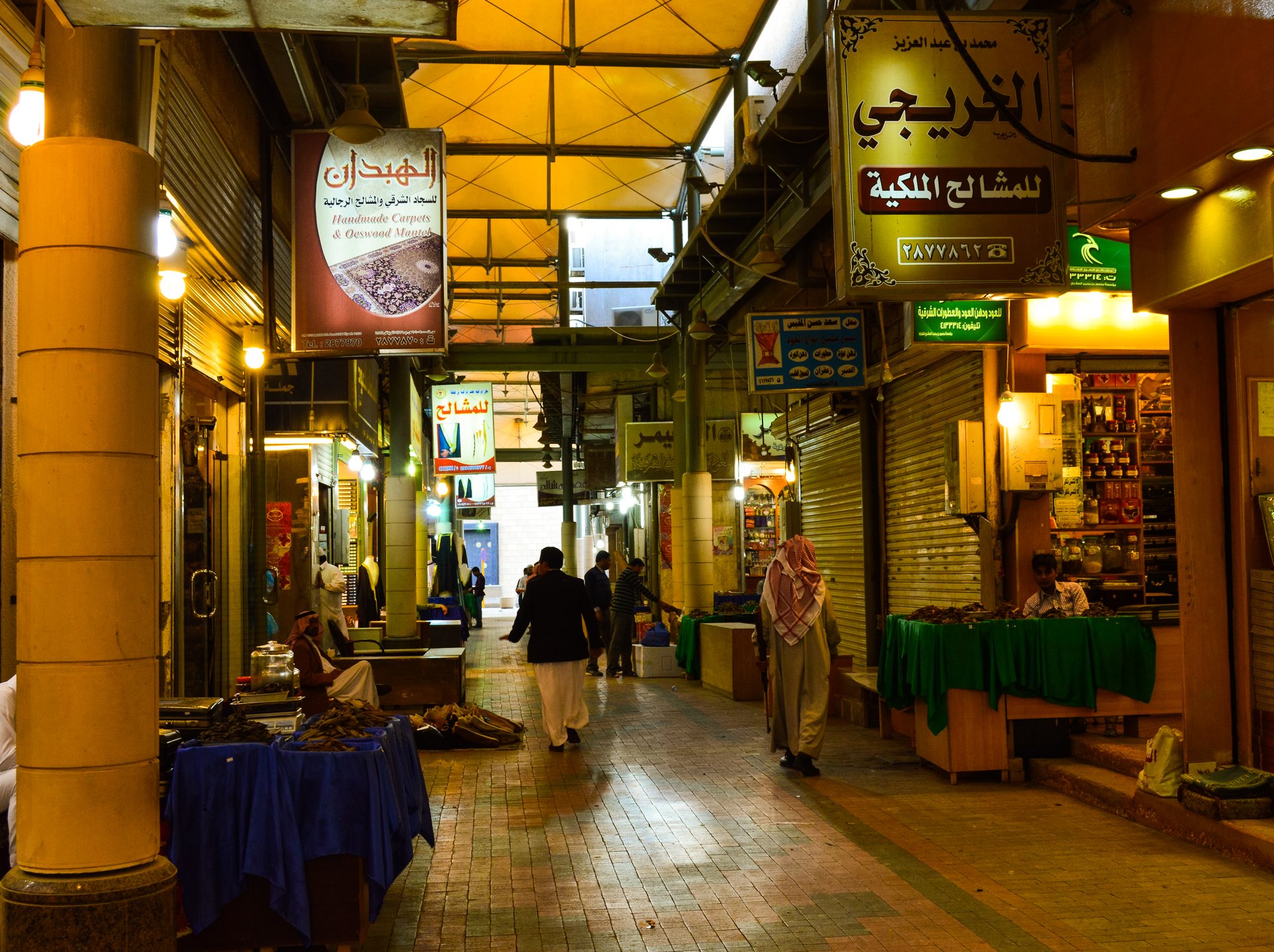

Few souvenirs capture the essence of Saudi Arabia quite like oud. Known as “liquid gold,” this intensely aromatic resin has been traded across the Arabian Peninsula for centuries, and the Kingdom remains one of the world’s largest consumers and connoisseurs of fine agarwood. Whether you are adding oud to a broader Saudi Arabia travel itinerary or flying in specifically to stock up, this guide walks you through exactly what to look for, where to shop, how much to pay, and how to avoid the counterfeits that plague the market. From the incense-filled alleyways of Riyadh’s Souq Al Zal to Jeddah’s historic Al Balad district, buying oud in Saudi Arabia is a sensory experience like no other.
Best Time to Visit: October to March (cooler weather for souq browsing; Ramadan and Hajj seasons see peak oud demand and higher prices)
Getting There: Riyadh (King Khalid International, RUH) and Jeddah (King Abdulaziz International, JED) are the main gateways. Souqs are centrally located in both cities.
Visa Required: Yes — tourist e-visa available for 63 nationalities
Budget: SAR 100–500 ($25–$130) for bakhoor and entry-level oils; SAR 1,000–8,000+ ($265–$2,100+) per tola for premium oud oil
Must-See: Souq Al Zal (Riyadh), Souq Al Alawi (Jeddah), Abdul Samad Al Qurashi flagship stores
Avoid: Buying expensive oud wood or oil from unknown street vendors without testing first — counterfeiting is widespread
What Is Oud and Why Does It Matter in Saudi Arabia?
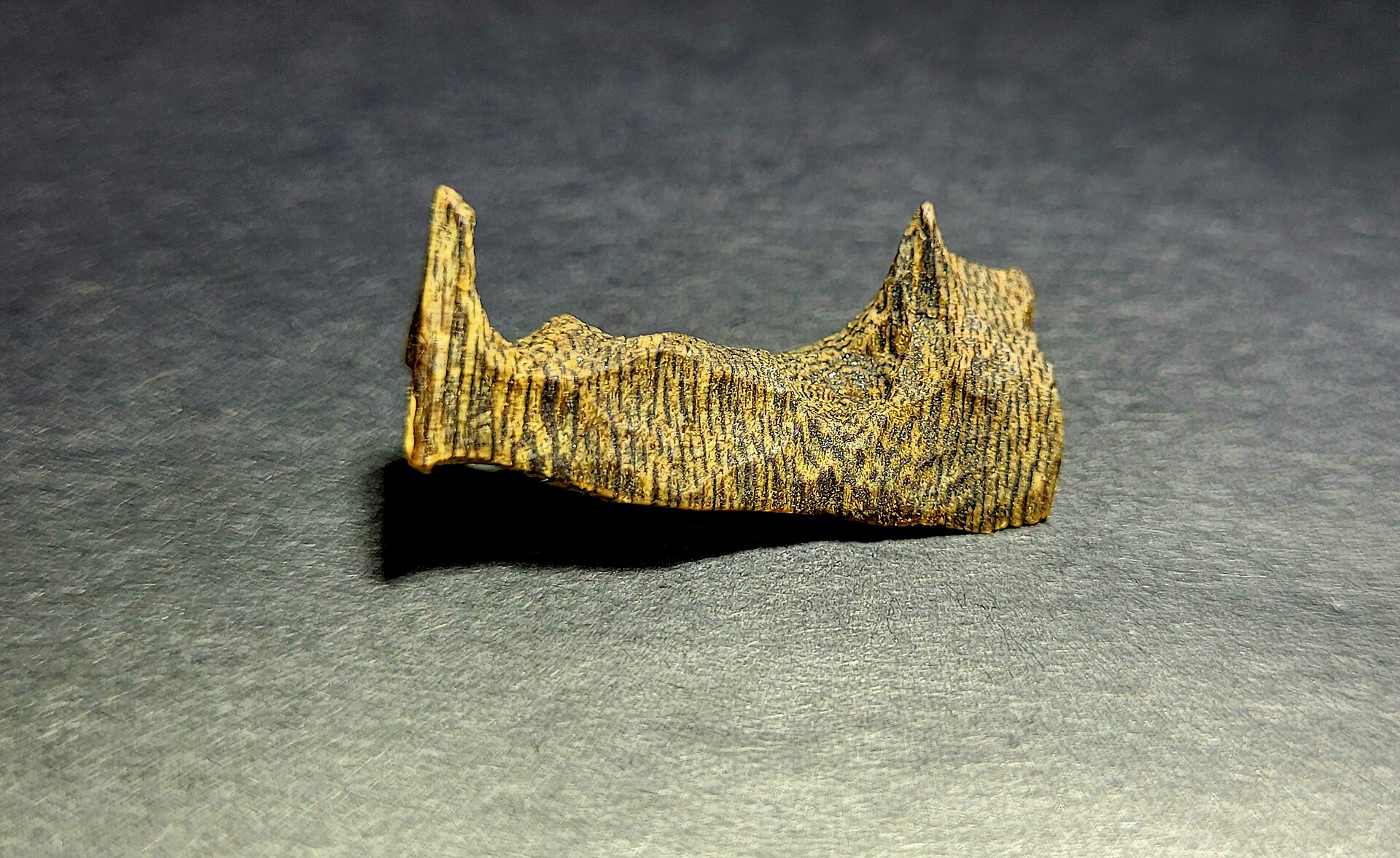
Oud — also spelled oudh and known internationally as agarwood — is a dark, fragrant resin that forms inside the heartwood of Aquilaria trees when they become infected with a specific type of mould. Only an estimated 2% of wild Aquilaria trees produce the resin naturally, which is why genuine oud ranks among the most expensive raw materials on earth, often exceeding the price of gold by weight.
In Saudi culture, oud is far more than a luxury fragrance. It is woven into daily life and social ritual. Burning bakhoor (oud-scented wood chips) to perfume the home before guests arrive is a fundamental act of hospitality. Applying oud oil before Friday prayers, weddings, and Eid celebrations is considered essential. The Kingdom imports more agarwood than any other country, with the Saudi fragrance market valued at over $4 billion annually.
For visitors, understanding oud before you shop is the difference between bringing home a genuinely special product and overpaying for synthetic imitations. This guide covers everything a first-time buyer needs to know.
The Four Forms of Oud You Can Buy
Walk into any oud shop in Saudi Arabia and you will encounter four distinct product categories. Each serves a different purpose, and prices vary enormously across all four.
Oud Oil (Dehn Al Oud)
Dehn Al Oud is pure oud oil extracted through steam or water distillation of agarwood chips. It is the most concentrated and expensive form. A single tola — the traditional unit of measure, equivalent to approximately 12 millilitres — can range from SAR 300 ($80) for lower-grade Cambodian or Indonesian origins up to SAR 8,000+ ($2,100+) for top-grade Indian or wild-harvested oud. The first distillation produces the richest, most complex oil; subsequent distillations yield progressively lighter grades. Apply a tiny dab to the wrist or behind the ear — genuine oud oil develops and evolves over hours, with top notes giving way to a deep, woody base.
Oud Wood Chips (Khashab Al Oud)
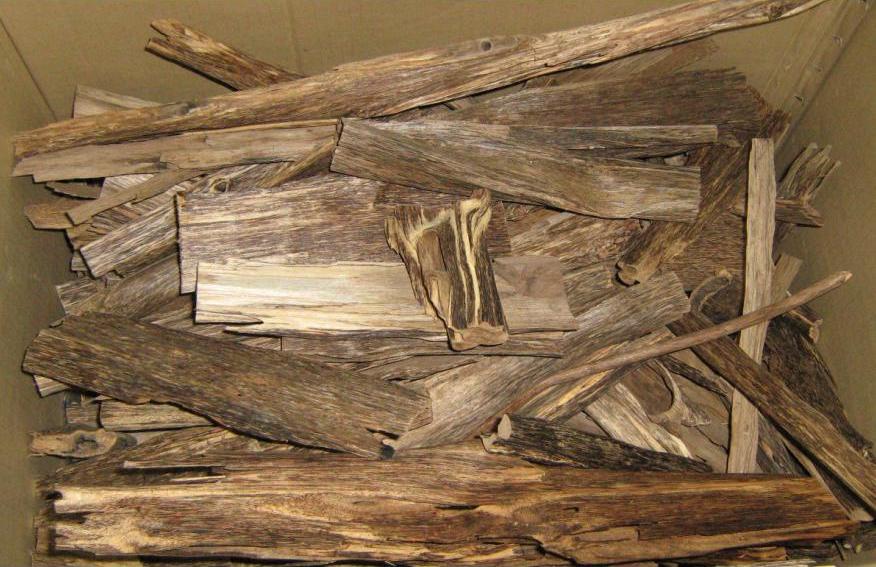
Raw agarwood chips are burned directly on charcoal or in an electric mabkhara (incense burner) to fragrance a room. Chips are graded by origin, resin density, and age. High-grade chips appear dark brown to black, feel heavy for their size, and sink in water due to resin saturation. A kilogram of oud wood ranges from SAR 2,000 to SAR 6,000 ($530–$1,600) for standard grades, with exceptional pieces commanding far more. Chips from India (Hindi oud) and Cambodia (Cambodi oud) are the most prized in Saudi markets.
Bakhoor
Bakhoor is the most accessible and affordable entry point. These are wood chips or compressed tablets that have been soaked in oud oil and blended with other aromatics — sandalwood, musk, rose, amber, and saffron are common additions. Bakhoor is burned in the home, at gatherings, and to scent clothing. Prices start from as low as SAR 30 ($8) for basic blends and can reach SAR 500+ ($130) for premium formulations. This is the product most visitors take home, and it makes an excellent gift. If you are exploring shopping in Saudi Arabia more broadly, bakhoor is a must-buy souvenir.
Mabthouth
Mabthouth is an oud paste made by grinding oud wood and mixing it with dehn al oud and flower oils. The paste is shaped into small balls or discs and burned on charcoal. It produces a thick, rich smoke and is a traditional choice for scenting the home during celebrations. Prices range from SAR 100 to SAR 500 ($25–$130) per box, depending on the oud grade used in the blend.
Where to Buy Oud in Riyadh
The capital is Saudi Arabia’s oud heartland, home to the country’s largest concentration of specialist dealers and the most competitive prices. If you are building a Riyadh travel itinerary, set aside at least half a day for oud shopping.
Souq Al Zal
Riyadh’s oldest market, established in 1901, is the essential first stop. Located in the Ad Dirah neighbourhood near Masmak Fortress, Souq Al Zal is a maze of narrow corridors filled with vendors selling agarwood chips, oud oil, bakhoor, antique incense burners, and traditional clothing. The oud section specifically is in the souq’s interior passages — look for the stalls with piles of dark wood chips displayed on tables. Vendors here will often let you burn and smell before buying. Visit in the late afternoon or early evening when the souq is at its busiest and the air is thick with competing oud smoke. Many vendors also sell vintage brass and silver mabkharas (incense burners), which make striking decorative pieces and functional souvenirs.
Souq Al Maigliah (Al Maigliah Market Center)
Located along King Faisal Road, Al Maigliah is Riyadh’s wholesale oud market and the destination for serious buyers seeking volume or rare grades. The market has an extremely diverse range of quality — from plantation-grade chips to premium wild-harvested wood. This is where experienced Saudi collectors shop, and an excellent place to learn by watching, asking questions, and comparing grades side by side. Prices here tend to be lower than in malls or branded boutiques, but the quality spectrum is wider, and distinguishing grades requires knowledge or a trusted guide.
Specialist Boutiques: Afaneen Al Oud, Alissa, Alsaloom
Riyadh has a number of reputable specialist oud houses where quality is curated and consistency is high. Afaneen Al Oud, Alissa for Oud, and Alsaloom are well-known names among local collectors. These shops cater to discerning buyers, and staff will walk you through origins, distillation methods, and grading. Expect to pay a premium over souq prices for the assurance of quality and provenance.
Souq Taibah
A modern covered market in the north of the city, Souq Taibah offers a less chaotic alternative to Souq Al Zal while still providing access to a wide range of oud oils, bakhoor, and traditional perfumes. It is especially popular during Ramadan and Eid.
Where to Buy Oud in Jeddah
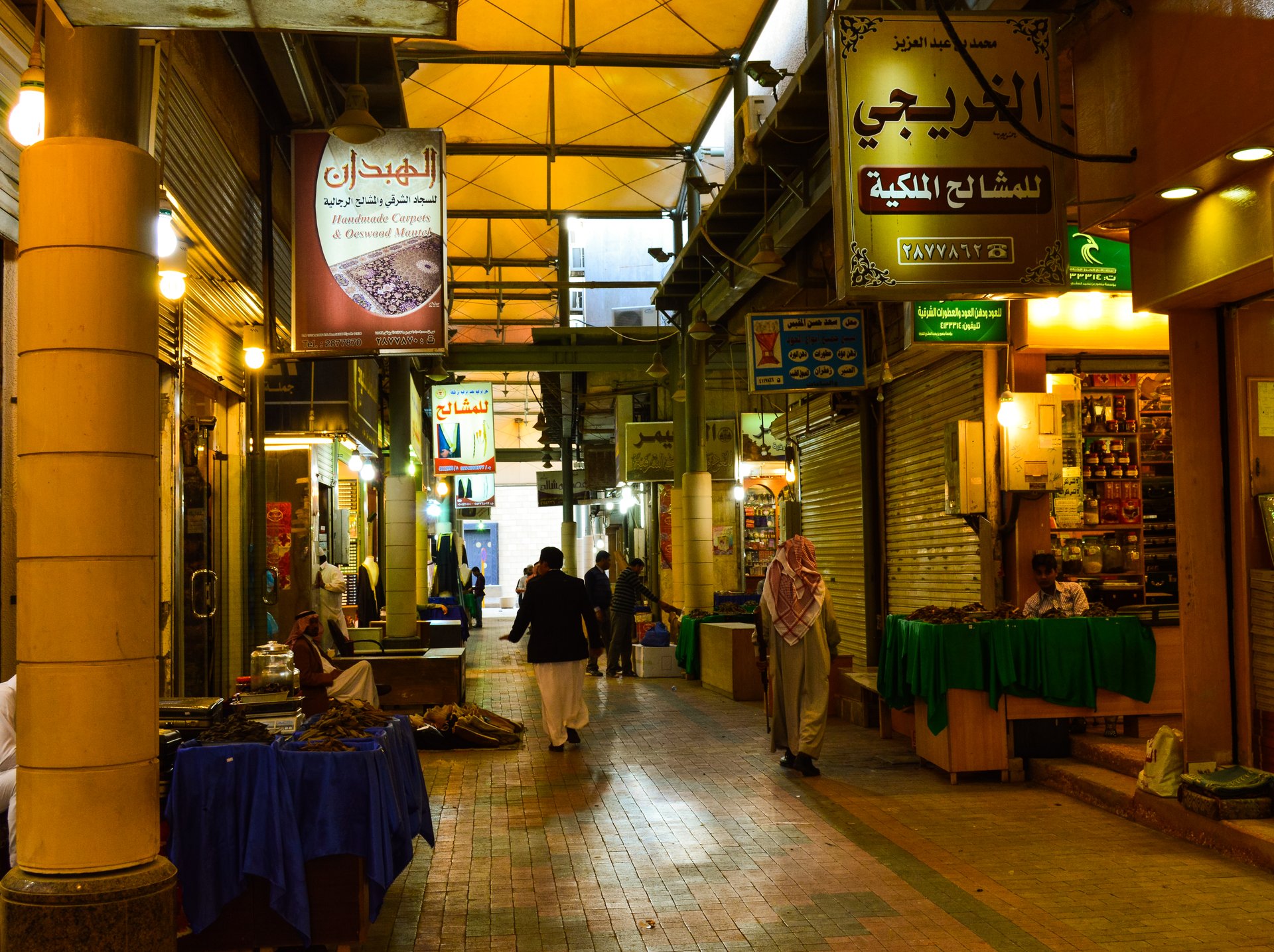
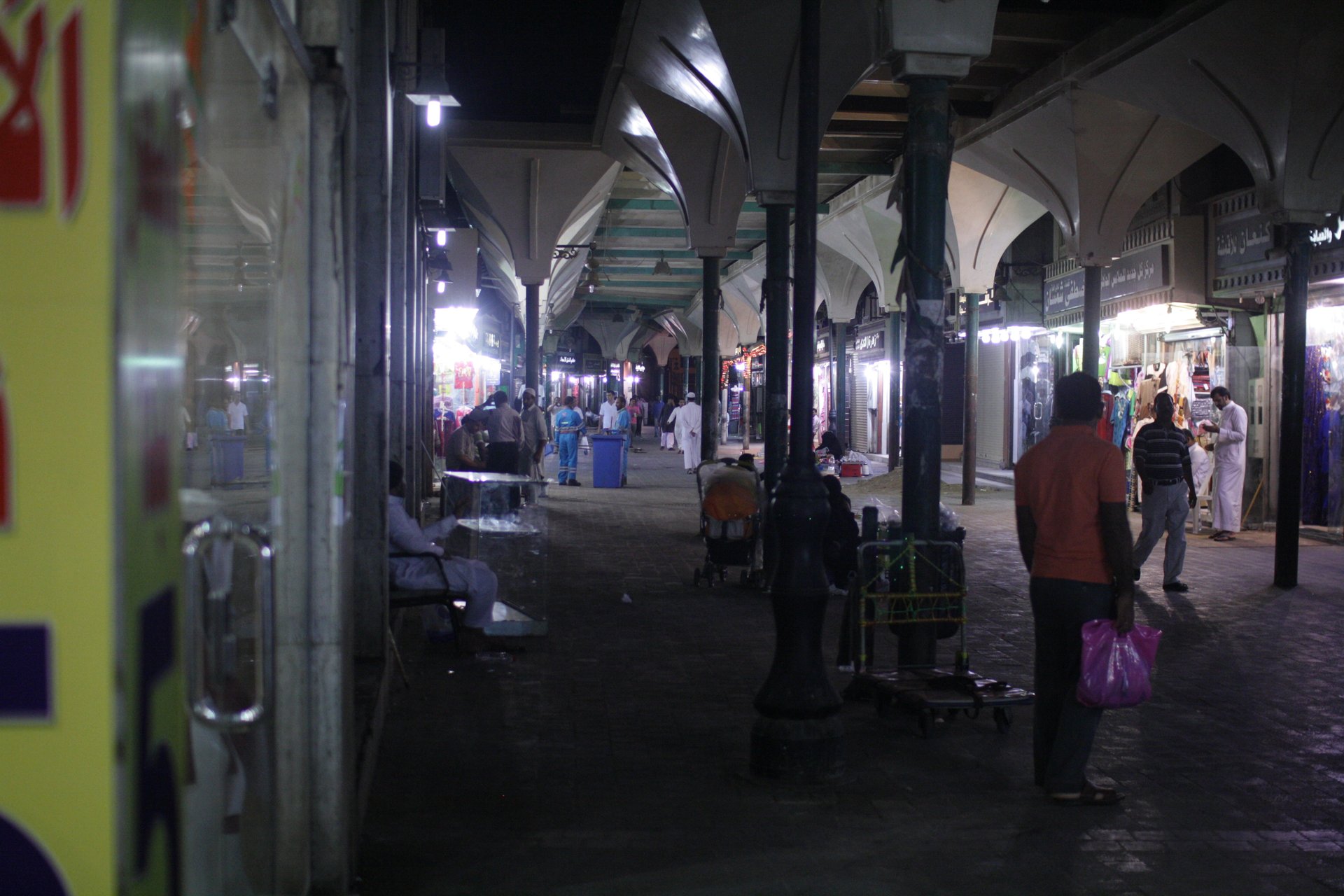
Jeddah’s oud market is deeply connected to the Hajj and Umrah trade, with centuries of pilgrims passing through the city and buying fragrances to take home. The historic Al Balad district, a UNESCO World Heritage Site since 2014, is the centre of the action.
Souq Al Alawi
The largest souq in Saudi Arabia, Souq Al Alawi stretches through the heart of Al Balad with stalls selling spices, textiles, handicrafts, jewellery, and — crucially — oud and attar. The perfume vendors are clustered together in a dedicated section, and the competition keeps prices reasonable. Haggling is expected. Walk slowly, ask to test oils on your skin, and compare before committing.
Souq Qabel (Gabel Street Souq)
Also located in Al Balad, Souq Qabel specialises in traditional clothing, perfume oils, and incense. The narrow streets are lined with coral-stone buildings, and the atmosphere is unmistakably old-world Arabian. This is one of the most atmospheric places to buy oud in the entire country.
Souq Al-Badu (Bedouin Souq)
A lesser-known market near the city’s first school, Souq Al-Badu tends to offer lower prices and a quieter shopping experience. The scent of frankincense and oud hangs in the air, and the vendors are generally less aggressive than in the larger souqs. A good option for visitors who prefer a more relaxed atmosphere.
Major Oud Brands in Saudi Arabia
If you prefer the assurance of a branded product, Saudi Arabia is home to several internationally recognised oud houses with flagship stores across the Kingdom.
Abdul Samad Al Qurashi
Founded in 1932 in Makkah — though the family’s involvement in the fragrance trade dates back to 1852 — Abdul Samad Al Qurashi is arguably the most prestigious oud house in Saudi Arabia. The founder spent just SAR 400 to open his first shop, and word of his premium attar spread rapidly among Hajj pilgrims. Today the family-run business operates over 500 stores worldwide and is valued at approximately $1 billion. Their flagship stores in Riyadh, Jeddah, and Makkah offer everything from entry-level bakhoor to museum-grade oud oils. Expect premium pricing, but the quality and provenance are beyond question.
Arabian Oud
The world’s largest Arabian fragrance retailer, Arabian Oud was founded in Riyadh in 1982 and now operates more than 1,000 outlets across 35 countries. Their product range spans accessible everyday fragrances (from SAR 100) through to their premium “Kambodi Super” and “Hindi Super” oud oils. Stores are found in virtually every major mall in Saudi Arabia. For first-time buyers, Arabian Oud is an excellent starting point — the staff are trained to explain oud to newcomers, and the product labelling is clear.
Ajmal Perfumes
A family-owned brand tracing its roots to a single oud trading post in India in 1951, Ajmal now has a significant presence across Saudi Arabia. Their strength is blending traditional oud with modern perfumery techniques. The “Dahn Al Oudh” line is particularly well-regarded.
How to Spot Fake or Low-Quality Oud
Counterfeiting is the biggest risk for first-time oud buyers. The profit margins on fake oud are enormous, and the techniques used to simulate quality have become increasingly sophisticated. Here is what to watch for.
Oud Oil Red Flags
- Too cheap: If a tola of “pure oud oil” costs less than SAR 200 ($55), it is almost certainly synthetic or heavily diluted. Genuine oud oil cannot be produced cheaply.
- No evolution: Apply oil to your wrist and wait 10–15 minutes. Real oud evolves — the scent shifts from initial sharp or medicinal top notes into a warm, woody, complex base. Synthetic oud smells the same from start to finish.
- Uniform colour: Natural oud oil ranges from pale gold to deep brown depending on origin and distillation. Artificially coloured oils tend to have an unnatural uniformity.
- Alcohol smell: Pure oud oil is alcohol-free. If you detect a sharp, chemical alcohol note, the product is an eau de parfum or synthetic dilution, not dehn al oud.
Oud Wood Red Flags
- Added weight: Lead or metal filings are sometimes inserted into low-grade chips to make them feel heavier and appear more resin-saturated. Break a chip open if possible — the interior should be consistent with the exterior.
- Dye: Low-quality wood is sometimes dyed dark to mimic high-grade resin saturation. Rub a chip against a white cloth — if colour transfers, the wood has been treated.
- Chemical smell when burned: Genuine oud wood produces a smooth, rich, evolving aroma. Treated wood produces an acrid, chemical edge.
Tip: The single most reliable fraud protection is buying from established, reputable sellers. In the souqs, ask other buyers or your hotel concierge for vendor recommendations. In branded stores, stick to well-known houses like Abdul Samad Al Qurashi, Arabian Oud, or Ajmal. The relationship between buyer and seller matters enormously in the Saudi oud trade — trust is the traditional quality guarantee.
Oud Price Guide
Oud pricing in Saudi Arabia varies enormously by product type, grade, and origin. The table below provides a practical reference for first-time buyers.
| Product | Entry Level | Mid Range | Premium |
|---|---|---|---|
| Bakhoor (per box/bag) | SAR 30–100 ($8–$25) | SAR 100–300 ($25–$80) | SAR 300–500+ ($80–$130+) |
| Mabthouth (per box) | SAR 100–200 ($25–$55) | SAR 200–350 ($55–$95) | SAR 350–500+ ($95–$130+) |
| Oud Oil / Dehn (per tola, ~12ml) | SAR 300–800 ($80–$215) | SAR 800–3,000 ($215–$800) | SAR 3,000–8,000+ ($800–$2,100+) |
| Oud Wood Chips (per kg) | SAR 2,000–3,000 ($530–$800) | SAR 3,000–6,000 ($800–$1,600) | SAR 6,000–20,000+ ($1,600–$5,300+) |
| Mabkhara / Incense Burner | SAR 50–200 ($13–$55) | SAR 200–800 ($55–$215) | SAR 800–5,000+ ($215–$1,300+) for antique/silver |
Note: Prices fluctuate based on seasonal demand. Oud prices typically peak during Ramadan, Eid al-Fitr, Eid al-Adha, and the Hajj season, when domestic demand surges. Shopping outside these peak periods — particularly October through February — often yields better prices.
Understanding Oud Origins and Grading
The origin of agarwood is the single biggest factor in its price and scent profile. Saudi buyers classify oud primarily by its country of origin.
Hindi Oud (Indian)
Considered the finest by most Saudi connoisseurs. Indian oud — particularly from Assam — is characterised by a deep, rich, animalic scent with leathery and barnyard notes. It is the most expensive origin and the traditional preference of the Arabian Peninsula. Wild-harvested Hindi oud has become extremely scarce due to decades of over-exploitation, driving prices to extraordinary levels.
Cambodi Oud (Cambodian)
The second most prized origin. Cambodian oud tends to be sweeter and more floral than Indian, with fruity and honey-like undertones. It is extremely popular in Saudi Arabia and commands high prices, though generally slightly below equivalent-grade Hindi oud.
Indonesian and Malaysian Oud
More widely available and more affordable than Hindi or Cambodi grades. Indonesian oud often has a green, herbal, slightly medicinal character. Malaysian oud tends toward warm, sweet, and woody. Both are common in the Saudi market, particularly for bakhoor and mid-range oils.
Plantation vs Wild-Harvested
The global supply of wild agarwood has been depleted so severely that Aquilaria species are now listed under CITES (the Convention on International Trade in Endangered Species). Most agarwood entering the market today comes from plantations in Southeast Asia where trees are deliberately inoculated with fungus to trigger resin production. Plantation oud is generally lighter and less complex than wild-harvested wood, but quality has improved dramatically. For most buyers — especially first-timers — plantation-origin oud from a reputable seller represents excellent value.
Practical Shopping Tips
Take Your Time
Experienced oud buyers in Saudi Arabia advise an extremely slow approach. Do not buy on your first visit to a souq. Instead, spend an hour or two browsing, smelling, asking questions, and comparing. Return the next day with a clearer sense of what you liked. Oud shopping rewards patience.
Test on Skin, Not Paper
Always apply oud oil to your skin and wait at least 10 minutes before judging. Oud interacts with body chemistry and evolves over time — what you smell on a test strip is not what you will smell on your wrist an hour later.
Haggle in Souqs, Not in Boutiques
In traditional souqs like Al Zal, Al Maigliah, and Al Alawi, haggling is expected. Opening offers from vendors are typically 30–50% above their actual selling price. In branded boutiques and mall stores, prices are fixed.
Carry Cash
While most branded stores accept cards, many souq vendors deal primarily in cash. Having Saudi riyals on hand gives you better bargaining leverage and avoids any card-surcharge games.
Buy a Mabkhara Too
A mabkhara (incense burner) is the vessel used to burn bakhoor and oud chips. Traditional brass or clay mabkharas are available throughout the souqs for as little as SAR 50 ($13). Electric mabkharas — which heat chips without charcoal and are more practical for home use — are widely available in malls for SAR 100–400 ($25–$105). Without a burner, your bakhoor and wood chips will sit unused.
Check Airline Regulations
Oud oil and bakhoor are permitted in checked luggage on all major airlines serving Saudi Arabia. Oud oil in containers under 100ml can be carried in hand luggage if sealed in a clear plastic bag in compliance with liquid restrictions. Raw oud wood chips have no liquid restrictions and can travel in either checked or carry-on bags. However, be aware that some countries — particularly Australia, New Zealand, and several EU states — have strict biosecurity rules on importing wood products. Check your destination country’s regulations before purchasing large quantities of wood chips.
Where Else to Find Oud in the Kingdom
While Riyadh and Jeddah are the primary oud shopping destinations, other Saudi cities offer their own experiences.
Makkah and Madinah
The holy cities have a long tradition of oud trade linked to the Hajj and Umrah pilgrimage. Shops near the Haram in both cities stock a wide range of oud products, though prices tend to be inflated due to captive demand from pilgrims. Abdul Samad Al Qurashi’s original shop is in Makkah.
Dammam and Al Khobar
The Eastern Province has a strong oud culture, with several specialist shops in the old city centres. Prices can be marginally lower than Riyadh due to less tourist traffic.
Taif
While Taif is best known for its rose farms and rose oil (another excellent fragrance souvenir), the city also has a small but reputable oud market. Some vendors offer unique oud-rose blends not commonly found elsewhere.
Oud Etiquette in Saudi Arabia
Understanding the cultural context of oud helps you appreciate your purchase and use it appropriately.
- Hospitality: Burning bakhoor when receiving guests is a sign of respect. If you are invited to a Saudi home and smell oud upon arrival, it was prepared in your honour.
- Fragrance before prayer: Applying oud oil before attending Friday prayers or visiting a mosque is considered good practice in Islamic tradition. The Prophet Muhammad is reported to have appreciated pleasant scent.
- Weddings and celebrations: Oud is an essential element of Saudi weddings, applied liberally by guests and used to perfume the venue.
- Gifting: A bottle of oud oil or a box of high-quality bakhoor is considered a thoughtful and prestigious gift in Saudi culture. If you are visiting Saudi friends or business contacts, oud makes an ideal offering.
Getting to Saudi Arabia
Saudi Arabia’s tourist e-visa is available to citizens of 63 countries and can be obtained online in minutes. The visa costs SAR 535 (approximately $143) including insurance and is valid for one year with multiple entries of up to 90 days each. Riyadh’s King Khalid International Airport (RUH) and Jeddah’s King Abdulaziz International Airport (JED) are the two main international gateways, both served by Saudi Arabia’s national carriers Saudia and flynas, as well as most major international airlines.
Tip: If you are visiting Saudi Arabia primarily for shopping, consider timing your trip for the Riyadh Season entertainment festival (typically October–March), which brings significant discounts at malls and markets across the capital. The cooler winter weather also makes souq browsing far more comfortable than the summer months when temperatures routinely exceed 45°C.
Explore More Saudi Arabia Travel Guides
- Saudi Arabia Travel Guide 2026 — The complete guide to visiting the Kingdom
- Saudi Arabia Shopping Guide — Best malls, souks, and what to buy across the country
- Riyadh Travel Guide 2026 — Explore the capital’s neighbourhoods, attractions, and markets
- Jeddah Travel Guide 2026 — Historic Al Balad, the Corniche, and Red Sea culture
- Saudi Arabia Visa Guide — Every visa type explained
- Hajj 2026 Guide — Planning your pilgrimage to Makkah and Madinah