
Saudi Arabia is rapidly becoming one of the most rewarding family road trip destinations in the Middle East. From the dramatic cliff edges south of Riyadh to the ancient sandstone tombs of AlUla and the cool highland forests of Asir, the Kingdom offers a network of well-maintained highways connecting landscapes that most families never imagined existed on the Arabian Peninsula. Whether you are building a week-long loop from Riyadh or a coastal escape from Jeddah, this guide — part of our comprehensive Saudi Arabia travel guide — covers the five best family routes, every practical detail you need to know about driving with children, and the stops that will keep everyone in the car happy.
Best Time to Visit: October to April (daytime highs 20–30°C on most routes)
Getting There: Fly into Riyadh (RUH), Jeddah (JED), or Dammam (DMM) and rent a car at the airport
Visa Required: Yes — tourist e-visa available online
Budget: USD 120–250 per day for a family of four (fuel, food, mid-range accommodation)
Must-See: Edge of the World, Elephant Rock in AlUla, Asir Highlands
Avoid: Driving in summer heat (June–August) outside the highlands; letting your fuel tank drop below a quarter in remote areas
Why Saudi Arabia Works for a Family Road Trip
Three things make Saudi Arabia unusually well suited for families on the road. First, fuel is extraordinarily cheap — petrol 91 costs SAR 2.18 per litre (about USD 0.58), meaning a full tank in a midsize SUV runs roughly USD 35. Second, the intercity highway network has been upgraded dramatically over the past five years, with dual carriageways, well-signed rest areas, and petrol stations at regular intervals on all major routes. Third, the country’s new tourism infrastructure — from the AlUla heritage resort ecosystem to the Asir mountain cable cars — is specifically designed to attract families, with children’s pricing, stroller-friendly pathways, and halal dining as standard.
Saudi roads are also exceptionally safe by regional standards. The Kingdom’s National Road Safety Programme has been upgrading intersections, barriers, and crash sites since 2024, and the major intercity expressways carry a 120–140 km/h limit with radar enforcement that keeps traffic disciplined.
Five Best Family Road Trip Routes
Route 1: Riyadh to AlUla via Hail (1,000 km)
This is the signature Saudi family road trip — a two-day drive north from the capital through the Nafud desert to the ancient Nabatean city of AlUla. Split the journey with an overnight stop in Hail, roughly halfway.
Day 1: Riyadh to Hail (640 km, ~6 hours)
- Diriyah (20 min from central Riyadh) — Start at the UNESCO-listed At-Turaif mud-brick palaces, the birthplace of the first Saudi state. The Bujairi Terrace has family-friendly restaurants and shaded walkways.
- Route 65 north — Flat, fast dual carriageway through the Nafud. Petrol stations every 50–100 km. Pack a cooler with snacks and water.
- Hail — Overnight in the city. Visit A’arif Fort at sunset for panoramic views. Hail is famous for its hospitality — look for local restaurants serving jareesh (cracked wheat porridge) and qursan (thin bread with broth).
- Jubbah Rock Art (1-hour detour from Hail) — A UNESCO World Heritage Site with Neolithic carvings of camels, ibex, and human figures dating back 10,000 years. Entry SAR 20. Kids love spotting the animal figures.
- Hegra / Mada’in Saleh — 111 monumental Nabatean tombs carved into sandstone, Saudi Arabia’s first UNESCO World Heritage Site. Guided tours run daily; book in advance at experiencealula.com.
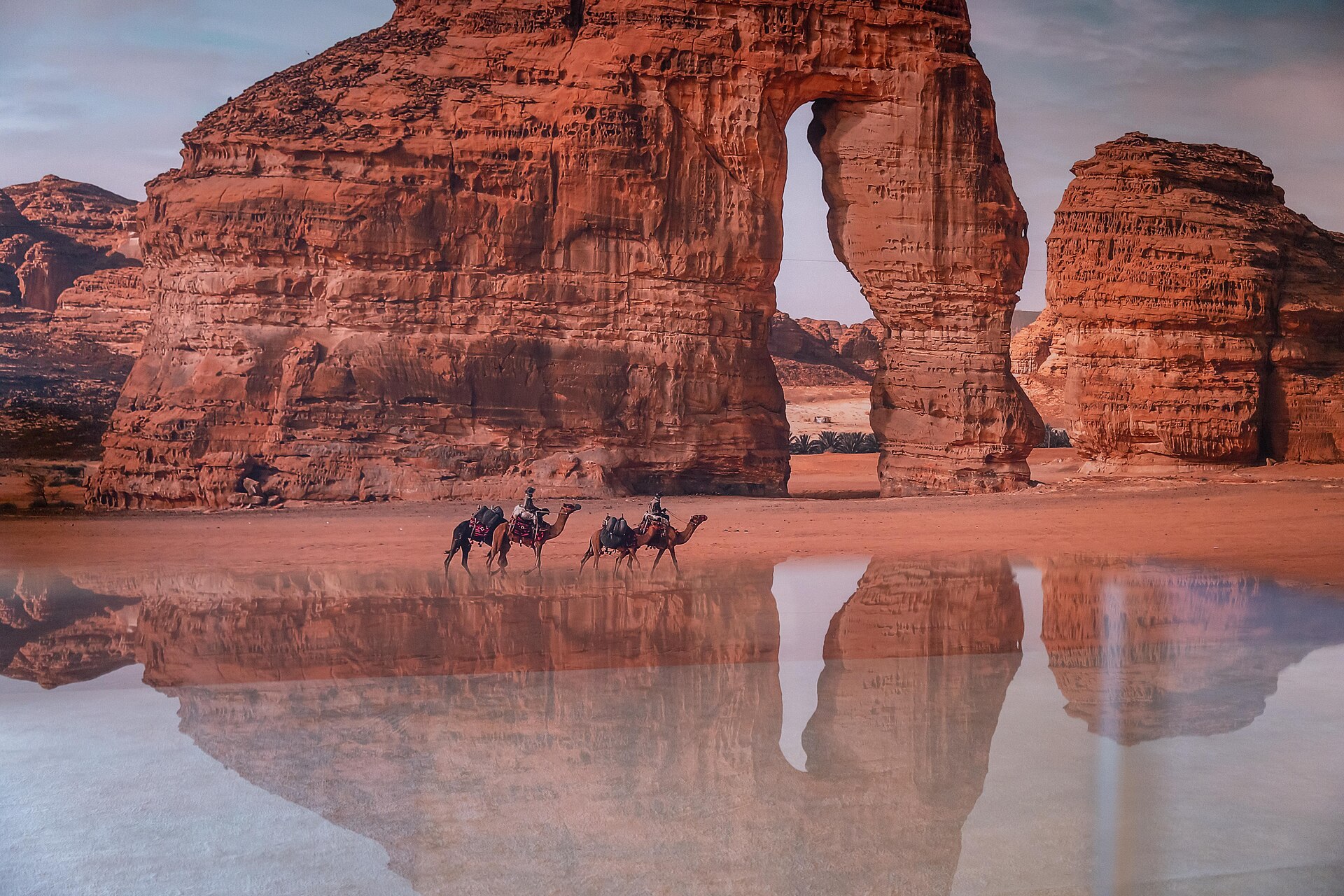
- Elephant Rock — The iconic natural sandstone formation is spectacular at sunset. The surrounding area has a café and seating — perfect for families.
- Al Hada Mountain Road (90 min from Jeddah) — A dramatic switchback ascent from sea level to 2,000 metres. Stop at Al Kar Tourist Village for a cable car ride with views across the escarpment. Children under 3 ride free.
- Taif (166 km from Jeddah) — The “City of Roses.” Visit the Taif Rose Festival (March–April) to see traditional rose-water distillation. Taif Zoo has lions, giraffes, and a dolphin show. Green Mountain Park offers free entry with a SAR 100 ride card for children.
- Al-Namas and Tanomah (midway stops) — Mountain villages with panoramic viewpoints and roadside grilled lamb. Good lunch stops.
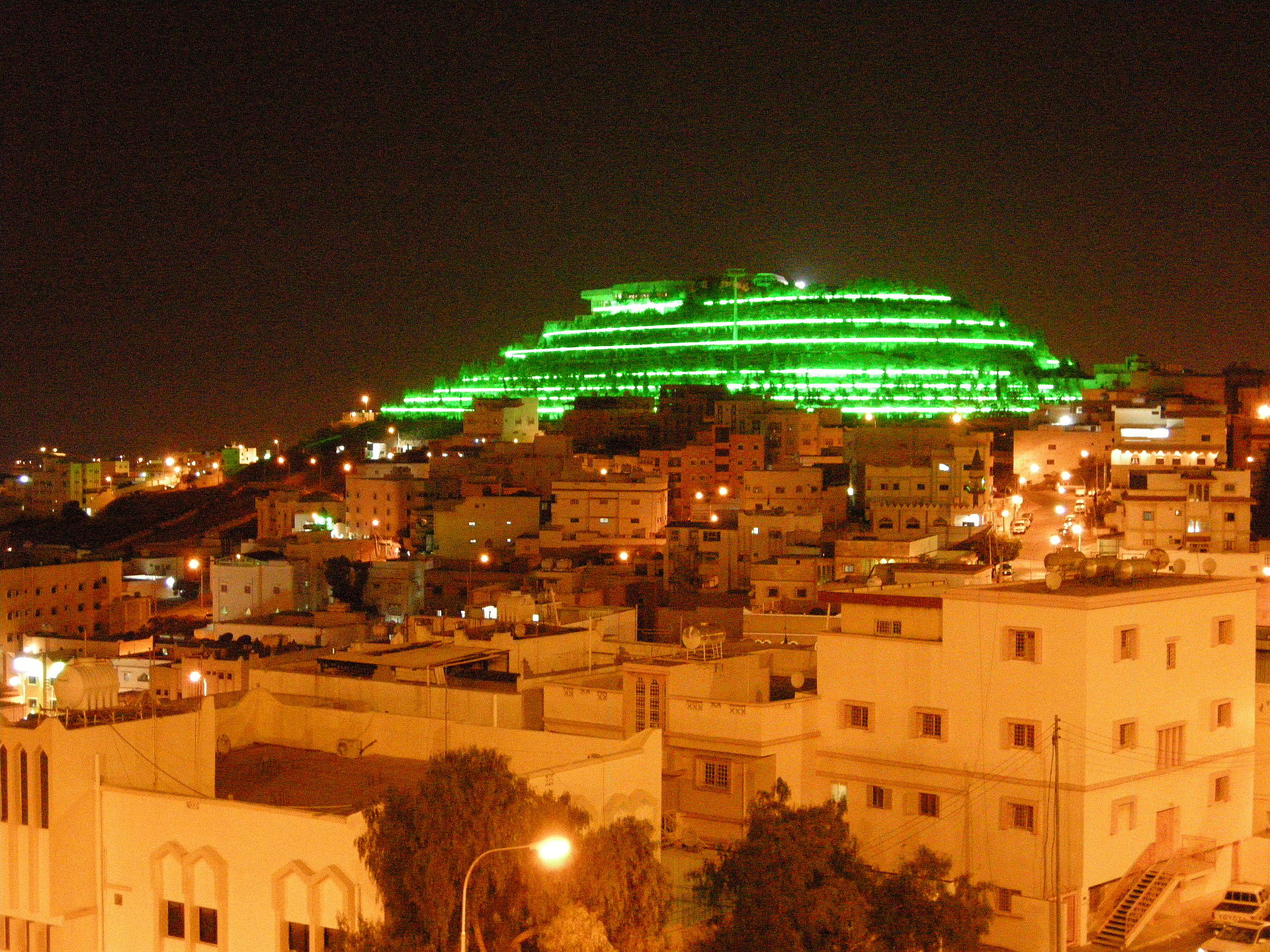
- Rijal Almaa Heritage Village — A UNESCO-listed cluster of multi-storey stone towers painted in vivid reds, yellows, and blues. One of the most photogenic stops in all of Saudi Arabia.
- Abha — Visit the Al Basta heritage district for traditional Asiri architecture and Art Street for local crafts. Take the cable car to Jabal Sawda (3,015 m), the highest point in Saudi Arabia — round trip ~SAR 80 for adults, SAR 50 for children.
- Habala Hanging Village — An ancient village accessible only by cable car, clinging to a cliff face. Open Thursday–Saturday in low season; daily in peak season.
- Half Moon Bay (30 min from Al Khobar) — A crescent-shaped shoreline with shallow, warm water that is perfect for toddlers and young children. Jet ski rentals, picnic areas, and beach camping available.
- SciTech (Al Khobar) — An interactive science centre with an aquarium, IMAX theatre, and hands-on exhibits. Allow 3–4 hours.
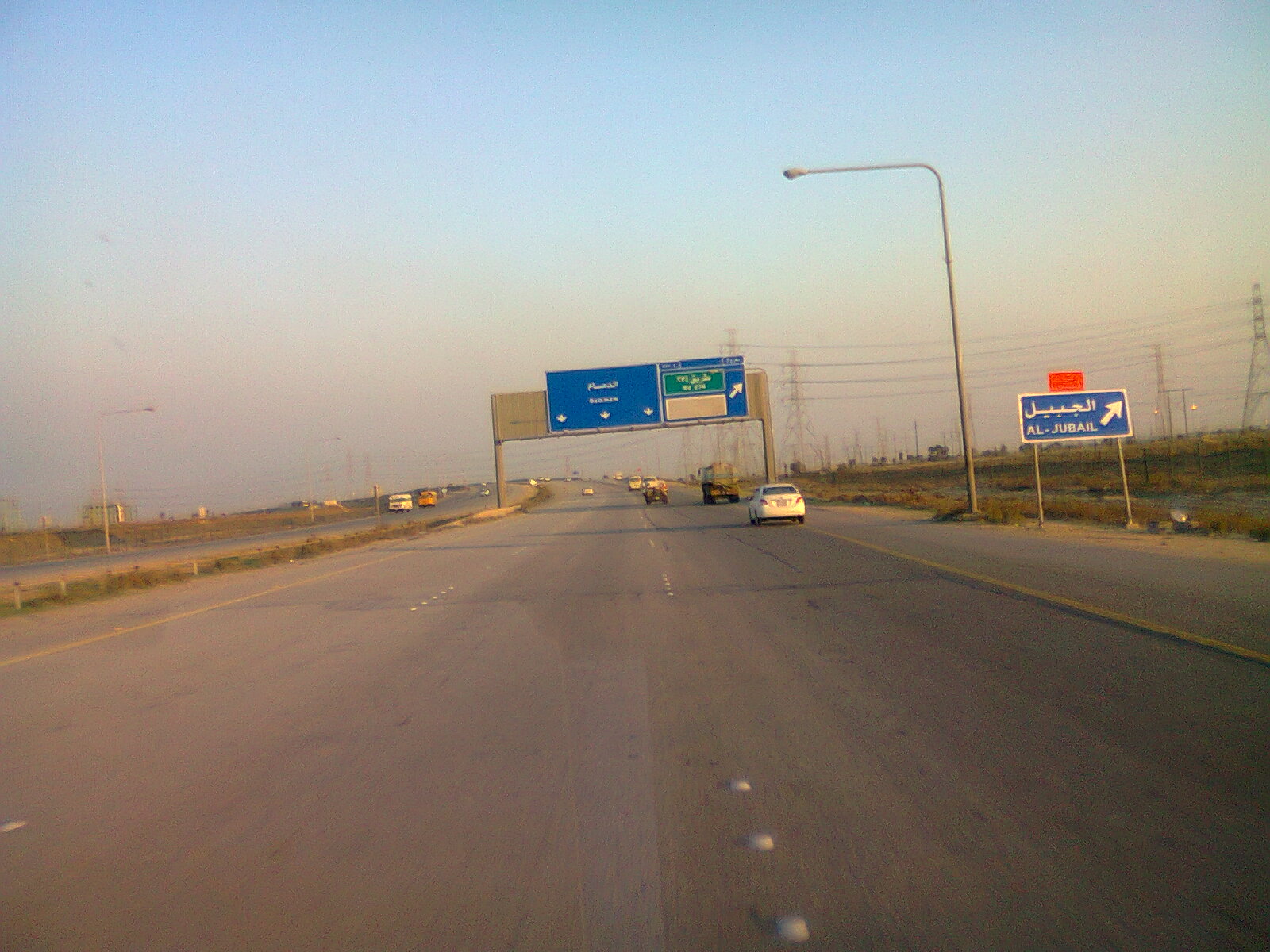
- Jubail (90 km north of Dammam) — Al Fanateer Beach has white sand, playgrounds, a cycling boardwalk, and boat rides. Al Nakheel Beach has inflatable water structures and ATV rentals.
- Al Ahsa (150 km south of Dammam) — The UNESCO-listed Al-Ahsa Oasis is the largest in the world, with 2.5 million date palms and natural springs. Al Qarah Mountain has caves and petroglyphs that fascinate children.
- Wadi Tayyb-Esm — A 5 km hike through a 600-metre-deep granite canyon to a freshwater pool. Suitable for children aged 8 and up with sturdy shoes.
- Magna — A seaside village with the Hasco Dive Centre, where families can try snorkelling on pristine Red Sea reefs.
- Ras Gasabah — A wrecked Catalina seaplane sitting on the beach for over 60 years. Children love exploring it.
- Sharma and the NEOM coast — Pristine beaches, turquoise water, and virtually no crowds. Basic beachfront accommodation available in Al Muweileh.
- Umluj — Known as the “Saudi Maldives” for its 100+ small islands and sheltered lagoons. Boat trips and snorkelling tours available.
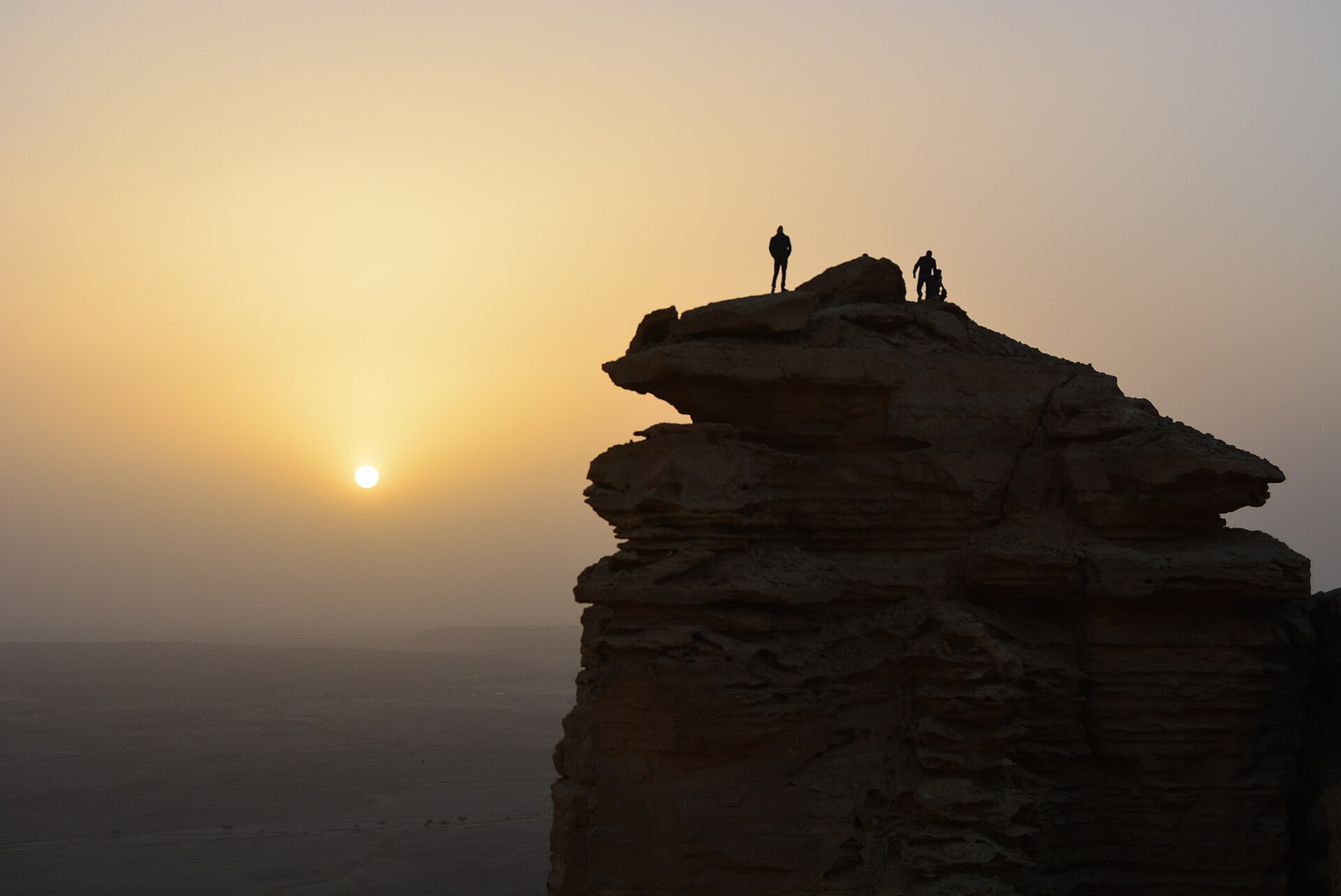
- Edge of the World (Jebel Fihrayn) — 90 km northwest of Riyadh. A dramatic 300-metre cliff overlooking an ancient seabed. The last 15 km is unpaved and requires a 4×4. Pack a picnic and arrive for late afternoon light.
- Six Flags Qiddiya City — Opened December 2025, this is Saudi Arabia’s flagship theme park with 22 rides across 8 themed zones, including Falcon’s Flight (the world’s tallest, fastest, and longest roller coaster). Adults SAR 325, children SAR 275, under-4 free.
- Ibex Reserve — 180 km south of Riyadh on the Tuwayq Escarpment. Spot Nubian ibex, Arabian mountain gazelle, and possibly Arabian wolves. A guided nature experience that older children love.
- Gasoline 91: SAR 2.18/litre (USD 0.58)
- Gasoline 95: SAR 2.33/litre (USD 0.62)
- Diesel: SAR 1.79/litre
- Children under 10 are not permitted in the front seat (fine SAR 300–500)
- All children under 12 who are shorter than 135 cm must use an appropriate child restraint system
- Car seats must be installed in rear passenger seats only
- Infants under 4 weeks should not be in car seats for more than 30 minutes at a time
- Water: Minimum 2 litres per person per driving segment. More in summer.
- Sun protection: Sunscreen, hats, sunglasses — even in winter, the desert sun is intense.
- Offline maps: Download Google Maps or Maps.me offline maps for your route. Mobile signal drops in remote desert areas, particularly between Hail and AlUla and along the Tabuk coast.
- Entertainment: Audiobooks, tablets, travel games. Stretches between towns can exceed 2 hours with nothing to see but sand.
- First aid kit: Including any prescription medications. Pharmacies in small towns may not carry what you need.
- Modest clothing: Women are no longer required to wear abayas, but conservative dress (shoulders and knees covered) is expected in public, particularly in smaller towns.
- Cooler box: Essential. Load it with cold water, fruit, and snacks at each city stop.
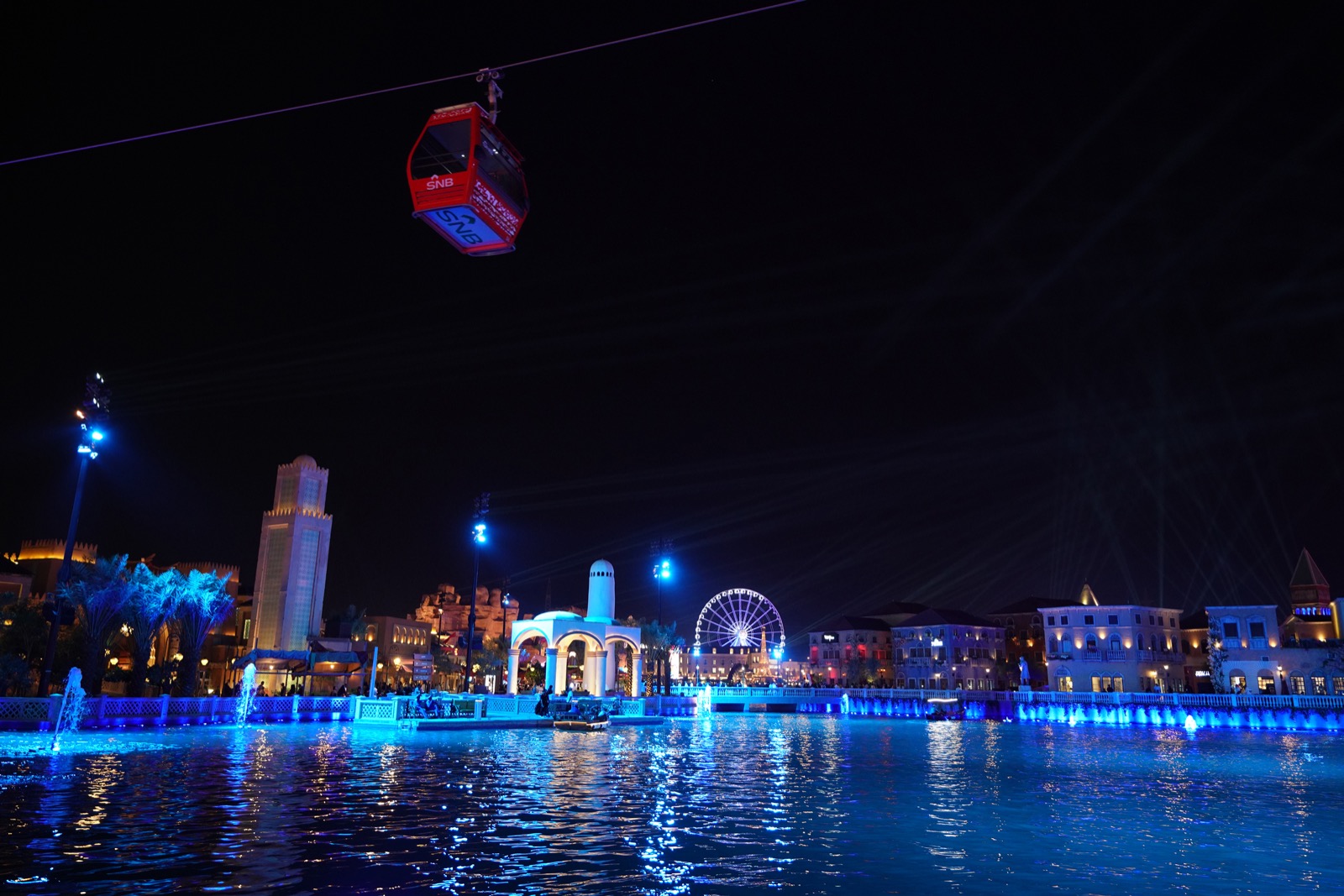
- Boulevard Riyadh City — A 900,000 sqm entertainment zone with districts themed after 24 countries, mini cable cars, character zones, and live entertainment. Open during Riyadh Season (October–March).
- Riyadh Zoo (Al-Malaz) — Over 1,300 animals including rare Arabian species. Shaded walkways and a dedicated children’s area.
- Six Flags Qiddiya City — The Kingdom’s flagship theme park (see Route 5 above).
- Al-Shallal Theme Park — Roller coasters, an Amazon-themed water ride, and an ice skating rink. A full-day family attraction.
- Fakieh Aquarium — Saudi Arabia’s only dedicated marine-life exhibit, with dolphin shows that captivate younger children.
- Jeddah Corniche — A 30 km waterfront promenade with playgrounds, cafés, and the King Fahd Fountain (the world’s tallest).
- SciTech (Al Khobar) — Interactive science museum with aquarium, IMAX theatre, and hands-on exhibits designed for children aged 4–14.
- Half Moon Bay — The Eastern Province’s best family beach (see Route 3 above).
- Coral Island (Dammam Corniche) — A man-made island in King Abdullah Park with walking paths, picnic areas, and views across the Gulf.
- Connecting rooms — Available at most international chains. Book directly with the hotel (not through third-party sites) to guarantee them.
- Serviced apartments — More common in Saudi Arabia than in most countries. Brands like Ascott and Fraser operate family-size units with kitchenettes in Riyadh, Jeddah, and Al Khobar. Significantly cheaper for longer stays.
- Highway rest houses — On major intercity routes, large petrol stations often have attached restaurants, prayer rooms, and basic rest facilities. Not suitable for overnight stays, but good for meal breaks.
- Drive on the right.
- No alcohol — ever. Saudi Arabia is completely dry. DUI carries a SAR 10,000 fine and 6-month licence suspension.
- Prayer times: Many shops and restaurants close during the five daily prayer times (15–30 minutes each). Plan fuel and food stops accordingly. Do not stop your car on the highway during prayer times — this is illegal and dangerous.
- Photography: Do not photograph military installations, government buildings, or people (especially women) without permission.
- Desert driving: If you leave paved roads, reduce tyre pressure to 20–22 PSI and carry a tow strap. Tell someone your route and expected return time. Mobile signal is unreliable off-road.
- Seatbelts: Mandatory for all passengers, all seats. Fines for non-compliance.
- Saudi Arabia Travel Guide 2026 — The complete guide to visiting the Kingdom
- AlUla Travel Guide — Ancient tombs, desert canyons, and luxury heritage resorts
- Abha and Asir Travel Guide — Cool highlands, hanging villages, and Saudi Arabia’s greenest landscapes
- Riyadh Travel Guide — The capital city’s best attractions, food, and day trips
- Tabuk Travel Guide — Northwest coast, NEOM, and the Gulf of Aqaba
- Dammam and Al Khobar Travel Guide — Eastern Province beaches, Al Ahsa Oasis, and family fun
- Edge of the World Guide — Riyadh’s most dramatic day trip
- Saudi Arabia Visa Guide — Every visa type explained
Day 2: Hail to AlUla (360 km, ~4 hours)
Family Tip: Book accommodation in AlUla well in advance during winter season (November–March). Options range from the luxury Habitas AlUla eco-lodge to the heritage-style Dar Tantora and the more affordable Shaden Resort.
Route 2: Jeddah to Abha via Taif (612 km)
This route climbs from the Red Sea coast into the Asir Highlands, Saudi Arabia’s greenest and coolest region. It is the one Saudi road trip that works even in summer, when Abha’s altitude keeps temperatures in the low 20s while the rest of the country bakes.
Route 3: Eastern Province Family Loop (Dammam–Jubail–Al Ahsa, ~400 km)
A shorter loop ideal for families based in the Dammam–Al Khobar area or those wanting a relaxed three- to four-day trip. The Eastern Province has Saudi Arabia’s best family beaches and the vast Al-Ahsa Oasis.
Route 4: Tabuk Coastal Drive (Tabuk–Sharma–Haql, ~300 km)
The northwest coast between Tabuk and the Gulf of Aqaba is Saudi Arabia’s most untouched coastline. The new Tabuk–Sharma Tourism Road has cut drive times dramatically, opening this region to family travellers.
Route 5: Riyadh Day Trips (Under 200 km Each Way)
If a multi-day trip is too ambitious with very young children, Riyadh has several outstanding day-trip options:
Practical Driving Guide for Families
Renting a Car
All three major airports (Riyadh, Jeddah, Dammam) have rental desks from international and local companies. For a family road trip, rent a midsize SUV — you will want the ground clearance for unpaved detours and the boot space for luggage, strollers, and coolers.
| Requirement | Detail |
|---|---|
| Minimum age | 21 years old |
| Licence | Valid national licence in English or Arabic; otherwise International Driving Permit required |
| Accepted without IDP | Saudi, GCC, US, Canadian, Australian, New Zealand, EU (Latin alphabet) |
| Passport validity | Minimum 6 months remaining |
| IDP validity | Must be valid for at least 3 months and translated into Arabic |
| Tolls | RFID-based Mawaddah system; rental cars typically include pre-registered tags |
Speed Limits and Fines
| Zone | Speed Limit |
|---|---|
| Residential / school zones | 40 km/h |
| Urban areas | 80 km/h |
| Standard highways | 120 km/h |
| Major expressways (4 routes) | 140 km/h (cars), 100 km/h (buses) |
Radar cameras are ubiquitous. Exceeding the limit by 28+ km/h triggers a SAR 900 fine and 4 black points on your licence. Stopping on highways — even during prayer times — carries a fine of up to SAR 3,000.
Fuel and Range
Saudi Arabia has some of the cheapest fuel in the world. Current prices (April 2026):
On major routes (Riyadh–Hail, Jeddah–Taif–Abha), petrol stations appear every 50–100 km. On remote routes (Tabuk coast, desert tracks near AlUla), gaps can stretch to 150+ km. The golden rule: never let your tank drop below a quarter.
Car Seats and Child Safety Laws
Saudi Arabia enforces child safety laws strictly. Car accidents are the leading cause of death for children aged 1–12 in the Kingdom, and enforcement has tightened significantly.
Tip: Most rental companies can provide child seats on request, but supply is limited — book in advance or bring your own. If you are flying in, most airlines allow you to check a car seat for free.
What to Pack
Family-Friendly Attractions by Region
Riyadh
Jeddah
Eastern Province
Accommodation Tips for Families
Saudi Arabia’s hotel network has expanded rapidly. IHG alone operates 47 properties across the Kingdom, and Marriott, Hilton, and Accor all have extensive portfolios. For families, look for:
Budget Tip: Accommodation prices drop 30–40% between July and September. If you are willing to brave the heat (or stick to the Asir Highlands), summer offers the best value. Book on Sundays for the lowest online rates.
Emergency Numbers and Roadside Assistance
Save these numbers before you leave:
| Service | Number |
|---|---|
| General Emergency / Civil Defence | 911 |
| Police | 999 |
| Ambulance / Saudi Red Crescent | 997 |
| Highway Patrol | 996 |
| Traffic Police (Muroor) | 993 |
| Fire Department | 998 |
Roadside assistance is typically included with major rental companies. Verify coverage before driving into remote areas — some companies limit assistance to paved roads, which matters if you are driving the last 15 km to the Edge of the World on an unpaved track.
When to Go — and When Not To
Best months: November to March. Daytime temperatures across most routes sit between 18–28°C, nights are cool (sometimes cold in the desert and highlands), and the skies are clear. This is also when AlUla’s Winter at Tantora festival runs, adding cultural events to the road trip.
Shoulder months: October and April. Still comfortable, and accommodation is easier to book. Expect daytime highs of 30–35°C in the desert.
Summer (June–August): Avoid unless you are heading exclusively to the Asir Highlands. Riyadh, AlUla, and the Eastern Province regularly exceed 45°C, making any outdoor activity with children dangerous. The one exception is Abha, where altitude keeps temperatures in the low 20s.
Driving timing: Start early — aim to be on the road by 6:30–7:00 AM. Complete the day’s driving by 2:00 PM in shoulder months, earlier in summer. The midday desert sun is not just uncomfortable; it can cause tyre blowouts on overheated asphalt.
Budget Breakdown for a Family of Four
| Category | Daily Cost (SAR) | Daily Cost (USD) |
|---|---|---|
| Rental car (midsize SUV) | 200–350 | 55–95 |
| Fuel (300 km/day average) | 60–80 | 16–22 |
| Accommodation (mid-range hotel) | 350–600 | 95–160 |
| Food (restaurants + snacks) | 200–350 | 55–95 |
| Attractions / entry fees | 50–150 | 14–40 |
| Total | 860–1,530 | 235–412 |
Fuel is the cheapest line item by far. A 300 km driving day in a midsize SUV (10 l/100 km at SAR 2.33/litre for 95 octane) costs roughly SAR 70 — about USD 19. This is what makes Saudi Arabia one of the most affordable road trip countries in the world.
Essential Rules of the Saudi Road
Suggested 7-Day Family Itinerary
This loop covers the Riyadh–AlUla route with Riyadh day trips on either end:
| Day | Route | Highlights |
|---|---|---|
| 1 | Arrive Riyadh | Diriyah At-Turaif, Boulevard Riyadh City |
| 2 | Riyadh day trip | Edge of the World (morning), Six Flags Qiddiya (afternoon) |
| 3 | Riyadh → Hail (640 km) | Early start, arrive Hail late afternoon, A’arif Fort at sunset |
| 4 | Hail → AlUla (360 km) | Jubbah Rock Art detour, arrive AlUla, Elephant Rock at sunset |
| 5 | AlUla full day | Hegra morning tour, AlUla Old Town, Dadan afternoon |
| 6 | AlUla → Riyadh (1,000 km) | Long drive or fly back (AlUla has a domestic airport) |
| 7 | Riyadh departure | Riyadh Zoo, last shopping at Kingdom Centre mall |
Pro Tip: If Day 6’s drive is too long for young children, fly from AlUla to Riyadh (1.5 hours, daily flights via Saudia and flynas) and return the rental car at AlUla airport. Rent a new car in Riyadh for Day 7 if needed.
Getting Your Visa
Most nationalities can obtain a Saudi tourist e-visa online in minutes. The visa costs SAR 535 (about USD 142) including insurance and is valid for one year with multiple entries of up to 90 days each. Children are included on family applications. Citizens of GCC countries do not need a visa.