
Riyadh is no longer just the administrative capital of Saudi Arabia — it is becoming one of the most consequential business destinations in the Middle East. With over 700 multinational companies establishing regional headquarters in the city since 2021, a fully operational driverless metro network, and the King Abdullah Financial District anchoring a skyline that changes by the quarter, business travellers arriving in 2026 will find a city mid-transformation. Whether you are attending a conference, meeting clients, or exploring procurement opportunities under Saudi Arabia’s Vision 2030 programme, this guide covers everything you need to navigate Riyadh professionally — from the right hotel district to the unwritten rules of Saudi business etiquette.
Best Time to Visit: October to March (cooler weather, peak business season; avoid Ramadan and Eid holidays)
Getting There: King Khalid International Airport (RUH) — direct flights from most major global hubs
Visa Required: Yes — tourist/business e-visa available for 60+ nationalities
Budget: $200–$600/day (mid-range to luxury hotels, dining and transport)
Must-See: KAFD skyline, Kingdom Centre sky bridge, Diriyah heritage quarter
Avoid: Scheduling meetings on Fridays (Islamic holy day — most offices closed)
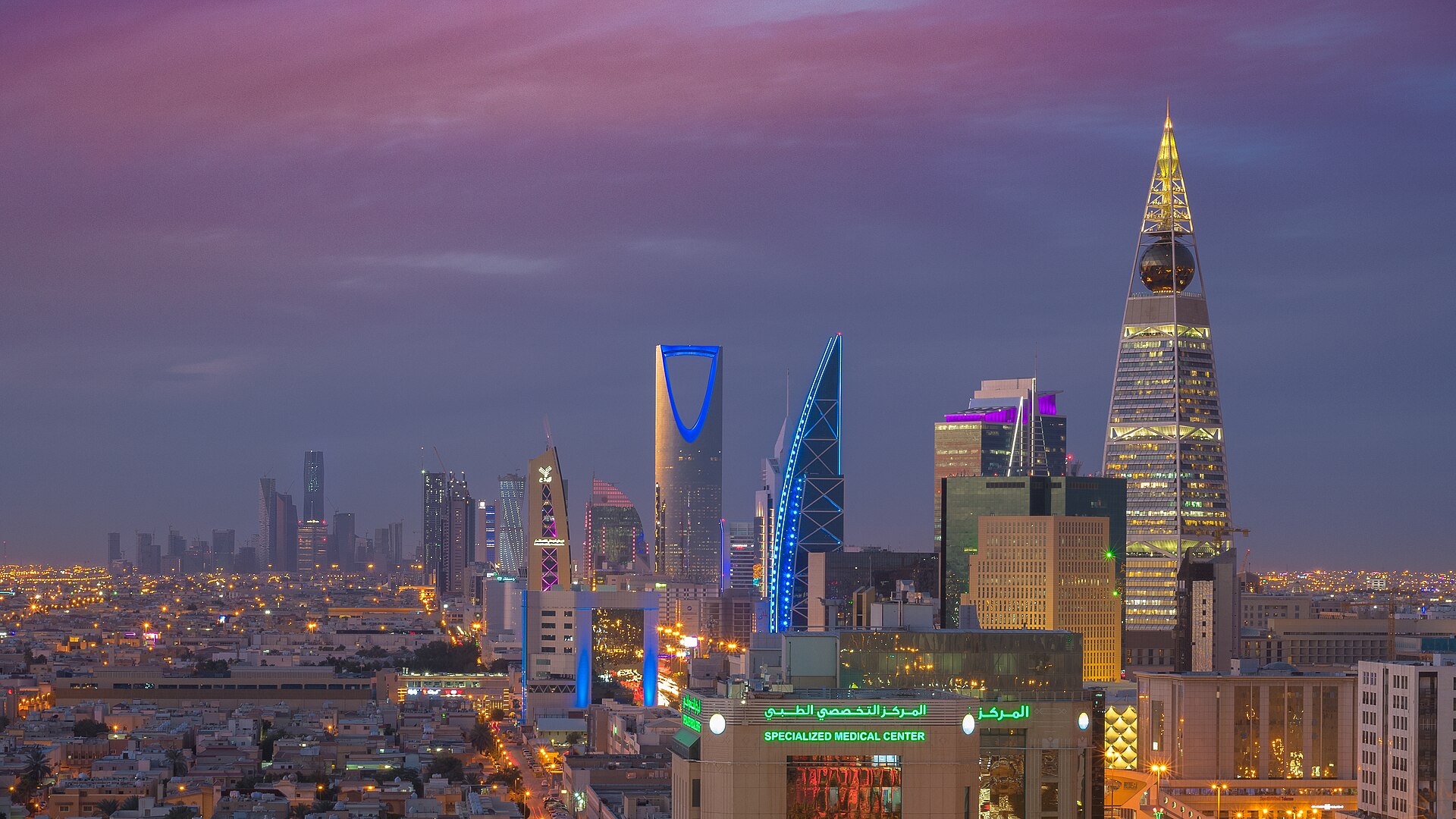
Riyadh’s Business Districts
Riyadh’s commercial geography has shifted dramatically since 2020. Three districts now dominate the business landscape, each with a distinct character and tenant profile. Understanding which district your counterparts work in — and choosing your hotel accordingly — can save hours of commuting in a city that sprawls across 1,500 square kilometres.
King Abdullah Financial District (KAFD)
KAFD is Riyadh’s premier financial address, located in the Al-Aqeeq neighbourhood in the north of the city. The complex comprises 95 buildings across 1.6 million square metres, holds LEED Platinum certification as the largest such mixed-use district in the world, and houses over 140 office tenants including Saudi Aramco, Goldman Sachs, BNP Paribas, PepsiCo, Pfizer, and FTI Consulting.
For visiting executives, KAFD’s most practical feature is its pedestrian skyway network — 15.46 kilometres of climate-controlled walkways linking all 95 buildings via 42 skywalks, a Guinness World Record holder since July 2025. In summer, when ground-level temperatures exceed 45°C, this infrastructure is not a luxury but a necessity. The district’s dedicated metro station on Line 4 (Yellow Line), designed by Zaha Hadid Architects, provides direct airport connectivity.
Coworking options within KAFD include Servcorp, The Executive Centre, and Regus, with day offices starting at approximately SAR 599 ($160) per person per day. Monthly hot desks begin at SAR 1,859 ($496).
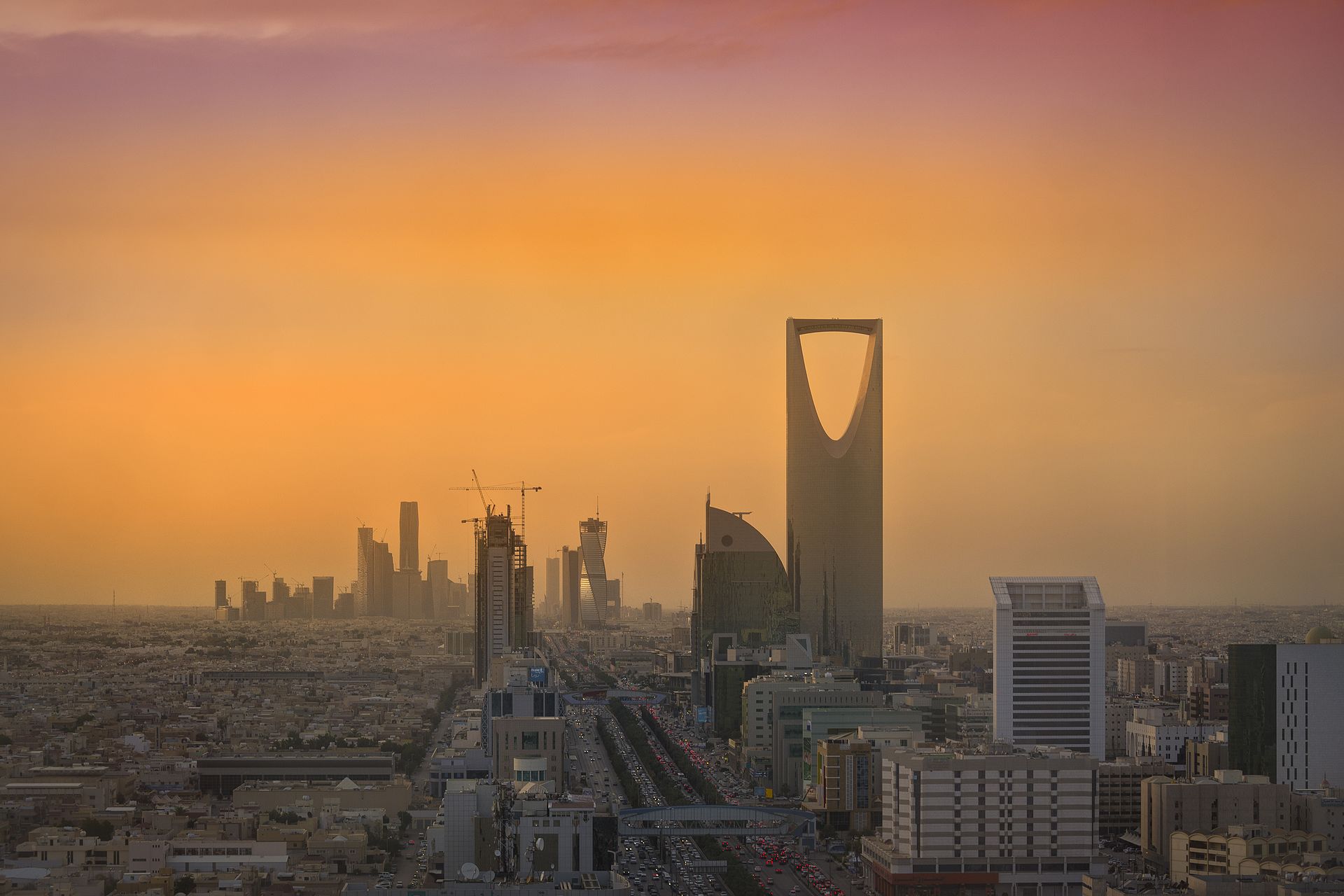
Al Olaya District
Running along King Fahd Road, Al Olaya is Riyadh’s traditional central business spine. Banks, consulting firms, law firms, and established corporate offices cluster here, with rents generally lower than KAFD. The area has dense restaurant, hotel, and retail infrastructure — the Kingdom Centre and Al Faisaliah towers are both in or adjacent to Olaya — making it practical for visiting executives who want everything within a walkable radius. Multiple metro stations serve the district on Line 2 (Orange, north-south along King Fahd Road).
The Diplomatic Quarter (DQ)
Spanning 800 hectares in the Al Safarat district, the DQ was established in 1978 to house foreign embassies and has evolved into an attractive mixed-use neighbourhood with 30 per cent of its area as parks and green space. The pace is quieter and more residential than KAFD or Olaya. For business travellers with government or embassy-related meetings, the DQ is the obvious base. The Marriott Diplomatic Quarter serves this area. The under-construction King Salman Park (16.7 square kilometres, projected to become the world’s largest urban park) borders the quarter.
Emerging: New Murabba and Diriyah
Two mega-developments are reshaping Riyadh’s future business geography. New Murabba, a 19-square-kilometre new downtown under construction north of the city centre, will house 25 million square metres of built space by 2030, including “The Mukaab,” a massive cube-shaped centrepiece. Diriyah Gate, a $63 billion heritage and hospitality hub ten minutes from central Riyadh, is becoming the city’s premier client entertainment destination. Neither is complete, but both are generating significant procurement opportunities for international firms.
Where to Stay: Hotels for Business Travellers
Riyadh’s hotel market has expanded significantly to absorb the influx of business visitors. The properties below are chosen specifically for meeting facilities, executive amenities, and proximity to commercial districts.
| Hotel | District | Nightly Rate (USD) | Best For |
|---|---|---|---|
| Four Seasons at Kingdom Centre | Al Olaya | $400–$700+ | Senior executives, client entertainment |
| The Ritz-Carlton Riyadh | DQ-adjacent | $275–$430 | Large events, conferences, government meetings |
| Mandarin Oriental Al Faisaliah | Al Olaya | $300–$365 | Discreet luxury, panoramic dining |
| JW Marriott (Burj Rafal) | City centre | $350+ | Modern facilities, airport shuttle |
| Hyatt Regency Riyadh Olaya | Al Olaya | $200–$300 | Mid-senior, value-conscious business travel |
| Marriott Diplomatic Quarter | DQ | $180–$280 | Embassy and government meetings |
Four Seasons Hotel Riyadh at Kingdom Centre
Occupying floors 30 to 50 of the iconic Kingdom Centre tower — the tallest building in Riyadh, recognisable by its sky bridge — the Four Seasons is the most prestigious business address in the city. Its 276 rooms include six restaurants: Café Boulud (by Daniel Boulud, a top-tier business dining venue) and the ultra-intimate ten-seat Julien chef’s table, both ideal for hosting senior clients. The hotel connects directly to Kingdom Centre Mall and the sky bridge observation deck.
The Ritz-Carlton, Riyadh
Set on 52 acres of landscaped gardens adjacent to the King Abdulaziz Convention Centre, the Ritz-Carlton offers 62,000 square feet of event and meeting space across multiple ballrooms and breakout rooms — making it the default choice for large corporate events and conferences. The architecture recalls a traditional Saudi palace with arched doorways and marble halls. Six restaurants and a full-service spa serve guests. Room rates start from approximately $275 per night.
Mandarin Oriental Al Faisaliah
Located within the Al Faisaliah Centre in Olaya, this property (formerly the Al Faisaliah Hotel) offers 325 rooms with 24-hour butler service. Its signature venue is The Globe, a restaurant set within the iconic teardrop globe atop Al Faisaliah Tower, offering panoramic city views — an impressive setting for important business dinners.
Tip: Most five-star hotels in Riyadh offer well-equipped business centres and bookable meeting rooms. If you are in the city for a day or two without office space, the Ritz-Carlton’s business centre and KAFD’s coworking options are the strongest alternatives to renting a serviced office.
Saudi Business Etiquette: The Unwritten Rules
Saudi Arabia’s business culture blends rapid modernisation with deeply held traditions. Getting this balance right — showing respect for customs without being patronising — is the single most important skill a visiting executive can develop.
Dress Code
Men: Western business suits are fully standard in KAFD and international company offices. Conservative dress (long sleeves, no shorts) is expected everywhere. Saudi nationals typically wear the traditional thobe (white ankle-length robe) with ghutrah (head covering). A suit with a tie is always safe; business casual (collared shirt and trousers) is increasingly accepted in international firms.
Women: Foreign businesswomen are not required to wear the abaya or headscarf since regulations relaxed in 2019. However, modest dress remains strongly advisable — loose-fitting clothes covering arms and legs. In traditional or government-adjacent settings, an abaya is still a respectful choice. KAFD and international hotel environments are more relaxed.
Greetings and Introductions
- Men greet men with a handshake, eye contact, and a warm smile. The handshake may be prolonged — do not rush it.
- With Saudi women, wait for them to initiate any physical greeting. Many professional Saudi women in international companies shake hands; others will not. Never presume.
- The standard greeting is “As-Salamu Alaykum” (peace be upon you), answered with “Wa Alaykum As-Salam.” Using this earns immediate goodwill.
- Greet in order of seniority — the most senior person first.
- Avoid using the left hand for handshakes, business cards, or eating.
- Riyadh Metro (Line 4 / Yellow Line): Direct connection from the airport to KAFD and downtown. Journey time approximately 35 minutes. Fare: SAR 4 (~$1.07). Best for solo travellers with light luggage.
- SAFWA Green Taxis: The official airport taxi service. Card payment only (no cash). Typical fare to city centre: approximately SAR 100 ($27).
- Uber / Careem / Jeeny: All three ride-hailing apps operate from airport pickup zones. Download before arrival. Fares typically slightly below SAFWA taxis.
- Private transfers: Blacklane and hotel car services operate in Riyadh. The JW Marriott offers an airport shuttle (SAR 160 one-way).
- Line 1 (Blue): East-west corridor along King Abdullah Road
- Line 2 (Orange): North-south along King Fahd Road through Olaya — the heart of the business district
- Line 4 (Yellow): Airport to KAFD and southward — essential for airport-to-office direct travel
- Zuma Riyadh — Named Restaurant of the Year 2025 by Time Out Riyadh. Japanese contemporary with robata grill and sushi counter. Sophisticated atmosphere suited to mid-to-senior executive dinners. SAR 200–500+ per person.
- La Petite Maison (LPM) — French Mediterranean / Niçoise cuisine. Part of the LPM international group (London, Dubai, Miami). Refined but relaxed — ideal for long business lunches with international clients.
- Carbone Riyadh — Italian-American fine dining at Mansard Riyadh, a Radisson Collection Hotel. Dim, luxe interiors suited to intimate business dinners.
- Café Boulud (Four Seasons) — Daniel Boulud’s accessible fine dining, ideal for hotel-based business meals. The adjacent ten-seat Julien chef’s table requires advance booking.
- The Globe (Mandarin Oriental Al Faisaliah) — Modern European cuisine with panoramic views from the iconic teardrop globe. The most dramatic setting in Riyadh for an important dinner.
- Restaurants: 10–15 per cent for good service unless a service charge is included
- Hotel porters: SAR 10 per bag at luxury properties
- Housekeeping: SAR 10–15 per night
- Ride-hailing: Not required; rounding up is appreciated
- Saudi Founding Day: 22 February
- Eid Al-Fitr: Three days (dates shift annually — late March in 2026, often extended)
- Eid Al-Adha: Four days (approximately May/June — follows the lunar calendar)
- National Day: 23 September
- Saudi Arabia Travel Guide 2026 — The complete guide to visiting the Kingdom
- Saudi Arabia Visa Guide — Every visa type explained, including business e-visas
- Riyadh Self-Guided Walking Tour — Old quarter to modern skyline on foot
- National Museum of Saudi Arabia — Tickets, exhibits, and visitor tips
- Best Luxury Spas in Riyadh — Top hotels for relaxation after a long day of meetings
- Diriyah Gate Development — What to visit now and what is coming
- Saudi Arabia Giga-Projects Explained — NEOM, Diriyah, Red Sea, and Roshn
Meetings and Decision-Making
Punctuality is expected from foreign visitors. Saudi counterparts may arrive late — this is culturally normal and should not be interpreted as disrespect. Meetings typically open with Arabic qahwa (cardamom-spiced coffee served in small handleless cups) or tea, followed by a period of small talk before business begins. This is relationship-building, not wasted time.
Decision-making is hierarchical and centralised. The most senior person in the room holds decision authority. Do not attempt to bypass hierarchy by cultivating relationships solely with junior staff. Business cards should be exchanged with the right hand; having one side printed in Arabic is appreciated but not required.
Wasta: The Role of Personal Connections
Wasta — loosely translated as “connections” or “influence” — is a foundational institution in Saudi business culture rooted in tribal tradition. It functions as social capital: access to decision-makers, faster approvals, contract opportunities, and problem resolution all flow through established personal relationships. For foreign businesses, cultivating local partners or intermediaries with strong wasta is a competitive necessity, not an optional extra. Networking events at KAFD and introductions through chambers of commerce (AmCham, British-Saudi Business Council) are practical entry points.
The Working Week
The official Saudi workweek runs Sunday through Thursday. Friday and Saturday are the weekend. Friday is the Islamic holy day — most businesses are closed entirely. Standard office hours are approximately 9:00 am to 1:00 pm and 4:30 pm to 8:00 pm, though many international companies in KAFD operate continuously from 9:00 am to 6:00 pm. For international scheduling, Monday to Thursday mornings are the optimal window.
Ramadan note: During Ramadan (dates shift annually — approximately mid-February to mid-March in 2026), public-sector hours compress to five hours (10:00 am to 3:00 pm). Eating, drinking, or smoking in public during daylight hours is forbidden. Business dinners shift to after iftar (sunset). Government processing slows significantly. Schedule trips outside Ramadan when possible.
Gift-Giving
Gifts are appropriate but follow rules: avoid alcohol, pork products, or items with religious iconography. Quality items from your home country — specialty food, branded corporate gifts, well-chosen books — are received well. Gifts are often not opened in front of the giver. Do not present excessively lavish gifts at a first meeting, as this can create unwanted obligation or appear as attempted bribery — a sensitivity heightened since the 2017 anti-corruption drive.
Useful Arabic Phrases
| Phrase | Pronunciation | Meaning |
|---|---|---|
| As-Salamu Alaykum | as-sa-LAA-mu a-LAY-kum | Peace be upon you (standard greeting) |
| Shukran | SHOOK-ran | Thank you |
| Min fadlak / Min fadlik | min FAD-lak (m) / min FAD-lik (f) | Please |
| Inshallah | in-SHA-allah | God willing (can mean genuine intention or polite deflection) |
| Marhaba | MAR-ha-ba | Hello (informal) |
| Yalla | YAL-la | Let’s go / come on |
Getting Around Riyadh
From King Khalid International Airport (RUH)
Riyadh’s main airport sits approximately 35 kilometres north of the city centre. All major international carriers serve it across five terminals. You have four main transport options:
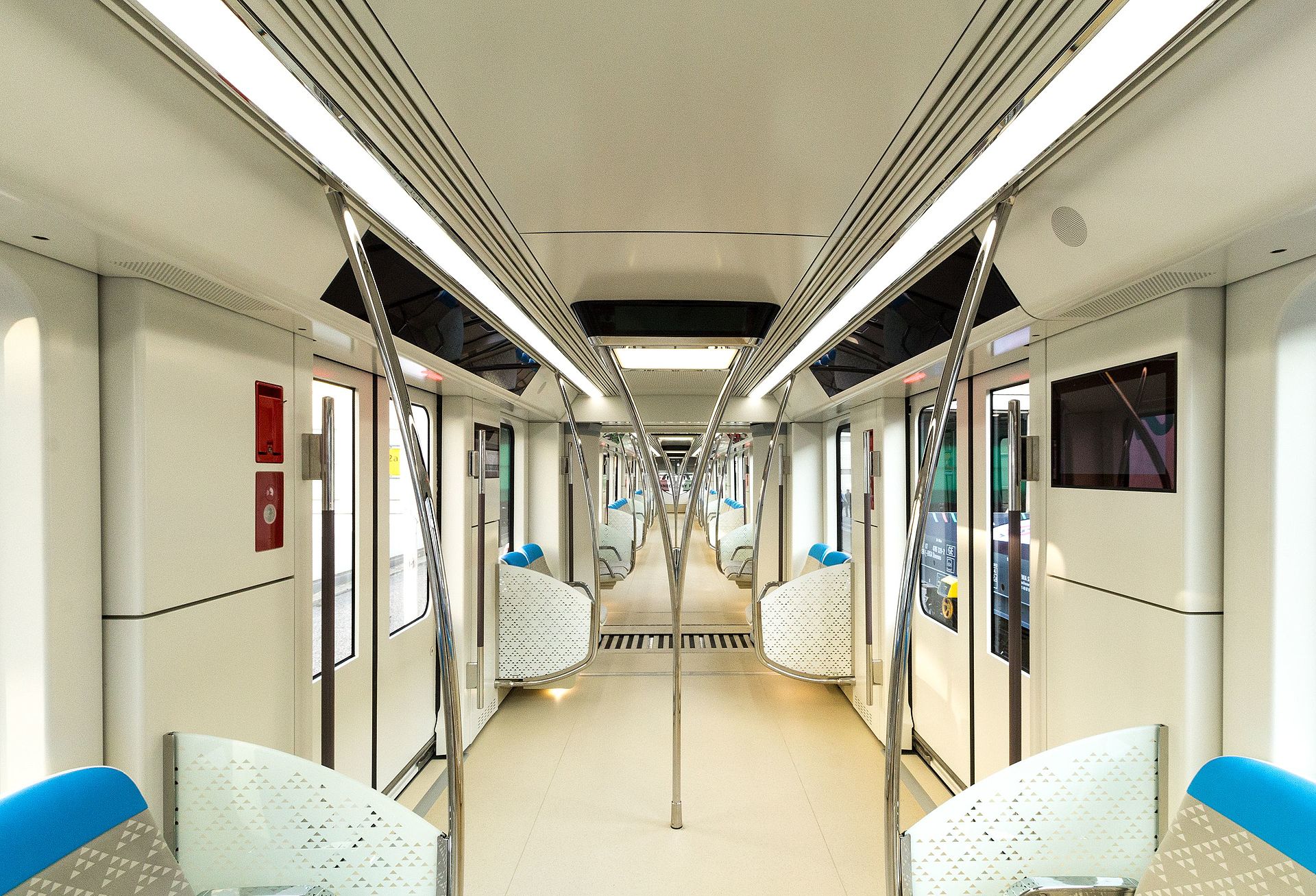
The Riyadh Metro
All six lines of the Riyadh Metro became fully operational on 5 January 2025, creating the world’s longest fully automated, driverless metro network at 176 kilometres with 85 stations. For business travellers, the key lines are:
During peak hours (7:00–9:00 am and 4:00–7:00 pm), trains run every three minutes. Tickets are available via app or station kiosks. The entire system is air-conditioned — critical in a city where summer temperatures regularly exceed 45°C.
Ride-Hailing and Taxis
Uber, Careem, and Jeeny dominate daily transport. All accept international credit cards via their apps. A typical ten-kilometre ride costs SAR 20–30 ($5–8). Surge pricing applies during peak hours and major events — expect 1.5 to 3 times standard fares. Download both Uber and Careem before arrival, as availability varies by time of day.
Car rental is available at the airport (Hertz, Enterprise, Budget, Yelo) with an international driving licence. Be aware that Riyadh traffic is heavy, particularly on King Fahd Road during peak hours — ride-hailing is often faster than driving yourself.
Conference and Exhibition Venues
Saudi Arabia’s exhibition capacity grew 32 per cent in 2025 alone, and Riyadh anchors the Kingdom’s rapidly expanding MICE (Meetings, Incentives, Conferences, Exhibitions) sector. Contract awards reached $196 billion in 2025, driving a surge in construction and technology trade shows.
Riyadh Front Exhibition and Conference Center (RFECC)
The Kingdom’s largest dedicated exhibition venue, located near King Khalid International Airport. It covers 70,000 square metres with over 36,050 square metres of net exhibition space and parking for 7,500 vehicles. The centre hosts major national, regional, and international trade shows across technology, construction, energy, and defence sectors.
King Abdulaziz Convention Center (KACC)
Adjacent to the Ritz-Carlton, the KACC is Riyadh’s premium government and diplomatic conference venue. Combined with the hotel’s 62,000 square feet of event space, this cluster handles large state events, gala dinners, and international summits.
KAFD Conference Center
The financial district’s own conference infrastructure hosts fintech summits, investor days, and professional association meetings. The 2026 edition of LEAP — Saudi Arabia’s flagship technology conference, which attracted 200,000 attendees and generated $14.9 billion in deals in its previous edition — draws heavily on KAFD and surrounding venues.
Dining for Business
Riyadh’s restaurant scene has undergone a transformation since 2019. The city now offers sophisticated dining that rivals Dubai or Doha, with one critical difference: Saudi Arabia does not serve alcohol. Elaborate non-alcoholic beverage programmes — premium mocktails, specialty juices, artisan coffee — are standard at the venues below.
Fine Dining for Client Entertainment
Authentic Saudi Dining
Najd Village offers traditional Saudi cuisine in a heritage architectural setting — floor seating, kabsa, jareesh, and margoog. This is the best venue for hosting international clients who want an authentic cultural dining experience at a moderate price point.
Business Lunches
For quicker inter-meeting meals, Twiggy by Riva at KAFD serves Mediterranean terrace dining within the financial district. Most five-star hotel all-day dining restaurants also serve as reliable professional-grade lunch venues. Bookings through the Eat app (Saudi-specific) or OpenTable are recommended — top venues require two to four weeks’ advance notice.
Vision 2030 and the Regional Headquarters Programme
Understanding why Riyadh is drawing so much international business traffic requires understanding Vision 2030, the structural economic reform programme launched by Crown Prince Mohammed bin Salman in 2016. The programme aims to raise non-oil GDP to 65 per cent of total GDP by 2030, attract $100 billion per year in foreign direct investment, and transform Riyadh into a top-ten global city.
Progress as of early 2026: non-oil GDP share rose from 42 per cent in 2010 to 56 per cent in 2025. FDI stock reached SAR 1.05 trillion ($280 billion) by Q3 2025, with net inflows up 34.5 per cent year-on-year. The Tadawul (Saudi stock exchange) was fully opened to all foreign investors in February 2026.
The most consequential policy for business visitors is the Regional Headquarters Programme. Launched in 2021 with a target of 500 international company RHQs by 2030, it had already attracted over 700 by end-2025. The incentive: a 30-year tax exemption on RHQ activities. The enforcement mechanism: since January 2024, companies without a Saudi RHQ cannot bid on government contracts. Named participants include Amazon, Google, PwC, Deloitte, GE, Unilever, PepsiCo, and Siemens. For an overview of the mega-developments reshaping the Kingdom, see our Saudi Arabia giga-projects explainer.
Practical Information
Business Visa and Entry
Citizens of over 60 countries — including the United States, United Kingdom, EU and Schengen states, Canada, Australia, Japan, and Singapore — can obtain an e-visa online at visitsaudi.com. The e-visa is valid for one year with multiple entries and covers both tourism and business visits (up to 90 days per stay). Processing takes minutes to hours. For others, a traditional MOFA-sponsored business visa requires a Saudi sponsor’s invitation letter and takes one to three weeks. Overstaying triggers fines starting at SAR 15,000 and potential travel bans.
Currency and Payment
The Saudi Riyal (SAR) is pegged to the US dollar at a fixed rate of 3.75 SAR = $1.00 — this peg has been maintained for decades. Credit cards (Visa, Mastercard, Amex) are accepted widely in hotels, restaurants, and modern retail. ATMs are readily available. Carry some cash in SAR 5 and SAR 10 denominations for tips.
Tipping
Connectivity
4G and 5G mobile coverage is excellent across central Riyadh. Local SIM cards from STC, Mobily, or Zain are available at the airport. Hotel WiFi at four- and five-star properties is high-speed and reliable. Note that some websites and VoIP services may be blocked — install a VPN before travelling, as downloading VPN apps in-country can be unreliable.
Coworking Spaces
Regus operates over 20 locations in Riyadh, with presence in KAFD, Olaya, Al Wurud, and the Diplomatic Quarter. Servcorp and The Executive Centre both operate in KAFD. WeWork and Spaces (IWG) have a growing Riyadh footprint. The coworking market was valued at $0.6 billion in 2025, growing at nearly 12 per cent annually.
Public Holidays to Avoid
Government offices and many private businesses effectively shut during these periods:
Plan major deal-closing or government-facing trips to avoid these windows.
After Hours: Client Entertainment and Downtime
Riyadh offers more than boardrooms. For cultural experiences with clients, the National Museum of Saudi Arabia provides an excellent introduction to the Kingdom’s history. The Riyadh self-guided walking tour covers the old quarter through to the modern skyline. Diriyah Gate, the restored birthplace of the Saudi state just ten minutes from central Riyadh, is an increasingly popular venue for corporate hospitality events.
For personal downtime, the luxury spas at Riyadh’s top hotels offer a welcome counterpoint to intensive meeting schedules, while the city’s best gyms cater to visiting professionals with day passes and short-term memberships.
Prayer Times and the Business Day
Five daily prayers structure the Saudi day. Shops and some offices close briefly during prayer times (typically 15–30 minutes). As a business visitor, you may experience brief pauses during meetings, particularly in more traditional settings. In KAFD and international company offices, disruption is minimal. Restaurant service pauses during prayer; plan lunch and dinner around prayer schedules to avoid waiting.