
Jeddah and Medina are separated by roughly 420 kilometres of western Saudi Arabia, and the journey between them is one of the most common routes in the Kingdom. Whether you are performing Hajj or Umrah, visiting the Prophet’s Mosque, or simply exploring the Hejaz region as part of a wider Saudi Arabia itinerary, you have three main options: the Haramain High-Speed Railway, intercity bus services, and driving. Each has distinct advantages depending on your budget, schedule, and comfort preferences. This guide breaks down every option with current prices, timetables, and practical tips so you can choose the right one for your trip.
Distance: 420 km (260 miles) by road; 453 km by rail
Fastest Option: Haramain High-Speed Train — approximately 1 hour 50 minutes
Cheapest Option: Intercity bus — from SAR 96 (approximately USD 26)
Visa Required: Yes — tourist e-visa or Umrah visa
Budget: SAR 96–550 (USD 26–150) depending on transport mode
Must-Know: Book Haramain train tickets in advance during Hajj and Ramadan — services sell out
Avoid: Driving during Hajj season when highway traffic between the holy cities becomes extremely congested
Option 1: Haramain High-Speed Railway (Recommended)
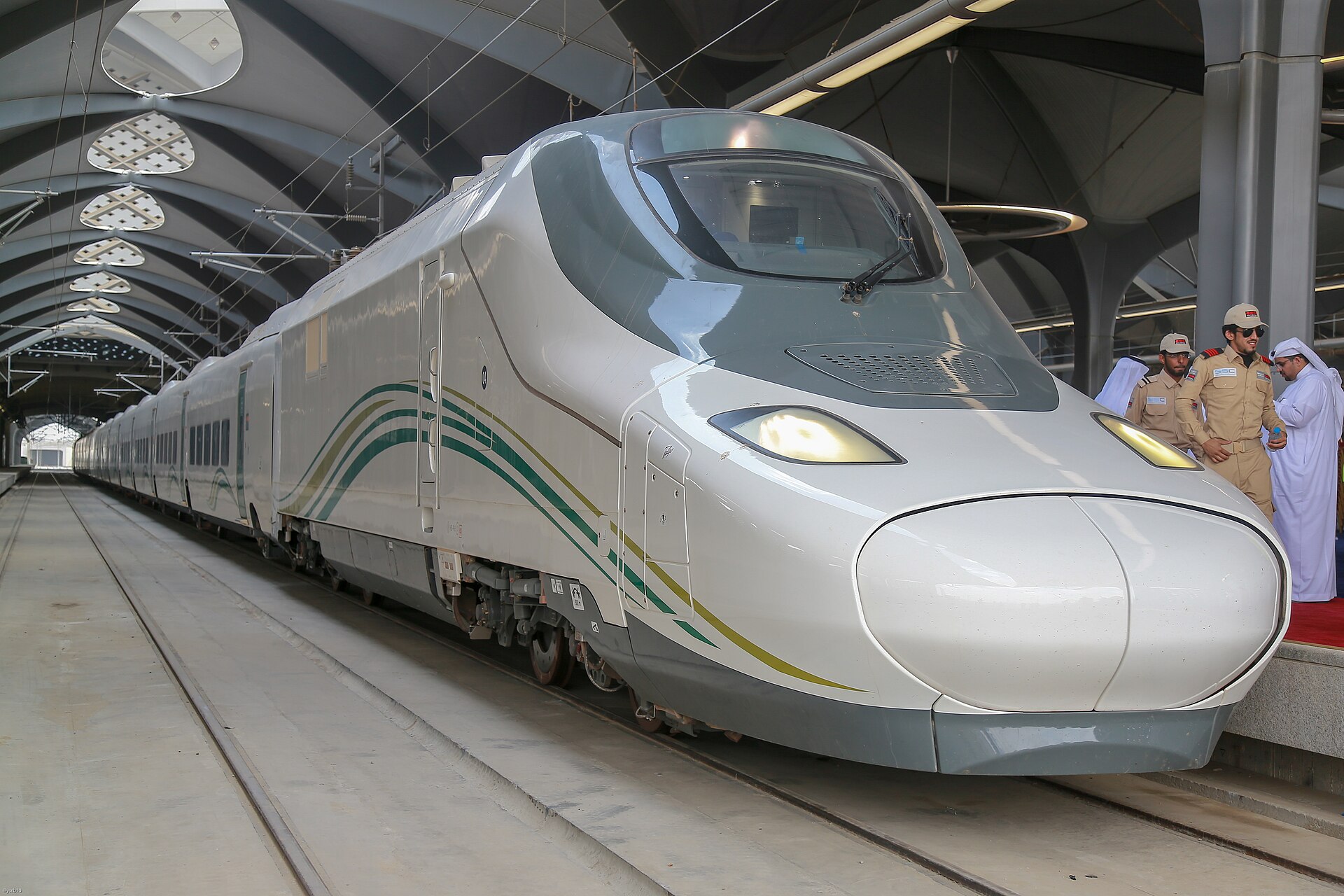
The Haramain High-Speed Railway is the fastest and most comfortable way to travel between Jeddah and Medina. Operating at speeds of up to 300 km/h, the Spanish-built Talgo 350 trains cover the 453-kilometre rail distance in approximately one hour and 50 minutes. The line opened in 2018 and connects the two holiest cities in Islam — Makkah and Medina — via Jeddah and King Abdullah Economic City (KAEC).
Stations in Jeddah
Jeddah has two Haramain stations, which matters for trip planning:
- Al-Sulimaniyah Station (Jeddah City) — located in central Jeddah on Abu Dhar Al Ghafari Street. This is the main city-centre station, accessible by Uber, Careem, or local taxi. If you are staying in Jeddah, this is your station.
- King Abdulaziz International Airport Station (KAIA) — inside the airport complex. If you are flying into Jeddah and heading straight to Medina, you can transfer directly to the train without entering the city. The station is connected to the airport terminals.
- Fare: SAR 96 per adult (Normal class); VIP options available at higher rates
- Journey time: Approximately 5 hours 30 minutes
- Departure station: Jeddah Train Station (shared transport hub)
- Arrival station: Al Madinah Jabal Ohud bus terminal
- Frequency: Departures approximately every four hours
- Booking: Online at booking.nwbus.sa or by calling +966 920020590
- Arrive at the station at least one hour before departure for intercity trips
- Carry a valid ID: Saudi and GCC nationals need original ID cards; all other nationalities need a passport or residence permit
- Front seats are reserved for families
- Smoking is prohibited on board
- Wheelchair-accessible buses with ramps and designated seating are available on request
- Cancellation policy: free cancellation 48+ hours before departure (5% fee); 30% fee within 24–48 hours; non-refundable within 24 hours
- Rabigh (approximately 110 km from Jeddah) — multiple restaurants, coffee shops, supermarkets, and fuel stations. A good first stop.
- Badr (approximately 260 km from Jeddah) — a historic town with local Saudi restaurants, fast food, and fuel. The Battle of Badr site is nearby for those interested in Islamic history.
- A valid driving licence from your home country (must use the Latin alphabet, or be accompanied by an International Driving Permit)
- A passport with a valid Saudi visa
- Minimum age of 25 (some companies accept 23 with an additional fee)
- A credit card for the deposit
- Speed limits: Typically 120 km/h on highways, enforced by cameras (Saher system). Fines start at SAR 300 for exceeding the limit.
- Fuel costs: Petrol is inexpensive by global standards — approximately SAR 2.33 per litre for 91 octane. A full Jeddah–Medina trip costs roughly SAR 80–120 in fuel for a mid-size car.
- Avoid night driving in rural stretches where camels occasionally wander onto the road.
- Emergency number: Call 993 for the Saudi Highway Patrol or 911 for general emergencies.
- The best months for road trips are October to April when temperatures are milder. Summer daytime temperatures along this route regularly exceed 45 degrees Celsius.
- Not all drivers accept long-distance trips — expect possible cancellations before a driver confirms
- Surge pricing during Hajj, Ramadan, and peak hours can push the fare to SAR 700+
- The journey takes four and a half to five hours by road, the same as driving yourself
- From Medina Train Station: Taxis, Uber, and Careem are available outside. The ride to the Prophet’s Mosque area takes approximately 15 minutes and costs SAR 20–35.
- From the bus terminal (Jabal Ohud): Similar taxi and ride-hailing availability. The terminal is slightly further from the centre — expect a 20-minute ride costing SAR 25–40.
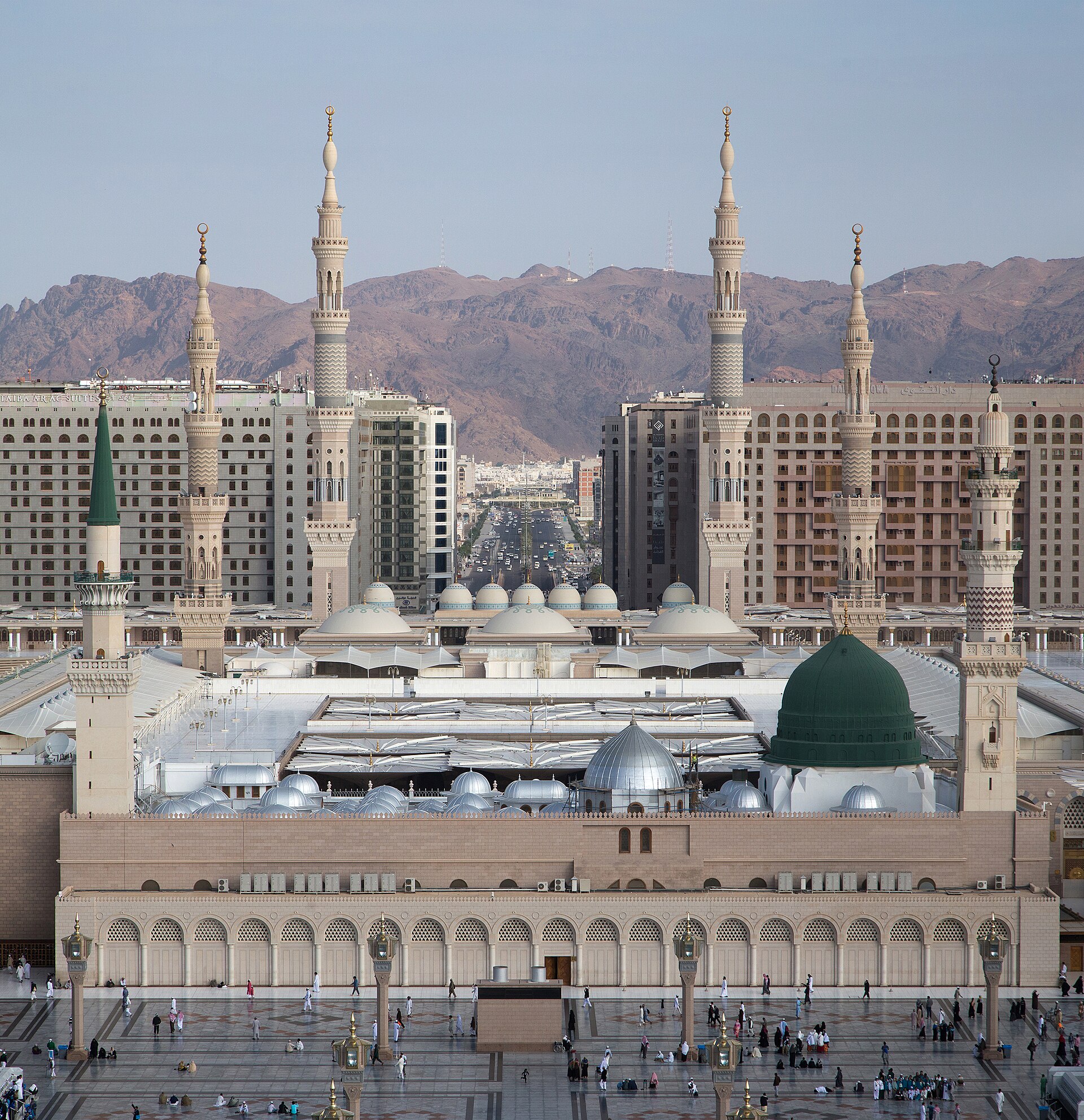
- SAPTCO local buses: Medina has a local bus network operated by SAPTCO covering main tourist and pilgrimage routes within the city.
- Water: Carry at least one litre per person, especially if travelling by bus or car. Dehydration is a genuine risk in the Saudi heat.
- Snacks: The train has a dining car, but buses make limited stops. Bring food for the bus journey.
- Sun protection: Sunscreen, sunglasses, and a hat if you plan any outdoor stops along the driving route.
- Charger/power bank: Train seats have charging points, but bus and car journeys are longer.
- Appropriate clothing: Review the Saudi Arabia dress code before travelling, particularly if heading to the mosque district in Medina.
- Hajj 2026: The Complete Guide — Dates, costs, packages, rituals, and everything you need to know
- Medina Travel Guide 2026 — Hotels, mosques, restaurants, and visitor tips for the Prophet’s city
- The Prophet’s Mosque Visitor Guide — Rawdah access, prayer times, and etiquette
- Uber and Careem in Saudi Arabia — How ride-hailing apps work across the Kingdom
- Yanbu Travel Guide — A Red Sea side trip from Medina
- Saudi Arabia Travel Guide 2026 — The complete guide to visiting the Kingdom
- Saudi Arabia Visa Guide — Every visa type explained
Station in Medina
The Medina Station is located in the Al Hadra district, approximately 10 kilometres from the Prophet’s Mosque. The station features Islamic-inspired architecture with geometric patterns and serves as a gateway to the city. Taxis, Uber, and Careem are available outside the station for the 15-minute ride to the central hotel district around the Haram.
Ticket Prices
| Class | Price Range (SAR) | Price Range (USD) | Seating |
|---|---|---|---|
| Economy | SAR 150–250 | USD 40–67 | 2+2 layout, standard legroom |
| Business | SAR 250–400 | USD 67–107 | 2+1 layout, extra legroom, wider seats |
Prices vary based on time of booking, seat availability, and travel season. Booking three months in advance can save up to 27 percent compared to last-minute tickets. During Hajj and Ramadan, prices tend towards the higher end of the range and trains sell out quickly.
Schedule and Frequency
Up to six trains operate daily on the Jeddah–Medina route, with departures spread across the day: typically one morning service, three afternoon departures, and two evening or night services. The first train departs as early as 01:32 and the last around 23:32. Journey time is consistently around one hour and 50 minutes.
Tip: Check the official Haramain Railway timetable at sar.hhr.sa before travel, as schedules are adjusted during Hajj season. Additional services are often added during peak pilgrimage periods.
How to Book
Tickets can be booked through the official Haramain Railway portal (sar.hhr.sa) or via the SAR mobile app. Third-party platforms such as arabiantrains.com also sell tickets. You will need your passport or Iqama number to book. E-tickets are accepted — show them on your phone at the gate.
What to Expect on Board
Each train has 417 seats: 304 in Economy and 113 in Business. A dining car is located in the fifth coach. Wi-Fi is available but can be patchy in desert stretches. Luggage racks accommodate standard suitcases, though space fills up quickly during peak season — board early if you have large bags. The ride is smooth and quiet, with desert and mountain scenery along the route.
Option 2: Intercity Bus
Intercity buses offer the most affordable way to travel between Jeddah and Medina. The journey takes approximately five and a half hours — significantly longer than the train, but at a fraction of the cost. Two main operators serve this route.
Northwest Bus
Northwest Bus (NW Bus) operates the primary Jeddah–Medina coach service. Key details:
SAPTCO
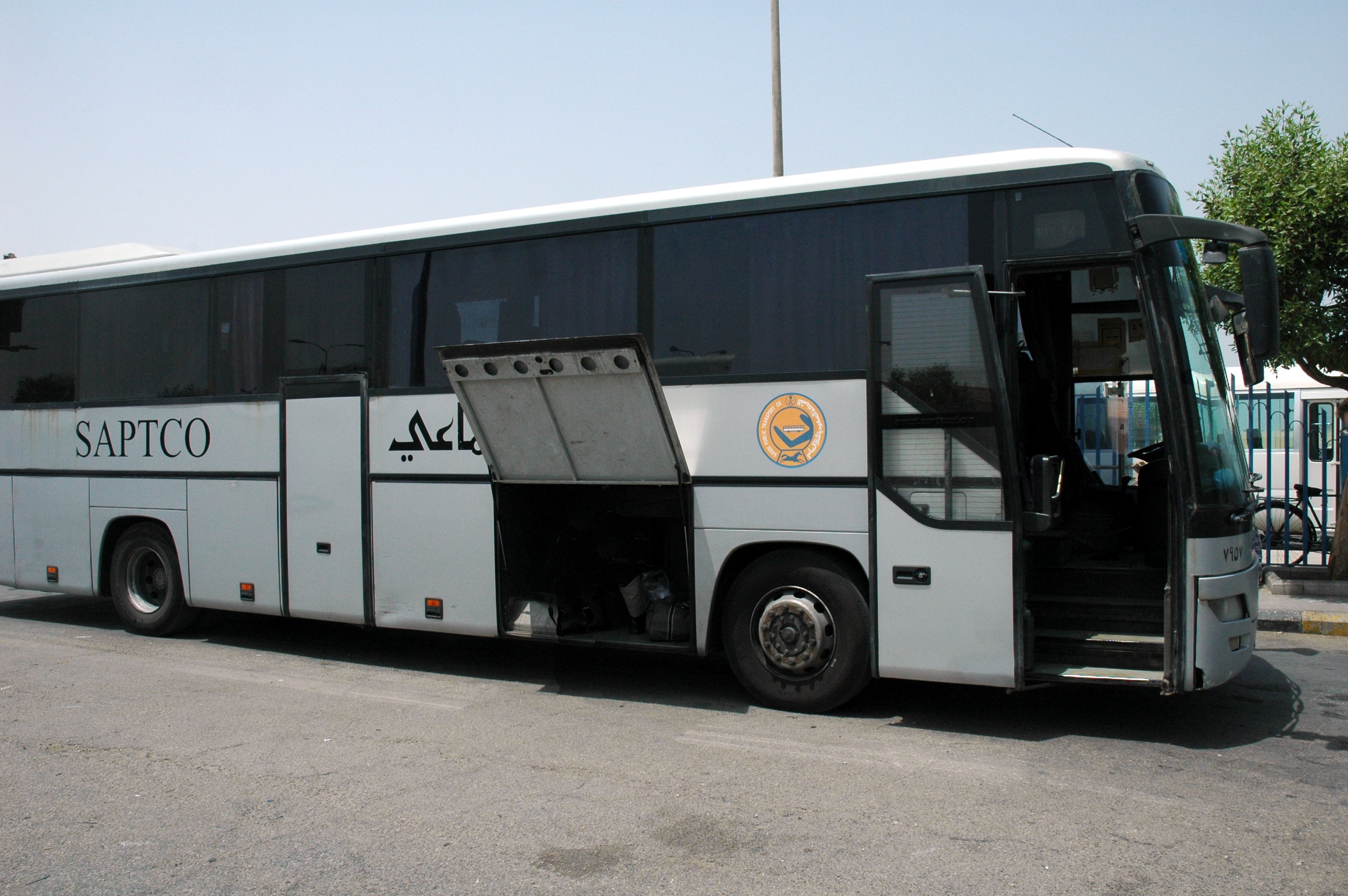
SAPTCO (Saudi Public Transport Company) is the national bus operator and also runs services on this route. Fares and schedules are similar to Northwest Bus. Book through the SAPTCO website (saptco.com.sa) or at the bus station counter.
Practical Bus Tips
Budget tip: The bus is the best option for solo travellers on a tight budget. At SAR 96, it costs roughly 40–60 percent less than the train. The trade-off is time: you lose about four extra hours compared to the Haramain Railway.
Option 3: Driving
Driving from Jeddah to Medina is straightforward thanks to Saudi Arabia’s well-maintained highway network. The route is approximately 420 kilometres and takes four and a half to five hours in normal traffic. It is a popular choice for families, groups, and anyone wanting the flexibility to stop along the way.
The Route
The primary route follows Highway 15 (Al-Hijrah Road), which runs north from Jeddah through the Hejaz mountains toward Medina. The road is a modern, multi-lane highway with clear signage in both Arabic and English. An alternative route via Highway 40 and then north adds roughly 30 minutes but passes through different terrain.
Road Conditions and Rest Stops
The highway is in excellent condition with smooth asphalt, lane markings, and lighting on most stretches. Rest areas with petrol stations appear approximately every 50–70 kilometres. Key stops include:
Keep your fuel tank above a quarter full at all times. While stations are frequent on the main highway, distances between them can reach 80 kilometres on inland segments.
Car Rental
Major international and local car rental companies operate from Jeddah, including at King Abdulaziz International Airport. To rent a car in Saudi Arabia, you need:
Daily rental rates start from around SAR 110 (USD 29) for a compact car. Book two to four weeks in advance during peak seasons — particularly Hajj and Ramadan — when availability drops sharply.
Driving Tips
Warning: During Hajj season, the highway between Jeddah and Medina experiences severe congestion, with journey times potentially doubling. If you are travelling during Hajj, the Haramain train is strongly recommended.
Option 4: Private Car or Ride-Hailing
If you prefer door-to-door convenience without driving yourself, a private car transfer or ride-hailing trip is available. This is the most expensive option but the most convenient for groups or those with heavy luggage.
Uber and Careem
Both Uber and Careem operate in Jeddah and Medina and technically allow intercity trips. Expect to pay SAR 450–550 (USD 120–150) for the one-way journey. However, there are caveats:
Pre-Booked Private Transfers
Several transport companies offer fixed-price pre-booked transfers between Jeddah and Medina, typically in a sedan or minivan. Prices start from approximately SAR 440 (USD 117) with the advantage of confirmed pricing — no surge, no cancellations. These are especially useful for families, groups of three or four, or anyone arriving at Jeddah Airport who wants a direct transfer to their Medina hotel.
Comparison: Which Option Should You Choose?
| Factor | Haramain Train | Bus | Driving | Private Car |
|---|---|---|---|---|
| Journey Time | ~1h 50min | ~5h 30min | ~4h 30min | ~4h 30min |
| Cost (1 person) | SAR 150–400 | SAR 96 | SAR 80–120 fuel + rental | SAR 440–700 |
| Best For | Speed, solo, couples | Budget travellers | Families, flexibility | Groups, convenience |
| Luggage | Limited rack space | Undercarriage hold | Full boot | Full boot |
| Booking Needed | Yes, in advance | Recommended | Rental in advance | Recommended |
| Hajj Season | Best option | Delayed by traffic | Heavy traffic | Heavy traffic |
Getting Around Medina After Arrival
Once you arrive in Medina, getting to the Prophet’s Mosque and central hotel area is straightforward regardless of your arrival point:
Practical Tips for the Journey
What to Pack
Visa and Entry
All foreign visitors need a valid visa to travel within Saudi Arabia. Most tourists use the Saudi e-visa, which can be obtained online in minutes. Umrah and Hajj pilgrims require separate pilgrimage visas. Carry your passport or a copy at all times — you may be asked for ID at highway checkpoints or when booking transport.
When to Travel
The best time to travel between Jeddah and Medina is October to April, when daytime temperatures are a manageable 25–35 degrees Celsius. Summer (June–September) sees temperatures regularly exceeding 45 degrees, making road travel particularly uncomfortable if your car’s air conditioning is anything less than excellent. Ramadan and Hajj bring enormous volumes of pilgrim traffic — book all transport well in advance and expect delays on the road.