
Bargaining is one of the oldest social traditions in Saudi Arabia, and stepping into a traditional souk without knowing how to haggle means leaving money on the table. Whether you are picking up saffron in Jeddah’s Souq Al Alawi or hunting for antique daggers in Riyadh’s Souq al-Zal, the ability to negotiate politely and effectively is as much a cultural skill as a financial one. This guide, part of our comprehensive Saudi Arabia travel guide, breaks down the etiquette, tactics, and market-specific knowledge you need to get fair prices while respecting local customs.
Best Time to Visit Souks: October to March (cooler evenings); souks busiest after Isha prayer
Getting There: Souks in every major city — Riyadh, Jeddah, Dammam, Makkah, Madinah
Visa Required: Yes — tourist e-visa
Budget: $30–100 USD per souk visit for souvenirs
Must-See: Souq al-Zal (Riyadh), Souq Al Alawi (Jeddah), Gold Souk (Balad)
Avoid: Haggling at fixed-price stores, malls, pharmacies, or supermarkets
Understanding the Culture of Bargaining in Saudi Arabia
In Saudi Arabia, bargaining is not adversarial — it is a form of social exchange. The Arabic word for the process, mufawada (negotiation), carries connotations of mutual respect. A souk vendor expects you to negotiate. Paying the first price quoted is not a compliment — it signals that you are either uninformed or uninterested in the interaction. At the same time, aggressive haggling that belittles the seller or their goods is considered deeply disrespectful.
The key difference between Saudi bargaining and, say, haggling in a Moroccan medina or a Bangkok night market is restraint. Saudi culture values composure (waqar). Voices stay low. Hands stay calm. The negotiation moves at a measured pace, often punctuated by tea, small talk about family, or comments about the weather. Rushing the process or treating it as purely transactional misses the point entirely.
Understanding this cultural framework transforms your souk experience from a stressful exercise in price-guessing into a genuine human interaction. The best deals in Saudi souks come not from being the toughest negotiator, but from being the most pleasant one.
Where Bargaining Is (and Is Not) Appropriate
Where You Should Bargain
Traditional souks and independent market stalls are where bargaining thrives. This includes:
- Traditional souks — Souq al-Zal in Riyadh, Souq Al Alawi in Jeddah, and the souks surrounding Masjid al-Haram in Makkah and Masjid an-Nabawi in Madinah
- Gold souks — Balad Gold Market in Riyadh and the gold lanes in Jeddah’s Al Balad
- Roadside vendors — seasonal fruit sellers, date merchants along highways, and camel market traders
- Furniture and carpet shops — especially in Riyadh’s Haraj market and Jeddah’s Gabel Street
- Electronics bazaars — Batha area in Riyadh for accessories and small electronics
- Shopping malls — prices are fixed at stores in malls like Riyadh Park, Red Sea Mall in Jeddah, and the Abraj Al-Bait complex in Makkah
- Supermarkets and pharmacies — government-regulated pricing applies
- Branded retail outlets — Arabian Oud, Abdul Samad Al Qurashi, and other branded perfume houses set fixed prices
- Restaurants and cafes — prices are as listed on the menu
- Ride-hailing apps — Uber and Careem prices are algorithmically set
- “Ghali shwayya” — “A bit expensive”
- “Mumkin takhfidh?” — “Can you reduce?”
- “Aakhir si’r?” — “What is your last price?”
- Bundle purchases — “I will take three of these if you can do X price.” Sellers respond well to volume because it clears inventory.
- The walk-away — politely say “La, shukran” (no, thank you) and turn toward the exit. If the seller calls you back with a lower price, you are close to the real price. If they let you go, their last price was probably fair.
- Carry cash in small denominations — 1, 5, and 10 SAR notes. Many souk vendors do not carry change for 500 SAR notes, and cash payments often secure better prices than card payments.
- Shop between prayers — souks close during the five daily prayer times (roughly 15–30 minutes each). Plan your shopping between prayer intervals to maximise browsing time.
- Compare prices at multiple stalls before committing. Walking the full length of a souk lane gives you price benchmarks that strengthen your negotiating position.
- Use both hands when receiving items — this is a sign of respect in Saudi culture.
- Accept tea or Arabic coffee if offered — hospitality is a cornerstone of Saudi culture, and refusing a drink offer can be seen as rude. Accepting does not obligate you to buy.
- Dress modestly — conservative clothing (covering shoulders and knees for both men and women) shows cultural respect and is appreciated by traditional souk vendors.
- Don’t haggle during prayer times — shops close, and attempting to continue a transaction during the call to prayer is inappropriate.
- Don’t point fingers or tap the counter — these gestures are considered aggressive in Saudi culture.
- Don’t disparage the merchandise — saying “this looks fake” or “this is low quality” to push for a lower price will end the negotiation immediately. Instead, express appreciation while noting your budget constraints.
- Don’t haggle on items where the seller has already given you a very low price — some vendors, especially elderly souk traders, price their goods fairly from the start. Respect their pricing.
- Don’t use your phone excessively during negotiation — maintaining eye contact and engagement signals respect.
- Don’t agree to a price and then try to renegotiate — once you agree, the deal is done. Backing out after agreement is considered a serious breach of trust.
- Cash is king in traditional souks — while some stalls now accept card payments via mobile POS terminals, cash remains the preferred medium and often gets you 5–10% better prices.
- Exchange currency before arriving — airport exchange rates are poor. Use bank branches or licensed exchange houses (sarrafa) in commercial districts for better rates.
- The Saudi Riyal (SAR) is pegged to USD at 3.75 — this makes mental conversion straightforward. Know your budget in SAR before entering a souk.
- Request a receipt for purchases above 500 SAR — especially for gold, electronics, or carpets. This protects you in case of disputes and is needed for customs if the item requires declaration.
- VAT (15%) is included in prices at registered businesses but may not apply at very small traditional stalls. Clarify before paying.
- Photography: Ask permission before photographing people or specific stalls. General souk atmosphere shots are usually fine, but close-ups of individuals without consent can cause offence.
- Crowds: During Hajj and Umrah seasons, souks near the holy mosques become extremely crowded. Keep valuables in front pockets or money belts.
- Counterfeits: Branded perfumes, watches, and electronics sold at steep discounts in souks are almost certainly counterfeit. If the price is too good to be true, it is.
- Temperature: Summer temperatures in Riyadh and Jeddah exceed 45°C. Many souks are partially covered, but bring water and visit during cooler evening hours between October and March.
- Respect the sellers: Souk vendors are often multi-generational traders whose families have operated from the same stalls for decades. Treating them with dignity is not just good manners — it is how you get the best experience.
- Saudi Arabia Travel Guide 2026 — The complete guide to visiting the Kingdom
- Saudi Arabia Shopping Guide — Best malls, souks, and what to buy across the country
- Riyadh Travel Guide 2026 — Everything you need to know about the capital
- Jeddah Travel Guide 2026 — The Red Sea gateway and its historic Al Balad district
- Hajj 2026 Guide — Planning your pilgrimage, including souk shopping near the holy sites
- Saudi Arabia Visa Guide — Every visa type explained
Where You Should Not Bargain
The Step-by-Step Bargaining Process
Step 1: Greet the Seller
Always open with “Assalamu alaikum” (peace be upon you). This is not optional — it is a basic courtesy in Saudi Arabia. A warm greeting followed by a smile sets the entire tone. Many sellers will respond with “Wa alaikum assalam” and may ask how you are or where you are from. Engage briefly. This small talk is not a delay — it is the opening round of the negotiation.
Step 2: Browse Before Asking Prices
Show genuine interest in the goods without immediately asking “how much?” Handle items carefully (always ask permission first for delicate goods like antique coffee pots or oud chips). Ask about the material, the origin, or the craftsmanship. Sellers notice buyers who appreciate quality, and they often offer better starting prices to knowledgeable customers.
Step 3: Ask the Price
When ready, ask “Bikam?” (how much?). The seller will give their opening price, which for non-branded goods in traditional souks typically includes a 30–50% markup above what they would accept. Do not react with shock or dismissal. Simply listen, nod, and consider.
Step 4: Make Your Counter-Offer
A reasonable counter-offer is 20–30% below the asking price. Going lower than 40–50% off is generally seen as disrespectful. Your counter should be delivered with a smile and a tone that says “I like this item, but my budget is here.” Useful phrases:
Step 5: The Back-and-Forth
The seller will typically come down slightly, and you come up slightly. Two to three rounds of this is normal. If the gap is still too wide, you can try two powerful moves:
Step 6: Close the Deal
When you reach an agreed price, shake hands (right hand only), pay promptly, and thank the seller. Saying “Shukran jazilan” (thank you very much) or “Jazak Allah khair” (may God reward you) leaves a positive impression and is remembered if you return.
What to Buy and What to Pay: A Price Guide
Knowing approximate fair prices prevents you from either overpaying or making insultingly low offers. These ranges reflect what informed buyers pay at traditional souks — not mall prices, not tourist-trap prices.
| Item | Tourist Price (SAR) | Fair Bargained Price (SAR) | Approx. USD |
|---|---|---|---|
| Prayer mat (basic) | 30–50 | 15–25 | $4–7 |
| Prayer mat (premium, thick) | 80–150 | 50–90 | $13–24 |
| Tasbih / prayer beads (wood) | 15–30 | 5–15 | $1–4 |
| Tasbih (semi-precious stone) | 80–200 | 40–100 | $11–27 |
| Attar / perfume oil (small roll-on) | 25–50 | 10–25 | $3–7 |
| Oud chips (10g, mid-grade) | 100–300 | 60–150 | $16–40 |
| Abaya (lightweight, plain) | 120–200 | 70–120 | $19–32 |
| Dates gift box (1kg, Sukkari) | 30–60 | 15–35 | $4–9 |
| Dates gift box (1kg, Ajwa) | 80–150 | 50–100 | $13–27 |
| Saffron (5g) | 40–80 | 25–50 | $7–13 |
| Miswak bundle (5 sticks) | 15–30 | 5–15 | $1–4 |
| Dallah coffee pot (decorative) | 80–200 | 40–120 | $11–32 |
| Camel milk chocolate (box) | 30–60 | 20–40 | $5–11 |
| Traditional khanjar dagger | 200–800 | 100–400 | $27–107 |
| Saudi rug (small, machine-made) | 100–300 | 60–150 | $16–40 |
Tip: Prices in SAR can be roughly converted to USD by dividing by 3.75. The Saudi Riyal is pegged to the US dollar at this rate.
Best Souks for Bargaining Across Saudi Arabia
Souq al-Zal, Riyadh
Located in the ad-Dirah neighbourhood, Souq al-Zal covers almost 9.5 acres and has operated since 1901. This is Riyadh’s premier destination for antiques, rare coins, vintage utensils, oud perfumes, and handwoven carpets. The souk is structured as a network of narrow, oud-scented lanes where each section specialises in a different product category. Bargaining is vigorous here, and prices for decorative items can often be reduced by 30–40% with patient negotiation. Fridays after Asr prayer are particularly busy, which means more competition among sellers and potentially better deals.
Souq Al Alawi, Jeddah
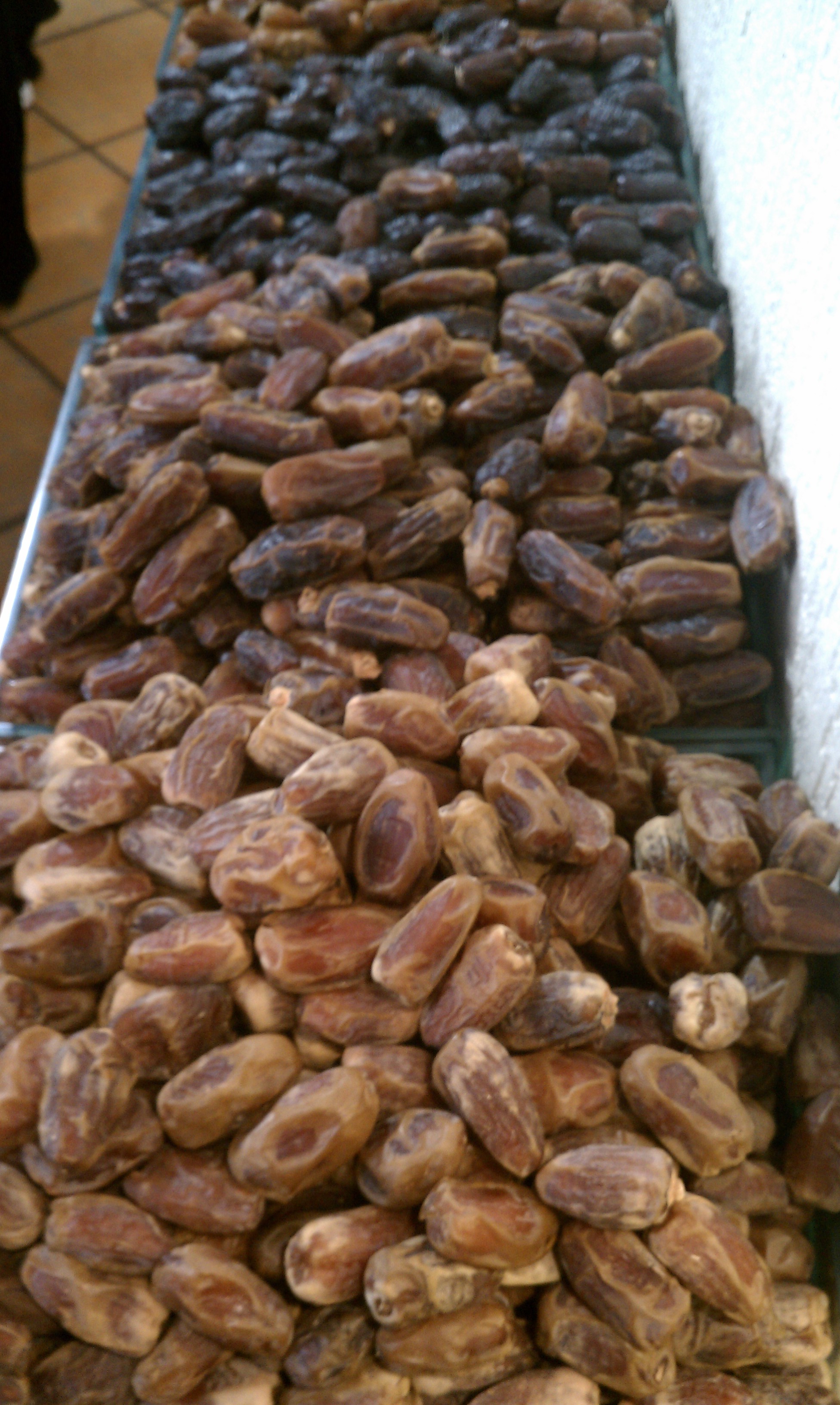
The largest souk in Saudi Arabia, Souq Al Alawi sits in the heart of Jeddah’s UNESCO-listed Al Balad historic district. The souk overflows with spices, handicrafts, Arabian carpets, jewellery, and traditional clothing. The coral-stone buildings that frame the market add an atmospheric dimension that no mall can replicate. Spice vendors here are particularly open to negotiation, especially for bulk purchases of saffron, cardamom, and black lime. Evenings after 9 PM are the busiest — and the best time for deals, as sellers are motivated to clear daily stock.
Gold Souks
Saudi Arabia’s gold souks operate differently from other markets. The base gold price is fixed daily according to the international spot price, so you cannot negotiate the value of the gold itself. What you can negotiate is the making charge (masnaiyeh) — the craftsmanship fee added on top of the gold weight. Making charges typically range from 10–30% of the gold value, and this is where your bargaining skills matter. The Batha Gold Market in Riyadh and the gold lanes in Jeddah’s Balad district offer the widest selection. Buying on Saturday or Sunday (when international gold markets are closed and prices are stable) can work to your advantage.
Bedouin Market, Jeddah
For authentic handicrafts — handmade rugs, woven baskets, traditional Bedouin jewellery, and embroidered clothing — the Bedouin Market in Jeddah offers items that you will not find elsewhere. Prices here start reasonable and sellers expect moderate bargaining. This market is best visited in the late afternoon when nomadic artisans replenish their stalls.
Haraj Market, Riyadh
Riyadh’s Haraj Market is the Kingdom’s largest second-hand market. Furniture, electronics, tools, vintage items, and imported goods from across Asia fill this sprawling outdoor bazaar. Bargaining is aggressive here — starting offers should be 40–50% below the asking price, as markups tend to be higher than at more established souks.
Souks Near the Holy Mosques
The markets surrounding Masjid al-Haram in Makkah and Masjid an-Nabawi in Madinah cater primarily to pilgrims on Hajj and Umrah. Prices for prayer mats, tasbih, ihram garments, attar, and Zamzam water containers are competitive due to the sheer number of competing sellers. However, shops within the immediate vicinity of the mosques (particularly inside the Abraj Al-Bait complex) charge fixed premium prices. Walk two or three streets back from the mosque entrances to find independent stalls where bargaining is welcome.
Essential Arabic Phrases for Bargaining
You do not need fluent Arabic to bargain effectively, but a handful of phrases delivered with the right tone will earn you respect and better prices.
| English | Arabic (transliterated) | When to Use |
|---|---|---|
| Peace be upon you | Assalamu alaikum | Opening greeting — always use first |
| How much? | Bikam? | Asking the price |
| Too expensive | Ghali shwayya | After hearing the first price |
| Can you reduce? | Mumkin takhfidh? | Requesting a discount |
| What is your last price? | Aakhir si’r? | Closing the negotiation |
| I’ll take it | Aakhudha | Accepting the final price |
| No, thank you | La, shukran | Walking away politely |
| Thank you very much | Shukran jazilan | After completing the purchase |
| May God reward you | Jazak Allah khair | A warm closing — deeply appreciated |
| Give me a good price | A’tini si’r kwayyis | Friendly opening to negotiation |
Bargaining Do’s and Don’ts
Do
Don’t
Advanced Bargaining Strategies
The Repeat Customer Advantage
If you are staying in Saudi Arabia for more than a few days, visit the same souk stall two or three times before making a major purchase. Buy something small on the first visit — a packet of miswak or a small attar bottle. On the second visit, the seller will remember you. By the third visit, you are no longer a tourist — you are a returning customer, and returning customers receive significantly better prices without having to bargain as hard.
The Bulk Purchase
Buying multiple items from the same seller is the single most effective way to reduce prices. A vendor who will not budge on the price of one abaya may happily discount three. This strategy works especially well for souvenir shopping — dates, prayer beads, perfume oils, and scarves are natural bundle items.
End-of-Day Shopping
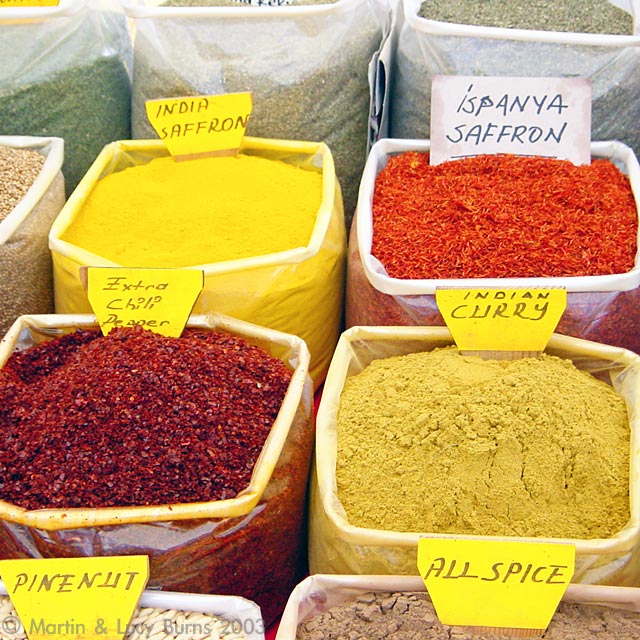
The last hour before closing (typically around 11 PM in summer, 10 PM in winter) is when sellers are most motivated to make sales. Perishable goods like spices and dates see particularly steep discounts as sellers prefer a sale at reduced margin over carrying unsold stock.
Know the Real Value of Gold
Before visiting any gold souk, check the current spot price on a reliable source. Saudi gold is sold by weight (per gram), and the base price is non-negotiable. Calculate the total based on weight, then negotiate only the making charge. A jeweller offering “50% off” is almost certainly inflating the base price — a red flag. Trustworthy gold merchants in established souks will show you the weight on a calibrated scale and explain the making charge separately.
Payment Tips
Souk Etiquette and Safety
Saudi souks are among the safest marketplaces in the world, but practical awareness enhances your experience:
What Visitors Get Wrong About Saudi Bargaining
The biggest mistake tourists make in Saudi souks is treating bargaining as a win-lose game. In a good negotiation, both sides walk away satisfied — the seller makes a fair profit, and the buyer pays a reasonable price. The second biggest mistake is bargaining in the wrong places: trying to negotiate at a pharmacy, supermarket, or branded retail store signals unfamiliarity with local norms.
A third common error is assuming that all souks operate the same way. A seasoned trader at Souq al-Zal in Riyadh has a different pricing psychology than a seasonal vendor selling prayer mats near Masjid al-Haram during Hajj season. Context matters — the more you understand about who you are buying from, the better your negotiation outcome.
Getting to Saudi Arabia’s Souks
Most traditional souks are located in the historic centres of Saudi cities, easily accessible by taxi or ride-hailing apps like Uber and Careem. Riyadh Metro Line 1 (Blue Line) serves the Dira station, placing Souq al-Zal within walking distance. In Jeddah, Al Balad’s souks are a short ride from the Corniche hotels. For visitors arriving from abroad, you will need a Saudi tourist e-visa, which can be obtained online in minutes for citizens of eligible countries.
If you are visiting the Eastern Province, Dammam’s Share Al-Hob (Love Market) is the go-to souk for gold and jewellery. Those headed to Tabuk or AlUla will find smaller but equally charming local markets with fewer tourists and more authentic pricing.