
WASHINGTON — The American military commitment to Saudi Arabia has an expiration date that neither Riyadh nor Washington has honestly addressed. Twenty-eight days into the Iran war, 13 US service members are dead, more than 300 are wounded, and the Pentagon has asked Congress for $200 billion to sustain operations that a majority of American voters already oppose. Three separate War Powers Resolution votes have been forced in the Senate. The House came within seven votes of ordering a withdrawal. Every major poll shows opposition to the war exceeding support from the first week of fighting — a pattern without precedent in modern American military history. Crown Prince Mohammed bin Salman built his security strategy on the assumption that American military power would always be available when Saudi Arabia needed it. The 2026 Iran war is testing that assumption to its breaking point, and the data suggests the shield Riyadh depends on is eroding faster than any missile can.
Table of Contents
- How Many Americans Have Died and Been Wounded Defending Saudi Arabia?
- The $25 Billion War Nobody Voted For
- Why Has Congress Tried Three Times to End the Iran War?
- The Polling Numbers Riyadh Cannot Ignore
- Has Any American Military Commitment Survived This Level of Opposition?
- The Missile Math That Keeps the Pentagon Awake
- What Is Saudi Arabia Doing to Build Its Own Shield?
- The Partners MBS Is Courting Beyond Washington
- Can the US-Saudi Alliance Survive a Change in the White House?
- The Burden-Sharing Gap That Could Break the Alliance
- The Uncomfortable Truth Neither Capital Will Say Out Loud
- Frequently Asked Questions
How Many Americans Have Died and Been Wounded Defending Saudi Arabia?
Thirteen US service members have been killed and more than 300 wounded since Operation Epic Fury began on February 28, 2026, according to US Central Command. The casualties span seven countries, with the heaviest losses concentrated at installations across the Gulf that exist primarily to defend Saudi oil infrastructure and shipping lanes from Iranian attack.
The deadliest single incident came on March 1, when six US soldiers were killed by an Iranian drone strike at Camp Arifjan in Kuwait. Captain Cody Khork, 35. Sergeant First Class Noah Tietjens, 42. Sergeant First Class Nicole Amor, 39. Specialist Declan Coady, 20. Major Jeffrey O’Brien, 45. Chief Warrant Officer Robert Marzan. CNN reported there was “no warning, no siren” before the strike hit a makeshift operations center. More than 30 others were wounded in the same attack.
On March 8, Sergeant Benjamin Pennington, 26, of Glendale, Kentucky, died from wounds sustained at Prince Sultan Air Base in Saudi Arabia — the first American to die on Saudi soil in the conflict. He was assigned to the 1st Space Battalion, Army Space and Missile Defense Command. Six American airmen died on March 12 when their KC-135 aerial refueling aircraft crashed in western Iraq during combat operations.
The wounded number has climbed steadily. By March 10, the Pentagon confirmed 140 injuries. By March 17, US Navy Captain Tim Hawkins, CENTCOM spokesperson, told TIME the figure had surpassed 200. As of March 27, the count stands above 300, spread across bases in Saudi Arabia, Kuwait, Qatar, Bahrain, the UAE, Iraq, and Jordan. The vast majority were classified as minor — shrapnel wounds, blast concussions, hearing damage — and more than 180 had returned to duty. Eight bore serious injuries requiring evacuation to Landstuhl Regional Medical Center in Germany.
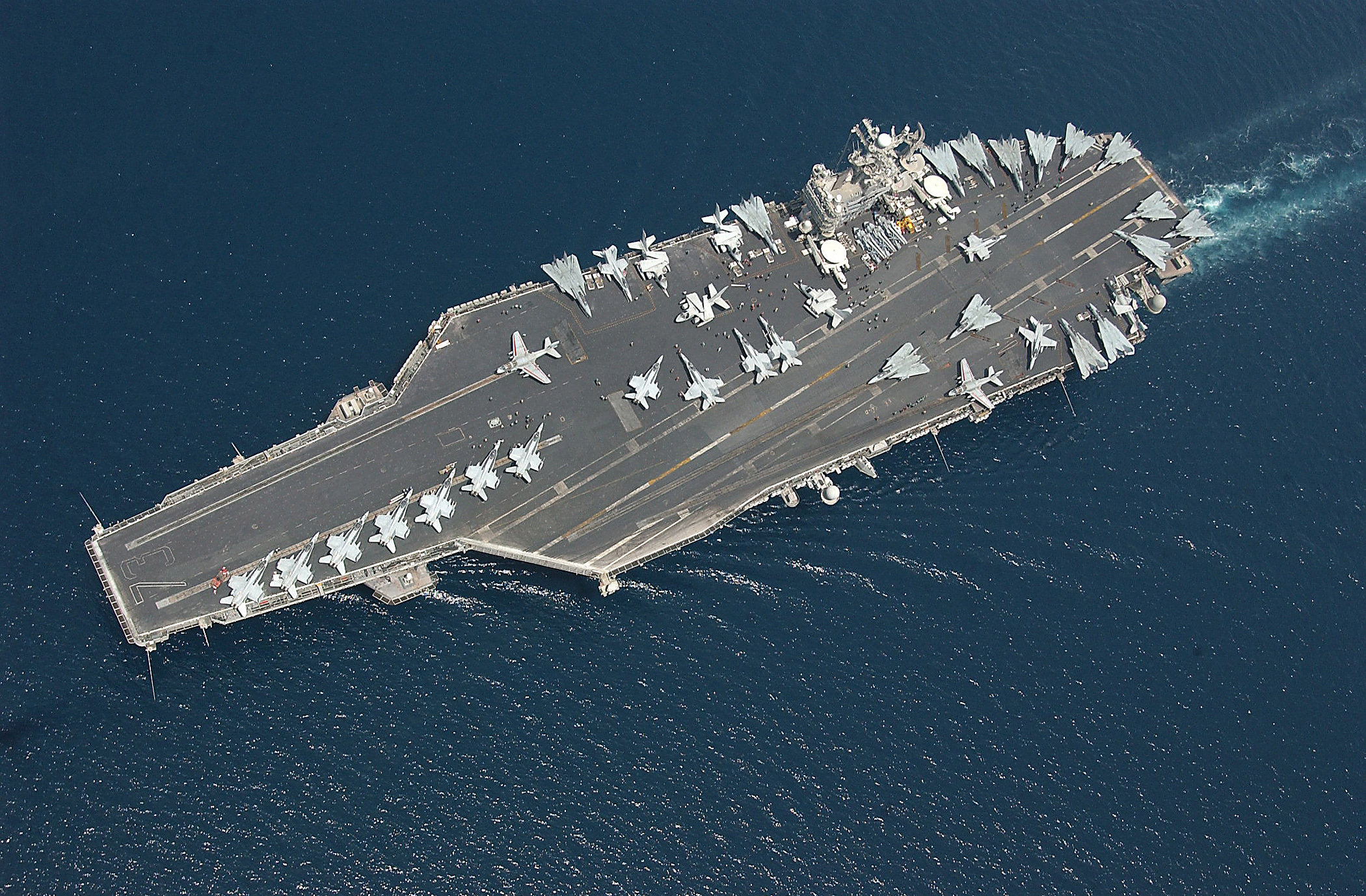
The bases sustaining the most damage tell a story of their own. Prince Sultan Air Base in Saudi Arabia, home to 2,300 American troops, has endured sustained Iranian missile and drone strikes. Five aerial refueling aircraft were destroyed on the tarmac. At Al Udeid Air Base in Qatar, two ballistic missiles struck the facility and a drone hit an AN/FPS-132 early warning radar system valued at $1.1 billion. Eleven US military sites have been damaged or destroyed by Iranian fire since the war began, according to Defence Security Asia.
These are not abstract numbers in Washington. Each name read on the Senate floor, each flag-draped coffin at Dover Air Force Base, each wounded veteran returning to a community that never voted for this war — all of it accumulates into a political force that history shows eventually overpowers even the strongest alliances.
The $25 Billion War Nobody Voted For
The financial trajectory of Operation Epic Fury has startled even its architects. The Center for Strategic and International Studies estimated the first 100 hours cost $3.7 billion — roughly $891 million per day. By day six, the Pentagon reported cumulative spending of $11.3 billion. By day twelve, CSIS put the figure at $16.5 billion. As of late March, the Center for American Progress estimates total expenditure has reached $25 billion.
The early phase was the most expensive. The opening 72 hours consumed approximately 400 Tomahawk cruise missiles at $2.2 to $3.6 million apiece, depending on the variant. After day four, the military shifted from cruise missiles to cheaper JDAM-guided bombs, bringing daily costs down to roughly $500 million — still an extraordinary burn rate by any standard. WarCosts.org calculated the expenditure at $21,800 per second.
Senator Cory Booker, Democrat of New Jersey, framed the spending in political terms that resonate beyond Capitol Hill. “We are at war, a war the American people never asked for and Congress is doing nothing. No oversight, no hearings, no checks and balances as this administration spends freely and recklessly. Already, $25 billion has been poured into Donald Trump’s war with zero accountability.”
The Pentagon’s response was to ask for more. Defense Secretary Pete Hegseth confirmed a supplemental budget request exceeding $200 billion — four times the amount originally floated by Pentagon officials. “Takes money to kill bad guys,” Hegseth told reporters. A separate $50 billion supplemental specifically targets the replacement of Tomahawk and Patriot missiles and THAAD interceptors consumed in the war’s first week. Lawmakers from both parties have expressed alarm. The growing tensions within the administration itself over war costs and scope have become impossible to conceal.
For Saudi Arabia, these numbers carry a specific danger. Every dollar spent defending the Kingdom is a dollar that American voters, taxpayers, and legislators can point to and ask: what is Riyadh paying for its own protection? The answer — that Saudi Arabia’s $78 billion annual defense budget is the third-largest on Earth — does not satisfy a public that watches its own soldiers bleed while Saudi Arabia’s have not fired a shot across the border.
Why Has Congress Tried Three Times to End the Iran War?
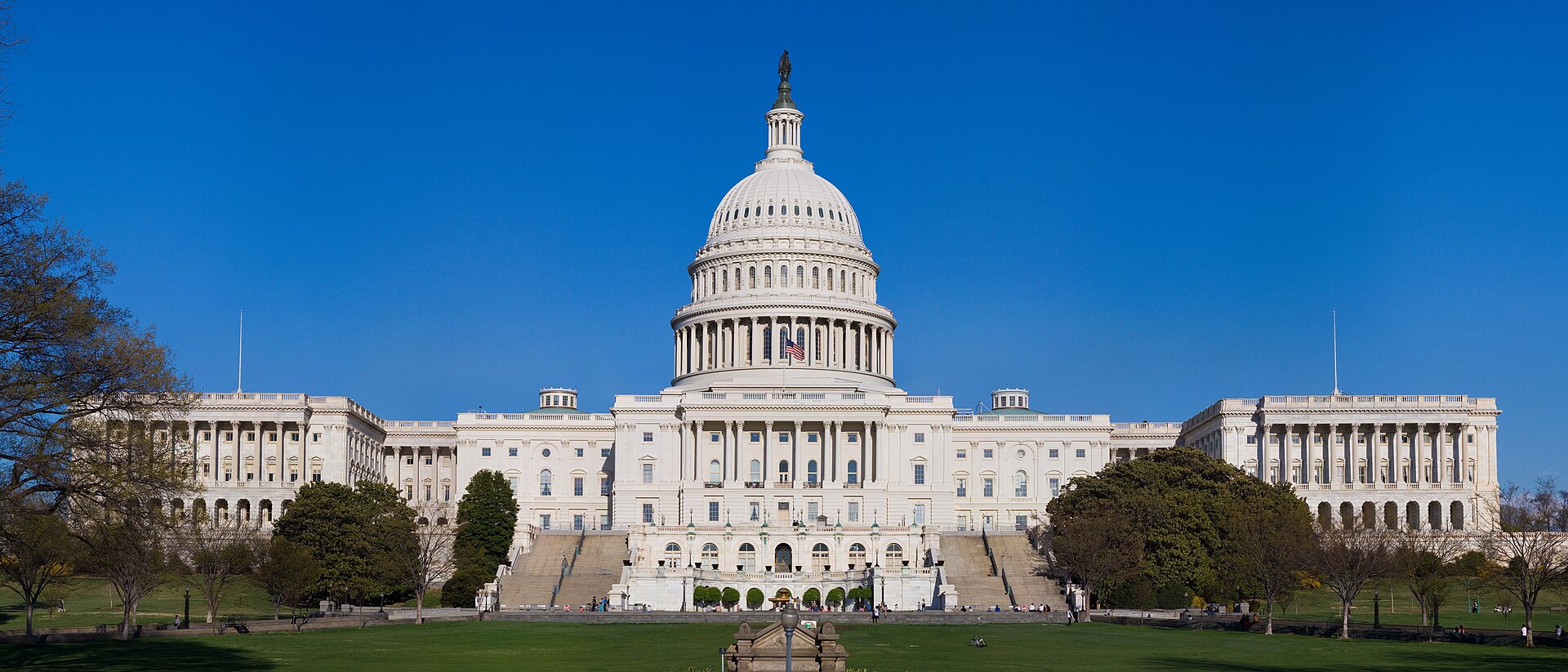
Three separate War Powers Resolution votes have been forced in the US Senate since February 28, each attempting to invoke the 1973 War Powers Resolution and compel a withdrawal of American forces from unauthorized hostilities. All three failed, but the margins reveal a political landscape that should alarm Saudi strategists far more than any Iranian drone swarm.
The first vote came on March 4, led by Senator Chris Murphy of Connecticut. The Senate rejected the resolution 53-47. Senator Rand Paul of Kentucky was the only Republican to cross party lines. Senator John Fetterman of Pennsylvania was the only Democrat to vote against. Murphy told reporters afterward: “It’s our only opportunity to debate the war, which is tragic.”
The second vote, led by Senator Cory Booker, was defeated along similar lines. The third, on March 25, failed again at 53-47. The same crossover pattern held — Paul and Fetterman switching sides, the rest voting along party lines.
In the House, the margin was tighter. On March 5, Representative Thomas Massie, Republican of Kentucky, forced a vote on H.Con.Res.38, directing the President to remove forces from unauthorized hostilities in Iran. It failed 212-219. Only two Republicans — Massie and Warren Davidson of Ohio — voted for it. Four Democrats voted against. The seven-vote margin is the closest a war powers challenge has come to succeeding since the mechanism was created in 1973.
The numbers matter because they are static — and American casualties are not. Representative Massie is working with Representative Ro Khanna to identify GOP lawmakers who might flip. Khanna told reporters that “five or six” Republican legislators are “on the fence.” The Republican Jewish Coalition has launched a $2.8 million advertising campaign against Massie for his opposition, which suggests the pro-war camp regards his position as a genuine threat rather than a symbolic protest.
Senator Tim Kaine of Virginia, a consistent advocate for congressional war authority, did not mince words: “It’s outrageous that my Republican colleagues continue to allow President Trump to bypass Congress on so many issues, but especially one as important and solemn as whether to send our nation’s sons and daughters into war.” A group now known as the “Senate Six” — Booker, Kaine, Murphy, Adam Schiff, Tammy Baldwin, and Tammy Duckworth — is demanding immediate oversight hearings.
House Democrats are reportedly waiting until mid-April to force another vote, calculating that additional casualties and the sticker shock of the $200 billion supplemental request will peel away the votes they need.
The Polling Numbers Riyadh Cannot Ignore
The American public opposed the Iran war before the first missile was fired. It opposed the war after the first week. It opposes the war still. This is not how American military campaigns usually begin.
| Poll | Date | Sample | Support | Oppose | Key Finding |
|---|---|---|---|---|---|
| Marist Poll | March 2-4 | 1,591 | 44% | 56% | Independents oppose 59-41 |
| Quinnipiac | March 9 | 1,804 | 40% | 53% | 74% oppose ground troops |
| Emerson College | March 16-17 | 1,000 | 40% | 47% | 63% fear world war in next 4 years |
| Pew Research | March 16-22 | 3,524 | 38% | 59% | Republican-leaning independents split 52-45 |
| AP-NORC | Late March | — | — | 59% | 59% call military action “excessive” |
The Pew Research Center survey, conducted March 16-22 with 3,524 respondents, found 59 percent of Americans say striking Iran was the wrong decision. Thirty-eight percent called it the right decision. Among Democrats and Democratic-leaning voters, 90 percent disapprove of Trump’s handling of the conflict and 88 percent call it the wrong decision. Among Republicans and Republican-leaning voters, 69 percent approve and 71 percent call it the right decision.
The fracture line that should concern Riyadh most sits within the Republican coalition itself. Republican-leaning independents — the voters who determine whether the GOP holds the White House — split 52-45 in approval of Trump’s handling, significantly below the 79 percent support among core Republicans. The YouGov/Economist tracker shows Trump losing independent support specifically over Iran. Nate Silver’s Silver Bulletin aggregate tracker places overall support at 39.5 percent and opposition at 52.1 percent as of late March, with opposition inching upward from 48 percent at the war’s start.
The Quinnipiac finding on ground troops is the most consequential for Saudi Arabia: 74 percent of Americans oppose sending US ground forces into Iran, including substantial majorities of both parties. Only 20 percent support it. When Americans were asked how long the war would last, 26 percent said longer than a year, 32 percent said months, 18 percent said weeks, and just 3 percent said days.
Trump did not receive the “rally-around-the-flag” boost that historically lifts presidential approval during the opening phase of military operations. His net approval rating sits at a second-term low of negative 16.7 percentage points. By contrast, George W. Bush’s approval surged from 51 to 90 percent after September 11, 2001, and from 58 to 71 percent when the Iraq invasion began in March 2003.
Has Any American Military Commitment Survived This Level of Opposition?
No American military campaign in the post-World War II era has begun with majority opposition and survived politically. The Iran war entered negative polling territory on its first day — a distinction that separates it from every other US military engagement in modern history and carries direct implications for how long the American presence in the Gulf can be sustained.
Three factors historically determine whether a US military commitment endures or collapses under political pressure: the speed at which public opinion turns negative, the casualty tolerance of the electorate, and the availability of a credible exit narrative. An assessment of five post-1945 conflicts reveals a pattern that Saudi Arabia’s defense planners would do well to study.
| Conflict | Start | Initial Support | Time to Majority Opposition | Peak US Deaths | Exit Trigger | Durability Score |
|---|---|---|---|---|---|---|
| Korea (1950-53) | June 1950 | ~66% approve | ~6 months | 36,574 | Armistice after Chinese intervention | Medium |
| Vietnam (1965-73) | March 1965 | 60% not a mistake | ~3 years | 58,220 | Tet Offensive + election | High initially |
| Iraq (2003-11) | March 2003 | 72% approve | ~18 months | 4,431 | Insurgency + Abu Ghraib + election | Medium |
| Afghanistan (2001-21) | October 2001 | 93% not a mistake | ~8 years | 2,461 | Bipartisan exhaustion | Very high initially |
| Somalia (1992-94) | December 1992 | ~70% approve | Immediate (after Mogadishu) | 43 | 18 killed in single battle | Very low |
| Iran (2026-) | February 2026 | ~40% approve | Day 1 — never had majority | 13 (and rising) | ? | Lowest on record |
Vietnam took three years to lose majority support. Iraq took eighteen months. Afghanistan, buoyed by the September 11 attacks, took eight years. Somalia collapsed overnight — 18 American deaths in the Battle of Mogadishu on October 3, 1993, triggered withdrawal within five months. President Clinton ordered cessation of all combat operations three days after the battle.
The Iran war’s trajectory most closely resembles Somalia, but with a crucial difference: Somalia mattered to almost no one in Washington’s strategic establishment, making withdrawal costless. Saudi Arabia sits atop the world’s second-largest proven oil reserves and anchors the petrodollar system. Walking away carries real consequences. The question is whether those consequences matter more to American voters than the casualties accumulating on their screens.
The Missile Math That Keeps the Pentagon Awake
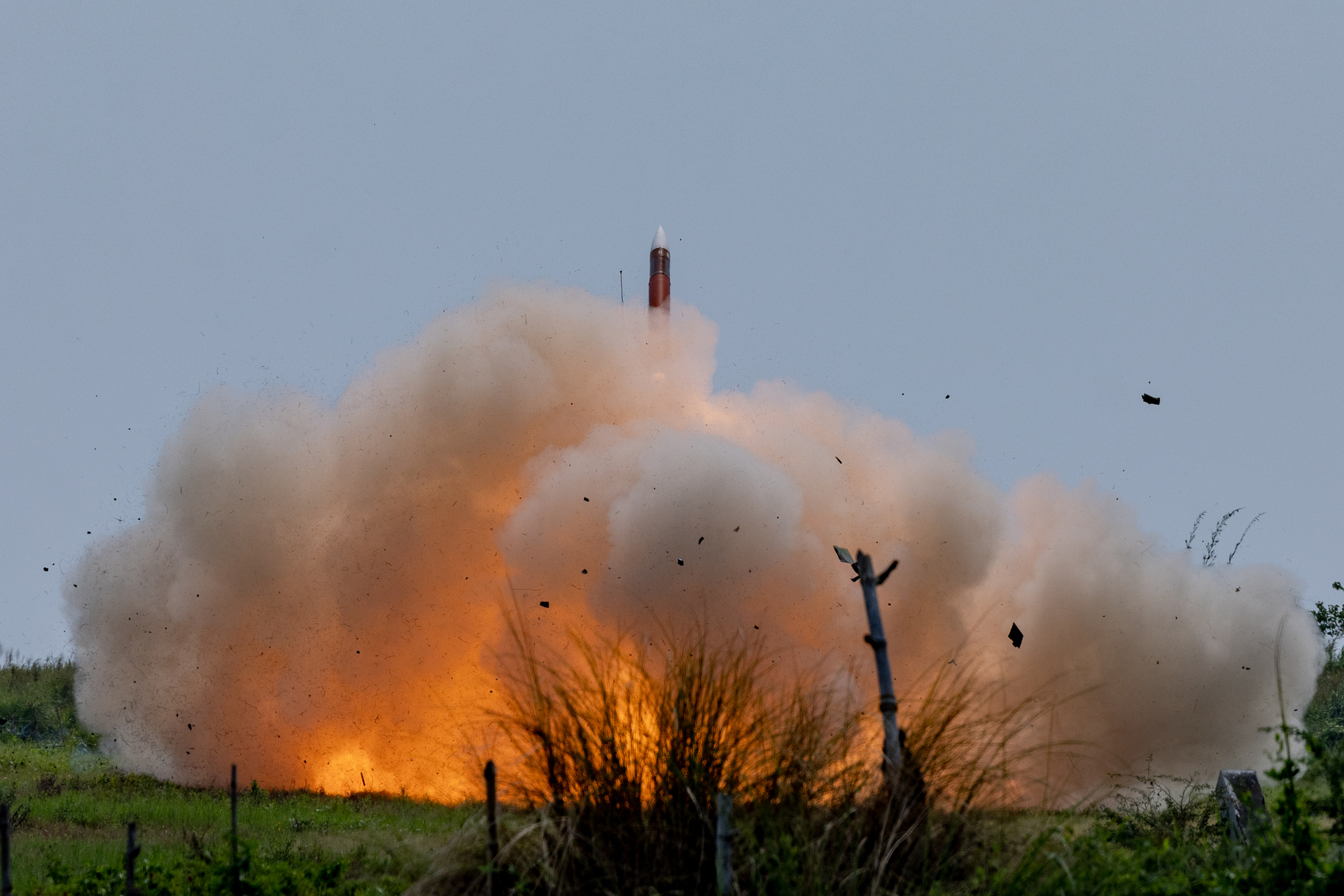
The Iran war has exposed a structural vulnerability in America’s ability to sustain Gulf defense operations: the United States is running out of the missiles it needs to protect Saudi Arabia, and replacing them will take years.
In the first four weeks of fighting, the US military has fired more than 850 Tomahawk cruise missiles — representing between 10 and 27 percent of the total pre-war stockpile, which CSIS analyst Mark Cancian estimates at approximately 3,100 missiles. Current production capacity stands at roughly 600 Tomahawks per year. An emergency contract signed with Raytheon promises to increase output to 1,000 per year, but that pace would still require more than a year to replace what has been consumed in a single month.
The defensive picture is worse. CSIS reported that 402 Patriot PAC-3 interceptors were fired in the war’s first sixteen days — each costing $3.7 million. In the same period, 198 THAAD interceptors were launched at approximately $12.7 million apiece. The THAAD expenditure alone represents roughly 40 percent of the inventory on hand before the conflict began, according to Congressional Research Service estimates.
The cost asymmetry is staggering. Iran’s Shahed-136 drones cost between $20,000 and $50,000 to produce. Shooting one down with a Patriot PAC-3 interceptor costs 74 to 185 times as much. A THAAD interceptor costs 254 to 635 times as much. This is the economic arithmetic that led the Pentagon to consider diverting air defense systems from Ukraine — a decision with its own cascading strategic consequences.
The stockpile crisis has a direct bearing on the sustainability of the American commitment. If the war continues at its current pace for another sixty days, the US will face a choice between depleting its Patriot and THAAD reserves to dangerous levels — leaving other theaters (the Taiwan Strait, the Korean Peninsula, NATO’s eastern flank) exposed — or scaling back its defensive umbrella over Saudi Arabia. Neither option is acceptable. Both are being war-gamed at the Pentagon.
The early strikes alone cost $5.6 billion in munitions, according to the Washington Post. That figure does not include the operational costs of carrier strike groups, aerial refueling sorties, intelligence collection, base security, or medical evacuation. When Senator Rand Paul calculated the war’s total cost trajectory, he described it as “the single most expensive discretionary expenditure in American history compressed into the shortest timeframe.”
What Is Saudi Arabia Doing to Build Its Own Shield?
The Kingdom is not waiting passively for the American political clock to run out. Saudi Arabia has accelerated a defense diversification strategy that predates the war but has taken on existential urgency since February 28. The goal — articulated in Vision 2030’s military component — is to localize 50 percent of defense spending by 2030, reducing dependence on any single supplier.
Progress has been measurable but insufficient. Defense localization stood at 4 percent in 2018. By the end of 2023, it reached 19.35 percent. By the end of 2024, it climbed to 24.89 percent, according to the General Authority for Military Industries. Licensed defense facilities grew from 5 in 2019 to 296 by the third quarter of 2024. GAMI has signed more than 53 industrial cooperation programs worth approximately $9.32 billion with local and international companies.
Saudi Arabian Military Industries, the PIF-owned conglomerate established in 2017, has expanded to a defense industrial group with more than 60 national products and capabilities across five divisions. Joint ventures with Lockheed Martin cover missile defense integration. Navantia is partnering on naval vessel construction. Boeing provides aerospace sustainment. In February 2026, Lockheed Martin opened a command and control software factory in Riyadh staffed by Saudi engineers and SAMI’s Advanced Electronics Company.
The numbers are impressive on paper. In practice, 24.89 percent localization means three-quarters of Saudi Arabia’s defense industrial needs still depend on foreign suppliers. The $78 billion annual defense budget — roughly 7.3 percent of GDP — is the third-largest on Earth, but much of it flows to American, British, and French defense contractors rather than Saudi factories. The war has made this dependency painfully visible: when Patriot interceptors run low, Saudi Arabia cannot manufacture replacements. It can only ask Washington to send more.
The Partners MBS Is Courting Beyond Washington
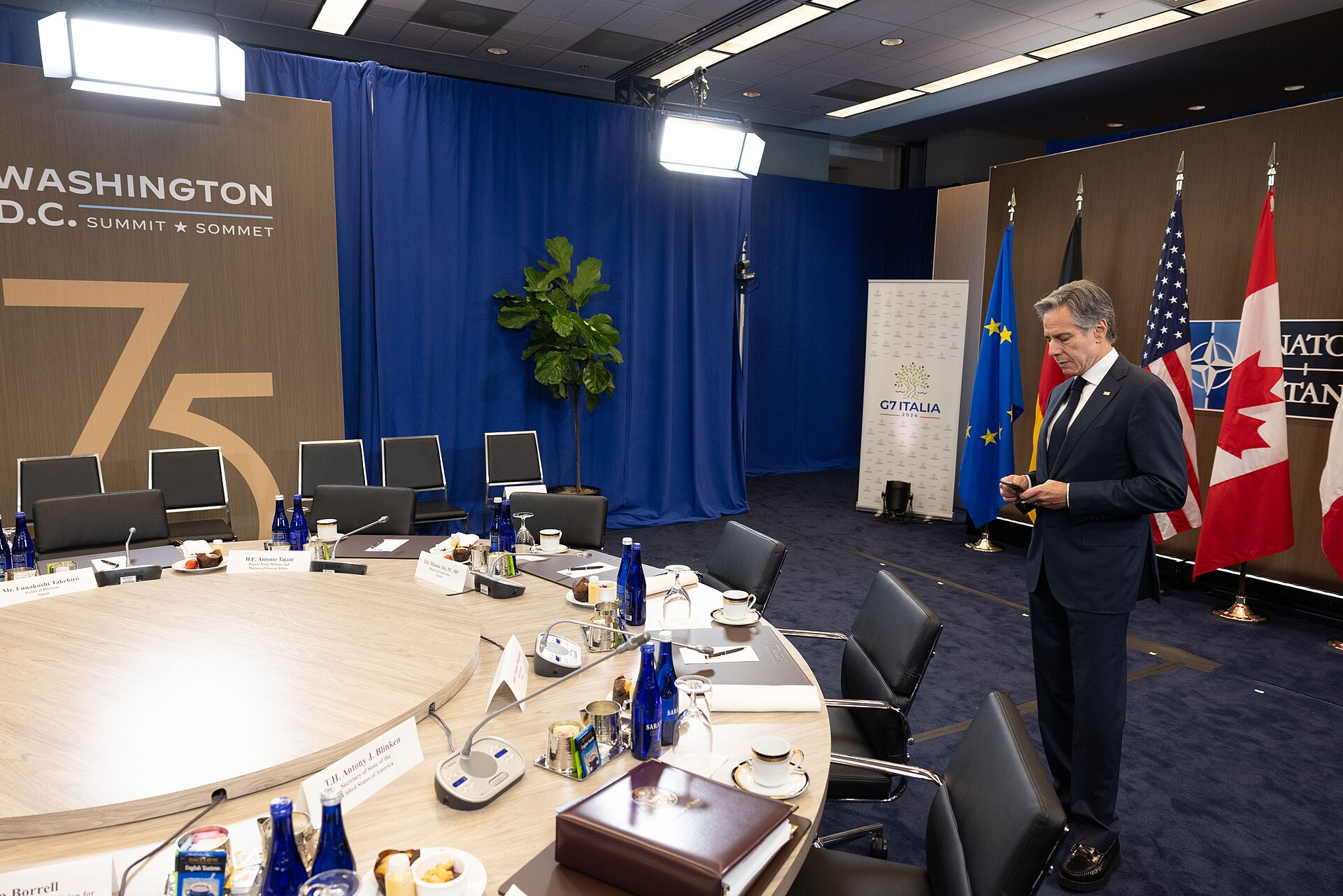
The diversification extends beyond industrial policy to strategic relationships. Saudi Arabia is building a web of defense partnerships that collectively represent a hedge against the scenario this article examines. The G7 foreign ministers meeting in France on March 27 underlined the scale of this challenge, as Rubio failed to rally skeptical allies who refused to join offensive operations against Iran — an America that tires of defending the Gulf.
| Partner | Platform/System | Estimated Value | Status | Strategic Significance |
|---|---|---|---|---|
| France | 54 Dassault Rafale fighters | $8 billion | Under negotiation | Reduces F-15/F-35 dependency |
| United Kingdom | 48-54 Eurofighter Typhoons | $13 billion | Evaluating (Germany lifted embargo 2024) | GCAP 6th-gen fighter access |
| South Korea | Air defense systems + KF-21 fighter | $3.2 billion+ | Deal signed (Feb 2024); KF-21 talks active | Non-Western supply chain |
| China | Wing Loong-3 drone factory | $5 billion | Production facility approved | Domestic drone manufacturing |
| Ukraine | Anti-drone expertise + cooperation agreement | Undisclosed | Signed March 27, 2026 | Battle-tested counter-UAS capability |
France’s potential sale of 54 Rafale fighters — valued at approximately $8 billion including maintenance — gained momentum after Germany consistently blocked Eurofighter Typhoon exports to Saudi Arabia. When Berlin lifted its embargo in 2024, the UK’s BAE Systems entered the competition with a potential $13 billion Typhoon package. Saudi Arabia is evaluating both, along with the American F-15EX, creating the kind of competitive bidding environment that gives Riyadh leverage it has never previously enjoyed in fighter procurement.
The South Korean relationship may prove the most consequential for Saudi Arabia’s long-term defense autonomy. The $3.2 billion air defense deal signed in February 2024 was a starting point. Active discussions now center on the KF-21 Boramae fighter, with Saudi Arabia seeking not just purchase but joint production and technology transfer. A high-level Saudi delegation led by the Royal Saudi Air Force Commander visited Korea Aerospace Industries in January 2026. South Korea has offered joint development of a KF-21 successor — a proposition that would give Saudi Arabia a domestic fighter aircraft capability within a generation.
China’s $5 billion Wing Loong-3 drone factory deal with AVIC and GAMI would enable domestic production of approximately 48 advanced long-range unmanned combat aerial vehicles annually. The arrangement was validated after the Wing Loong-3 completed more than 200 combat sorties. China also showcased multiple systems at the World Defence Show in February 2026.
The Ukrainian defense cooperation agreement signed during President Zelenskyy’s surprise visit to Jeddah on March 27 adds a dimension that no other partner can provide: real-time, combat-tested expertise in countering the exact drone systems — Shahed-136 derivatives — that Iran is firing at Saudi territory. More than 200 Ukrainian drone-countering specialists have deployed to Saudi Arabia, the UAE, and Qatar, with 30 more heading to Jordan and Kuwait.
Can the US-Saudi Alliance Survive a Change in the White House?
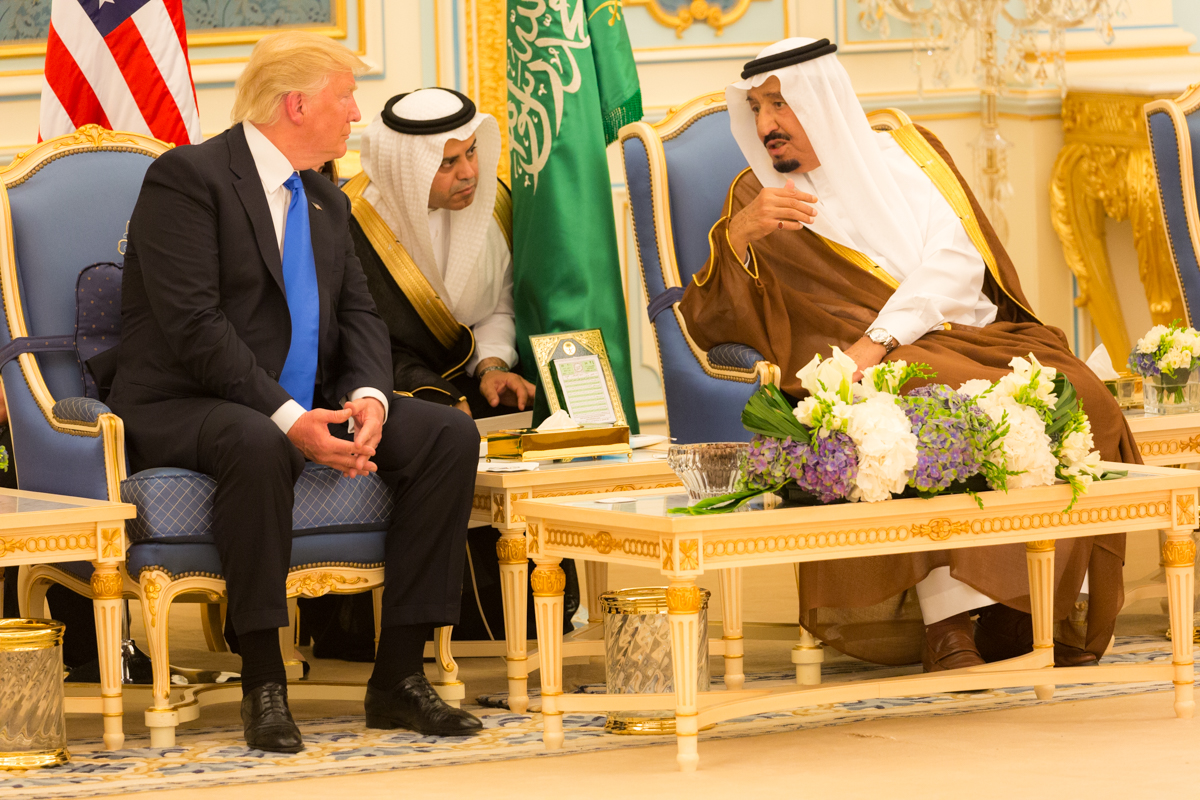
The US-Saudi defense partnership has survived thirteen American presidents since Franklin Roosevelt met King Abdulaziz aboard the USS Quincy in 1945. It has weathered oil embargoes, the September 11 attacks, the Khashoggi murder, and congressional arms sale freezes. It has never had to survive a war that a majority of Americans opposed from day one.
The 2028 presidential election is 31 months away. If the Iran war continues at its current intensity — or if it ends but leaves behind a destabilized Gulf requiring long-term American military presence — it will be the defining foreign policy issue of that campaign. The polling data suggests that a candidate promising to reduce the American military footprint in the Middle East would find a receptive electorate across party lines.
The precedent is direct. The 2008 election was shaped by opposition to the Iraq war. Barack Obama’s pledge to withdraw combat forces from Iraq was central to his primary victory over Hillary Clinton, who had voted for the war, and to his general election campaign. The 2020 election featured bipartisan consensus on ending the “forever wars” — a consensus that produced the Doha Agreement with the Taliban under Trump and the chaotic withdrawal from Afghanistan under Biden.
Saudi Arabia’s strategic planners must contend with a structural feature of American democracy that no amount of lobbying can override: wars that lack popular legitimacy eventually produce presidents who end them. The timeline varies — Vietnam took a decade, Iraq took five years, Afghanistan took twenty — but the direction is invariable. American voters do not sustain indefinite military commitments, particularly when the beneficiary is perceived as a wealthy nation that could do more for its own defense.
The burden-sharing argument is the most dangerous one for Saudi Arabia. During the 1990-91 Gulf War, Saudi Arabia and Kuwait collectively paid approximately $36 billion of the $61 billion total cost — nearly 60 percent. That contribution neutralized domestic opposition to the war. In 2026, no comparable cost-sharing arrangement exists. The $200 billion supplemental request will be funded entirely by American taxpayers. Every member of Congress who votes for it will face constituents asking why Saudi Arabia — a country with $700 billion in foreign reserves and a $1.1 trillion sovereign wealth fund — is not writing a check.
The Burden-Sharing Gap That Could Break the Alliance
The most politically toxic dimension of the US-Saudi military relationship is the perception — widespread in Congress and reinforced by every poll — that Saudi Arabia is not paying its fair share. The 1990-91 Gulf War established a precedent that the current conflict has not replicated. During Operation Desert Storm, Saudi Arabia and Kuwait collectively contributed approximately $36 billion of the $61 billion total cost, covering nearly 60 percent of the war’s expenses. Japan added $13 billion. Germany contributed $6.6 billion. The United States bore less than 10 percent of the final bill.
In 2026, no comparable burden-sharing arrangement exists. The Kingdom has provided basing access — including the politically sensitive opening of King Fahd Air Base — and has committed its own air defense assets to the fight. But it has not offered to reimburse the United States for the hundreds of Patriot and THAAD interceptors fired in its defense, the Tomahawk cruise missiles launched from American ships, or the operational costs of the carrier strike groups patrolling the Gulf. Saudi Arabia’s $700 billion in foreign exchange reserves and $1.1 trillion Public Investment Fund sit untouched while American taxpayers face a $200 billion supplemental appropriation.
The political dynamics of this gap are corrosive. When Senator Rand Paul voted against the war, he cited not just constitutional objections but fiscal ones: “We’re borrowing money from China to defend Saudi Arabia, a country with a trillion-dollar sovereign wealth fund. Someone explain to me how this makes sense.” That argument resonates with voters across the political spectrum — libertarian Republicans, progressive Democrats, and the independent voters who decide elections.
In the 1991 model, burden-sharing was negotiated before the war began. King Fahd understood that American political support required Saudi financial participation. The current arrangement — in which Saudi Arabia receives American military protection without a transparent cost-sharing mechanism — reflects a relationship that was designed for peacetime deterrence, not sustained warfighting. The gap between the 1991 model and the 2026 reality is wide enough to drive a congressional majority through, and the absence of a public Saudi financial commitment to the war effort is an unforced strategic error that Riyadh’s lobbyists in Washington have not yet found a way to address.
The Uncomfortable Truth Neither Capital Will Say Out Loud
The conventional analysis holds that the US-Saudi alliance is too important to fail — that oil, arms sales, counterterrorism, and regional stability create an interdependence that no amount of political friction can dissolve. This analysis is correct in peacetime. It may be fatally wrong during a war.
The uncomfortable truth is that Saudi Arabia’s security guarantee has always rested on a foundation that the Kingdom cannot control: the willingness of American voters to accept casualties on behalf of a country that most Americans view with suspicion. A 2023 Gallup survey found that only 27 percent of Americans viewed Saudi Arabia favorably — a number that has not meaningfully improved despite years of Saudi lobbying, sports diplomacy, and entertainment investment.
American military commitments do not end when the strategic rationale disappears. They end when the political cost of maintaining them exceeds the political cost of withdrawing. That threshold is different for every conflict, but the Iran war is approaching it faster than any engagement in American history — because it started closer to the threshold than any previous war.
Saudi Arabia’s response — diversifying defense suppliers, building domestic capability, cultivating relationships with France, the UK, South Korea, and even Ukraine — is strategically rational. It is also insufficient for the current emergency. A Rafale fighter ordered today will not arrive for three years. A KF-21 joint production facility will not produce aircraft for a decade. The Wing Loong-3 factory is years from operational capacity. In the interim, Saudi Arabia remains dependent on American Patriot batteries, American THAAD systems, American intelligence, and American political will.
The nations currently profiting from the war without fighting it understand this dynamic. So do the Chinese ships still sailing through the Strait of Hormuz under arrangements the US Navy does not enjoy. The geopolitical landscape is being reshaped not by military outcomes but by political sustainability — and on that metric, Saudi Arabia’s position is weaker than its air defense shield suggests.
MBS has built the most ambitious national transformation program in the modern Middle East. He has consolidated power within the royal family to a degree unprecedented since the Kingdom’s founding. He has courted American presidents, purchased American weapons, and invested billions in American companies. None of this insulates him from the one variable that matters most for Saudi security: whether American mothers and fathers are willing to watch their children serve in a war that most Americans believe should never have been started.
The shield is real. The missiles fly. The interceptors fire. But every interceptor is purchased with American tax dollars, launched by American soldiers, and sustained by a political consensus that is thinner than the walls of a Saudi air raid shelter. Twenty-eight days into the Iran war, the consensus is cracking. History suggests it will not heal.
“You can’t be halfway pregnant. We’re in there.”
Senator Bill Cassidy (R-Louisiana), defending the war on the Senate floor, March 2026
Senator Cassidy is right about the metaphor. He is wrong about the trajectory. America can — and historically does — decide it no longer wants to be “in there.” When it does, Saudi Arabia will discover whether the shield it has spent decades purchasing was ever truly its own.
Frequently Asked Questions
How many US service members have been killed in the Iran war?
Thirteen American service members have been killed since Operation Epic Fury began on February 28, 2026. The deadliest single incident was the March 1 drone strike at Camp Arifjan in Kuwait, which killed six soldiers. More than 300 additional service members have been wounded across seven countries, with eight sustaining serious injuries requiring medical evacuation to Landstuhl Regional Medical Center in Germany.
Does the American public support the Iran war?
No. Every major poll conducted since the war began shows majority opposition. Pew Research found 59 percent call it the wrong decision. Quinnipiac found 53 percent oppose military action. The Marist Poll found 56 percent oppose. Crucially, 74 percent of Americans oppose sending ground troops to Iran, and Trump has not received the rally-around-the-flag boost that historically accompanies the opening phase of American military operations.
Has Congress voted to end the Iran war?
Congress has voted on War Powers Resolutions four times — three in the Senate and once in the House. All failed, but the House vote was defeated by only seven votes (212-219). Two Republican representatives — Thomas Massie and Warren Davidson — crossed party lines. House Democrats plan to force another vote in mid-April, betting that additional casualties and the $200 billion budget request will shift enough votes to pass.
How much has the Iran war cost the United States?
Approximately $25 billion in the first 28 days, according to the Center for American Progress. The Pentagon has requested a $200 billion supplemental appropriation from Congress. More than 850 Tomahawk cruise missiles have been fired, depleting between 10 and 27 percent of the pre-war stockpile. Over 400 Patriot PAC-3 interceptors and 198 THAAD interceptors have been consumed, representing roughly 40 percent of THAAD inventory.
Is Saudi Arabia building its own defense capabilities?
Saudi Arabia is pursuing defense localization through SAMI and GAMI, reaching 24.89 percent of defense spending localized by the end of 2024 against a 50 percent target by 2030. The Kingdom has signed or is negotiating defense deals with France ($8 billion Rafale), the UK ($13 billion Typhoon), South Korea ($3.2 billion air defense plus KF-21 fighter), China ($5 billion drone factory), and Ukraine (counter-drone cooperation). However, these capabilities will take years to mature, leaving Saudi Arabia dependent on American systems for the foreseeable future.
What happens if a future US president withdraws from the Gulf?
A full American withdrawal would leave Saudi Arabia without its primary air defense umbrella, intelligence architecture, and deterrent capability against Iran. The Kingdom’s $78 billion defense budget — the world’s third-largest — has not yet produced the force structure, institutional depth, or indigenous weapons manufacturing capacity to independently defend against a sustained state-on-state aerial campaign. Saudi diversification efforts with European, Asian, and Ukrainian partners partially mitigate this risk, but no combination of alternative partners can replicate the American security guarantee in the near term.