
RIYADH — Donald Trump has given himself sixteen days to end the largest military conflict in the Middle East since the 2003 invasion of Iraq. April 9 — Israeli Independence Day — is the target date for a ceasefire deal with Iran, built around a 15-point demand list shared through Pakistani intermediaries. The terms address Washington’s nuclear obsession and Israel’s security perimeter. They do not address the country that has absorbed more than 600 Iranian drone and missile strikes since February 28. Saudi Arabia, which opened King Fahd Air Base to American warplanes and watched its Aramco output fall by 2.5 million barrels per day, sits outside the negotiating room. The Kingdom’s core demands — a permanent multinational naval force in the Strait of Hormuz, the dismantlement of Iran’s proxy networks, reparations for infrastructure damage — appear nowhere on the 15-point list. What is being negotiated in Islamabad and Ankara is not a peace that protects the Gulf. It is a peace that protects Washington’s domestic calendar.
- What Is Trump’s April 9 Deadline?
- The Fifteen Points Nobody Has Agreed To
- Why Is Saudi Arabia Not at the Table?
- What Does Saudi Arabia Need From Any Deal?
- The Mediators Between Washington and Tehran
- Can Iran Accept Trump’s Terms?
- The Hormuz Question No Ceasefire Can Answer
- The April 9 Scorecard
- What Happens If the Deadline Passes Without a Deal?
- The Historical Precedent MBS Cannot Ignore
- The Deal Saudi Arabia Should Fear Most Is the One That Succeeds
- Frequently Asked Questions
What Is Trump’s April 9 Deadline?
The deadline is not strategic. It is ceremonial. Israeli officials confirmed to Reuters that Trump intends to visit Israel on April 9 — Israeli Independence Day — and that the White House wants a signed framework agreement, or at minimum a durable ceasefire, to present as the centerpiece of that visit. The date was chosen not because military conditions favor it or because diplomatic channels have matured, but because Trump wants to stand beside Benjamin Netanyahu and declare victory.
On March 23, Trump announced a five-day pause on strikes against Iran’s power grid, framing the decision as a gesture of good faith toward negotiations. “Very productive talks,” he said at Mar-a-Lago. Within hours, Iran’s foreign ministry issued a flat denial: no talks were taking place, no American terms had been accepted, and no ceasefire was under discussion. This contradiction — Washington claiming progress while Tehran denies the existence of a process — defines the sixteen days ahead.
The pause itself is narrower than it appears. The United States suspended strikes on power plants and electrical infrastructure only. Strikes on military targets, IRGC facilities, missile production sites, and nuclear-adjacent installations continued through March 23 and March 24. According to Bloomberg, at least 14 Iranian military targets were hit during the supposed pause window. The war continues while peace is supposedly being negotiated.
Trump’s pattern with deadlines is well documented. He set deadlines for North Korea, for the Taliban, for China trade negotiations — and extended every one of them when the moment arrived without a deal. April 9 may function less as a hard stop and more as a pressure device, designed to force concessions from Tehran before the clock runs out. The risk is that Tehran sees the same pattern and calculates that it can simply wait.
The domestic calculus in Washington reinforces the artificial timeline. Congressional support for the $200 billion Pentagon war funding request is eroding. Senate Democrats have introduced a War Powers Resolution to constrain further escalation. Republican hawks in the House want more strikes, not fewer, and view negotiations as premature capitulation. Trump needs the April 9 date to thread a needle: demonstrate to war skeptics that he is pursuing peace while assuring hawks that the military campaign succeeded. A signed framework — even one that Iran has no intention of honoring — would satisfy both constituencies long enough to move the news cycle forward.
The Fifteen Points Nobody Has Agreed To
The 15-point demand list, shared with Iran through Pakistani intermediaries, according to Middle East Eye, reads less like a negotiating position than a surrender document. Its terms, as reported across multiple outlets between March 20 and March 23, include the following core demands: Iran must commit to never developing nuclear weapons. It must halt all uranium enrichment immediately. It must hand over its existing stockpile of enriched uranium to a third party. It must accept limits on its ballistic missile program. It must cease all support for proxy militias across the region. It must recognize Israel’s right to exist.
Several additional points address the Strait of Hormuz — managed “by mutual agreement” rather than by Iranian threat — and the resumption of international inspections of nuclear facilities. There are provisions for prisoner exchanges, diplomatic normalization, and sanctions relief contingent on verified compliance.
Iranian officials quoted by state media called the terms “next to impossible.” The enriched uranium handover alone represents a demand that no Iranian government, reformist or hardline, could accept without framing it as capitulation. Iran spent two decades and absorbed waves of sanctions to build its enrichment capacity. Surrendering that stockpile would be, in the words of one ECFR analysis, “asking Iran to erase the strategic insurance policy it purchased with a generation of economic suffering.”
What the 15 points do not mention is equally revealing. There is no reference to Gulf state security. No reparations framework for the damage Iran’s missiles and drones have inflicted on Saudi, Emirati, Bahraini, or Kuwaiti infrastructure. No binding commitment to dismantle the Houthi arsenal that continues to threaten Red Sea shipping. No reconstruction fund for the civilian damage inside Iran, where 1,047 civilians, including 214 children, have been killed according to Iranian health ministry figures cited by the BBC. The 15 points are a US-Iran bilateral framework. The rest of the region is an afterthought.
The Arms Control Association noted in a March 22 assessment that the demand list bears structural similarity to the “Libya model” — the complete, verifiable, irreversible disarmament that Muammar Gaddafi accepted in 2003. That comparison is not lost on Tehran. Gaddafi surrendered his weapons programs and received Western engagement. Eight years later, NATO bombed his country and he was killed by rebels. The Libya precedent is the single strongest argument Iranian hardliners have against accepting any deal that involves disarmament, and Trump’s negotiators have handed it to them by drafting terms that read like a replay.
Why Is Saudi Arabia Not at the Table?
The negotiating format is bilateral by design. Washington and Tehran, with mediators shuttling between them, are the only principals. Saudi Arabia, the UAE, Bahrain, Kuwait, Qatar, and Iraq — all of which have been directly affected by the war — are informed of developments through press conferences and diplomatic back-channels, not through seats at the table.
Crown Prince Mohammed bin Salman was, according to CNBC reporting, “infuriated” by the original US decision to launch strikes against Iran on February 28. Saudi Arabia had not been consulted in advance. The Kingdom learned of the attack timeline at roughly the same time as the rest of the world. That fury has not subsided. GCC foreign ministers held an emergency session in Riyadh on March 3 at which, according to Reuters, multiple delegations expressed frustration that the United States was making war-and-peace decisions about the Gulf without Gulf input.
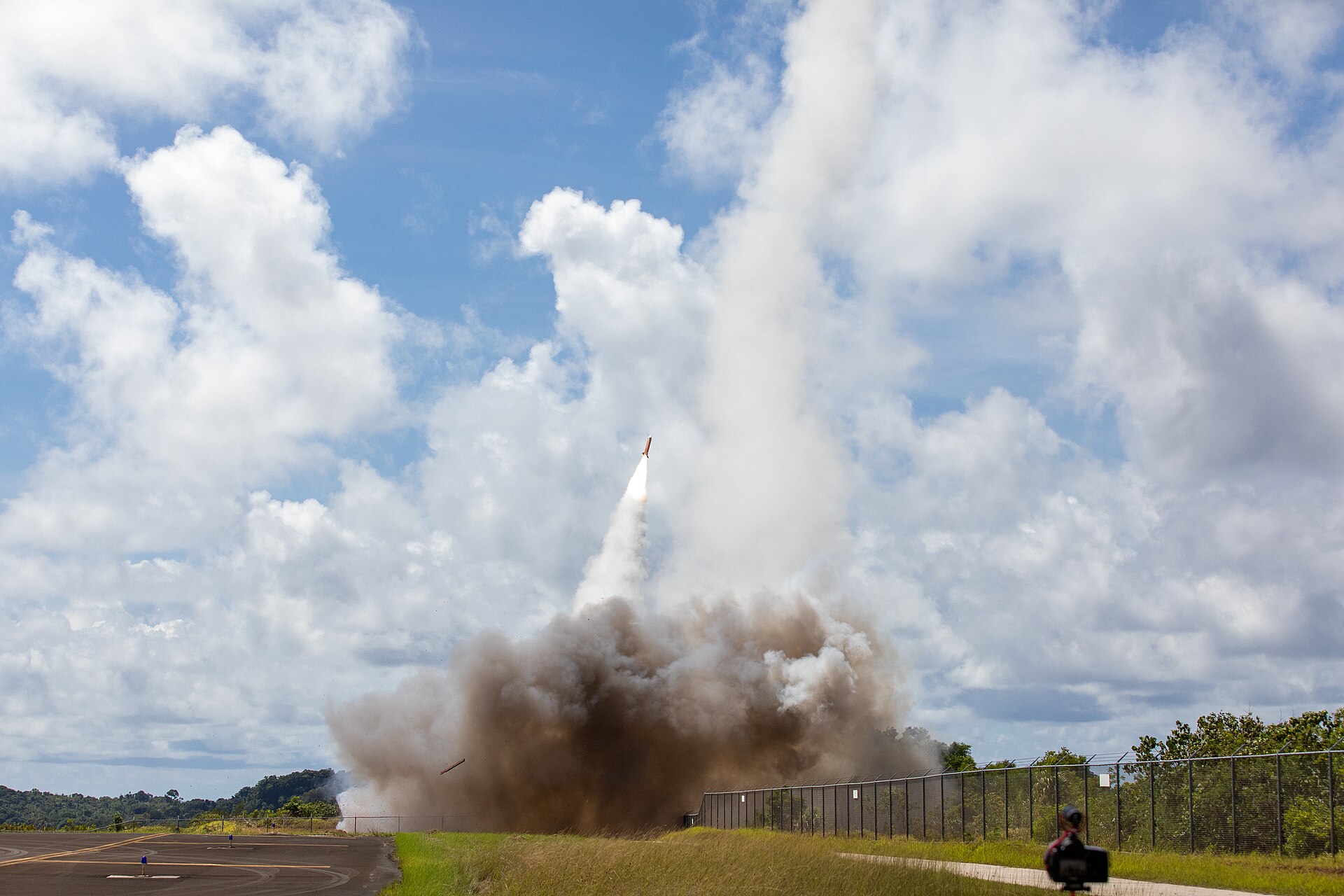
The paradox is structural. Saudi airspace is used for American sorties. King Fahd Air Base in Taif hosts US aircraft. Saudi Patriot batteries have intercepted hundreds of Iranian missiles aimed at both Saudi and American facilities. Saudi Arabia is a belligerent in everything but name — yet it has no voice in the negotiations that will determine how the war ends.
MBS is reported to have privately told Trump to “keep hitting hard,” according to Middle East Eye, while publicly maintaining Saudi Arabia’s formal non-alignment in the conflict. This dual posture — encouraging the war while refusing to formally join it — gives the Kingdom rhetorical flexibility but zero negotiating power. You cannot demand a seat at the peace table for a war you officially insist you are not fighting.
On March 21, Saudi Arabia expelled Iran’s military attache from Riyadh, a step that stopped short of severing diplomatic relations entirely but signaled a sharpening of the Kingdom’s stance. The move was largely symbolic. The real signal is the absence: when the final terms are drafted, there will be no Saudi signature on the document.
The exclusion is not merely a diplomatic slight. It carries material consequences. Any enforcement mechanism in the final deal — inspections timelines, sanctions snapback triggers, Hormuz monitoring procedures — will be calibrated to American and Iranian red lines, not Saudi ones. If the deal collapses in two years because Iran violates a provision that Washington considers minor but Riyadh considers existential, the United States will have the option of reimposing sanctions. Saudi Arabia will have the option of absorbing more missiles. The difference between being a party to an agreement and being affected by one is the difference between having a vote and having a prayer.
What Does Saudi Arabia Need From Any Deal?
Saudi Arabia’s minimum requirements for any ceasefire, as articulated through diplomatic channels and public statements by Saudi officials across March, form a list that is as long as Trump’s 15 points and considerably more difficult to enforce.
First, a permanent international naval force in the Strait of Hormuz. Not a temporary coalition, not a rotating patrol, but a standing multinational fleet authorized to use force to guarantee freedom of navigation. Iran’s effective blockade of the strait has cut tanker traffic by 90 percent, stranded more than 3,000 vessels and 40,000 sailors, and driven war-risk insurance premiums to all-time highs. Saudi Arabia wants a guarantee that this can never happen again. Six nations have indicated readiness to contribute ships, but only after a ceasefire — creating a sequencing problem that has no obvious solution.
Second, the dismantlement of Iran’s proxy network. The Houthis in Yemen, the Popular Mobilization Forces in Iraq, Hezbollah in Lebanon — these are the instruments through which Iran projects power against Saudi Arabia even when direct state-to-state conflict is not occurring. Any deal that leaves these networks intact is, from Riyadh’s perspective, a deal that simply resets the clock on the next confrontation. As House of Saud analysis has noted, the Kingdom stands to lose more from a peace that preserves Iran’s proxy architecture than from the continuation of a war that is degrading it.
Third, reparations for infrastructure damage. Saudi Aramco’s production has been cut by an estimated 2 to 2.5 million barrels per day due to Iranian strikes on processing facilities. Desalination plants, power stations, and civilian infrastructure across the Eastern Province have sustained damage. The Kingdom has not published a comprehensive damage assessment, but regional economists cited by Bloomberg estimate direct and indirect losses exceeding $40 billion in the first 24 days of the conflict.
Fourth, a nuclear non-proliferation assurance that goes beyond Iran’s verbal commitment. Saudi officials have stated repeatedly that if Iran retains any enrichment capability, the Kingdom will pursue its own nuclear program. A deal that leaves Iran one screwdriver’s turn from a bomb would trigger a regional proliferation cascade.
Fifth, the UAE’s parallel demand for what Abu Dhabi calls “sustainable security” — a framework in which Gulf states are not perpetually dependent on American willingness to intervene. Bahrain has gone further, drafting a UN Security Council resolution that would authorize the use of force to secure the Strait of Hormuz, a resolution that Russia and China would almost certainly veto.
Sixth, and least discussed publicly, is the question of trade route restoration. The war has not only disrupted Hormuz. Red Sea shipping, already degraded by Houthi attacks prior to February 28, has effectively ceased for commercial vessels without military escort. Saudi Arabia’s non-oil economy — the entire foundation of Vision 2030 — depends on functioning maritime corridors. The NEOM megaproject, the entertainment sector, the tourism infrastructure being built along the Red Sea coast: all of it requires a security environment that the current deal framework does nothing to guarantee. A ceasefire that reopens Hormuz but leaves the Houthis armed and the Red Sea contested is a ceasefire that protects oil flows while strangling the diversified economy MBS has spent a decade building.
The Mediators Between Washington and Tehran
The diplomatic architecture around the April 9 deadline is a web of intermediaries, each with its own agenda and each serving primarily the interests of the two principals rather than the region.
Pakistan occupies the central position. Islamabad has hosted multiple rounds of indirect contact between US and Iranian representatives, according to Reuters. Pakistani Prime Minister Shehbaz Sharif has framed his country as a neutral facilitator, but Pakistan’s neutrality is strained: it shares a border with Iran, depends on Saudi financial support, and faces domestic pressure from both pro-Iranian Shia constituencies and pro-Saudi Sunni establishments. Pakistan delivered the 15-point demand list to Tehran. It has not delivered any Saudi conditions.
Turkey’s foreign minister Hakan Fidan has served as a shuttle diplomat, traveling to Tehran, Washington, and Gulf capitals in a single week during mid-March. Ankara’s interest is in positioning itself as indispensable to the post-war order, securing energy transit agreements, and preventing Kurdish groups from exploiting the regional instability. Turkey’s mediation serves Turkey.
Oman, the traditional quiet channel between Washington and Tehran, has facilitated back-channel communications since the war’s first week. Muscat’s role is the most discreet and, historically, the most effective — it was Omani intermediaries who enabled the secret talks that led to the JCPOA in 2015. But Oman’s effectiveness comes precisely from its willingness to carry messages without inserting its own demands, which means Saudi interests are not part of the Omani brief.
Egypt’s President Sisi pledged at a GCC summit to defend Gulf security and offered Cairo as an alternative negotiation venue, but Egypt’s military contribution to the actual conflict has been minimal, limiting its diplomatic weight. The 22-nation statement demanding Hormuz be reopened, which Egypt signed, carries moral authority but no enforcement mechanism.
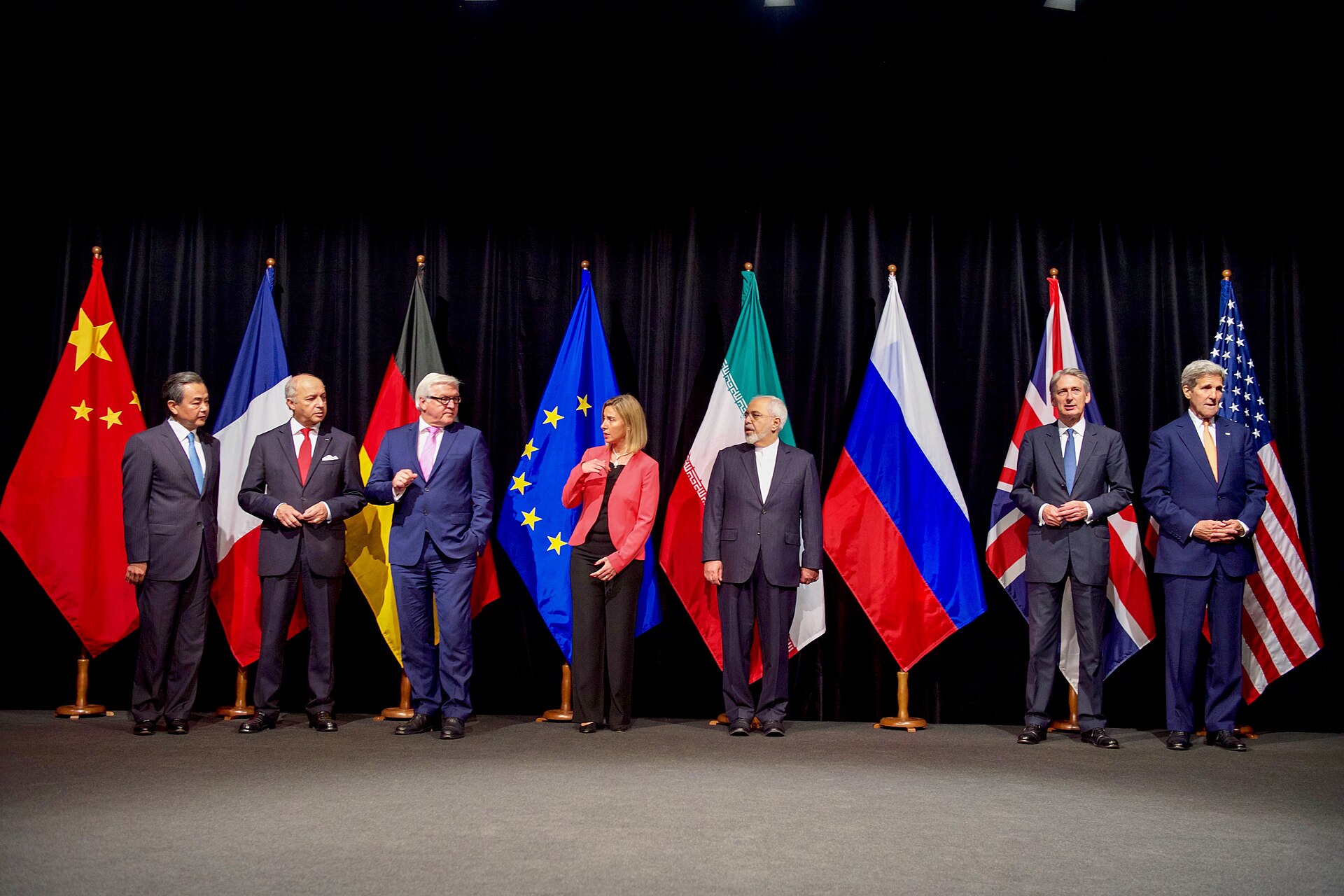
The American delegation is led by special envoy Steve Witkoff, with Jared Kushner playing a back-channel role and Vice President JD Vance reportedly prepared to join if talks reach a ministerial level. Iran’s interlocutor, to the extent that Tehran acknowledges any engagement, is parliament speaker Mohammad Bagher Qalibaf, who visited Pakistan and Turkey in March while the foreign ministry denied that any negotiations were occurring.
None of these mediators carry a Saudi mandate. None are authorized to negotiate on the Kingdom’s behalf. The diplomatic machinery is designed to produce a US-Iran understanding, not a regional settlement.
Can Iran Accept Trump’s Terms?
The honest answer is no — not as currently written. At least four of the 15 points represent conditions that no Iranian government could accept without triggering an internal crisis that would make the current war look manageable by comparison.
Recognition of Israel’s right to exist would require a reversal of the Islamic Republic’s founding ideology. Since 1979, opposition to Israel has been a constitutional commitment, not merely a policy position. The IRGC’s entire force structure in Syria and Lebanon is organized around the premise of eventual confrontation with Israel. Accepting Israel’s legitimacy would delegitimize the IRGC itself, and the IRGC is not an institution that accepts delegitimization quietly.
Cessation of proxy support is equally non-negotiable from Tehran’s perspective. The Houthis, Hezbollah, and Iraqi militias are Iran’s strategic depth — the reason a country with a defense budget one-tenth the size of Saudi Arabia’s has projected power across four countries simultaneously. Surrendering that network would leave Iran as a mid-sized state with a damaged economy, a cratered power grid, and no ability to threaten its adversaries beyond its own borders. That is precisely the outcome Washington wants. It is precisely the outcome Tehran’s security establishment exists to prevent.
The enriched uranium handover is perhaps the most symbolically charged demand. Iran’s nuclear program is a matter of national pride that transcends factional politics. Reformists, hardliners, moderates, and pragmatists all agree that Iran has a sovereign right to enrich uranium. Handing the stockpile to a third party would be framed domestically as surrender, and in a system where Mojtaba Khamenei exercises power through institutional consensus rather than direct command, no single leader can impose a decision that the entire establishment opposes.
Yet Iran is also absorbing devastating punishment. The US air campaign has destroyed an estimated 60 percent of Iran’s electrical generation capacity. The power grid attacks have left millions without reliable electricity. Iran’s oil exports, already constrained by sanctions, have effectively ceased due to the Hormuz disruption. The civilian toll — 1,047 dead, including 214 children — generates domestic pressure that even the IRGC cannot entirely suppress.
Iran’s strategy appears to be denial and delay: deny that talks are happening, delay any substantive engagement until the April 9 deadline passes, and bet that Trump will either extend the timeline or accept a partial deal that addresses nuclear concerns without requiring the more extreme concessions. Tehran is gambling that Trump wants a photo opportunity more than he wants a comprehensive agreement.
The Hormuz Question No Ceasefire Can Answer
Even if Trump and Iran sign a ceasefire on April 9, the Strait of Hormuz will not reopen on April 10. The structural damage to Gulf maritime commerce is now self-sustaining, independent of whether active hostilities continue.
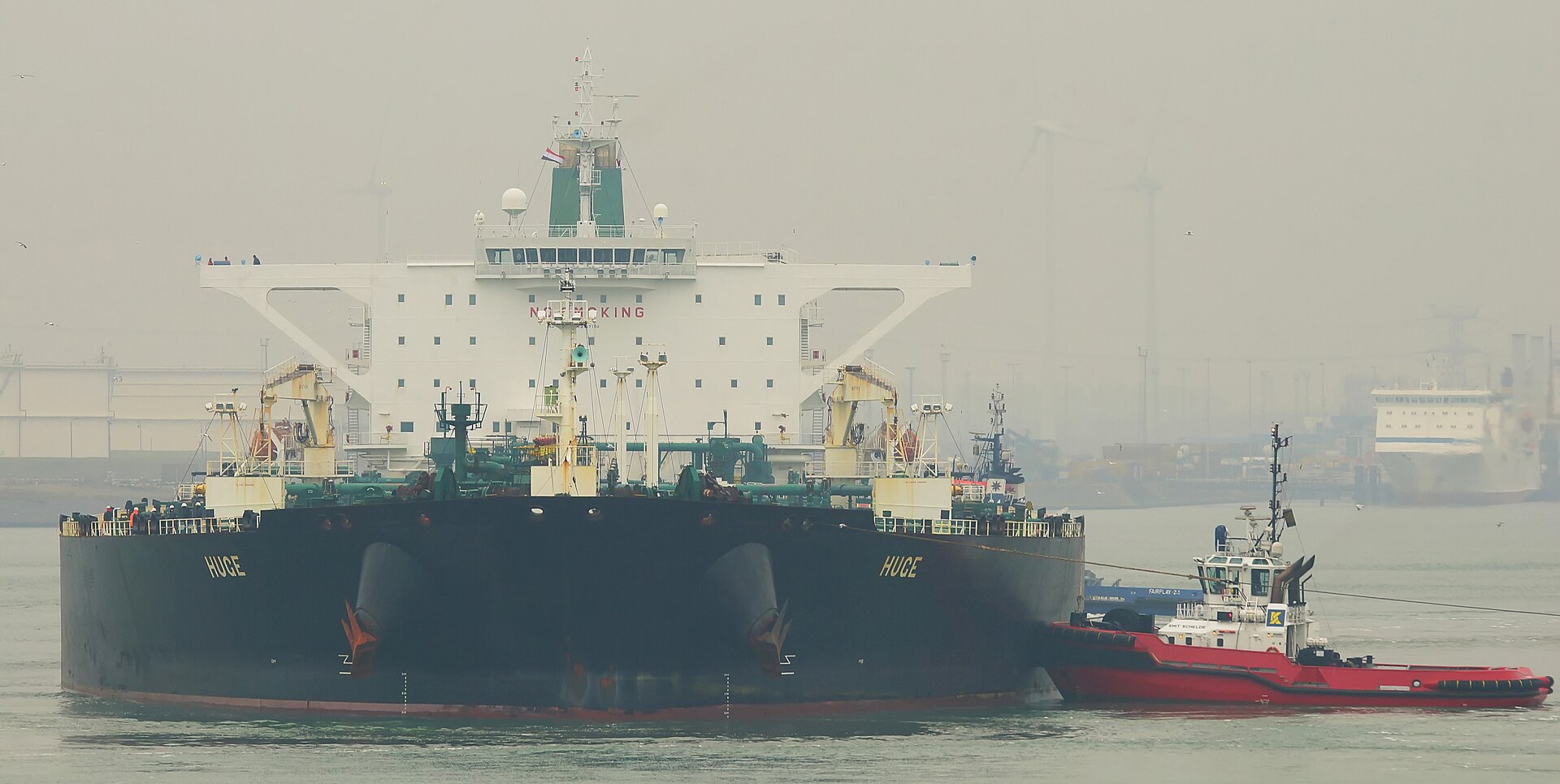
Iran has conducted at least 21 attacks on commercial shipping in and around the strait since the war began. Tanker traffic through the waterway has dropped by 90 percent. The Lloyd’s of London war-risk insurance market has priced Gulf transit at levels that make commercial shipping economically unviable even if no further attacks occur. A tanker owner paying war-risk premiums of 5 to 10 percent of hull value on top of standard insurance cannot compete with vessels taking longer routes around the Cape of Good Hope.
More than 3,000 vessels remain stranded in or near the Persian Gulf, according to maritime tracking data compiled by Bloomberg. Approximately 40,000 sailors are trapped aboard those ships, many running low on provisions and fuel. The humanitarian dimension of the Hormuz crisis receives minimal attention compared to the military dimensions, but it is real and worsening daily.
Oil prices reflect the disruption. Brent crude stood at $101 per barrel on March 23, according to CNBC, despite OPEC+ announcing an output increase of 206,000 barrels per day for April. The increase is largely meaningless: Saudi Aramco has cut production by 2 to 2.5 million bpd not because of quota decisions but because Iranian strikes have physically damaged processing capacity. The fourth oil shock is structural, not speculative. It will persist until Aramco repairs its facilities, insurance markets normalize, and tanker owners are convinced the strait is safe — a process that, based on historical precedent from the Tanker War of the 1980s, takes 12 to 18 months after hostilities end.
The 15-point demand list’s language on Hormuz — “managed by mutual agreement” — is diplomatically elegant and operationally meaningless. Mutual agreement between whom? The United States and Iran? That leaves out the 22 nations that signed a joint statement demanding Hormuz be reopened. Bahrain’s draft UN Security Council resolution would authorize the use of force to secure the strait, but Russia and China have signaled opposition, viewing any such resolution as a precedent for Western naval intervention in other contested waterways.
Six nations — the United States, the United Kingdom, France, Australia, India, and Japan — have indicated willingness to contribute naval assets to a Hormuz security force, but only after a ceasefire is in place. This creates a fatal sequencing gap: the ceasefire requires Hormuz security to be viable, but Hormuz security requires the ceasefire to come first. Nobody has proposed a mechanism to bridge this gap.
The strait will not reopen because a document is signed in Islamabad. It will reopen when the last mine is swept, the last insurance surcharge is lifted, and the last tanker captain believes he will reach port alive. That is not a diplomatic event. It is a process measured in months.
Senior Gulf maritime official, speaking to Reuters on condition of anonymity, March 22, 2026
The April 9 Scorecard
The clearest way to assess the 15-point framework is to map each principal party’s core requirements against what the proposed terms actually deliver. The results confirm the structural imbalance in the negotiations.
| Party | Core Requirement | 15-Point Terms Address It? | Verdict |
|---|---|---|---|
| United States | Iran nuclear disarmament | Points 1-3 demand enrichment halt and stockpile handover | Full |
| United States | Hormuz reopened for global trade | “Managed by mutual agreement” clause | Partial |
| Israel | Elimination of Iranian nuclear threat | Enrichment halt and inspections regime | Full |
| Israel | Proxy network degraded | Cessation of proxy support demanded | Full (on paper) |
| Iran | Regime survival | Implicit — no regime change demand | Partial |
| Iran | Sanctions relief | Contingent on compliance | Partial |
| Iran | Sovereign enrichment right | Demanded to surrender stockpile | Denied |
| Saudi Arabia | Permanent Hormuz naval force | Not mentioned | Absent |
| Saudi Arabia | Proxy dismantlement (verified) | Demanded but no verification mechanism | Minimal |
| Saudi Arabia | Infrastructure reparations | Not mentioned | Absent |
| Saudi Arabia | Security guarantee against future aggression | Not mentioned | Absent |
| GCC states | Sustainable regional security framework | Not mentioned | Absent |
| China / Russia | No Western naval permanent presence in Gulf | Not addressed | Ambiguous |
The scorecard is damning. The United States achieves its primary objective — nuclear disarmament — in full. Israel achieves security assurances in full, at least on paper. Iran receives partial concessions: survival and the possibility of sanctions relief, but at the cost of surrendering its nuclear program and proxy network. Saudi Arabia receives almost nothing. Its four core requirements are either absent from the document or addressed with language so vague as to be unenforceable.
This is not an oversight. It is a structural feature of bilateral negotiations. When the two parties at the table are the United States and Iran, the deal will reflect American and Iranian priorities. The Gulf states are externalities — affected parties whose interests are acknowledged in diplomatic rhetoric but not in treaty text.
The most telling column in the scorecard is the last one. For every Saudi requirement, the verdict is either “Absent” or “Minimal.” This is not a negotiation that has deprioritized Gulf concerns. It is a negotiation that has not considered them at all. The 15-point framework was drafted to solve an American problem — an Iranian nuclear weapon — and an Israeli problem — Iranian proxies on its borders. Saudi Arabia’s problem — a hostile neighbor with the demonstrated capacity and willingness to launch sustained missile and drone campaigns against Gulf infrastructure — is simply outside the scope of the document.
What Happens If the Deadline Passes Without a Deal?
Four scenarios emerge if April 9 arrives without an agreement, and Saudi Arabia’s exposure varies dramatically across each one. The range of possibilities for how this war ends narrows with each passing week, but it has not yet narrowed to a single path.
Scenario one: strikes resume on Iran’s power grid. The five-day pause, which was always framed as conditional, expires and the US air campaign escalates. Iran retaliates with a new wave of missile and drone attacks on Gulf infrastructure. Saudi Arabia absorbs additional damage. The interceptor crisis deepens as Patriot missile stockpiles, already depleted by hundreds of intercepts, fall to levels that force hard choices about what to defend and what to sacrifice. Each additional week of war costs the Kingdom interceptors that take months to manufacture and deliver.
Scenario two: the deadline quietly extends. Trump declares that talks are “very close” and pushes the target to April 20, then May, then June. The war enters a grinding phase in which neither side escalates decisively but neither agrees to stop. This is the most likely outcome based on Trump’s historical pattern with deadlines, and it is the worst outcome for Saudi Arabia: indefinite exposure to Iranian strikes with no diplomatic resolution in sight and no seat at whatever table eventually materializes.
Scenario three: a partial deal on Hormuz only. The United States and Iran agree to a maritime ceasefire — no attacks on shipping, gradual reopening of the strait — while the broader military and nuclear questions remain unresolved. This would relieve the most acute economic pressure but leave Saudi Arabia facing continued Iranian missile and drone attacks on its territory. A Hormuz-only deal serves oil-importing nations and the global economy. It does not serve the Gulf states that are being hit.
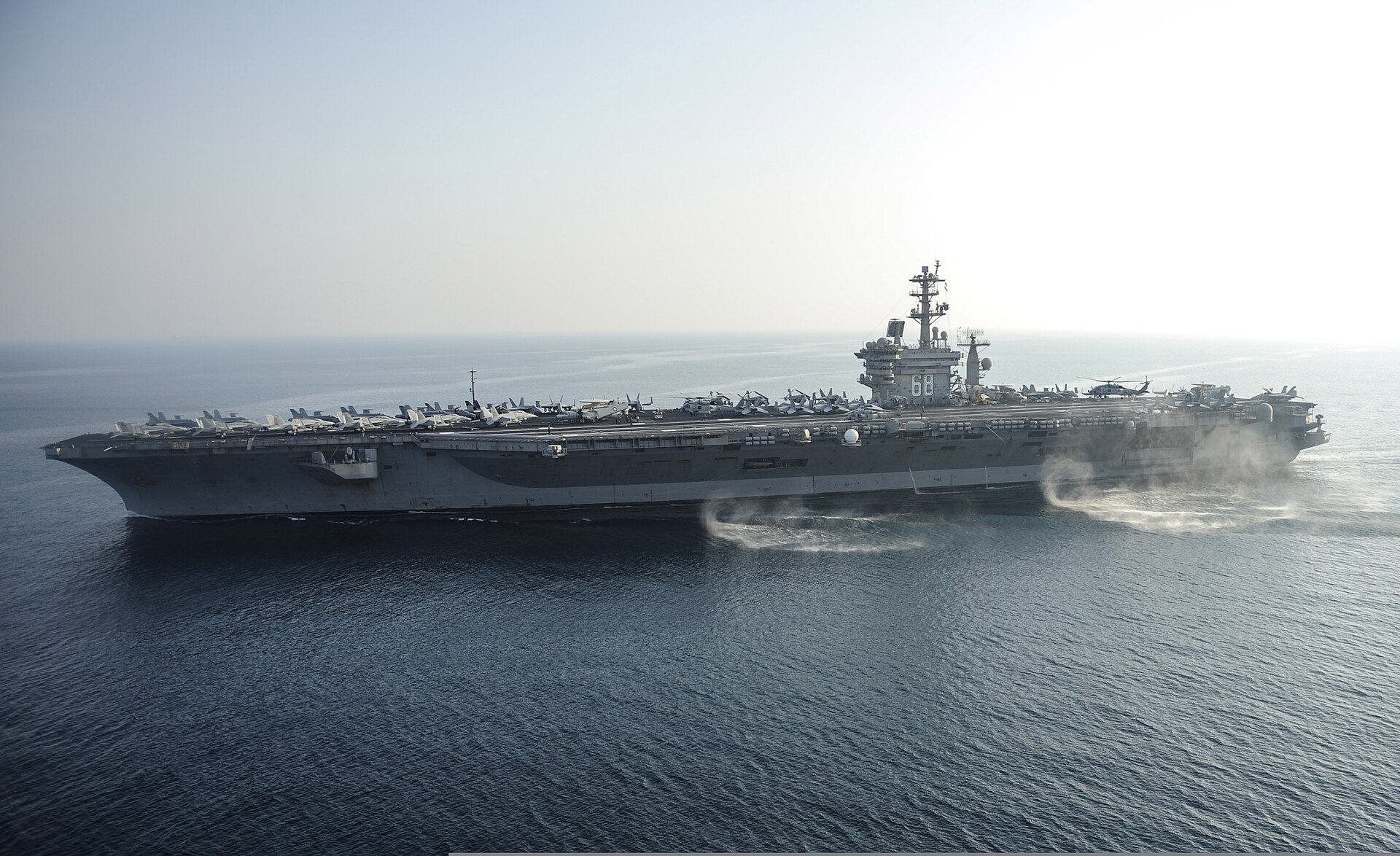
Scenario four: full escalation toward ground operations. If talks collapse entirely and Iran responds to resumed strikes with a major retaliatory attack — on a US carrier group, on a major Saudi city, on Israeli territory — the conflict could escalate beyond the air campaign into something far larger. The Pentagon’s $200 billion war funding request, reported by Bloomberg, includes provisions for sustained operations that go well beyond air strikes. The 50,000 US troops in the region, supported by the $16 billion arms package directed to Gulf allies, represent a force posture that could support ground operations if the political decision is made.
In none of these scenarios does Saudi Arabia’s position improve without Saudi Arabia being part of the decision-making process. The Kingdom is a passenger in a vehicle heading toward a destination it did not choose, on a road it did not map.
There is a fifth possibility that Saudi officials have begun discussing privately, according to Reuters: the Kingdom acts unilaterally. If the April 9 process produces a deal that Saudi Arabia considers inadequate, Riyadh could pursue its own bilateral channel with Tehran — reverting to the direct Saudi-Iran dialogue that produced the 2023 rapprochement brokered by China. That earlier agreement, which restored diplomatic relations after a seven-year rupture, was negotiated without American involvement and on terms that reflected both parties’ regional interests. The precedent exists. Whether MBS has the diplomatic bandwidth to pursue it while simultaneously managing a war, a collapsing oil market, and a fraying relationship with Washington is another question entirely.
The Historical Precedent MBS Cannot Ignore
The pattern is not new. It is, in fact, the defining pattern of American diplomacy in the Middle East: Washington negotiates bilaterally with a regional adversary, and the American ally in the Gulf pays the price for the resulting deal’s blind spots.
The Joint Comprehensive Plan of Action — the JCPOA, signed in 2015 — is the most direct precedent. The Obama administration negotiated the nuclear deal with Iran through the P5+1 framework, but the substantive negotiations were bilateral: American and Iranian diplomats in Geneva, Vienna, and Muscat hammered out the terms while Saudi Arabia, the UAE, and Israel received briefings rather than seats. The result was a deal that constrained Iran’s nuclear program for 10 to 15 years but imposed no limits on its ballistic missile development and no restrictions on its proxy network.
What followed was predictable. Iran used the sanctions relief — an estimated $100 billion in unfrozen assets and renewed oil revenue — to accelerate funding for the Houthis, Hezbollah, and Iraqi militias. The Houthis, armed with Iranian missiles and drones, began attacking Saudi Arabia in 2015 and have not stopped since. The JCPOA addressed American concerns about nuclear proliferation. It ignored Saudi concerns about everything else. The result was a decade of proxy warfare that culminated in the current full-scale conflict.
The 1991 Madrid Conference offers an earlier parallel. Gulf states were sidelined in the post-Gulf War diplomatic framework, which focused on the Israeli-Palestinian track. The unresolved security architecture in the Gulf contributed to decades of instability, the rise of al-Qaeda, and the 2003 Iraq invasion that destabilized the entire region.
The Abraham Accords, brokered by Kushner in 2020, followed the same logic in a different key. Israel received normalization agreements with the UAE, Bahrain, Sudan, and Morocco. The Palestinians received nothing. The Accords were celebrated as a breakthrough, but they were a breakthrough for the parties at the table. For the party not at the table, they were a ratification of exclusion.
MBS is a student of this history. He watched Saudi Arabia absorb the consequences of the JCPOA. He watched the Palestinians absorb the consequences of the Abraham Accords. He is now watching the same template applied to the most consequential regional negotiation since 2015, and he is watching it from outside the room.
The lesson of each precedent is the same. Bilateral deals produce bilateral outcomes. The party at the table protects its interests. The party outside the room inherits the consequences. In 2015, the consequence was a decade of proxy warfare funded by sanctions relief. In 2020, the consequence was the entrenchment of an occupation that normalization was supposed to help resolve. In 2026, the consequence could be a peace agreement that secures America’s nuclear objectives and Israel’s border while leaving Saudi Arabia facing an economically recovering Iran with intact proxy networks and a proven willingness to use them.
The Deal Saudi Arabia Should Fear Most Is the One That Succeeds
The conventional assumption is that Saudi Arabia wants this war to end as quickly as possible. The Kingdom is absorbing strikes, losing oil revenue, depleting its air defense stockpiles, and watching its Vision 2030 economic transformation stall under wartime conditions. The healthcare crisis from pharmaceutical supply chain disruptions alone is costing Saudi lives. Every additional day of war is costly.
The contrarian reality is more uncomfortable: a bad peace may be more dangerous to Saudi Arabia than continued war.
Consider what a “successful” deal on Trump’s terms would look like. Iran agrees to halt enrichment and surrender its stockpile. In exchange, Iran receives sanctions relief, a path to economic recovery, and the implicit guarantee that the United States will not attack again as long as compliance continues. The proxy question is addressed in vague language about “cessation of support” with no verification mechanism and no enforcement timeline. Hormuz is “managed by mutual agreement.” The 50,000 US troops in the region begin drawing down within months of the deal’s signing.
Now project forward 18 months. Iran, freed from sanctions, begins rebuilding its economy and its military. The proxy networks, nominally discontinued, reconstitute under different names and different command structures — the same pattern that followed every previous agreement. The Houthis continue to operate in Yemen under their own flag rather than Iran’s, technically compliant with the deal’s letter while violating its spirit. The US troop presence in the Gulf shrinks to pre-war levels. The multinational Hormuz force never materializes because the ceasefire removed the political urgency that was its only driver.
Saudi Arabia, in this scenario, ends up in a worse position than before the war. Iran’s nuclear program is constrained but its conventional and proxy capabilities are intact. The US security umbrella is thinner. The Hormuz precedent — that Iran can close the strait and the world will negotiate rather than fight — has been established. And the Kingdom has spent billions in interceptors, lost billions in oil revenue, and absorbed hundreds of strikes, all for a deal that addresses someone else’s priorities.
The Crown Prince did not tell the President to keep hitting hard because he loves war. He told him to keep hitting hard because he has seen what happens when America makes peace with Iran on America’s terms. The Kingdom pays for that peace in blood and treasure for the next decade.
Saudi security official, speaking to Middle East Eye, March 21, 2026
This is why MBS privately urged Trump to continue the military campaign. Not because the Kingdom benefits from war — it manifestly does not — but because the alternative being negotiated is a peace that leaves Saudi Arabia exposed. The war, for all its costs, is degrading Iran’s military infrastructure, its proxy networks, and its economic capacity in ways that no diplomatic agreement has ever achieved. If the war continues long enough, Iran emerges weaker. If the peace comes too soon and on the wrong terms, Iran emerges intact.
The trajectory of this conflict has always contained this paradox. Saudi Arabia did not start the war and does not control its prosecution. But the Kingdom’s security depends more on how the war ends than on whether it ends. A ceasefire that freezes the current military situation while giving Iran an economic lifeline is not peace. It is a pause that Iran will use to prepare for the next round.
The deal Saudi Arabia should fear most is not the deal that fails. Failure means the war continues and Iran continues to weaken. The deal Saudi Arabia should fear most is the deal that succeeds — on terms written by Washington, for objectives defined by Washington, enforced (or not) by Washington’s attention span. When Trump’s interest moves to the next crisis, Saudi Arabia will be left holding a piece of paper that guarantees nothing and a neighborhood that is no safer than it was on February 27.
April 9 is sixteen days away. The question is not whether a deal can be reached. The question is whether any deal reached in sixteen days, by two parties who do not share the Kingdom’s priorities, in a format that excludes the Kingdom’s voice, can possibly deliver the security that Saudi Arabia needs. The markets have already answered. The diplomats have not yet caught up. And the House of Saud watches from a distance that grows more dangerous by the day.
Frequently Asked Questions
What is Trump’s April 9 deadline for the Iran war?
April 9, 2026 is the date by which President Trump wants a ceasefire framework or signed agreement with Iran. The date coincides with Israeli Independence Day, and Trump plans to visit Israel to mark the occasion. Israeli officials confirmed the timeline to Reuters. The deadline is driven by political symbolism rather than military or diplomatic conditions on the ground.
What are the 15 points in the proposed US-Iran deal?
The 15-point demand list, shared with Iran through Pakistani intermediaries, requires Iran to halt uranium enrichment, surrender its enriched stockpile, cease support for proxy militias, recognize Israel’s right to exist, accept limits on ballistic missiles, and agree to Hormuz management “by mutual agreement.” Iranian officials have called several points “next to impossible.” The list does not include Gulf state security guarantees or reparations.
Why is Saudi Arabia not involved in the ceasefire talks?
The negotiations are structured as a bilateral US-Iran process with third-party mediators including Pakistan, Turkey, and Oman. Saudi Arabia, despite absorbing more than 600 Iranian strikes and hosting US forces at King Fahd Air Base, has no seat at the table. GCC states are informed through briefings and press conferences rather than direct participation, repeating the pattern from the 2015 JCPOA negotiations.
What does Saudi Arabia want from the Iran ceasefire?
Saudi Arabia’s core requirements include a permanent multinational naval force in the Strait of Hormuz, verified dismantlement of Iran’s proxy networks including the Houthis and Iraqi militias, reparations for infrastructure damage from 600-plus strikes, a binding security guarantee against future Iranian aggression, and nuclear non-proliferation assurances that prevent Iran from retaining any enrichment capability.
Will the Iran war end by April 9, 2026?
A comprehensive peace agreement by April 9 is extremely unlikely given that Iran publicly denies any negotiations are taking place and has called the 15-point terms unacceptable. A partial deal — such as a maritime ceasefire in the Strait of Hormuz — is possible but would leave the broader military conflict unresolved. The most probable outcome, based on Trump’s historical pattern, is an extension of the deadline accompanied by declarations that talks are progressing.