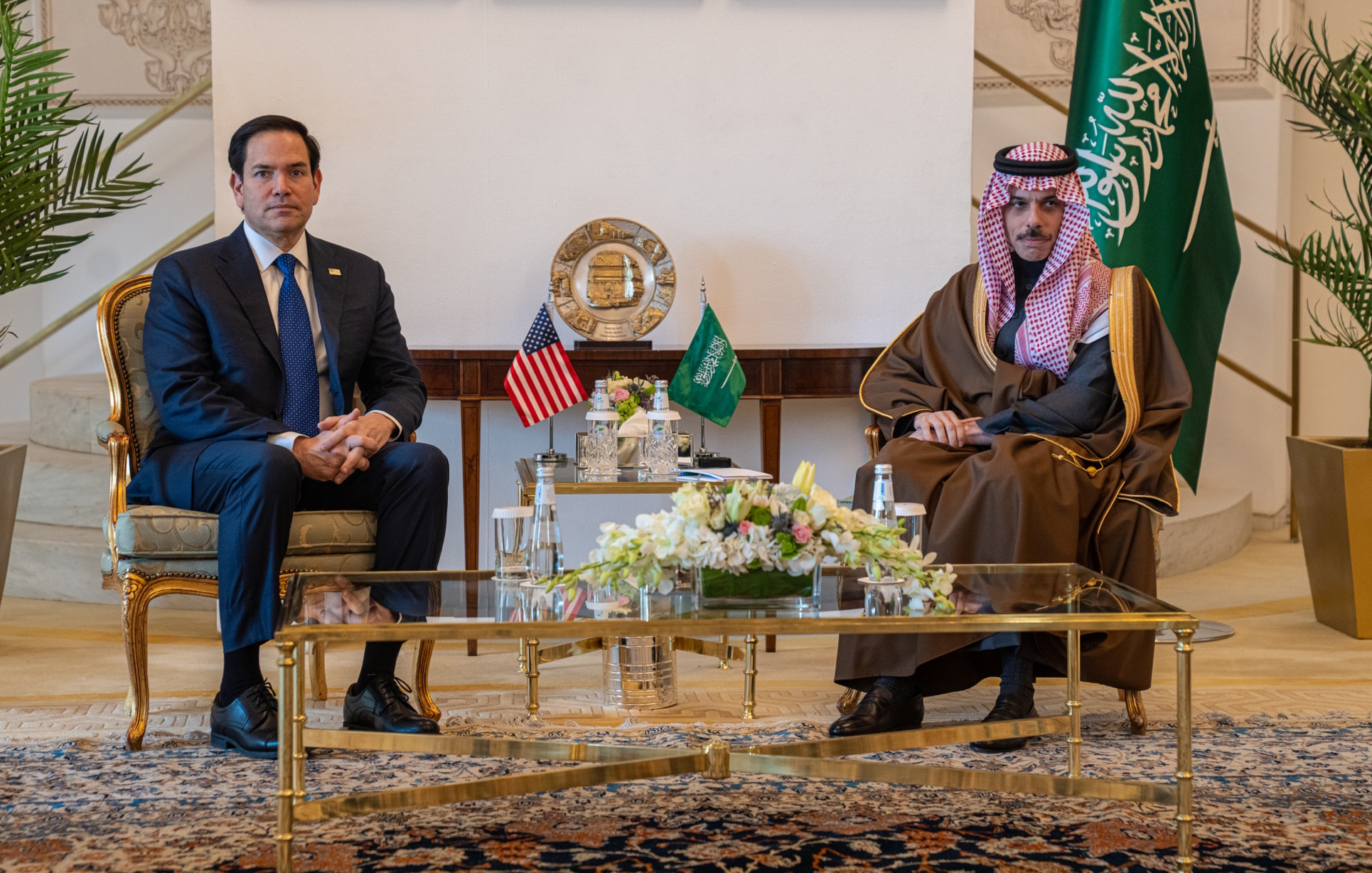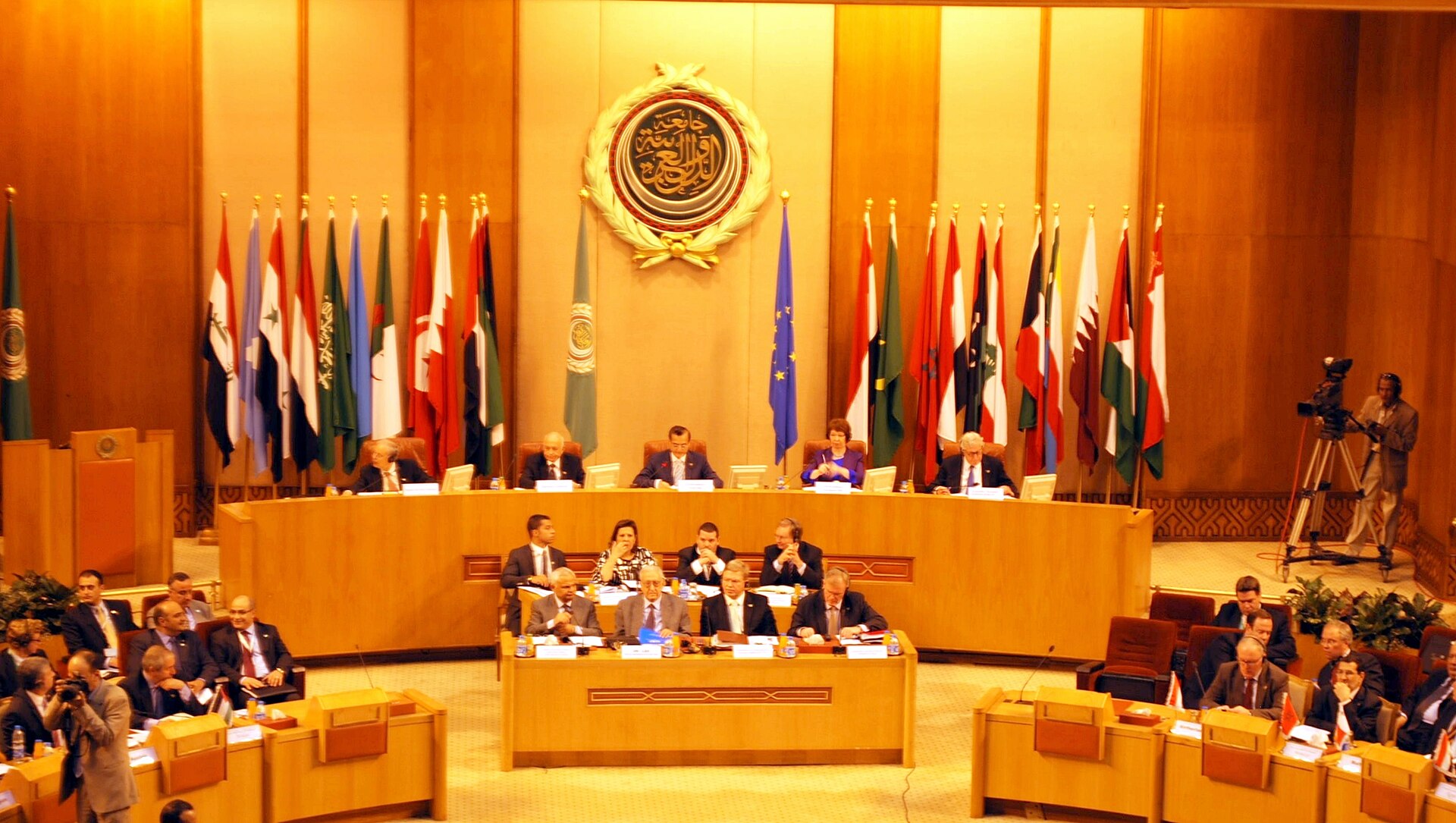

CAIRO — Arab foreign ministers convened an emergency session of the Arab League Council on March 8 and issued a 16-point statement condemning Iranian missile and drone attacks on eight member states, invoking the right to collective self-defense under Article 51 of the United Nations Charter. The extraordinary meeting, requested by Saudi Arabia, Kuwait, Qatar, Oman, Jordan, and Egypt, marked the strongest collective Arab response to Iranian military action since the war began on February 28 and raised the prospect of coordinated retaliation against Tehran.
The statement declared that the security of Arab League member states is “indivisible” and that an attack on one member constitutes an attack on all — language that echoes NATO’s Article 5 mutual defense clause and signals a potential transformation of the Arab League from a largely ceremonial body into a collective security mechanism. Arab League Secretary-General Ahmed Aboul Gheit, addressing the virtual session from Cairo, called Iran’s attacks “reckless” and a “massive strategic mistake” that had repaid years of Gulf diplomatic engagement with “treacherous rockets and drone strikes.”
Table of Contents
- What Did the Arab League Emergency Statement Say?
- The Attacks That Triggered the Meeting
- How Did the GCC Respond Before the Arab League Met?
- Saudi Arabia’s Role in the Diplomatic Offensive
- What Does Invoking Article 51 Actually Mean for Gulf States?
- The US-Gulf Joint Statement and the American Factor
- Iran’s Response and the Rejection of Ceasefire
- Why the UN Security Council Remains Deadlocked
- Has the Arab League Ever Acted on Collective Defense Before?
- Frequently Asked Questions
What Did the Arab League Emergency Statement Say?
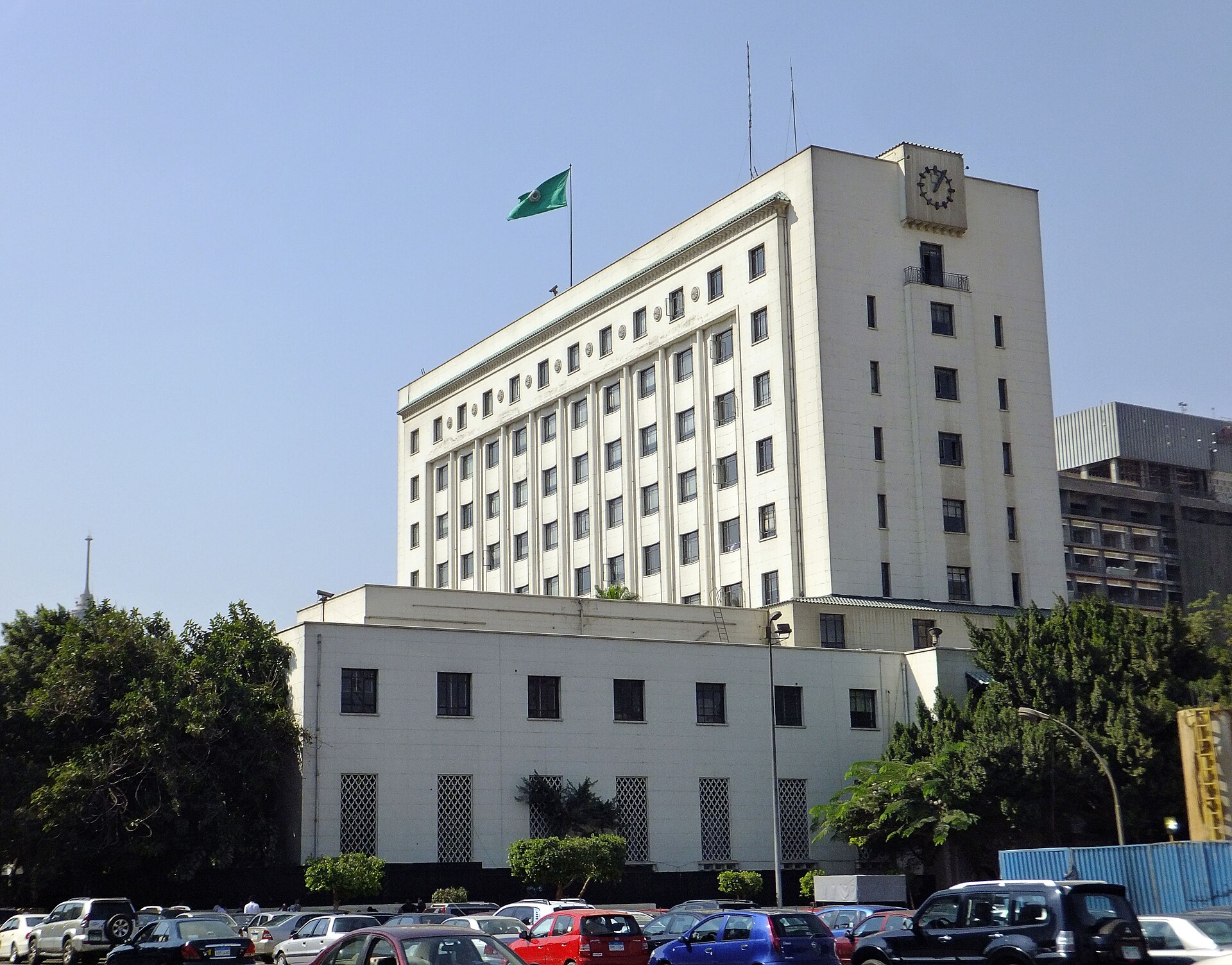
The 16-point statement issued after the emergency ministerial session on March 8 represented the most forceful collective condemnation the Arab League has produced in its 81-year history. Foreign ministers from all 22 member states participated in the virtual session chaired from Arab League headquarters in Cairo, with the Council upgrading the meeting to ministerial level — a procedural step reserved for matters deemed threats to international peace and security.
The statement denounced what it described as “illegal Iranian aggressions” against Qatar, Saudi Arabia, Oman, Kuwait, the United Arab Emirates, Bahrain, Jordan, and Iraq. It demanded that Tehran “immediately cease hostile military operations and all provocative acts or threats against neighboring states,” including through the use of proxy forces and allied militia networks operating across the region.
Three elements of the statement carried particular weight, according to analysts at the Carnegie Endowment for International Peace. First, the declaration that the security of member states is “indivisible” and that an attack on one member is considered an attack on all — unprecedented language for the Arab League that mirrors Article 5 of the NATO treaty. Second, the explicit affirmation of the right to self-defense “individually or collectively” under Article 51 of the UN Charter. Third, the condemnation of Iranian actions threatening international maritime routes, specifically the Strait of Hormuz and the Bab el-Mandeb strait, through which roughly 30 percent of global seaborne crude oil passes daily.
The statement also called on the United Nations Security Council to issue a binding resolution condemning the Iranian attacks, holding Tehran responsible for their consequences, and demanding an immediate and unconditional cessation of hostilities against Arab states. It reiterated support for pursuing action through the UN General Assembly if the Security Council remained paralyzed by veto politics.
| Element | Details | Significance |
|---|---|---|
| Collective security clause | “Attack on one is attack on all” | First time Arab League has invoked NATO-style mutual defense language |
| Article 51 invocation | Right to self-defense “individually or collectively” | Legal basis for potential coordinated military response |
| Maritime security | Condemns threats to Strait of Hormuz and Bab el-Mandeb | Signals willingness to protect shipping lanes |
| UNSC resolution demand | Binding resolution condemning Iran | Diplomatic escalation through international institutions |
| Proxy forces | Demands Iran cease use of allied armed groups | Targets Houthi, Hezbollah, and Iraqi militia networks |
| Sovereignty affirmation | Supports “any measures” by targeted states | Endorses defensive and retaliatory military action |
The Attacks That Triggered the Meeting
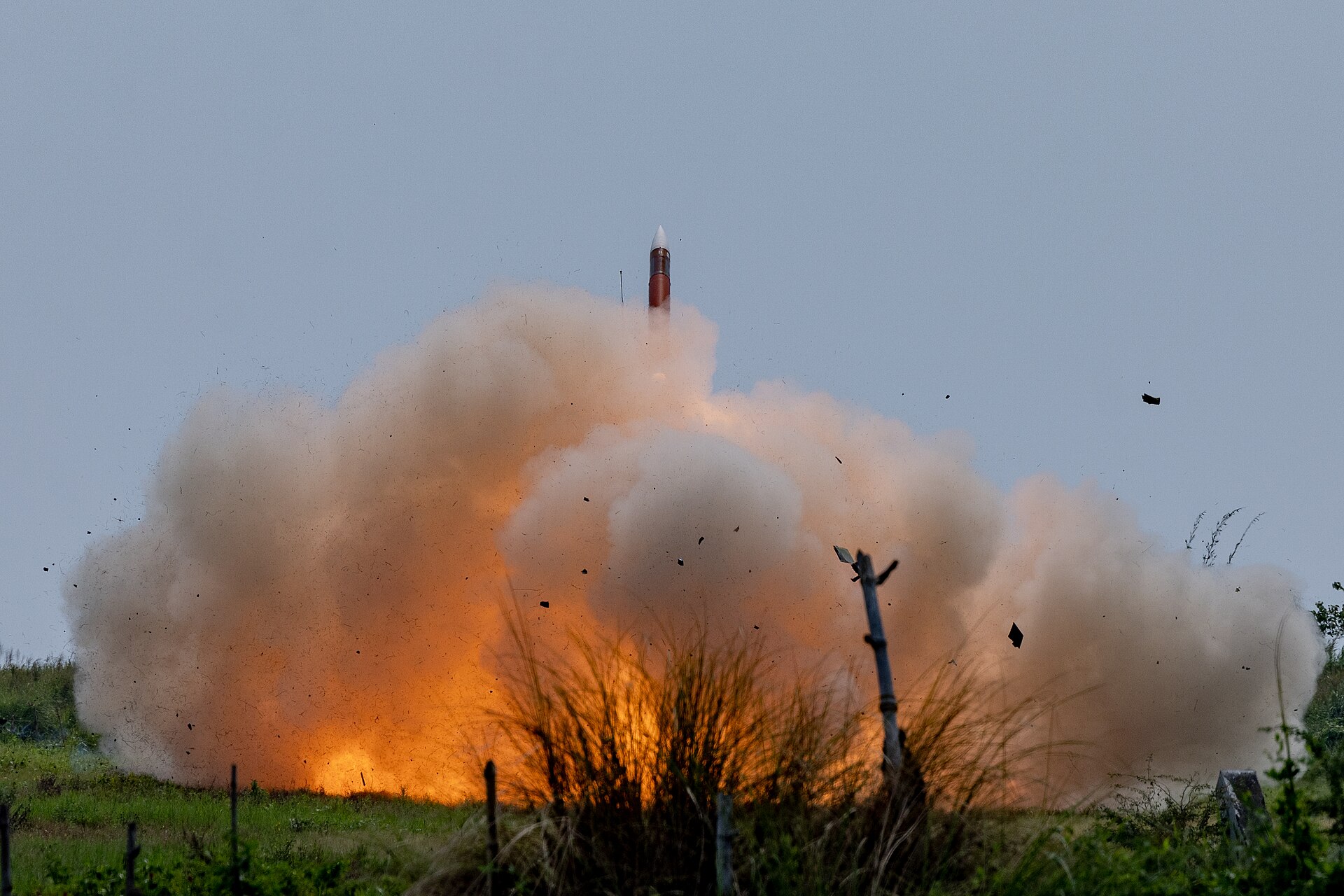
Iran began launching missiles and drones at Arab states within hours of the US-Israeli strikes on Tehran on February 28, 2026. By March 8, when the Arab League convened, Iran had fired more than 500 ballistic and naval missiles and nearly 2,000 drones at targets across the region, according to Iran’s Fars News Agency. The attacks struck all six Gulf Cooperation Council member states — an unprecedented escalation that destroyed years of patient diplomatic engagement between the Gulf capitals and Tehran.
The United Arab Emirates absorbed the heaviest bombardment. At least 131 drones and six ballistic missiles targeted Emirati territory in the first four days of the conflict. While the UAE intercepted 541 drones with its combined Patriot, THAAD, and Pantsir air defense systems, 35 drones penetrated the defense network and struck civilian and military targets, according to Breaking Defense.
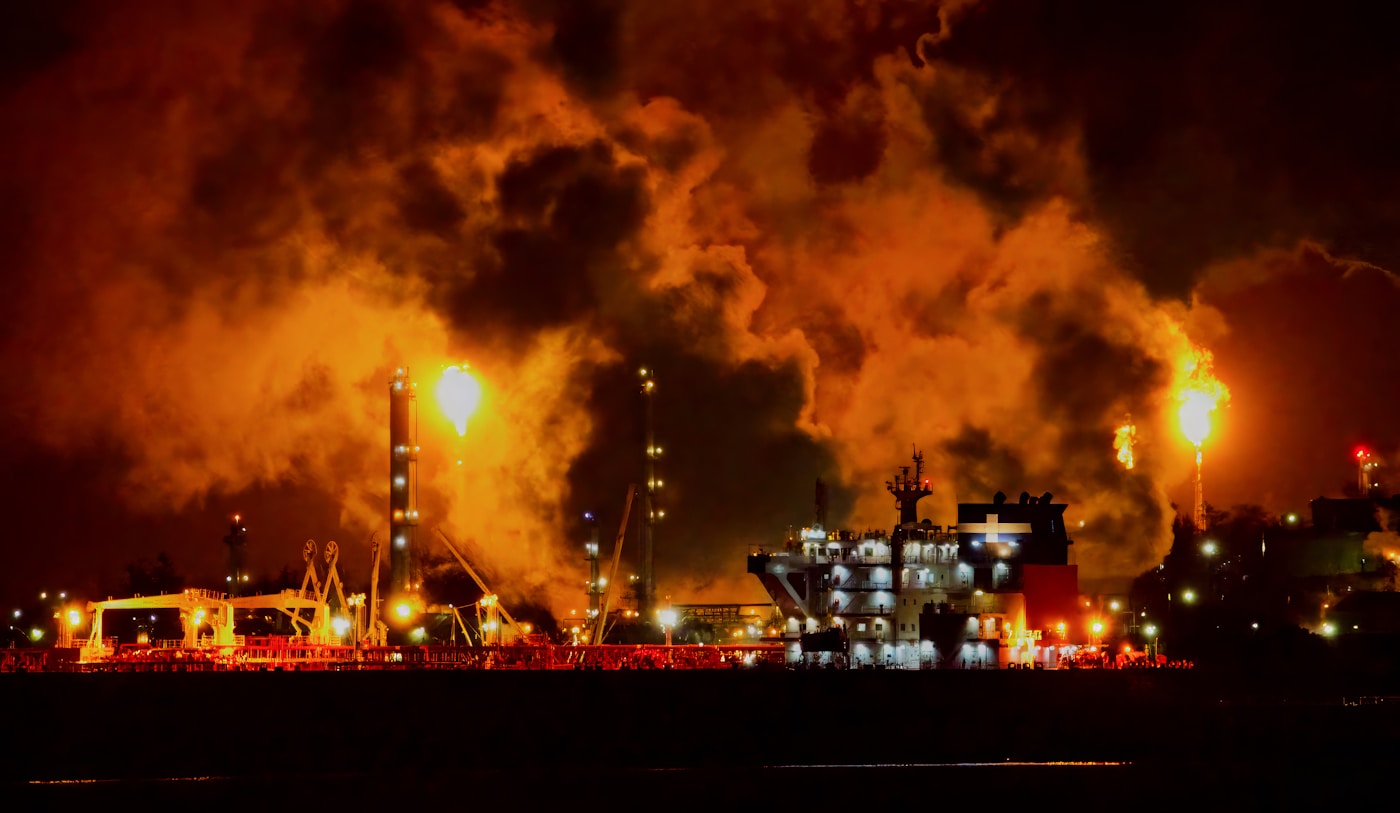
Kuwait suffered the second-highest number of strikes. Iranian missiles targeted a US military base and the Ali Al Salem Air Base, while fuel tanks at Kuwait International Airport were hit by drone fragments, disrupting civilian aviation for 48 hours. Kuwait has since emerged as one of the most severely affected states, with Iranian drone strikes damaging Kuwait International Airport’s fuel infrastructure and forcing a complete airspace shutdown alongside precautionary oil production cuts. Bahrain’s state oil company Bapco Energies declared force majeure on March 9 after Iranian drones struck the Sitra refinery complex for the second time, damaging a facility with a capacity of 405,000 barrels per day and injuring 32 civilians in nearby residential areas, according to Bloomberg.
Saudi Arabia intercepted three ballistic missiles aimed at Prince Sultan Air Base on March 6 and shot down multiple waves of drones approaching Riyadh throughout the week. A military projectile struck a residential building in Al-Kharj on March 8, killing two foreign nationals — one Indian and one Bangladeshi — and injuring 12 others. The Saudi Defence Ministry reported intercepting 15 drones on March 9 alone, including an attempted attack on the diplomatic quarter of the capital.
Qatar was targeted by 14 ballistic missiles and four drones, with Iran citing the presence of the Al Udeid Air Base — the largest US military installation in the Middle East — as justification. Iran’s strikes on Bahrain damaged a water desalination plant, raising the specter of a humanitarian crisis in a country dependent on desalinated water for over 90 percent of its supply, according to Al Jazeera.
How Did the GCC Respond Before the Arab League Met?
The Arab League meeting on March 8 followed an earlier and equally forceful response from the Gulf Cooperation Council. On March 1, just two days after the Iranian attacks began, the GCC held its 50th Extraordinary Ministerial Council session via videoconference from Doha, chaired by Bahraini Foreign Minister Abdullatif Al Zayani.
The GCC statement expressed “rejection and condemnation in the strongest terms” of what it called “heinous Iranian attacks” targeting all six member states. It affirmed that Gulf states would “take all necessary measures to defend their security and stability and to protect their territories, citizens, and residents, including the option of responding to the aggression,” according to the official GCC Secretariat statement.
The GCC meeting also produced a notable diplomatic acknowledgment. Despite the strong military language, ministers reiterated that Gulf states had “always advocated for dialogue, negotiations, and the resolution of all issues with the Islamic Republic of Iran” and called diplomacy “the sole path to overcome the current crisis.” That framing reflected a deliberate Saudi strategy — maintaining the diplomatic backchannel to Tehran even while condemning its attacks, a balancing act that Foreign Minister Prince Faisal bin Farhan has described as essential to preventing the conflict from becoming uncontrollable.
On March 2, a separate US-Gulf joint statement was issued by the United States, Bahrain, Jordan, Kuwait, Qatar, Saudi Arabia, and the UAE. It called Iran’s targeting of civilians and countries not engaged in hostilities “reckless and destabilizing behavior” and commended “effective air and missile defense cooperation that has prevented far greater loss of life and destruction.”
Saudi Arabia’s Role in the Diplomatic Offensive
Saudi Arabia was among the six states that formally requested the Arab League emergency session, and Riyadh’s diplomatic apparatus has been central to the coordinated Arab response. The Saudi Foreign Ministry issued its own statement on March 1, condemning and denouncing “in the strongest terms the blatant Iranian aggression and the flagrant violation of the sovereignty of the UAE, Bahrain, Qatar, Kuwait, and Jordan,” according to Arab News.
Prince Faisal bin Farhan’s approach combined public condemnation with private diplomacy. He spoke directly to Iranian Foreign Minister Abbas Araghchi in a phone call on February 28 — the day the war began — and set out Riyadh’s position with clarity, according to Middle East Eye. Saudi Arabia conveyed that while it favors a diplomatic settlement, continued attacks on the Kingdom and its energy sector could push Riyadh to respond in kind. The Saudi Foreign Ministry later warned that “the brutal Iranian behavior will push the region into further escalation.”
Behind the scenes, Saudi Arabia also told other Gulf allies to avoid taking any steps that could inflame tensions with Iran, according to Middle East Eye. That dual-track approach — public solidarity with the US-Gulf coalition while privately urging restraint — reflected the Kingdom’s core strategic calculus: that the alliance with Washington remains essential for security, but an outright Saudi entry into the war against Iran would risk catastrophic damage to the oil infrastructure that underpins Mohammed bin Salman’s Vision 2030 economic transformation.
The Saudi Cabinet convened an emergency session and issued its own condemnation of “blatant” Iranian aggression, affirming the Kingdom’s right to respond to threats, according to Arab News. That language — notably stopping short of announcing actual retaliatory action — illustrated the gap between the Arab League’s collective defense rhetoric and the individual decisions Gulf states must make about military engagement.
What Does Invoking Article 51 Actually Mean for Gulf States?
Article 51 of the UN Charter preserves the “inherent right of individual or collective self-defense if an armed attack occurs against a Member of the United Nations.” The Arab League’s invocation of this provision establishes a legal framework for Gulf states to launch coordinated military strikes against Iranian targets — should they choose to do so.
The legal analysis is complex. A March 8 paper published by Just Security, a forum affiliated with New York University School of Law, argued that the US-Israeli strikes on Iran were themselves illegal under international law because they lacked UN Security Council authorization and did not meet the criteria for preemptive self-defense. Iran’s subsequent attacks on Gulf states, however, created a separate legal question: whether nations that did not initiate hostilities but were attacked by Iran can invoke self-defense rights regardless of the original casus belli.
The Arab League statement appears designed to answer that question affirmatively. By characterizing the attacks as “illegal” and “unprovoked” — omitting any reference to the US-Israeli strikes that precipitated them — the statement constructs a legal narrative in which Arab states are victims of unilateral Iranian aggression rather than parties to a broader conflict.
Practically, the Article 51 invocation matters because it provides diplomatic cover for any Gulf state that decides to take offensive military action. If Saudi Arabia’s arsenal were deployed against Iranian military targets, Riyadh could cite both the Arab League statement and Article 51 as legal justification. The collective framing — “an attack on one is an attack on all” — also allows individual states to claim they are acting on behalf of the collective, rather than pursuing unilateral aggression.
Whether the Gulf states will actually exercise this right remains uncertain. As of March 10, no Arab state has launched offensive strikes against Iranian territory. The consensus among analysts at the Atlantic Council and Carnegie Endowment is that the Article 51 language functions primarily as a deterrent signal to Tehran rather than a prelude to coordinated military action.
Yet beneath the cautious diplomatic language, something more concrete is taking shape. The Article 51 invocation has provided the legal scaffolding for the military alliance Iran never meant to build — a genuine GCC collective defense architecture that is moving from rhetoric to operational reality faster than any analyst predicted.
The US-Gulf Joint Statement and the American Factor
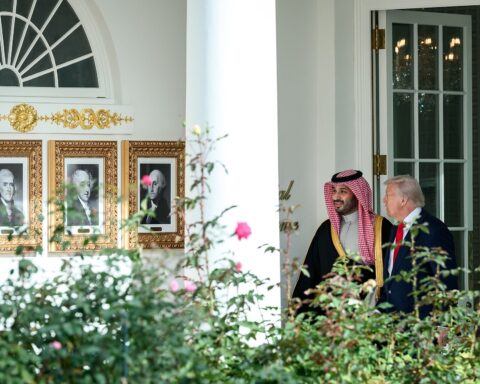
The joint statement issued by the United States, Bahrain, Jordan, Kuwait, Qatar, Saudi Arabia, and the UAE on March 2 represented a parallel diplomatic track to the Arab League’s multilateral response. While the Arab League statement focused on Arab solidarity and international law, the US-Gulf statement emphasized operational defense cooperation and the alliance framework that has kept Gulf states under the American security umbrella.
“We stand united in defense of our citizens, sovereignty, and territory, and reaffirm our right to self-defense in the face of these attacks,” the statement read. “We remain committed to regional security and commend the effective air and missile defense cooperation that has prevented far greater loss of life and destruction.”
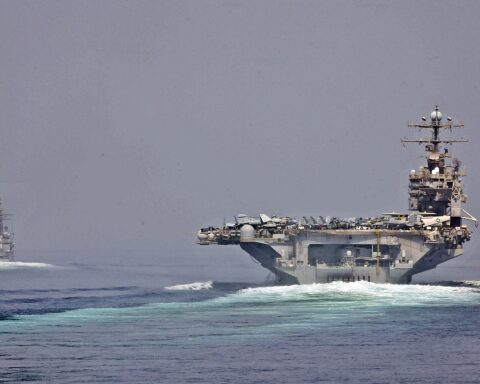
The reference to “effective air and missile defense cooperation” pointed to the integrated air defense architecture that the US Central Command has coordinated across the Gulf. American-supplied Patriot PAC-3 and THAAD interceptors form the backbone of Gulf air defenses, and US Aegis-equipped destroyers operating in the Persian Gulf have contributed to the interception effort. The Pentagon deployed a third aircraft carrier strike group to the region after Iran’s attacks escalated on March 5.
The American factor complicates the Arab League’s diplomatic position. Gulf states are simultaneously condemning Iran’s attacks as unprovoked while hosting the US military bases that Iran cites as its justification for striking Arab territory. This contradiction — which the Carnegie Endowment described as Gulf states being “caught between Iran’s desperation and the U.S.’s recklessness” — has forced the Arab League to frame the issue narrowly around sovereignty rather than the broader question of who started the war.
Iran’s Response and the Rejection of Ceasefire
Iran has dismissed the Arab League condemnation and rejected calls for a ceasefire. Foreign Minister Abbas Araghchi told NBC News on March 9 that Tehran is “not asking for a ceasefire” and sees no reason to negotiate. “We negotiated with them twice and every time they attacked us in the middle of negotiations,” Araghchi said, referring to the nuclear talks that collapsed when the US-Israeli strikes began.
That statement carried particular weight because of the diplomatic context. On February 27 — less than 24 hours before the bombs fell — Oman’s Foreign Minister Badr Al-Busaidi had announced a “breakthrough” in nuclear negotiations: Iran had agreed never to stockpile enriched uranium and to accept full International Atomic Energy Agency verification. The deal died with the first airstrike, and Tehran’s subsequent refusal to negotiate reflects a deep conviction that diplomacy has been rendered meaningless by the resort to force.
Iran has also dismissed the Arab League’s characterization of its attacks as “unprovoked.” Tehran argues that Gulf states hosting US military bases are complicit in the American campaign against Iran and therefore legitimate targets under the laws of armed conflict. A March 7 op-ed by an Al Jazeera contributor described Iran’s strikes as “burning the bridges of good neighbourliness” that Gulf states had spent a decade constructing.
The rejection of ceasefire was reinforced by the appointment of Mojtaba Khamenei as Iran’s new supreme leader on March 8, the same day as the Arab League meeting. Mojtaba, the 56-year-old son of the assassinated Ayatollah Ali Khamenei, was selected under intense pressure from the Islamic Revolutionary Guard Corps, according to Iran International. His elevation consolidates IRGC control over the Iranian state and reduces the likelihood of a near-term diplomatic settlement.
Why the UN Security Council Remains Deadlocked
The Arab League’s demand for a binding UN Security Council resolution faces a structural obstacle: the United States holds veto power and will block any resolution that constrains its operations against Iran. The Security Council met in emergency session on February 28 — the day the strikes began — but has been unable to adopt any resolution since.
UN Secretary-General Antonio Guterres warned the Council that Iran’s retaliatory strikes “could trigger a wider conflict in the Middle East” and called for “urgent restraint” from all parties, according to UN press releases. Russia and China have blocked procedural items related to Iran sanctions while the US vetoes substantive ceasefire resolutions, creating a diplomatic impasse that has effectively sidelined the Council.
In response, the human rights organization DAWN has called for the Hague Group of like-minded nations to invoke the Uniting for Peace procedure — a mechanism that allows the UN General Assembly to take action when the Security Council is paralyzed by vetoes. Under Resolution 377, the General Assembly can call an emergency special session and recommend collective measures including the use of armed force. The procedure has been invoked 11 times since its creation in 1950, most recently in response to Russia’s invasion of Ukraine.
The Arab League statement anticipated the Security Council deadlock by explicitly endorsing action through “international institutions, including the UN Security Council and the UN General Assembly.” That language suggests Gulf states may support a General Assembly emergency session if the Security Council remains unable to act.
Has the Arab League Ever Acted on Collective Defense Before?
The Arab League’s invocation of collective defense language on March 8 is largely unprecedented. Founded in Cairo in 1945, the League has historically been characterized by internal divisions, rhetorical condemnations that led to no action, and an inability to present a unified front on issues from the Arab-Israeli conflict to the Syrian civil war.
The closest historical parallel occurred in 1990, when the Arab League condemned Iraq’s invasion of Kuwait and approved the deployment of Arab forces alongside the US-led coalition. That decision split the League — Jordan, Yemen, Libya, and the Palestine Liberation Organization opposed it — but it established the principle that collective Arab action against a member state was possible under extreme circumstances.
The March 8, 2026 statement differs in a critical respect. In 1990, the aggressor was a fellow Arab state (Iraq) and the victim (Kuwait) was another Arab state. In 2026, the aggressor is a non-Arab regional power (Iran) targeting multiple Arab states simultaneously. That dynamic has produced a degree of Arab unity not seen in decades, with even Egypt — which has maintained studied neutrality on the broader US-Iran conflict — signing onto the condemnation.
| Year | Crisis | Action Taken | Outcome |
|---|---|---|---|
| 1990 | Iraq invades Kuwait | Approved deployment of Arab forces alongside US coalition | Split vote; coalition liberated Kuwait |
| 2011 | Syrian civil war | Suspended Syria’s membership | No military action; civil war continued |
| 2015 | Yemen civil war | Endorsed Saudi-led coalition intervention | Endorsed but did not participate collectively |
| 2017 | Qatar diplomatic crisis | No consensus; divisions exposed | No collective action |
| 2026 | Iranian attacks on 8 Arab states | 16-point statement; Article 51 invocation; collective defense clause | Strongest collective statement; no military action yet |
The question facing the Arab League after March 8 is whether the collective defense language will translate into collective defense action. The 1990 precedent suggests that Arab solidarity can survive the initial crisis but fractures under the pressure of sustained military engagement. The 2015 Yemen precedent — in which the League endorsed Saudi Arabia’s intervention but left the actual fighting to Riyadh and Abu Dhabi — suggests that endorsement and participation are two very different things.
Gulf states face what the Atlantic Council described as a strategic dilemma: “strike back and risk being seen as fighting alongside Israel, or remain passive while their cities burn.” The Arab League statement attempts to resolve that dilemma by establishing a collective framework for action while leaving the decision to act with individual states. Whether that framework produces anything more than rhetoric will depend on the trajectory of the war in the days ahead.
Frequently Asked Questions
What did the Arab League emergency meeting decide about Iran?
The Arab League foreign ministers issued a 16-point statement on March 8, 2026, condemning Iranian missile and drone attacks on eight member states, demanding an immediate cessation of hostilities, and affirming the right to collective self-defense under Article 51 of the UN Charter. The statement described Iran’s attacks as “illegal and unprovoked” and called on the UN Security Council to issue a binding resolution holding Tehran accountable.
Which countries were targeted by Iranian attacks?
Iran attacked all six Gulf Cooperation Council member states — Saudi Arabia, the United Arab Emirates, Bahrain, Kuwait, Qatar, and Oman — as well as Jordan and Iraq. The UAE suffered the heaviest bombardment with at least 131 drones and six ballistic missiles in the first four days. Iran cited the presence of US military bases in these countries as justification for the strikes.
Does the Arab League statement mean Gulf states will enter the war?
The statement establishes a legal framework for coordinated military action but does not commit any state to offensive operations. As of March 10, no Arab state has launched strikes against Iranian territory. Analysts at the Carnegie Endowment and Atlantic Council assess that the Article 51 language functions primarily as a deterrent signal rather than a prelude to military action, though the situation remains fluid.
Why can the UN Security Council not act on the Arab League’s demands?
The UN Security Council is deadlocked because the United States would veto any resolution condemning its own military operations against Iran, while Russia and China have blocked procedural items related to Iran sanctions. The Arab League has endorsed pursuing action through the UN General Assembly as an alternative, potentially using the Uniting for Peace procedure to bypass the Security Council veto. Bahrain has also circulated a separate draft Security Council resolution on behalf of the GCC demanding Iran immediately halt all attacks on Gulf sovereign states.
How does this compare to previous Arab League responses to crises?
The March 8 statement is the strongest collective condemnation in the Arab League’s 81-year history. The “attack on one is an attack on all” language is unprecedented and mirrors NATO’s Article 5 mutual defense clause. The closest historical parallel was the 1990 response to Iraq’s invasion of Kuwait, which split the League but led to Arab participation in the liberation coalition. The 2026 statement has produced broader unity because the aggressor is a non-Arab state targeting multiple members simultaneously.