
DHAHRAN — Saudi Aramco has notified Asian term customers that they will receive reduced crude oil volumes for April loadings, marking the second consecutive month of supply cuts as the Strait of Hormuz crisis continues to choke the world’s most critical oil export route. The state oil company informed buyers that only Arab Light crude shipped from the Red Sea port of Yanbu will be available next month, eliminating the broader slate of grades typically exported from the Persian Gulf terminal at Ras Tanura, according to Reuters and traders familiar with the allocations.
The cuts come as Saudi crude exports have plunged from 7.108 million barrels per day in February to 4.355 million bpd in the first three weeks of March, according to data from analytics firm Kpler. The 38.7 percent decline represents the sharpest drop in Saudi export capacity since Iraq invaded Kuwait in 1990, and it is forcing Asian refiners to scramble for alternative supplies at a time when global crude markets are already stretched thin by the four-week-old US-Israeli military campaign against Iran.
Table of Contents
-
- What Did Aramco Tell Asian Buyers About April Supply?
- How Much Oil Is Saudi Arabia Exporting Now?
- Why Is Aramco Limiting Shipments to Arab Light Only?
- Which Asian Countries Are Hardest Hit by the Supply Cuts?
- What Is the Yanbu Bottleneck?
- How Are Asian Refiners Responding to the Shortage?
- What Do Aramco’s Supply Cuts Mean for Global Oil Prices?
- The Strait of Hormuz Crisis
- Frequently Asked Questions
What Did Aramco Tell Asian Buyers About April Supply?
Saudi Aramco, the world’s largest oil exporter, formally notified at least some of its term customers across Asia during the week of March 20 that April allocations would be lower than requested volumes. The notifications specified that only Arab Light crude would be supplied and that all cargoes would load exclusively from the Red Sea port of Yanbu, traders with knowledge of the communications told Reuters.
The restriction to a single grade from a single terminal represents a significant departure from normal operations. Under standard conditions, Aramco offers Asian buyers a menu of five to six crude grades ranging from the lighter Arab Extra Light and Arab Light to the heavier Arab Medium, Arab Heavy, and Arab Super Light condensate. These grades are primarily loaded at Ras Tanura and Ju’aymah on the Persian Gulf coast, with a smaller share routed through the Yanbu terminal on the Red Sea.
March allocations had already been reduced, making April the second consecutive month of curtailed supply. The cuts affect long-term contract customers rather than spot market buyers, meaning the refineries most dependent on Saudi crude for their regular operations are bearing the brunt of the squeeze.
Aramco has not released a public statement on the April allocations. The company’s CEO, Amin H. Nasser, pulled out of the CERAWeek energy conference in Houston this week, citing the ongoing conflict, according to a Reuters source. Kuwait Petroleum Corporation’s chief executive, Sheikh Nawaf al-Sabah, also withdrew from attending in person, joining a session virtually from Kuwait City instead.
How Much Oil Is Saudi Arabia Exporting Now?
Saudi Arabia’s crude oil exports have collapsed by nearly 2.8 million barrels per day since the beginning of the Iran war. Data from Kpler, a commodities analytics platform, shows total Saudi crude exports averaging 4.355 million bpd through the first three weeks of March, down from 7.108 million bpd in February before the conflict began on February 28, according to reporting by FXStreet and Offshore Technology.
| Period | Exports (million bpd) | Change | Primary Route |
|---|---|---|---|
| February 2026 (pre-war) | 7.108 | Baseline | Ras Tanura + Yanbu |
| March 2026 (to date) | 4.355 | −38.7% | Yanbu only |
| April 2026 (projected) | ~3.8–4.0 | −44–47% | Yanbu only, Arab Light |
The decline stems directly from the closure of the Strait of Hormuz to commercial traffic. Before the war, roughly 6 million barrels per day of Saudi crude flowed through the 40-kilometre-wide waterway between Iran and Oman. That route has been effectively shut since late February, when Iranian naval forces began interdicting tankers and laying mines in the shipping lanes. As Aramco fights the largest operational crisis in its history, the company has been forced to reroute all exportable crude through the East-West Pipeline to Yanbu.
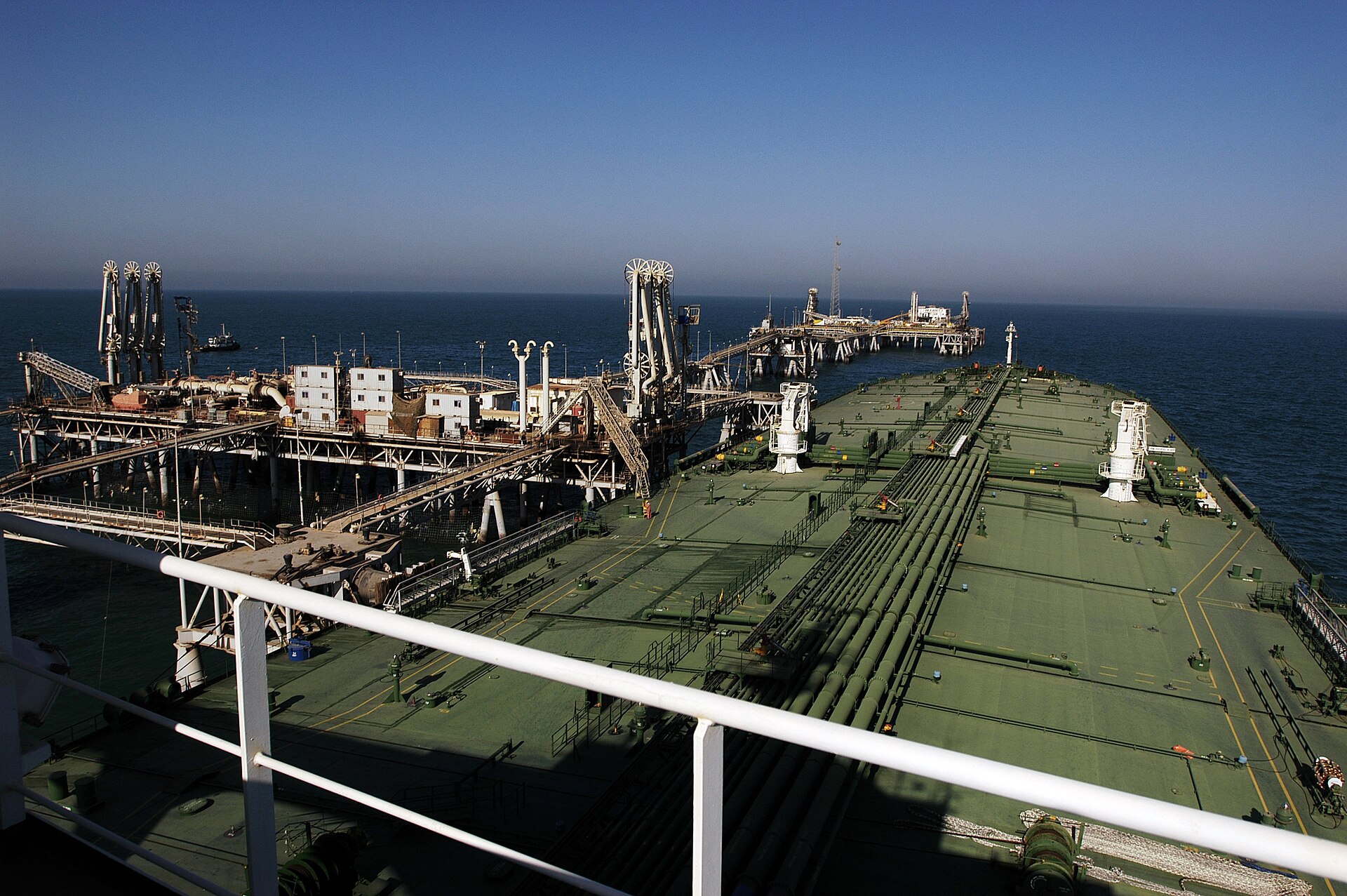
Yanbu loadings have surged to record levels in response. The Red Sea terminal was handling approximately 1.1 million bpd in February, a figure that has since climbed to an estimated 3.8 million bpd in March, according to Pakistan Today, citing tanker tracking data. Approximately 70 tankers are scheduled to load at Yanbu during March, including 40 Very Large Crude Carriers still en route.
Why Is Aramco Limiting Shipments to Arab Light Only?
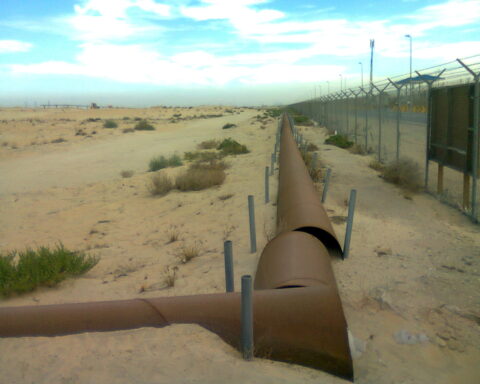
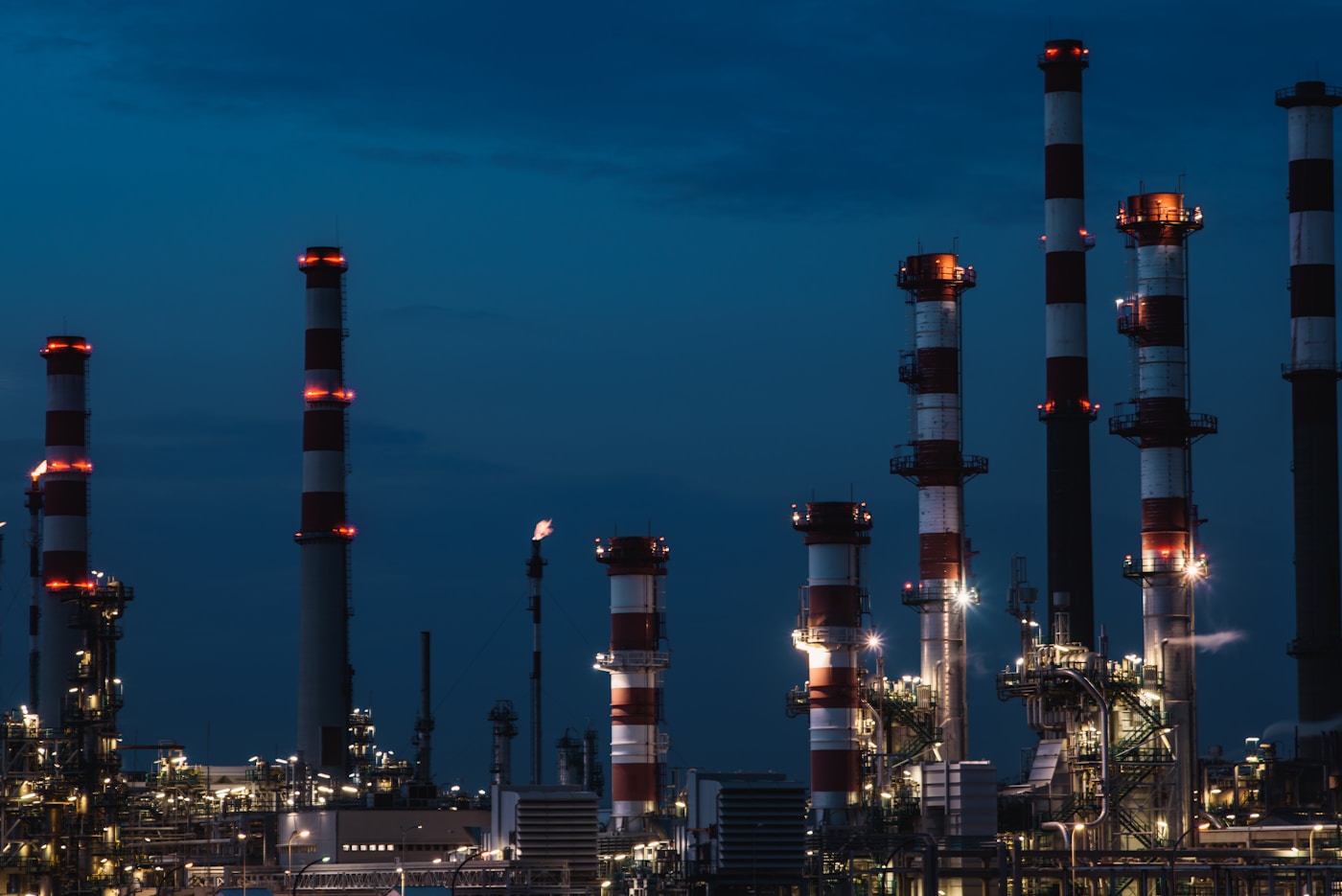
The restriction to Arab Light crude is a function of pipeline capacity and terminal infrastructure rather than a deliberate commercial strategy. The East-West Pipeline, also known as the Petroline, was originally designed to carry Arab Light crude from the Abqaiq processing facility in the Eastern Province to Yanbu on the Red Sea coast. While the system has a nominal capacity of approximately 7 million bpd, operational capacity for export is closer to 5 million bpd after accounting for domestic refinery feedstock requirements.
Heavier crude grades such as Arab Medium and Arab Heavy require different processing configurations and are typically loaded at the Ras Tanura and Ju’aymah marine terminals on the Persian Gulf. Those facilities remain operational but commercially inaccessible because no tanker operator is willing to transit the Strait of Hormuz under current conditions, according to shipping industry sources cited by Bloomberg.
The grade limitation creates a particular problem for Asian refineries that have configured their distillation columns to process heavier crudes. Arab Heavy, which has an API gravity of approximately 27 degrees, produces a higher yield of diesel and fuel oil than Arab Light, which sits at around 32 degrees API. Refineries in China, India, and South Korea that rely on heavier Saudi grades cannot simply substitute Arab Light barrel-for-barrel without adjusting their product slate and accepting lower yields of middle distillates, according to a technical analysis by Hydrocarbon Processing.
The situation echoes a concern flagged by analysts at the beginning of the conflict. When Saudi Arabia was described as having the oil the world needs but no way to deliver it, the constraint was geographic. Now the constraint is also qualitative: even the oil that Saudi Arabia can deliver does not match what many of its customers actually need.
Which Asian Countries Are Hardest Hit by the Supply Cuts?
Japan, South Korea, India, and China account for the vast majority of Saudi crude shipments to Asia, and all four face significant supply disruptions, though the severity varies based on their dependence on Middle Eastern oil and the size of their strategic reserves.
Japan and South Korea are the most exposed. Japan sources approximately 95 percent of its crude imports from the Middle East, while South Korea relies on the region for roughly 70 percent, according to analysis by the Atlantic Council. Both nations are almost entirely dependent on seaborne imports, leaving them with no pipeline alternatives. As Tokyo and Seoul face an energy crisis they lack the military capability to resolve, their refineries are drawing down strategic petroleum reserves at an accelerating rate.
| Country | Saudi Imports (million bpd) | Middle East Share of Imports | Strategic Reserve (days) |
|---|---|---|---|
| China | 1.7–1.8 | ~50% | ~80–90 |
| Japan | ~1.0 | ~95% | ~145 |
| South Korea | ~0.8 | ~70% | ~90 |
| India | ~0.8 | ~60% | ~65 |
China has the deepest buffer. As the world’s largest crude importer, Beijing sources about half of its seaborne imports—approximately 5.4 million bpd—from the Middle East, according to Fortune. However, China also maintains the world’s largest onshore crude stockpiles, with inventory levels estimated at 1.2 billion barrels as of January 2026, according to the Atlantic Council. China also produces more than 4 million bpd domestically and has diversified its supply base to include Russia, Brazil, West Africa, and Canada.
India imports roughly 90 percent of its crude requirements, with approximately half of its 2.5 to 2.7 million bpd of imports transiting through the Strait of Hormuz from Iraq, Saudi Arabia, Kuwait, and the UAE, according to Dawn. India has responded by deploying warships to escort oil tankers through the Gulf of Oman, though this does not solve the fundamental supply shortfall from Aramco’s curtailed allocations.
Southeast Asian nations including Thailand, Vietnam, and the Philippines are facing secondary impacts. Al Jazeera reported on March 12 that several Southeast Asian governments have begun shutting offices and limiting vehicle travel as the oil crisis deepens, compounding economic strain across the region.

What Is the Yanbu Bottleneck?
Yanbu Industrial City, located on Saudi Arabia’s Red Sea coast approximately 1,200 kilometres west of the oil fields in the Eastern Province, has become the sole outlet for Saudi crude exports since the Strait of Hormuz closure. The terminal was designed as a secondary export route, not a replacement for the Persian Gulf terminals that historically handled the majority of Saudi shipments.
The East-West Pipeline system connecting the eastern oil fields to Yanbu has a design capacity of approximately 7 million bpd, with roughly 5 million bpd available for export operations after domestic refinery requirements, according to MercoPress. Current Yanbu loadings of 3.8 million bpd represent approximately 76 percent of that available export capacity.
The terminal itself faces physical constraints. Berth availability, loading arm capacity, and tank storage all limit how many tankers can be processed simultaneously. Loading 70 tankers in a single month—the March projection—represents a pace that Yanbu has never sustained before. Any equipment failure, severe weather event, or security incident at the terminal would immediately disrupt the only export route available to the world’s largest oil exporter.
That security concern is not theoretical. On March 20, Iranian drones struck the Yanbu refinery complex, damaging the SAMREF joint venture facility and demonstrating that the Red Sea route is not immune to the same threats that closed the Persian Gulf. As the twelve hundred kilometres of pipeline between Saudi Arabia’s oil and its customers carry an ever-increasing strategic weight, any disruption at Yanbu would remove virtually all Saudi crude from the global market simultaneously.
How Are Asian Refiners Responding to the Shortage?
Asian refiners are pursuing three main strategies to cope with the reduced Saudi supply: drawing down strategic reserves, seeking alternative suppliers, and cutting refinery throughput.
Japan has begun releasing oil from its Strategic Petroleum Reserve, which held approximately 145 days of import cover at the start of the crisis. South Korea has made similar drawdowns. Both countries are coordinating through the International Energy Agency’s collective action mechanism, though no formal coordinated release has been announced as of March 23.
Alternative sourcing has proved difficult. Russia, the only major producer with spare export capacity outside the Middle East, has seen a surge in demand from Asian buyers since the conflict began. But Russian crude grades do not match the specifications of Saudi Arab Light, requiring blending or refinery adjustments. West African producers including Nigeria and Angola have also received increased inquiries, though their combined spare capacity cannot replace the nearly 3 million bpd shortfall from Saudi Arabia alone.
The Middle East conflict could force up to 6 million bpd of crude run cuts across Asia if the Hormuz disruption persists through the second quarter, according to analysis by Hydrocarbon Processing published on March 18. That estimate assumes no improvement in the Hormuz situation and continued Aramco supply restrictions through at least May.
Chinese refiners are in a comparatively stronger position. State-owned refiners including Sinopec and PetroChina have been drawing on the country’s massive commercial and strategic stockpiles, which were built up over the past decade as part of Beijing’s energy security strategy. China’s diversified supply base means it can partially compensate for reduced Saudi volumes by increasing purchases from Russia, Brazil, and domestic production.
What Do Aramco’s Supply Cuts Mean for Global Oil Prices?
Crude oil prices have remained elevated since the start of the Iran war, with West Texas Intermediate trading at approximately $97.93 per barrel and Brent crude above $100 as of March 23. The Aramco supply cut announcement is expected to support prices further, particularly for light sweet grades that compete with Arab Light in the Asian market.
The fourth great oil shock triggered by the conflict has already pushed prices to their highest sustained levels since 2022. Oil briefly surged past $119 per barrel on March 20 when Iranian drones struck the Yanbu refinery, though prices retreated after Saudi authorities confirmed the damage was contained and exports were not interrupted.
The price impact extends beyond headline crude benchmarks. The physical premium for delivered crude in Asia has widened significantly, reflecting the scarcity of available barrels and the increased shipping costs associated with longer Red Sea routing. Asian spot premiums for Arab Light have reportedly increased by $3 to $5 per barrel above official selling prices, traders told AGBI.
The International Energy Agency warned this week that the Gulf energy crisis already surpasses the 1970s oil shocks in terms of infrastructure damage and supply disruption. IEA Executive Director Fatih Birol noted that more than 40 energy assets across the Gulf have sustained damage since the conflict began, a scale of destruction not seen in any previous regional conflict.
| Benchmark | Pre-War (Feb 27) | March 23 | Peak (March 20) |
|---|---|---|---|
| WTI Crude | $68.50 | $97.93 | $119.40 |
| Brent Crude | $72.30 | ~$103 | $122.80 |
| Arab Light (Asia spot premium) | +$0.50 | +$3–5 | +$6–7 |
The Strait of Hormuz Crisis
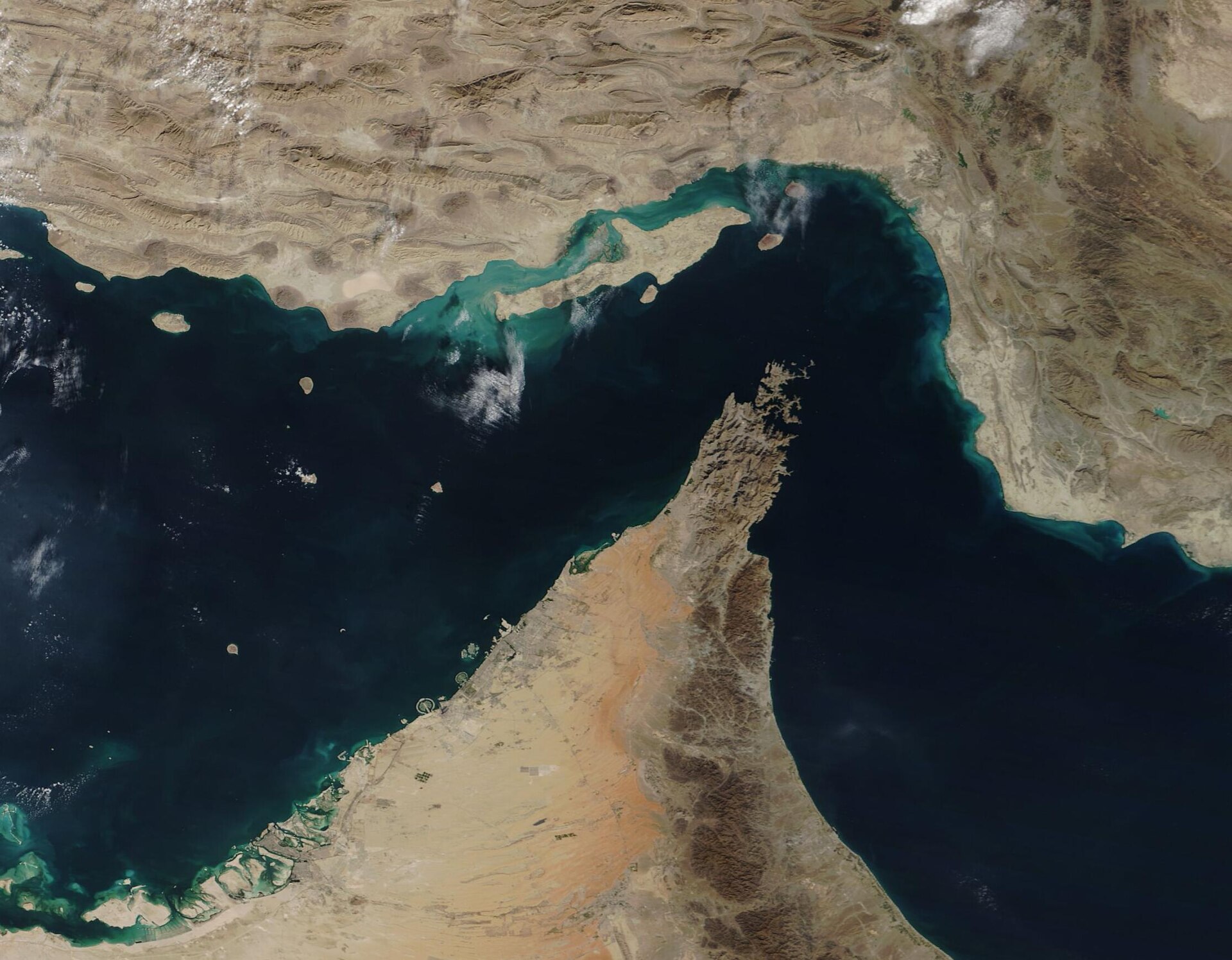
The supply disruption at the centre of Aramco’s decision traces back to February 28, 2026, when the United States and Israel launched coordinated military strikes against Iran. Tehran responded by activating its longstanding threat to close the Strait of Hormuz, the 40-kilometre-wide channel between Iran and Oman through which approximately 21 million barrels per day of crude oil—roughly one-fifth of global supply—normally transits.
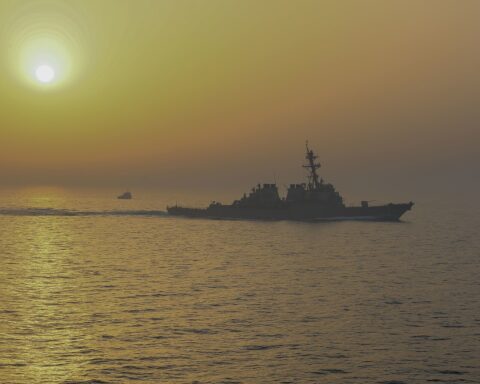
Iranian naval forces, including the Islamic Revolutionary Guard Corps Navy, have deployed mines, fast attack craft, and anti-ship missiles to interdict commercial traffic through the strait. The US Navy’s Fifth Fleet, based in Bahrain, has been engaged in clearing operations but has not been able to reopen the waterway to commercial shipping. A-10 Warthogs and Apache helicopters have been hunting Iranian boats across the strait, but the threat of mines and shore-based missile batteries continues to deter tanker operators.
The closure has affected all Gulf oil producers, not only Saudi Arabia. Kuwait, the UAE, Qatar, and Iraq have all seen their exports disrupted to varying degrees. Iraq declared force majeure on all foreign-operated oil fields on March 21. The UAE has been rerouting some exports through the port of Fujairah on the Gulf of Oman, which sits just outside the strait, though that terminal was itself struck by Iranian missiles on March 14.
US President Donald Trump issued a 48-hour ultimatum to Iran on March 22, demanding the reopening of the strait or threatening to destroy Iran’s power grid. On March 23, Trump delayed planned strikes on Iranian energy infrastructure by five days, though the White House said the threat remained in force. Tehran has denied any negotiations are underway, according to multiple diplomatic sources.
The diplomatic situation deteriorated further on March 21 when Saudi Arabia expelled Iran’s military attaché and four embassy staff, giving them 24 hours to leave the kingdom. The Saudi Ministry of Foreign Affairs described the continuous Iranian attacks as a “flagrant violation” of international law and UN Security Council Resolution 2817. The expulsion effectively ended the 2023 Chinese-brokered détente between Riyadh and Tehran.
Frequently Asked Questions
How long will Aramco’s supply cuts to Asia last?
Aramco has not provided a timeline for restoring full supply to Asian customers. The cuts are directly linked to the Strait of Hormuz closure, meaning full restoration depends on when commercial shipping can safely resume through the waterway. Analysts at Hydrocarbon Processing estimate the disruption could persist through at least the second quarter of 2026 if the military conflict continues at its current intensity.
Can Yanbu handle all of Saudi Arabia’s oil exports?
Yanbu’s available export capacity of approximately 5 million bpd falls well short of Saudi Arabia’s pre-war export level of 7.1 million bpd. The terminal is currently operating at record levels of 3.8 million bpd, but reaching its theoretical maximum would still leave a gap of more than 2 million bpd compared to pre-war volumes, according to data compiled by MercoPress and tanker tracking analytics from Kpler.
What crude grades are affected by the restriction?
Aramco has informed Asian customers that only Arab Light crude will be available for April loadings. This eliminates Arab Extra Light, Arab Medium, Arab Heavy, and Arab Super Light condensate from the supply slate. Heavier grades are particularly missed by Asian refiners whose distillation units are configured for higher-density feedstocks that yield more diesel and fuel oil, according to industry analysis by Hydrocarbon Processing.
Are other OPEC producers increasing output to compensate?
No major OPEC producer has announced production increases specifically to offset the Saudi shortfall. Russia and Iraq, which would normally be the most likely candidates, face their own constraints. Iraq declared force majeure on foreign-operated oil fields on March 21, and Russian crude must travel significantly longer distances to reach Asian markets. Kuwait and the UAE are pursuing energy deals despite the conflict, including a $4.1 billion ACWA Power agreement, according to Bloomberg, but their own export routes face similar Hormuz-related disruptions.
How are oil prices expected to move if the cuts continue?
Analysts expect continued upward pressure on crude prices, particularly in the Asian spot market where physical premiums have already risen $3 to $5 per barrel above official selling prices. The IEA has warned that the Gulf energy crisis surpasses the 1970s oil shocks in terms of infrastructure damage. If Aramco supply restrictions extend into May, Brent crude could test the $120–$130 range, according to multiple energy market analysts cited by OilPrice.com and CNBC.