
SINGAPORE — The Iran war has triggered the worst energy crisis in Asia since the 1973 oil embargo, with the Strait of Hormuz effectively closed to commercial shipping, insurance companies pulling war risk coverage from Gulf-bound vessels, and four of the world’s five largest oil-importing nations scrambling to secure alternative supplies before strategic reserves run dry. India, Japan, South Korea, and China — which together consume more than 35 million barrels of oil per day — face a supply disruption of a scale and speed that energy markets have never experienced, exposing a dependency on Gulf hydrocarbons that decades of diversification rhetoric failed to address.
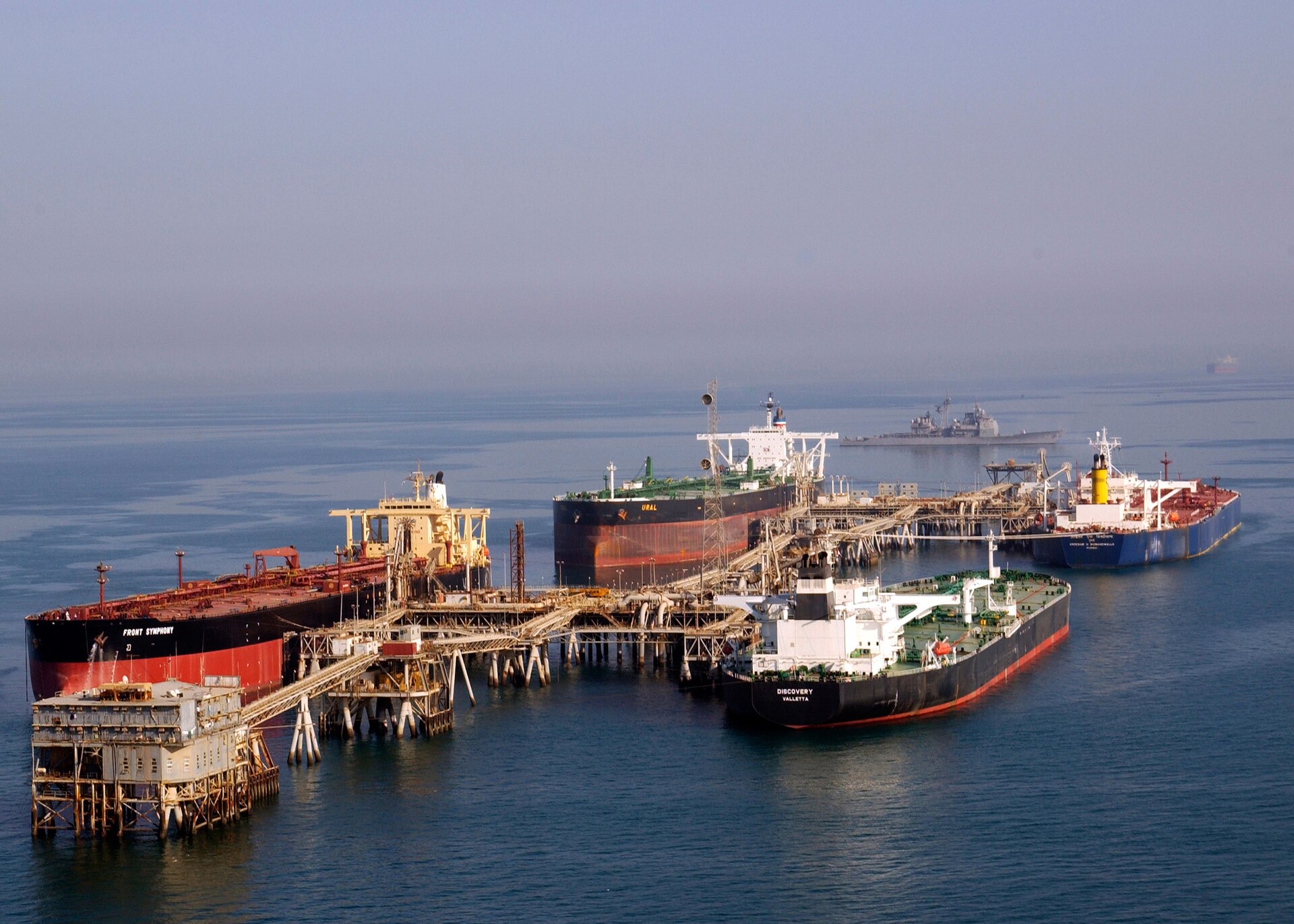
The numbers are stark. Roughly 13 million barrels of crude oil passed through the Strait of Hormuz every day in 2025, accounting for one-third of all seaborne crude trade and 19 percent of global liquefied natural gas flows. Since Iran’s Islamic Revolutionary Guard Corps declared the strait closed on February 28, tanker traffic has dropped to near zero, at least 150 vessels have anchored outside the waterway, and Brent crude has surged 15 percent to $84 per barrel — with analysts forecasting triple digits if the disruption persists beyond two weeks. For Asia, which receives the overwhelming majority of Gulf oil exports, this is not an abstract price shock. It is an existential supply crisis measured in days, not months.
Table of Contents
- What Is Driving Asia’s Energy Emergency?
- How Dependent Is Asia on Gulf Oil and Gas?
- India’s Triple Crisis — Oil, Workers, and Remittances
- Why Japan and South Korea Face the Most Acute LNG Shortage
- China’s Hormuz Problem — 37 Percent of All Gulf Oil Goes to Beijing
- The Insurance Collapse That Shut the Strait Before Iran Did
- How Are Asian Governments Responding to the Crisis?
- The Strategic Reserves Clock — Who Runs Out First?
- Can Saudi Arabia Rescue Asia’s Energy Supply?
- The Asian Energy Vulnerability Index
- The Contrarian Case — Why This Crisis Accelerates the Energy Transition
- Will the Hormuz Blockade Force a Permanent Restructuring of Global Energy Trade?
- Frequently Asked Questions
What Is Driving Asia’s Energy Emergency?
Asia’s energy emergency stems from a single catastrophic event cascading through the world’s most concentrated energy chokepoint. On February 28, 2026, coordinated US-Israeli airstrikes hit Iran’s nuclear facilities, military installations, and command centres, killing Supreme Leader Ali Khamenei. Within hours, Tehran’s Islamic Revolutionary Guard Corps declared the Strait of Hormuz closed to all commercial shipping — transforming the world’s most important oil transit route into a no-go zone that has effectively severed Asia’s primary energy artery.
The House of Saud Daily Briefing
Saudi Arabia's news in 3 minutes, every morning. Free. See today's issue
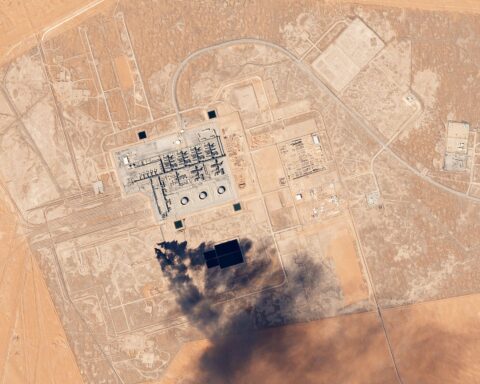
The crisis is unprecedented in three respects. First, unlike the 1973 Arab oil embargo or the 1990 Iraqi invasion of Kuwait, the disruption affects not just oil but also LNG, refined products, and petrochemical feedstocks simultaneously. Second, the closure is enforced not merely by declaration but by active Iranian naval and drone operations that have already struck commercial and military targets across the Gulf, including Saudi Aramco’s Ras Tanura refinery — the kingdom’s largest, processing 550,000 barrels per day. Third, the insurance market has independently blocked transit by cancelling war risk coverage, meaning that even vessels willing to brave Iranian threats cannot obtain the coverage required by international maritime law.
The most immediate threat to Asian refiners may be Iraq itself. Iraq has been forced to slash 1.5 million barrels per day of production as the Hormuz closure has left its Basra terminals without tanker capacity, directly cutting the 3.3 million barrels per day that Asian importers depend on from Iraqi ports.
The immediate trigger was Iran’s retaliatory missile and drone campaign, which targeted not just Israel but every Gulf state hosting American military assets. Saudi Arabia intercepted missiles aimed at Prince Sultan Air Base and Riyadh airport. Two drones struck the US Embassy in the Saudi capital, hitting a CIA station within the compound according to the Washington Post. Kuwait, Bahrain, Qatar, and the UAE all reported incoming fire. The GCC held an extraordinary ministerial meeting — its 50th — and issued a joint statement condemning what it called “Iranian aggression against the GCC.”
For Asia’s oil-importing giants, the political origins of the conflict matter far less than its practical consequence: the energy they depend on to run their economies, generate their electricity, and fuel their industries is no longer flowing. And the clock on their strategic reserves has started ticking.
How Dependent Is Asia on Gulf Oil and Gas?
Asia’s dependence on Gulf hydrocarbons is the defining vulnerability of the 21st-century global economy. Four Asian nations — China, India, Japan, and South Korea — together import more than 20 million barrels per day of crude oil, with the majority transiting through the Strait of Hormuz. The concentration of this dependency has actually increased over the past decade, even as Western nations reduced their Gulf exposure through shale production and renewable deployment.
| Country | Total Oil Imports (M bpd) | % via Hormuz | % from Middle East | LNG Import Dependency | Key Gulf Suppliers |
|---|---|---|---|---|---|
| China | 11.6 | 33–40% | ~50% | ~25% | Saudi Arabia, Iraq, UAE, Kuwait, Oman |
| India | 2.5–2.7 | ~50% | ~60% | ~50% | Iraq, Saudi Arabia, Kuwait, UAE |
| Japan | 2.4 | 75–90% | ~90% | ~20% | Saudi Arabia, UAE, Kuwait, Qatar |
| South Korea | 2.7 | ~60% | ~70% | ~30% | Saudi Arabia, Kuwait, Iraq, Qatar |
The table reveals a critical asymmetry: while the United States — which launched the strikes on Iran alongside Israel — imports virtually no oil through Hormuz, its Asian allies bear the overwhelming burden of the resulting supply disruption. Japan, with 75 to 90 percent of its oil imports flowing through the strait, faces the most severe exposure of any major economy. South Korea, which sources roughly 60 percent of its crude via Hormuz, is the most vulnerable in LNG terms, with 30 percent of its natural gas dependent on Gulf supplies including Qatari cargoes that must transit the chokepoint.
China accounts for 37.7 percent of all oil flows through the Strait of Hormuz — more than any other country by a wide margin, according to data from Kpler. Saudi Arabia alone ships 1.7 to 1.8 million barrels per day to Chinese refineries, making the Kingdom Beijing’s largest Middle Eastern oil supplier. India imports 90 percent of its crude oil requirements, with roughly half of its 2.5 to 2.7 million barrels per day transiting through Hormuz, largely from Iraq, Saudi Arabia, Kuwait, and the UAE.
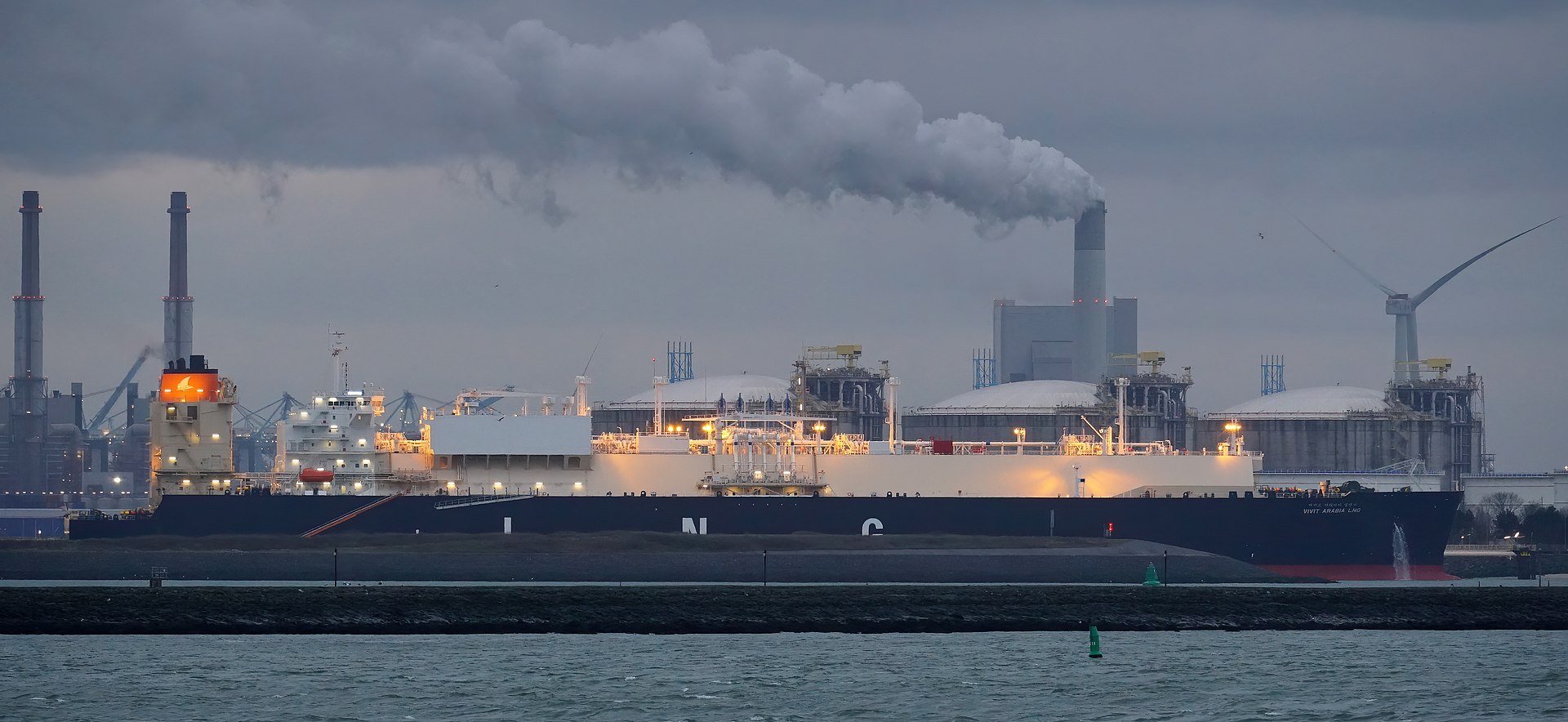
The dependency extends beyond crude oil. Qatar’s Ras Laffan Industrial City — which supplies roughly 20 percent of the world’s LNG — sits on the Gulf coast, and its cargoes must navigate the strait to reach Asian buyers. Iranian drone strikes have already targeted the facility, according to Al Jazeera, sending LNG spot prices sharply higher and forcing South Korean and Japanese utilities to activate emergency procurement protocols.
India’s Triple Crisis — Oil, Workers, and Remittances
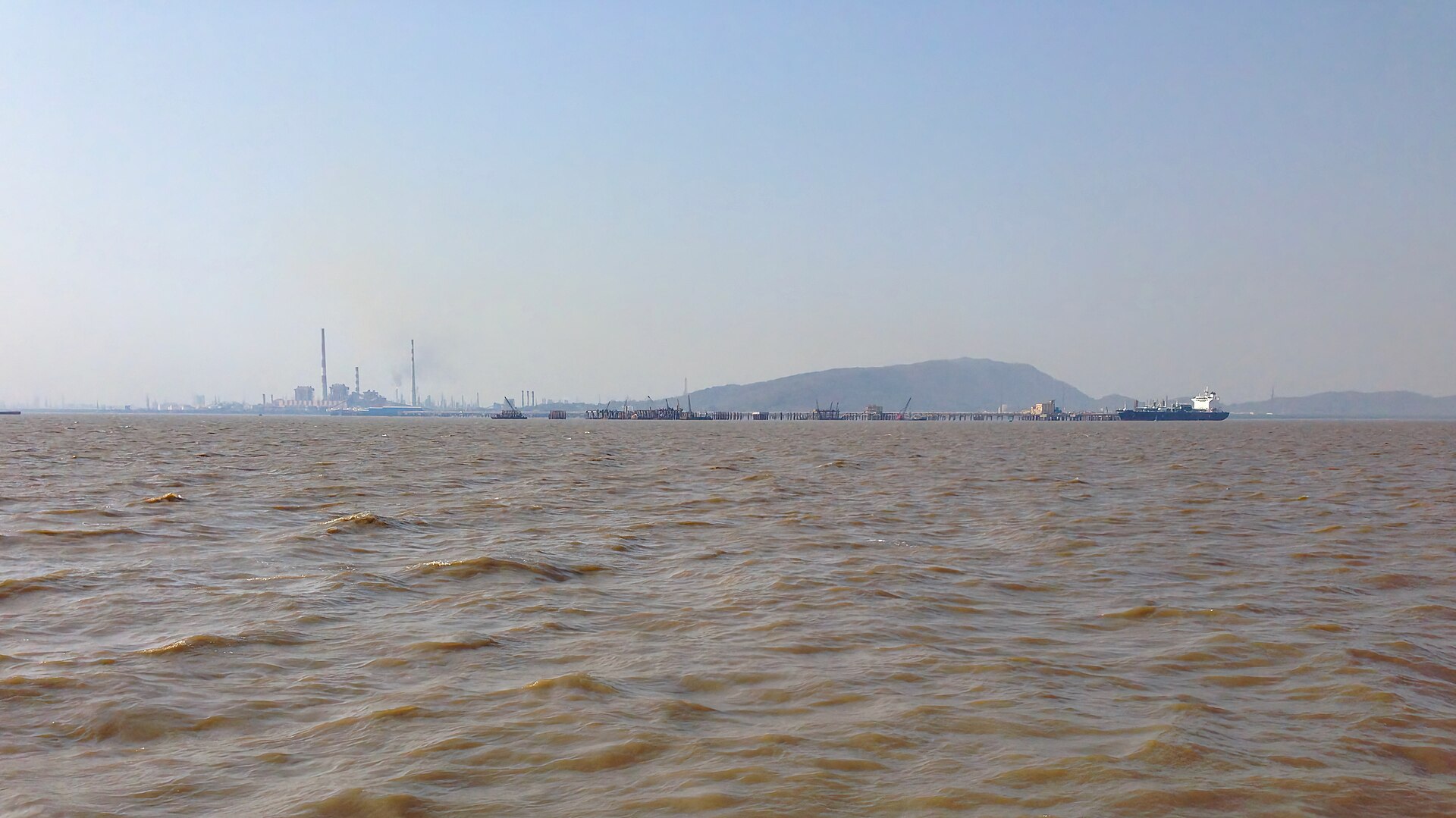
India faces not one energy crisis but three simultaneous emergencies that together threaten the foundations of its $4 trillion economy. The oil supply shock is the most immediate: roughly half of India’s crude imports transit through the Strait of Hormuz, and until a week ago India was replacing declining Russian oil purchases with increased Middle Eastern supply — the precise source now cut off. But the crisis extends far beyond barrels and pipelines to encompass 9 million Indian citizens living in the Gulf and a remittance pipeline worth $118.7 billion annually. A detailed analysis of India’s impossible position between its oil lifeline and its stranded diaspora reveals the full scale of New Delhi’s Gulf gamble.
The oil arithmetic is punishing. India imports 2.5 to 2.7 million barrels per day, sourced largely from Iraq, Saudi Arabia, Kuwait, and the UAE. Analysts at India Briefing estimate that a sustained $10-per-barrel increase in crude prices would raise India’s annual import bill by $13 to $14 billion, widen the current account deficit, and weaken the rupee. With Brent already $15 above pre-crisis levels and climbing, the fiscal impact could exceed $20 billion — roughly equivalent to India’s entire annual defence procurement budget.
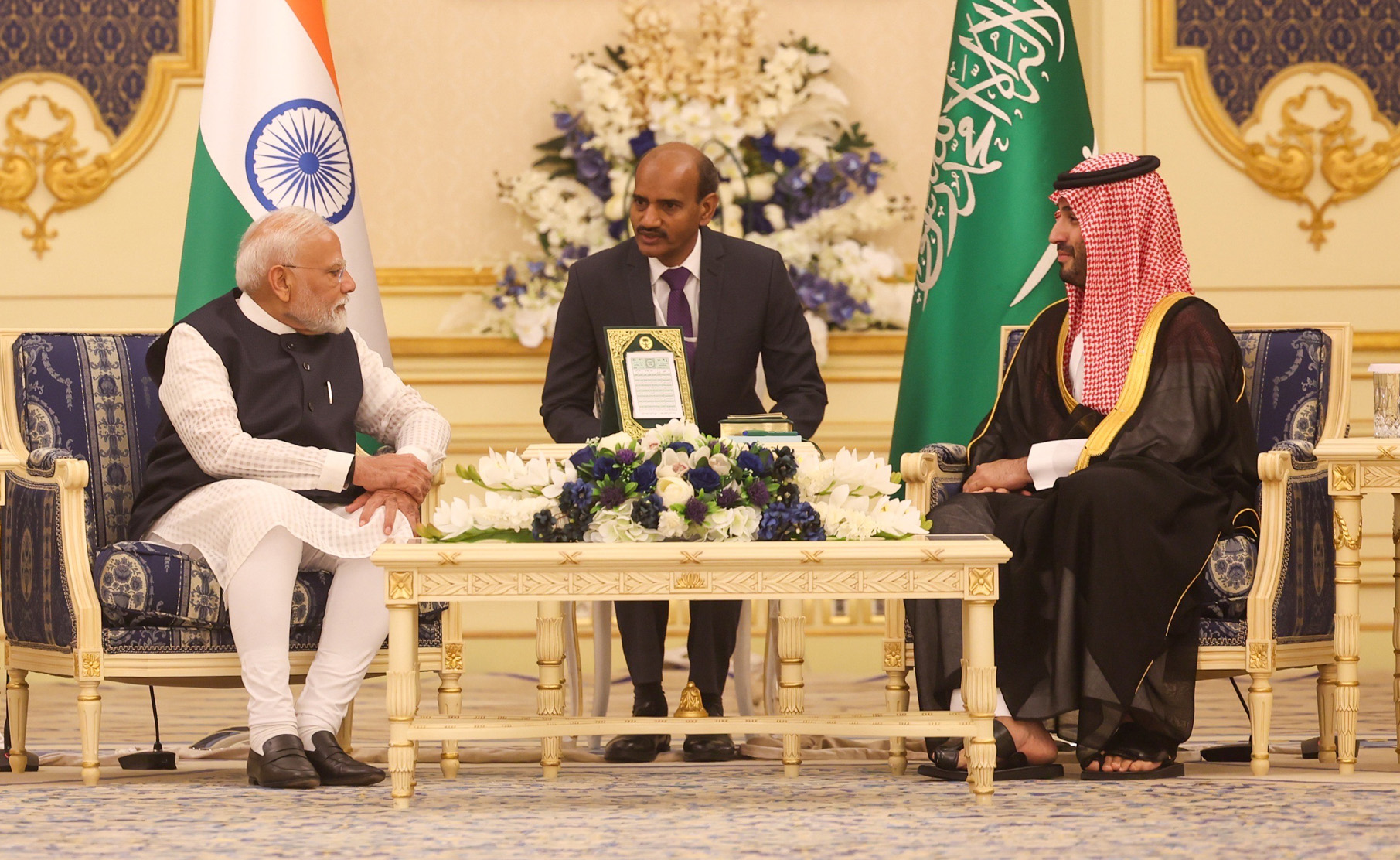
Prime Minister Narendra Modi chaired a meeting of the Cabinet Committee on Security on the night of March 2 — within 48 hours of the first strikes on Iran — with a sharp focus on crude supplies, shipping routes, and the safety of Indian nationals in the region, according to CNBC. The government has since activated “Project Ghar” (Project Home), a high-level monitoring task force, and the Ministry of External Affairs put the Indian Navy and Air Force on standby for potential mass evacuation if the security situation worsens.
The scale of India’s human exposure in the Gulf dwarfs any previous crisis. Nine million Indian workers live in GCC countries, concentrated in Saudi Arabia, the UAE, and Kuwait — all nations that have been struck by Iranian missiles and drones. These workers are not merely abstract economic units; they are the source of a remittance flow that India received $118.7 billion of in fiscal year 2023–24, with the UAE alone accounting for 19 percent and the GCC collectively contributing 38 percent. A sustained disruption to this pipeline — whether through evacuation, economic slowdown, or conflict escalation — would hit India’s balance of payments at the worst possible moment.
Indian workers themselves have described the situation in stark terms. “Came here for livelihood, now seeking bomb shelter,” one Indian worker in Dubai told Business Today, urging Prime Minister Modi to organize evacuations. The Directorate General of Shipping has constituted a dedicated 24/7 Quick Response Team for Indian seafarers, and the Ministry of External Affairs has set up a special control room. India’s airline sector faces its own crisis, with major carriers cancelling or rerouting Gulf flights, disrupting a route network that carried millions of passengers annually.
The energy, human, and financial dimensions of India’s crisis are not separate problems but interconnected vulnerabilities. Higher oil prices weaken the rupee, which increases the cost of imports, which widens the deficit, which pressures economic growth, which reduces demand for Indian labour in the Gulf, which cuts remittances, which weakens the rupee further. It is a feedback loop that Indian economic planners have war-gamed for decades but never confronted in practice at this scale.
Why Japan and South Korea Face the Most Acute LNG Shortage
Japan and South Korea confront the crisis from a position of almost total import dependency that makes India’s 90 percent figure look modest by comparison. Japan imports virtually all of its oil and a substantial share of its natural gas, with 75 to 90 percent of oil imports arriving via the Strait of Hormuz. South Korea faces similar exposure, sourcing roughly 60 percent of its crude through the strait and depending on Gulf LNG for 30 percent of its natural gas supply. Both nations entered the crisis with reserve levels that bought them weeks, not months — a vulnerability examined in depth in a dedicated analysis of Japan and South Korea’s energy crisis and what it means for Saudi Arabia’s most important Asian trade relationships.
The LNG dimension distinguishes the East Asian crisis from every previous oil shock. Unlike crude oil, which can be stored in large strategic reserves and has well-established alternative supply routes, LNG requires specialized infrastructure — cryogenic storage tanks, regasification terminals, purpose-built carriers — that cannot be improvised or rapidly expanded. Japan holds approximately 4.4 million tons of LNG in reserves, enough for roughly two to four weeks of stable demand according to Fortune. South Korea’s situation is more acute: a lawmaker raised alarm at a parliamentary meeting that the country has LNG reserves for only nine days, though the government claims strategic reserves covering 52 days of LNG demand.
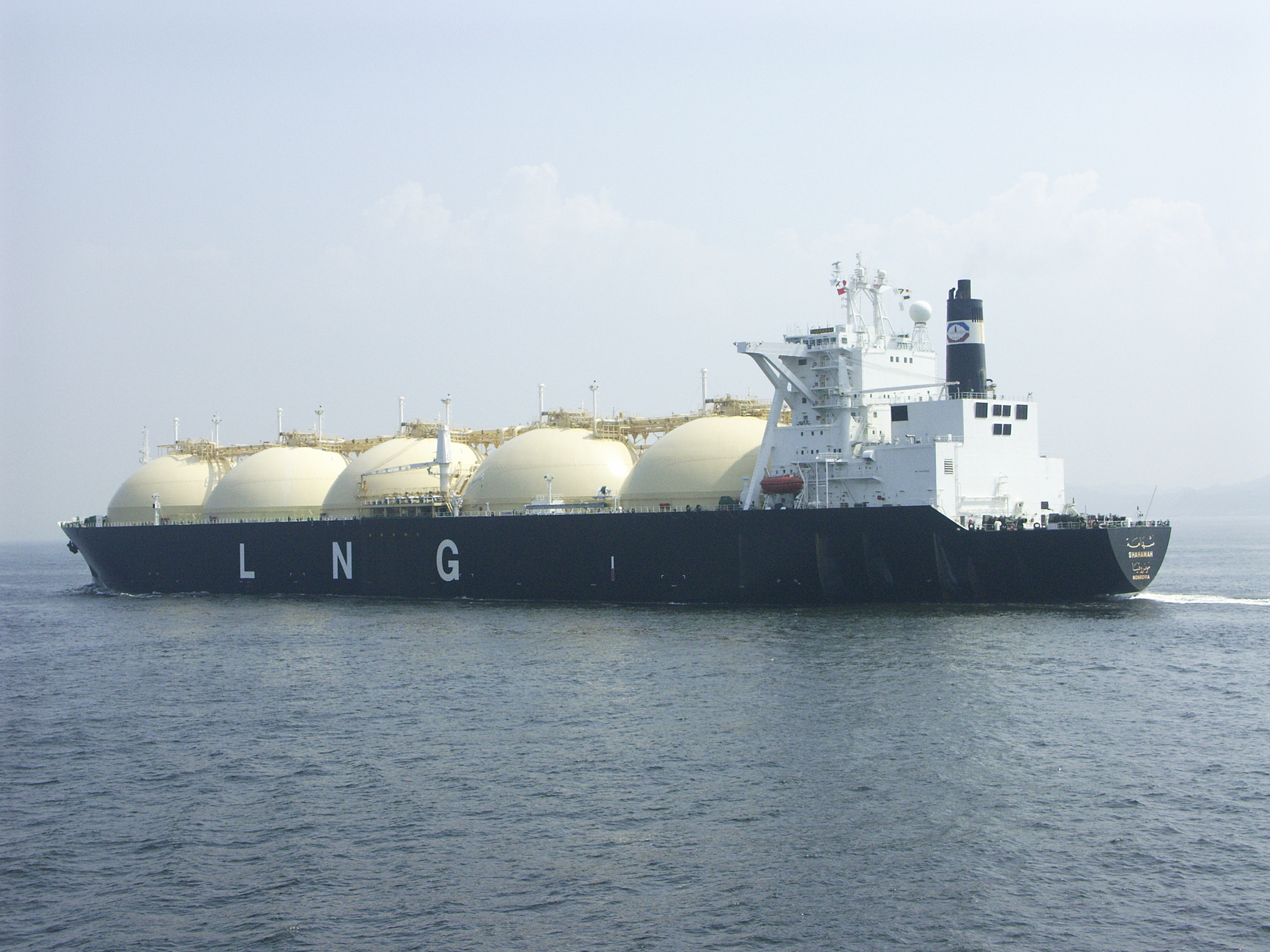
The discrepancy between the lawmaker’s nine-day figure and the government’s 52-day claim is itself revealing. The nine-day figure represents working inventory at import terminals — the gas physically available for immediate regasification and pipeline delivery. The 52-day figure includes contracted-but-undelivered cargoes, swap arrangements with other buyers, and gas that exists in theory but not yet at Japanese or Korean ports. With the Strait of Hormuz closed and tanker traffic at zero, the theoretical volumes are precisely that: theoretical.
South Korea’s economic vulnerability is amplified by its industrial structure. The country’s semiconductor fabrication plants, steelworks, petrochemical complexes, and automotive factories consume enormous quantities of energy, and even brief supply interruptions cascade through global supply chains. Samsung’s semiconductor fabs alone consume as much electricity as a small city. President Lee Jae Myung announced the creation of a 100 trillion won ($68.3 billion) stabilization fund to cope with soaring energy prices — a figure that reflects the existential nature of the threat. The Ministry of Trade, Industry and Resources activated an “emergency task force” led by the head of the Office of Industrial Resource Security, a bureaucratic title that, until this week, few Koreans had heard of.
Japan’s response has been characteristically methodical but constrained by the same physical realities. The government has contacted American, Australian, and Canadian LNG producers about emergency spot cargoes, but these alternative supplies require weeks to arrange and cannot replace the volume lost from Qatar and the UAE. Japan’s nuclear restart programme — which had been proceeding cautiously through regulatory and political obstacles — may receive unexpected acceleration. Before the Fukushima disaster in 2011, nuclear power provided roughly 30 percent of Japan’s electricity; in 2025, it contributed approximately 8 percent. Every reactor that can be brought back online reduces natural gas demand and extends the LNG reserves that stand between Japan’s economy and rationing.
The Korea Times reported that the conflict “raises alarm on Korea’s oil dependence,” noting that the country’s coal phase-out strategy had increased reliance on LNG at precisely the moment when LNG supply chains proved most fragile. Seoul Economic Daily described LNG as “Korea’s weak link” in the Iran crisis, an assessment that energy analysts widely share. The full dimensions of this vulnerability become clear in the context of the global LNG crisis triggered by the Hormuz shutdown, which has exposed a gas supply emergency with fewer safety nets than the oil shock.
China’s Hormuz Problem — 37 Percent of All Gulf Oil Goes to Beijing
China’s relationship with the Hormuz crisis is unlike any other nation’s — simultaneously the most exposed in absolute volume and the most resilient in terms of alternative supply options. Chinese refineries imported 11.6 million barrels per day of crude oil in 2025, with roughly half sourced from the Middle East. China alone accounts for 37.7 percent of total oil flows through the Strait of Hormuz, according to Kpler data — more than any other country by a substantial margin. Saudi Arabia ships 1.7 to 1.8 million barrels per day to China; Iraq contributes another 1.2 million; and the UAE, Kuwait, and Oman collectively add 1.5 million more.
Yet China entered the crisis with advantages that Japan and South Korea lack. Russia, which delivers oil to China via the East Siberia-Pacific Ocean pipeline and seaborne routes that bypass Hormuz entirely, is already China’s largest crude supplier at roughly 20 percent of imports. In 2025, an additional 17 percent of China’s oil came from Iran and Venezuela — suppliers under Western sanctions whose volumes China had been willing to purchase at discounted prices. The Hormuz closure obviously eliminates the Iranian component, but Russian, Angolan, Brazilian, and Venezuelan supplies remain physically accessible.
Beijing’s response has been aggressive. On March 5, China ordered its largest oil refineries to halt diesel and petrol exports — an emergency measure that preserves domestic fuel supplies at the expense of Southeast Asian economies that depend on Chinese refined product exports. The order, reported by Fortune, signals that Chinese planners are preparing for a prolonged disruption rather than a brief interruption. Thailand, which relies heavily on Chinese diesel exports, suspended its own crude and petroleum exports on March 1 in a cascade of protectionist energy hoarding that recalls the worst days of the 1970s oil crisis.
The strategic dimension is equally significant. China has spent two decades building overland energy infrastructure specifically to reduce Hormuz vulnerability — the Central Asia-China gas pipeline from Turkmenistan, the China-Myanmar oil and gas pipeline, the expanded capacity of the Russia-China pipeline network. These investments are now being tested in precisely the scenario they were designed for. Early indications suggest that Chinese pipeline imports from Russia and Central Asia have increased since February 28, though by amounts that cannot fully compensate for the loss of Gulf seaborne supply.
China’s strategic petroleum reserve, the world’s second largest after the United States, provides a buffer that smaller Asian importers lack. Analysts at Wood Mackenzie estimate Chinese government-controlled reserves at 80 to 90 days of net imports — roughly 950 million barrels stored across a network of underground caverns and above-ground tank farms in Zhoushan, Dalian, Huangdao, and Dushanzi. Commercial crude inventories add an additional 30 to 40 days. Combined, China could maintain current consumption levels for approximately four months without any imports — a cushion that explains Beijing’s relatively measured initial response compared with the panic visible in New Delhi or Seoul.
China’s diplomatic position adds complexity. Beijing has significant economic relationships with both Saudi Arabia and Iran, and has sought to position itself as a neutral mediator — a role it played in brokering the Saudi-Iranian diplomatic rapprochement in 2023. The war has destroyed that carefully constructed equidistance. A deeper examination of Beijing’s Hormuz energy crisis reveals that China’s real vulnerability lies not in crude oil but in liquefied natural gas, where stockpiles cover weeks rather than months.
Moscow and Beijing face an uncomfortable reality: the war they did not prevent is now costing them more than it costs Washington, which imports virtually no Gulf oil and whose shale producers stand to profit from elevated prices.
The Insurance Collapse That Shut the Strait Before Iran Did
Before a single Iranian mine entered the water or a single IRGC fast boat challenged a tanker, the global insurance market had already functionally closed the Strait of Hormuz. Within 72 hours of the first US-Israeli strikes on February 28, the world’s largest protection and indemnity clubs began issuing cancellation notices for war risk coverage on vessels trading in the Middle East — a technical-sounding move that has had devastating practical consequences.
Insurance companies including Gard, Skuld, NorthStandard, the London P&I Club, and the American Club announced that cancellation of war risk cover would take effect from March 5, with notices dated March 1, according to Al Jazeera. Without war risk insurance, commercial vessels cannot legally enter the Persian Gulf under most flag state regulations and port requirements. A ship without insurance is uninsurable cargo, and uninsurable cargo is cargo that does not move.
War risk premiums for vessels still willing to operate in the region surged from approximately 0.2 percent of a ship’s insured value to 1 percent virtually overnight. For a Very Large Crude Carrier worth $100 million, this translates to a jump from roughly $200,000 to $1 million per single voyage — costs that are ultimately passed to consumers in higher fuel prices. The benchmark freight rate for VLCCs shipping 2 million barrels from the Middle East to China hit an all-time record of $423,736 per day, according to CNBC, marking a 94 percent increase from the previous Friday’s close.
The insurance withdrawal created a self-reinforcing spiral. As fewer vessels transited the strait, those that remained faced higher risks — both from Iranian military activity and from the concentration of targets in a narrower corridor. Higher risk drove higher premiums, which drove more withdrawals, which concentrated risk further. Lloyd’s List reported that Hormuz transits “collapsed” as shipping’s risk appetite was tested and found wanting. Within days, the strait had gone from carrying 13 million barrels per day to carrying effectively nothing.
This insurance-driven closure is historically unprecedented. During the Iran-Iraq Tanker War of the 1980s, insurance premiums rose sharply and dozens of vessels were attacked, but traffic never ceased entirely — the commercial incentive to move oil was simply too great, and flag state navies provided convoy escort. In 2026, the combination of more lethal Iranian capabilities (including anti-ship missiles, sea-skimming drones, and sophisticated mine-laying operations) and a more risk-averse insurance market has achieved what eight years of Tanker War could not: a complete halt to commercial transit. A full analysis of Iran’s mine and missile blockade reveals how the maritime insurance collapse, record VLCC freight rates, and the spectre of naval convoy operations have combined to create a shipping crisis without parallel in modern history.
The implications for the Hormuz blockade’s global economic impact extend beyond energy. The strait also carries manufactured goods, petrochemical feedstocks, and containerized cargo between East Asian factories and Middle Eastern consumers. Supply chains that rely on Gulf-Asia shipping lanes — including automotive parts, electronics components, and food products — face disruption even if they contain no hydrocarbons.
How Are Asian Governments Responding to the Crisis?
Asian governments have responded to the energy emergency with a combination of strategic reserve drawdowns, export bans, emergency procurement, and diplomatic manoeuvring — measures that reveal both the depth of their contingency planning and its limitations.
| Country | Key Emergency Measures | Reserve Drawdown | Diplomatic Action |
|---|---|---|---|
| China | Ordered major refineries to halt diesel/petrol exports (March 5); activated SPR drawdown protocol | Has not disclosed volumes; estimated 80–90 days of strategic crude reserves | Called for immediate ceasefire; contacted Russian/Kazakh suppliers for increased pipeline deliveries |
| India | Cabinet Committee on Security meeting (March 2); activated “Project Ghar” evacuation contingency; 24/7 seafarer crisis team; Navy/Air Force on standby | Less than 30 days of crude oil reserves available for emergency use | PM Modi conducting shuttle diplomacy with Gulf leaders; non-alignment stance maintained |
| Japan | Contacted US, Australian, Canadian LNG producers for emergency spot cargoes; nuclear restart acceleration under review | ~150 days crude oil (IEA member); 2–4 weeks LNG | Coordinated response through IEA; requested US strategic reserve release |
| South Korea | 100 trillion won ($68.3B) stabilization fund created; emergency task force activated; industrial energy security protocols | ~208 days crude oil; 9–52 days LNG (disputed) | President Lee contacted Saudi Crown Prince; requested OPEC+ emergency meeting |
| Thailand | Suspended crude and petroleum exports (March 1) | Limited strategic reserves | Called for ASEAN coordinated response |
The most striking feature of the response matrix is the disparity in preparedness. Japan and South Korea, as International Energy Agency members, maintain strategic petroleum reserves covering 150 and 208 days of crude oil demand respectively — reserves built precisely for a Hormuz-closure scenario. India, which joined the IEA as an associate member but has invested less in strategic storage, has less than 30 days of emergency crude available. China, which is not an IEA member, operates its own strategic petroleum reserve programme but has never disclosed precise volumes; analysts estimate 80 to 90 days of supply.
South Korea’s 100 trillion won stabilization fund is the largest single emergency financial package announced by any nation in response to the crisis. At $68.3 billion, it exceeds South Korea’s entire annual defence budget and signals that Seoul views the energy disruption as a threat to national survival, not merely a market inconvenience. The fund is designed to subsidize energy costs for households and industry, prevent cascading corporate defaults in energy-intensive sectors, and finance emergency fuel procurement at elevated spot market prices.
China’s export ban on refined products is arguably the most consequential measure, because it transforms a Gulf supply crisis into a broader Asian supply crisis. Southeast Asian economies — particularly Thailand, Vietnam, the Philippines, and Indonesia — depend on Chinese diesel, gasoline, and jet fuel exports. By hoarding domestic supply, China is effectively exporting its energy insecurity to smaller neighbours, a dynamic that has drawn sharp criticism from ASEAN governments.
India’s response combines the economic with the humanitarian. The activation of “Project Ghar” and the military standby for potential Gulf evacuations reflect a unique Indian vulnerability: no other major economy has 9 million citizens living in the conflict zone. The 1990 Gulf War evacuation of 170,000 Indians from Kuwait remains the largest civilian airlift in history; the scale of a potential 2026 evacuation from across the GCC would be an order of magnitude larger. The Indian government has so far avoided triggering a formal evacuation, calculating that doing so would cause panic and potentially collapse the remittance pipeline even if the security situation does not deteriorate further.
The Strategic Reserves Clock — Who Runs Out First?
Strategic petroleum reserves were invented to buy time during supply disruptions — and the current crisis is the ultimate test of whether that time is sufficient. The IEA, created after the 1973 oil embargo specifically to coordinate emergency oil sharing among industrialized nations, has never faced a disruption of this magnitude. Previous coordinated releases — during the 1991 Gulf War, 2005 Hurricane Katrina, and 2011 Libyan civil war — involved supply losses of 1 to 4 million barrels per day. The Hormuz closure has removed 13 million barrels per day from the market simultaneously.
The mathematics of reserve depletion are unforgiving. Japan’s strategic crude oil reserves — approximately 150 days of net imports — would last the quoted period only if no new crude was flowing in at all, which overstates the severity because Japan continues to receive non-Gulf oil from Russia, the Americas, and West Africa. A more realistic assessment, accounting for the roughly 75 to 90 percent of Japanese oil that transits Hormuz, suggests that Japan’s reserves extend effective supply by approximately six to eight months if supplemented by maximum alternative procurement.
South Korea’s 208-day crude oil reserve provides an even larger cushion, but its LNG vulnerability is the binding constraint. Electricity generation, industrial heating, and petrochemical feedstock in South Korea depend heavily on natural gas, and LNG cannot be stored at the same scale as crude oil. The parliamentary warning of nine days’ LNG supply — even if the government’s 52-day figure is closer to reality — means that South Korea faces a potential gas rationing crisis within weeks, not months. Rationing gas means rationing electricity, which means rationing industrial production, which means rationing South Korea’s position in the global semiconductor, automotive, and electronics supply chains.
| Country | Crude SPR (days) | LNG Reserves (days) | % Oil via Hormuz | Effective SPR Cover* | Critical Timeline |
|---|---|---|---|---|---|
| Japan | ~150 | 14–28 | 75–90% | 6–8 months | LNG rationing possible within 4–6 weeks |
| South Korea | ~208 | 9–52 | ~60% | 8–10 months | LNG critical within 2–6 weeks |
| China | ~80–90 | Undisclosed | 33–40% | 5–7 months | Refinery output decline within 2–3 months |
| India | <30 | ~14 | ~50% | 6–8 weeks | Fuel rationing possible within 4–6 weeks |
*Effective SPR Cover accounts for continued non-Hormuz supply and maximum alternative procurement
India’s position is the most precarious. With less than 30 days of strategic crude reserves and approximately two weeks of LNG storage, India could face fuel rationing within four to six weeks if the Hormuz closure persists and alternative supplies are not secured at scale. India’s strategic reserve programme, operated through underground caverns at Visakhapatnam, Mangalore, and Padur, was designed to hold 5.33 million tonnes of crude — roughly 39 million barrels, or about 15 days of total imports. The facilities have never been tested at full drawdown rates, and the logistics of moving strategic crude to India’s geographically dispersed refinery network add days to the effective response time.
The IEA’s collective action mechanism, which allows member nations to share strategic reserves during emergencies, has been activated for the first time in a full-scale scenario. However, the mechanism was designed for a world in which the United States held the largest strategic reserve and would be the primary contributor. The US Strategic Petroleum Reserve, drawn down significantly during 2022 for domestic political reasons, holds approximately 400 million barrels — less than half its 714-million-barrel capacity. The question of whether Washington will deplete its reserve further to support Asian allies that bear the consequences of a war America initiated is politically explosive and has already generated sharp exchanges between Asian diplomats and their American counterparts. Japanese Foreign Minister Kamikawa Yoko reportedly told Secretary of State Marco Rubio that Japan “did not choose this war but is paying for it,” according to diplomatic sources cited by Nikkei Asia.
The coordination challenge extends to timing. A coordinated IEA release requires member nations to agree on volumes, timing, and burden-sharing — a process that took weeks during the 2011 Libya crisis, which involved a far smaller supply disruption. The urgency of the current situation has compressed decision-making timelines, but fundamental disagreements persist: the United States favours a modest release to stabilize prices without depleting its own reserves further, while Japan and South Korea argue for maximum volumes immediately. India, as an associate rather than full IEA member, has limited leverage within the mechanism despite facing the greatest vulnerability.
Can Saudi Arabia Rescue Asia’s Energy Supply?
Saudi Arabia holds the key to Asia’s energy crisis — but using it requires solving a logistics problem of historic complexity. The Kingdom possesses approximately 2 to 3 million barrels per day of spare production capacity, the largest reserve of any OPEC+ member. It has already ramped up production by roughly 500,000 barrels per day in recent weeks, anticipating disruptions tied to the US strikes on Iran. OPEC+ as a whole agreed to add 206,000 barrels per day in April — a gesture analysts described as woefully insufficient given the scale of the disruption.
The problem is not production but transit. Saudi Arabia’s primary oil export terminals — Ras Tanura, which has been shut down after drone strikes, and Ju’aymah, which loads tankers in the Persian Gulf — face the same Hormuz closure that blocks all other Gulf exports. Even if Saudi Arabia produces 12 or 13 million barrels per day, the oil cannot reach Asian customers if the shipping lanes are closed.
The solution lies 1,200 kilometres to the west. Aramco’s East-West Pipeline (Petroline), which runs from the Eastern Province oil fields to the Red Sea port of Yanbu, can carry approximately 5 million barrels per day — enough to maintain significant export volumes even with Ras Tanura offline and Hormuz closed. The pipeline was originally built in the 1980s during the Iran-Iraq Tanker War for precisely this scenario, and its capacity has been expanded multiple times since.
The Red Sea route adds approximately 2,000 nautical miles and 4 to 5 days of sailing time to Asia-bound cargoes compared with the direct Gulf route. Tankers leaving Yanbu must sail south through the Red Sea — where Houthi forces have already demonstrated the ability to threaten commercial shipping — then east through the Bab el-Mandeb strait, around the Horn of Africa, across the Indian Ocean, and onwards to Asian ports. The journey time from Yanbu to Mumbai is roughly 12 to 14 days; to Yokohama, 25 to 28 days; to Shanghai, 20 to 23 days. These transit times mean that even if Saudi Arabia maximizes Red Sea exports immediately, the first barrels will not reach Asian refineries for two to four weeks.
The OPEC+ response has frustrated Asian governments. The 206,000 barrels per day increase agreed for April represents less than 2 percent of the 13 million barrels per day lost from Hormuz transit. Energy analysts at the Atlantic Council noted that “spare capacity is really only sitting in Saudi Arabia at this stage, with the rest of the producers effectively maxed out.” The UAE holds some additional capacity, but its export terminals face the same Hormuz constraint as Saudi Arabia’s Gulf ports. The structural reality is that even maximum OPEC+ production increases cannot compensate for the loss of the shipping route through which that production reaches its customers.
Saudi Arabia’s position in the crisis is paradoxical. The Kingdom’s oil is more valuable than at any time since 1973, and its leverage over energy-dependent economies has increased dramatically. But its ability to monetize that leverage depends on physical infrastructure — pipelines, ports, tankers — that was not designed to handle the entire Kingdom’s export volume simultaneously. Crown Prince Mohammed bin Salman’s strategic challenge is to convert Saudi Arabia’s geological advantage into actual delivered barrels at a moment when the logistics chain is under unprecedented strain.
The Asian Energy Vulnerability Index
Five factors determine how severely the Hormuz crisis will damage each Asian economy: import dependency, transit exposure, reserve adequacy, alternative supply access, and economic resilience to price shocks. Weighting these factors equally and scoring each country from 1 (least vulnerable) to 5 (most vulnerable) produces a composite vulnerability profile that explains why some nations will weather the crisis better than others.
| Factor | India | Japan | S. Korea | China | Thailand |
|---|---|---|---|---|---|
| Import Dependency (% oil imported) | 5 | 5 | 5 | 4 | 3 |
| Hormuz Transit Exposure | 4 | 5 | 4 | 3 | 2 |
| Reserve Adequacy (crude + LNG combined) | 5 | 2 | 2 | 3 | 4 |
| Alternative Supply Access | 4 | 3 | 3 | 2 | 3 |
| Economic Price Shock Resilience | 5 | 3 | 3 | 2 | 4 |
| Composite Vulnerability Score | 23/25 | 18/25 | 17/25 | 14/25 | 16/25 |
India scores highest — meaning most vulnerable — at 23 out of 25, driven by its minimal strategic reserves, its large import dependency, and the limited ability of its $4 trillion economy to absorb sustained price increases without inflationary consequences that directly affect 1.4 billion citizens. Japan and South Korea score in the mid-range, reflecting their large strategic reserves and wealthy economies that can afford emergency procurement at premium prices, offset by their extreme physical dependency on Gulf transit routes. China scores lowest among the major importers at 14, reflecting its pipeline diversification, its strategic reserves, and the size and resilience of its economy — though 14 out of 25 still represents severe vulnerability by any peacetime standard.
The index reveals a structural pattern: the nations most vulnerable to the Hormuz crisis are those that combined high import dependency with low investment in strategic reserves and limited pipeline diversification. India’s decision to invest modestly in strategic petroleum reserves — storing roughly 39 million barrels against annual imports exceeding 900 million barrels — looks catastrophically inadequate in hindsight. Japan and South Korea’s investments in 150-plus days of crude reserves may prove to be among the most prescient peacetime infrastructure decisions of the 21st century.
The vulnerability scores also highlight a geopolitical irony. The United States, which initiated the military campaign against Iran, would score approximately 3 out of 25 on this index — effectively invulnerable to the energy consequences of a war that threatens to devastate the economies of its most important Asian allies. This asymmetry in war costs has not gone unnoticed in Asian capitals.
The Contrarian Case — Why This Crisis Accelerates the Energy Transition
The conventional narrative frames the Hormuz crisis as a vindication of fossil fuel dependency warnings — and it is. But a contrarian reading of the evidence suggests that the crisis may ultimately prove to be the most powerful accelerant for Asia’s energy transition that any policy could have achieved, accomplishing in weeks what decades of climate summitry, carbon pricing debates, and renewable energy subsidies have failed to deliver: a politically irresistible economic case for ending oil dependency.
The 1973 oil embargo produced France’s nuclear energy programme, which today provides 70 percent of French electricity. The 1979 Iranian Revolution oil shock prompted Japan to pursue the most aggressive energy efficiency standards in the world, cutting its oil intensity by more than half over the subsequent two decades. Every previous oil crisis has generated a policy response proportional to the pain it inflicted. The 2026 crisis inflicts more pain on more Asian economies simultaneously than any previous disruption — and the political response is already taking shape.
Japan’s stalled nuclear restart programme has been transformed overnight from a contentious political debate into an emergency national security imperative. South Korea’s new government, which had been cautiously extending the lifespans of existing reactors, is now discussing accelerated construction of new nuclear plants with a strategic urgency not seen since the 1970s. India, which has ambitious but slow-moving solar and nuclear expansion plans, faces a political environment in which energy independence has become an existential priority rather than a distant aspiration.
China’s position is most revealing. Beijing had already committed more capital to renewable energy than any nation in history — $758 billion in clean energy investment in 2025 alone, according to Bloomberg New Energy Finance. The Hormuz crisis validates that strategy while simultaneously exposing its incompleteness. China’s solar panel production capacity is sufficient to power the entire world’s electricity needs within a decade, but solar panels do not fuel the trucks, ships, and aircraft that move the country’s manufactured goods. The gap between China’s renewable electricity and its oil-dependent transport and industrial sectors is the vulnerability the crisis has laid bare.
The investment implications are already visible. Shares in Asian renewable energy companies, nuclear plant operators, and battery manufacturers surged in the first week of the crisis even as broader markets fell. Capital is moving not on sentiment but on the rational calculation that governments funnelling emergency funds into energy security will direct substantial shares toward technologies that eliminate Hormuz dependency permanently. South Korea’s $68.3 billion stabilization fund will almost certainly include provisions for accelerated renewable and nuclear investment alongside the immediate fuel subsidies.
The contrarian case is not that the crisis is good — the human and economic costs are devastating. The argument is that the crisis is so severe, so concentrated on Asia’s oil dependency, and so clearly caused by geopolitical vulnerability to a chokepoint outside Asian control, that it will generate a policy response of a scale and speed that voluntary climate action never could. The paradox of energy transitions is that they accelerate fastest when the status quo becomes unbearable. For Asia in March 2026, the status quo is precisely that.
Will the Hormuz Blockade Force a Permanent Restructuring of Global Energy Trade?
Even when the Hormuz crisis ends — whether through diplomatic resolution, military clearing of the strait, or Iranian capitulation — the energy trade patterns of the pre-crisis world will not return. The crisis has demonstrated a vulnerability that risk managers, insurance underwriters, and government planners can no longer dismiss as a theoretical worst case. Every future contract for Gulf oil and gas will carry a Hormuz risk premium. Every future infrastructure investment decision in Asia will incorporate the lesson of March 2026: single-chokepoint dependency is a strategic liability that no amount of economic efficiency can justify.
Several structural changes are likely to persist beyond the crisis. First, the East-West Pipeline model — land-based transit routes that bypass maritime chokepoints — will see massive investment. Saudi Arabia may expand the Petroline’s capacity beyond 5 million barrels per day. Iraq may revive its pipeline projects to the Turkish Mediterranean port of Ceyhan. The UAE may expand its Habshan-Fujairah pipeline, which already allows Abu Dhabi to export 1.5 million barrels per day through the Gulf of Oman, bypassing Hormuz entirely.
Second, Asian strategic petroleum reserves will be expanded dramatically. India’s experience with less than 30 days of supply will accelerate its planned expansion to 132 days of net imports — a programme that was proceeding at a leisurely pace and will now receive emergency funding. South Korea’s LNG storage investment will increase substantially, addressing the nine-to-52-day vulnerability that the crisis exposed.
Third, long-term contracts between Asian buyers and Gulf producers will increasingly specify alternative delivery routes. Japanese and South Korean utilities that previously accepted Gulf loading as a contract default will insist on Red Sea or pipeline-delivered alternatives, even at higher cost. The premium for Hormuz-free delivery will become a standard feature of Asian energy procurement.
Fourth, supplier diversification will accelerate. China’s pipeline investments with Russia and Central Asia have been partially validated. India may pursue similar overland connections — the long-discussed Iran-Pakistan-India pipeline, ironically, was designed precisely to deliver Iranian gas without Hormuz transit. Guyana, Brazil, and West African producers will attract increased Asian buyer interest as Hormuz-free alternatives.
The question is not whether these changes will occur — they are already beginning — but whether they will proceed at a pace that prevents the next Hormuz crisis from inflicting the same damage. The history of energy crises suggests that structural adjustment begins with urgency and fades as prices normalise. The 1973 embargo accelerated nuclear power in France but not in most other countries. The 1979 shock produced Japanese energy efficiency but not Indian or Chinese versions. The 2026 crisis will similarly produce uneven responses, with the most severely affected nations — India, Japan, and South Korea — investing most aggressively in alternatives, while less vulnerable economies return to business as usual.
For Saudi Arabia, the permanent restructuring of Asian energy trade carries a bittersweet implication. The Kingdom’s oil is more strategically important today than at any point in recent memory. But every Asian investment in nuclear power, renewable energy, pipeline diversification, and strategic reserves is, in the long run, an investment in reducing Saudi Arabia’s market power. Vision 2030’s urgency to diversify the Saudi economy beyond oil has never been more apparent — because the crisis that elevated Saudi Arabia’s leverage will ultimately accelerate the very forces that erode it.
Frequently Asked Questions
How much oil flows through the Strait of Hormuz?
Approximately 13 million barrels of crude oil per day flowed through the Strait of Hormuz in 2025, accounting for roughly one-third of all seaborne crude trade globally. The strait also carries 19 percent of global LNG flows and 14 percent of refined petroleum products. Since Iran declared the strait closed on February 28, 2026, tanker traffic has dropped to near zero, with over 150 vessels anchored outside the waterway.
Which Asian country is most vulnerable to the Hormuz closure?
India is the most vulnerable major Asian economy, scoring 23 out of 25 on the Asian Energy Vulnerability Index. India imports 90 percent of its crude oil, holds less than 30 days of strategic reserves, and has 9 million citizens living in Gulf countries affected by the conflict. Japan and South Korea face severe LNG shortages but have larger crude oil reserves covering 150 and 208 days respectively.
How long can Japan and South Korea survive without Gulf oil?
Japan maintains strategic petroleum reserves covering approximately 150 days of net crude oil imports, while South Korea holds roughly 208 days. However, LNG is the binding constraint: Japan has two to four weeks of LNG reserves and South Korea between nine and 52 days depending on whether government or independent estimates are used. Both nations would face electricity and industrial rationing within four to eight weeks if Gulf LNG supplies are not restored or replaced.
Can Saudi Arabia reroute oil exports to bypass the Strait of Hormuz?
Saudi Aramco’s East-West Pipeline (Petroline) can carry approximately 5 million barrels per day from the Eastern Province oil fields to the Red Sea port of Yanbu, bypassing the Strait of Hormuz entirely. However, this route adds 4 to 5 days of sailing time to Asian deliveries, and Ras Tanura — the kingdom’s largest refinery at 550,000 barrels per day — has been shut down after Iranian drone strikes. The Red Sea route also passes through waters where Houthi forces have previously targeted commercial shipping.
What is the economic cost of the Hormuz closure to Asia?
The direct costs include a 15 percent increase in Brent crude prices to $84 per barrel, with analysts forecasting $100 if the disruption persists. For India alone, a sustained $10-per-barrel increase adds $13 to $14 billion to the annual import bill. South Korea has announced a $68.3 billion stabilization fund. Shipping costs have nearly doubled, with VLCC rates hitting an all-time record of $423,736 per day. The broader economic impact — including inflation, currency depreciation, industrial slowdowns, and supply chain disruption — could exceed $500 billion across the region within the first quarter of the crisis.
How does China’s position differ from other Asian importers?
China is simultaneously the most exposed in absolute volume — accounting for 37.7 percent of all Hormuz oil flows — and the most resilient due to pipeline diversification. Russia delivers oil to China via overland pipelines that bypass Hormuz entirely, and Central Asian gas pipelines provide additional supply. However, China has ordered major refineries to halt diesel and petrol exports, effectively hoarding domestic supply at the expense of Southeast Asian neighbours that depend on Chinese refined products.
The House of Saud Daily Briefing
Saudi Arabia's news in 3 minutes, every morning. Free. See today's issue