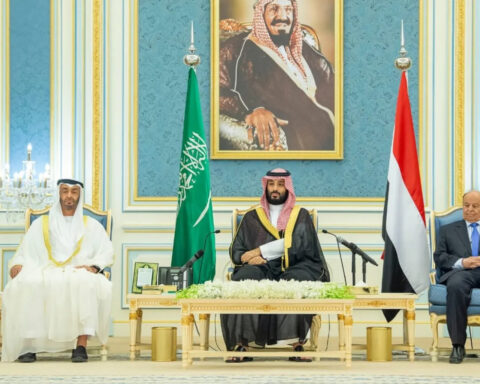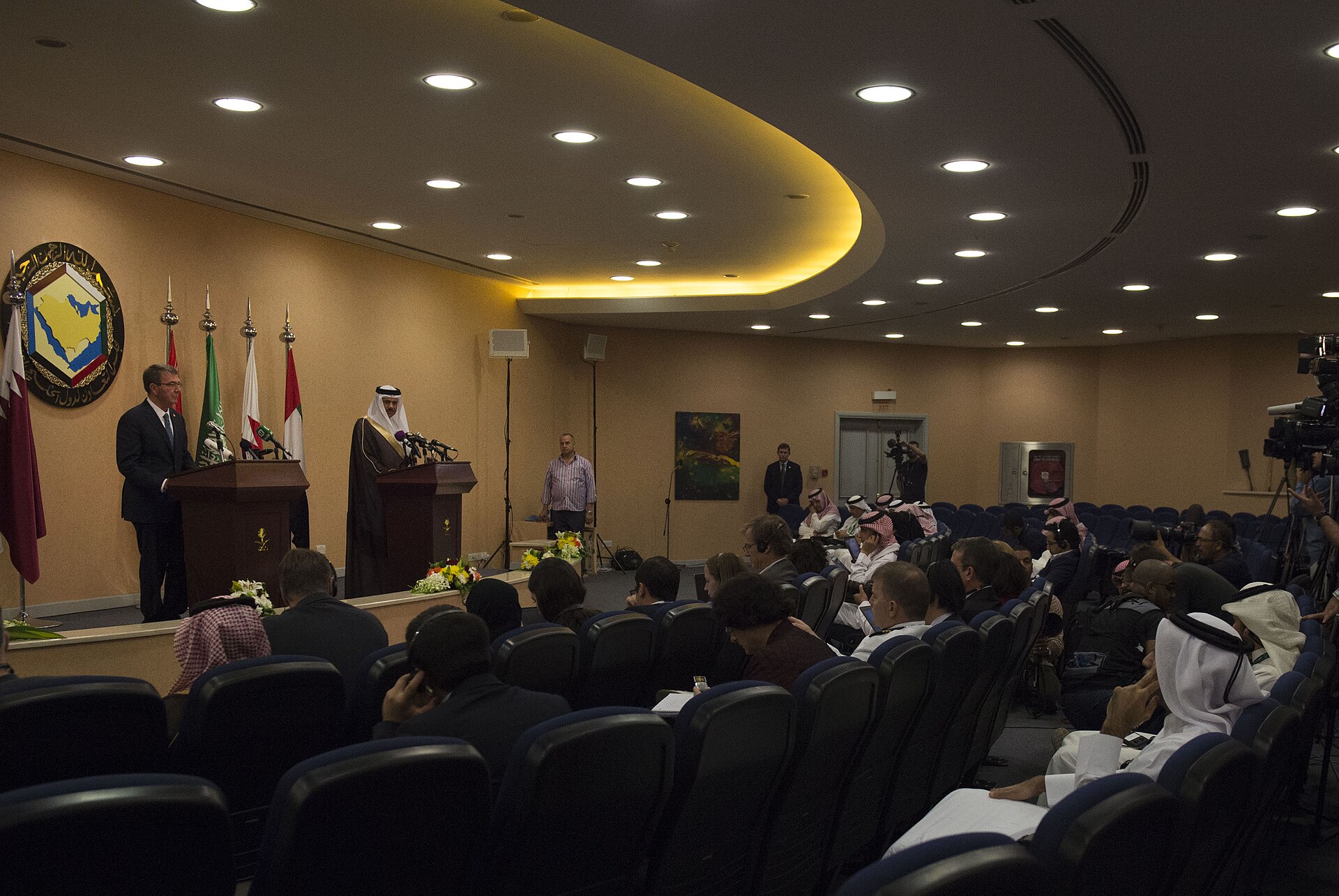

RIYADH — Six Arab nations issued a joint statement on Wednesday demanding that Iraq immediately halt drone and missile attacks being launched from its territory against neighbouring Gulf states, warning Baghdad that they reserve the right to self-defence under Article 51 of the United Nations Charter. Saudi Arabia, the United Arab Emirates, Kuwait, Bahrain, Qatar and Jordan accused Iran-aligned armed factions operating inside Iraq of carrying out sustained strikes against civilian infrastructure, airports, ports and energy facilities across the region since the Iran war began on 28 February 2026.
The statement marks the first time all six nations have collectively and publicly put Iraq on notice over the militia threat, raising the diplomatic stakes for Iraqi Prime Minister Mohammed Shia al-Sudani, who faces mounting pressure from both his Gulf neighbours and from Washington to rein in the Iran-backed Popular Mobilization Forces. With the war now in its fourth week and the attacks showing no sign of abating, the joint warning represents a significant escalation in the region’s diplomatic crisis.
Table of Contents
- What Does the Joint Statement Demand?
- Which Militia Groups Are Attacking Gulf States From Iraq?
- How Has Iraq Responded to the Ultimatum?
- The Legal Framework Behind the Warning
- Militia Strikes on Gulf Infrastructure
- The Diplomatic Stakes for Baghdad
- Gulf Air Defenses Under a Two-Front War
- Frequently Asked Questions
What Does the Joint Statement Demand?
The six nations demand that Iraq take “necessary measures for the immediate cessation” of all attacks launched by armed factions, militias and armed groups from Iraqi territory against neighbouring countries. The statement, released simultaneously by the foreign ministries of all six signatories on 25 March, calls on Baghdad to act urgently “in order to preserve brotherly relations and avoid further escalation.”
The statement goes further than previous diplomatic communications by explicitly invoking the right to self-defence. The six countries “reaffirmed their full and inherent right to self-defence against these criminal attacks in accordance with Article 51 of the Charter of the United Nations,” according to the text published by the UAE Ministry of Foreign Affairs. That language has not appeared in any previous Gulf diplomatic communication directed at Baghdad during the current conflict.
The nations described the militia attacks as constituting “a violation of international laws and conventions, and a flagrant breach of UN Security Council Resolution 2817 (2026).” That resolution, adopted on 11 March by a vote of 13 in favour, none against and two abstentions from China and Russia, specifically demanded that Iran “immediately and unconditionally cease any attacks or threats against neighbouring states, including those carried out through proxy groups.”
While the statement expressed that the six countries “valued their fraternal relations with the Republic of Iraq,” the warning was unambiguous. Diplomatic analysts interpreted the reference to Article 51 as a signal that Gulf states may consider military strikes against militia positions inside Iraq if Baghdad fails to act, according to the Eastern Herald.
Which Militia Groups Are Attacking Gulf States From Iraq?
The primary Iran-aligned factions launching attacks from Iraqi soil are elements of the Popular Mobilization Forces, a coalition of mostly Shia armed groups that were formally incorporated into Iraq’s security apparatus after the war against the Islamic State. The most prominent among them is Kataib Hezbollah, which has publicly claimed responsibility for drone strikes targeting US military installations in the region.
Kataib Hezbollah warned in a statement early in the conflict that “we will soon begin attacking American bases in response to their aggression,” according to Al Jazeera, and footage circulating online has shown the group carrying out drone strikes near Baghdad International Airport’s Victory Base complex. Other factions involved include Asaib Ahl al-Haq and Harakat Hezbollah al-Nujaba, both of which maintain close operational ties to Iran’s Islamic Revolutionary Guard Corps Quds Force.
The Iraqi militia attacks have at times overwhelmed coalition air defences, with one 24-hour period in late March seeing 21 separate strikes against US positions. The attacks have not been limited to American targets. Drone and missile strikes originating from Iraqi territory have hit civilian infrastructure in Kuwait, Saudi Arabia and Bahrain, according to statements from the respective defence ministries.
| Group | Estimated Fighters | Primary Capability | Known Targets Since 28 Feb |
|---|---|---|---|
| Kataib Hezbollah | 10,000-15,000 | Drones, rockets, ballistic missiles | US bases, Kuwaiti territory |
| Asaib Ahl al-Haq | 10,000-15,000 | Drones, IEDs, rockets | US bases, Saudi border areas |
| Harakat Hezbollah al-Nujaba | 5,000-10,000 | Drones, rockets | US bases, Kuwaiti infrastructure |
| Kataib Sayyid al-Shuhada | 3,000-5,000 | Rockets, mortars | US and coalition positions |
The Foundation for Defense of Democracies reported in March 2026 that unclaimed airstrikes, widely believed to have been carried out by the United States, hit militia positions inside Iraq even as Washington publicly condemned both Iranian and militia attacks. That dual approach has complicated Baghdad’s position, as the Iraqi government faces the domestic political reality that the PMF factions command significant influence in parliament and across Iraq’s security establishment.
The Long War Journal reported that Iranian-backed militias escalated their attacks throughout March, sending “mixed signals on next steps” that left Gulf intelligence services uncertain about whether the groups were operating under direct Iranian command or acting on their own initiative. The distinction matters: if the militias are under Tehran’s operational control, then any ceasefire agreement with Iran should theoretically halt the attacks. If they are acting autonomously, Iraq’s government would need to confront them directly, a prospect that has divided Sudani’s cabinet.
How Has Iraq Responded to the Ultimatum?
Prime Minister Sudani’s government has attempted to walk a narrow line between condemning the attacks on its neighbours and avoiding a direct confrontation with the powerful militia factions that helped bring his coalition to power. Following earlier strikes, Sudani’s office stated that the Ministry of Foreign Affairs would “deliver formal notes of protest” to both the US charge d’affaires in Iraq and the Iranian ambassador to Baghdad, framing the conflict as a bilateral US-Iran matter that Iraq had been dragged into unwillingly.
Sudani has publicly stressed “the importance of ensuring that Iraqi airspace, territory, and waters are not used for any military action targeting neighbouring countries or the region,” according to official statements carried by Iraq’s state news agency. He has also declared Iraq’s commitment to “not engaging in military actions while rejecting any attempt to drag the country into ongoing conflicts.”
Those assurances, however, have been undercut by a separate decision from Iraq’s National Security Council authorising the Popular Mobilization Forces to “exercise the right of self-defence and respond to any attacks targeting their positions,” as reported by Al Arabiya on 24 March. That authorisation effectively gave the militias legal cover to conduct offensive operations under the pretext of self-defence, a move that Gulf diplomats privately described as contradictory, according to the Soufan Center.
The Iraqi government’s position became more difficult on 24 March when it announced plans to summon both the US and Iranian envoys over “deadly attacks” on Iraqi soil, according to Al Jazeera. The move was interpreted as an attempt to position Iraq as a victim of both sides rather than a facilitator of militia aggression, but it did little to satisfy the six Arab states demanding action against the groups launching strikes from Iraqi territory.
The Legal Framework Behind the Warning
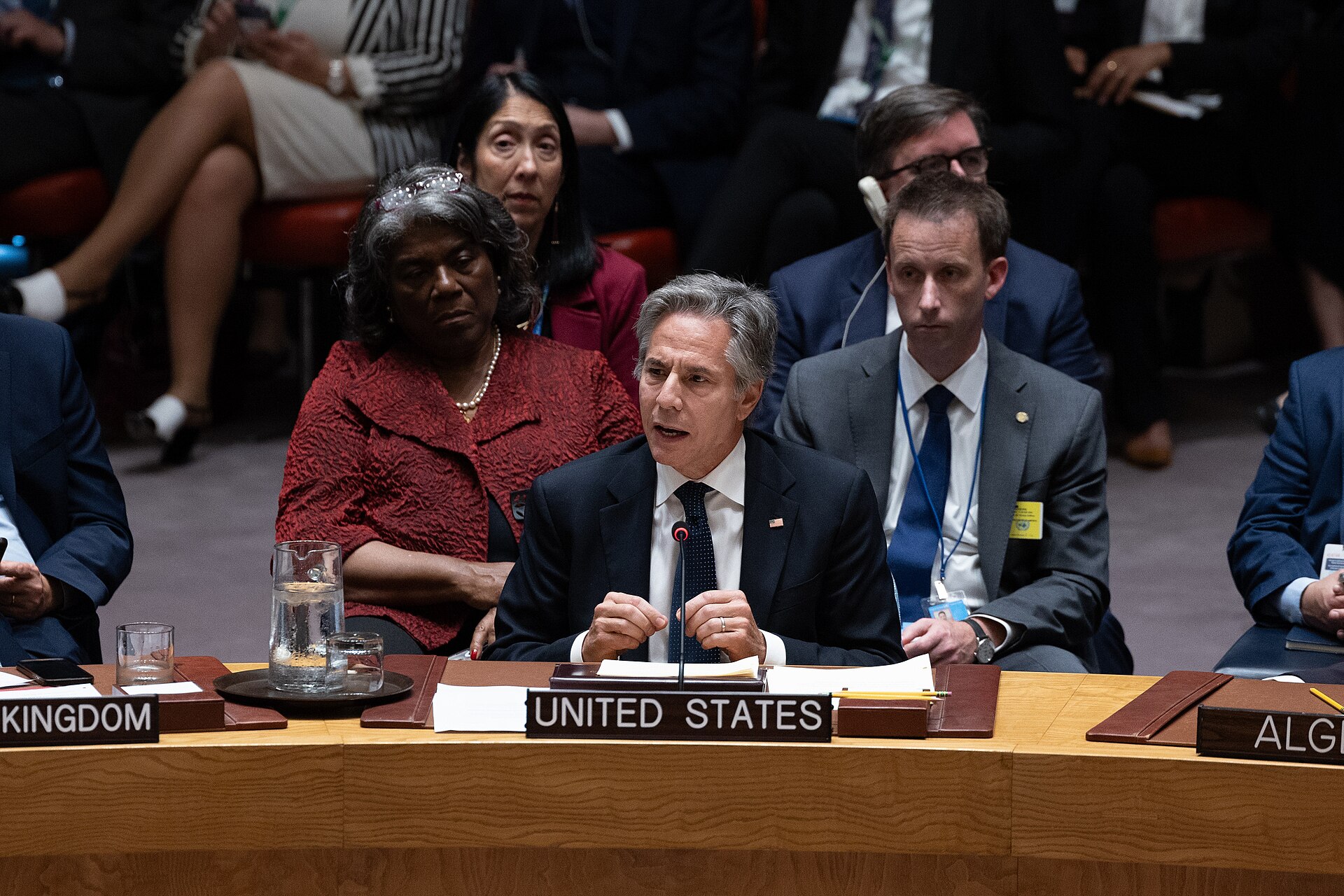
The joint statement rests on two pillars of international law: UN Security Council Resolution 2817 and Article 51 of the UN Charter. Together, they establish both a prohibition on the attacks and a legal justification for potential retaliation.
Resolution 2817, adopted on 11 March 2026 by a vote of 13-0 with two abstentions from China and Russia, was co-sponsored by 135 UN member states. The resolution condemned Iran’s attacks against Bahrain, Kuwait, Oman, Qatar, Saudi Arabia, the UAE and Jordan as violations of international law, and specifically demanded that Iran halt attacks “including those carried out through proxy groups across the region.” That language was understood by legal scholars as extending the resolution’s prohibitions to militia factions operating with Iranian support, regardless of the territory from which they launch their strikes.
The reference to Article 51 carries even greater weight. The article states that “nothing in the present Charter shall impair the inherent right of individual or collective self-defence if an armed attack occurs against a Member of the United Nations.” By invoking Article 51, the six Arab nations are signalling that they view the militia attacks from Iraq as armed attacks against their sovereign territory, not merely as isolated security incidents.
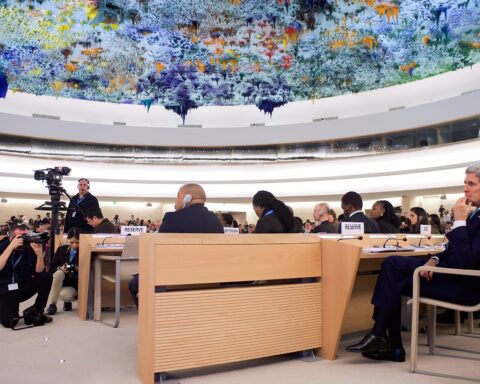
The UN Human Rights Council adopted a separate consensus resolution on 25 March condemning the human rights implications of Iran’s attacks on the GCC states and Jordan. That resolution, co-sponsored by more than 100 states, called on Iran to “provide full, effective, and prompt reparation to all victims for the damages and losses resulting from these attacks.” Together, the two UN resolutions and the Article 51 invocation create a layered legal framework that Gulf states could use to justify military action inside Iraq against identified militia launch sites.
Militia Strikes on Gulf Infrastructure
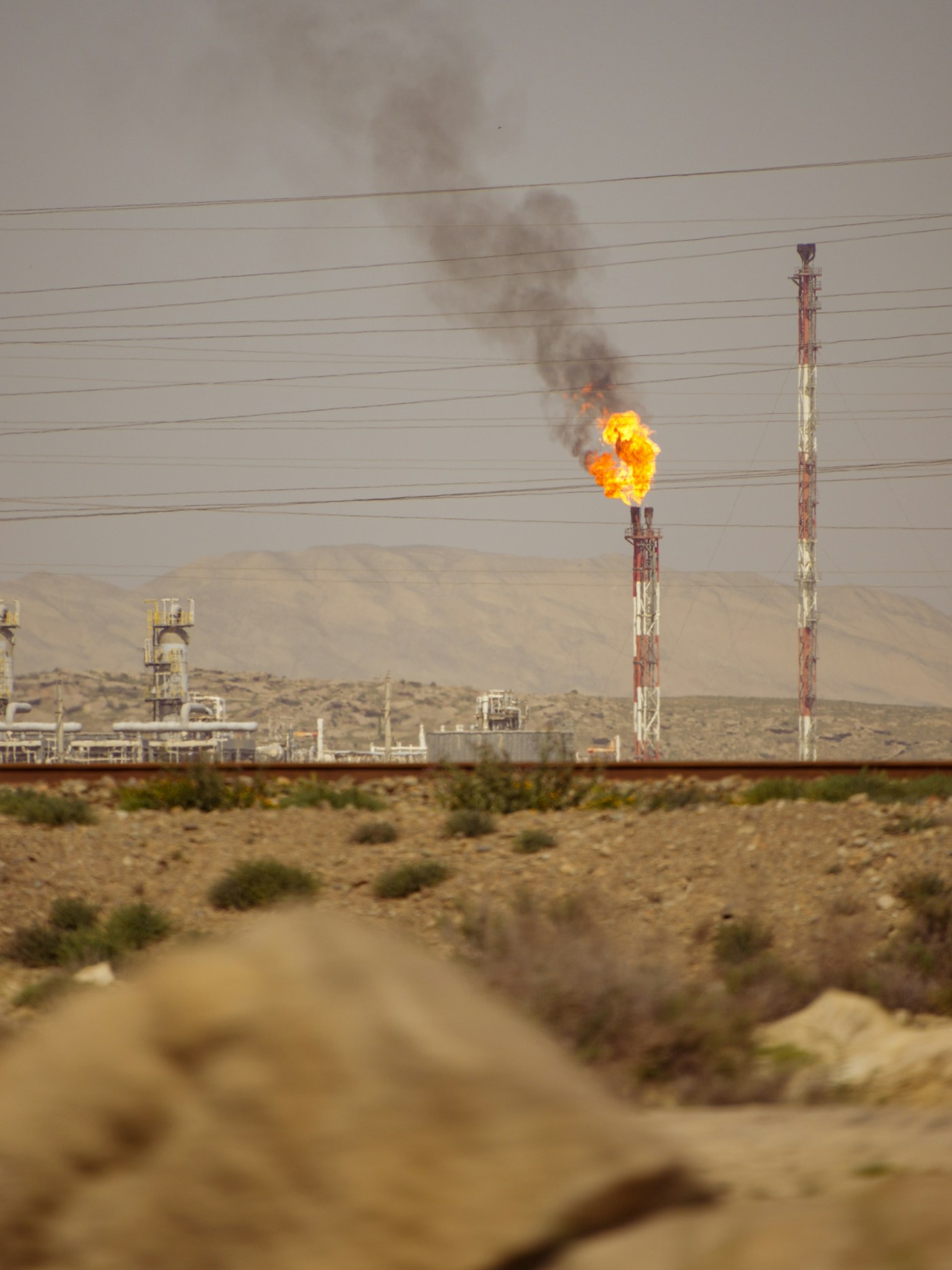
The militia attacks from Iraq represent a second front in the aerial war against the Gulf states, compounding the direct Iranian strikes that have targeted energy facilities, airports, ports and residential areas across the region. While Iran’s military has launched the majority of the missiles and drones, the attacks from Iraqi territory have specifically targeted US military installations and, in several cases, struck civilian infrastructure in neighbouring countries.
Kuwait has been particularly affected. The Ali al-Salem Air Base, which hosts US forces, has come under repeated rocket and drone attack from militia positions inside Iraq, with Kuwaiti air defence systems intercepting multiple ballistic missiles, according to Kuwait’s Ministry of Defence. On 25 March, a drone strike hit a fuel tank at Kuwait International Airport, shutting down operations and stranding thousands of passengers.
Saudi Arabia’s eastern oil-producing region has faced sustained drone attacks, with the Ministry of Defence confirming the interception of seven drones on 22 March, two more on 23 March, and another on 24 March. While Saudi authorities have attributed the majority of these strikes to Iran directly, intelligence assessments cited by the Long War Journal indicate that some of the shorter-range drone attacks may have originated from militia positions in southern Iraq.
The GCC Secretary-General Jasem al-Budaiwi stated on 26 March that Iran’s actions, including the militia-facilitated attacks, had “overcome all red lines,” according to comments reported by Al Jazeera. The attacks have contributed to a global energy crisis, with Brent crude briefly surpassing $119 per barrel before falling below $100 on 25 March amid ceasefire speculation.
On 26 March alone, falling debris from an intercepted ballistic missile killed two people and injured three others in Abu Dhabi, according to Al Arabiya, while Kuwait’s Ministry of Defence reported intercepting fresh missile and drone attacks that morning. The cumulative death toll from Iranian and militia strikes across the Gulf has reached at least 11 in the UAE alone, with additional casualties reported in Saudi Arabia and Bahrain.
The Diplomatic Stakes for Baghdad
The joint statement places Baghdad in an unprecedented diplomatic bind. Iraq’s government has historically maintained close ties with both its Gulf neighbours and Iran, positioning itself as a bridge between the two camps. The 2023 Saudi-Iranian normalisation deal brokered by China was partly facilitated through Iraqi diplomatic channels, and Baghdad has invested considerable political capital in maintaining relations with both Riyadh and Tehran.
That balancing act has become untenable. US Secretary of State Marco Rubio called Prime Minister Sudani directly to demand action against the militias, according to a State Department readout released in March. The conversation reportedly included an explicit warning that Washington expected Iraq to prevent its territory from being used as a launching pad for attacks against US forces and allied nations.
The Soufan Center’s analysis, published on 16 March, described Iraq as “unable to avoid the US-Iran crossfire,” noting that Sudani’s government lacks the military capability to confront the PMF factions even if it had the political will to do so. The PMF holds seats in Iraq’s parliament, controls territory across the country’s south and east, and commands an estimated 100,000 to 150,000 fighters who are formally on the Iraqi government payroll.
The joint statement from the six Arab nations has added a new dimension to the pressure. While US demands could be framed domestically as American interference, a warning from fellow Arab and Muslim-majority states is harder for Baghdad to dismiss. Iraq’s trade with the Gulf states totalled approximately $12 billion in 2025, and Saudi Arabia has been among the largest investors in Iraq’s post-Islamic State reconstruction. The threat of diplomatic and economic consequences from six of Iraq’s most important regional partners carries weight that American pressure alone does not.
The statement was notably careful to express that the signatories “valued their fraternal relations with the Republic of Iraq,” but the invocation of Article 51 left little room for misinterpretation.
The Jerusalem Post reported that the Rubio-Sudani call included “an explicit warning that Washington expected Iraq to prevent its territory from being used as a launching pad,” while the six-nation statement carried the implicit threat that Gulf states themselves might act militarily if Baghdad does not. For Sudani, the question is no longer whether to act against the militias, but whether he can afford not to.
Gulf Air Defenses Under a Two-Front War
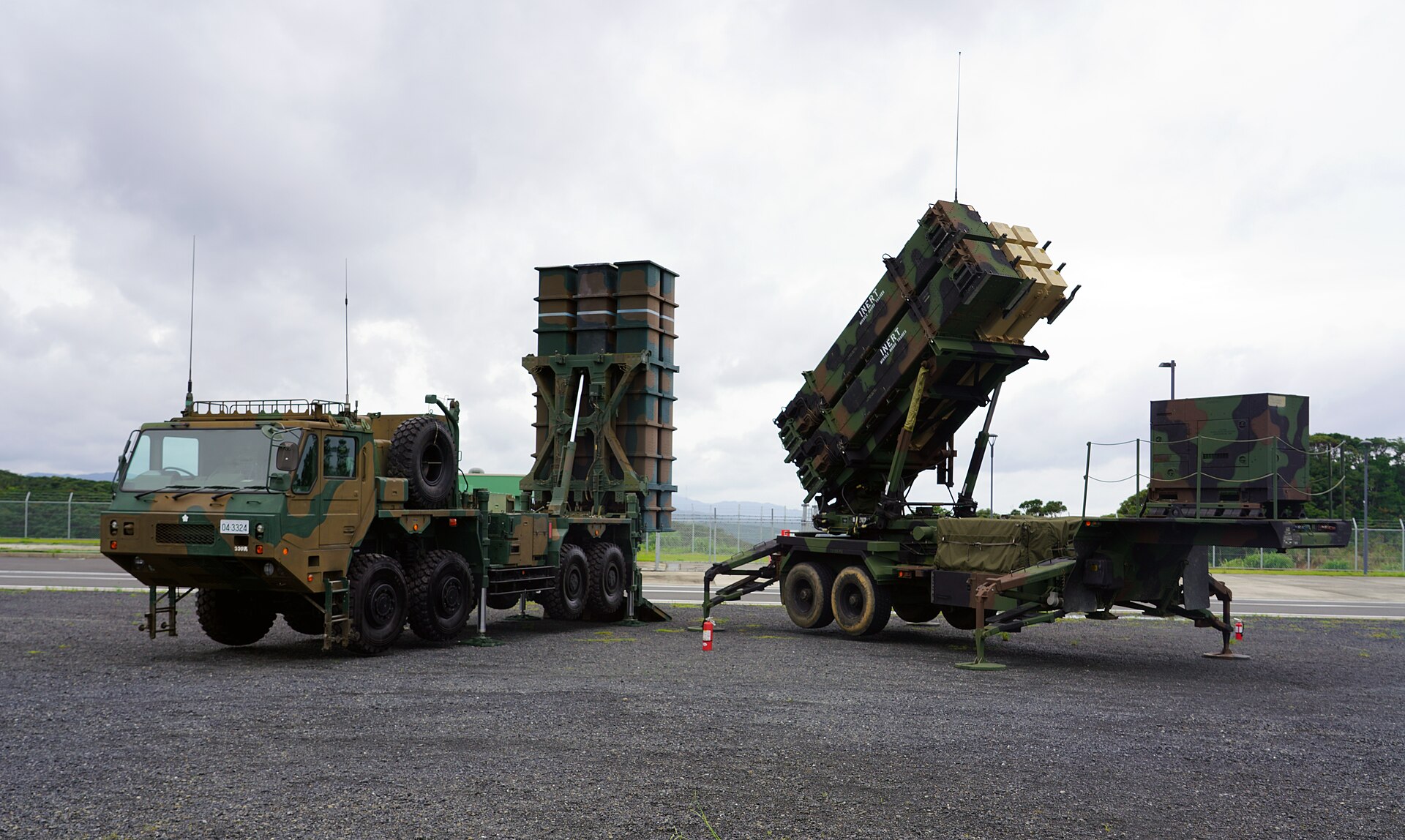
The militia attacks from Iraq have imposed an additional burden on Gulf air defence systems already stretched by the direct Iranian threat. Saudi Arabia’s air defence network, which includes Patriot, THAAD and European-supplied systems, has intercepted hundreds of Iranian projectiles since 28 February. The attacks from Iraq open a second vector of threat, requiring air defence assets to cover approaches from the north and west in addition to the east.
Kuwait’s defence posture has been particularly strained. The country shares a 240-kilometre border with Iraq, and militia positions in southern Iraq are within short-range drone and rocket range of Kuwait City. Kuwait’s armed forces have been conducting interceptions nearly daily, with loud explosions audible across the capital as air defence batteries engage incoming threats, according to official Kuwaiti statements.
The ongoing ceasefire negotiations between the United States and Iran have not addressed the militia dimension of the conflict. Iran’s 15-point peace plan rejection and its own five-point counteroffer focused exclusively on state-to-state issues: sanctions relief, nuclear programme limits, Strait of Hormuz sovereignty, and reparations. Neither proposal included provisions requiring Iran to order its proxy forces to stand down, a gap that Gulf officials have privately flagged as a critical oversight, according to Bloomberg.
The dual-threat challenge has also raised questions about Gulf collective defence coordination. The GCC has maintained a joint military command, the Peninsula Shield Force, since 1984, but the force has never been tested against a sustained aerial campaign from multiple directions. The militia attacks from Iraq effectively open a northern front that existing defence architectures were not designed to address.
France and Saudi Arabia agreed during a 25 March meeting between defence ministers to deepen bilateral defence cooperation, with both sides condemning the repeated Iranian attacks, according to the Saudi Gazette. Britain has deployed additional air defence missiles to Saudi Arabia, Kuwait and Bahrain, while a UK-led mine-clearing coalition has been formed to operate through the Strait of Hormuz. The multinational defence effort, however, has been focused on the Iranian threat rather than the Iraqi militia dimension, leaving Gulf states to address that axis largely on their own.
Saudi Defence Minister Prince Khalid bin Salman discussed the escalating militia threat during his meeting with French counterpart Catherine Vautrin, with both ministers calling for coordinated action to address the full spectrum of attacks targeting Gulf states, according to the Saudi Press Agency.
The ultimatum to Baghdad reflects a broader pattern: Gulf states are confronting Iranian proxy activity on every front simultaneously. Beyond Iraqi militia strikes, IRGC and Hezbollah sleeper cells have been disrupted inside Kuwait, Qatar, the UAE, and Bahrain, revealing that Iran’s proxy war extends deep within the borders of the GCC itself.
Frequently Asked Questions
What are the six countries that signed the joint statement against Iraq?
Saudi Arabia, the United Arab Emirates, Kuwait, Bahrain, Qatar and Jordan issued the joint statement on 25 March 2026. All six countries have been targeted by Iranian missile and drone attacks since the war began on 28 February, and several have also been hit by strikes originating from militia positions inside Iraqi territory.
What is Article 51 of the UN Charter and why does it matter here?
Article 51 of the United Nations Charter recognises the “inherent right of individual or collective self-defence” if a member state comes under armed attack. By invoking Article 51, the six Arab nations are establishing a legal basis for potential military action against militia launch sites inside Iraq if Baghdad fails to halt the attacks.
What is Iraq’s Popular Mobilization Forces?
The Popular Mobilization Forces, known in Arabic as al-Hashd al-Shaabi, is a coalition of mostly Shia armed groups formed in 2014 to fight the Islamic State. Many factions maintain close ties to Iran’s Revolutionary Guard and have been formally incorporated into Iraq’s security establishment, making them simultaneously part of the state and beyond its effective control.
Has Iraq taken any action to stop the militia attacks?
Iraqi Prime Minister Mohammed Shia al-Sudani has publicly stated that Iraqi territory should not be used for attacks on neighbours, but his National Security Council also authorised the PMF to exercise “self-defence,” effectively giving militias legal cover for continued operations. Baghdad has summoned both US and Iranian envoys but has not moved to disarm or restrain the militia factions.
Could Gulf states actually strike militia targets inside Iraq?
The invocation of Article 51 creates a legal framework for such action, and Gulf states possess the military capability to conduct precision strikes. However, striking inside a sovereign Arab state would represent a dramatic escalation with unpredictable consequences for regional stability and could fracture the Arab diplomatic unity that the joint statement was designed to demonstrate.