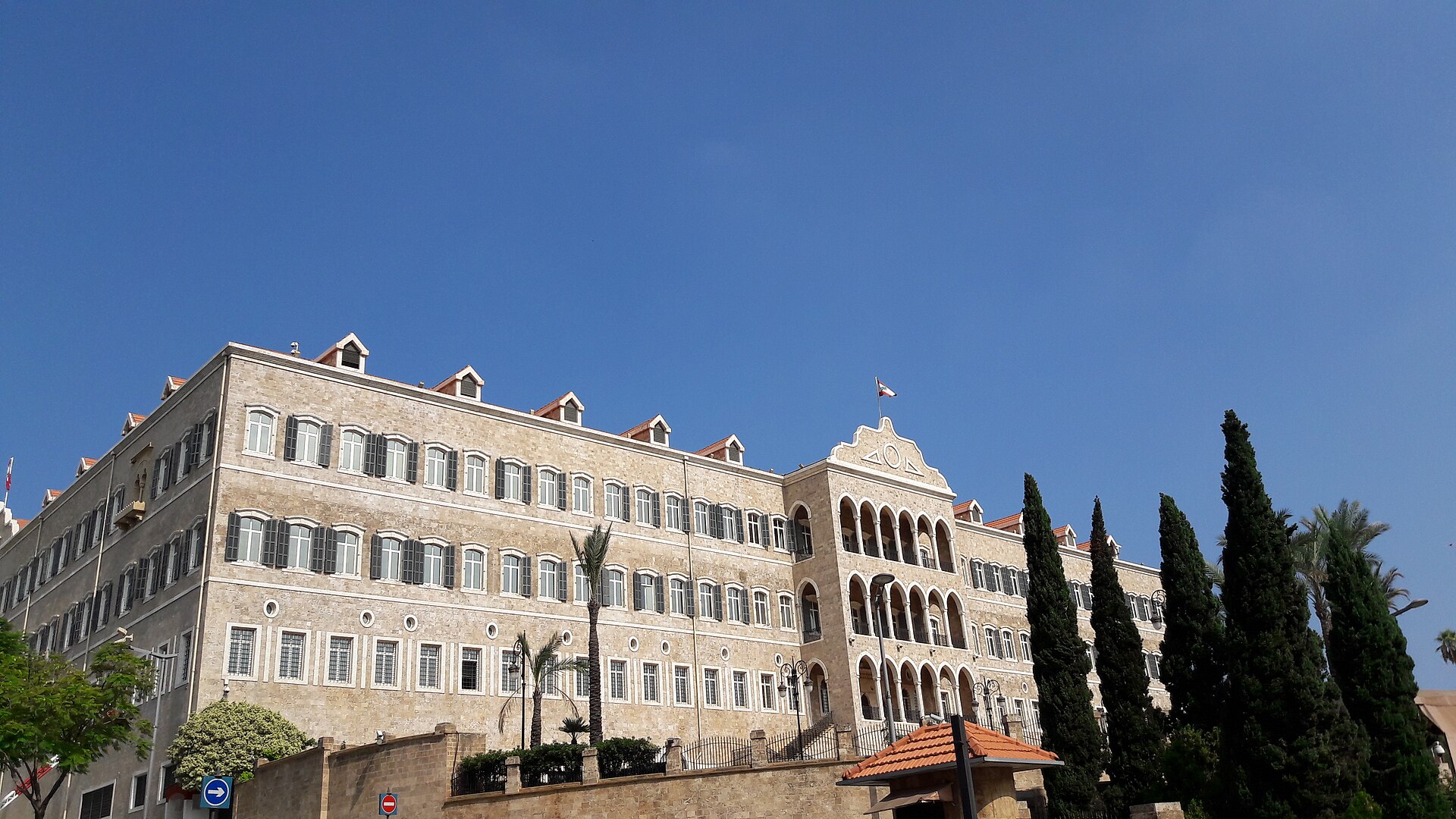
BEIRUT — Lebanon declared Iran’s ambassador Mohammad Reza Sheibani persona non grata on Tuesday and ordered him to leave the country within five days, the most dramatic diplomatic rupture in a cascade of expulsions that has left Tehran increasingly isolated across the Middle East. The decision, announced by Lebanon’s Foreign Ministry, cited what Beirut called Tehran’s “violation of diplomatic norms and established practices between the two countries” and came three weeks after Hezbollah’s cross-border rocket attack on Israel drew the country back into war.
Lebanon also reimposed a visa requirement on all Iranian travellers and ordered the expulsion of any individual with ties to Iran’s Islamic Revolutionary Guard Corps. The move follows Saudi Arabia’s expulsion of five Iranian defence officials on 21 March and Qatar’s ejection of Iranian military and security diplomats on 19 March after Iranian missiles struck the Ras Laffan gas facility. In less than a week, three governments that once maintained working relationships with Tehran have severed or severely downgraded their diplomatic ties, dismantling what remains of Iran’s regional influence network even as its military proxies continue to fight.
Table of Contents
- What Happened at the Lebanese Foreign Ministry
- Why Did Lebanon Expel the Iranian Ambassador Now
- Hezbollah Dragged Lebanon Into a War It Tried to Avoid
- Saudi Arabia’s Parallel Break With Tehran
- How Many Countries Have Expelled Iranian Diplomats Since the War Began
- Iran’s Diplomatic Network Is Collapsing
- What Lebanon’s Decision Means for Saudi Arabia
- Tehran’s Options Are Narrowing
- Frequently Asked Questions
What Happened at the Lebanese Foreign Ministry
Lebanon’s Foreign Ministry Secretary-General Abdul Sattar Issa summoned the Iranian charge d’affaires in Beirut, Tawfiq Samadi Khoshkho, on Tuesday morning to deliver the formal notification. Ambassador Mohammad Reza Sheibani’s accreditation was withdrawn, and he was declared persona non grata under the Vienna Convention on Diplomatic Relations, according to Al Jazeera. Sheibani was given until Sunday, 29 March, to leave Lebanese territory.
The ministry cited specific breaches of diplomatic norms, including what Lebanese officials described as the presence of IRGC officers operating on Lebanese soil outside the scope of any bilateral agreement. Beirut simultaneously recalled its own ambassador to Tehran for consultations, a step that signals deep displeasure but stops short of severing relations entirely.
In addition to the ambassador’s expulsion, the Lebanese government announced two further measures. First, visa-free entry for Iranian nationals was revoked effective immediately, reinstating a visa requirement that had been relaxed under the previous government. Second, any individual identified as having ties to the IRGC would face expulsion proceedings. These measures go beyond a single diplomatic rebuke and amount to a systematic effort to sever institutional links between the Lebanese state and Iran’s security apparatus.
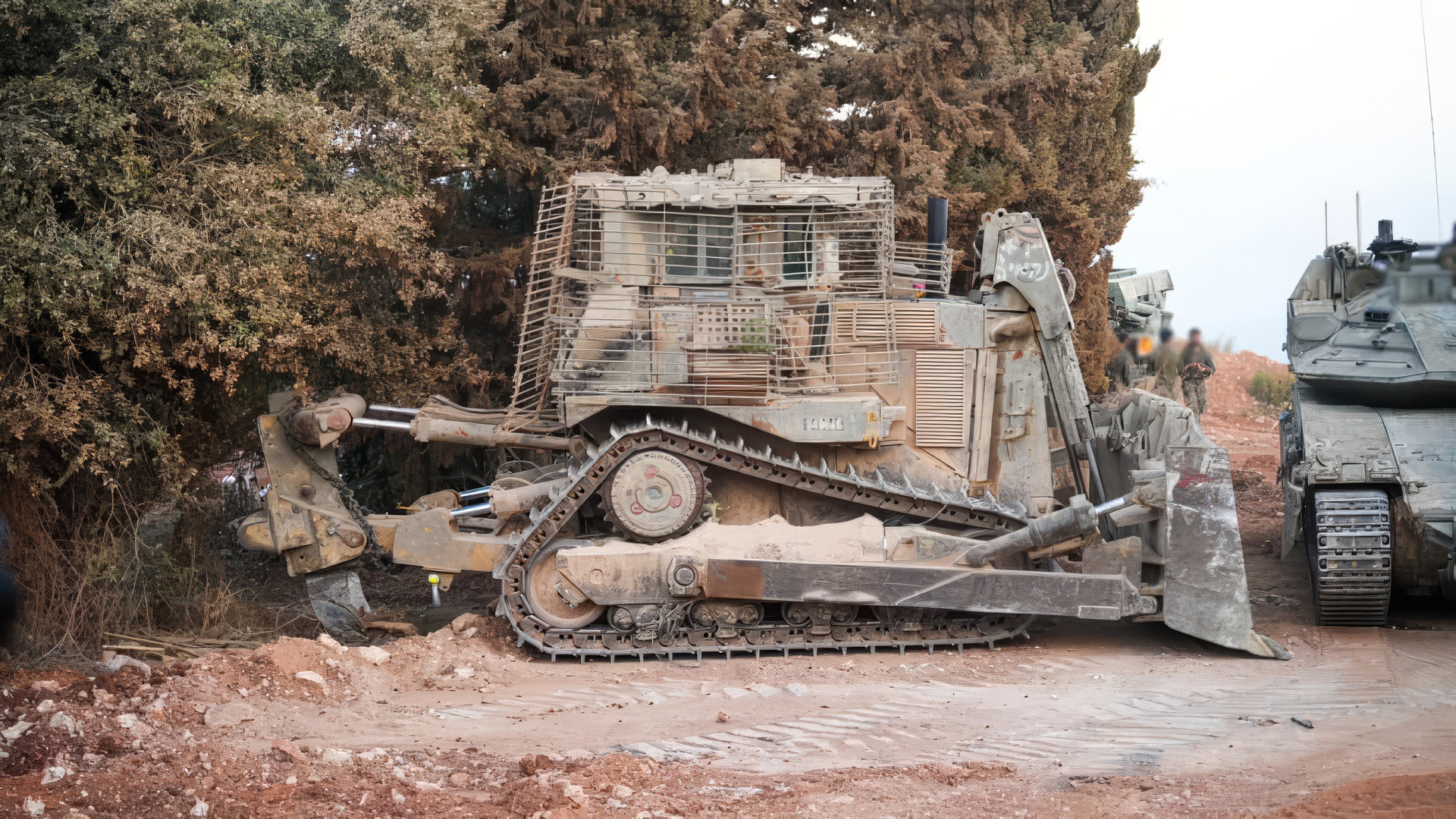
France’s Foreign Minister hailed the decision as “courageous,” according to multiple wire service reports. Israel, which continues to conduct air strikes and ground operations in southern Lebanon, welcomed the move but did not publicly comment on whether it would alter the pace of its military campaign.
Why Did Lebanon Expel the Iranian Ambassador Now
The timing reflects a convergence of military, political, and diplomatic pressure that made continued Lebanese-Iranian relations untenable. Lebanon had tried to maintain a precarious neutrality since the Iran war began on 1 March, when US and Israeli forces struck targets across Iran in retaliation for the killing of Supreme Leader Ayatollah Ali Khamenei. That neutrality collapsed within hours when Hezbollah launched hundreds of rockets and drones at Israel on 2 March, dragging Lebanon into a conflict that Prime Minister Nawaf Salam had explicitly tried to prevent.
Salam responded on the same day by announcing a ban on all Hezbollah military activities, declaring them “illegal” and ordering the Lebanese Armed Forces to prevent any attacks originating from Lebanese territory. The ban, reported by France 24 and Al Jazeera, was bold but difficult to enforce given Hezbollah’s entrenched military infrastructure north of the Litani River.
In the three weeks since, Israeli strikes on Lebanon have killed at least 1,039 people and wounded 2,876, according to Lebanon’s Health Ministry. More than one million civilians have been displaced. Israel launched a ground incursion into southern Lebanon on 16 March, and President Joseph Aoun warned that the destruction of the Dallafa Bridge in the south was a “prelude to a ground invasion” of the broader country.
Against this backdrop, the continued presence of an Iranian ambassador whose government’s proxy force had triggered the devastation became politically unsustainable. Salam’s government calculated that expelling Sheibani would accomplish two things: demonstrate to the international community that Beirut was distancing itself from Tehran, and provide diplomatic cover for Western nations — particularly France and the United States — to increase pressure on Israel to exercise restraint in its Lebanese operations.
Hezbollah Dragged Lebanon Into a War It Tried to Avoid
The sequence of events that led to Tuesday’s expulsion began with the November 2024 ceasefire agreement between Israel and Hezbollah, brokered by the United States and France. Under its terms, Hezbollah was required to withdraw its fighters and heavy weapons south of the Litani River. By January 2026, the Lebanese Armed Forces announced that the first phase of disarmament south of the Litani was complete, according to CNN and Al Jazeera.
The second phase, which involved dismantling Hezbollah’s arsenals further north, was expected to take at least four months. Hezbollah’s leadership, however, insisted that the ceasefire terms applied “exclusively south of the Litani River” and refused to disarm its forces in the Bekaa Valley and Beirut’s southern suburbs. In August 2025, Hezbollah’s leader warned that implementation of the disarmament order could “lead to civil war and internal strife,” according to reporting by Al Jazeera.
When Iranian Supreme Leader Khamenei was killed in early March 2026, Hezbollah acted unilaterally and without consulting the Lebanese government. The group launched a barrage of rockets and drones at Israel on 2 March, in what it described as solidarity with Iran. Israel responded with devastating air strikes that killed at least 52 people and wounded 154 on the first day alone, according to the Lebanese government.
The attack exposed a fundamental contradiction at the heart of Lebanese politics: the government had signed a ceasefire, ordered disarmament, and declared Hezbollah’s military operations illegal, yet the group retained the capacity to drag the entire nation into a regional war with a single decision made outside any democratic process. Lebanon’s foreign ministry, in announcing the ambassador’s expulsion, cited evidence that IRGC officers had been directing Hezbollah operations from Lebanese soil, a direct violation of Lebanese sovereignty.
Saudi Arabia’s Parallel Break With Tehran
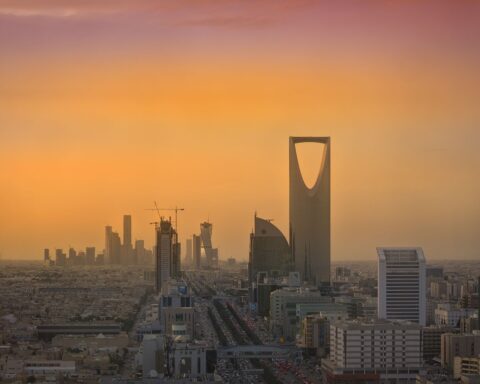
Lebanon’s action follows a pattern set by Saudi Arabia three days earlier. On 21 March, the Saudi Ministry of Foreign Affairs declared the Iranian military attaché, the assistant military attaché, and three members of the mission staff personae non gratae and gave them 24 hours to leave the Kingdom. Riyadh cited “repeated Iranian attacks” on Saudi sovereignty, civilian infrastructure, and economic interests, according to Arab News and Al Jazeera.
The Saudi expulsion was the most significant rupture in Saudi-Iranian relations since the two countries restored diplomatic ties in a Chinese-brokered deal in March 2023. That agreement, once hailed as a signature diplomatic achievement of Crown Prince Mohammed bin Salman‘s diversification strategy, has been rendered effectively defunct by four weeks of Iranian missile and drone strikes on Saudi territory.
Since the war began on 1 March, Saudi Arabia’s Ministry of Defence has reported intercepting dozens of drones targeting the Eastern Province and Riyadh, according to statements carried by the Saudi Press Agency. On 23 March, two ballistic missiles were launched towards the Saudi capital, with one intercepted and the second falling in a non-residential area, according to EADaily.
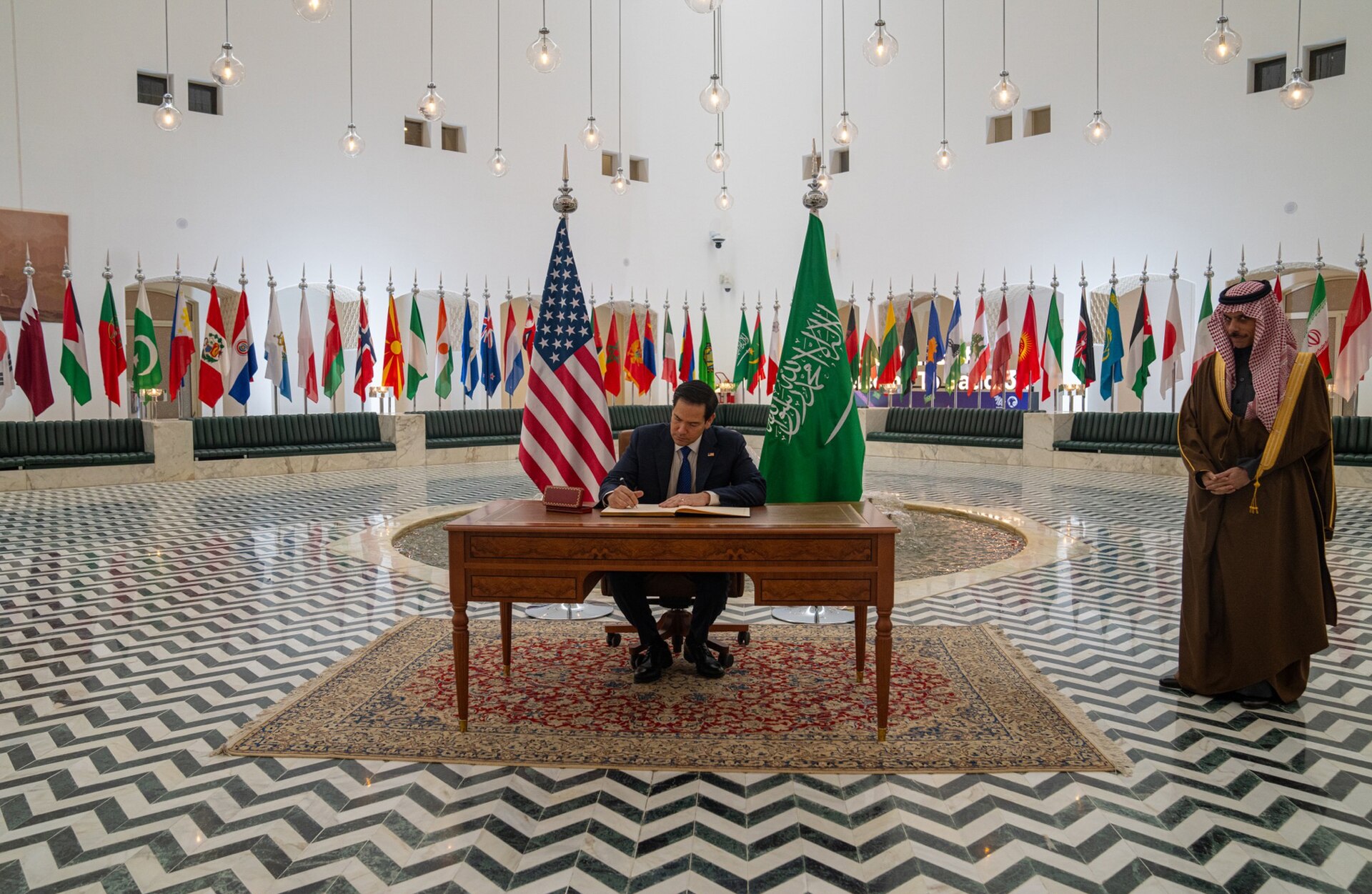
The parallels between the Saudi and Lebanese expulsions are striking. Both cited violations of diplomatic norms. Both targeted military and intelligence personnel rather than simply withdrawing ambassadors. Both came in response to Iranian proxy or direct military action that caused significant casualties and infrastructure damage on their soil. The key difference is that Saudi Arabia, with its air defence systems and growing military cooperation with the United States, has the capacity to absorb the strikes. Lebanon does not.
How Many Countries Have Expelled Iranian Diplomats Since the War Began
At least four Middle Eastern governments have expelled or significantly downgraded Iranian diplomatic personnel since fighting began on 1 March 2026. The timeline reveals an accelerating pattern of isolation.
| Date | Country | Action Taken | Trigger |
|---|---|---|---|
| 19 March | Qatar | Expelled military and security attachés within 24 hours | Iranian missile strike on Ras Laffan gas facility |
| 21 March | Saudi Arabia | Expelled military attaché and 4 staff within 24 hours | Repeated drone and missile attacks on Saudi territory |
| 21 March | Saudi Arabia | Warned of “significant consequences” for future relations | Continued targeting of civilian and energy infrastructure |
| 24 March | Lebanon | Declared ambassador persona non grata, gave 5 days to leave | IRGC officers on Lebanese soil directing Hezbollah operations |
| 24 March | Lebanon | Reimposed visa requirement on all Iranian nationals | Broader effort to sever institutional ties with Iran |
| 24 March | Lebanon | Ordered expulsion of all IRGC-linked individuals | Hezbollah attack on Israel that triggered Israeli retaliation |
These wartime expulsions follow a longer pattern of diplomatic erosion. Before the 2026 conflict, Germany had already closed all three Iranian consulates in Frankfurt, Munich, and Hamburg, expelling 32 Iranian employees, according to IranWire. Albania severed diplomatic ties entirely. Switzerland closed its embassy in Tehran on 11 March as security conditions deteriorated, according to Military.com. Even Afghanistan’s Taliban government declared an Iranian adviser persona non grata in 2024.
Qatar’s expulsion was perhaps the most strategically significant for Iran’s Gulf position. After Iranian missiles struck the Ras Laffan Industrial City — one of the world’s most important gas processing hubs — on 18 March, killing no one but causing what Qatar’s defence ministry called “significant damage,” Doha gave Iranian military and security diplomats 24 hours to leave. The decision was reported by The National, Al Jazeera, and the Jerusalem Post. Qatar had previously maintained one of the more functional diplomatic relationships with Tehran in the Gulf, making the expulsion a particularly painful blow to Iran’s regional standing.
Iran’s Diplomatic Network Is Collapsing
The cumulative effect of these expulsions is the most severe diplomatic isolation Iran has faced since the 1979 revolution. Tehran now has no functioning military attaché in Saudi Arabia, Qatar, or Lebanon — three countries that had served as critical nodes in its regional influence network. The IranWire news service described it as a “five-year cascade of diplomatic ejections” that has left the Islamic Republic “increasingly persona non grata across the globe.”
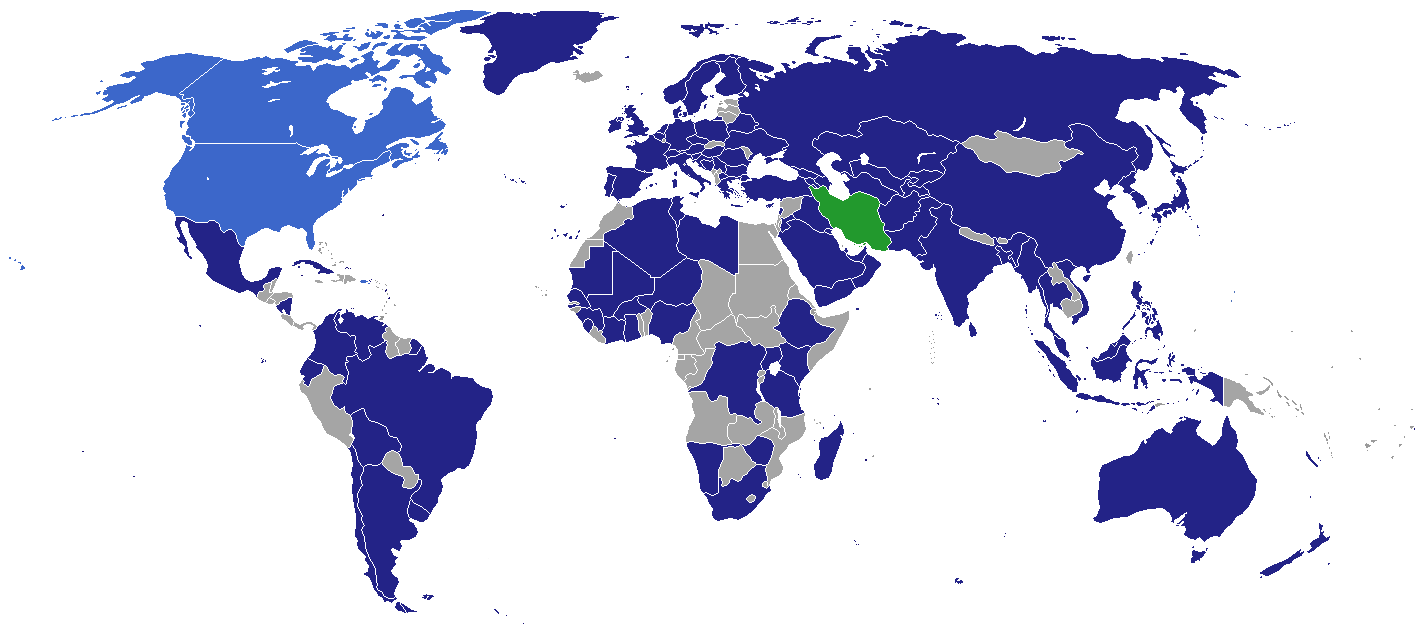
The diplomatic collapse matters for several reasons beyond symbolism. Military attachés are the primary channel for defence coordination, intelligence sharing, and — in Iran’s case — the management of proxy relationships. Without military personnel stationed in Beirut, Riyadh, and Doha, Tehran loses real-time situational awareness in three of the most strategically important capitals in the region.
For Hezbollah specifically, the expulsion of IRGC-linked individuals from Lebanon threatens the logistical and command infrastructure that has sustained the group’s operations for decades. The IRGC’s Quds Force has historically maintained a significant presence in Lebanon, providing Hezbollah with training, intelligence, and strategic direction. If Lebanon enforces the expulsion order against IRGC-linked individuals — a significant caveat given Hezbollah’s continued presence — it would sever one of the most important institutional links in Iran’s post-Khamenei power projection apparatus.
The pattern extends beyond the Gulf. Iran’s embassy in Bern is shuttered after Switzerland closed it on 11 March, citing deteriorating security conditions. Its consulates in Germany are closed — all three facilities in Frankfurt, Munich, and Hamburg were shuttered and 32 employees expelled. Albania severed diplomatic ties entirely. Even countries that have maintained formal diplomatic relations have quietly reduced engagement, downgraded personnel, and limited the scope of diplomatic activities.
The scale of the collapse is without precedent in the Islamic Republic’s 47-year history. During the Iran-Iraq War of the 1980s, Tehran maintained diplomatic relations with most of its neighbours despite eight years of conflict. During the maximum pressure campaign under the first Trump administration, not a single Gulf state expelled Iranian diplomats. The 2023 Chinese-brokered rapprochement between Saudi Arabia and Iran had appeared to open a new chapter of regional engagement. That chapter lasted less than three years. The war that was supposed to demonstrate Iran’s deterrent capability has instead accelerated the unravelling of its diplomatic infrastructure at a speed that even Tehran’s critics did not anticipate.
What Lebanon’s Decision Means for Saudi Arabia
Saudi Arabia’s interest in Lebanon long predates the current war. The Kingdom was the primary financial backer of Lebanon’s post-civil war reconstruction in the 1990s, channelled largely through the relationship between the Saudi royal family and former Prime Minister Rafiq Hariri. After Hariri’s assassination in 2005, widely attributed to Hezbollah, Saudi Arabia positioned itself as the patron of Lebanese forces opposed to Iranian influence.
The relationship deteriorated sharply after 2017, when Crown Prince Mohammed bin Salman summoned Lebanese Prime Minister Saad Hariri to Riyadh and appeared to force his resignation on Saudi state television — a gambit that backfired and unified Lebanese politics against perceived Saudi interference. In 2021, MBS effectively boycotted Lebanon over Hezbollah’s growing influence, recalling the Saudi ambassador and halting Lebanese imports.
Lebanon’s decision to expel the Iranian ambassador represents a realignment that Riyadh has sought for years but could never achieve through direct pressure. The war accomplished what Saudi diplomacy could not: it forced Beirut to choose between its relationship with Tehran and its survival as a functioning state. Salam’s government chose survival.
For MBS, the broader diplomatic picture is equally favourable. As analysis has noted, Saudi Arabia enters any post-war settlement from a position of unprecedented regional strength. Iran’s proxy network is fragmenting. Its diplomatic channels are closing. The Gulf states that once hedged between Riyadh and Tehran — Qatar chief among them — have been pushed firmly into the Saudi orbit by Iranian missile strikes on their own territory.
Tehran’s Options Are Narrowing
Iran has not yet publicly responded to Lebanon’s expulsion order as of Tuesday evening, though state media carried brief mentions of the decision without editorial comment. Tehran is simultaneously managing a military campaign against US and Israeli forces on multiple fronts, a leadership transition in its security apparatus following the killing of several senior commanders, and the economic pressure of a war that has drawn international sanctions and frozen assets in multiple jurisdictions.
The UAE, while not formally expelling Iranian diplomats, has taken its own punitive measures. Abu Dhabi closed an Iranian-owned hospital and social club, and officials are reportedly examining whether to freeze several billion dollars of Iranian assets held in the Emirati banking system, according to the Wall Street Journal. These financial measures may prove more damaging than diplomatic expulsions in the medium term.
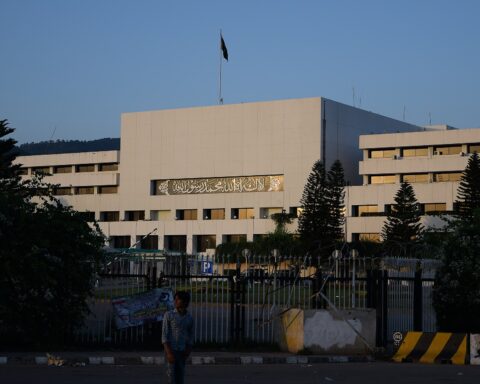
Iran’s diplomatic options are narrowing to a handful of channels. Pakistan, which is preparing to host what would be the first face-to-face US-Iran talks since the war began, remains one of the few countries maintaining active engagement with both sides. Oman, traditionally a mediator between Iran and its rivals, retains a functioning relationship with Tehran. Turkey, which absorbed three Iranian missile strikes but has not retaliated, occupies an ambiguous position.
The diplomatic clock is ticking toward a potential April 9 deadline that multiple parties have identified as a critical inflection point for negotiations. But with each expulsion, Tehran loses another node in the diplomatic infrastructure it would need to negotiate an end to hostilities. The country that built its regional strategy on proxy networks and diplomatic back-channels now finds those channels closing one by one.
Frequently Asked Questions
Who is Mohammad Reza Sheibani?
Mohammad Reza Sheibani is the Iranian ambassador to Lebanon who was declared persona non grata by the Lebanese Foreign Ministry on 24 March 2026. He was given until Sunday, 29 March, to leave Lebanese territory. The charge d’affaires, Tawfiq Samadi Khoshkho, was summoned to receive the formal notification from Foreign Ministry Secretary-General Abdul Sattar Issa.
Has Lebanon severed diplomatic relations with Iran?
Lebanon has not formally severed diplomatic relations with Iran. The government withdrew the ambassador’s accreditation and recalled its own ambassador to Tehran for consultations, but the embassy has not been closed. However, the reimposition of visa requirements, the expulsion of IRGC-linked individuals, and the persona non grata declaration represent the most severe downgrade in Lebanese-Iranian relations in decades.
Why did Saudi Arabia expel Iranian officials before Lebanon did?
Saudi Arabia expelled five Iranian defence officials on 21 March 2026 after weeks of Iranian drone and missile strikes on Saudi territory, including attacks on the Eastern Province and ballistic missiles aimed at Riyadh. Riyadh cited violations of international law and warned of “significant consequences” for future relations. The Saudi action came two days after Qatar expelled Iranian military diplomats following the Ras Laffan gas facility attack.
What role did Hezbollah play in Lebanon’s decision?
Hezbollah’s unilateral decision to launch rockets and drones at Israel on 2 March 2026, without consulting the Lebanese government, triggered Israeli retaliation that has killed over 1,000 people and displaced more than one million in Lebanon. Prime Minister Nawaf Salam banned Hezbollah’s military activities the same day and the government’s expulsion of the Iranian ambassador reflects its determination to distance the Lebanese state from the consequences of Hezbollah’s actions.
Which other countries have expelled Iranian diplomats in 2026?
Since the Iran war began on 1 March 2026, Qatar expelled Iranian military and security diplomats on 19 March after the Ras Laffan attack. Saudi Arabia expelled five defence officials on 21 March. Lebanon declared the ambassador persona non grata on 24 March. Switzerland closed its embassy in Tehran on 11 March. Germany had previously closed all three Iranian consulates, and Albania severed diplomatic ties entirely.