
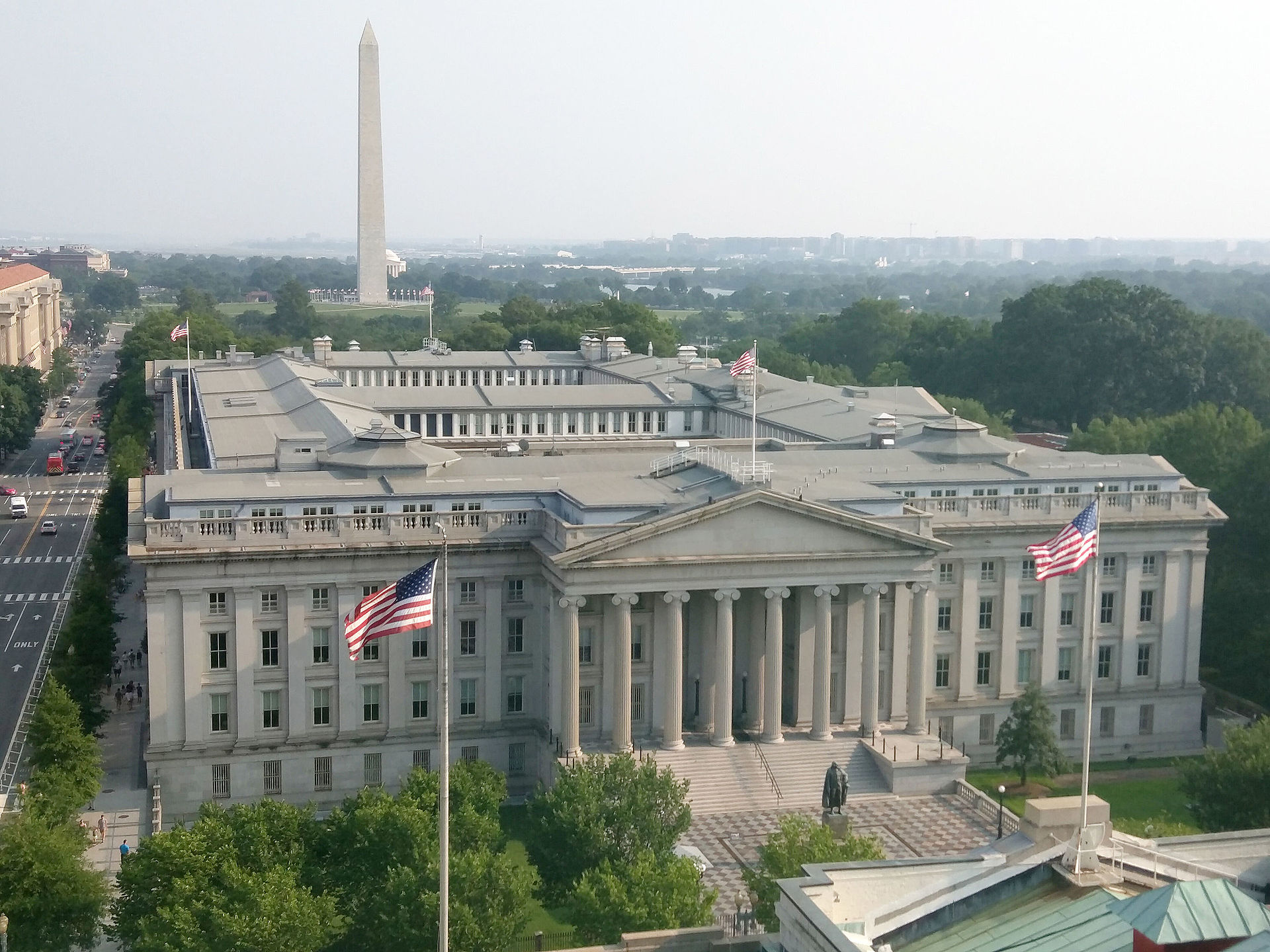
WASHINGTON — The United States is allowing Iranian oil tankers to transit the Strait of Hormuz even as the two countries remain at war, Treasury Secretary Scott Bessent confirmed on Monday, revealing a pragmatic calculation that prioritises global oil supply over maximum pressure on Tehran. The admission, made during a CNBC interview on 16 March, marked the first time a senior administration official publicly acknowledged that Washington has chosen to let its enemy’s crude flow through the very waterway Iran has effectively closed to Western-allied shipping.
“The Iranian ships have been getting out already, and we’ve let that happen to supply the rest of the world,” Bessent said. The statement landed as Brent crude traded at $102.14 per barrel — down roughly 3 per cent on the day but still more than 40 per cent above pre-war levels — and as European and Asian allies continued to reject President Trump’s demands that they send warships to force open the strait.
Table of Contents
- What Did Bessent Say About Iranian Tankers?
- The Contradiction at the Heart of US Policy
- Which Countries Has Iran Allowed Through the Strait?
- Iran’s Own Oil Keeps Flowing
- What Does This Mean for Saudi Arabia’s Oil Exports?
- Why Are Allies Refusing to Help Reopen Hormuz?
- Oil Market Impact and Global Supply
- Background to the Hormuz Crisis
- Frequently Asked Questions
What Did Bessent Say About Iranian Tankers?
Treasury Secretary Bessent disclosed Washington’s position during a live CNBC interview on 16 March 2026. He confirmed that Iranian oil tankers have continued to transit the Strait of Hormuz since the war began on 28 February, and that the United States has made a conscious decision not to intercept them. The rationale, according to Bessent, centres on preventing a complete collapse of global oil supply.
Bessent said that tankers supplying India have already transited the strait, and that Washington believes some Chinese ships are also making it through the Gulf. He added that the Trump administration expects tanker traffic to increase even before US Navy and allied forces begin formal escort operations — operations that remain weeks away, according to Pentagon officials quoted by Reuters.
The statement represented a significant departure from the administration’s public rhetoric. For 17 days, President Trump has described the war as an effort to neutralise Iran’s military capabilities and punish Tehran for decades of regional aggression. Allowing the Islamic Republic to continue earning oil revenue — Iran exported approximately 1.5 million barrels per day before the war, according to Kpler vessel-tracking data — undercuts the economic dimension of that campaign.
Bessent framed the decision as a matter of market stability. With approximately 20 per cent of the world’s daily seaborne oil supply normally transiting Hormuz, and tanker traffic through the strait having dropped by roughly 70 per cent since fighting began, any additional supply removal would amplify the price shock already rippling through global economies.
The Contradiction at the Heart of US Policy
The United States launched military operations against Iran on 28 February 2026, alongside Israel, targeting nuclear facilities, military installations, and regime leadership. The joint assault killed Supreme Leader Ali Khamenei in the opening strikes, according to US and Israeli officials. Iran’s retaliatory response included ballistic missile and drone attacks against US military bases across the Gulf, strikes on civilian infrastructure in Saudi Arabia and the UAE, and the effective closure of the Strait of Hormuz to Western-allied shipping.
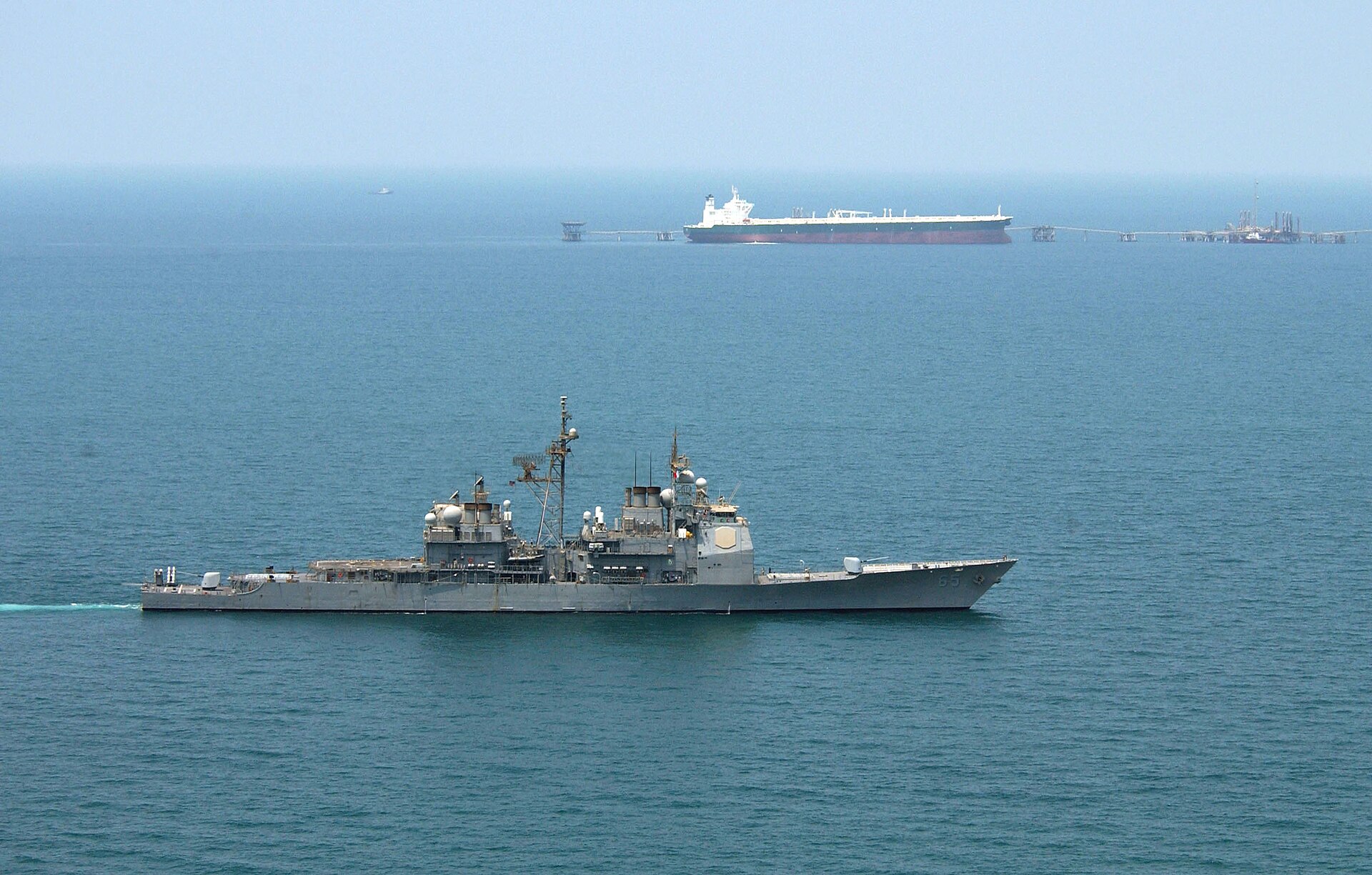
Against that backdrop, Bessent’s admission created an immediate logical tension: Washington is simultaneously bombing Iran’s military infrastructure and allowing its most important economic lifeline to remain open. The US Navy’s Fifth Fleet, which operates from Bahrain, has the capability to interdict Iranian tankers but has chosen not to.
The decision reflects a calculation that the global economic consequences of cutting off Iranian oil entirely — on top of the Hormuz closure’s existing disruption to Gulf Arab exports — would outweigh any strategic benefit. Brent crude peaked at approximately $120 per barrel in the first week of March, according to Bloomberg data. The International Energy Agency (IEA) has already authorised the release of 400 million barrels from strategic petroleum reserves, the largest coordinated drawdown in history, according to the Times of Israel.
Iran’s Foreign Minister Abbas Araghchi addressed the situation directly on 16 March, telling reporters that the Strait of Hormuz “is open but closed to our enemies, to those who carried out this cowardly aggression against us and to their allies.” The implicit message: Tehran is willing to let oil flow for economic partners while denying access to the Western coalition that attacked it.
Which Countries Has Iran Allowed Through the Strait?
Iran’s Islamic Revolutionary Guard Corps (IRGC) announced on 5 March that the Strait of Hormuz would remain closed only to ships from the United States, Israel, and their Western allies. Since then, a selective passage system has emerged, with Tehran granting transit rights to a small but growing number of countries. Al Jazeera reported the following confirmed passages as of 16 March:
| Country | Vessel Details | Cargo | Date |
|---|---|---|---|
| Pakistan | Aframax tanker Karachi (237 metres) | Das crude from Abu Dhabi | 16 March |
| India | Two LPG carriers (names undisclosed) | Liquefied petroleum gas | 15 March |
| Saudi Arabia | One oil tanker | 1 million barrels for India | Mid-March |
| Turkey | One vessel (approved after using Iranian port) | Undisclosed | 14 March |
| Iran | Multiple VLCC tankers | 11.7 million barrels since 28 Feb | Ongoing |
Maritime tracking data from gCaptain showed that the Aframax tanker Karachi, carrying crude from Abu Dhabi, entered Iran’s exclusive economic zone on 15 March at 11:33 UTC, crossed the strait at 14:43 UTC travelling at approximately 9.6 knots, and emerged into the Gulf of Oman without incident. The vessel was the first non-Iranian cargo ship observed transiting with active AIS signals since the crisis escalated.
Turkey’s Transport Minister confirmed on 14 March that 15 Turkish-owned ships were stranded in the Gulf, and that Tehran had granted permission for one to pass. “We obtained permission from the Iranian authorities for one,” the minister said, according to Al Jazeera.
China, which receives 45 per cent of its oil imports through Hormuz, was reported to be in active negotiations with Iran to secure passage for crude oil carriers and Qatari liquefied natural gas vessels. France and Italy were understood to have requested similar talks, though neither had secured confirmed agreements by 16 March.
Iran’s Own Oil Keeps Flowing
While Hormuz’s closure has choked the supply of oil, metals, and gas for most Gulf producers, Iran itself has continued exporting crude in near-normal volumes. CNBC reported on 11 March that Iran had shipped at least 11.7 million barrels of crude oil through the Strait of Hormuz since the war began on 28 February, with virtually all of it bound for China.
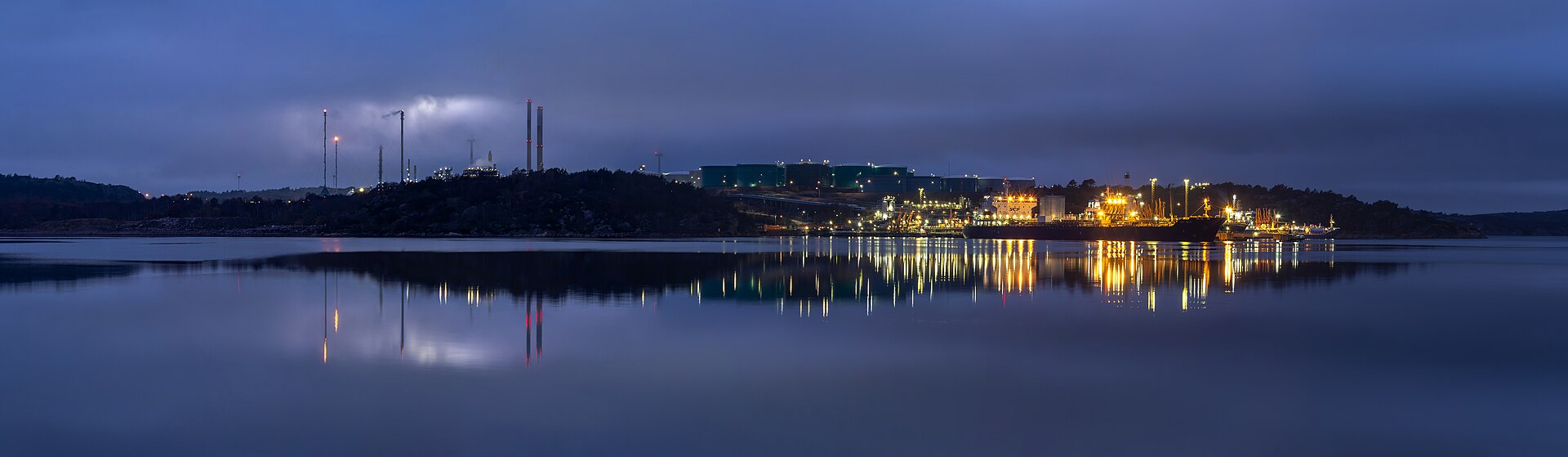
Kpler vessel-tracking data indicated that as of mid-March, two Iranian tankers were loading 2.7 million barrels of crude oil at Kharg Island, Iran’s primary export terminal. Iran’s pre-war export volume averaged approximately 1.5 million barrels per day, and the continued shipments suggest the war has not significantly disrupted Tehran’s ability to monetise its oil reserves.
The situation creates a stark asymmetry. Saudi Arabia — which has not attacked Iran and has maintained a policy of restraint throughout the conflict — has been forced to cut production from 10.9 million barrels per day in February to 9.8 million barrels per day in March, according to Bloomberg. Iran, the country being bombed, continues to export at near-normal levels because it controls the strait through which the oil must pass.
An IRGC spokesman, Brigadier-General Ali Mohammad Naini, said on 16 March that most of Iran’s weapons remained intact and that the missiles deployed so far were “from a decade ago.” That assessment, if accurate, suggests Tehran possesses the capacity to maintain its selective blockade for a prolonged period.
What Does This Mean for Saudi Arabia’s Oil Exports?
Saudi Arabia faces the most consequential impact of the Hormuz disruption among the Gulf Cooperation Council states. The Kingdom has responded by dramatically scaling up exports through its Red Sea port of Yanbu, leveraging the East-West pipeline, known as the Petroline, which runs roughly 750 miles from Abqaiq on the eastern Gulf coast to the western Red Sea terminal.
Aramco achieved a 220 per cent increase in Yanbu port loadings during March, escalating from 1.1 million barrels per day in February to 2.2 million barrels per day in the first nine days of the month, according to Seeking Alpha. Bloomberg reported on 16 March that Saudi Arabia is now offering long-term customers the option of receiving their April crude supply through Yanbu.
The East-West pipeline system has a total design capacity of 7 million barrels per day following recent expansions, according to CNBC, though operational throughput depends on storage capacity, loading rates, and Red Sea shipping conditions. The expansion provides Saudi Arabia with a critical workaround that most of its Gulf neighbours — including Kuwait, Qatar, and Bahrain — lack entirely.
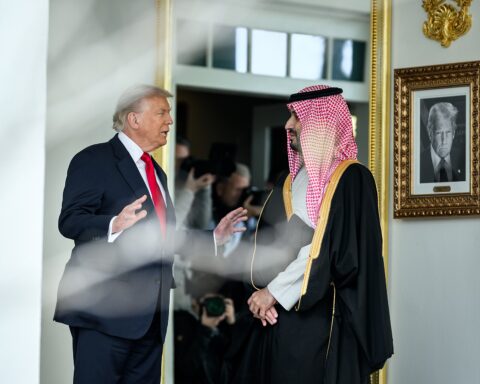
Bessent’s confirmation that the US is allowing Iranian tankers through adds another dimension to Riyadh’s calculation. Saudi Arabia has maintained careful neutrality throughout the conflict, declining to strike Iran despite being attacked repeatedly. Crown Prince Mohammed bin Salman’s diplomatic restraint has drawn criticism from some in Washington, including Senator Lindsey Graham, who threatened to kill the US-Saudi defence pact over Riyadh’s refusal to participate in operations against Iran.
The revelation that Washington is allowing Iranian oil to flow while Saudi exports remain disrupted will not go unnoticed in Riyadh. The Kingdom is absorbing production cuts, infrastructure damage from Iranian drone attacks, and storage constraints — while its adversary continues to earn export revenue under the protection of an implicit US non-interference policy.
Why Are Allies Refusing to Help Reopen Hormuz?
President Trump has spent the past 48 hours publicly demanding that NATO allies, China, Japan, South Korea, and the United Kingdom send warships to secure the Strait of Hormuz. On 15 March, he claimed that “Many Countries, especially those who are affected by Iran’s attempted closure of the Hormuz Strait, will be sending War Ships.” Trump asked approximately seven countries for help, according to Fortune, but none answered the call.
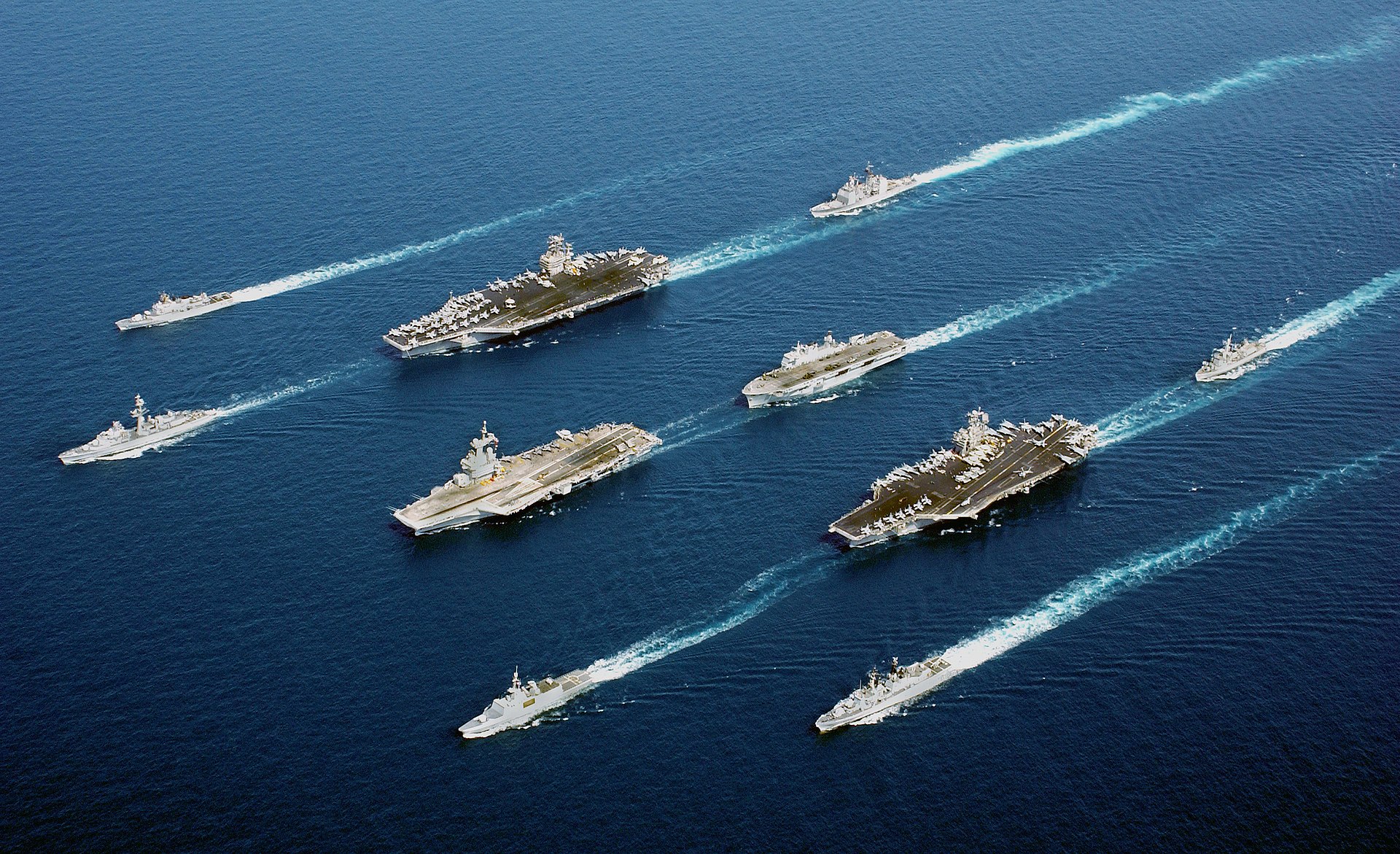
European allies have been particularly emphatic in their refusal. EU foreign ministers decided against expanding naval operations around Hormuz, according to CNN. UK Prime Minister Keir Starmer told reporters he is “working with allies on a plan” but that “it won’t be a NATO mission” and that Britain “will not be drawn into the wider war.”
German Defence Minister Boris Pistorius delivered the bluntest response: “This is not our war, we have not started it.” Australia ruled out sending ships entirely. The collective refusal reflected a view, articulated across European capitals, that the Hormuz crisis is a direct consequence of the US-Israeli decision to attack Iran — and that the responsibility for resolving the maritime fallout lies with those who initiated the conflict.
Trump’s response has been to threaten economic consequences for countries that fail to contribute. “We will remember,” he warned in a post on Truth Social on 16 March, according to CNBC. He also signalled a possible delay to a planned summit with Chinese President Xi Jinping, linking the postponement to Beijing’s unwillingness to participate in Hormuz operations.
Bloomberg’s editorial board argued on 16 March that allies should “name Trump a price” for Strait of Hormuz assistance — suggesting that European and Asian governments are willing to negotiate but not to accept an open-ended military commitment to a war they did not choose. NPR reported that Trump’s demand for a Hormuz coalition has found no takers among the nations he approached.
Oil Market Impact and Global Supply
Oil prices fell approximately 3 per cent on Monday, 16 March, as the first confirmed vessel transits provided a faint signal that the complete blockade might be easing. Brent crude settled at $102.14 per barrel, down $3.05 from Friday’s close but still dramatically elevated from the $72 per barrel that prevailed before the war began on 28 February, according to Fortune.
West Texas Intermediate (WTI) traded at $93.92 per barrel. The price trajectory since the war began tells the story of the disruption:
| Date | Event | Brent ($/bbl) | Change |
|---|---|---|---|
| 27 Feb | Pre-war baseline | $72 | — |
| 1 Mar | War begins, Hormuz threats | $89 | +24% |
| 5 Mar | IRGC declares selective closure | $98 | +36% |
| 8 Mar | Peak disruption week | $120 | +67% |
| 11 Mar | IEA releases 400m barrels | $110 | +53% |
| 16 Mar | Bessent confirms Iranian transit; vessels cross | $102 | +42% |
Daily oil exports from the Middle Eastern Gulf dropped by at least 60 per cent in the week to 15 March compared with February, according to Al Jazeera, citing industry tracking data. The effective closure of Hormuz had already curtailed approximately 7 million barrels per day of crude, creating what energy analysts described as the world’s largest-ever supply disruption.
The IEA’s 400-million-barrel strategic reserve release — announced on 11 March — was designed to cushion the blow, but analysts warned that reserves cannot substitute indefinitely for the loss of Gulf production. OPEC+ greenlighted a 138,000-barrel-per-day production increase for April, the cartel’s first hike since 2022, but the additional volume represents a fraction of the shortfall.
Background to the Hormuz Crisis
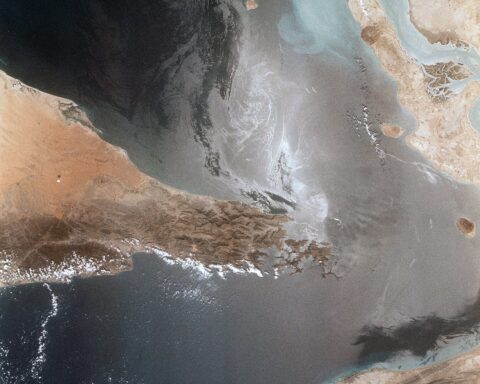
The Strait of Hormuz, a 21-mile-wide channel separating Iran from Oman at its narrowest point, carries approximately 20 per cent of the world’s daily oil supply under normal conditions. It is the only maritime route connecting the oil-producing states of the Persian Gulf — Saudi Arabia, Iraq, Kuwait, the UAE, and Qatar — with the Indian Ocean and global markets.
The current crisis began on 28 February 2026, when the United States and Israel launched coordinated strikes against Iran’s nuclear facilities, military installations, and senior leadership. The opening salvo killed Supreme Leader Ali Khamenei, a development confirmed by both American and Iranian officials. His son, Mojtaba Khamenei, was subsequently named as his successor in a wartime transfer of power.
Iran retaliated with ballistic missile and drone attacks across the region, striking US military bases in Bahrain, Kuwait, Qatar, Saudi Arabia, Turkey, and the UAE. The IRGC issued warnings prohibiting vessel passage through the Strait of Hormuz, and tanker traffic dropped by approximately 70 per cent within 48 hours, according to Wikipedia’s account of the crisis. Over 150 ships anchored outside the strait, and traffic soon fell to near zero for Western-flagged vessels.
The human cost has been severe. As of 16 March, more than 2,200 people across the Middle East had died in the conflict, according to Al Jazeera. Iran reported 1,444 killed and 18,551 injured. Lebanon, where Israel expanded operations against Hezbollah, recorded at least 850 dead, including more than 100 children.
Saudi Defence Minister Prince Khalid bin Salman has coordinated the Kingdom’s military response, which has focused on air defence operations against incoming Iranian drones rather than offensive strikes against Iran itself. Saudi Arabia intercepted 37 drones in its eastern regions on 16 March alone, according to Al Jazeera.
Frequently Asked Questions
Is the US allowing Iranian oil tankers through the Strait of Hormuz?
Yes. Treasury Secretary Scott Bessent confirmed on 16 March 2026 that the United States has been allowing Iranian oil tankers to transit the Strait of Hormuz despite the ongoing war between the two countries. “The Iranian ships have been getting out already, and we’ve let that happen to supply the rest of the world,” Bessent told CNBC.
Why is the US letting Iranian oil through Hormuz during a war?
Washington has calculated that blocking Iranian oil on top of the existing Hormuz disruption would cause an unacceptable shock to global energy markets. With Brent crude already above $100 per barrel and Gulf oil exports down 60 per cent, removing Iran’s 1.5 million barrels per day would further destabilise prices and harm allied economies.
Which countries have been allowed to send ships through Hormuz?
As of 16 March 2026, ships from Pakistan, India, Turkey, and Saudi Arabia have been granted passage by Iran. China was in active negotiations. Iran declared on 5 March that the strait is closed only to the US, Israel, and their Western allies, while remaining open to other nations.
How has this affected Saudi Arabia’s oil exports?
Saudi Arabia cut production from 10.9 million barrels per day to 9.8 million barrels per day and redirected exports through its Red Sea port of Yanbu, achieving a 220 per cent increase in Yanbu loadings. The East-West pipeline has a design capacity of 7 million barrels per day.
Four days after Bessent made these remarks, the Treasury Department formalized the policy by issuing a 30-day sanctions waiver covering 140 million barrels of Iranian crude at sea. The decision — analyzed in depth in Washington Released Iran’s Oil. Riyadh Got the Bill. — confirmed that the administration was willing to fund its enemy’s war machine to manage domestic energy prices.
What is the current oil price?
As of 16 March 2026, Brent crude traded at $102.14 per barrel and WTI at $93.92 per barrel. Prices peaked at approximately $120 per barrel in early March before the IEA’s record 400-million-barrel strategic reserve release helped moderate the spike.