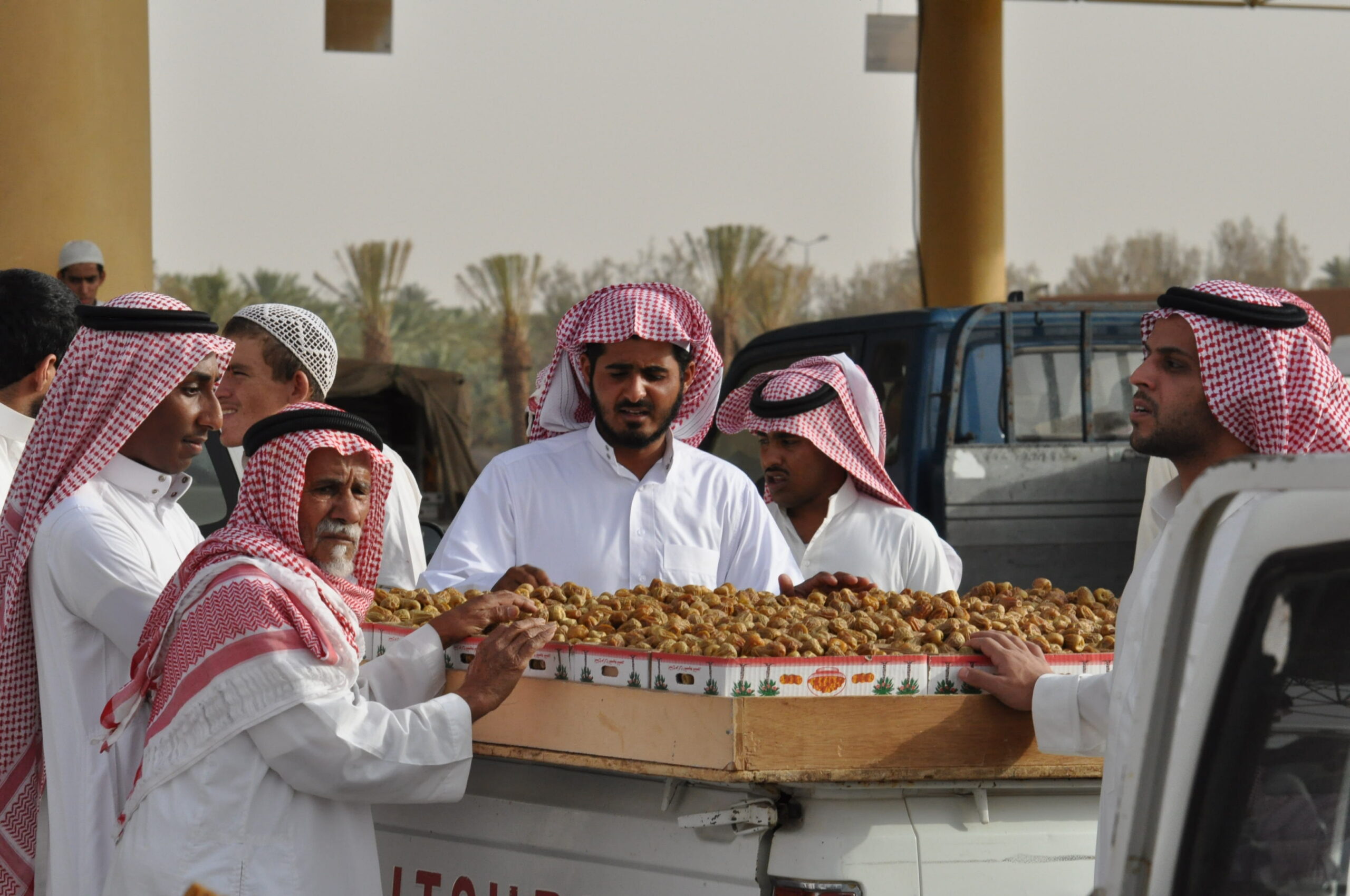

Buraydah is a city most travellers to Saudi Arabia have never heard of, yet it holds one of the Kingdom’s most authentic cultural experiences. The capital of Al-Qassim Province, Buraydah sits at the geographic heart of the Arabian Peninsula, roughly 360 kilometres north-west of Riyadh. It is the date capital of the world, home to the largest camel market on the planet, and since 2021, a UNESCO Creative City of Gastronomy. For anyone building a broader Saudi Arabia travel itinerary, Buraydah offers something no other Saudi city can: a window into the Najdi heartland, where agricultural traditions stretching back centuries coexist with a rapidly modernising urban landscape. With a metropolitan population approaching 750,000, this is no dusty village. It is a thriving regional hub that rewards the curious traveller with unforgettable sights, flavours, and encounters.
Best Time to Visit: November to February (pleasant 15–25°C days); August–September for the Buraydah Date Festival
Getting There: Prince Naif bin Abdulaziz International Airport (ELQ), 20 km south-east of the city centre; 3.5–4 hours by road from Riyadh via Highway 65
Visa Required: Yes — tourist e-visa available for 63 nationalities
Budget: USD 60–120 per day (mid-range hotel, meals, transport)
Must-See: Buraydah Date Market, Al-Qassim Camel Market, Buraydah Water Tower
Avoid: Visiting June–August without a specific reason — daytime temperatures regularly exceed 45°C
Why Visit Buraydah?
Saudi Arabia’s tourism boom has spotlighted mega-projects and coastal resorts, but Buraydah offers something fundamentally different. This is the real Najd — the central plateau where Saudi identity was forged. Here you can walk through the world’s largest date market as farmers from across Qassim bring truckloads of Sukkari, Segai, and Khalas dates for auction. You can stand in the Al-Qassim Camel Market at dawn, watching hundreds of dromedaries change hands in scenes that have played out for generations. And you can taste klija, the spiced date-filled pastry that earned Buraydah its UNESCO gastronomy designation.
Buraydah is also a practical base for exploring the wider Qassim region. The neighbouring city of Unaizah, just 30 kilometres south, is a cultural gem with beautifully preserved Najdi architecture. Ar Rass, to the west, holds historical towers and quiet heritage quarters. Together, these towns form an easily driveable circuit that reveals a side of Saudi Arabia most tourists never see.
Top Attractions in Buraydah
Buraydah Date Market
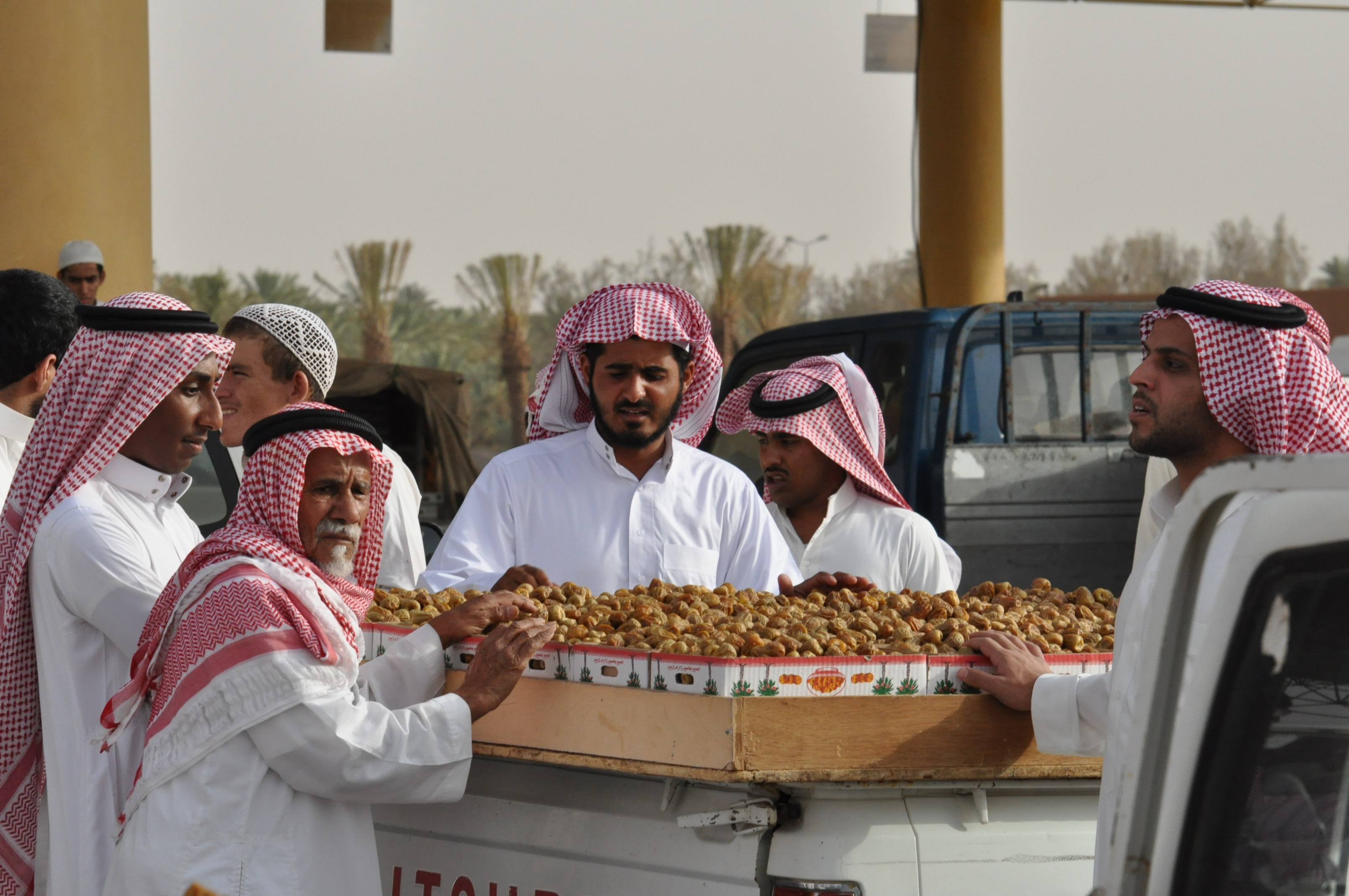
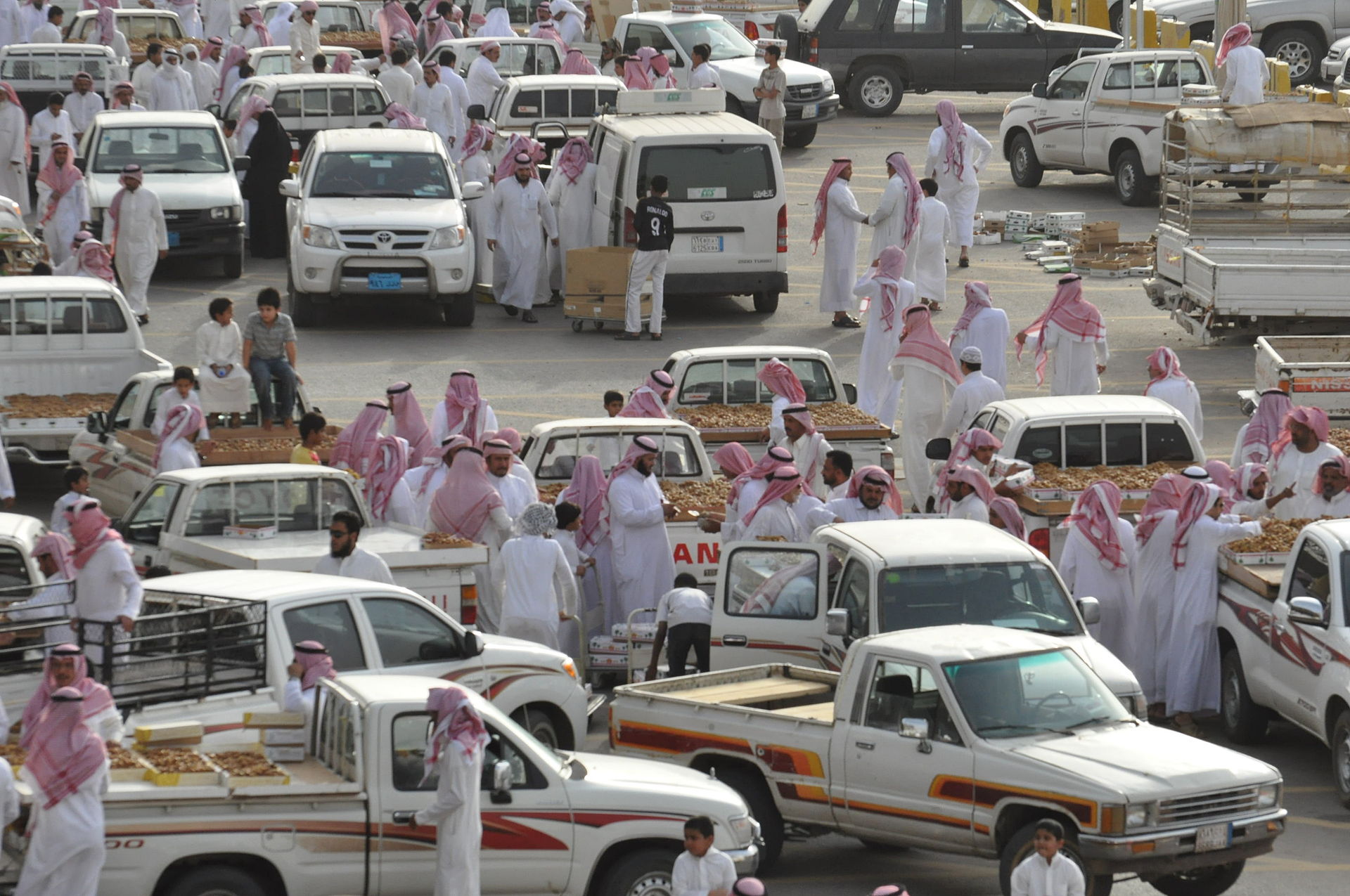
The Buraydah Date Market is the single most compelling reason to visit the city. Operating year-round but reaching its peak during the annual Buraydah Dates Festival (mid-August to mid-September), this is the largest date market in the world. During the 35-day festival season, farmers and traders from across Qassim Province bring the harvest from the region’s estimated eight million date palms to this sprawling open-air market. More than 45 varieties of dates are on offer, from the premium Sukkari (golden, soft, and intensely sweet) to the dark, chewy Ajwa and the crunchy Segai.
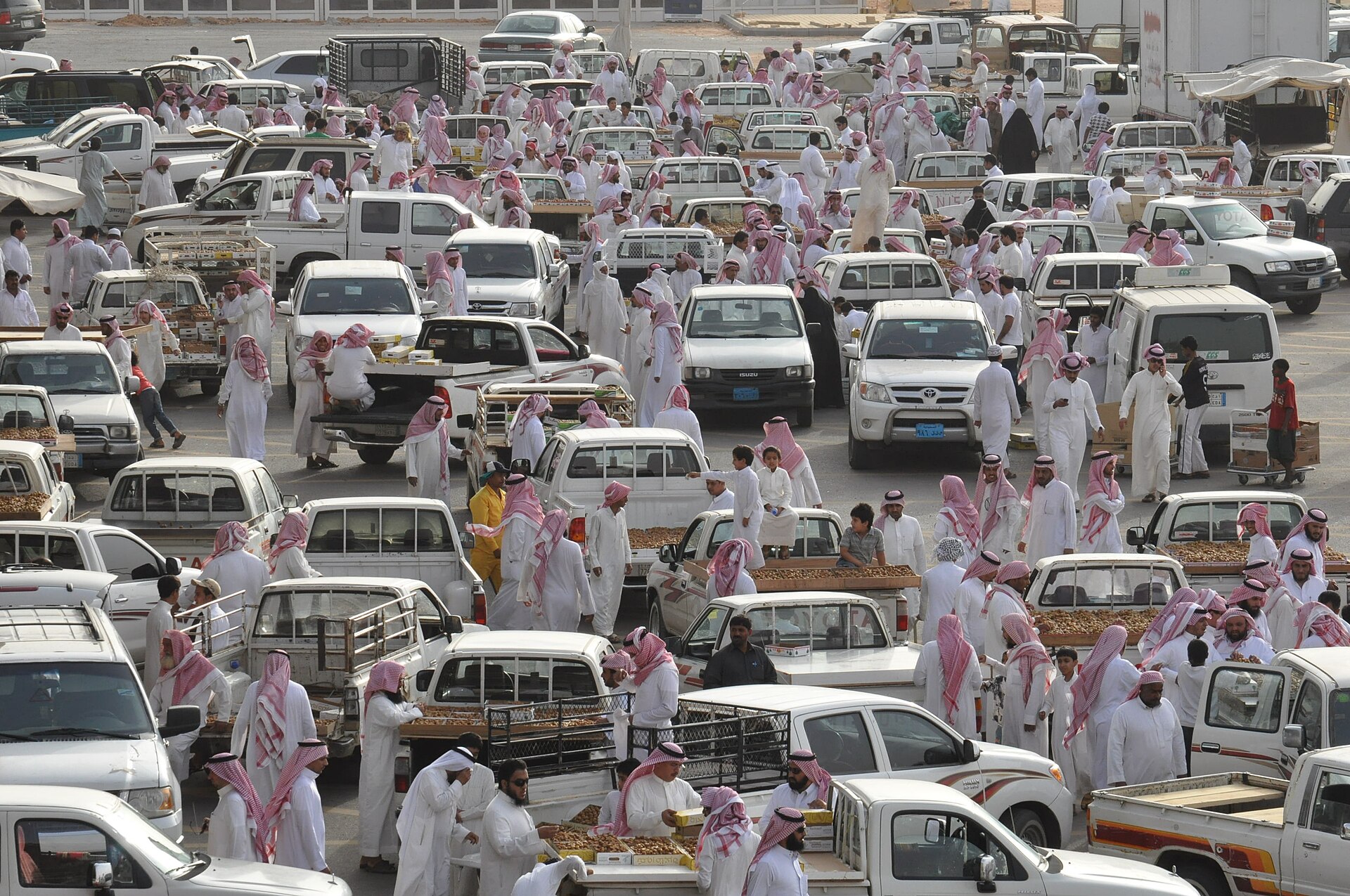
Even outside festival season, the market is active. Traders display their dates in neatly arranged trays on the beds of pickup trucks, and buyers — wholesale merchants, retailers, and individual families — circulate between vehicles, sampling and haggling. The atmosphere is electric and deeply authentic. Prices during the festival start from around SAR 15–20 per kilogram for common varieties and can reach SAR 100+ for premium Sukkari dates.
Tip: Arrive early in the morning (before 8 AM) for the best selection and the liveliest atmosphere. Bring cash — many sellers do not accept cards. If you are visiting during the festival, late August tends to have the widest variety as the main harvest arrives.
Al-Qassim Camel Market
Located on the outskirts of Buraydah along the road toward Unaizah, the Al-Qassim Camel Market is widely considered the largest camel market in the world. Approximately 700 camels change hands here on a typical day, with that number swelling to around 2,000 on Saturdays, the busiest trading day. The market operates six days a week (closed on Fridays), with activity starting at dawn — around 6 AM.
This is not a tourist attraction dressed up for visitors. It is a functioning commercial market where Bedouin herders, professional traders, and buyers from across the Gulf negotiate prices for racing camels, breeding stock, and animals destined for the dinner table. Goats and sheep are also sold in adjacent sections. The sensory experience is unforgettable: the sounds of braying camels, the scent of the desert, the sight of traders in white thobes examining animals with practised expertise.
Tip: Saturday mornings offer the most spectacular experience, but expect crowds. Wear closed-toe shoes and be aware that camels can be unpredictable. Photography is generally welcome, but always ask permission before photographing individuals. There is no entry fee.
Buraydah Water Tower
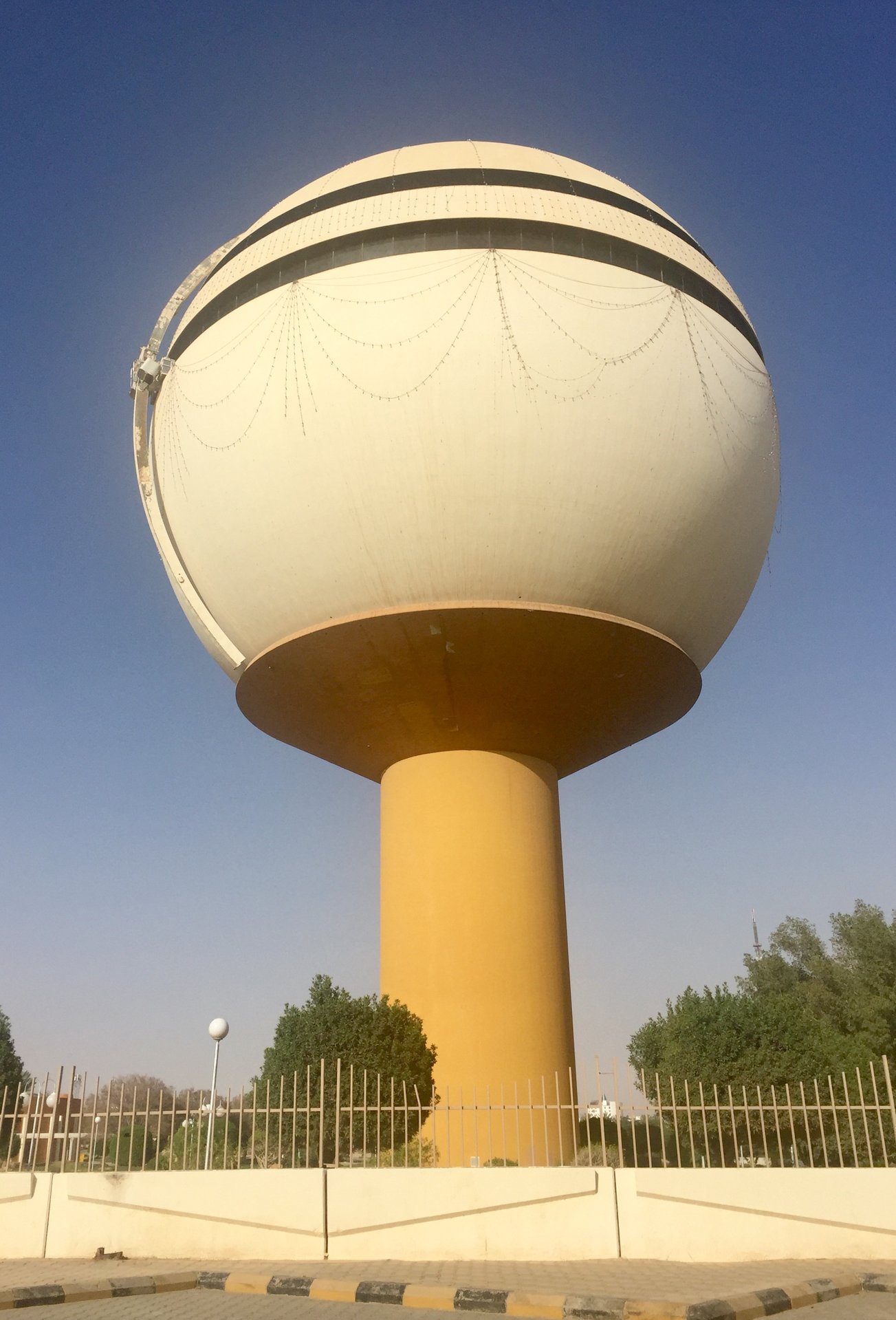
Rising 66 metres above the city, the Buraydah Water Tower is both a functioning water reservoir and one of the city’s most recognisable landmarks. Designed in a distinctive spherical shape that locals often compare to a golf ball, approximately 60 per cent of the structure serves as a water tank with a storage capacity of 8,000 cubic metres. But it is the upper levels that interest visitors: the tower houses a reception area, a restaurant, and an observation deck of approximately 1,000 square metres offering 360-degree views of the city, its surrounding palm farms, and the desert beyond.
The tower is particularly impressive at sunset and during national celebrations when it is illuminated. It is open seasonally, so check locally before planning a visit.
Buraydah Museum
Located near King Khalid Garden Park, the Buraydah Museum provides a comprehensive overview of the city’s history and the broader Qassim region. Exhibits cover archaeological finds, traditional Najdi life, agricultural heritage, and the development of the modern city. Entry is free, and the museum is a good starting point for understanding the cultural context of everything else you will see in Buraydah.
Al-Oqilat Historical Museum
For a deeper dive into the region’s mercantile past, the Al-Oqilat Historical Museum is essential. The Oqilat (or Aqilat) were legendary merchant caravaneers from Qassim who led camel caravans across the Arabian Peninsula to the Levant, Egypt, Iraq, and India. This museum — one of the largest private collections in the Kingdom — houses maps of ancient trade routes, passports, weapons, personal effects, and over 100 historical paintings and artefacts documenting their journeys. Allow at least two to three hours for a thorough visit.
King Khalid Garden Park
Adjacent to the Buraydah Museum, King Khalid Garden Park is the city’s most popular green space. With shaded walkways, playgrounds, and landscaped gardens, it offers a welcome retreat from the heat. Entry is free. Other notable parks include King Abdullah Park, Al Montazah Garden Park, and Al Iskan Garden Park.
Food and Drink: Buraydah as a UNESCO City of Gastronomy
In November 2021, Buraydah became the first Gulf city and only the second Arab city to be designated a UNESCO Creative City of Gastronomy. The honour was driven largely by the city’s extraordinary date culture and its traditional dishes that incorporate dates as a central ingredient.
Must-Try Dishes
Klija (Kleija): The dish that earned Buraydah its UNESCO recognition. Klija is a stuffed pastry made from thin dough filled with a mixture of sugar, anise, ginger, and cardamom, then baked for about 20 minutes. The result is a fragrant, crumbly cookie-like treat that pairs beautifully with Arabic coffee. The annual Klija Festival, which celebrated its 15th edition in February 2024, is a major local event featuring competitive baking and traditional handicraft displays.
Haneeni: A traditional Qassimi dessert made from whole wheat flatbread (qursan) mixed with date paste — typically from Maktoum or Sukkari varieties — butter, and citrus. Rich, hearty, and deeply flavoured, it is often served at gatherings and celebrations.
Kabsa and Jareesh: Like everywhere in central Saudi Arabia, rice-based kabsa (spiced rice with meat) is a staple. Jareesh, a cracked wheat porridge cooked slowly with meat and spices, is particularly associated with the Najd region and is excellent in Buraydah’s traditional restaurants.
Arabic Coffee and Dates: No visit to Buraydah is complete without the quintessential Saudi hospitality ritual — a tiny cup of lightly spiced Arabic coffee (gahwa) accompanied by fresh dates. You will be offered this everywhere, from hotels to shops to private homes.
Where to Eat
Buraydah’s dining scene is rooted in traditional Saudi cuisine. For authentic local food, Najd Village serves classic Najdi dishes in a heritage-themed setting. Al Romansiah, a respected Saudi chain, offers reliable kabsa and grilled meats. Kayan Avenue on Al Bokhari Street is a popular strip with multiple cafes and casual restaurants. For Indian cuisine, Taj Mahal on Bukhary Street is a local favourite. Le Gourmet at the Mövenpick Hotel Qassim provides an upscale international dining option.
Note: Most restaurants in Buraydah have separate sections for families and single men, following local custom. Alcohol is not available anywhere in Saudi Arabia.
Where to Stay
Buraydah has a growing range of accommodation options, though it does not yet have the luxury resort selection of Riyadh or Jeddah. Budget travellers will find rates starting from around USD 50–60 per night, while mid-range and upper-tier hotels run USD 80–150.
Top Hotels
| Hotel | Category | Location | Approx. Nightly Rate (USD) |
|---|---|---|---|
| Mövenpick Hotel Qassim | 5-star | City centre, junction of King Fahad and King Khalid Roads | $100–$160 |
| Radisson Blu Hotel Buraidah | 5-star | Central district, 12 min from Al Nakheel Plaza | $90–$140 |
| Golden Tulip Buraidah | 4-star | King Abdul Aziz Main Road, near city centre | $70–$110 |
| Best Western Plus Buraidah | 4-star | Central Buraydah | $60–$90 |
| Raoum Inn Hotel | 3-star | Central Buraydah | $50–$75 |
The Mövenpick and Radisson Blu are the top choices for international travellers, both offering modern amenities, on-site dining, and convenient locations approximately 25 minutes from the airport. During the Buraydah Date Festival in August–September, hotels fill quickly — book well in advance.
Getting There
By Air
Prince Naif bin Abdulaziz International Airport (IATA: ELQ) serves Buraydah and the wider Qassim region. Located approximately 20 kilometres south-east of the city centre, the airport handles over 1.1 million passengers annually. Multiple airlines operate domestic routes, including Saudia, flynas, and flyadeal, with direct flights to Riyadh (approximately one hour), Jeddah (approximately two hours), and Dammam. International connections are available to select destinations.
From the airport, taxis take 20–25 minutes to reach central Buraydah. Ride-hailing apps (Uber and Careem) operate in the area. Car rental desks are available in the terminal.
By Road
Buraydah is well connected by highway. The drive from Riyadh takes approximately 3.5–4 hours via Highway 65 (the Qassim Expressway). From Medina, the journey is approximately 4.5 hours. The roads are excellent, and the drive from Riyadh passes through flat desert terrain with service stations along the way. Renting a car is strongly recommended for exploring Buraydah and the surrounding Qassim region. You will need a valid Saudi tourist visa and an international driving permit.
Tip: If driving from Riyadh, consider breaking the journey in Shaqra, a small town about halfway with a well-preserved mud-brick old quarter worth a quick stop.
Day Trips from Buraydah
Unaizah (30 km south)
Often called the cultural capital of Qassim, Unaizah is an easy 30-minute drive from Buraydah and deserves at least half a day. The Al-Bassam Heritage House, built in the 1950s and covering 3,500 square metres, is one of the finest examples of Najdi architecture open to visitors. The old souqs offer authentic handicrafts and textiles. Unaizah also has its own thriving food scene and is known for its particularly warm hospitality.
Ar Rass (80 km west)
Ar Rass is a historic town known for the Al-Shinanah Tower, a 27-metre mud-brick watchtower estimated to be at least 200 years old. Perched on a hill, it is a striking example of traditional Qassimi architecture and offers views over the surrounding terrain. The town’s heritage quarter is quiet and photogenic.
Al Mithnab Village (50 km south-east of Unaizah)
This restored traditional village spans approximately two square kilometres and contains more than 384 heritage houses, a restored majlis, and a traditional market. It won the Prince Sultan bin Salman Award for preservation of traditional architecture and offers an immersive look at pre-modern Saudi village life.
Al-Rajhi Endowment Farm
Located in the Buraydah area, the Saleh bin Abdulaziz al-Rajhi Endowment Farm holds the Guinness World Record (certified in May 2005) as the largest palm project in the world. While access can be arranged through local tour operators, the sheer scale of the palm groves — visible even from the road — is impressive. Agritourism is a growing sector in Qassim, with several farms welcoming visitors for tours of their orchards.
Best Time to Visit Buraydah
Buraydah has a hot desert climate (Köppen BWh) with extreme seasonal variation.
| Season | Months | Temperature Range | Verdict |
|---|---|---|---|
| Winter (Best) | November–February | 6–25°C (43–77°F) | Ideal for sightseeing and outdoor exploration |
| Spring | March–April | 12–32°C (54–90°F) | Pleasant but warming; occasional sandstorms |
| Summer | May–September | 26–45°C (79–113°F) | Extremely hot; only visit for the Date Festival (Aug–Sep) |
| Autumn | October | 18–35°C (64–95°F) | Transitional; tolerable but still warm |
The sweet spot for general tourism is November through February, when daytime temperatures are comfortable and nights can be refreshingly cool. However, if your primary interest is the Buraydah Date Festival, you will need to brave the August–September heat. The festival atmosphere is worth the discomfort, but plan activities for early morning and evening, and stay in air-conditioned spaces during the midday hours.
Annual rainfall is minimal — averaging just 102 mm per year — so rain is unlikely to disrupt plans at any time.
Shopping
Al Nakheel Mall
Buraydah’s premier shopping destination, Al Nakheel Mall, offers a mix of international brands, local boutiques, a food court, and entertainment facilities. It is a modern, air-conditioned complex that serves as a social hub for the city, particularly during the hot months.
Traditional Markets
Beyond the famous date market, Buraydah has several traditional souqs selling textiles, perfumes, incense (bukhoor), and household goods. The experience is more authentic and less tourist-oriented than markets in Riyadh or Jeddah — prices are generally lower, and the atmosphere is genuinely local.
What to Buy
- Dates: The obvious souvenir. Sukkari dates from Qassim are considered among the finest in the world. Buy them fresh during the festival or vacuum-packed year-round.
- Klija: Boxes of these traditional pastries make excellent gifts and travel well.
- Arabic coffee and cardamom: Local blends are aromatic and affordable.
- Traditional textiles and handicrafts: Look for locally made items at the souqs and at festival stalls.
- Saudi Arabia Travel Guide 2026 — The complete guide to visiting the Kingdom
- Riyadh Travel Guide 2026 — Explore the Saudi capital’s history, food, and modern attractions
- AlUla Travel Guide 2026 — Ancient tombs, desert canyons, and Saudi Arabia’s most spectacular landscapes
- Tabuk Travel Guide 2026 — Gateway to NEOM and the north-west frontier
- Saudi Arabia Hiking Guide — Trails, treks, and mountain escapes across the Kingdom
- Saudi Arabia Visa Guide — Every visa type explained, from tourist e-visas to Hajj permits
Entertainment and Family Activities
Woosh – Al Qassim is the city’s main amusement and entertainment centre, offering rides, games, and family-friendly activities. It is a good option for families travelling with children, particularly during the extreme summer heat when outdoor activities are limited.
The King Khalid Cultural Center hosts art exhibitions, cultural festivals, and educational workshops throughout the year. Check local listings for current events.
Practical Information
Language
Arabic is the primary language. English is spoken in hotels and by some younger residents, but is less widely understood than in Riyadh or Jeddah. Having key phrases in Arabic or a translation app on your phone will be helpful, especially in the markets and traditional restaurants.
Dress Code
Buraydah is a conservative city even by Saudi standards. Men should wear long trousers and shirts with sleeves. Women should wear loose-fitting clothing that covers the arms and legs; an abaya is not legally required for non-Saudi women but wearing one will be appreciated. Head covering for women is not mandatory but is respectful in traditional settings.
Currency and Payments
The Saudi Riyal (SAR) is the currency. Cards are widely accepted in hotels, malls, and chain restaurants. However, the traditional markets — including the date market and camel market — are primarily cash-based. ATMs are widely available.
Getting Around
Buraydah does not have a public transit system. Getting around requires taxis, ride-hailing apps (Uber and Careem are available), or a rental car. A rental car is strongly recommended, especially for visiting the camel market, date market, and day trips to surrounding towns. Roads are well-maintained and signage is in both Arabic and English on major routes.
Safety
Buraydah is very safe for travellers. Violent crime is extremely rare. The primary risks are traffic-related (Saudi drivers can be aggressive) and heat-related illness during summer months. Stay hydrated, use sun protection, and avoid extended outdoor activity during the hottest hours.
Connectivity
Mobile coverage (4G/5G) is excellent in the city and along major highways. SIM cards can be purchased at the airport or from STC, Mobily, and Zain shops in the city. Hotels and malls offer free Wi-Fi.
How Long to Spend in Buraydah
For most travellers, two to three days is ideal. This allows time for the date market, camel market, museums, the Water Tower, and at least one day trip to Unaizah or Ar Rass. If visiting during the Date Festival, consider adding an extra day to fully experience the event. Buraydah works well as a stop on a broader central Saudi road trip that might also include Riyadh, Ha’il, or AlUla.
Buraydah’s Place in Saudi Arabia’s Tourism Story
While Saudi Arabia’s Vision 2030 programme has poured billions into mega-projects like NEOM and the Red Sea coast, Buraydah represents a different kind of tourism — one rooted in living culture rather than constructed experiences. The date market has not been built for tourists. The camel market has not been sanitised for Instagram. These are real places where real transactions happen, and that authenticity is increasingly rare and valuable.
The UNESCO gastronomy designation has begun to put Buraydah on the international map, and the city is investing in visitor infrastructure without losing its character. For travellers who want to see Saudi Arabia beyond the headlines — beyond the skyscrapers and the resorts — Buraydah is one of the most rewarding destinations in the Kingdom.