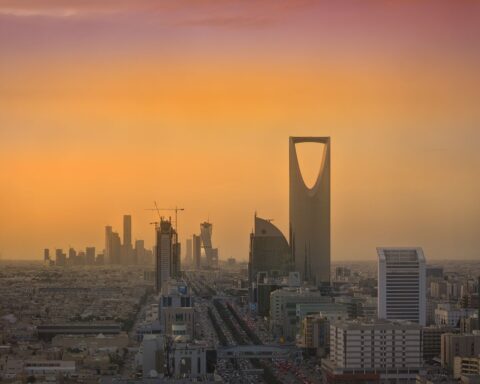

On the glittering stretch of France’s Cannes, not film stars, but delegates from the traditionally guarded nation of Saudi Arabia came bearing aspirations, not of cinematic, but architectural grandeur. Their offerings at the international real estate convention were visions of megastructures that would overthrow the lavishness of the silver screen. The exhibitors boasted the innovative blueprints of tomorrow’s landscapes, augmented by seamless 3D models and immersive simulations, with an underlying narrative of the prodigious economic transformation of Saudi Arabia.
Saud Alsulaimani, a representative from Jones Lang LaSalle, communicated the magnitude of their endeavour. With over $1.4 trillion dedicated to shared construction projects, the country stood poised on the brink of an unprecedented architectural boom, inconceivable elsewhere.
In this architectural showcase, the emissaries of Saudi Arabia’s Crown Prince Mohammed bin Salman, more commonly known as MBS, established the young ruler as instrumental behind these grand designs. What remained unspoken, though, was the crucial part played by Saudi Aramco. Positioned as the global leader in profits over the past decade, this state-held institution has been pivotal in fuelling the kingdom’s zealous investment strategy, underwritten domestically by grand construction and tourism initiatives, while fostering an international portfolio of potent investments through their sovereign wealth fund, the Public Investment Fund (or PIF).
The entwined relationship between Saudi Aramco and the state has served the kingdom well. Its remarkable revenues, reaching $440 billion in 2023 and accounting for 40% of the national GDP, catalyse MBS’s mission to revise both the Saudi economic structure and the wider global economic order. This commanding Moroccan embrace does not sit well with everyone; MBS’s stark intent, mixed with an intolerance towards dissent, tarnishes the narrative, bringing to light the country’s daunting human rights record.
Parallel to MBS’s growing reputation amidst disputes and controversies, is the changing demographic of Saudi Arabia. A nation where half its population is younger than 30, and one-quarter under the age of 15, Saudi authorities are attempting to usher in societal changes that stray towards a more liberal lifestyle, albeit under the rigorous control of an absolute monarchy. This flux of sociopolitical changes aims to resonate with Saudis’ increasing penchant for Western influences as well with their Western counterparts. An undercurrent of economic pragmatism runs beneath these transformations; breaking free from the age-old concentration on hydrocarbons means striking out into uncharted arenas of tourism and technology.
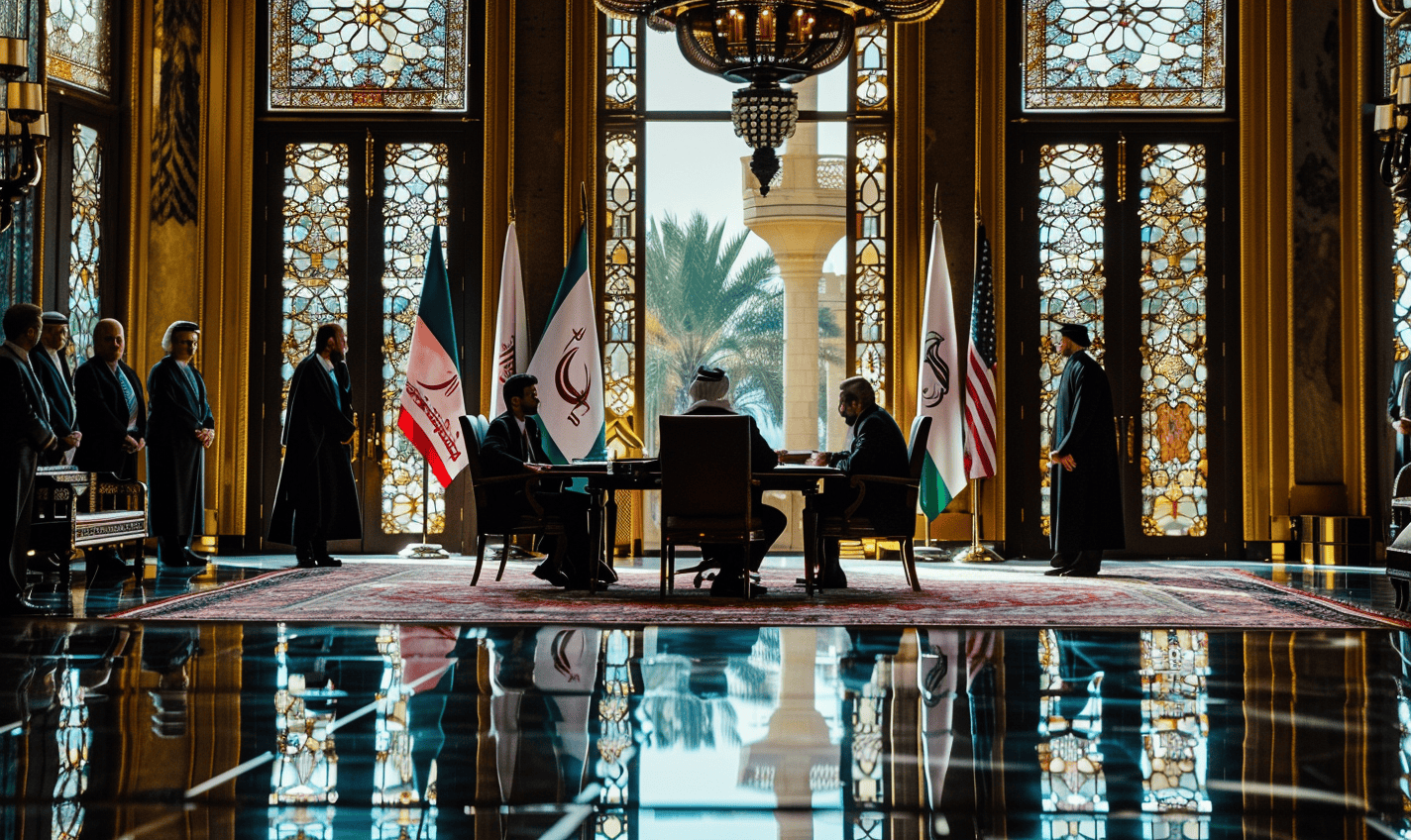
Aramco’s mammoth earnings function dually, facilitating the emergence of a modern, multi-industry economy while manoeuvring MBS to the centre of worldly geopolitical affairs. MBS deftly utilises these colossal assets to navigate international alliances, branching out from Europe to Russia, and the United States to Israel, while his ties with China grow ever closer. Moreover, the kingdom’s primary revenue source continues to hold significant influence over global oil prices, embedding Saudi Arabia’s relevance in the broader world economy.
Despite the crumbling narrative of fossil fuels trailing throughout the Western world, Saudi Arabia and Aramco intend to pivot their strategies towards a ‘circular carbon economy.’ They remain firmly focused on innovating newer and more effective methods of harnessing their hydrocarbons – developing blue hydrogen, increasingly capturing and storing carbon and methane and moving towards Liquified Natural Gas (LNG). The pursuit of green energy is slowly maturing, symbolised by the country’s commitment to achieve a net-zero target by 2060 and Aramco by 2050.
All the while, grandiose ventures like the $500 billion modern city, Neom, seem to hang in the air like precarious tightrope walkers, their realisation hinging heavily on oil prices reaching triple-digit figures. With these gigantic projects propelling a sharp upswing in their budget, the country finds itself dipping into capital markets to maintain its ambitions.
The scale of these colossal undertakings and the extreme expense of bringing them to life teeters on the volatile dynamics of the global oil markets coupled with the yearly output of Aramco. Their manifest aspirations, granted in the form of sprawling architectural wonders or pioneering ventures like Neom, rely heavily on Aramco’s capability to continue its flow of oil, the fuel that drives Saudi Arabia’s visions that spiral far into the future.