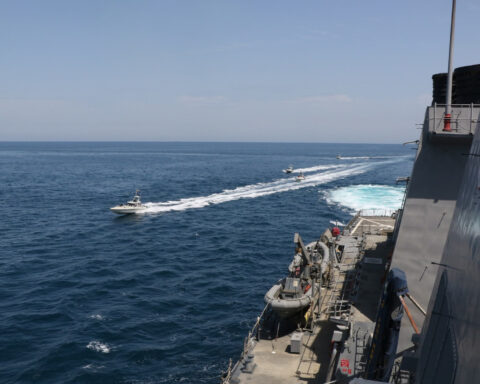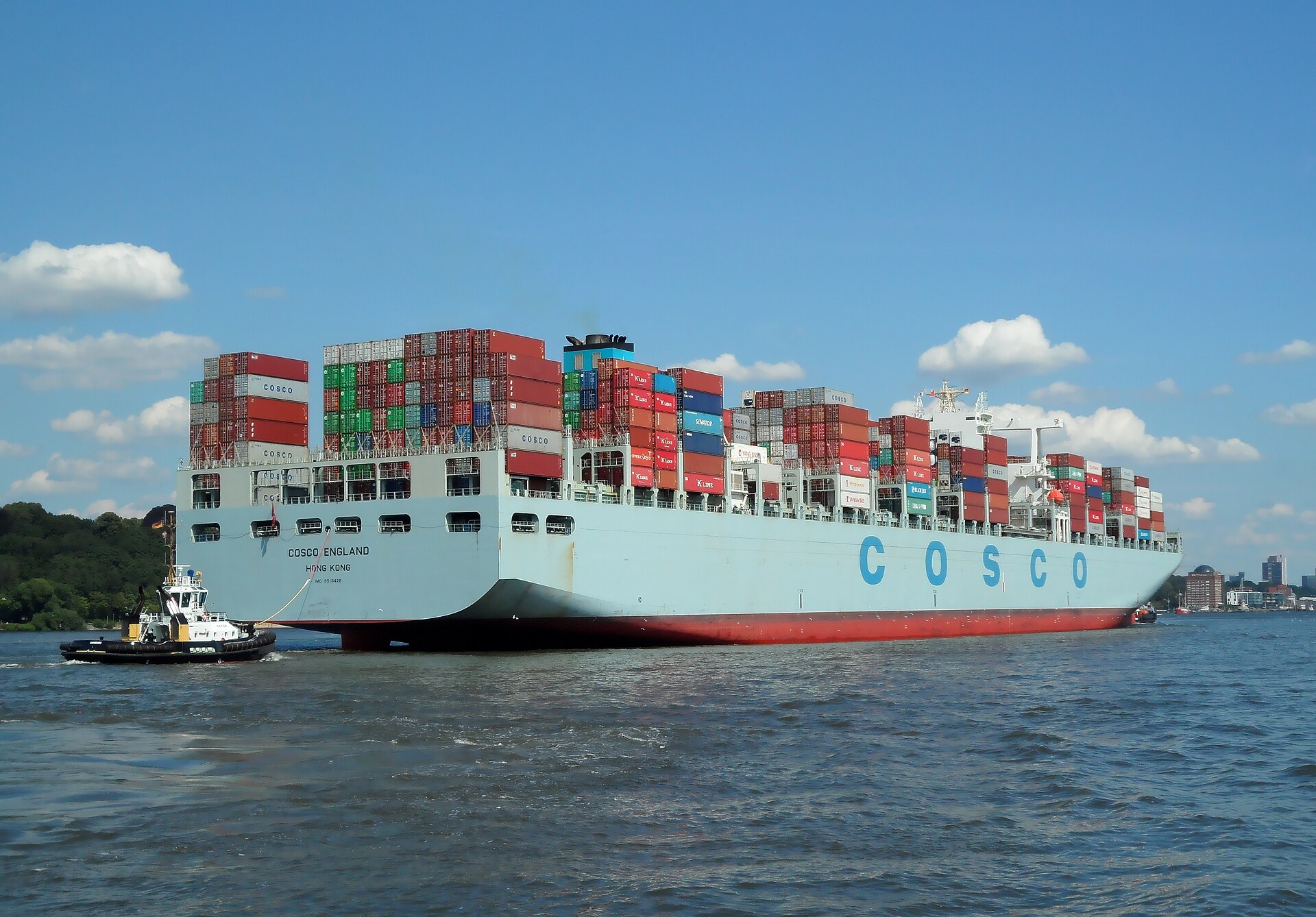

BEIJING — Three years ago, Chinese Foreign Minister Wang Yi stood between the top diplomats of Saudi Arabia and Iran as they signed the agreement that was supposed to prove Beijing could reshape the Middle East without firing a shot. That agreement is now ashes. Iran has launched more than 575 drones and 42 ballistic missiles at Saudi Arabia since February 28, trust between Riyadh and Tehran has been, in Prince Faisal bin Farhan’s words, “completely shattered,” and the Strait of Hormuz — the waterway through which half of China’s crude oil imports once flowed — is functionally closed. The pillars of a decade-long Chinese Gulf strategy lie in ruins. Yet Beijing’s silence during the war may prove to be the shrewdest play of all. While Washington spends blood and treasure defending Gulf airspace, China is positioning itself as the indispensable partner for the reconstruction and rearmament that will follow.
Table of Contents
- How Did China’s Gulf Peace Deal Collapse?
- The Architecture Beijing Spent a Decade Building
- What Does the Hormuz Closure Mean for Chinese Energy Security?
- The Belt and Road Projects Nobody Can Finish
- Why Has Beijing Stayed Silent While Its Interests Burn?
- The Restraint Dividend — Beijing’s Wartime Calculus
- Can the Petroyuan Survive a Dollar-Denominated War?
- What Is China’s Post-War Gulf Strategy?
- The Reconstruction Gold Rush Beijing Is Already Planning
- Saudi Arabia’s Dual Dependency — Washington’s Guns, Beijing’s Money
- The Second China-Arab Summit and What Follows
- Frequently Asked Questions
How Did China’s Gulf Peace Deal Collapse?
The March 2023 Saudi-Iran rapprochement, brokered by Beijing, was the single most celebrated Chinese diplomatic achievement in the Middle East in decades. It ended seven years of severed relations, opened embassies, and was supposed to anchor a new era of de-escalation across the Persian Gulf. Within three years, every promise made in that agreement was broken by the force of American and Israeli bombs falling on Iranian territory. The diplomatic dismantling culminated on March 21 when Saudi Arabia expelled five Iranian diplomats, gutting the embassy infrastructure that the Beijing deal had restored barely three years earlier.
The sequence that unravelled Beijing’s handiwork moved with brutal speed. The United States and Israel launched Operation Epic Fury against Iran on February 28, 2026, striking nuclear facilities, military installations, and command infrastructure. Iran’s retaliatory salvo — missiles and drones fired not only at Israel but at every Gulf state hosting American military assets — crossed a line the 2023 agreement had been designed to prevent. Saudi Arabia, Bahrain, Qatar, Kuwait, the UAE, and Oman all took Iranian fire within the first 72 hours.
By March 19, Saudi Foreign Minister Prince Faisal bin Farhan declared that trust with Iran had been “completely shattered,” warning that the Kingdom’s patience was “not unlimited” and reserving the right to take military action against Tehran. The very diplomat who had signed the Chinese-brokered deal was now publicly threatening war against the co-signatory. Beijing’s diplomatic triumph had become a diplomatic corpse.
The collapse was not merely a bilateral failure. It represented the destruction of China’s model for Middle Eastern engagement — the idea that economic interdependence and non-aligned mediation could manage regional rivalries without the military entanglements that had defined American involvement since 1990. Wang Yi had described the deal as proof that “dialogue and peace are the right way to address the conflicts in the Middle East.” The war proved that dialogue had limits when a superpower chose violence.
The Architecture Beijing Spent a Decade Building
China’s Gulf strategy was not improvised. It was a decade-long construction project involving trade agreements, energy contracts, infrastructure investments, and diplomatic frameworks that together constituted the most ambitious foreign engagement Beijing had ever attempted in the Middle East. Understanding what the war destroyed requires mapping what existed before the first missile was launched.
The Middle East briefing 3,000+ readers start their day with.
One email. Every weekday morning. Free.
The foundation was trade. By 2024, bilateral trade between China and Saudi Arabia reached $107 billion — exceeding Saudi Arabia’s combined trade with the European Union ($75 billion) and the United States ($26 billion), according to data from the Observatory of Economic Complexity and Chinese customs statistics. China had displaced America as the Kingdom’s largest trading partner in 2013 and never looked back. Saudi Arabia exported 78.6 million tonnes of crude oil to China in 2024 alone, making the Kingdom Beijing’s single largest oil supplier.
The superstructure was investment. When Xi Jinping visited Riyadh in December 2022, his delegation signed 34 bilateral agreements worth approximately $30 billion, covering green energy, hydrogen, photovoltaic technology, cloud computing, transportation, and housing construction. The visit produced a “comprehensive strategic partnership agreement” signed by Xi and King Salman at Al Yamamah Palace — the highest-tier diplomatic designation in China’s hierarchy of international relationships.
The Belt and Road Initiative provided the institutional scaffolding. The Middle East became the top recipient of BRI construction and investment deals in 2024, with the total value reaching $39 billion, according to the Griffith Asia Institute. Saudi Arabia alone accounted for $19 billion of those deals — nearly half the regional total. China and Saudi Arabia had signed a formal agreement to synergise Vision 2030 with BRI cooperation, integrating megaprojects, logistics networks, and digital infrastructure under a shared development framework.
The diplomatic crown was the 2023 peace deal. But it sat atop a broader structure: regular summits, a China-Arab States Cooperation Forum, bilateral military exercises, satellite cooperation, and China’s first overseas military base in Djibouti, positioned at the mouth of the Red Sea. This was not a casual commercial relationship. It was an architecture of influence designed to make Beijing indispensable to Gulf development without requiring the security guarantees that had anchored American dominance since the end of the Cold War.
| Dimension | Pre-War Status (2025) | Post-War Status (March 2026) |
|---|---|---|
| Trade volume (Saudi-China) | $107 billion (2024) | Severely disrupted — Hormuz closure |
| Crude oil imports via Hormuz | 5.35 million bbl/day | ~1.22 million bbl/day |
| BRI investment in Middle East | $39 billion (2024) | Multiple projects frozen |
| Saudi-Iran diplomatic channel | Functioning — embassies open | Collapsed — trust “completely shattered” |
| Petroyuan oil settlements | Growing — mBridge operational | Transactions disrupted by sanctions and war |
| Chinese workers in Gulf | Estimated 300,000+ | Evacuations underway; 3,000+ left Iran |
What Does the Hormuz Closure Mean for Chinese Energy Security?
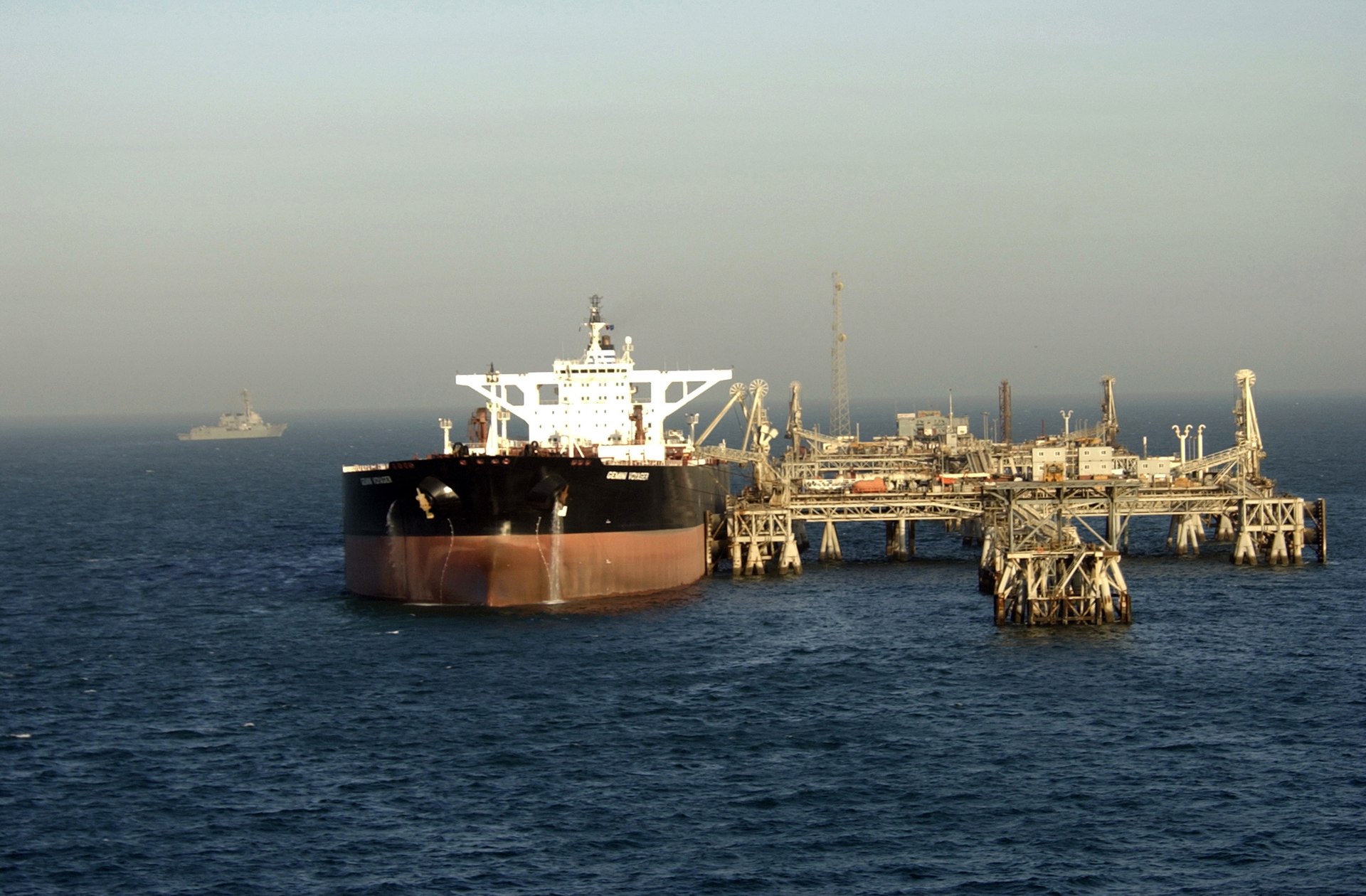
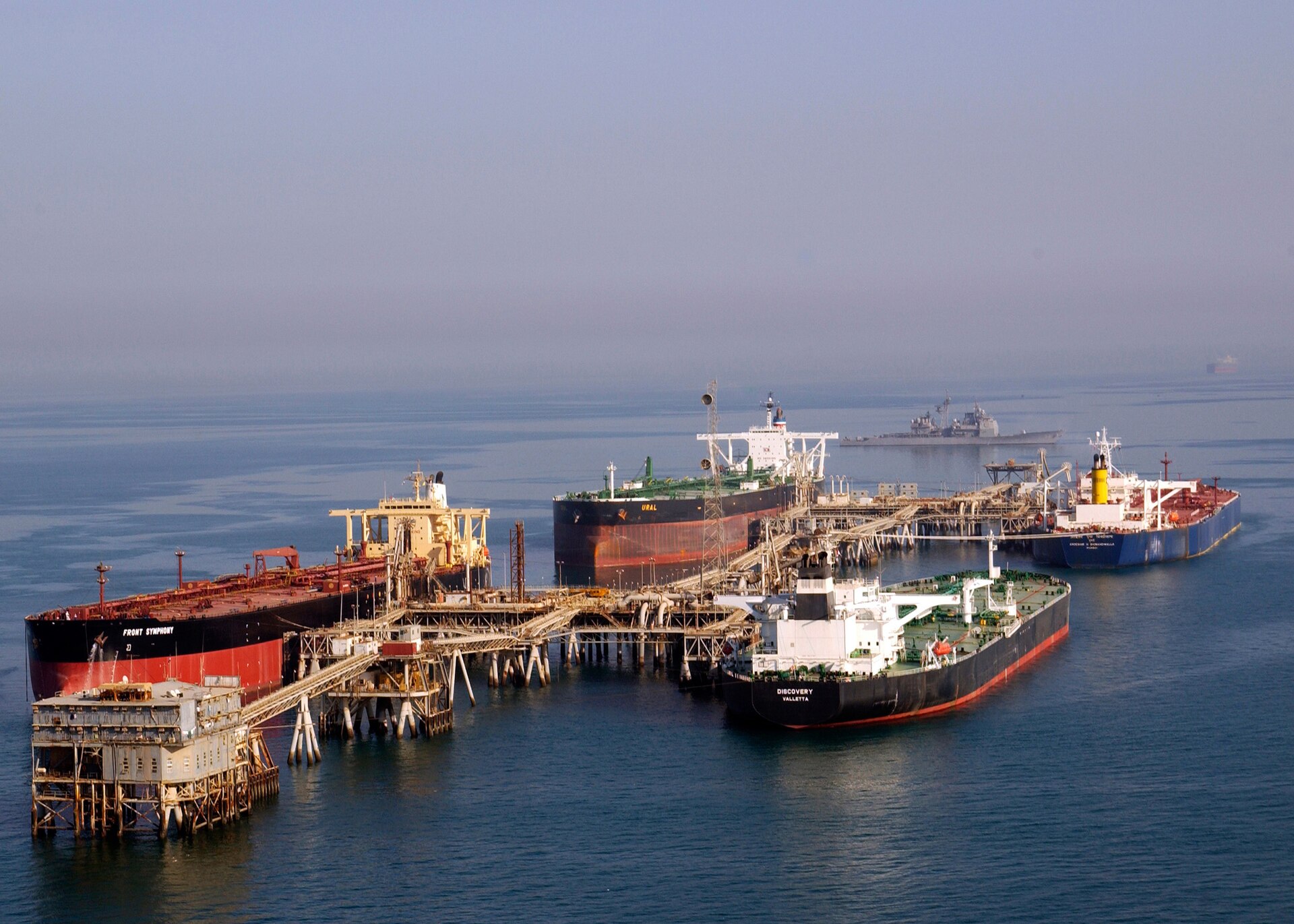
The Strait of Hormuz is the single most important energy chokepoint on Earth for China. Before the war, approximately 45 to 50 percent of China’s crude oil imports transited the waterway, according to data from the Columbia University Center on Global Energy Policy. That figure translated to roughly 5.35 million barrels per day of Chinese-bound oil flowing through a passage just 33 kilometres wide at its narrowest point.
Since Iran’s partial blockade began, that flow has dropped to approximately 1.22 million barrels per day — exclusively Iranian crude purchased by Chinese refiners under pre-existing contracts. Beijing’s vulnerability was always theoretical. Now it is measured in missing tanker movements and emergency drawdowns from strategic reserves.
The scale of exposure is documented. Saudi Arabia supplied 14.9 percent of China’s total crude imports in 2025, according to Hellenic Shipping News data. Iraq provided 11.2 percent, the UAE 6.4 percent, Oman 6.1 percent, and Kuwait 3.3 percent. Iran itself contributed 13 percent. When aggregated, Gulf producers accounted for more than 55 percent of China’s crude imports by volume — all transiting the Strait.
China’s resilience, however, has surprised analysts. Beijing entered the crisis with 1.39 billion barrels of oil in strategic and commercial storage as of March 2, enough to cover approximately 120 days of net crude imports at 2025 consumption levels, according to estimates cited by Columbia’s energy policy centre. China is also 85 percent energy self-sufficient when accounting for domestic coal, renewables, and nuclear capacity. A CNBC analysis from March 9 argued that China could withstand the oil shock “more easily than other countries” precisely because of deliberate diversification away from Persian Gulf dependency.
But resilience is not immunity. Chinese refineries running at full capacity require specific crude grades — the medium-sour barrels Saudi Arabia and Iraq specialise in. Strategic reserves deplete on a fixed timeline. And the LNG disruption is potentially more acute: China imported 31 percent of its liquefied natural gas from the Middle East in 2025, a dependency less easily offset than crude oil because of the infrastructure specificity of LNG receiving terminals.
The war has also exposed a strategic contradiction at the heart of China’s energy policy. Beijing spent two decades diversifying oil import sources — building pipelines from Central Asia, securing contracts in Africa and South America, developing domestic shale capacity. Yet the gravitational pull of Gulf crude, competitively priced and available in volume, meant that actual dependency on Hormuz barely declined even as alternative routes proliferated. The diversification was real on paper. In barrels, the Gulf remained essential.
The Belt and Road Projects Nobody Can Finish
The war has frozen a constellation of Chinese infrastructure and investment projects across the Gulf that collectively represent billions of dollars in committed capital. These are not abstract future commitments. They are active construction sites, signed contracts, and deployed workforces that have been halted by missile fire, shipping disruptions, and the insurance market’s refusal to cover Gulf-based assets at any affordable premium.
The most visible casualty is NEOM. China had been positioning itself as a key technology and construction partner for Saudi Arabia’s $500 billion megaproject, with Chinese firms negotiating contracts for solar panel manufacturing, hydrogen infrastructure, and digital city systems. But NEOM itself is now being dismantled into five separate entities, its flagship Line project suspended since September 2025, and a $1 billion tunnelling contract with Hyundai Engineering cancelled as recently as March 12, 2026. The synergy between Vision 2030 and BRI that Xi and King Salman celebrated in 2022 has been subordinated to wartime realities — military spending, civil defence, and the immediate need to keep energy exports flowing through Red Sea alternatives.
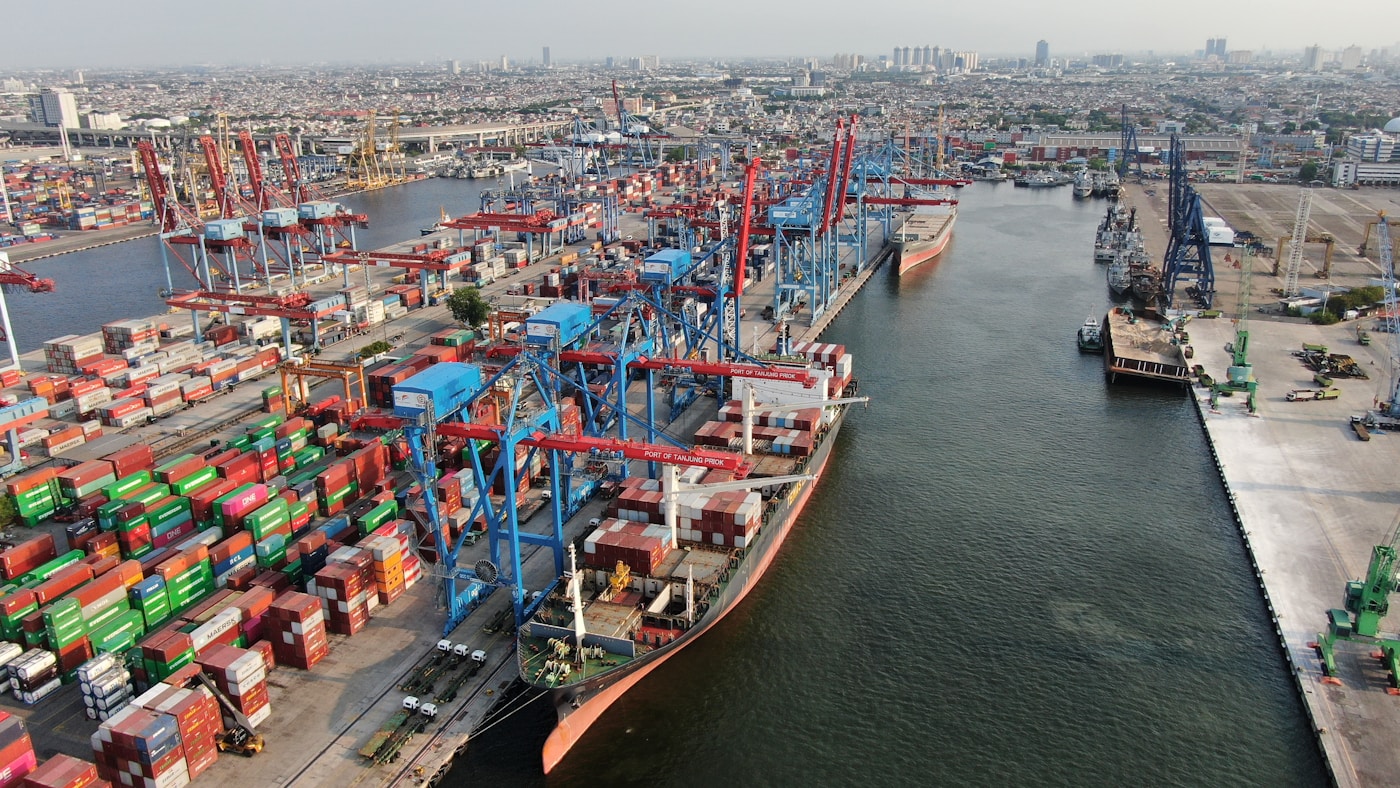
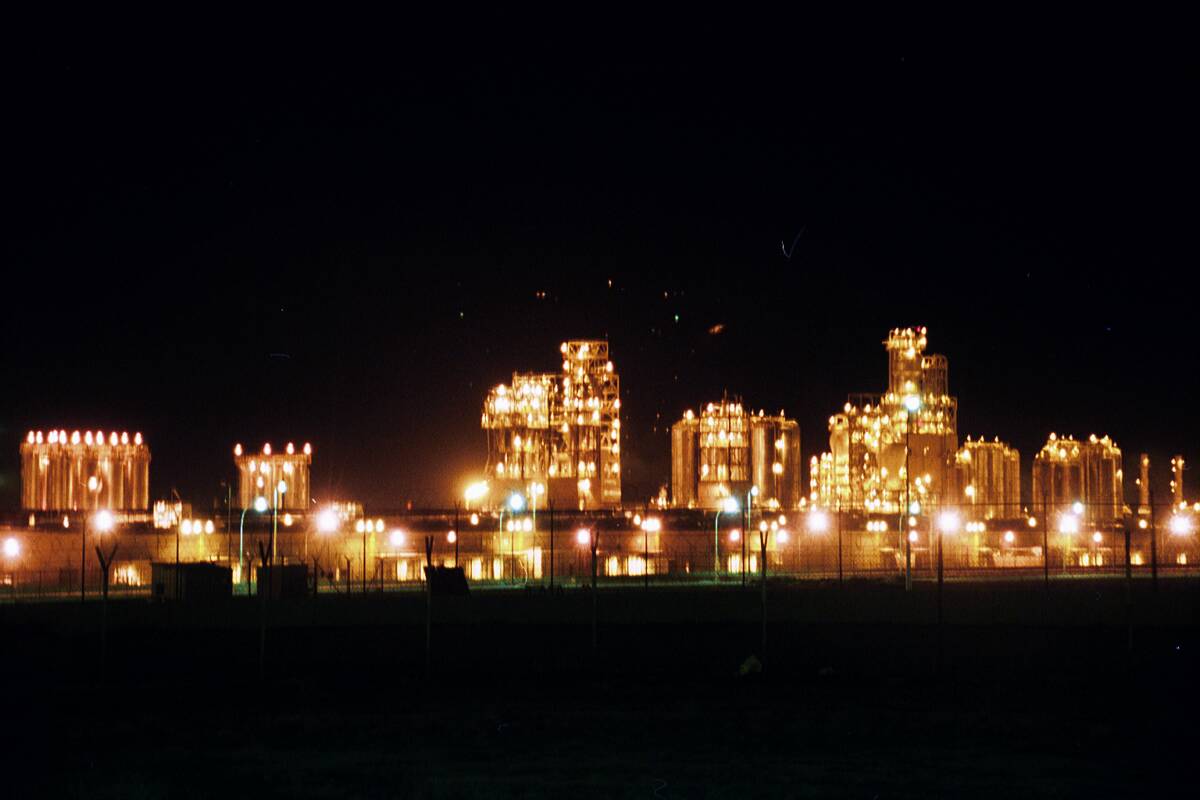
Saudi Aramco’s joint ventures with Chinese energy firms face a different constraint. The downstream petrochemical complexes that China and Saudi Arabia had been co-developing — designed to add value to crude rather than simply exporting it — depend on feedstock flows that the Hormuz closure has disrupted. Aramco’s first cargoes of Jafurah condensate, loaded from Yanbu in March, represented an attempt to bypass the blockade through Red Sea routes. But the Yanbu refinery itself was struck by Iranian missiles on March 20, demonstrating that even the bypass corridors are now contested.
Across the wider Gulf, the picture is similarly frozen. The DataVolt data centre partnership at NEOM’s Oxagon — a $5 billion commitment to AI infrastructure — sits in a construction zone where workers have been evacuated. Chinese telecommunications firms that had been building 5G networks across the GCC face supply chain disruptions as container shipping through the Gulf has collapsed. Construction materials, heavy machinery, and specialised equipment that once arrived via Hormuz must now find alternative routes at multiples of the previous shipping cost.
The insurance dimension alone may prove more destructive than the missiles. War-risk insurance premiums for Gulf construction projects have increased by between 500 and 1,000 percent since the war began, according to industry estimates. For projects operating on thin margins — which describes most infrastructure construction — this effectively makes continued work financially impossible. The premiums will not fall back to pre-war levels for years after fighting ends, creating a long tail of economic damage that extends far beyond the last ceasefire.
Why Has Beijing Stayed Silent While Its Interests Burn?
China’s response to the war — the war that has destroyed its Gulf peace deal, disrupted half its oil imports, and frozen billions in investment — has been described by Al Jazeera as “silence” and by CNN as “very little.” This is a remarkable understatement of what is, in fact, a deliberate and calculated strategic choice.
Beijing’s official position has remained procedurally correct and substantively empty. The Foreign Ministry has called for an “immediate stop to military operations,” urged resolution “through political and diplomatic means,” and expressed support for Iran’s sovereignty and territorial integrity. China voted against the US at the United Nations Security Council. It evacuated 3,000 citizens from Iran. It sent a special envoy on a regional diplomatic tour. And then it did nothing of material consequence to stop the bombs from falling or the missiles from flying.
The restraint is not confusion. It is calculation. Beijing cannot simultaneously maintain its relationship with the Gulf Arab states — collectively its largest trading bloc in the Middle East — and provide meaningful support to Iran without choosing sides in a conflict where both sides are economically essential. China buys Saudi oil. It also buys Iranian oil — 90 percent of Iran’s remaining export volume, according to CNBC reporting. Backing Tehran militarily would trigger sanctions, trade disruptions, and the potential loss of the $107 billion Saudi trade relationship. Backing Riyadh would alienate the last major oil producer willing to sell in yuan and accept Chinese strategic partnership on Beijing’s terms.
So China chose neither. And the choice, while appearing passive, carries a strategic logic that few Western analysts have fully mapped. By staying out of the fighting, Beijing avoids the costs of military intervention while preserving relationships with all parties for the post-war settlement. It is, in essence, applying to the Middle East the same formula it used during the Russia-Ukraine war — vocal disapproval of the aggressor, quiet material engagement with both sides, and patient positioning for the economic opportunities that follow destruction.
The Diplomat noted that the war presents China with “a difficult choice” between its economic interests in the Gulf and its strategic relationship with Tehran. But the evidence suggests Beijing has already made the choice: it will sacrifice Iran’s military ambitions to preserve its Gulf commercial architecture. The special envoy’s regional tour, which multiple sources credit with helping dissuade Gulf Arab states from joining the war as belligerents, served Beijing’s interests more than Tehran’s. A wider war would have destroyed more Chinese assets. Keeping the conflict contained — even at Iran’s expense — protects the investments that matter most.
The Restraint Dividend — Beijing’s Wartime Calculus
The conventional analysis holds that China has lost enormously from the Iran war — its peace deal destroyed, its energy supply disrupted, its BRI projects frozen, its regional influence diminished. This analysis is correct in the short term and almost certainly wrong in the medium term. The reason lies in what might be called the Restraint Dividend: the compound strategic advantage that accrues to the power that refuses to fight in a war where everyone else is spending.
| Strategic Dimension | Wartime Loss | Post-War Gain | Net Assessment |
|---|---|---|---|
| Energy supply | 50% crude import disruption via Hormuz | Rebuilt supply at lower prices from weakened Gulf producers | Short-term pain, long-term advantage |
| Diplomatic capital | 2023 peace deal destroyed | Only major power not at war with anyone in the region | Net gain — enhanced mediator credibility |
| BRI infrastructure | Billions in projects frozen | Massive reconstruction demand requiring exactly what China builds | Delayed, not destroyed |
| Arms market | No change — China was not a Gulf arms supplier | Gulf states diversifying away from sole US dependency | Net gain — new market opening |
| Currency influence | Petroyuan momentum stalled | Dollar-denominated war increases appetite for alternatives | Neutral to positive |
| Regional relationships | Cannot protect partners from attack | No war debts, no civilian casualties, no occupation fatigue | Net gain — clean hands advantage |
The matrix reveals a pattern that American and European policymakers should find deeply uncomfortable. In almost every dimension, China’s wartime losses are temporary and recoverable, while its post-war gains are structural and potentially permanent. The United States is spending $200 billion (according to the Pentagon’s own budget request for Iran war operations) and deploying thousands of Marines to defend Gulf airspace. When the war ends, Washington will present a bill — in the form of arms purchases, basing rights, diplomatic alignment, and continued dependency. Beijing will present an invoice too — but for construction contracts, technology partnerships, and energy deals that Gulf states actually want.
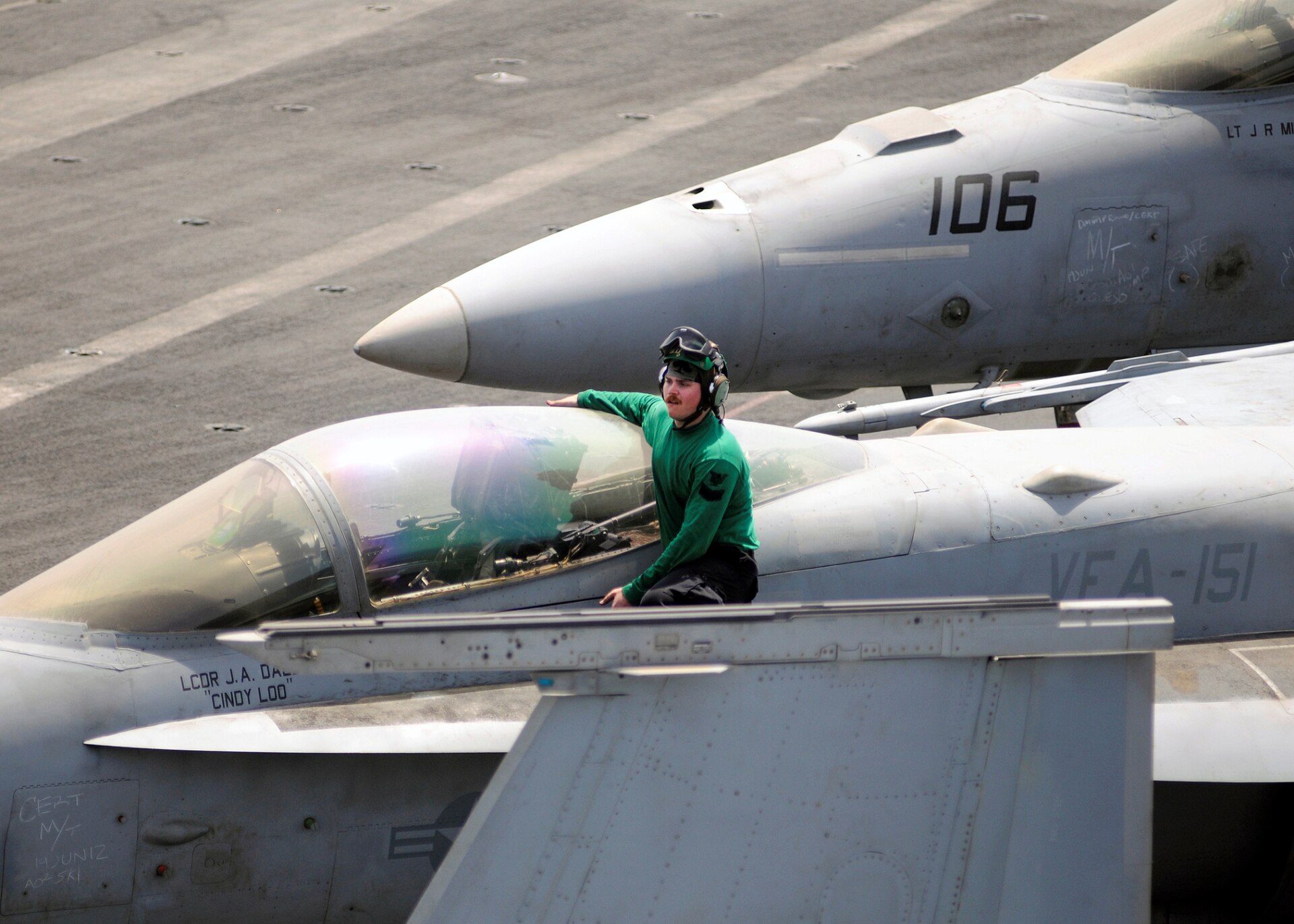
Saudi Arabia has already signalled which direction it is leaning. In March 2026, even while American Patriot batteries defended Riyadh from Iranian missiles, the Kingdom signed a $5 billion deal to build Chinese combat drones in Jeddah. The deal, reported on March 11, was not a wartime emergency measure. It was a strategic investment in post-war defence industrial capacity — and it was placed with Beijing, not Washington. The message was unmistakable: Saudi Arabia will accept American protection during the crisis. It will diversify toward Chinese alternatives after it ends.
The Restraint Dividend compounds over time. Every month the war continues, the gap between American military expenditure and Chinese economic positioning widens. Every civilian casualty from an American-supplied bomb in Iran generates political capital for the power that kept its hands clean. Every disrupted Gulf construction project creates pent-up demand for the reconstruction boom that will follow. China is not winning the war. It is winning the peace before the peace has even been negotiated.
Can the Petroyuan Survive a Dollar-Denominated War?
The Iran war arrived at the worst possible moment for China’s campaign to denominate Gulf oil trade in yuan. By early 2026, Saudi Arabia had already announced it would accept yuan, euros, yen, and digital currencies for oil transactions — a shift driven by the reality that China had displaced the United States as the Kingdom’s largest oil customer. The mBridge cross-border digital currency platform, developed with the People’s Bank of China and central banks from the UAE, Thailand, and Hong Kong, had processed more than $55.5 billion in transactions by November 2025, with the digital yuan accounting for 95 percent of volume.
Then the Strait of Hormuz closed, and the dollar reasserted itself with the brute force that only a military superpower can deploy. The war’s logistics run on dollars. Arms purchases are denominated in dollars. Emergency oil transactions from the International Energy Agency’s 400-million-barrel strategic release are settled in dollars. Sanctions enforcement — which the United States has weaponised to restrict Iranian oil revenue — operates through the dollar-based SWIFT system. In wartime, the currency of the power doing the fighting becomes the currency of the theatre.
The short-term damage to petroyuan momentum is real. Trading volumes through mBridge have dropped as Gulf financial institutions prioritise dollar liquidity to manage war-related volatility. Saudi Aramco’s emergency crude sales to Asian buyers are being priced in dollars, not yuan, because international oil markets remain dollar-benchmarked and war-risk premiums are calculated in dollar terms. The vision of a multipolar currency system for energy trade has not been abandoned, but it has been postponed.
Yet the war may ultimately accelerate the very shift it has temporarily stalled. The Foreign Affairs Forum published an analysis on March 16 arguing that the “petroyuan ultimatum” created by the Hormuz crisis represents the most significant structural challenge to dollar hegemony in energy markets since the 1973 oil embargo. The logic is straightforward: the United States used its financial system as a weapon against Iran. Every Gulf state watching this process is now calculating the risk of being similarly targeted in any future disagreement with Washington. De-dollarisation was an aspiration before the war. After it, the motivation is existential.
The structural foundations for petroyuan expansion remain intact. Saudi Arabia’s BRICS membership, formalised in 2024, provides an institutional framework for non-dollar trade settlement. The mBridge platform’s technical infrastructure was not damaged by the war. And the fundamental driver — that China buys more Gulf oil than any other country — has not changed. When Hormuz reopens and tanker traffic normalises, the yuan-for-crude arrangements will resume with the added political impetus of a war that demonstrated exactly why dependence on the dollar carries strategic risk.
Iran has since turned to BRICS directly, with President Pezeshkian asking India to use its BRICS chairmanship to broker a ceasefire — a move that could complement or compete with Beijing’s own post-war ambitions.
What Is China’s Post-War Gulf Strategy?
Beijing has not publicly articulated a post-war Gulf strategy, which is itself a strategic signal. China does not announce plans that depend on the failure of American military operations. But the outlines of Beijing’s positioning are visible in its diplomatic movements, its commercial preparations, and the analytical framework articulated by Chinese foreign policy scholars in state-adjacent publications.
The first pillar is reconstruction. The war has damaged energy infrastructure across at least seven Gulf states. Saudi Arabia’s Yanbu refinery has been hit. Qatar’s Ras Laffan LNG facility took missile damage. Kuwait’s Mina Al-Ahmadi terminal was struck. The UAE’s Shah gas field was set ablaze by Iranian drones. Bahrain’s fuel depot was destroyed. Even Oman — the Gulf’s traditional neutral — saw its Salalah port attacked. The reconstruction bill will run into hundreds of billions of dollars, and Chinese construction firms — which already account for the largest share of BRI projects in the region — are the most cost-competitive bidders on Earth for large-scale infrastructure.
The second pillar is arms diversification. Saudi Arabia signed the $5 billion Chinese drone manufacturing deal during the war. It also secured a $5 billion data centre partnership and agreed to build Korean air defence systems. The pattern is clear: Riyadh is moving from a model of near-total American arms dependency to a diversified defence industrial base that draws from Chinese, Korean, Ukrainian, and European suppliers. Beijing’s drone technology — particularly the Wing Loong and CH-series unmanned combat aerial vehicles — is price-competitive and battle-tested in ways that appeal to Gulf militaries rebuilding depleted arsenals.
The third pillar is diplomatic re-entry. China will host the second China-Arab Summit in 2026, providing a formal venue to present itself as a reconstruction partner, a conflict mediator, and an alternative to the American security model that Gulf states now view as both essential and insufficient. The summit will occur in the aftermath of a war that demonstrated America’s willingness to start conflicts and China’s willingness to fund recovery from them. The positioning is deliberate.
The fourth pillar is technology transfer. Saudi Arabia’s pivot away from NEOM-style megaprojects toward AI, data centres, mining, and advanced manufacturing creates demand for exactly the capabilities Chinese tech firms possess. Huawei, ZTE, and a constellation of Chinese AI companies have been building Gulf-facing operations for years. The war has accelerated Saudi Arabia’s technology diversification by demonstrating the strategic vulnerability of a single-source dependency model — whether in arms, energy, or digital infrastructure.
The Reconstruction Gold Rush Beijing Is Already Planning
History offers a template for what comes next. After the 1991 Gulf War, American and European firms dominated the reconstruction of Kuwait. After the 2003 Iraq War, American contractors — Halliburton, Bechtel, KBR — secured the majority of rebuilding contracts under political arrangements that excluded competitors. But the 2026 reconstruction will unfold in a fundamentally different geopolitical environment. The United States may have fought the war. China may build the peace.
The scale of damage creates the scale of opportunity. Goldman Sachs warned on March 17 that Gulf states face their worst recession in a generation. Brent crude surged past $119 before crashing back to $107 as markets priced in both supply disruption and demand destruction. The IEA released a record 400 million barrels from strategic reserves. Seventeen days of war, according to one House of Saud analysis, had already cost the Gulf more than the Covid-19 pandemic. When fighting ends, the rebuilding starts — and Chinese firms have structural advantages that no Western competitor can match.
Cost is the first advantage. Chinese construction firms operate at margins 30 to 40 percent below American and European competitors for equivalent infrastructure projects, according to analysis from the Mercator Institute for China Studies. In a post-war environment where Gulf sovereign wealth funds are depleted and reconstruction budgets are constrained, cost competitiveness is not a secondary consideration — it is the primary one.
Speed is the second advantage. China’s track record of rapid infrastructure delivery — from hospitals built in ten days during the Covid-19 pandemic to entire railway systems delivered in three to five years — offers Gulf governments the ability to restore damaged infrastructure faster than Western alternatives. For Saudi Arabia, whose Vision 2030 timeline has been disrupted by the war, speed of reconstruction determines whether the Kingdom’s modernisation agenda can be salvaged.
Scale is the third advantage. The reconstruction will require simultaneous work across multiple Gulf states — Saudi Arabia, the UAE, Qatar, Kuwait, Bahrain, and Oman. No other country has the construction workforce, equipment supply chain, and project management capacity to operate across this geographical scope. Chinese state-owned enterprises like China State Construction Engineering, PowerChina, and China Railway Construction regularly manage portfolios of $50 to $100 billion in overseas projects simultaneously.
The political economy favours Beijing as well. Gulf states that accepted American military protection during the war will face domestic political pressure to balance that dependency with economic relationships that do not carry military strings. Awarding reconstruction contracts to Chinese firms serves this balancing function — demonstrating strategic autonomy while maintaining the American security umbrella. It is a formula Riyadh has perfected: buy American weapons, build with Chinese concrete.
Saudi Arabia’s Dual Dependency — Washington’s Guns, Beijing’s Money
The Iran war has crystallised a structural reality that Saudi foreign policy has been managing for the better part of a decade. The Kingdom depends on the United States for security and on China for economic growth. These dependencies are not symmetrical, they are not interchangeable, and the war has made both more acute.
The security dependency is existential and immediate. American Patriot batteries, THAAD systems, and fighter aircraft are defending Saudi airspace against Iranian missiles and drones. A Greek Patriot battery intercepted Iranian missiles over Saudi Arabia on March 19 — but the system was American-made and the interception doctrine was American-designed. Without the US military umbrella, Saudi Arabia’s air defence network would have been overwhelmed within the first week of sustained Iranian attack.
The economic dependency is structural and long-term. China purchased more Saudi crude in 2024 than any other country. Chinese investment in Saudi infrastructure — from construction to telecoms to renewable energy — exceeded American investment by a factor of three. The $107 billion bilateral trade relationship dwarfs the $26 billion Saudi-US trade figure. When Mohammed bin Salman envisions the post-oil economy he has staked his legacy on, the capital, technology, and market access he needs come overwhelmingly from Beijing, not Washington.
The war has made this dual dependency politically untenable in ways that pre-war diplomacy had managed to obscure. Washington is asking why it should defend a country that signs drone manufacturing deals with China during the very conflict American troops are dying to fight. Beijing is asking why it should fund reconstruction for a country that hosts the American military bases being used to destroy China’s only major Middle Eastern ally. Both questions are reasonable. Neither has a comfortable answer for Riyadh.
The Kingdom’s response, characteristically, has been to deepen both dependencies simultaneously rather than choose between them. The $5 billion Chinese drone deal and the $16 billion American arms package announced in March 2026 were not contradictions — they were complementary elements of a deliberate hedging strategy. Saudi Arabia wants American missiles today and Chinese factories tomorrow. The question is whether Washington and Beijing will continue to tolerate a partner that refuses to choose.
The Second China-Arab Summit and What Follows
The second China-Arab Summit, scheduled for 2026, will convene in the aftermath of the most destructive military conflict in the Middle East since the Iraq War. The first summit, held in Riyadh in December 2022 during Xi Jinping’s landmark visit, produced sweeping declarations of partnership and billions in signed agreements. The second will occur in a region that has been bombed, blockaded, and fundamentally reshaped by a war that China did not start, did not fight, and is now positioning itself to profit from.
The summit’s significance extends beyond bilateral diplomacy. It represents an institutional framework through which Beijing can offer Gulf states an alternative model of great-power engagement — one defined by economic partnership rather than military alliance, trade rather than troop deployments, and investment rather than intervention. The contrast with the American model, which the war has defined in terms of missile strikes, carrier battle groups, and congressional emergency spending, could not be more stark.
Specific deliverables under discussion include the acceleration of a China-GCC Free Trade Agreement, expansion of yuan-denominated Exchange Traded Funds linked to Gulf sovereign wealth, and the delivery of petrochemical joint venture projects that have been in planning since Xi’s 2022 visit. The Bruegel Institute’s March 2026 analysis noted that the war has created a “window of opportunity” for China to deepen Gulf economic ties precisely because the conflict has demonstrated the limits of economic relationships built solely on American security guarantees.
Whether this opportunity materialises depends on a variable Beijing does not control: the duration of the war. A short conflict followed by rapid normalisation would limit the Restraint Dividend and allow Western firms to compete for reconstruction contracts under familiar terms. A protracted war — with sustained Hormuz disruption, continued insurance market dysfunction, and escalating reconstruction costs — plays directly to Chinese strengths in cost-competitive construction, alternative trade routes, and patient capital deployment.
The evidence from three weeks of fighting suggests the longer scenario is more likely. Iran has shown no indication of accepting a ceasefire. The United States has made maximalist demands for the destruction of Iran’s nuclear programme. Saudi Arabia’s foreign minister has reserved the right to military action. And the Strait of Hormuz remains functionally closed. Every additional day of conflict deepens the structural dependencies that will define the post-war order — and those dependencies increasingly point toward Beijing.
| Year | Milestone | War Impact |
|---|---|---|
| 2013 | China becomes Saudi Arabia’s largest trading partner | Trade relationship intact but volumes disrupted |
| 2016 | Xi Jinping’s first Saudi visit; BRI integration signed | BRI projects frozen, construction halted |
| 2022 | Xi’s second Saudi visit; $30B in deals, comprehensive strategic partnership | Many projects delayed; partnership strained but not broken |
| 2023 | China brokers Saudi-Iran rapprochement | Deal completely destroyed by war |
| 2024 | Saudi Arabia joins BRICS; BRI investment hits $39B in Middle East | BRICS solidarity tested; investment frozen |
| 2025 | mBridge processes $55.5B; petroyuan adoption grows | Transaction volumes disrupted; platform intact |
| 2026 | War begins; China evacuates citizens, sends envoy | Short-term losses; long-term positioning underway |
Frequently Asked Questions
What was China’s 2023 Saudi-Iran peace deal?
In March 2023, China brokered a diplomatic agreement between Saudi Arabia and Iran to restore relations after seven years of hostility. Chinese Foreign Minister Wang Yi mediated the deal in Beijing, which resulted in the reopening of embassies and a commitment to non-aggression. The agreement was destroyed when Iran launched missiles and drones at Saudi Arabia and other Gulf states following the US-Israeli attack on Iran in February 2026, with Saudi Foreign Minister Prince Faisal bin Farhan declaring trust “completely shattered.”
How much does China depend on Gulf oil through the Strait of Hormuz?
Before the war, approximately 45 to 50 percent of China’s crude oil imports transited the Strait of Hormuz, totalling roughly 5.35 million barrels per day. Saudi Arabia alone supplied 14.9 percent of China’s crude imports in 2025. Since the Hormuz closure, flows have dropped to approximately 1.22 million barrels per day. China maintains strategic petroleum reserves of 1.39 billion barrels, enough to cover approximately 120 days of net crude imports.
Why has China not intervened in the Iran war?
Beijing has calculated that intervention on either side would destroy more value than restraint. Supporting Iran militarily would trigger US sanctions and jeopardise the $107 billion Saudi-China trade relationship. Supporting the Gulf states against Iran would alienate Beijing’s only major Middle Eastern strategic ally and its largest source of sanctions-defying oil purchases. By staying out, China preserves relationships with all parties and positions itself as the essential post-war partner for reconstruction, investment, and trade.
What is the Belt and Road Initiative’s role in Saudi Arabia?
Saudi Arabia was the largest recipient of Chinese BRI investment in the Middle East in 2024, accounting for $19 billion of the region’s $39 billion total. BRI projects in the Kingdom span green energy, hydrogen, construction, digital infrastructure, and transportation. Xi Jinping and King Salman signed an agreement to synergise Vision 2030 with BRI cooperation in 2022. The war has frozen many projects, but Chinese firms are expected to lead post-war reconstruction given their cost advantages of 30 to 40 percent below Western competitors.
Will the petroyuan replace the petrodollar after the war?
A complete replacement is unlikely in the near term, but the war has accelerated the structural shift toward a multipolar currency system for energy trade. Saudi Arabia has already signalled willingness to accept yuan for oil settlements, and the mBridge digital payment platform processed $55.5 billion in transactions by November 2025. The war demonstrated the strategic risk of dollar dependency when the United States weaponises its financial system, giving Gulf states additional motivation to diversify currency exposure for oil transactions.
How will China benefit from Gulf reconstruction after the war?
Chinese construction firms hold structural advantages in cost (30-40 percent below Western competitors), speed (proven rapid delivery capabilities), and scale (state-owned enterprises managing $50-100 billion in overseas projects simultaneously). The war damaged energy infrastructure across at least seven Gulf states, creating reconstruction demand worth hundreds of billions. China will host the second China-Arab Summit in 2026, providing a platform to position itself as the primary reconstruction partner for Gulf economies seeking to rebuild quickly and affordably.