
JEDDAH — Formula 1 is set to cancel both the Bahrain Grand Prix and the Saudi Arabian Grand Prix in April 2026, marking the first time in the sport’s history that Middle Eastern races — see our Saudi Arabia events calendar — have been pulled from the calendar due to an active military conflict. The decision, expected to be formally confirmed by Sunday, March 16, will reduce the 2026 season from 24 to 22 races and create a five-week gap in the schedule as the Iran war enters its third week with no ceasefire in sight.
The cancellation represents a direct collision between the Gulf region’s multi-billion-dollar sports diplomacy ambitions and the security reality of a conflict that has sent Iranian drones over Saudi cities, shut down the Strait of Hormuz to commercial shipping, and forced the United States to order non-emergency embassy staff out of the Kingdom. For Saudi Arabia, which pays $55 million per year to host its Grand Prix in Jeddah and has invested more than $6 billion in its sports industry since 2021, the blow extends far beyond motorsport.
Table of Contents
- What Did F1 Announce About the 2026 Gulf Races?
- Why Were Both Races Cancelled Instead of Postponed?
- The Financial Cost of Two Missing Grands Prix
- How Does the Cancellation Affect the 2026 F1 Calendar?
- Saudi Arabia’s $650 Million F1 Investment at Risk
- The War That Grounded the Grid
- What Other Sporting Events Are Threatened?
- Frequently Asked Questions
What Did F1 Announce About the 2026 Gulf Races?
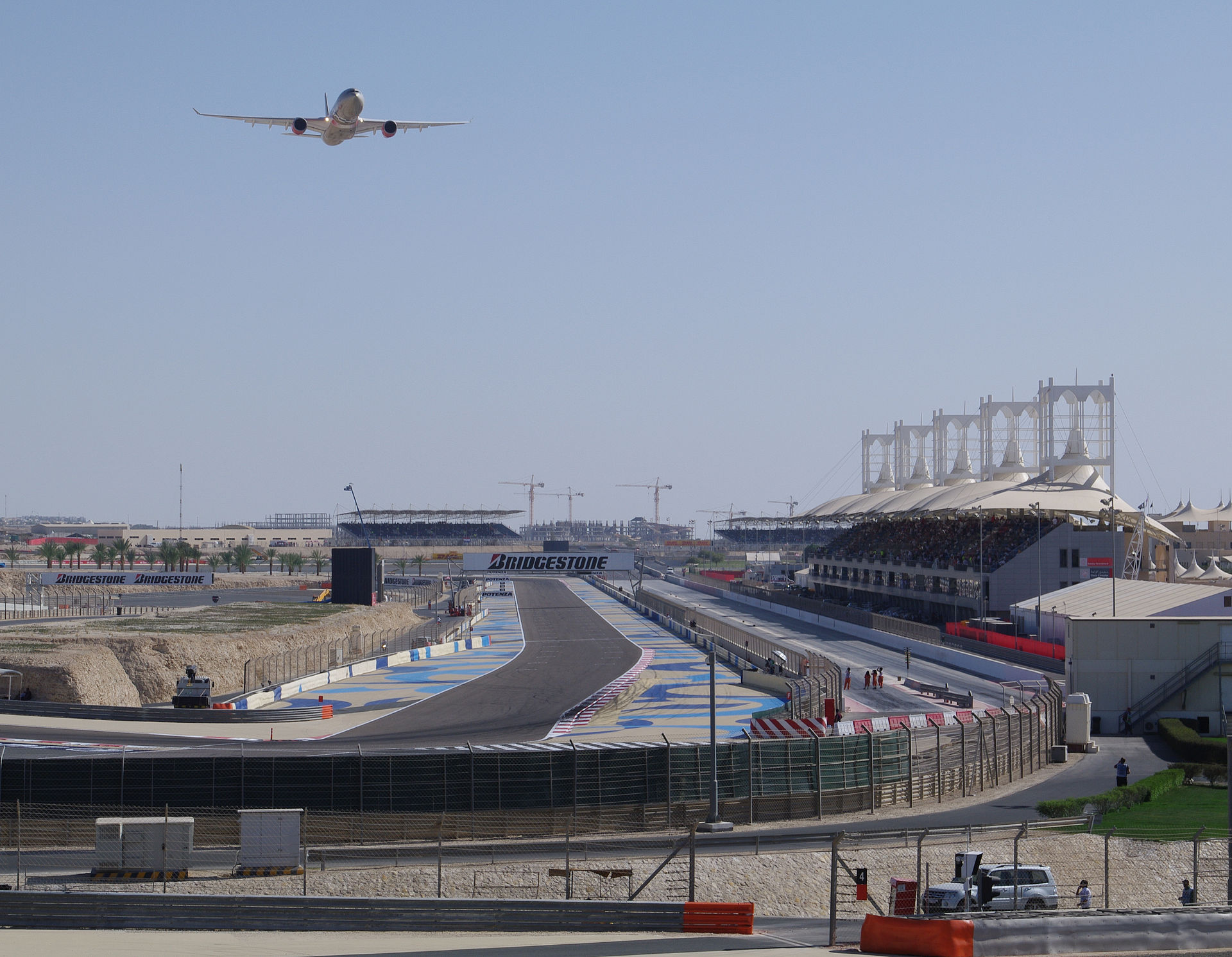
Formula 1 management informed teams and stakeholders on Thursday, March 13 that the Bahrain Grand Prix, scheduled for April 10-12, and the Saudi Arabian Grand Prix, scheduled for April 17-19 in Jeddah, will not take place in 2026. The decision was driven by security assessments, logistics constraints, and insurance considerations related to the ongoing Iran war, according to multiple sources within the F1 paddock cited by Sky Sports, ESPN, and Al Jazeera.
The Bahrain International Circuit in Sakhir and the Jeddah Corniche Circuit are both located within the range of Iranian ballistic missiles and drones that have struck targets across the Gulf since February 28. Saudi air defenses intercepted more than 50 drones over the Kingdom on Friday alone, including over Riyadh’s Diplomatic Quarter and the Eastern Province, according to the Saudi Ministry of Defense.
Neither Formula 1 nor the FIA has issued a formal public statement as of Friday evening. Sky Sports reported that the confirmation is expected by end of day Sunday, March 16. The races will not be replaced on the 2026 calendar, multiple sources confirmed to ESPN, as the compressed March-December schedule leaves no room for additional dates.
The Saudi Motorsport Company, which promotes the Jeddah race, declined to comment. The Bahrain International Circuit has not issued a public statement.
Why Were Both Races Cancelled Instead of Postponed?
The cancellation rather than postponement came down to three factors: freight logistics, insurance, and the absence of a foreseeable end to the conflict, according to ESPN’s reporting.
The FIA operates a strict freight shipping deadline for all cars, equipment, and garage infrastructure. For the Bahrain and Saudi races in April, the shipping cutoff was March 20, 2026. With the Japanese Grand Prix in Suzuka not concluding until March 29, F1 faced an impossible logistics window. Teams could not guarantee that freight shipped to the Gulf region would arrive safely or be returned, given that commercial shipping through the Strait of Hormuz has effectively ground to a halt.
Insurance was a separate but equally decisive factor. Race promoters carry comprehensive event-cancellation and liability policies. Multiple underwriters informed the Bahrain and Saudi race organizers that they could not provide coverage for events held in active conflict zones, according to the Financial Times. Lloyd’s of London, which underwrites a significant portion of global motorsport insurance, has designated the entire Gulf Cooperation Council area as an elevated-risk zone since Iran began launching missiles at GCC member states on March 1.
The conflict itself shows no signs of abating. Iran’s new Supreme Leader, Mojtaba Khamenei, declared on March 12 that the Strait of Hormuz would remain closed and attacks on U.S. bases and allied nations would continue until American forces leave the region. U.S. Defense Secretary Pete Hegseth said joint U.S.-Israeli strikes had hit more than 15,000 Iranian targets, but drone and missile volume, while reduced by 90-95 percent from its peak, continues daily.
Postponement would have required identifying alternative dates later in the season, which the 2026 calendar does not have. The schedule already runs to 24 races across 10 months, with no empty weekends available between May and December.
The Financial Cost of Two Missing Grands Prix
The combined financial impact of losing both Gulf races exceeds $100 million in hosting fees alone, according to Yahoo Sports. Saudi Arabia pays $55 million annually to host the Jeddah Grand Prix, the joint-highest race promotion fee in Formula 1 alongside Qatar and Azerbaijan. Bahrain pays approximately $50 million, according to industry estimates compiled by RacingNews365.
| Revenue Category | Bahrain GP | Saudi Arabian GP | Combined |
|---|---|---|---|
| Hosting fee to F1 | ~$50M | $55M | ~$105M |
| Ticket revenue (est.) | $15-20M | $20-25M | $35-45M |
| Hospitality and corporate packages | $10-15M | $15-20M | $25-35M |
| Local economic activity (hotels, transport, dining) | $40-60M | $60-80M | $100-140M |
| Broadcast and media value loss | $20-30M | $20-30M | $40-60M |
For Formula 1 itself, the loss of approximately $105 million in hosting fees will be partially offset by contractual force majeure provisions. Most hosting agreements include clauses that reduce or eliminate payments when events are cancelled due to circumstances beyond the promoter’s control, such as war, pandemic, or natural disaster. The COVID-19 pandemic established precedent when the 2020 Bahrain Grand Prix was rescheduled rather than cancelled, though the financial terms were renegotiated.
The broader economic impact extends well beyond the hosting fees, and forms part of the wider collapse of the entertainment economy that underpinned Saudi Arabia’s social contract with its citizens. The Saudi Arabian Grand Prix generated an estimated $500 million in total economic activity for Jeddah during its 2025 edition, according to the Saudi Tourism Authority. Hotels, restaurants, transportation services, and retail businesses along the Corniche and throughout the city benefit from the influx of an estimated 100,000 visitors across the race weekend.
Saudi Aramco, which holds a separate multi-year global F1 title sponsorship deal valued at approximately $45-50 million annually, will continue to receive branding exposure at the remaining 22 races. That deal is independent of the Jeddah circuit’s hosting arrangement.
How Does the Cancellation Affect the 2026 F1 Calendar?
The removal of both races creates a five-week gap in the 2026 season between the Japanese Grand Prix at Suzuka on March 27-29 and the Miami Grand Prix on May 1-3. The season, which was scheduled for a record 24 races, will now feature 22 Grands Prix.
| Round | Race | Date | Status |
|---|---|---|---|
| 1 | Australian Grand Prix (Melbourne) | March 13-15 | Completed |
| 2 | Chinese Grand Prix (Shanghai) | March 20-22 | Scheduled |
| 3 | Japanese Grand Prix (Suzuka) | March 27-29 | Scheduled |
| 4 | Bahrain Grand Prix (Sakhir) | April 10-12 | CANCELLED |
| 5 | Saudi Arabian Grand Prix (Jeddah) | April 17-19 | CANCELLED |
| 6 | Miami Grand Prix | May 1-3 | Scheduled |
F1 management explored potential replacement venues but determined that the timeline was too short and the logistical burden too high, ESPN reported. Potential stand-in circuits such as Istanbul Park in Turkey, Portimao in Portugal, and Mugello in Italy were considered, but the March 20 freight shipping deadline made any European or Asian alternative unworkable for the original April dates.
For teams, the five-week break offers an unexpected development window during a season that introduces the most significant regulation changes in Formula 1’s history. The 2026 technical regulations mandate entirely new power units with increased electrical output, active aerodynamics, and reduced car weight. Teams were already struggling with reliability during pre-season testing and the opening rounds, and several team principals privately acknowledged that the break would be welcomed for engineering purposes, according to The Race.
The 22-race calendar remains the third-longest in F1 history, behind the originally planned 24-race 2026 season and the 24-race 2023 campaign. The financial impact on teams is limited, as prize money distribution is based on championship results rather than the number of races held, provided the season reaches a minimum threshold of 15 races.
Saudi Arabia’s $650 Million F1 Investment at Risk
Saudi Arabia signed a 10-year deal to host a Formula 1 Grand Prix beginning in 2021, valued at approximately $650 million in hosting fees alone, according to CNBC. The arrangement represented a cornerstone of the Kingdom’s broader Vision 2030 strategy to diversify the economy away from oil through sports, entertainment, and tourism.
Beyond the hosting agreement, Saudi Arabia’s financial ties to Formula 1 run significantly deeper. The Public Investment Fund, Saudi Arabia’s $930 billion sovereign wealth fund, explored acquiring Formula 1 outright from Liberty Media in 2022 at a valuation exceeding $20 billion, according to Jalopnik and Bloomberg, though the talks did not progress. Saudi Aramco’s global title sponsorship adds another layer of financial commitment, bringing the Kingdom’s total annual F1-related expenditure above $100 million.
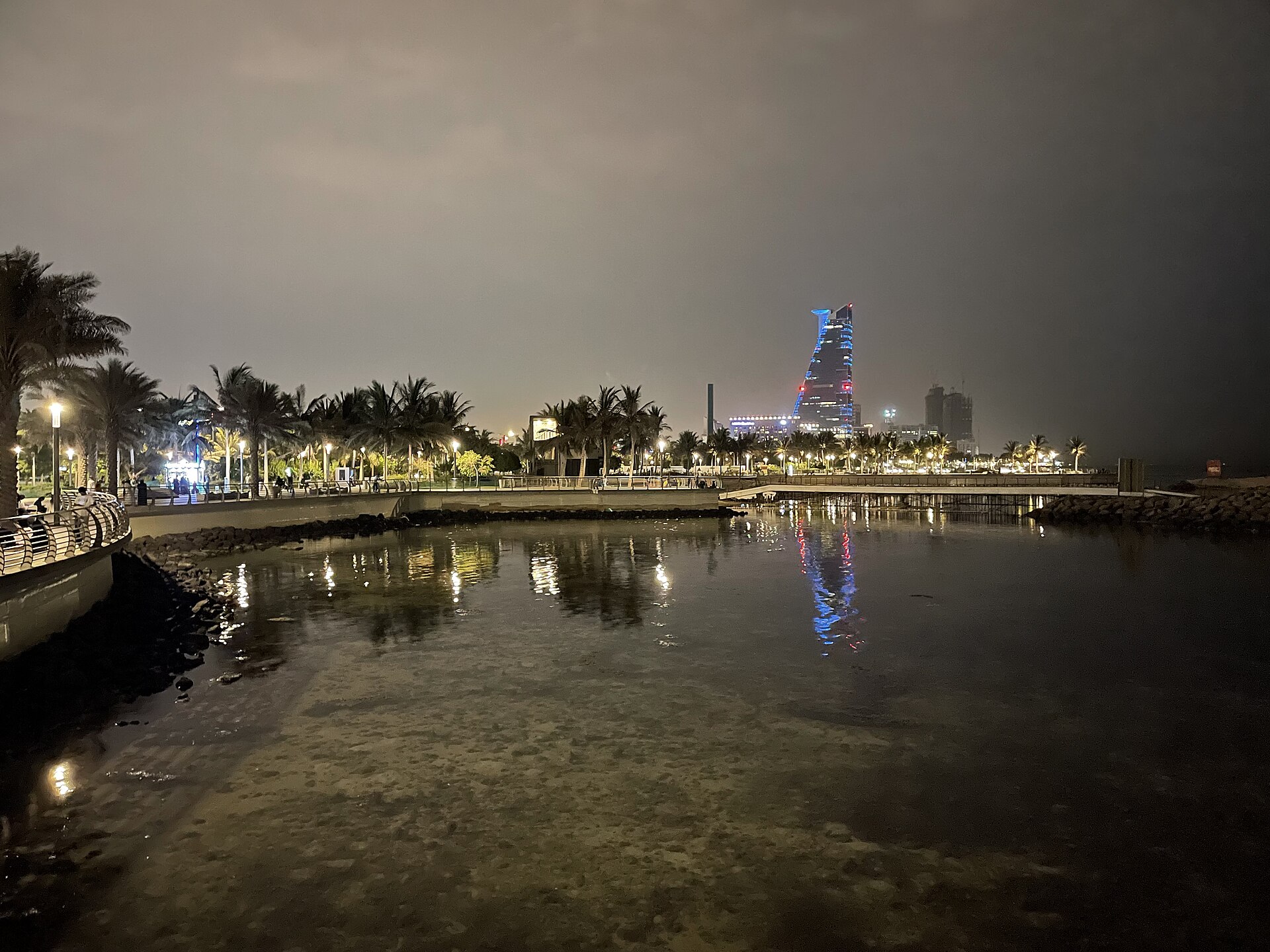
The Jeddah Corniche Circuit itself cost an estimated $500 million to construct, according to F1 Chronicle. Built along the Red Sea coast, the 6.174-kilometer street circuit was designed as a permanent facility rather than a temporary installation, with grandstands, pit buildings, and hospitality areas that now sit idle.
The cancellation raises questions about the future of the Saudi contract. Racing industry analysts contacted by RacingNews365 expect formal negotiations between the Saudi Motorsport Company and Formula 1 Management to begin once the security situation stabilizes. The contract includes force majeure provisions, but multiple missed races could trigger renegotiation clauses. The Jeddah race had already faced security concerns during its inaugural 2021 edition, when a Houthi missile strike on an Aramco facility approximately 10 kilometers from the circuit occurred during practice sessions. Teams continued racing after receiving security assurances from Saudi authorities.
This time, the threat is qualitatively different. The 2021 incident involved a single missile from a non-state actor. The 2026 cancellation stems from a sustained, state-level military campaign by Iran that has targeted civilian infrastructure, diplomatic compounds, and energy facilities across six Gulf states simultaneously.
The War That Grounded the Grid
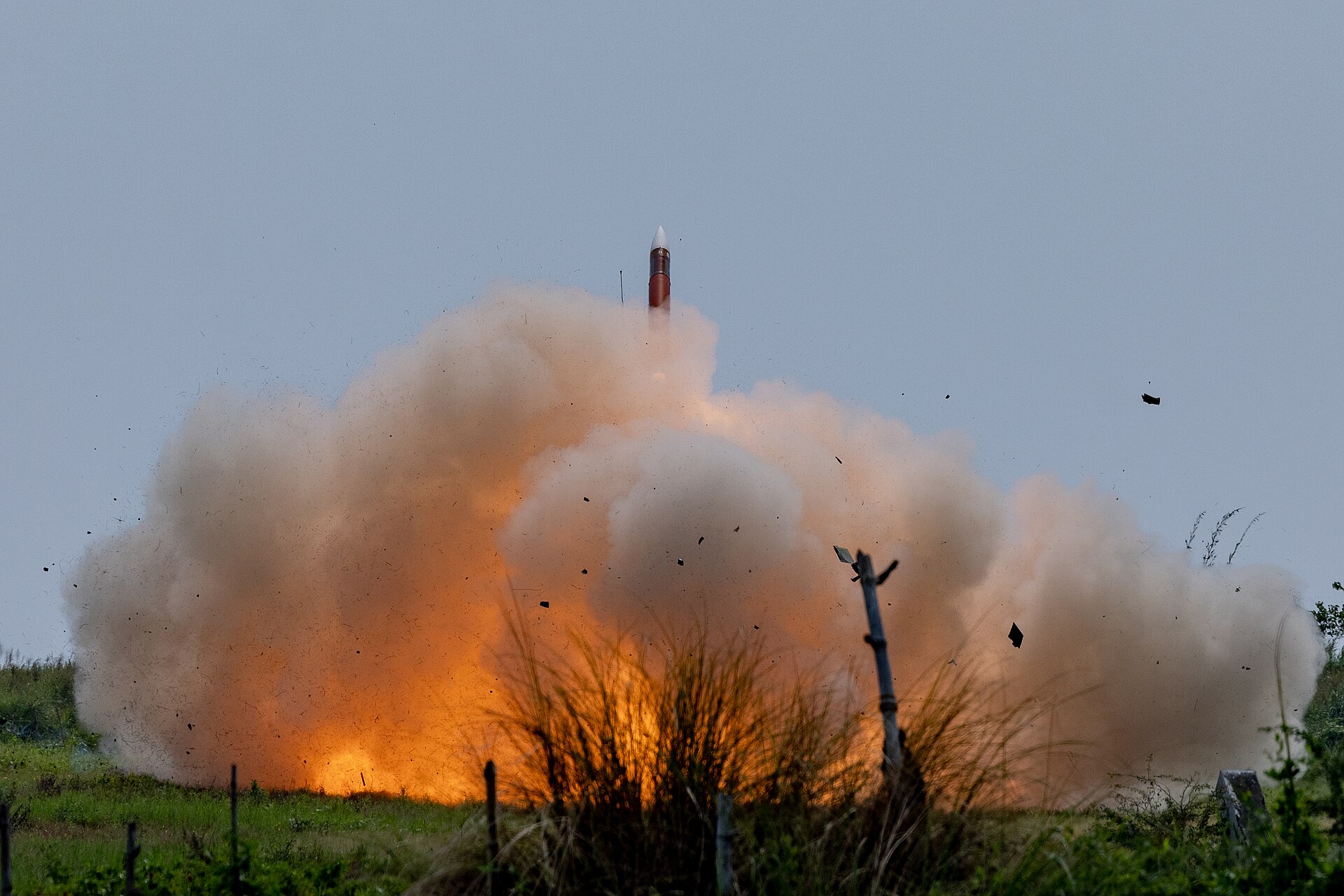
The Iran war began on February 28, 2026 when the United States and Israel launched coordinated airstrikes against Iranian military and nuclear facilities, killing Supreme Leader Ali Khamenei and dozens of senior military commanders. Iran responded within hours with ballistic missiles and drone barrages targeting Israel, U.S. military installations across the Middle East, and civilian infrastructure in Saudi Arabia, the UAE, Bahrain, Kuwait, Qatar, and Oman.
Saudi Arabia has absorbed more than 300 drone and missile attacks in 14 days, according to figures compiled by the Foundation for Defense of Democracies. Air defenses have intercepted the vast majority, but debris from interceptions has struck residential areas, and two foreign nationals were killed in Al-Kharj on March 8 when a military projectile hit a residential building.
The U.S. State Department ordered the departure of non-emergency personnel from the U.S. Embassy in Riyadh on March 8. The U.S. Embassy has directed all government employees to shelter in place. Multiple airlines have suspended or rerouted flights to and from Gulf airports. Dubai International Airport reported interceptor debris impacts, and Abu Dhabi issued shelter-in-place alerts.
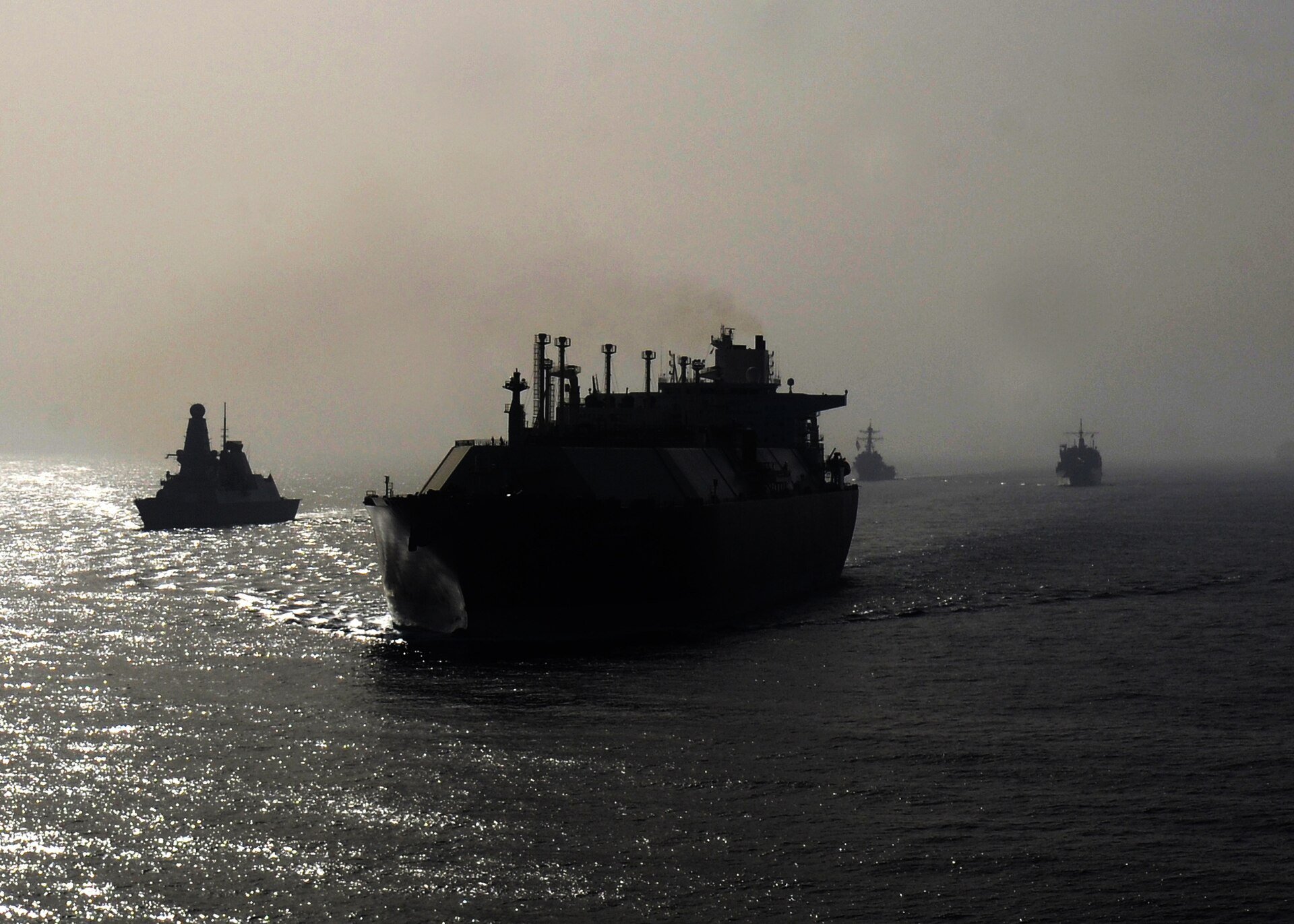
Commercial shipping through the Strait of Hormuz, the narrow waterway through which approximately 20 percent of the world’s crude oil transits, has effectively ceased. Iran has laid mines in the strait and its IRGC Navy is demanding that commercial vessels seek permission before transiting, according to CNN. Approximately 150 freight ships, including dozens of oil tankers, are currently stalled. Oil prices have surged above $100 per barrel.
The security environment makes the logistics of hosting a Formula 1 race practically impossible. A Grand Prix weekend requires the transport of approximately 1,400 tonnes of freight across 10 teams, including cars, spare parts, telemetry equipment, hospitality infrastructure, and broadcast facilities. The freight must travel by sea and air to reach Gulf venues. With commercial shipping frozen and airspace restrictions in place, the supply chain simply cannot function.
Beyond logistics, the human element is decisive. A typical Grand Prix brings approximately 4,000 F1 personnel to a circuit, plus tens of thousands of spectators. No team principal, driver, or race official can be asked to work in an environment where drone strikes could hit without warning and the nearest shelters may be inadequate for the type of ordnance being deployed.
The precedent from 2021 weighs heavily. During that year’s Saudi Arabian Grand Prix weekend, a Houthi missile struck an Aramco oil storage facility approximately 10 kilometers from the Jeddah Corniche Circuit during Friday practice. Drivers held an emergency meeting that lasted past midnight, with several threatening to withdraw. The race ultimately went ahead after Saudi security officials provided assurances, but the incident exposed the vulnerability of hosting international sporting events in a region subject to missile attack. Multiple drivers and team principals cited that experience in supporting the 2026 cancellation.
The FIA also faces liability considerations. Governing body regulations require race organizers to demonstrate that circuits meet minimum safety standards, which include protections against external threats. While those regulations were written primarily with reference to circuit design rather than missile defense, the FIA’s legal advisers determined that authorizing a race in an active war zone would expose the organization to unacceptable litigation risk, according to sources familiar with the deliberations cited by The Race.
What Other Sporting Events Are Threatened?
The F1 cancellation is the highest-profile sporting casualty of the Iran war, but it is far from the only one. Saudi Arabia’s position as the Gulf’s most ambitious sports host means the war threatens a cascade of upcoming events worth billions of dollars collectively.
The 2034 FIFA World Cup, awarded to Saudi Arabia in December 2024, represents a $15-20 billion infrastructure investment that depends on regional stability over the next eight years. FIFA has not commented on the current conflict, but the cancellation of F1 races will inevitably reignite questions about whether the tournament can proceed in a region that has demonstrated its vulnerability to sustained aerial attack.
Nearer-term events face more immediate pressure. The Saudi Pro League football season continues to operate, but several international friendly matches and Asian Champions League fixtures have been relocated outside the Kingdom. Boxing events, including a planned heavyweight title fight in Riyadh, have been postponed. The Esports World Cup, scheduled for Riyadh in July 2026, faces growing uncertainty as the Kingdom’s $38 billion gaming and esports push collides with security realities.
Bahrain faces parallel cancellations. The Bahrain Grand Prix is traditionally the Gulf’s anchor motorsport event, having hosted a Grand Prix continuously since 2004 with only one exception in 2011 during the Arab Spring protests. The circuit also hosts endurance racing, touring car events, and is a regular testing venue for F1 teams during the off-season.
The economic ripple effects extend well beyond the events themselves. Saudi Arabia’s sports sector, projected to reach $22.4 billion in market value by 2030 according to industry estimates, depends on a perception of stability that the Iran war has fundamentally disrupted. International sponsors, broadcasters, and event organizers assess risk on a rolling basis, and two weeks of daily drone strikes over Saudi cities shift the calculus for every planned event.
The Kingdom has invested more than $6 billion in sports since 2021, according to the Atlantic Council, spanning football, golf (LIV Golf, valued at over $2 billion), tennis, boxing, motorsport, and esports. Much of this spending was designed to attract international audiences and reshape global perceptions of Saudi Arabia. The forced cancellation of its most prestigious motorsport event sends precisely the opposite signal.
The disruption has since spread beyond sports to the broader conference and business events calendar. The World Economic Forum postponed its Jeddah conference scheduled for April, joining the F1 races on a lengthening list of international events pulled from the Kingdom as the war enters its fourth week.
Frequently Asked Questions
Will the Saudi Arabian Grand Prix return in 2027?
The Saudi-F1 hosting contract extends through the end of the decade, and both parties have expressed commitment to the long-term partnership. However, the return of the race depends entirely on the resolution of the Iran war and the restoration of adequate security conditions in the Gulf region. Racing industry sources told RacingNews365 that formal discussions about the contract’s future will begin once hostilities cease. No automatic termination clause is triggered by a single cancelled race.
Are F1 drivers and teams safe during the Gulf conflict?
No F1 teams or personnel are currently based in the Gulf region. All teams are either at their European headquarters or traveling to the next scheduled race. The cancellation decision was made well in advance of any freight or personnel deployment to the region, ensuring that no F1 assets are stranded. Several drivers, including multiple who competed in the 2021 Jeddah race during the Houthi missile incident, publicly supported the cancellation decision on social media.
How much money will F1 lose from the cancellations?
Formula 1 stands to lose approximately $105 million in combined hosting fees from the Bahrain and Saudi races. However, force majeure clauses in the contracts may reduce or defer these payments. F1’s overall revenue impact is partially cushioned by its broadcast deals, which are based on annual contracts rather than per-race payments, and by the continued operation of the remaining 22 races. Liberty Media, F1’s parent company, has not issued guidance on the financial impact.
Could Qatar’s Grand Prix also be affected?
The Qatar Grand Prix is scheduled for November 28-30, 2026, more than eight months away. Iranian drones and missiles have struck Qatari territory since the war began, and Qatar’s Al Udeid Air Base is a primary U.S. military installation in the region. However, F1 management has not indicated any plans to cancel the Qatar race at this time. The decision will depend on the security situation closer to the event. Qatar pays a hosting fee comparable to Saudi Arabia’s $55 million, and the race is part of a 10-year contract signed in 2021.
What happens to tickets already sold for the cancelled races?
Ticket refund policies are managed by the individual race promoters rather than Formula 1 centrally. The Bahrain International Circuit and the Saudi Motorsport Company are expected to issue full refunds to ticket holders. During the COVID-19 pandemic, both circuits offered refunds or the option to transfer tickets to the following year’s event. Specific refund announcements are expected alongside the formal cancellation confirmation.