US F-15E Strike Eagle Shot Down Over Iran — First American Jet Lost to Enemy Fire in 35 Days of Operation Epic Fury
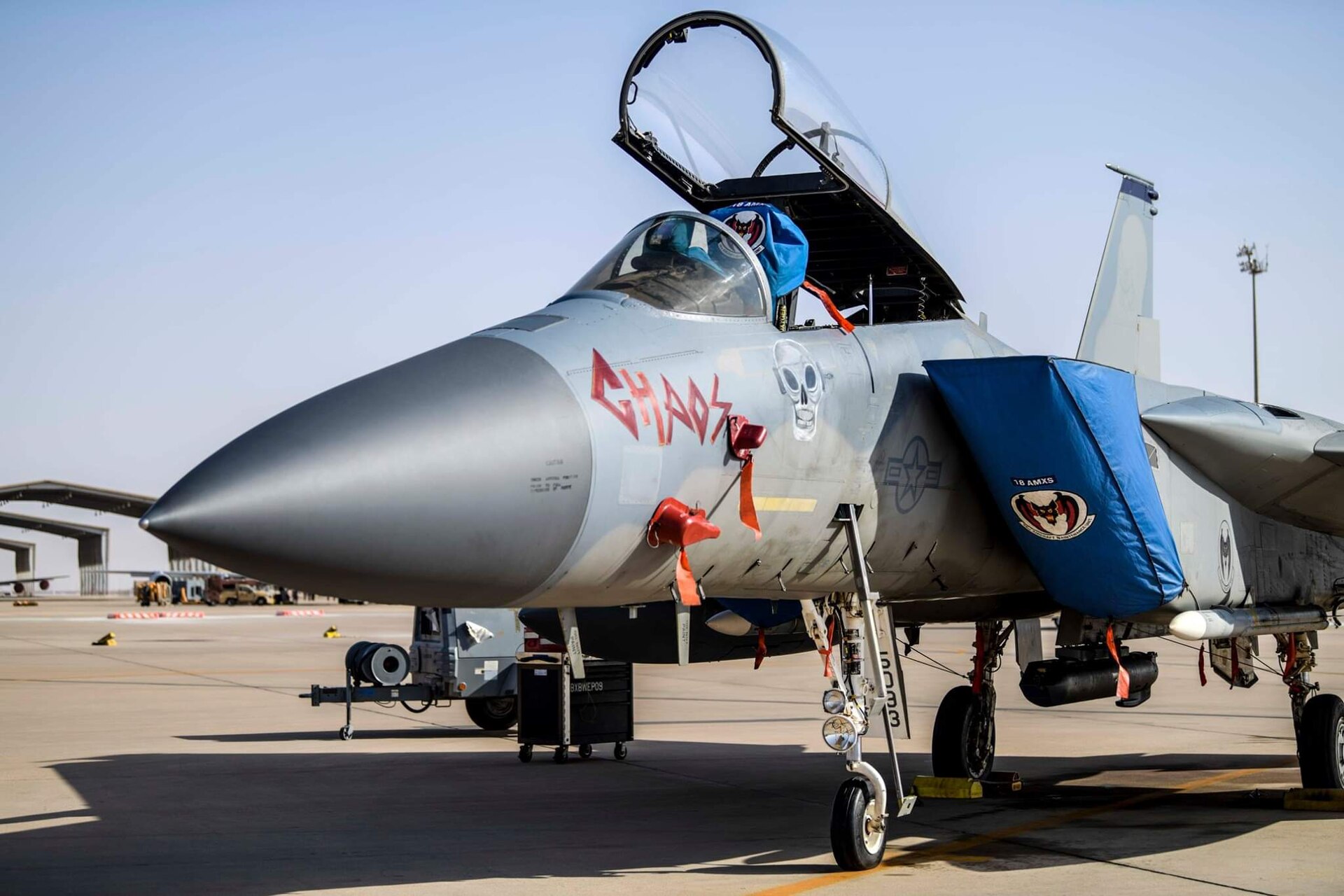
RIYADH — An American F-15E Strike Eagle was shot down over Iran’s Kohgiluyeh and Boyer-Ahmad Province on Thursday, roughly 290 miles south of Tehran, marking the first US manned aircraft lost to enemy fire since Operation Epic Fury began on February 28. The jet, assigned to the 494th Fighter Squadron out of RAF Lakenheath and forward-deployed to Muwaffaq Salti Air Base in Jordan, carried a crew of two — a pilot and a weapons systems officer — and Iran’s Islamic Revolutionary Guard Corps claimed within hours that at least one crew member had been captured alive on Iranian soil.
The shootdown lands three days before President Trump’s April 6 deadline for Iran to reopen the Strait of Hormuz or face strikes on the country’s energy infrastructure, and it demolishes a core Pentagon assumption: that five weeks of sustained bombing, with more than 8,000 combat sorties flown, had degraded Iran’s integrated air defense network past the point where it could kill a fast-moving strike aircraft. A CNN report published just one day earlier, on April 2, cited US intelligence assessments concluding that roughly 50 percent of Iran’s missile launchers remain intact. Pentagon spokesman Sean Parnell had dismissed that assessment as “completely wrong.” Thursday’s wreckage suggests the intelligence community’s skeptics had a point.
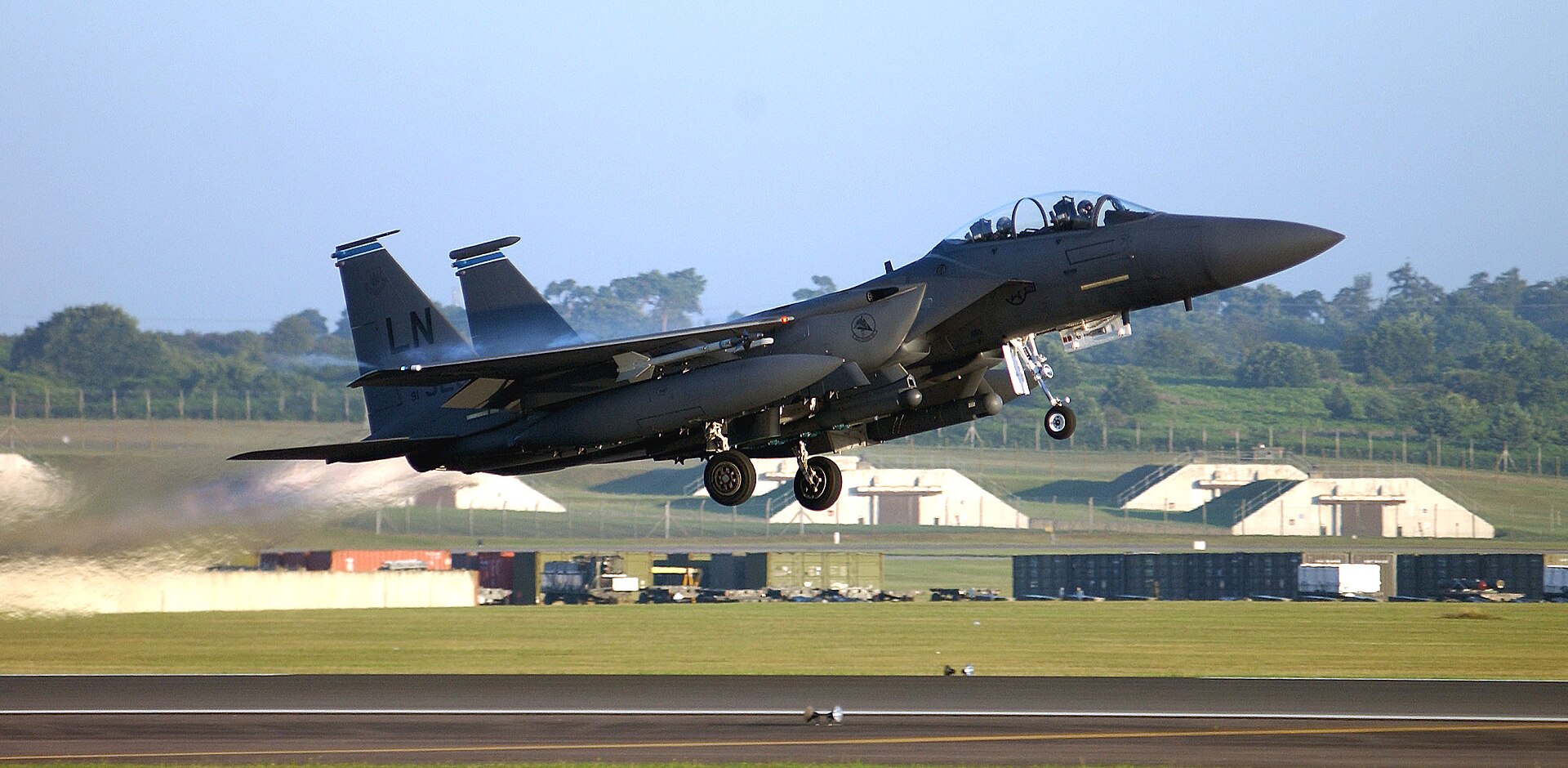
Table of Contents
What We Know About the Shootdown
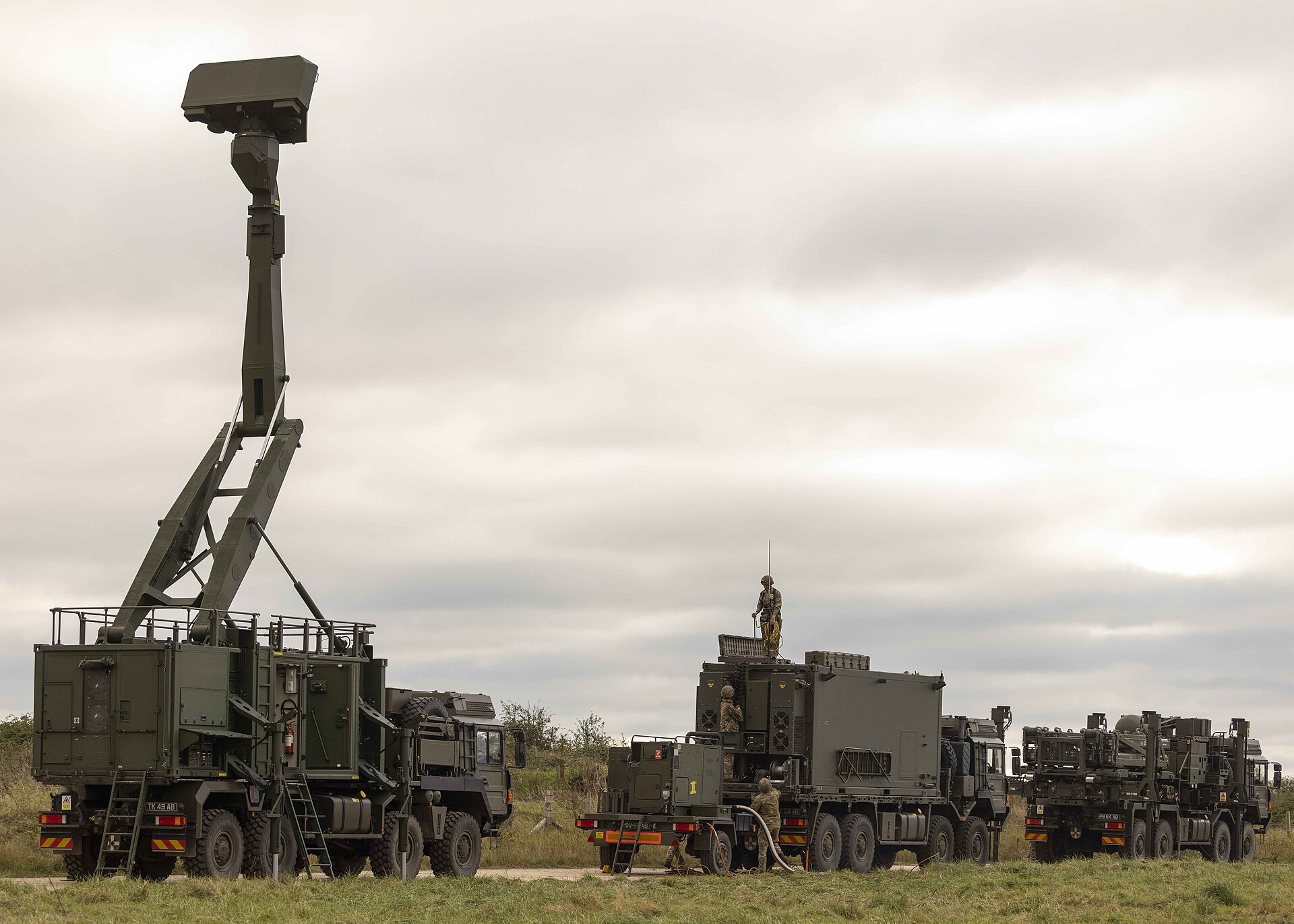
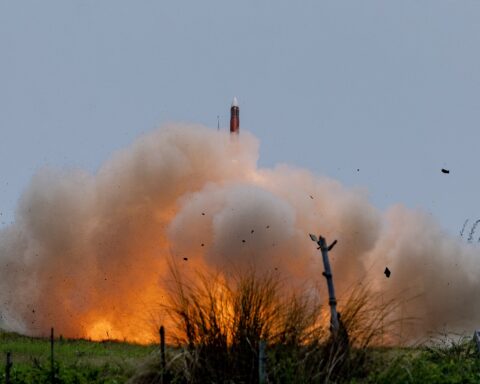
The IRGC Aerospace Force announced via its Tasnim news agency that it had “struck and downed” the aircraft “over central Iran” using what it described as “a new air defense system,” without naming the specific weapon. Iran initially misidentified the jet as an F-35, a claim it later quietly corrected. US Central Command had spent weeks batting away Iranian shootdown claims — CENTCOM had publicly stated that “all US fighter aircraft are accounted for” and noted that the IRGC had made “the same false claim at least half a dozen times” — but by Thursday afternoon, multiple US officials confirmed to Axios, the New York Times, and Air & Space Forces Magazine that a combat search-and-rescue operation was underway.
The pattern of prior false claims may have worked against American credibility this time. CENTCOM’s repeated dismissals meant the real event initially blended into a stream of Iranian propaganda, buying Tehran hours of lead time on the information war before debris photos began circulating on social media and forcing Washington to acknowledge the loss. The 494th Fighter Squadron, nicknamed the “Panthers,” had deployed 12 F-15Es from RAF Lakenheath to Jordan between January 17 and 18 of this year, according to The Aviationist and Defence Security Asia, making the unit one of the primary strike packages operating over Iranian airspace from the campaign’s opening days.
What Has Happened to the Crew?
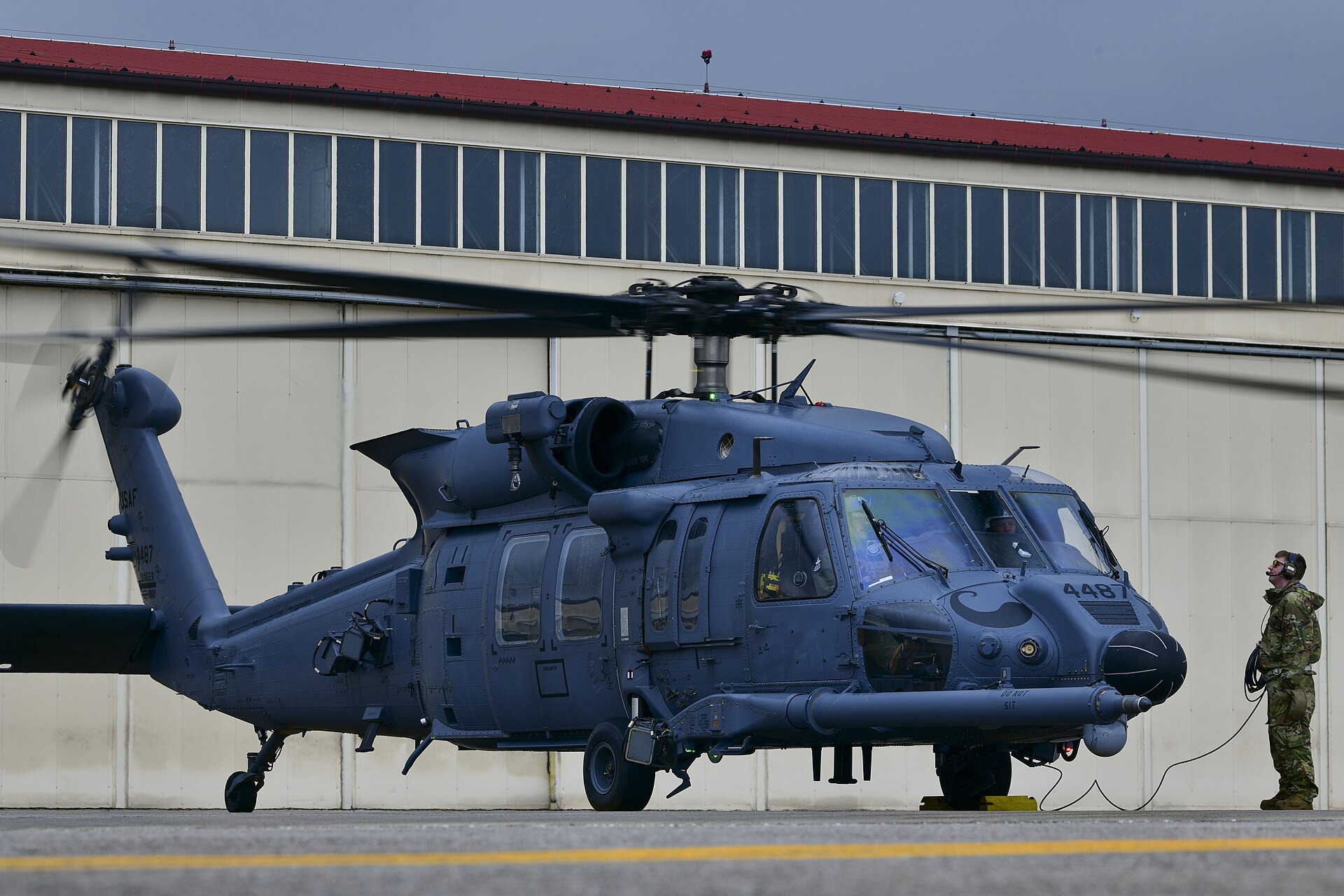
This is the question that will dominate the next 72 hours. Tasnim reported that the pilot ejected and was captured inside Iran, and Iranian state television offered what it called a “special commendation” to Iranian residents who assist in the capture or killing of American crew members — language that drew immediate condemnation from the Pentagon. The IRGC separately claimed that a US UH-60 Black Hawk helicopter involved in the rescue attempt crashed near Lordegan in Khuzestan Province, though that claim has not been confirmed by US officials. A combat search-and-rescue operation involving HC-130J Combat King II tanker aircraft, HH-60W Jolly Green II helicopters, MQ-9 Reaper drones, and F-35 fighters flying high cover was confirmed to be active as of Thursday evening.
CNN national security analyst Jim Sciutto warned against underestimating the gravity of the situation: “We should not underestimate the seriousness of this situation right now and the intense pressure those pilots would be under, but also the crews seeking to rescue them.” The prospect of a confirmed American prisoner of war in Iranian hands would be qualitatively different from anything Washington has faced in the Middle East in decades. When Iran detained ten US Navy sailors in January 2016, the episode lasted 15 hours and produced propaganda footage that embarrassed the Obama administration for months; a wartime capture, with Iranian state TV actively encouraging civilian participation, would escalate into a domestic political crisis at a moment when Trump’s approval rating on the war already sits between 36 and 40 percent, with roughly 60 percent of Americans disapproving of the military action, according to polling tracked by The Daily Beast.
Mohsen Rezai, a former IRGC commander who now serves as a senior adviser to Supreme Leader Mojtaba Khamenei, has publicly proposed capturing American troops as bargaining chips — a strategy that, as of Thursday, may no longer be theoretical. The IRGC military council that has seized de facto control of Iran’s government would view a POW as both a propaganda weapon and a negotiating asset in any future ceasefire talks, and the political incentive to parade a captured American on television is obvious even if it violates the Geneva Conventions.
How Did Iran’s Air Defenses Survive Five Weeks of Bombing?
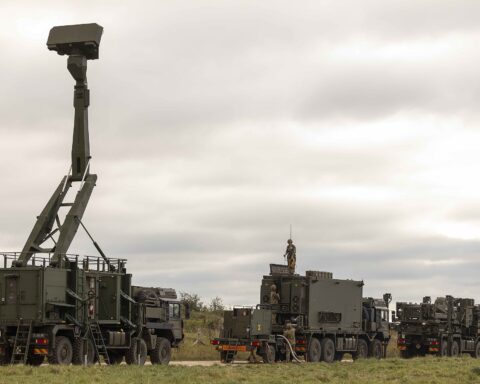
Israel’s military reported by late March that coalition forces had destroyed or disabled roughly 120 Iranian air defense systems — about one-third of Iran’s pre-war total — and the IDF claimed by Day 16 that 70 percent of Iran’s ballistic missile launchers had been disabled. Those figures were presented as evidence of a collapsing defense network, but they obscured a more complicated reality. Iran had pre-positioned mobile launchers in tunnel networks and mountain caves, and February 2026 satellite imagery analyzed by Army Recognition showed Iranian S-300 launchers being repositioned around Tehran and Isfahan even after their fire-control radars had been damaged, suggesting what analysts described as a “hybrid command-and-control framework” integrating surviving S-300 components with Iran’s domestically produced Bavar-373 system.
The US intelligence assessment that half of Iran’s missile launchers survived five weeks of strikes, reported by CNN on April 2, fits this picture. Kelly A. Grieco of the Stimson Center warned in March that reduced Iranian attack rates may reflect strategy rather than attrition — potentially “a lower, sustained launch rate” designed to conserve inventory rather than evidence that the arsenal had been emptied. Iran’s Khordad-15 surface-to-air missile system, which can detect fighter-sized targets at 150 kilometers and track them at 120, is the same platform that downed a US RQ-4 Global Hawk drone in June 2019 and survived both Israeli strikes in October 2024 and the current campaign. Whether the Khordad-15 or something newer brought down Thursday’s F-15E remains unconfirmed — the IRGC’s reference to “a new air defense system” could mean anything from a genuinely novel capability to a propaganda embellishment of an existing one.
Michael O’Hanlon, director of research for foreign policy at the Brookings Institution, told PolitiFact in March that “Iran has been seriously hurt in some ways but is hardly defeated,” and on Thursday he told CNBC there was a “good chance the Iran war lasts through the end of April.” The shootdown reinforces his assessment: an air defense network that can still kill a fourth-generation strike fighter after 35 days of suppression is not a network on the verge of collapse, and the fact that it happened deep inside Iranian territory — not on the periphery near Iraq or the Gulf — suggests that Iran retains layered defensive capability in its interior provinces.
The Saudi Exposure
For Riyadh, the shootdown amplifies a vulnerability that became impossible to ignore on March 27, when Iranian missiles struck Prince Sultan Air Base — located just 96 kilometers southeast of the Saudi capital — destroying or damaging at least one E-3 Sentry AWACS aircraft and multiple KC-135 Stratotanker refueling planes on the ground. Between 12 and 15 US service members were wounded in that attack alone, contributing to a conflict total that has now exceeded 300 wounded and 13 killed, according to Military Times and The Aviationist. The loss of AWACS and tanker capacity is not a symbolic blow; it directly degrades the coalition’s ability to sustain the kind of deep-penetration strike packages that were flying over Kohgiluyeh Province on Thursday.
Saudi Arabia’s decision to host US forces carries risks that the Kingdom understood in the abstract but is now experiencing in concrete terms. If Iran can still shoot down manned jets deep inside its own airspace and can still lob ballistic missiles at Saudi bases with enough accuracy to destroy high-value aircraft on the tarmac, then the premise of the air campaign — that American airpower could dismantle Iran’s military infrastructure from a position of relative safety — is under strain. The Kingdom has been investing in its own air defense architecture independent of Washington, and the March 27 strike on Prince Sultan Air Base is exactly the kind of event that accelerates that effort. Two NATO members are already defending Saudi skies without NATO’s formal permission, a sign of how the war has quietly redrawn alliance lines.
The question for Riyadh is no longer whether it should allow American operations from its territory — that decision was made weeks ago — but whether the air campaign’s diminishing returns justify the escalating cost of hosting it. Every Iranian missile that lands near a Saudi population center tests domestic tolerance, and every American jet lost over Iran makes it harder for Washington to claim that the operation is going according to plan.
Trump’s April 6 Deadline Just Got Harder
On April 2, President Trump told Axios: “We are going to hit them extremely hard over the next two to three weeks. We are going to bring them back to the Stone Ages, where they belong.” On April 3, hours after the shootdown, he posted on Truth Social: “We haven’t even started destroying what’s left in Iran. Bridges next, then Electric Power Plants!” The escalation in rhetoric tracks with the April 6 deadline — 8 PM Eastern, Sunday evening — that Trump set for Iran to reopen the Strait of Hormuz or face strikes on energy infrastructure. Retired Admiral James Stavridis warned in The Daily Beast that targeting water and power supplies “would be extremely hard to justify under international law,” but Trump has shown no indication that legal constraints are shaping his planning.
The shootdown complicates Trump’s position in at least two ways. First, if an American crew member is confirmed as a prisoner of war, the political pressure to escalate becomes enormous — but escalation against a country that just proved it can still kill your aircraft is a different proposition than escalation against a defenseless target. Second, Iran’s insistence on treating Hormuz as a sovereignty issue makes ceasefire structurally difficult before Sunday’s deadline, and the capture of an American pilot gives Tehran a card it did not have 24 hours ago. The IRGC military council has every incentive to slow-walk any rescue confirmation, keep the ambiguity alive, and use the days before April 6 to extract maximum political damage from the situation.
Trump’s room to maneuver was already narrow. His approval on the war is underwater by 20 points, American casualties have been mounting since Day 1, and the April 6 deadline was designed to project strength but now risks looking like a bluff if Iran simply refuses to comply. The destruction of Iranian bridges and infrastructure may go ahead regardless — Trump’s public statements suggest that decision has already been made — but the shootdown ensures that any escalation will be read through the lens of a president retaliating for a humiliation rather than executing a coherent strategy.
Background: Operation Epic Fury’s Losses Before April 3
Thursday’s shootdown was not the first F-15E lost in the campaign, but it was the first lost to enemy fire — a distinction that matters enormously. On March 2, three F-15Es were downed by Kuwaiti friendly fire in a catastrophic blue-on-blue incident; all six crew members ejected safely. On March 12, a KC-135 Stratotanker was lost in a mid-air collision over western Iraq, killing all six crew members aboard. Multiple MQ-9 Reaper drones have been lost over Isfahan. Before April 3, every manned aircraft loss could be attributed to accident or fratricide rather than Iranian capability, allowing the Pentagon to maintain the narrative that Iran’s air defenses were effectively neutralized.
That narrative is now over. An F-15E downed by a surface-to-air missile 290 miles south of Tehran, with at least one crew member potentially in enemy hands, is a fundamentally different category of event. The 8,000-plus combat sorties flown since February 28 represent an enormous operational tempo, and the statistical reality is that even a badly degraded air defense network will eventually score a kill if you fly enough missions through it. But the political reality does not operate on statistics — it operates on images, and the image of an American fighter pilot in IRGC custody would be the defining photograph of a war that the administration has been trying to frame as a low-cost, high-impact air campaign. Michael O’Hanlon’s assessment that the war will likely extend through April now looks conservative; if there is a POW, the politics of withdrawal become exponentially more complicated, and the politics of escalation become exponentially more dangerous.
Frequently Asked Questions
What happened when Iran last captured US military personnel?
In January 2016, Iran’s IRGC Navy detained ten US Navy sailors after their two riverine command boats drifted into Iranian territorial waters near Farsi Island in the Persian Gulf. The sailors were held overnight, and Iranian state television broadcast footage of them on their knees with hands behind their heads — images that became a potent propaganda tool for Tehran. They were released approximately 15 hours later following diplomatic intervention by then-Secretary of State John Kerry, but the incident embarrassed the Obama administration and was cited repeatedly by critics during the 2016 presidential campaign as evidence of American weakness in the region.
What does the Geneva Convention say about displaying prisoners of war?
Article 13 of the Third Geneva Convention, which governs the treatment of prisoners of war, requires that POWs “must at all times be protected, particularly against acts of violence or intimidation and against insults and public curiosity.” International legal scholars have consistently interpreted this to prohibit parading prisoners before cameras or broadcasting their images for propaganda purposes. Iran is a signatory to the Geneva Conventions, though its compliance record during the Iran-Iraq War, when both sides mistreated POWs, was heavily criticized by the International Committee of the Red Cross. Iranian state television’s offer of a “special commendation” for assisting in the capture of American crew members would, if it led to violence against a downed pilot, constitute a clear violation of these protections.
What is an HC-130J Combat King II?
The HC-130J Combat King II is a specialized variant of the C-130 Hercules transport aircraft, operated exclusively by US Air Force Special Operations Command and Air Combat Command for combat search-and-rescue missions. It can refuel helicopters in flight using a hose-and-drogue system — a capability that extends the range of HH-60W Jolly Green II rescue helicopters deep into hostile territory — and it can land on austere, unprepared airstrips as short as 3,000 feet. The aircraft also carries advanced communications equipment that allows it to serve as an airborne command post for coordinating multi-asset rescue operations, making it the backbone of any effort to recover downed aircrew behind enemy lines.
What is Muwaffaq Salti Air Base?
Muwaffaq Salti Air Base, also known as H5, is a Jordanian military airfield located in the eastern desert approximately 100 kilometers from the Iraqi border. The United States has maintained a large presence at the base for decades, using it as a staging point for operations over Iraq and Syria — and now Iran. The 494th Fighter Squadron’s F-15Es deployed there in January 2026, and the base has served as one of several launch points for Operation Epic Fury strike missions. Its location in Jordan’s sparsely populated eastern desert provides some geographic buffer from Iranian retaliation, though Jordan’s participation in hosting the air campaign has drawn criticism from domestic political opponents and from Iran, which has warned Amman of consequences for facilitating American strikes.