
RIYADH — Prince Faisal bin Farhan Al Saud, Saudi Arabia’s foreign minister, has spent the past eleven days conducting what may be the most consequential diplomatic campaign in the Kingdom’s modern history. While Iranian missiles streak across Saudi airspace and Patriot interceptors light up the skies over Riyadh, Prince Faisal has been working the phones with a frequency that would exhaust most career diplomats — speaking daily with his Iranian counterpart, coordinating defence postures with five GCC foreign ministers, and managing an American ally that launched a war without consulting its most important Arab partner. The 51-year-old prince, a former Boeing executive with no formal diplomatic training before 2017, has become the indispensable voice of Saudi restraint in a region hurtling toward broader conflagration.
Prince Faisal’s diplomatic burden grew heavier still on 11 March, when a Pentagon investigation confirmed that a U.S. missile struck a girls’ school in Minab, killing 175 children. The finding forced the foreign minister to navigate yet another fault line — maintaining the American alliance while the Muslim world demanded accountability for the deadliest civilian casualty event of the war.
What makes Prince Faisal’s position extraordinary is its sheer impossibility. He is simultaneously threatening Iran with retaliation if attacks on Saudi territory continue, reassuring Tehran that Saudi bases are not being used for American strikes, coordinating with Washington on air defence while privately seething at the lack of prior consultation, and leading a GCC diplomatic bloc that agrees on almost nothing except that this war was not its idea. No foreign minister in the Middle East — perhaps no foreign minister anywhere — has faced a comparable set of contradictions since the collapse of the Ottoman order.
Table of Contents
- Who Is Prince Faisal bin Farhan Al Saud?
- From Boeing Boardrooms to the Ministry of Foreign Affairs
- How Did Faisal bin Farhan Engineer the Saudi-Iran Rapprochement?
- The War Nobody Wanted and the Diplomat Who Saw It Coming
- What Happens on the Daily Call Between Riyadh and Tehran?
- The Red Line Call That Changed the War
- How Is Faisal bin Farhan Holding the GCC Together?
- Managing Washington From 7,000 Miles Away
- Is Faisal bin Farhan the Most Effective Foreign Minister in the Middle East?
- From Neutrality to Defiance — Saudi Arabia’s Diplomatic Pivot
- What Kind of Middle East Is Faisal bin Farhan Building?
- Frequently Asked Questions
Who Is Prince Faisal bin Farhan Al Saud?
Prince Faisal bin Farhan bin Abdullah bin Faisal bin Farhan Al Saud is the sixth foreign minister in the history of the Kingdom of Saudi Arabia and, at 51, the youngest to hold the position during a major regional war. Appointed by King Salman on 23 October 2019, he replaced Ibrahim al-Assaf after less than a year, becoming the third member of the Al Saud family to serve as the Kingdom’s chief diplomat.
The strikes also demolished the last remaining prospect for Saudi-Israeli normalization. Prince Faisal had spent months articulating Riyadh’s conditions for recognition — conditions that the war made permanently impossible to meet.
Born on 1 November 1974 in Frankfurt, West Germany, Prince Faisal’s lineage does not trace through the dominant Sudairi branch that has produced most recent Saudi kings and crown princes. His family descends from Farhan bin Saud, a brother of Muhammad bin Saud, the founder of the First Saudi State in 1727. That genealogical distance from the main line of succession has, paradoxically, made him more useful to Crown Prince Mohammed bin Salman. A foreign minister with no plausible claim to the throne poses no political threat, allowing MBS to delegate genuine diplomatic authority without risking a rival power centre.
Prince Faisal spent his formative years between Germany and the United States, acquiring native-level German and fluent English in addition to his Arabic. That trilingual fluency has proven invaluable during the current crisis, allowing him to engage directly with European leaders without interpreters — a small advantage that accelerates communication when hours matter.
| Detail | Information |
|---|---|
| Full name | Faisal bin Farhan bin Abdullah bin Faisal bin Farhan Al Saud |
| Date of birth | 1 November 1974 |
| Birthplace | Frankfurt, West Germany |
| Education | King Saud University (Business Administration) |
| Appointed Foreign Minister | 23 October 2019 |
| Previous role | Ambassador to Germany (March–October 2019) |
| Family branch | Farhan bin Saud line (founding family, non-Sudairi) |
| Languages | Arabic, English, German |
| Number in FM succession | 6th Foreign Minister of Saudi Arabia |
From Boeing Boardrooms to the Ministry of Foreign Affairs
Prince Faisal’s path to the foreign ministry ran not through embassies or academic institutions but through corporate boardrooms and defence contracts. From 2001 to 2013, he served as Boeing’s representative on the board of directors of Al Salam Aerospace Industries, a joint venture that maintains and overhauls military and commercial aircraft for the Royal Saudi Air Force. He rose from deputy chairman to chairman, overseeing a company that employed thousands of Saudi and international technicians at its facility near King Khalid International Airport in Riyadh.
That aerospace background gave him an unusual education for a future diplomat. He understood supply chains, maintenance cycles, and the mundane logistics that keep fighter jets flying — knowledge that has proven directly relevant during a war in which Saudi Arabia’s fleet of F-15 Strike Eagles and Eurofighter Typhoons requires constant maintenance under combat conditions. When Prince Faisal discusses defence cooperation with the British or American defence secretaries, he speaks as someone who has managed the business side of those relationships for over a decade.
He also served as a founding partner and chairman of Northern Investment Company from 2003 to 2017, and sat on the board of Saudi Arabian Military Industries (SAMI), the state-owned defence conglomerate that MBS created as part of Vision 2030’s push for military self-sufficiency. In 2017, Prince Faisal left the private sector to serve as an adviser in the Office of the Crown Prince, the nerve centre of MBS’s power. The appointment was widely interpreted as a signal that MBS valued Prince Faisal’s corporate pragmatism and his extensive Western contacts.
The transition from adviser to diplomat happened with remarkable speed. In early 2018, Prince Faisal was posted to the Saudi Embassy in Washington as a senior adviser. By March 2019, he had been named ambassador to Germany — a posting that lasted barely seven months before King Salman elevated him to foreign minister. The acceleration was striking even by MBS’s standards of rapid promotion, suggesting that the crown prince had identified Prince Faisal as a new kind of Saudi diplomat: technocratic rather than aristocratic, commercially literate, and unburdened by the cautious instincts of the career foreign service.
How Did Faisal bin Farhan Engineer the Saudi-Iran Rapprochement?
Prince Faisal bin Farhan’s most significant diplomatic achievement before the current war was his role in the Saudi-Iranian normalisation process that culminated in the Chinese-brokered agreement of March 2023. The deal, announced in Beijing on 10 March 2023 — exactly three years before the current date — restored diplomatic relations after a seven-year rupture and reopened embassies in both capitals. It was the most consequential diplomatic breakthrough in the Gulf since the end of the Iran-Iraq War in 1988.
The path to normalisation began with quiet contacts in late 2021, accelerated through a meeting between Prince Faisal and Iranian Foreign Minister Hossein Amir-Abdollahian in Amman, Jordan, in December 2022, and reached its conclusion in Beijing under Chinese mediation. Prince Faisal managed expectations carefully throughout, telling reporters after the agreement that it confirmed a mutual desire to “resolve differences through communication and dialogue” but warning that it did not translate to “resolving all the differences between the two countries.”
That caveat proved prescient. The normalisation agreement reduced tensions but never addressed the fundamental strategic competition between the two powers. Iran continued to support proxy forces across the region. Saudi Arabia continued to build its military capabilities. The diplomatic backchannel that Prince Faisal established during the normalisation process, however, survived the collapse of the broader relationship — and it is that channel which now serves as the primary conduit for communication between Riyadh and Tehran during the most dangerous military confrontation the Gulf has seen since 1991.
In June 2023, Prince Faisal travelled to Tehran, marking the first visit by a Saudi official in years. He met with President Ebrahim Raisi and Foreign Minister Amir-Abdollahian, establishing the personal relationships that would become critical during the current crisis. By October 2024, as Israeli strikes on Lebanon raised fears of a broader regional war, Prince Faisal met with Iran’s new president, Masoud Pezeshkian, to discuss de-escalation — a conversation that foreshadowed the far more urgent exchanges that would follow four months later.
| Date | Event | Significance |
|---|---|---|
| December 2022 | Faisal meets Iranian FM in Amman | First high-level contact signals willingness to negotiate |
| 10 March 2023 | Beijing normalisation agreement | Diplomatic relations restored after 7-year rupture |
| June 2023 | Faisal visits Tehran | First Saudi ministerial visit to Iran in years |
| October 2024 | Faisal meets President Pezeshkian | De-escalation talks amid Lebanon crisis |
| 28 February 2026 | US-Israeli strikes kill Ayatollah Khamenei | Normalisation agreement shattered overnight |
| 1–10 March 2026 | Daily backchannel calls with Iranian FM | Crisis diplomacy to prevent Saudi entry into war |
The War Nobody Wanted and the Diplomat Who Saw It Coming
When US and Israeli warplanes struck Iran on 28 February 2026, killing Supreme Leader Ayatollah Ali Khamenei and dismantling much of Iran’s nuclear infrastructure, Prince Faisal bin Farhan was not informed in advance. Neither was Crown Prince Mohammed bin Salman. The strikes, which launched the most intense military operation in the Middle East since the 2003 invasion of Iraq, caught Saudi Arabia’s entire national security establishment off guard — despite the Kingdom hosting the largest American military presence in the Gulf region.
The lack of prior consultation has shaped every aspect of Prince Faisal’s wartime diplomacy. The transactional alliance between Trump and MBS had assumed a basic level of coordination on matters that could directly threaten Saudi territory. When that assumption proved false, Prince Faisal’s diplomatic calculus shifted overnight. Saudi Arabia could neither join a war it had not sanctioned nor fully distance itself from an ally on whose military umbrella the Kingdom’s security depends.
Iran’s response to the strikes was immediate and indiscriminate. Within hours, Tehran launched what it designated Operation True Promise IV, firing hundreds of ballistic missiles, cruise missiles, and drones at US military bases and allied infrastructure across the Gulf. Saudi Arabia, despite having no role in the strikes and having explicitly told Tehran that its territory was not being used for American operations against Iran, found itself under sustained attack. Prince Sultan Air Base in Al-Kharj, King Abdulaziz Air Base in Dhahran, and the Shaybah oil complex in the Empty Quarter were all targeted in the first wave.
For Prince Faisal, the war created a diplomatic nightmare with no historical precedent. The Rasanah International Institute for Iranian Studies, a Saudi-funded think tank, had published an analysis in early 2026 titled “The Burden of Leadership: Why Saudi Arabia Opposes War Against Iran,” which argued that the Kingdom’s interests were best served by avoiding a direct military confrontation with Tehran. Prince Faisal’s pre-war diplomacy had been built entirely on that premise. The premise was now irrelevant — Saudi Arabia found itself simultaneously brokering peace and absorbing the consequences of someone else’s war.
What Happens on the Daily Call Between Riyadh and Tehran?
According to Bloomberg and Reuters reporting confirmed by multiple regional diplomats, Prince Faisal bin Farhan has maintained near-daily contact with Iran’s Foreign Minister Abbas Araqchi since the war began. The Saudi foreign minister has also communicated regularly with Iran’s ambassador to Riyadh, using the diplomatic channels that survived from the 2023 normalisation agreement. These calls represent the most sustained direct communication between Saudi Arabia and Iran during an active military conflict in the history of both states.
The content of these exchanges, according to sources briefed on the conversations, centres on three core messages that Prince Faisal has delivered with increasing urgency. First, that Saudi Arabia’s territory, airspace, and military bases are not being used by the United States or any other party to launch strikes against Iran. Second, that the Kingdom remains committed to a diplomatic resolution and is prepared to mediate between Washington and Tehran. Third — and this message has grown sharper with each passing day — that Saudi Arabia’s patience has limits, and that continued attacks on Saudi soil and energy infrastructure will force the Kingdom to permit US forces to operate from Saudi bases against Iranian targets.
The third message represents the most significant shift in Saudi diplomatic posture since the war began. Prince Faisal’s calculus appears to be that Iran must understand the consequences of continuing to treat the Gulf states as legitimate targets. By explicitly threatening to open Saudi bases to American combat operations, he has created a credible deterrent that carries weight precisely because Saudi Arabia has so far refused to do exactly that. The threat works only as long as it remains unfulfilled — a paradox that requires the kind of diplomatic precision that Prince Faisal has demonstrated throughout the crisis.
“Saudi Arabia is open to any form of mediation aimed at de-escalation and a negotiated settlement. But if Iranian attacks persist against Saudi territory or energy infrastructure, the Kingdom will be forced to respond.”
Prince Faisal bin Farhan, in a diplomatic call with Iranian FM Abbas Araqchi, as reported by Reuters, 7 March 2026
The Red Line Call That Changed the War
On 7 March 2026 — nine days into the conflict — Prince Faisal bin Farhan delivered the most consequential diplomatic message of his career. In a call with Iranian Foreign Minister Araqchi that Reuters described as “blunt,” Prince Faisal set out Saudi Arabia’s position with a clarity that left no room for misinterpretation. If Iran continued to attack Saudi territory and energy infrastructure, the Kingdom would permit American forces to use Saudi military bases for offensive operations against Iran.
The ultimatum was extraordinary for several reasons. Saudi Arabia had spent the first week of the war insisting on its neutrality, telling Tehran that it had no role in the US-Israeli strikes and that its bases were not being used for American operations. Prince Faisal’s message effectively told Iran that its own attacks were creating the very outcome Tehran sought to prevent — Saudi Arabia’s direct involvement in the war on the American side.
The call came one day before Iranian President Masoud Pezeshkian issued a rare public apology to Gulf states for the collateral damage caused by Iranian strikes — a statement widely interpreted as a direct response to Prince Faisal’s warning. Whether the apology represented a genuine shift in Iranian policy or merely a rhetorical gesture remains unclear. Drone and missile attacks against Saudi Arabia continued after the apology, including renewed strikes on the Shaybah oilfield and Prince Sultan Air Base.
The MEMRI analysis institute documented the significance of Prince Faisal’s position shift in a report published on 2 March, noting that Saudi Arabia had abandoned its declared position of neutrality and now defined Iran as an existential threat, reserving the right to respond with military force. Senior Saudi journalist Abd Al-Rahman Al-Rashed reflected the hardening tone in Saudi media, presenting what MEMRI described as “a bold position in favour of regime change” — arguing that the Iranian regime itself was the primary source of regional instability.
Prince Faisal’s red line call represented the culmination of a diplomatic evolution that compressed years of strategic recalibration into days. The foreign minister who had travelled to Tehran as a peace emissary in 2023 was now threatening to facilitate the military destruction of the government that had hosted him.
How Is Faisal bin Farhan Holding the GCC Together?
One of Prince Faisal’s most complex wartime tasks has been maintaining a unified diplomatic front among the six Gulf Cooperation Council member states — Saudi Arabia, the UAE, Bahrain, Kuwait, Qatar, and Oman — while each faces different levels of threat and holds different views on how to respond. The GCC held its 50th Extraordinary Ministerial Council meeting in the first days of the war, issuing a joint statement condemning Iranian aggression. But behind the formal communique, the coordination has been far more difficult.
According to Middle East Eye, Prince Faisal has held calls with each of his GCC counterparts urging them to avoid any steps that could inflame tensions with Iran. Crown Prince Mohammed bin Salman conveyed the same message directly to the leaders of Bahrain, Kuwait, Qatar, and the UAE: avoid unilateral actions that might trigger an Iranian response or draw any individual Gulf state deeper into the conflict. The strategy is containment through collective restraint — a diplomatic posture that requires constant management because each member state’s interests diverge.
Bahrain, which hosts the US Fifth Fleet and has been hit particularly hard by Iranian strikes, has pushed for a more aggressive response. The UAE, which lost at least three civilians and saw 58 wounded in Iranian attacks, has balanced fury with pragmatism, mindful of its deep commercial ties with Iran across the Persian Gulf. Qatar, which maintains closer relations with Tehran than any other GCC state and has positioned itself as a potential mediator, has resisted being drawn into a confrontational posture. Oman, historically the Gulf’s neutral broker, has stayed largely silent — though its back channel to Tehran remains the war’s most viable diplomatic pathway.
| Dimension | Challenge | Action Taken | Outcome (as of 10 March) | Score (1-10) |
|---|---|---|---|---|
| Iran backchannel | Maintain communication during active conflict | Daily calls with FM Araqchi, ambassador contacts | Channel intact; Iran has not severed relations | 8 |
| GCC unity | Prevent unilateral actions by 5 other states | Coordinated ministerial calls, joint statements | No GCC state has joined war independently | 9 |
| US management | Maintain alliance without endorsing war | Rubio/Trump coordination, base access negotiations | US respects Saudi position; defence cooperation continues | 7 |
| Deterrence messaging | Threaten Iran credibly without escalating | Red line call on 7 March | Iran issued apology; attacks continued but reduced against civilian areas | 7 |
| International coalition | Secure European and Asian support | Calls with UK, Spain, Ukraine, Australia, China | UK sending additional forces; China envoy deployed | 8 |
| Narrative control | Position Saudi Arabia as victim, not belligerent | Consistent messaging: “not our war, but our territory” | International sympathy high; no calls for Saudi restraint | 9 |
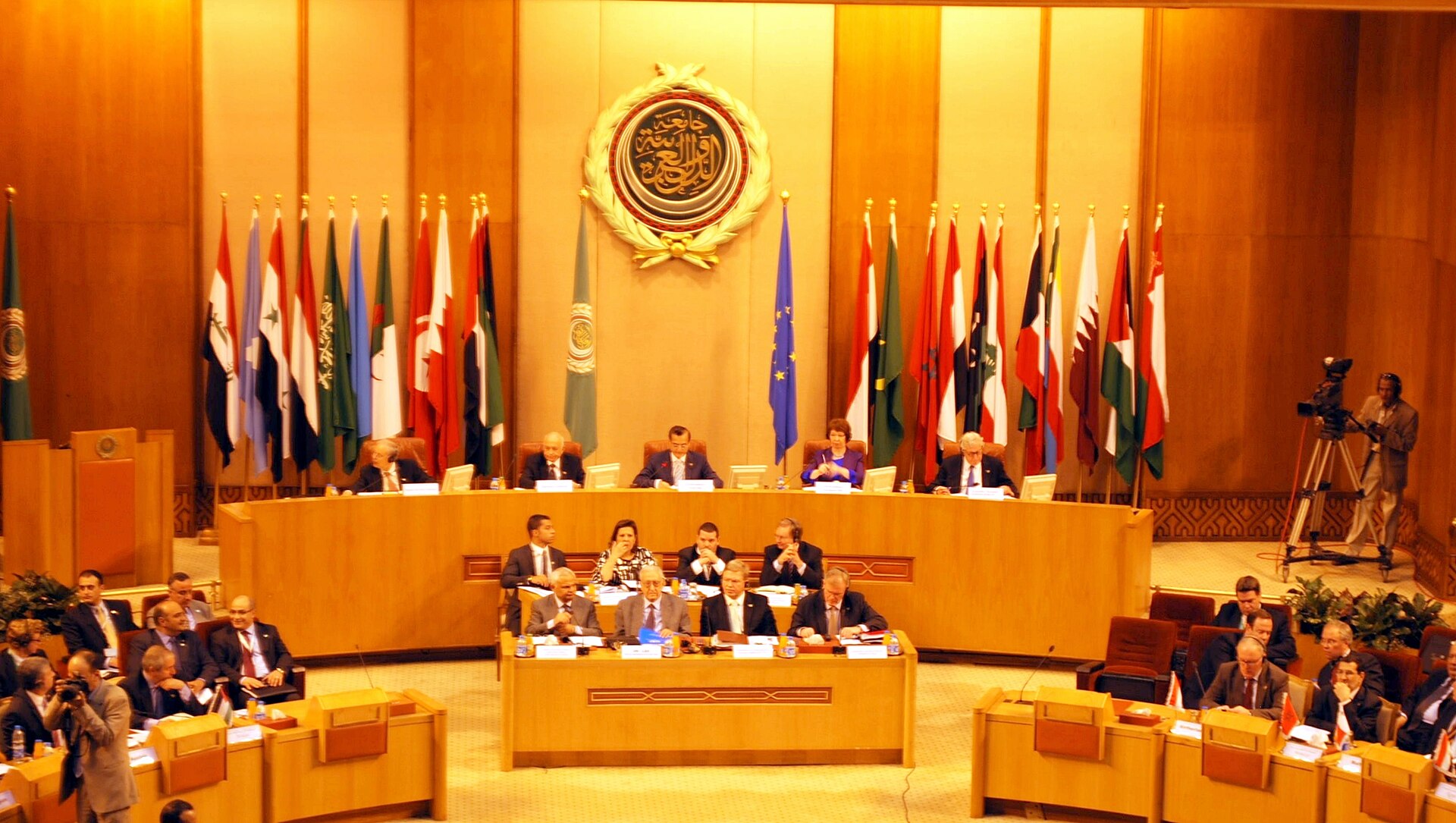
The GCC joint statement, issued from the extraordinary ministerial meeting, condemned Iran’s attacks and noted that “despite the numerous diplomatic efforts undertaken by the GCC countries to avoid escalation, and despite their affirmation that their territories would not be used to launch any attacks against the Islamic Republic of Iran, the latter has continued to carry out military operations targeting GCC countries.” The language was Prince Faisal’s diplomatic signature: firm enough to establish a collective grievance, measured enough to leave the door open for dialogue. The GCC session was followed by a broader Arab League emergency meeting on March 8 that invoked collective defense rights under Article 51 of the UN Charter. The diplomatic language carefully avoided sectarian framing — a deliberate choice examined in detail in the analysis of the war’s suppressed religious dimension, which maps how both Saudi and Iranian leadership have calculated that sectarian rhetoric would fracture the coalitions they need.
Managing Washington From 7,000 Miles Away
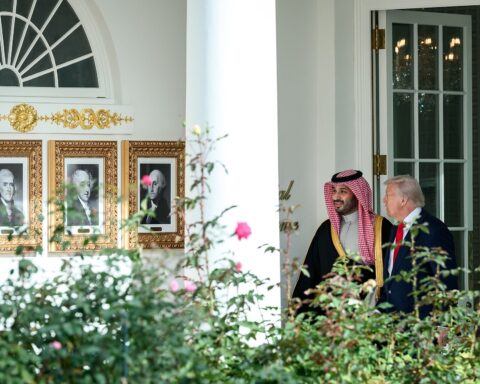
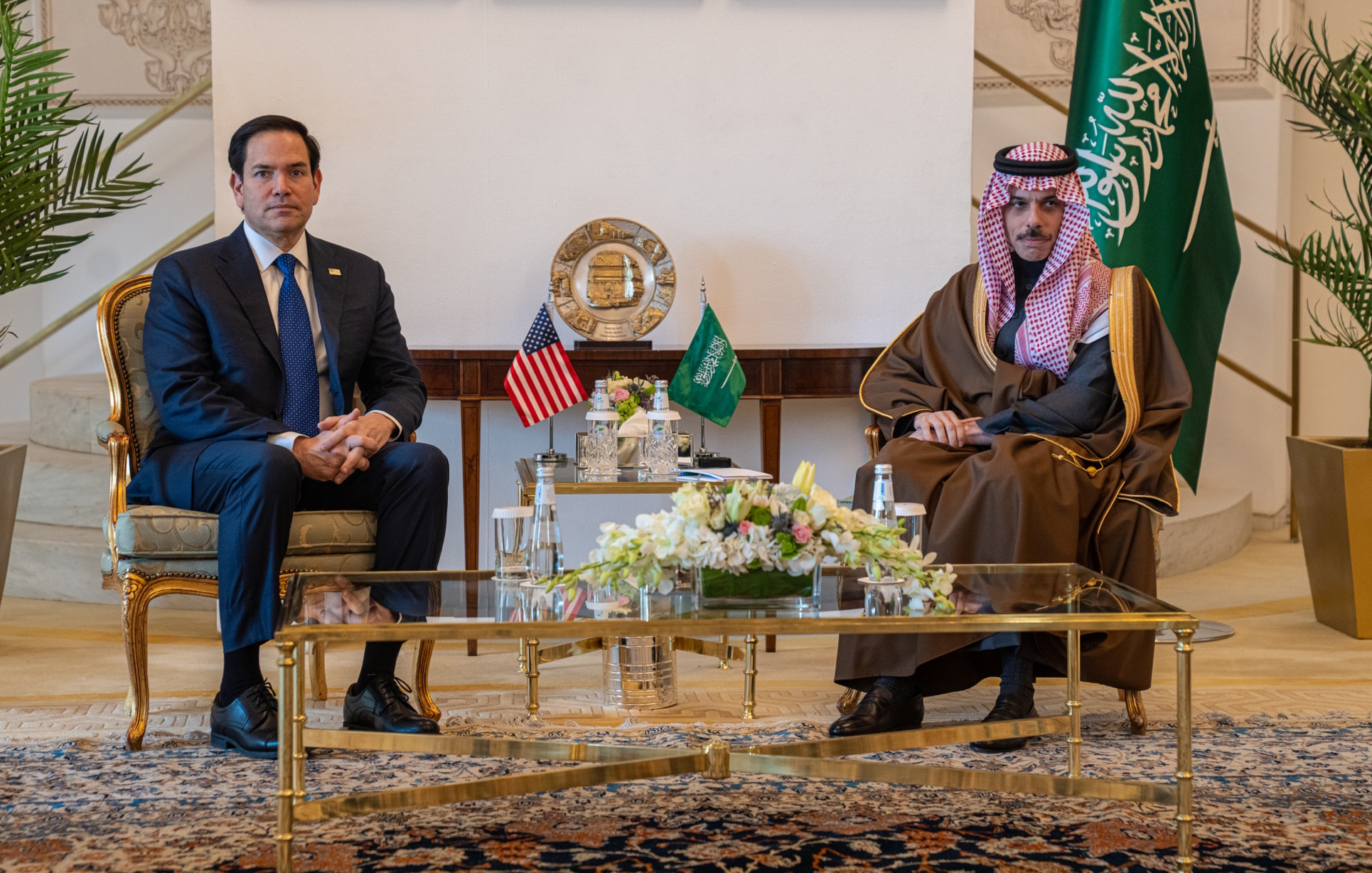
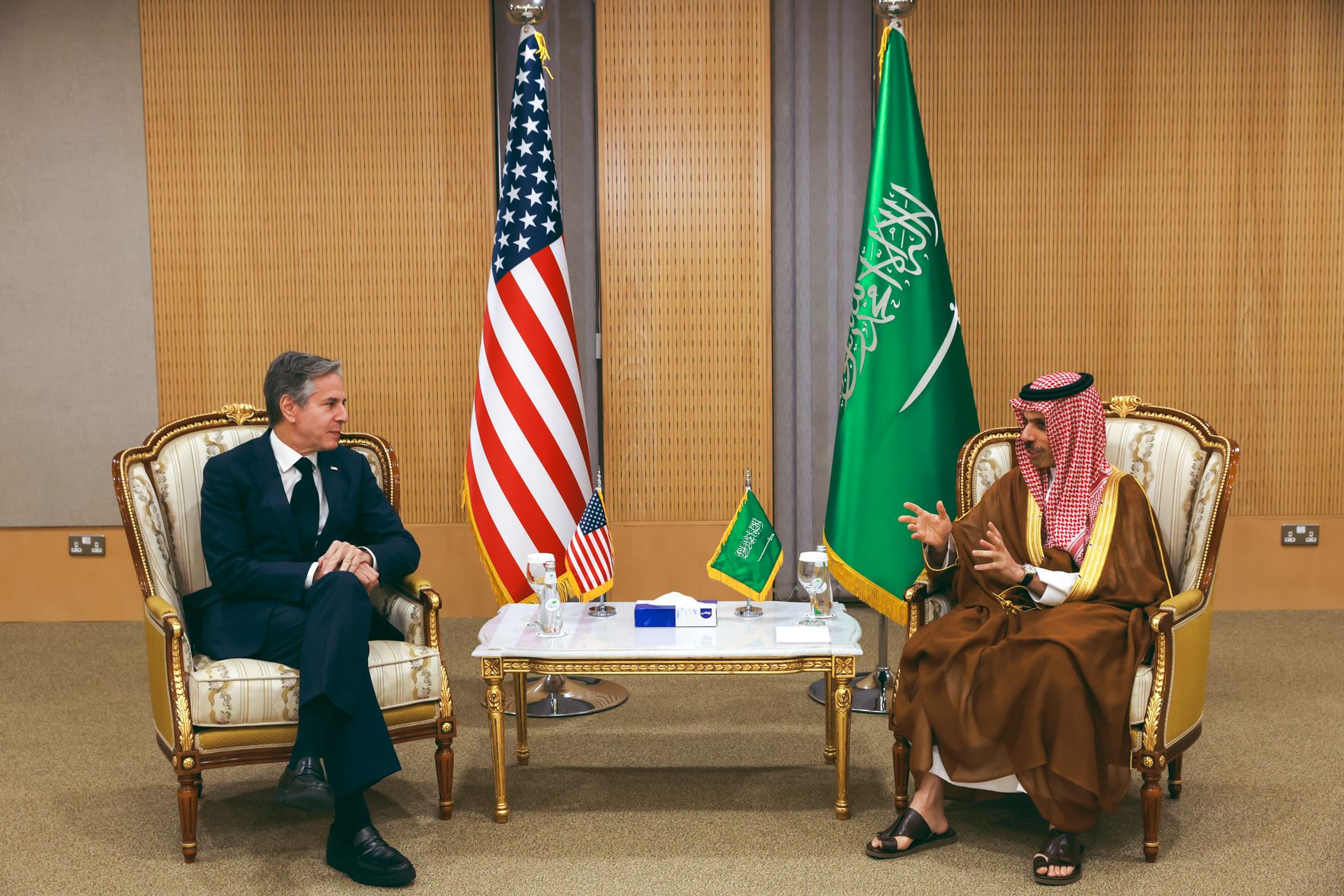
Prince Faisal’s relationship with Washington has been tested more severely by this crisis than at any point since his appointment. In January 2026, he met US Secretary of State Marco Rubio in Riyadh for what was described as a constructive bilateral meeting focused on regional security. Six weeks later, the security architecture they discussed was in ruins. By March 11, Prince Faisal and Rubio were conferring again — this time on the US terrorist designation of the Sudanese Muslim Brotherhood and its IRGC connections, a sign that Riyadh and Washington are aligning on counterterrorism fronts well beyond the Gulf.
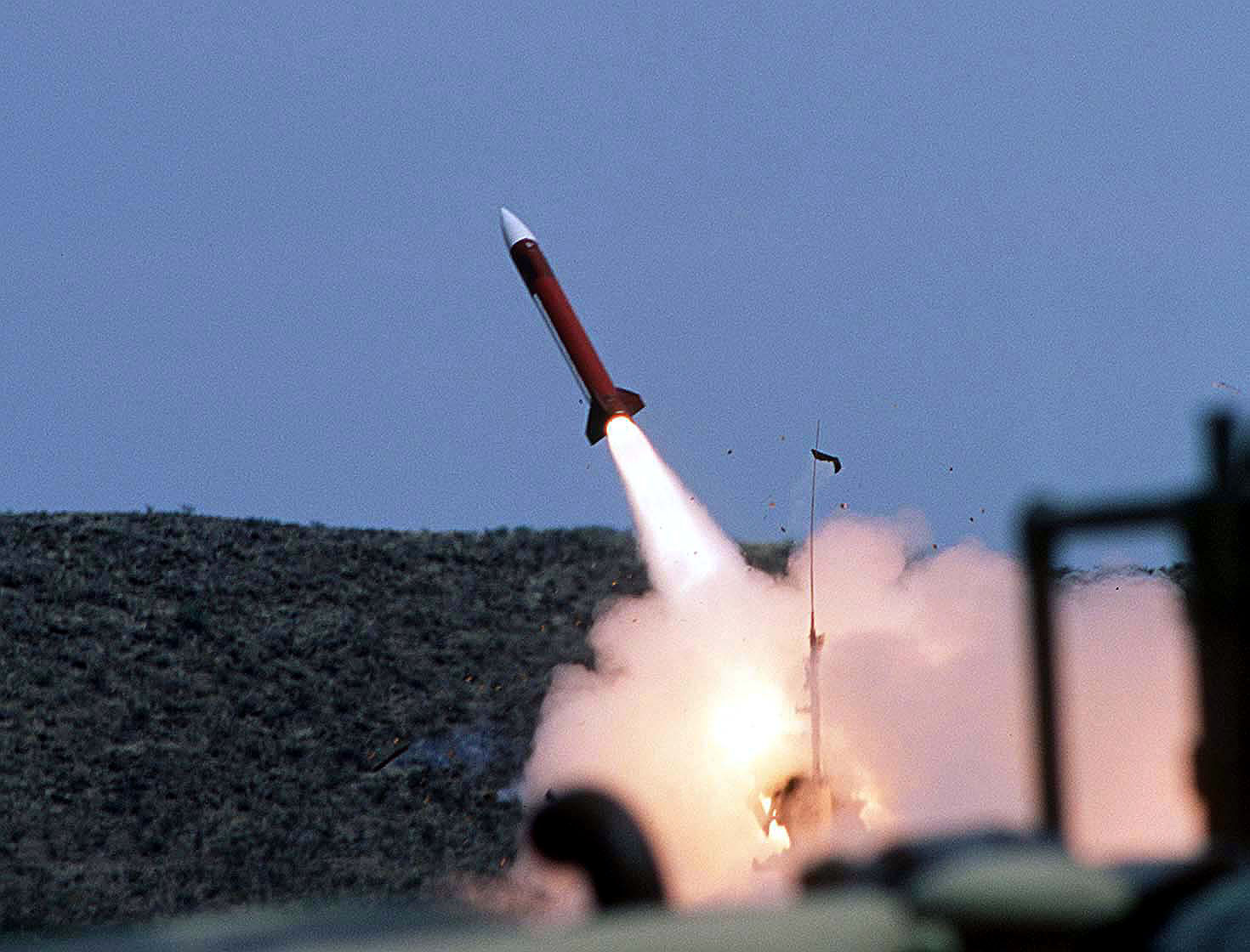
The fundamental problem Prince Faisal faces with Washington is one of alignment without endorsement. Saudi Arabia needs American air defence systems — the Patriot PAC-3 and THAAD batteries that have intercepted hundreds of Iranian missiles and drones since the war began — and American intelligence sharing to maintain its defensive posture. At the same time, it cannot be seen to have supported or facilitated a war that has brought Iranian missiles raining down on Saudi cities. The foreign minister must maintain the military relationship while maintaining distance from the political decisions that created the crisis.
President Trump’s public statement that the United States “stands with Saudi Arabia after Iranian strikes” and supports “all measures the Kingdom takes in response” gave Prince Faisal some political cover. But the statement also underscored the uncomfortable reality that Saudi Arabia was absorbing Iranian retaliation for an American war — a dynamic that Mohammed bin Salman’s three-front strategic calculus had not anticipated.
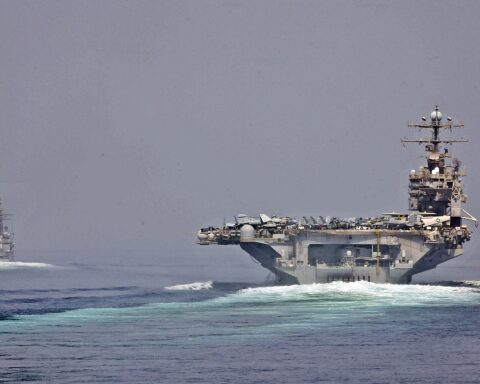
Prince Faisal’s Washington management has extended beyond the Trump administration. He has coordinated with US military commanders at Prince Sultan Air Base and Al Udeid in Qatar on integrated air defence operations, negotiated the terms under which additional American military assets — including a third carrier strike group — deploy in the Gulf, and managed the sensitive political question of whether the US embassy’s ordered departure of non-essential personnel reflects diminished confidence in Saudi security.
Is Faisal bin Farhan the Most Effective Foreign Minister in the Middle East?
In a region where foreign ministers tend to be either career bureaucrats or royal figureheads, Prince Faisal bin Farhan has carved out a distinct identity. His effectiveness rests on a combination of factors that set him apart from his predecessors and his regional counterparts. Unlike Prince Saud al-Faisal, who held the foreign minister portfolio for four decades (1975-2015) and embodied the cautious, consensus-building style of classical Saudi diplomacy, Prince Faisal operates with the urgency and directness of the MBS era.
Three qualities distinguish his diplomatic approach during the current crisis. First, speed. In the eleven days since the war began, Prince Faisal has conducted more high-level diplomatic exchanges than many foreign ministers manage in a quarter. His calls have spanned every major power centre: Washington, London, Berlin, Madrid, Beijing, Kyiv, Kuwait City, Doha, Abu Dhabi, Manama, and Tehran. The pace reflects both the urgency of the moment and a deliberate strategy of hyperactive engagement designed to keep all parties invested in dialogue.
Second, clarity. Where traditional Saudi diplomacy favoured ambiguity — allowing different audiences to hear different messages — Prince Faisal has been remarkably direct. His warning to Iran about opening Saudi bases to American operations was leaked to Reuters within hours, a controlled disclosure that ensured the message reached beyond the immediate conversation to Iran’s military establishment, the IRGC, and the broader international community.
Third, strategic patience. Despite the provocations Saudi Arabia has endured — the appointment of Mojtaba Khamenei as Iran’s new supreme leader, the continued attacks on Saudi oil infrastructure, the civilian casualties in Al-Kharj — Prince Faisal has consistently counselled restraint within the Saudi national security establishment. He has argued, according to regional diplomats, that Saudi Arabia’s long-term interests are better served by emerging from this war as the responsible actor that tried to prevent it than as a belligerent that joined it.
From Neutrality to Defiance — Saudi Arabia’s Diplomatic Pivot
The first three days of the war saw Prince Faisal maintain what MEMRI characterised as Saudi Arabia’s “declared position of neutrality.” The foreign ministry’s initial statements emphasised the Kingdom’s commitment to regional stability, its non-involvement in the US-Israeli strikes, and its readiness to mediate. The tone was calibrated to avoid antagonising either side — a balancing act that had served Saudi Arabia well during the 2019 Aramco drone attacks, when the Kingdom chose dialogue with Iran over retaliation.
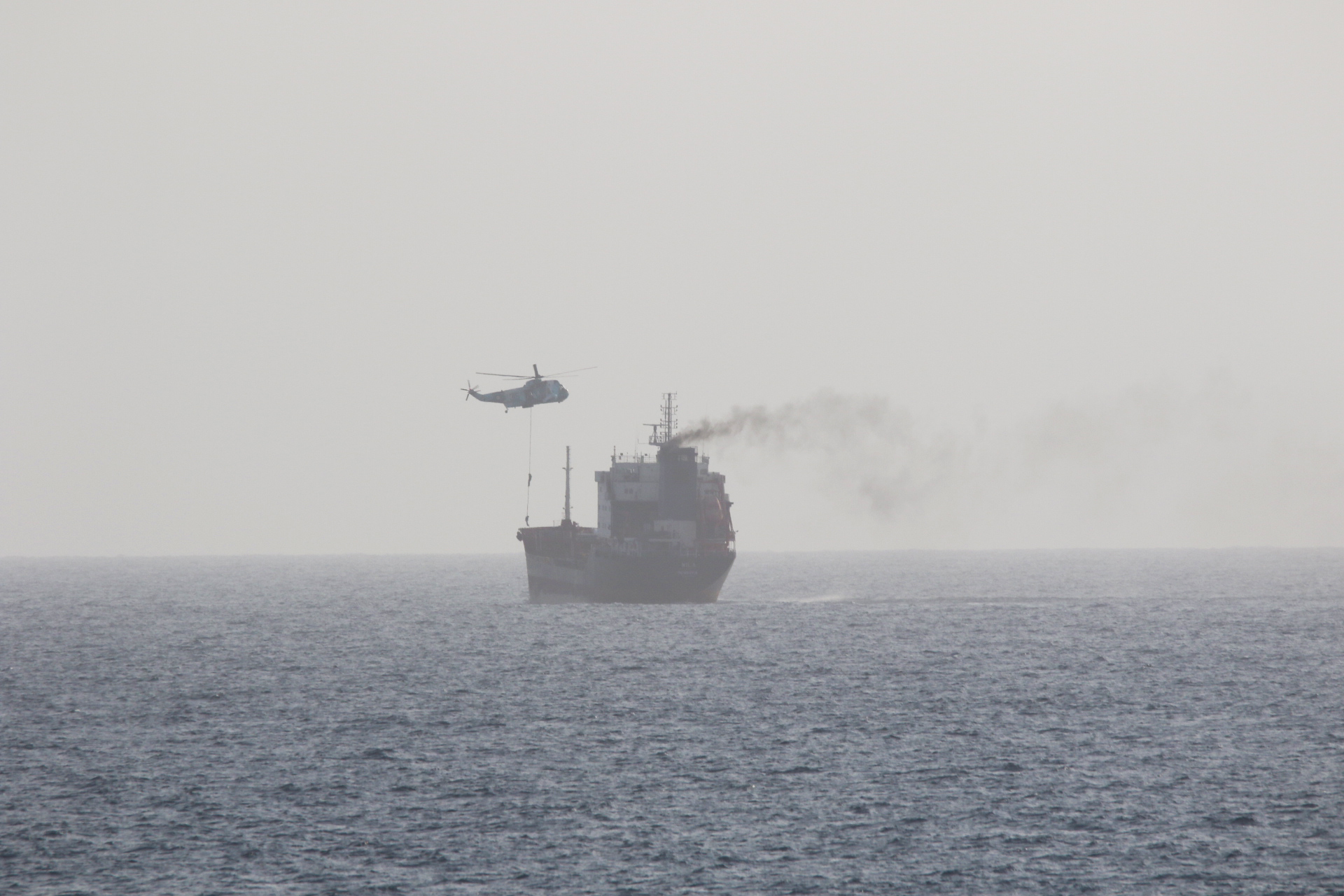
By day four, the calculus had shifted. Iranian missiles had struck the diplomatic quarter of Riyadh. Drones had targeted the Shaybah oilfield deep in the Empty Quarter. Ballistic missiles had been fired at Prince Sultan Air Base — the primary hub for US military operations in central Saudi Arabia. Defence Minister Prince Khalid bin Salman was publicly coordinating with counterparts across the region. The pretence of neutrality was becoming untenable.
The MEMRI report tracking this evolution identified a clear inflection point: Saudi Arabia began defining Iran not merely as an aggressor engaged in collateral damage but as “a direct threat to its national security.” Prince Faisal’s language in diplomatic exchanges sharpened accordingly. Where he had initially emphasised Saudi Arabia’s “non-involvement,” he began emphasising the Kingdom’s “right to respond.” The shift was not a reversal of strategy but an escalation within the same framework — maintaining the diplomatic channel while raising the cost of Iran’s continued attacks. A fuller accounting of Saudi Arabia’s nine-month reversal from détente to confrontation reveals that Prince Faisal’s wartime pivot built on institutional groundwork laid months before the first Iranian missile crossed Saudi airspace.
Saudi media, often a reliable indicator of the government’s internal deliberations, tracked the shift in real time. Senior commentators who had cautioned against involvement in the first days of the war began publishing columns that described the Iranian regime as the root cause of regional instability. Some went further, endorsing regime change in Tehran — a position that Prince Faisal’s own diplomatic messaging carefully avoids but that the broader Saudi establishment appears to have embraced.
What Kind of Middle East Is Faisal bin Farhan Building?
Prince Faisal bin Farhan’s wartime diplomacy is not merely reactive crisis management. It is shaping the contours of a post-war regional order that will emerge whenever the guns fall silent. The Atlantic Council assessed in early March that “the Gulf that emerges from the Iran war will be very different” — and Prince Faisal’s diplomatic choices during the crisis will determine whether Saudi Arabia leads that new order or is constrained by it.
Several elements of his approach suggest a deliberate long-term strategy. By maintaining the backchannel with Tehran even while threatening retaliation, Prince Faisal is positioning Saudi Arabia as the indispensable interlocutor in any future peace process. No ceasefire can hold without Saudi acquiescence, and no post-war reconstruction of the Gulf security architecture can proceed without Saudi leadership. This is a diplomatic asset that Prince Faisal is building in real time, under fire.
That positioning faced its most severe test on March 19, when Prince Faisal himself announced that Saudi patience was “not unlimited” and Riyadh reserved the right to take military action against Iran — transforming the diplomat into the messenger of a potential war footing.
His coordination with China — Beijing sent a special envoy to Riyadh carrying a five-point ceasefire proposal, which Prince Faisal received and discussed with the Chinese Middle East envoy — reflects a broader vision of Saudi foreign policy that is not exclusively tied to Washington. The 2023 normalisation agreement was brokered by China, and Prince Faisal’s willingness to engage Beijing as a mediator suggests he envisions a post-war Gulf in which multiple great powers provide security guarantees.
The foreign minister’s engagement with Ukraine — MBS received a call from Ukrainian President Volodymyr Zelensky on 8 March — adds another dimension. Saudi Arabia hosted Ukraine-Russia peace talks in 2023, and the Kingdom’s post-war positioning could include a role as a global mediator, not merely a regional one. Prince Faisal’s diplomatic network, built through this crisis, provides the infrastructure for that ambition.
| Counterpart | Country | Date(s) | Key Issue |
|---|---|---|---|
| Abbas Araqchi (FM) | Iran | Daily since 1 March | De-escalation, base access denial, retaliation warning |
| Marco Rubio (SecState) | United States | Multiple | Air defence coordination, base access terms |
| UK Prime Minister | United Kingdom | 6 March | British military deployment to Gulf |
| GCC foreign ministers (5) | Gulf states | Continuous | Unified response, no unilateral escalation |
| Chinese ME envoy | China | Early March | Five-point ceasefire proposal |
| Spanish PM | Spain | 8 March | European coordination |
| Volodymyr Zelensky | Ukraine | 8 March | Drone defence teams, broader mediation |
| Kuwaiti Crown Prince | Kuwait | 6 March | GCC solidarity, Iranian aggression condemnation |
| Australian officials | Australia | Early March | Defensive military support requests |
The question that will define Prince Faisal’s legacy is whether the diplomatic architecture he is building during the crisis proves durable once the crisis ends. Saudi Arabia has historically struggled to translate wartime solidarity into lasting institutional arrangements. The GCC itself, founded in 1981 partly in response to the Iran-Iraq War, has never achieved the collective security capacity its founders envisioned. Prince Faisal’s challenge is to ensure that this war produces a different outcome — a Gulf security framework that is genuinely multilateral, credibly deterrent, and resilient enough to survive the next crisis.
For now, Prince Faisal bin Farhan continues to work the phones. The calls to Tehran continue. The coordination with Washington continues. The management of the GCC continues. The man who moved from Boeing boardrooms to the world’s most dangerous diplomatic posting shows no sign of exhaustion, even as the war he is trying to contain enters its second week. Whether the conflict defines MBS’s legacy or not, it has already defined Prince Faisal bin Farhan’s. He arrived at the foreign ministry as a competent technocrat. He will leave it — whenever that day comes — as the man who held Saudi Arabia together while the Middle East came apart.
Frequently Asked Questions
Who is Prince Faisal bin Farhan Al Saud?
Prince Faisal bin Farhan Al Saud is the foreign minister of Saudi Arabia, appointed on 23 October 2019. Born in Frankfurt, West Germany, in 1974, he is a former Boeing aerospace executive who transitioned to government service in 2017. He is the sixth person to hold the position and the third member of the Al Saud royal family to serve as the Kingdom’s chief diplomat. His lineage traces to Farhan bin Saud, brother of the First Saudi State’s founder.
What role has Prince Faisal played in the 2026 Iran war?
Prince Faisal has served as Saudi Arabia’s primary diplomatic voice during the Iran war, maintaining daily contact with Iran’s Foreign Minister Abbas Araqchi while coordinating GCC responses and managing relations with Washington, London, Beijing, and other capitals. On 7 March 2026, he delivered a critical ultimatum warning Iran that continued attacks on Saudi territory could lead to the Kingdom permitting US military operations from Saudi bases.
Did Prince Faisal bin Farhan negotiate the 2023 Saudi-Iran deal?
Prince Faisal played a central role in the Saudi-Iranian normalisation process that culminated in the Chinese-brokered agreement of 10 March 2023. He met with Iranian foreign ministers in Amman (December 2022) and Tehran (June 2023), establishing the diplomatic channels that survived the normalisation’s collapse and now serve as the primary communication conduit during the war.
What was Prince Faisal’s career before becoming foreign minister?
Prince Faisal spent over a decade in the private sector as Boeing’s representative on the board of Al Salam Aerospace Industries, rising from deputy chairman to chairman between 2001 and 2013. He also served as a founding partner of Northern Investment Company and sat on the board of Saudi Arabian Military Industries (SAMI) before joining the Office of the Crown Prince as an adviser in 2017 and briefly serving as ambassador to Germany in 2019.
How does Prince Faisal compare to previous Saudi foreign ministers?
Prince Faisal’s approach differs markedly from his most notable predecessor, Prince Saud al-Faisal, who held the position for forty years (1975-2015) and favoured cautious, consensus-driven diplomacy. Prince Faisal operates with greater speed and directness, reflecting the MBS era’s preference for decisive action. His corporate background in aerospace and defence also gives him a technical fluency in security matters that career diplomats typically lack, a quality that has proven valuable during wartime coordination with military allies. His challenge intensified after Iran formally rejected all ceasefire and negotiation proposals, leaving Saudi diplomacy with no willing counterpart in Tehran. The full scope of how eleven days of war have destroyed three years of Gulf-Iran détente underscores the impossible landscape Prince Faisal must now navigate.