
Arrested on Wednesday amidst a corruption investigation, former President of Spanish Football Federation, Luis Rubiales now finds himself under intense scrutiny. His arrest follows an incident during the Women’s World Cup final where he kissed a female player without her consent.
The arrest took place at Madrid’s airport, with law enforcement officers detaining Rubiales after he deboarded a flight from the Dominican Republic. Following a few hours of detainment, Rubiales was subsequently released, however, an investigative judge is lined up to summon him for a more robust questioning in the subsequent days.
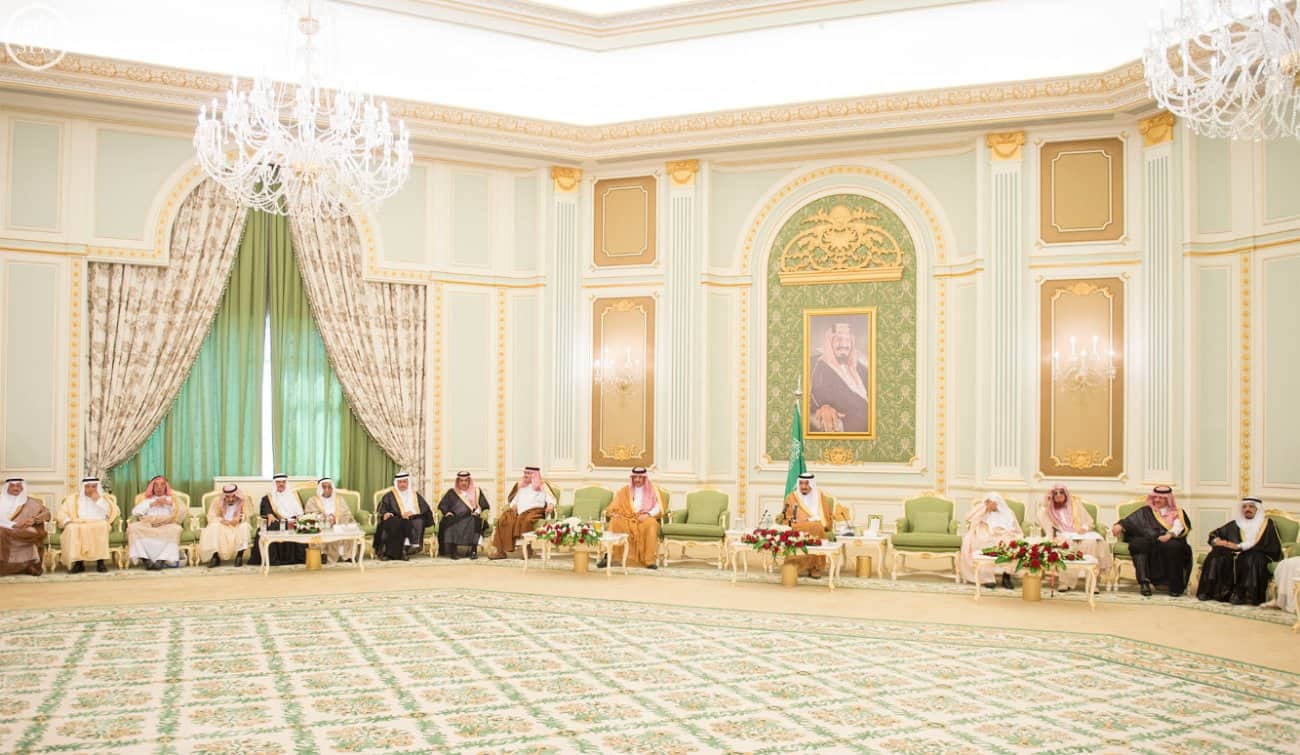
The arrest took place amidst an ongoing judicial probe into Rubiales’ business transactions during his tenure as Federation’s head, one of the most controversial of which was moving the Spanish Super Cup to Saudi Arabia.
Two weeks prior, while Rubiales was in the Dominican Republic, his residence in the southern Spanish city of Granada, along with the Spanish Football Federation offices in Madrid, were raided by the police. This sting resulted in seven arrests with Rubiales identified as being among five other individuals currently under investigation.
The probe is tracing the roots of corruption and money laundering linked to contracts for the Spanish Super Cup and the Federation’s affiliation with Seville’s La Cartuja Stadium. The stadium regularly hosts the Copa del Rey final and several international games, among other agreements.
Rubiales resigned in September from his position with the federation following a global uproar caused by the unconsented kiss incident. He now stands accused of sexually assaulting Spain’s player, Jenni Hermoso, a charge he vehemently denies.
The ex-president prematurely culminated his time abroad by three days, contradicting his initial statement to the court about his return on Saturday.
As president of Spanish soccer, Rubiales restructured the Spanish Super Cup in 2020, turning it into a four-team mini-tournament that relocated to Saudi Arabia; a transaction rumoured to have brought in 40 million euros (then $42 million) per tournament to the federation’s coffers.