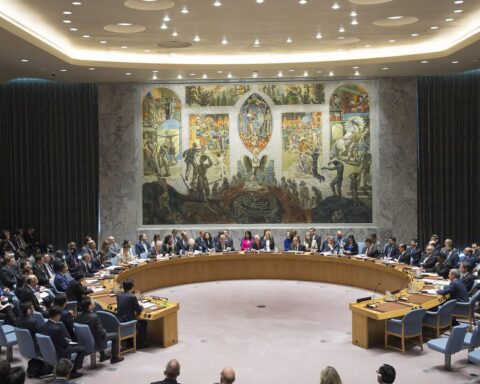

GENEVA — The United Nations Human Rights Council adopted a resolution by consensus on March 25 demanding Iran immediately cease all attacks on Gulf states and pay reparations for damages inflicted across seven nations since the war began on February 28. The resolution, brought by Bahrain on behalf of the Gulf Cooperation Council and co-sponsored by more than 100 states, represents the most significant multilateral diplomatic victory for the Gulf states since Iranian missiles and drones began striking their territory nearly four weeks ago.
The 47-member council condemned what it called “unprovoked and deliberate” attacks using missiles and drones that have targeted civilians, airports, ports, energy facilities, desalination plants, and residential areas across Saudi Arabia, the UAE, Kuwait, Qatar, Bahrain, Oman, and Jordan. The resolution affirmed the right of targeted states to self-defence under Article 51 of the UN Charter and requested UN High Commissioner for Human Rights Volker Turk to monitor the situation.
Table of Contents
- What Did the UN Human Rights Council Resolution Say?
- What Did Gulf States Tell the United Nations?
- The Toll — Attacks Across Seven Nations
- How Did Iran Respond to the Resolution?
- UN Chief Warns War Is Out of Control
- What Does the Resolution Mean for Peace Talks?
- The GCC’s Diplomatic Campaign Since February 28
- Frequently Asked Questions
What Did the UN Human Rights Council Resolution Say?
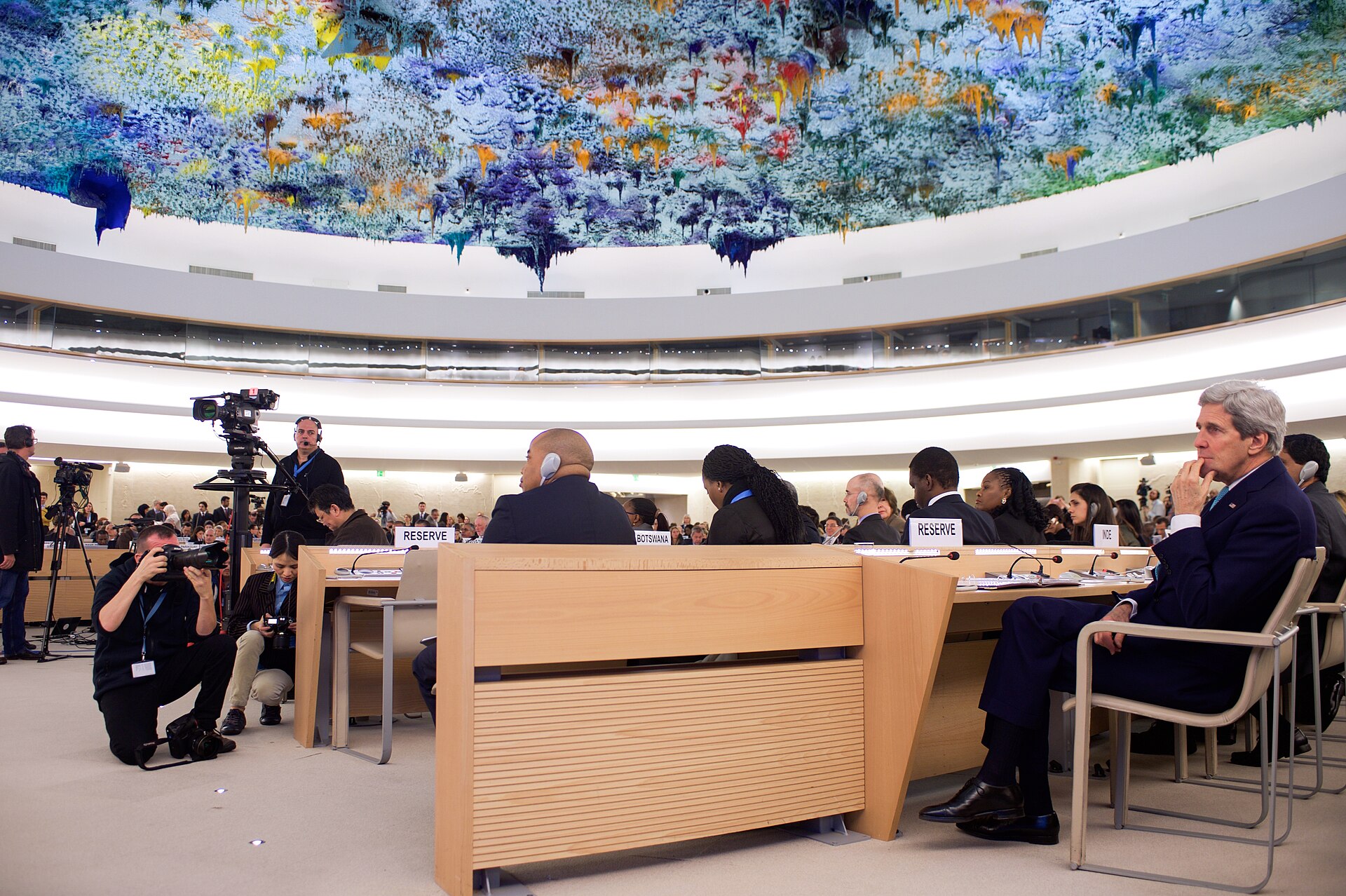
The resolution adopted during an urgent debate at the council’s 61st regular session in Geneva’s Palais des Nations characterized Iran’s attacks as a “violation of international law and serious threat to international peace and security.” It condemned the “deliberate and unjustified attacks using missiles and drones targeting civilians” and affirmed that the strikes constitute a “breach of the sovereignty and territorial integrity” of the targeted states, according to the text published by the council.
The document called on Iran for an “immediate and unconditional cessation of all attacks, threats and provocations” and demanded that Tehran provide “full, effective and prompt reparations to all victims for the damages and losses resulting from these attacks.” It further confirmed the “inherent right to self-defence, individually or collectively” under UN Charter Article 51, language that Gulf diplomats had specifically requested.
The resolution also addressed Iran’s effective closure of the Strait of Hormuz, expressing concern over “attacks on energy infrastructure and their repercussions” and the impact on “international navigation, particularly in the Strait of Hormuz.” It demanded Iranian compliance with UN Security Council Resolution 2817, which was adopted on March 11 with 13 votes in favour and abstentions from China and Russia.
The resolution was adopted by consensus — meaning no member state formally objected — and co-sponsored by more than 100 UN member states, according to the council’s records.
What Did Gulf States Tell the United Nations?
Saudi Arabia’s permanent representative to UN Geneva, Ambassador Abdulmohsen Majed bin Khothaila, delivered one of the sharpest statements in the urgent debate. “These attacks violate the UN Charter and international law. We must call things by their name,” he told the council. He described the strikes as “cowardly” and condemned what he called “a blatant violation of the most basic principles of good neighbourliness.”
Bin Khothaila reserved particular criticism for Iran’s attacks on states that had previously served as diplomatic intermediaries. “Targeting a mediator is a betrayal of peace efforts and a deliberate undermining of any path toward de-escalation,” he said, an apparent reference to Qatar and Oman, both of which had facilitated back-channel communications with Tehran before the war. “Attempts by Iran to evade responsibility cannot deny what the world clearly sees, nor can Iran escape accountability.”
Qatar’s permanent representative, Dr. Hend bint Abdulrahman al-Muftah, told delegates that the attacks had crossed a threshold. “These attacks amount to a great source of concern for us, and we can no longer remain silent,” she said. Qatar reiterated what it called its “strongest condemnation of Iranian attacks targeting Qatari territory and several other brotherly countries with missiles and drones, in a flagrant violation of national sovereignty.”
Kuwait’s ambassador, Naser Abdullah Alhayen, framed the situation in existential terms. “We are seeing an existential threat to international and regional security,” he said. “This aggressive approach is undermining international law and sovereignty.”
Bahrain’s representative, Ambassador Abdulla Abdullatif Abdulla, emphasized that Gulf states were not combatants in the US-Israeli war on Iran. “Our countries are not party to the armed conflict, nor have we taken part in military aggression or attacks,” he said. “These Iranian attacks have targeted civilians, civilian infrastructure, leading to very many innocent victims.” He called the strikes “unjustified and unjustifiable.”
The UAE’s ambassador, Jamal Jama al Musharakh, denounced what he called Iran’s “attempt to destabilise the international order through reckless adventures of expansionism.” The UAE Ministry of Foreign Affairs later described the resolution as “historic,” according to the state news agency WAM.
Oman offered the most nuanced position among the six GCC states. Ambassador Idris Abdul Rahman Al Khanjari condemned Iranian attacks on Gulf territory but also explicitly rejected the US-Israeli war on Iran itself, calling it “an illegal war” that “represents a gross violation of the principles and provision of international law.” Oman was the only GCC member to condemn both sides of the conflict in equal measure during the session.
The Toll — Attacks Across Seven Nations
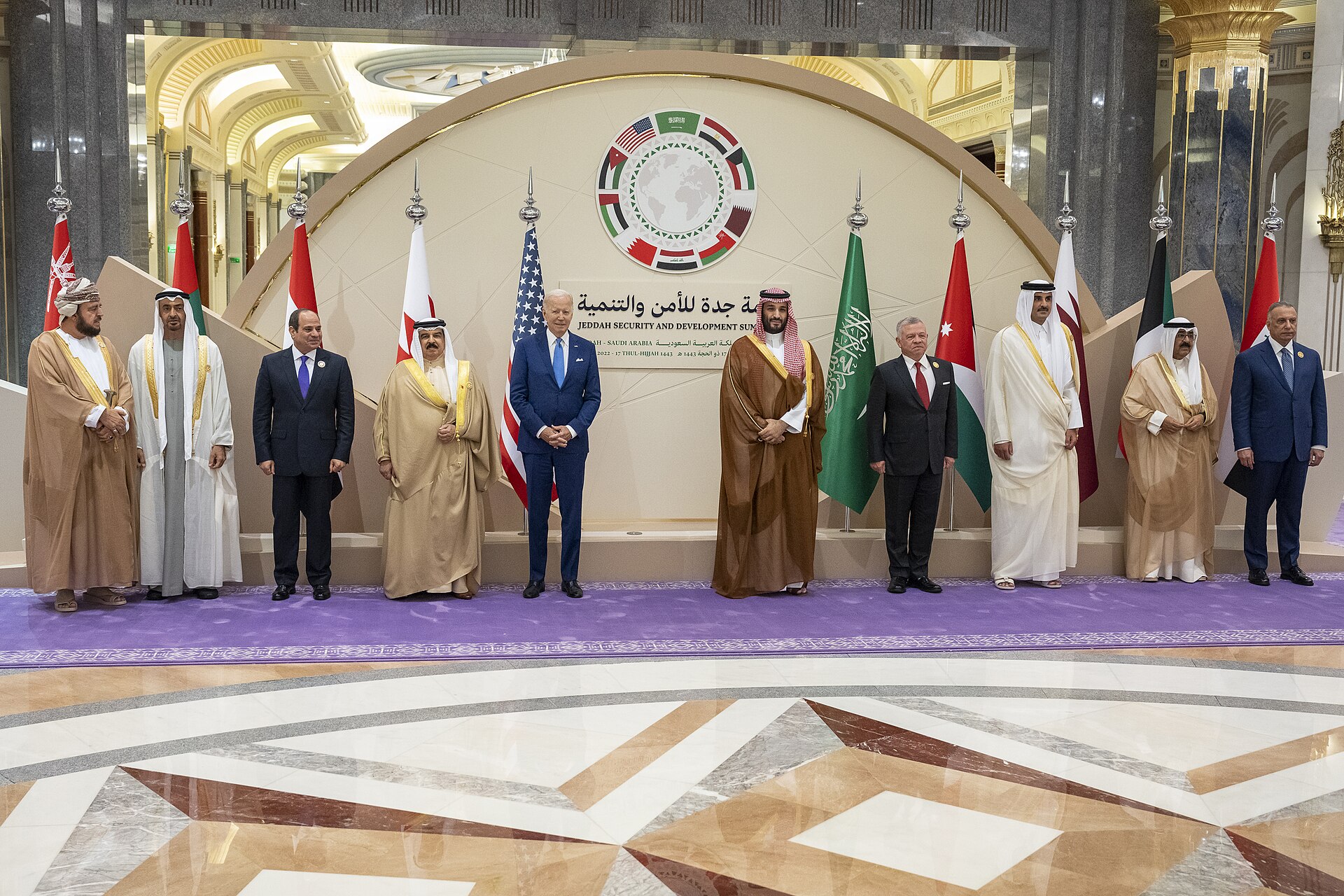
The resolution named seven countries targeted by Iranian strikes since February 28: Saudi Arabia, the UAE, Kuwait, Qatar, Bahrain, Oman, and Jordan. Human Rights Watch documented at least 11 civilian deaths and more than 268 injuries across the Gulf as of March 16, with Al Jazeera tallying at least 27 killed across the region by March 25. A significant proportion of the casualties were migrant workers, according to HRW.
Saudi Arabia’s Ministry of Defence has reported intercepting at least 38 ballistic and cruise missiles and more than 435 drones targeting the Kingdom since the war began. Attacks have struck the Eastern Province, home to the country’s largest oil facilities at Ras Tanura, Ghawar, and Abqaiq. Ballistic missiles have been fired at Riyadh on multiple occasions, with debris from intercepted warheads falling on residential homes in the Eastern Province. Iran also struck the SAMREF refinery at Yanbu on the Red Sea coast, briefly halting oil loading operations at Saudi Arabia’s critical bypass route for the Strait of Hormuz.
| Country | Targets Hit | Casualties Reported | Key Infrastructure Struck |
|---|---|---|---|
| Saudi Arabia | Eastern Province, Riyadh, Yanbu | Multiple injuries; missile debris hit homes | Ras Tanura refinery, SAMREF refinery, US Embassy Riyadh |
| UAE | Dubai, Abu Dhabi, Fujairah | 2+ killed, dozens injured | Dubai Airport, Zayed Airport, DIFC financial district, Fairmont hotel |
| Bahrain | Manama, residential areas | 1 killed, 8+ injured at Millennium Tower | Crowne Plaza hotel, water desalination plant |
| Kuwait | Kuwait City, airport area | 4+ injured at airport | Kuwait International Airport, US Embassy, power station |
| Qatar | LNG facilities, Ras Laffan | Injuries reported | LNG export terminals (20% of global LNG market) |
| Oman | Duqm port complex | 2 killed in earlier strikes | Duqm port, commercial facilities |
| Jordan | Multiple locations | Injuries reported | Military and civilian sites |
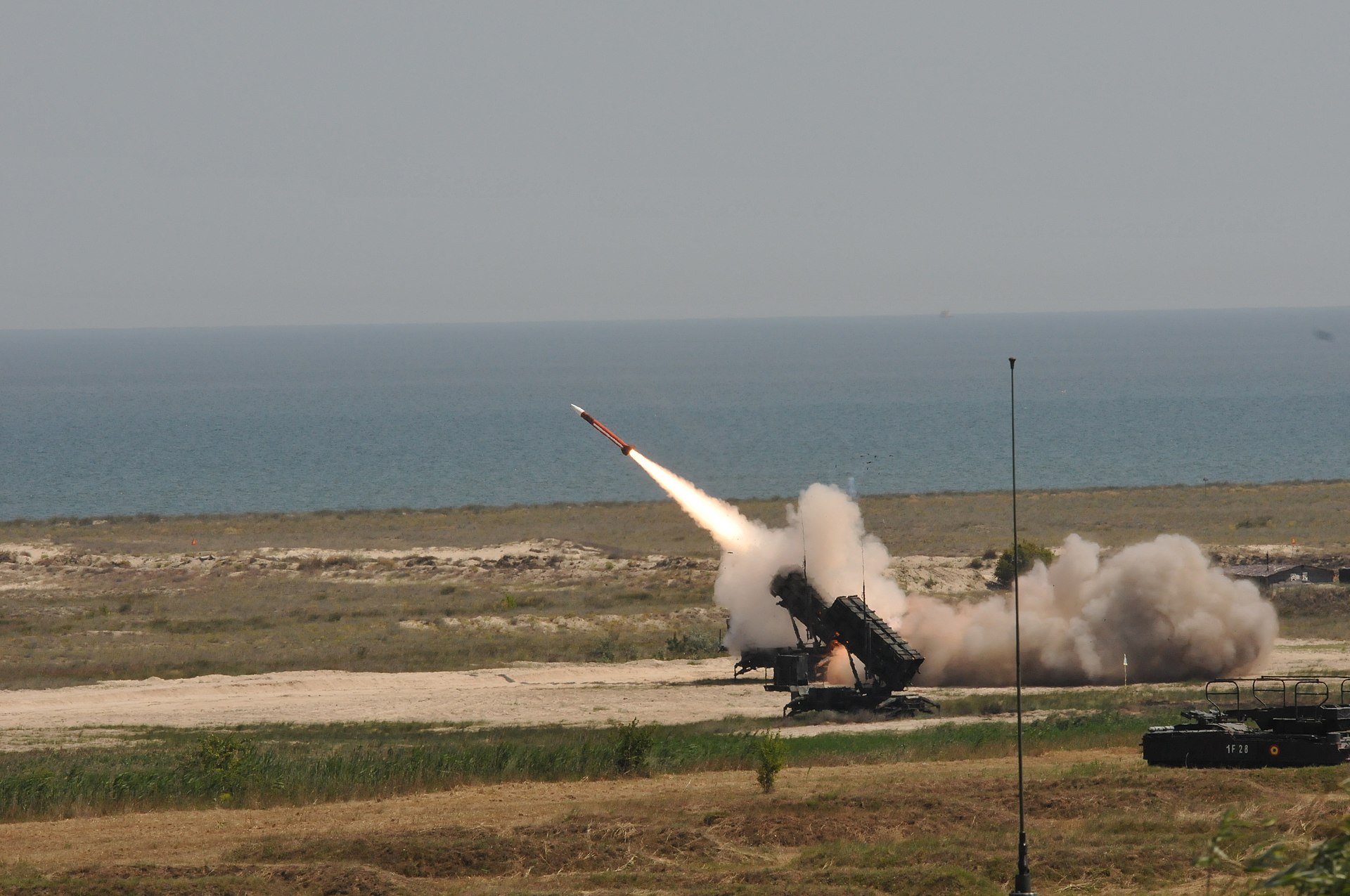
The UAE has faced more than 2,000 individual attacks since the war began, according to government statements. Bahrain has intercepted 125 missiles and 203 drones, according to its defence ministry. Gulf governments report an overall interception rate above 90 percent, though the volume of incoming fire continues to test the region’s missile defense systems.
The economic toll extends beyond physical damage. Qatar’s shutdown of LNG exports has disrupted 20 percent of the global liquefied natural gas market. Iran’s effective closure of the Strait of Hormuz has stranded approximately 2,000 vessels and 20,000 seafarers, according to the International Maritime Organization. Brent crude has traded above $100 per barrel since early March, with prices touching $126 at their peak, according to market data tracked since the war began.
How Did Iran Respond to the Resolution?
Iran’s ambassador to UN Geneva, Ali Bahreini, rejected the resolution’s premise and instead framed Tehran’s actions as defensive. “We fight on behalf of all of you against an enemy that, if not restrained today, will be beyond containment tomorrow,” he told the council, referring to Israel. He accused the US and Israel of “dragging the entire world towards chaos and peril.”
Bahreini issued a warning to Gulf states that had cooperated with Washington. “Those who are today appearing as your friends will cast off their masks tomorrow,” he said. He pointed to the presence of American military aircraft at Gulf airfields, saying they served as “refuelling points of the fighter jets that every day drop their bombs on the Iranian people.” Iran has argued that Gulf states bear responsibility for facilitating the US-Israeli campaign by hosting military bases and providing overflight access.
Tehran claims more than 1,500 civilians have been killed by US-Israeli strikes inside Iran since February 28, a figure that some international monitors put closer to 1,300 killed and more than 7,000 injured. The UN Office of the High Commissioner for Human Rights has documented 67,414 civilian sites struck in Iran, including 498 schools and 236 health facilities damaged.
Iran, backed by China, held its own emergency session on the bombing of a primary school on the first day of the war, which Tehran attributed to an erroneous US airstrike. The parallel sessions highlighted the political divisions within the council over how to address a conflict where both the US-Israeli strikes on Iran and Iran’s retaliatory attacks on Gulf states have drawn condemnation from different blocs.
Separately, Iran has rejected the Trump administration’s 15-point peace proposal and issued five counter-conditions for ending the war, including compensation for war damages and Iranian sovereignty over the Strait of Hormuz.
UN Chief Warns War Is Out of Control
UN Secretary-General Antonio Guterres delivered a statement outside the Security Council on March 25 declaring the conflict had passed all reasonable limits. “More than three weeks on, this war is out of control,” he said. “The conflict has broken past the limits even leaders thought imaginable. It has gone too far.”
Guterres warned that the consequences extended well beyond the Middle East. “The world is staring down the barrel of a wider war, a rising tide of human suffering, and a deeper global economic shock,” he said. He directly addressed the belligerents, saying: “My message to the United States and Israel is that it is high time to end the war as human suffering deepens, civilian casualties mount, and the global economic impact is increasingly devastating.”
Turning to Iran’s attacks on Gulf states, Guterres said: “Stop attacking your neighbours; they were never parties to the conflict.” He noted that the closure of the Strait of Hormuz was “choking the movement of oil, gas, and fertilizer at a critical moment in the global planting season,” warning of food supply disruptions beyond the energy crisis.
Guterres also announced the appointment of veteran French diplomat Jean Arnault as his personal envoy on the Middle East conflict, according to UN News. Arnault, who has more than 30 years of experience in international diplomacy, most recently served as Guterres’s envoy on Afghanistan. The appointment signals the UN’s intention to establish a dedicated diplomatic track separate from the US-led negotiations being explored through Pakistan.
UN High Commissioner for Human Rights Volker Turk, speaking during the urgent debate, was more direct. “States are flirting with unmitigated catastrophe,” he told delegates. “Attacks on civilians and civilian infrastructure must end. If they are deliberate, such attacks may constitute war crimes.” Turk added that the conflict had “an unprecedented power to ensnare countries across borders and around the world.”
What Does the Resolution Mean for Peace Talks?
The resolution is non-binding and carries no enforcement mechanism. But Gulf diplomats have framed it as a foundation for any future peace settlement. The demand for reparations establishes a formal international record of damages that Gulf states could invoke in bilateral negotiations with Tehran once hostilities end.
The resolution’s affirmation of self-defence rights under Article 51 also gives Gulf states legal cover to escalate their military posture if they choose. Saudi Arabia and the UAE have already taken steps toward more direct involvement in the conflict, including Riyadh’s decision to grant US forces access to King Fahd Air Base, according to the Wall Street Journal.
GCC states have insisted on representation in any peace negotiations between the US and Iran. The exclusion of Gulf states from early diplomatic efforts frustrated Riyadh and Abu Dhabi, which argue that they are bearing the heaviest collateral damage from a war they did not start. The resolution’s demand for “full, effective and prompt reparations” gives the GCC a negotiating instrument should talks materialize.
The United Kingdom co-sponsored the resolution, with Ambassador Eleanor Sanders stating: “We stand with our Gulf friends and allies, and will continue to act in their defence.” However, London noted that the Human Rights Council lacks authority to determine inter-state reparations, suggesting that any compensation claims would need to be pursued through the Security Council or bilateral channels.
The diplomatic landscape remains fractured. Iran has rejected Trump’s peace proposal and set its own five conditions for ending the war, including sovereignty over the Strait of Hormuz and guarantees that hostilities will not resume. The White House is working to arrange high-level talks through Pakistan, with Vice President JD Vance potentially travelling to Islamabad later this week, though administration officials have described the timing as “fluid,” according to CNN.
The GCC’s Diplomatic Campaign Since February 28
The Human Rights Council resolution is the latest step in a coordinated GCC diplomatic offensive that has built incrementally over nearly four weeks of war.
On March 1, just two days after the first Iranian missiles struck Gulf territory, the GCC convened its 50th Extraordinary Ministerial Council meeting by videoconference. Chaired by Bahrain’s foreign minister, Dr. Abdullatif bin Rashid Al Zayani, the session produced a statement condemning “heinous Iranian attacks” as a “serious violation of the sovereignty” of member states and invoking Article 51 of the UN Charter. The statement affirmed that “the security of GCC member states is indivisible.”
On March 10, Arab foreign ministers invoked collective defence provisions and called on the UN Security Council to act. The Security Council adopted Resolution 2817 on March 11, with 13 votes in favour and abstentions from China and Russia. A competing Russian draft resolution failed to meet the nine-vote threshold, receiving only four votes in favour.
On March 19, the UN High Commissioner for Human Rights issued a detailed statement documenting civilian harm across the region, calling the situation “reckless” and warning against treating the war as “a carte blanche to violate human rights.”
The March 25 resolution at the Human Rights Council marks the fourth major multilateral action by Gulf states in less than a month. The Carnegie Endowment for International Peace noted in an analysis published on March 3 that the GCC states had discovered the limits of their ability to “spend their way to influence at the White House.” The diplomatic campaign at the United Nations suggests a parallel strategy of building international legal and institutional pressure independently of Washington.
| Date | Action | Outcome |
|---|---|---|
| March 1 | GCC 50th Extraordinary Ministerial Council | Joint condemnation; invocation of Article 51 self-defence rights |
| March 10 | Arab foreign ministers call for Security Council action | Formal request for UNSC intervention |
| March 11 | UN Security Council Resolution 2817 | Adopted 13-0-2 (China, Russia abstained) |
| March 19 | OHCHR statement on civilian toll | Documentation of civilian harm across region |
| March 25 | UN Human Rights Council resolution | Adopted by consensus; demands cessation + reparations |
| Pending | Guterres appoints Jean Arnault as envoy | Dedicated UN diplomatic track established |
Frequently Asked Questions
What did the UN Human Rights Council resolution demand from Iran?
The resolution demanded that Iran immediately and unconditionally cease all attacks, threats, and provocations against Gulf states and provide full reparations to victims for damages and losses. It characterized the attacks as violations of international law and breaches of sovereignty, and affirmed the targeted states’ right to self-defence under Article 51 of the UN Charter.
Which countries were named in the resolution?
The resolution named seven countries targeted by Iranian attacks since February 28, 2026: Saudi Arabia, the United Arab Emirates, Kuwait, Qatar, Bahrain, Oman, and Jordan. All six GCC member states delivered statements during the urgent debate, and Bahrain brought the resolution on behalf of the council. More than 100 UN member states co-sponsored the text.
Is the resolution legally binding?
The resolution is non-binding. The UN Human Rights Council can condemn actions and request monitoring but cannot impose sanctions or enforcement measures. The United Kingdom noted during the debate that the council lacks authority to determine inter-state reparations. Any binding action would need to come through the Security Council, where China and Russia have abstained on related resolutions.
How many casualties have Iranian attacks caused in the Gulf?
Human Rights Watch documented at least 11 civilian deaths and more than 268 injuries across the Gulf as of March 16. Al Jazeera’s tally of Gulf defence and interior ministry reports counted at least 27 killed across the region by March 25. A significant proportion of the casualties were migrant workers. Bahrain alone has intercepted 125 missiles and 203 drones. Saudi Arabia has faced at least 38 missiles and more than 435 drones since February 28, according to its defence ministry.
What is Jean Arnault’s role as UN envoy?
UN Secretary-General Antonio Guterres appointed veteran French diplomat Jean Arnault as his personal envoy on the Middle East conflict on March 25. Arnault has more than 30 years of experience in international diplomacy, most recently serving as Guterres’s personal envoy on Afghanistan starting in 2021. His appointment establishes a dedicated UN diplomatic track that operates separately from the US-led negotiations being explored through Pakistan.