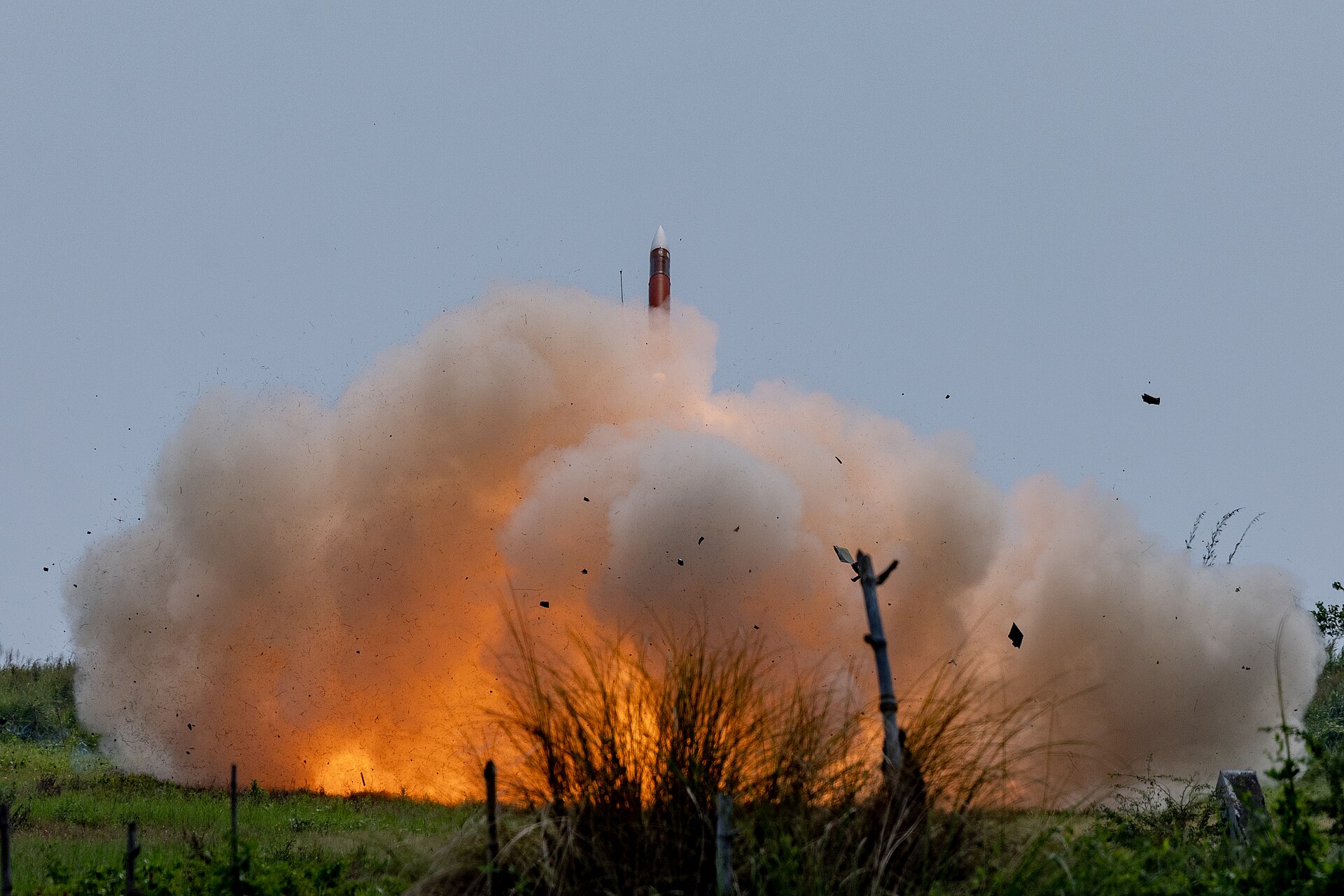

NEW YORK — Gulf Cooperation Council states circulated a draft United Nations Security Council resolution on Sunday demanding that Iran “immediately and unconditionally” halt all missile and drone attacks against neighbouring countries, according to diplomats and the text of the proposal reviewed by Arab News. Bahrain submitted the draft on behalf of Saudi Arabia, Kuwait, Oman, Qatar, and the United Arab Emirates, marking the first formal attempt to secure an international legal framework condemning Tehran’s 11-day bombardment of Gulf sovereign territory. Council negotiations on the text began during closed consultations on Monday, March 10, though diplomats cautioned that the resolution’s fate hinges on whether Russia or China exercises a veto. Update: The Security Council adopted the resolution on March 11 with 13 votes in favour and abstentions from Russia and China.
The draft arrives as the Iran war enters its second week with no ceasefire in sight. Iranian missiles and drones have struck targets across all six GCC states plus Jordan since February 28, killing civilians, damaging critical energy infrastructure, and prompting the United States to order non-emergency embassy staff out of Saudi Arabia. The GCC resolution represents a significant diplomatic escalation — a collective bid to move the conflict from the battlefield to the chamber where international law is made.
Table of Contents
- What Does the GCC Draft Resolution Demand?
- Which Gulf Nations Were Targeted by Iranian Strikes?
- How the Security Council Reacted During the Emergency Session
- Will Russia or China Veto the Resolution?
- The Legal Framework for Self-Defense Under Article 51
- What a Passed Resolution Would Mean for Saudi Arabia
- The Energy and Economic Dimension
- Diplomatic Timeline and Next Steps
- Frequently Asked Questions
What Does the GCC Draft Resolution Demand?
The draft resolution condemns “unequivocally, in the strongest terms” what it calls “heinous” Iranian missile and unmanned aerial vehicle strikes targeting the territories of Bahrain, Kuwait, Oman, Qatar, Saudi Arabia, the United Arab Emirates, and Jordan, according to the text circulated to Security Council members on March 8. The language mirrors the strongest condemnation formulas used in previous Council resolutions addressing state-on-state aggression.
Specifically, the draft demands that Iran:
- Cease all attacks on GCC member states and Jordan immediately and unconditionally
- Halt all provocations and threats toward neighbouring countries
- Stop the use of proxy forces against Gulf states and their interests
- Refrain from obstructing navigation through the Strait of Hormuz and the Bab al-Mandab Strait
The text characterises Iran’s attacks as a “serious threat to international peace and security” — a formulation that, if adopted, would open the door to enforcement measures under Chapter VII of the UN Charter. It also reaffirms the right of all affected states to individual or collective self-defense under Article 51, a provision that Gulf foreign ministers had already invoked at an extraordinary Arab League session earlier this week.
The resolution deplores the “deliberate targeting of civilians and civilian infrastructure, including airports, energy facilities, and diplomatic missions,” according to Arab News, which reviewed the draft. It specifically references the drone strikes on the United States embassy in Riyadh, the ballistic missile attacks on Prince Sultan Air Base, and the Iranian assault on Bahrain’s Isa Air Base that killed a 29-year-old civilian on March 10.
Which Gulf Nations Were Targeted by Iranian Strikes?
Iran’s retaliatory strikes, launched within hours of the US-Israeli Operation Epic Fury on February 28, targeted military installations and US bases across seven sovereign nations. The breadth of the assault is unprecedented in modern Middle Eastern conflict — never before has a single state simultaneously attacked all six members of the Gulf Cooperation Council plus an additional Arab nation in a coordinated bombardment.
| Country | Targets Hit | Casualties Reported | Key Incidents |
|---|---|---|---|
| Saudi Arabia | Oil facilities, military bases, US embassy, residential areas | 2 killed, 12+ injured | Ras Tanura refinery damaged; Al-Kharj residential strike; Prince Sultan Air Base targeted |
| Bahrain | Isa Air Base, residential areas | 1 killed, 8+ injured | Woman killed in Manama drone strike (March 10); base infrastructure damaged |
| Kuwait | Airport, military facilities, airspace | 0 reported killed | Airport damaged, airspace closed; 6 drones intercepted March 10 |
| UAE | Al Dhafra Air Base, ports | 0 reported killed | Base struck in opening salvo February 28 |
| Qatar | Al Udeid Air Base | 0 reported killed | Major US CENTCOM forward headquarters targeted |
| Oman | Duqm port, naval facilities | 0 reported killed | Port hit by drones despite Oman’s neutral stance |
| Jordan | Military facilities, Bundeswehr camp | 0 killed, 1 injured | 49 drones/missiles intercepted; 73 falling objects recorded |
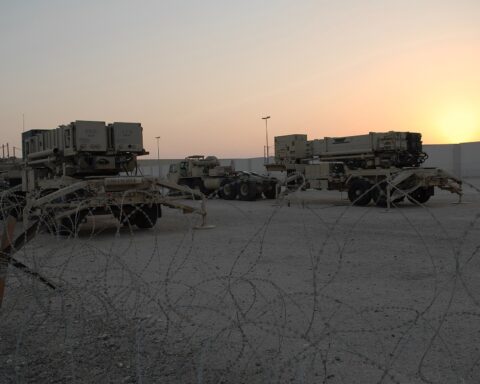
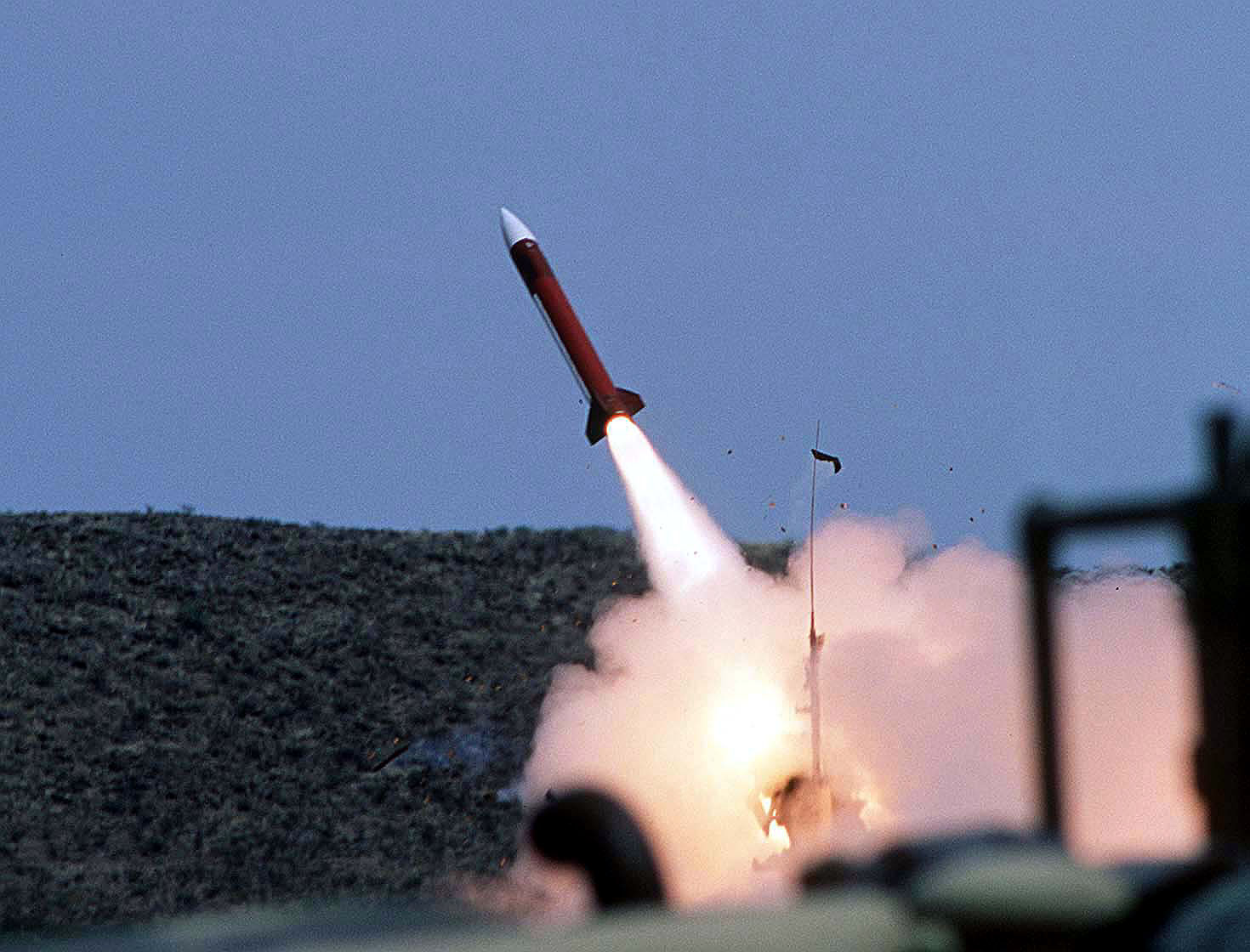
The Saudi Defence Ministry reported on March 10 that it intercepted and destroyed two drones over the kingdom’s oil-rich Eastern Province, bringing the total number of Iranian projectiles fired at Saudi territory to over 100 since the war began, according to Reuters. Saudi Arabia’s air defense network — built around American-supplied Patriot and THAAD systems — has intercepted the vast majority of incoming threats, but several projectiles have penetrated the shield.
Bahrain’s delegate to the United Nations, speaking on behalf of the GCC during the emergency session, described the attacks as “unprecedented escalations” and held Iran “fully responsible” for all civilian casualties and infrastructure damage. “These are not acts of self-defense,” the delegate said, according to the official UN meeting record. “These are deliberate acts of aggression against sovereign states that played no role in the strikes on Iranian territory.”
How the Security Council Reacted During the Emergency Session
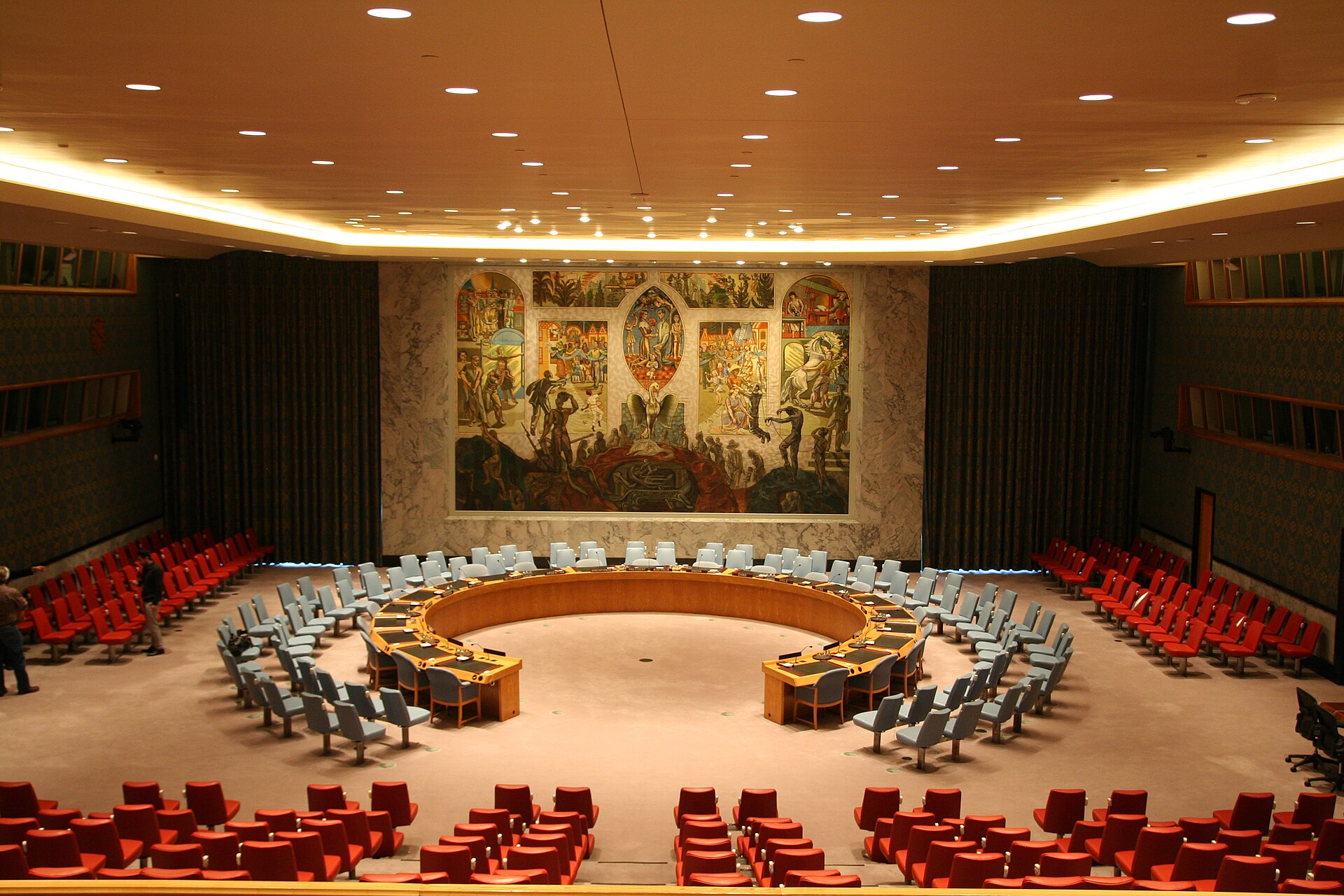
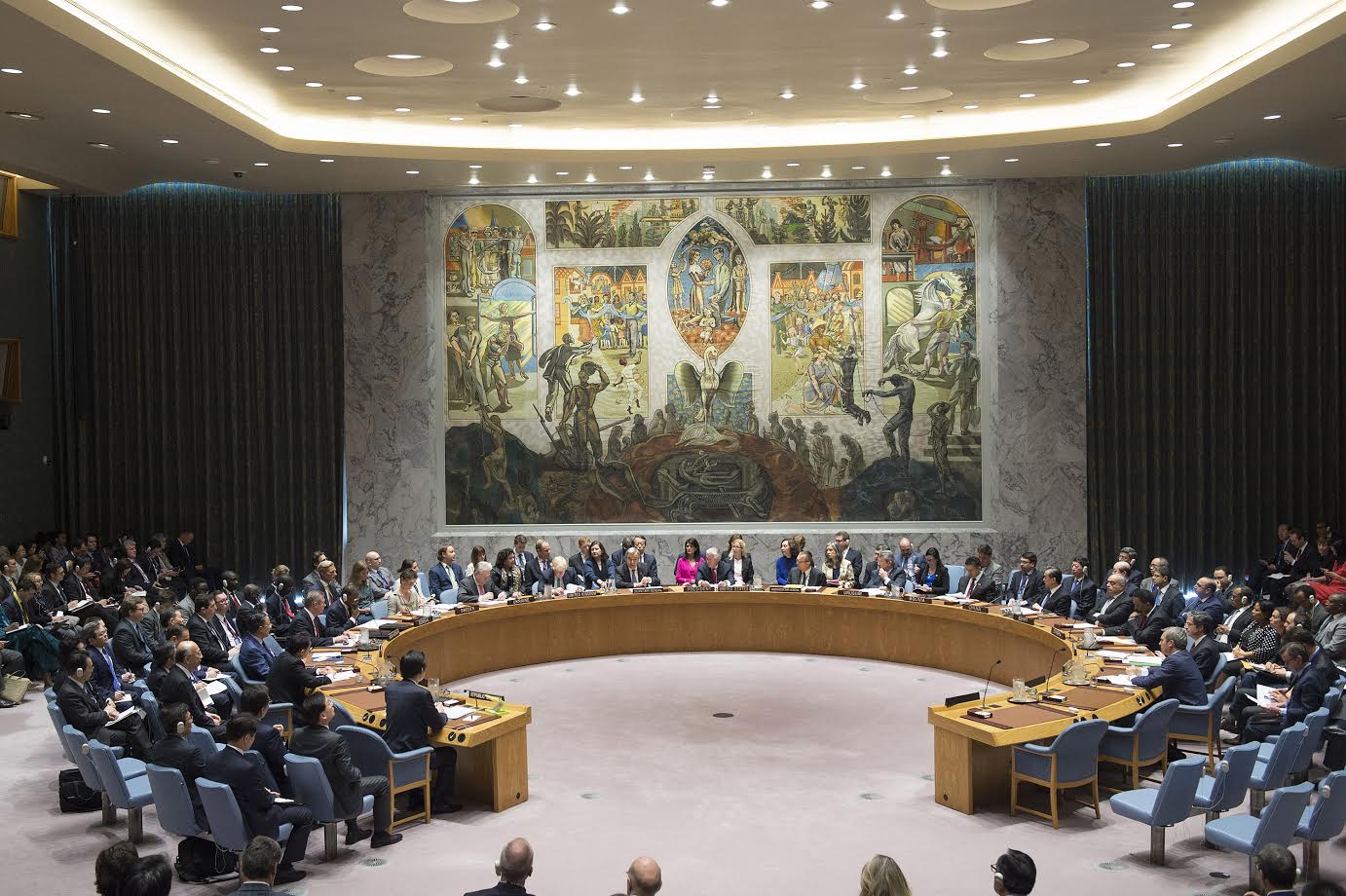
The Security Council convened its emergency session (the 10,112th meeting) on February 28, within hours of the first Iranian retaliatory strikes. Secretary-General António Guterres opened with a stark warning that “military action carries the risk of igniting a chain of events that no one can control,” according to the official UN press release. He expressed “deep regret” that a diplomatic opportunity — referring to ongoing nuclear negotiations — had been “squandered.”
The session exposed deep divisions among the five permanent members. The United States defended Operation Epic Fury as a necessary act to dismantle Iran’s missile capabilities, citing Tehran’s “continued pursuit of advanced missile capabilities, coupled with its refusal to abandon nuclear ambitions.” Israel’s representative argued the operation was required to protect civilians and was consistent with international law.
Russia delivered the sharpest criticism of the US-Israeli intervention, accusing Washington of “betraying diplomacy” and drawing explicit parallels to the 2003 invasion of Iraq. Russia’s ambassador dismissed the nuclear threat justification as a pretext and noted that the operation appeared “long planned,” according to the meeting transcript. China condemned the use of force by all parties and emphasised civilian protection, calling the timing of the strikes “shocking” given that nuclear negotiations were actively under way.
These are deliberate acts of aggression against sovereign states that played no role in the strikes on Iranian territory.
Bahrain’s UN delegate speaking on behalf of the GCC, February 28, 2026
Iran’s representative rejected claims of an imminent threat and asserted Tehran’s right to self-defense under Article 51 of the UN Charter. Crucially, Iran’s ambassador maintained that the Islamic Republic’s strikes targeted only US military installations — not civilian populations — a claim contradicted by the civilian deaths in Saudi Arabia’s Al-Kharj and the residential strike in Bahrain’s Manama. The Council took no formal action during the emergency session, an outcome widely expected given competing veto powers among permanent members.
Will Russia or China Veto the Resolution?
The GCC draft resolution faces a familiar obstacle at the Security Council: the veto power held by Russia and China, both of which have expressed positions that complicate straightforward support for a text condemning only Iran. Diplomats familiar with the negotiations told Reuters on Monday that it remained “unclear” whether the draft would be put to a formal vote this week or whether sponsors would first seek amendments to broaden support.
Russia’s position is the more hostile to the resolution’s chances. Moscow has consistently framed the conflict as a US-Israeli war of aggression against Iran and has avoided condemning Tehran’s retaliatory strikes on Gulf states. At the February 28 emergency session, Russia’s ambassador placed sole responsibility for the crisis on Washington and Tel Aviv. A Russian veto of the GCC resolution would be consistent with Moscow’s broader strategy of shielding Iran from international censure, a pattern established through multiple vetoes on Syria resolutions between 2011 and 2024. Moscow subsequently escalated its diplomatic role, with Putin proposing a quick diplomatic settlement during a phone call with Trump on March 10.
China’s stance is more nuanced. Beijing has condemned the use of force by all parties and called for de-escalation, but it has also stated that “the sovereignty, security and territorial integrity of the Gulf states should be fully respected,” according to a March 2 press conference by Foreign Ministry spokesperson Mao Ning. China has significant economic interests in the Gulf — importing approximately 2.5 million barrels of Saudi crude oil per day, according to Bloomberg data — and has brokered the 2023 Saudi-Iran rapprochement that the war has now destroyed.
European Council members — France, the United Kingdom, and Slovenia — are expected to support the resolution, though France has signalled interest in a broader text that would also call for a ceasefire in the US-Israeli campaign against Iran. Britain, which has deployed additional fighter jets, helicopters, and a destroyer to support Saudi Arabia’s defense, is considered a strong co-sponsor.
| Member | Expected Position | Key Concern |
|---|---|---|
| United States | Support | Wants condemnation limited to Iran; opposes ceasefire language covering US operations |
| United Kingdom | Support / Co-sponsor | Has deployed forces to defend Saudi Arabia; strong GCC ally |
| France | Likely support with amendments | Wants broader text including ceasefire demand for all parties |
| Russia | Likely veto | Views conflict as US-Israeli aggression; shields Iran from censure |
| China | Abstain or veto | Balances Gulf economic ties against strategic partnership with Iran |
If Russia vetoes the resolution, the GCC states could pursue an alternative path through the UN General Assembly, where no veto power exists. A General Assembly resolution would carry moral and political weight but lack the binding enforcement authority of a Security Council resolution under Chapter VII.
The Legal Framework for Self-Defense Under Article 51
The draft resolution’s explicit invocation of Article 51 of the UN Charter — the right to individual or collective self-defense — carries significant legal implications for Saudi Arabia and its Gulf allies. Article 51 permits states to use force in self-defense “if an armed attack occurs” until the Security Council has taken measures to maintain international peace and security.
Iran has cited the same article to justify its retaliatory strikes, arguing that the US-Israeli bombardment of Iranian territory constituted an armed attack triggering Tehran’s right to respond. However, international law scholars have noted a critical distinction: Iran’s strikes did not target the United States or Israel directly from Gulf territory. Instead, Tehran attacked US military bases located in sovereign nations that were not parties to the initial strikes, according to an analysis published by Al Jazeera on March 7 that concluded Iran’s legal case for striking the Gulf “collapses under scrutiny.”
Saudi Arabia did not participate in Operation Epic Fury and has repeatedly emphasised its non-combatant status. Crown Prince Mohammed bin Salman had maintained a direct back channel to Tehran through Omani mediators in the weeks before the strikes, according to Bloomberg, and Saudi officials intensified diplomatic engagement with Iran in an effort to prevent the kingdom from being drawn into the conflict.
The GCC’s collective invocation of Article 51 — first through the Arab League’s extraordinary ministerial session and now through the UNSC draft resolution — establishes a legal basis for Gulf states to respond militarily to continued Iranian attacks. While Saudi Arabia has so far chosen a defensive posture, the Article 51 framework preserves its legal right to escalate. The resolution would formalise that right in the strongest possible international legal instrument.
What a Passed Resolution Would Mean for Saudi Arabia
For Saudi Arabia, the draft resolution serves multiple strategic objectives beyond its immediate legal function. A Security Council resolution condemning Iran’s attacks would isolate Tehran diplomatically, reinforce the kingdom’s status as a victim rather than a belligerent, and strengthen Riyadh’s hand in any future ceasefire negotiations.
Saudi Foreign Minister Prince Faisal bin Farhan has led Riyadh’s diplomatic offensive since the war began, holding calls with counterparts in more than a dozen countries in the first 11 days of the conflict, according to the Saudi Ministry of Foreign Affairs. On March 10, the Ministry warned that continued Iranian attacks “would lead to further escalation and have a serious impact on relations between the two countries now and in the future” — language that diplomats interpreted as a final warning before potential Saudi military action.
The resolution also addresses a persistent frustration in Riyadh: the tendency of some Western commentators and institutions to blur the distinction between the US-Israeli strikes on Iran and Iran’s retaliatory attacks on Gulf states. By securing a standalone Security Council text that condemns Iran’s Gulf strikes without reference to Operation Epic Fury, the GCC seeks to establish in international law that attacking neighbouring states in retaliation for actions by third parties is illegal regardless of provocation.
Bahrain is seeking additional co-sponsors for the resolution from the European Union, according to diplomats. If successfully adopted, the resolution would be the first Security Council action specifically condemning attacks on Gulf states since the Iran war began on February 28.
The Energy and Economic Dimension
The draft resolution emphasises the Gulf’s importance to global economic stability — a provision aimed directly at persuading non-aligned Security Council members that Iran’s attacks constitute a threat to international order, not merely a regional dispute. The inclusion of language on the Strait of Hormuz and the Bab al-Mandab Strait underscores the global economic stakes.
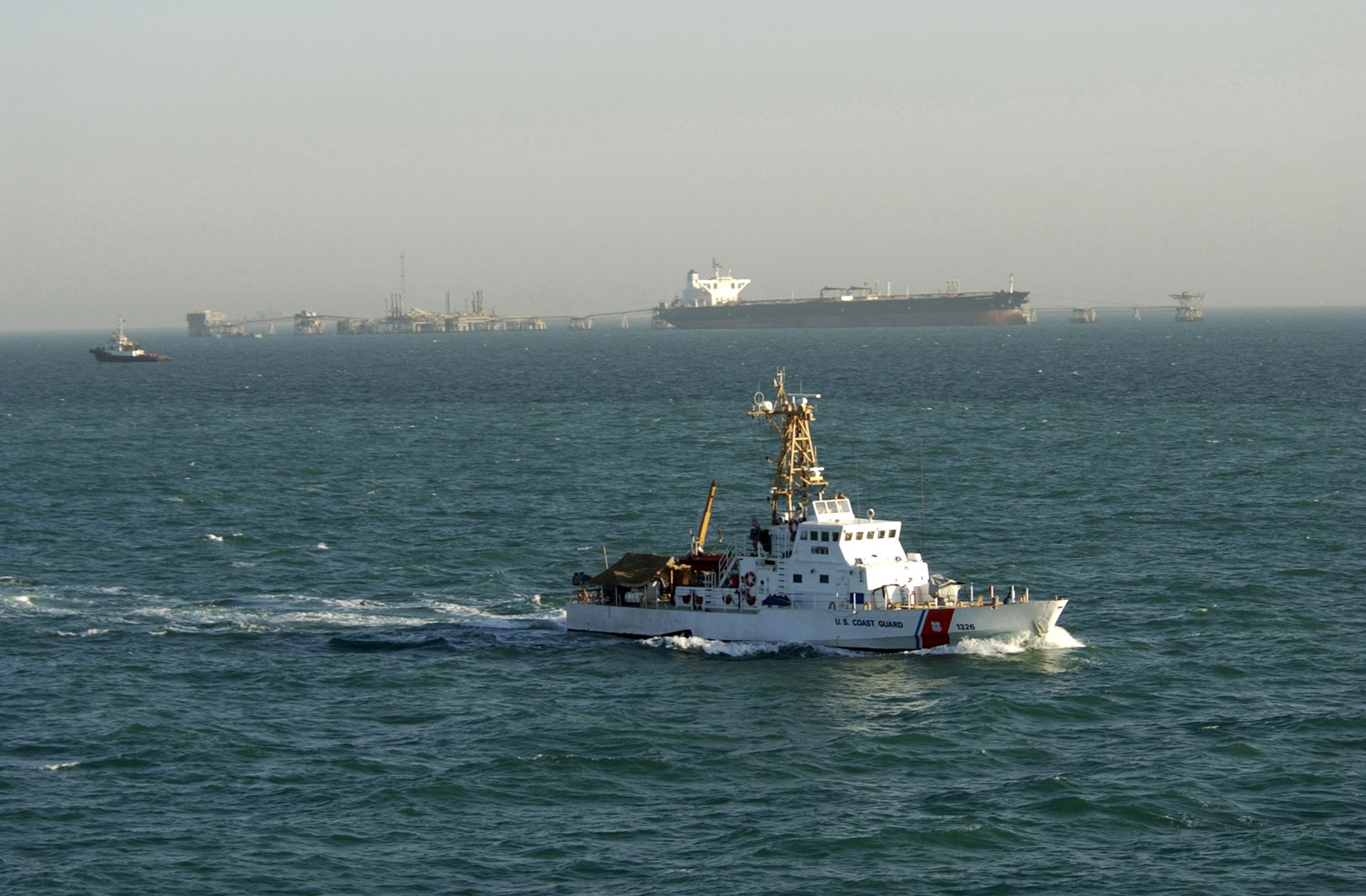
Approximately 21 million barrels of oil pass through the Strait of Hormuz daily, according to the US Energy Information Administration — roughly one-fifth of global petroleum consumption. The strait has been effectively closed to commercial tanker traffic since the first days of the war, sending Brent crude prices above $110 per barrel and triggering what Aramco CEO Amin Nasser described on March 10 as “by far the biggest crisis” the region’s oil industry has ever faced, CNBC reported.
Saudi Arabia has been forced to reroute oil exports through its East-West pipeline to Red Sea terminals, reducing export capacity by an estimated 40 percent, according to industry analysts cited by Bloomberg. The kingdom’s Ras Tanura refinery — the world’s largest offshore oil-loading facility — was damaged by Iranian drones in the opening days of the conflict and has operated at reduced capacity since.
The economic argument is designed to resonate with Council members beyond the P5. Japan, South Korea, and India — all major Gulf oil importers — hold non-permanent seats or have allies on the Council who could be persuaded that Iranian attacks on Gulf energy infrastructure threaten their own economic security. Japan imports approximately 3.3 million barrels per day from Gulf producers, according to the International Energy Agency, while South Korea depends on the Gulf for over 70 percent of its crude supply.
Diplomatic Timeline and Next Steps
The diplomatic track at the United Nations has moved on a parallel schedule to the military campaign since the war began on February 28. The following timeline captures the key institutional responses:
| Date | Event | Outcome |
|---|---|---|
| Feb 28 | Russia and China request emergency Security Council session | Session convened same day; no formal action taken |
| Mar 1 | Secretary-General calls for immediate cessation of hostilities | Statement issued; no binding effect |
| Mar 2 | GCC states and Jordan issue joint statement condemning Iranian attacks | Reaffirmed right to self-defense under Article 51 |
| Mar 5 | GCC-EU joint ministerial statement | EU committed to supporting GCC efforts at UNSC |
| Mar 7 | Arab League extraordinary ministerial session invokes collective defense | All 22 member states condemned attacks on sovereign Arab territory |
| Mar 8 | Bahrain circulates draft UNSC resolution on behalf of GCC | Text submitted to all 15 Council members |
| Mar 10 | Closed consultations on draft resolution | Negotiations began; no vote date confirmed |
Diplomats told Reuters that a vote could come as early as Wednesday, March 12, though the timing depends on negotiations with France, which wants ceasefire language added, and on whether the GCC sponsors calculate that forcing a Russian veto carries more strategic value than a watered-down text that passes unanimously.
A senior Gulf diplomat, speaking to Al Arabiya on condition of anonymity, said the resolution was “not about winning a vote” but about “establishing a legal and moral record that Iran attacked seven sovereign states without provocation.” Even a vetoed resolution would create a formal record at the Security Council and could be cited in future legal proceedings, the diplomat added.
The GCC push at the United Nations comes alongside multiple other diplomatic channels. Oman has maintained its back channel to Tehran, China has sent a peace envoy to Riyadh, and US lawmakers have begun debating whether to tie the Saudi defense pact to Riyadh’s willingness to take a more active military role in the conflict. The Security Council resolution represents the most institutionally significant of these efforts — and the one most likely to shape the international legal framework for whatever comes after the war ends.
Frequently Asked Questions
What is the GCC draft resolution at the UN Security Council?
Bahrain circulated a draft resolution on March 8 on behalf of all six GCC member states demanding that Iran immediately and unconditionally cease all missile and drone attacks against Gulf nations and Jordan. The text condemns the strikes as heinous acts of aggression, reaffirms the right to self-defense under Article 51, and calls on Iran to stop threatening navigation through the Strait of Hormuz.
When will the UN Security Council vote on the resolution?
Diplomats told Reuters that a vote could come as early as Wednesday, March 12, 2026, but the timing depends on negotiations among Council members. France has sought amendments to include ceasefire language covering all parties, and the GCC sponsors are weighing whether to force a vote even if Russia is expected to use its veto.
Will Russia or China veto the GCC resolution?
Russia is considered likely to veto the resolution given its consistent framing of the conflict as a US-Israeli war of aggression and its refusal to condemn Iran’s retaliatory strikes. China’s position is less certain — Beijing has economic interests in the Gulf and has called for the sovereignty of Gulf states to be respected, but it may abstain rather than vote in favour to preserve its relationship with Tehran.
How many countries has Iran attacked since the war began?
Iran has launched missile and drone strikes against seven sovereign nations since February 28: Saudi Arabia, Bahrain, Kuwait, Qatar, the United Arab Emirates, Oman, and Jordan. None of these countries participated in the US-Israeli Operation Epic Fury that triggered Iran’s retaliation. At least three civilians have been killed and dozens injured across these states.
What happens if the resolution is vetoed?
If the Security Council fails to adopt the resolution due to a veto, the GCC could pursue an alternative through the UN General Assembly, where no veto power exists. A General Assembly resolution would carry political and moral weight but would lack the binding legal authority of a Security Council resolution adopted under Chapter VII of the UN Charter.