
RIYADH — Goldman Sachs has warned that Gulf Arab economies face their sharpest downturn in a generation as the Iran war grinds through its third week, with the investment bank projecting GDP contractions of up to 14 percent for Qatar and Kuwait if the conflict extends through April 2026. The assessment, issued alongside separate warnings from Capital Economics and S&P Global Ratings, marks the first time major financial institutions have formally downgraded the Gulf outlook from slowdown to outright recession since the war between the United States, Israel, and Iran began on February 28.
The projections represent a dramatic reversal from the International Monetary Fund’s January 2026 forecast of 4.5 percent growth for Saudi Arabia and broadly optimistic outlooks across the Gulf Cooperation Council states. Seventeen days of Iranian missile and drone strikes, a near-total closure of the Strait of Hormuz, and the collapse of Gulf aviation and tourism have combined to produce what one analyst described as “a pandemic-scale economic shock compressed into three weeks.”
Table of Contents
- Goldman Sachs GDP Projections for Gulf States
- How Far Has Gulf Oil Production Fallen?
- Why Are Qatar and Kuwait the Most Exposed?
- Saudi Arabia Projects Relative Resilience
- What Has the War Done to Gulf Tourism and Aviation?
- Iraq Hemorrhages $3 Billion a Day
- Insurance Premiums and Shipping Costs Spiral
- S&P Maintains Qatar Stable Outlook Despite War
- What Happens If the War Extends Past April?
- Frequently Asked Questions
Goldman Sachs GDP Projections for Gulf States
Goldman Sachs economists issued their most detailed assessment of the Iran war’s economic impact on March 17, projecting severe GDP contractions across the six-member Gulf Cooperation Council if hostilities persist through April 2026. The bank’s baseline scenario assumes continued Strait of Hormuz disruption, sustained Iranian strikes on Gulf infrastructure, and no ceasefire before the end of the month.
The projections are stark. Qatar and Kuwait face the steepest declines at 14 percent GDP contraction each, driven by their near-total dependence on hydrocarbon exports transiting the Strait of Hormuz. The United Arab Emirates faces a projected 5 percent contraction, reflecting both its energy export exposure and the devastating impact on Dubai’s tourism and aviation sectors. Saudi Arabia’s projected 3 percent decline is the mildest among major Gulf producers, a reflection of its pipeline infrastructure investments that allow some crude to bypass the Hormuz chokepoint entirely.
| Country | Pre-War 2026 GDP Forecast | Projected Contraction (War Extends to April) | Primary Risk Factor |
|---|---|---|---|
| Qatar | +2.8% | -14% | LNG exports fully dependent on Hormuz |
| Kuwait | +2.4% | -14% | No pipeline bypass for crude exports |
| UAE | +3.9% | -5% | Tourism collapse, Fujairah terminal damage |
| Saudi Arabia | +4.5% | -3% | Yanbu pipeline partially mitigates Hormuz loss |
| Iraq | +2.7% | -3.5% | 70% petroleum output decline, $3B/day losses |
Capital Economics offered an even grimmer scenario, suggesting regional GDP could fall 10 to 15 percent if the conflict lasts three months and causes lasting infrastructure damage. “The Gulf has not faced anything approaching this magnitude of economic disruption since the 1990-91 Gulf War,” the London-based consultancy wrote in a client note, according to Al Jazeera.
How Far Has Gulf Oil Production Fallen?
Middle Eastern oil production has plunged from 21 million barrels per day before the war to approximately 14 million barrels per day as of mid-March, according to Rystad Energy. The 33 percent decline reflects not only the near-total closure of the Strait of Hormuz to commercial tanker traffic but also direct Iranian strikes on Gulf energy infrastructure, including oil terminals at Fujairah and the Shah gas field in Abu Dhabi.
Rystad Energy’s worst-case scenario projects production could fall to 6 million barrels per day if commercial shipping continues avoiding the strait and if additional Iranian strikes damage upstream production facilities. That scenario would remove roughly 15 million barrels of daily output from global markets, an amount exceeding the combined production of Russia and the United States.
Saudi Arabia has partially mitigated its exposure through the East-West Pipeline, which carries crude from the Eastern Province to the Red Sea port of Yanbu, bypassing Hormuz entirely. The pipeline’s 5-million-barrel-per-day capacity has become what analysts describe as Saudi Arabia’s most valuable strategic asset since the war began. Kuwait and Qatar possess no comparable infrastructure, leaving their entire export capacity hostage to the Hormuz bottleneck.
Brent crude has surged past $106 per barrel, driven by the supply disruption and fears of prolonged conflict. The price spike benefits producers who can still export but does nothing for those whose oil remains stranded behind the Hormuz blockade. “Having expensive oil in the ground is not the same as having revenue in the treasury,” Yesar Al-Maleki, a Gulf energy analyst at the Middle East Economic Survey, told Al Jazeera.
Why Are Qatar and Kuwait the Most Exposed?
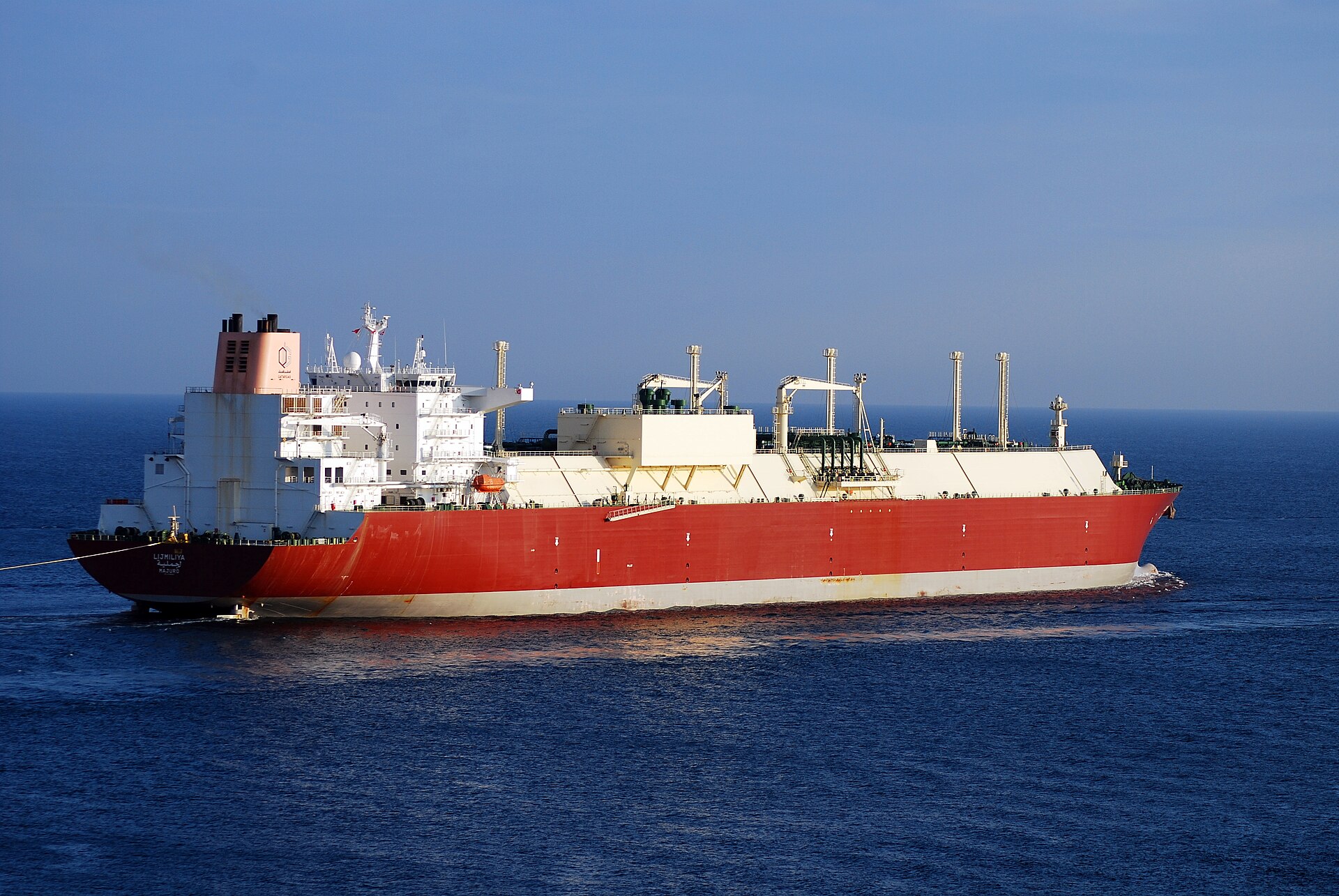
Qatar and Kuwait sit at the extreme end of Gulf economic vulnerability for a simple structural reason: neither possesses pipeline infrastructure to bypass the Strait of Hormuz. Qatar, the world’s largest exporter of liquefied natural gas, ships virtually all of its LNG production through the strait aboard specialised carriers. The closure has effectively shut down Qatar’s primary revenue source, which accounted for roughly 60 percent of government income before the war.
Kuwait’s position is similarly precarious. The country exports approximately 2.5 million barrels of crude oil per day, all of it through terminals accessible only via the Persian Gulf and the Strait of Hormuz. Unlike Saudi Arabia, Kuwait never invested in trans-peninsular pipeline alternatives. The result is a complete shutdown of the revenue stream that funds 90 percent of state expenditure.
The Goldman Sachs projection of 14 percent GDP contraction for both nations would represent the deepest peacetime economic decline either has experienced. By comparison, Qatar’s GDP fell 3.6 percent during the 2017 diplomatic blockade imposed by Saudi Arabia and its allies, a crisis that now appears modest against the backdrop of actual war. Kuwait’s last comparable economic disruption came during the Iraqi invasion of 1990.
Yesar Al-Maleki noted that Qatar and Kuwait face greater vulnerability because of their “limited bypass export routes,” while Saudi Arabia and the UAE are “somewhat better positioned” due to decades of pipeline infrastructure investment. The assessment highlights a fundamental asymmetry within the GCC: the member states most dependent on hydrocarbons are also those most exposed to Iran’s ability to disrupt the Hormuz chokepoint.
Saudi Arabia Projects Relative Resilience
Saudi Arabia’s projected 3 percent GDP contraction, while significant, stands out as the mildest among major Gulf oil producers. The kingdom’s relative resilience reflects three structural advantages that distinguish it from its GCC partners.
The first and most consequential is the East-West Pipeline, more formally known as the Petroline, which connects the Abqaiq processing facility in the Eastern Province to the Yanbu terminal on the Red Sea. The pipeline gives Saudi Arabia the only significant Hormuz bypass capacity in the Gulf, allowing continued crude exports even as the strait remains effectively closed to commercial shipping.
The second factor is fiscal reserves. The Public Investment Fund, Saudi Arabia’s sovereign wealth vehicle, manages assets exceeding $900 billion, according to its most recent disclosure. Combined with the Saudi Central Bank’s foreign exchange reserves of approximately $440 billion, Riyadh has the fiscal depth to sustain government spending through a prolonged revenue shortfall. The IMF estimated Saudi Arabia’s fiscal breakeven oil price at roughly $81 per barrel before the war — well below the current Brent price above $106, though revenues depend on the volume of oil actually reaching market.
Third, Saudi Arabia’s economic diversification under Crown Prince Mohammed bin Salman’s Vision 2030 program has reduced the non-oil economy’s dependence on energy revenues. Non-oil GDP growth reached 4.3 percent in 2025, according to Saudi government data, providing a partial cushion against the hydrocarbon revenue shock.
Still, a 3 percent GDP contraction would mark Saudi Arabia’s worst economic performance since the oil price collapse of 2020, when GDP shrank 4.1 percent under the combined weight of pandemic lockdowns and the Saudi-Russia price war. The war’s impact on the kingdom extends well beyond oil revenues to construction activity, foreign direct investment inflows, and the 35 million-strong workforce that drives the non-oil economy.
What Has the War Done to Gulf Tourism and Aviation?
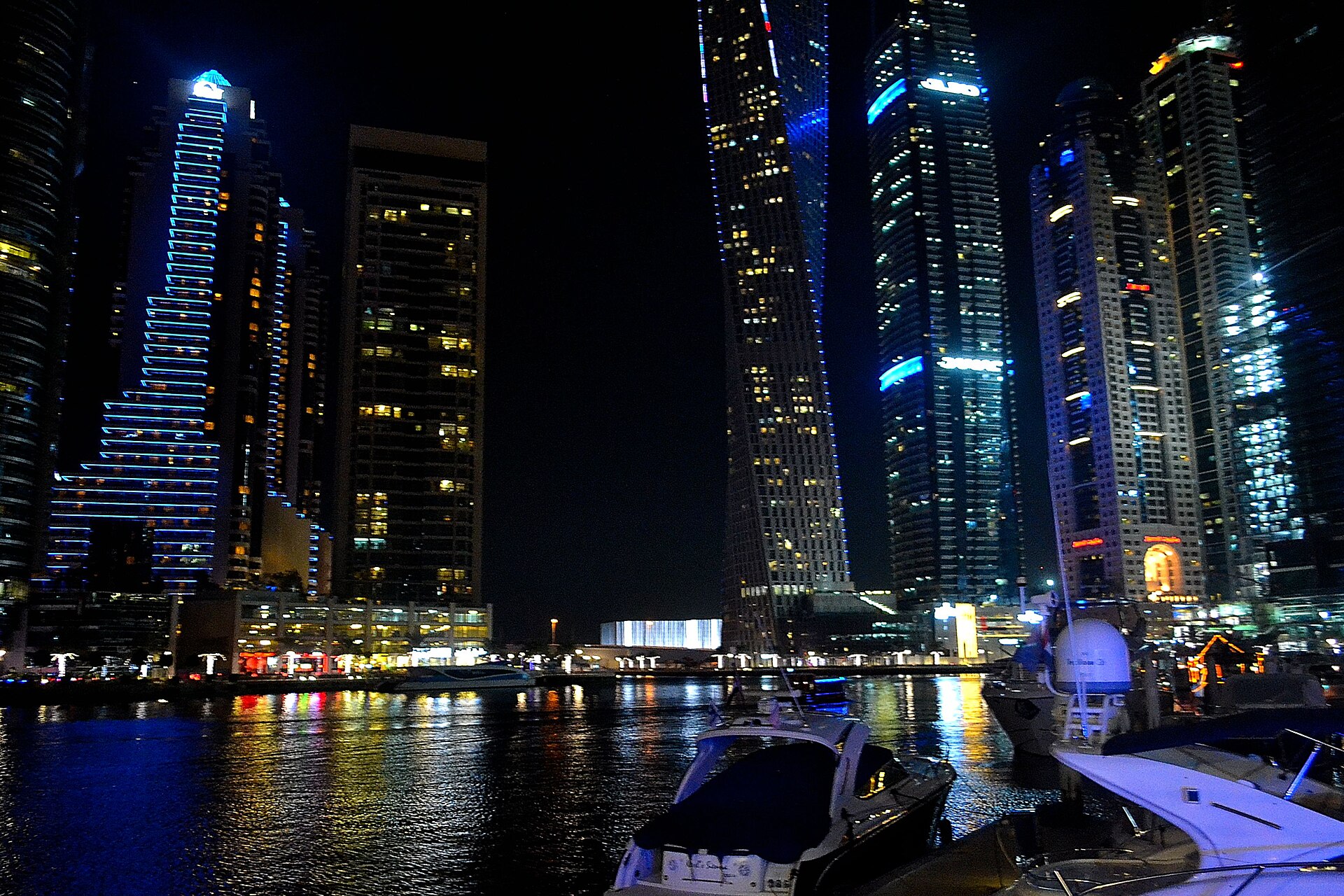
The Iran war has inflicted catastrophic damage on the Gulf’s tourism and aviation sectors, erasing billions in revenue and stranding hundreds of thousands of travellers. The World Travel and Tourism Council estimates the conflict is costing the region $600 million per day in lost international visitor spending alone, a figure that excludes domestic tourism losses and the broader hospitality supply chain impact.
Aviation data from Cirium, a flight analytics firm, shows that 37,000 flights were cancelled between February 28 and March 8, the first ten days of the war. The cancellations affected routes to and from every major Gulf hub, including Dubai International Airport, Abu Dhabi International, Doha’s Hamad International, Riyadh’s King Khalid International, and Bahrain International.
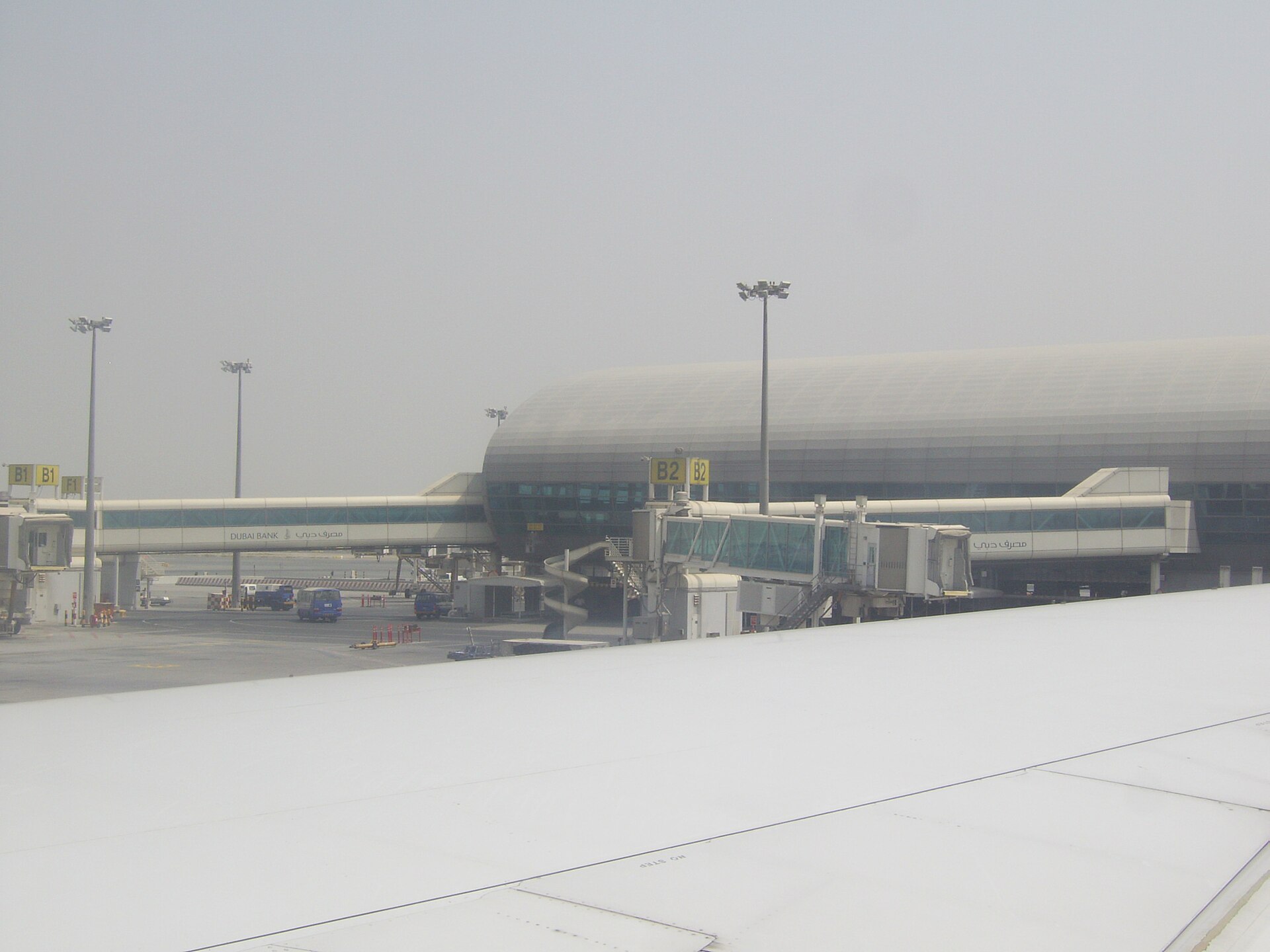
Dubai International Airport, the world’s busiest airport by international passenger traffic, suspended all operations on March 16 after Iranian drones struck a nearby fuel storage depot, igniting a fire that took hours to contain. The closure, even if temporary, sends a devastating signal to the aviation industry and the millions of tourists, business travellers, and transit passengers who pass through Dubai annually.
“Tens of thousands of Europeans and Asians would have visited Gulf cities absent this conflict,” Emilie Rutledge, a Gulf economy specialist at the Open University, told Al Jazeera. The losses extend beyond direct tourism revenue to the hotels, restaurants, retail outlets, and entertainment venues that form the backbone of the UAE’s post-oil economic model. Saudi Arabia has been particularly hard hit, with a 31-day aviation shutdown costing the Kingdom an estimated $240 million per day in lost tourism alone.
For Saudi Arabia, the tourism impact compounds existing challenges to Ramadan and Eid travel during wartime. The kingdom had targeted 150 million annual visits by 2030 as part of its tourism strategy. The Iran war has effectively frozen international leisure travel to the Gulf, with airlines warning that normal service cannot resume while active hostilities continue. The tourism sector faces an additional shock after Iran explicitly threatened tourist destinations worldwide, potentially deepening the revenue collapse.
Iraq Hemorrhages $3 Billion a Day
Iraq, though not a GCC member, faces some of the war’s most severe economic consequences. The Iraqi government is losing approximately $3 billion in daily revenue from an estimated 70 percent decline in petroleum output, according to Iraqi budget data and Rystad Energy estimates cited by Al Jazeera.
The production decline reflects a combination of Iranian drone strikes near Basra’s southern oil fields, the general disruption to Gulf shipping, and the shutdown of Iraq’s Khor al-Amaya and Al-Basrah oil terminals. Iraq suspended all oil exports on March 12 after Iranian-linked strikes damaged infrastructure in the Basra governorate.
Goldman Sachs projects Iraq’s GDP could contract 3.5 percent in 2026 under a conservative assumption of just 10 percent year-on-year production decline. The actual figure may prove significantly worse. Iraq’s budget is among the most oil-dependent in the Middle East, with petroleum revenues typically funding more than 90 percent of federal expenditure. A sustained export shutdown threatens not only government services but the salaries of millions of public sector employees.
Baghdad’s economic predicament is complicated by the country’s unique position in the war. Iraq has sought to maintain neutrality while its territory hosts both American military bases and Iranian-aligned militia groups that have launched attacks across its borders. The economic damage from the war exceeds anything Iraq experienced during the ISIS conflict of 2014-2017, when oil infrastructure in the south largely continued operating.
Insurance Premiums and Shipping Costs Spiral
Beyond the headline GDP figures, the war has produced a cascading series of secondary economic shocks that are multiplying losses across the region. Insurance premiums for vessels transiting the Persian Gulf have surged by what analysts describe as multiples rather than percentages, with some underwriters refusing to cover Gulf-bound shipping entirely.
Khaled Almezaini, a political economy researcher at Zayed University in Abu Dhabi, told Al Jazeera that the “disruptions combined with higher insurance premiums and freight costs mean the region loses hundreds of millions of dollars per day in economic activity.” The losses compound over time. Each day of elevated shipping costs raises the price of imports flowing into the Gulf, from food and consumer goods to construction materials and industrial inputs.
The insurance crisis extends to aviation. Airlines operating in Gulf airspace face elevated war risk premiums that have made some routes economically unviable. Several European and Asian carriers have suspended Gulf services entirely, citing both safety concerns and prohibitive insurance costs. The decisions remove capacity from routes that carried millions of passengers annually, further depressing tourism revenue.
The combined economic impact has already surpassed the pandemic-era losses suffered by Gulf states between 2020 and 2021, according to Capital Economics. The comparison is telling. The pandemic disrupted the Gulf for roughly 18 months before vaccination campaigns and reopening policies restored economic activity. The Iran war offers no equivalent timeline for recovery. Unlike a virus, a military conflict does not respond to medical intervention, and the infrastructure damage inflicted by Iranian strikes will require years to repair.
S&P Maintains Qatar Stable Outlook Despite War
In a notable divergence from the bleaker Goldman Sachs and Capital Economics assessments, S&P Global Ratings affirmed its “stable outlook” for Qatar on March 17, citing the country’s “large financial buffers” as sufficient to absorb temporary disruptions to LNG exports.
Qatar’s sovereign wealth fund, the Qatar Investment Authority, manages assets estimated at over $500 billion, providing the emirate with reserves that dwarf its annual GDP. The QIA’s global portfolio of investments in real estate, technology, sports, and financial services generates returns independent of hydrocarbon revenue, offering a degree of fiscal insulation that smaller GCC states lack.
The S&P assessment implicitly highlights the distinction between short-term economic contraction and sovereign creditworthiness. Qatar’s GDP may contract sharply if the war persists, but the state’s ability to service debt, fund essential public services, and maintain currency stability is underpinned by reserves accumulated over decades of gas wealth.
The rating agency’s decision not to downgrade Qatar may also reflect a calculated bet on the war’s duration. If hostilities end before May, the GDP damage, while severe, would be recoverable. LNG infrastructure, unlike oil refineries that have been struck by Iranian missiles, has remained largely undamaged. Qatar’s export capacity could restart rapidly once the Strait of Hormuz reopens to commercial shipping.
What Happens If the War Extends Past April?
Capital Economics’ warning of 10 to 15 percent regional GDP decline under a three-month war scenario raises the prospect of a depression rather than a recession for the Gulf’s most vulnerable economies. A war lasting into June would deplete Kuwait’s fiscal reserves at a rate that could force the government to seek external financing for the first time in its modern history.
For Saudi Arabia, the stakes are different but no less serious. A prolonged conflict would undermine Crown Prince Mohammed bin Salman’s Vision 2030 economic transformation agenda, which depends on foreign investment, construction activity, and tourism growth — all of which have effectively frozen since the war began. The kingdom’s $900 billion sovereign wealth fund provides a deep financial cushion, but the fund’s assets are heavily invested in illiquid domestic projects that cannot be rapidly monetised. Yet some economists counter that the conflict is inadvertently accelerating several Vision 2030 objectives, from defence localisation to financial-sector deepening.
The longer the war continues, the more severe the second-order effects become. Foreign workers, who constitute a majority of the Gulf’s private sector labour force, have begun leaving the region. Construction projects are on hold. International conferences, exhibitions, and sporting events have been cancelled or relocated. The damage to the Gulf’s brand as a safe, stable destination for business and leisure may prove more costly than the direct infrastructure damage from Iranian strikes.
Gulf Arab states are pressing Washington to end the conflict decisively, viewing the economic damage as an existential threat to their development models. Whether American military operations can deliver a rapid conclusion remains an open question. The economic clock is now running against every government in the Gulf, with each passing day converting abstract recession projections into concrete fiscal reality.
Frequently Asked Questions
How much GDP could Gulf states lose from the Iran war?
Goldman Sachs projects Qatar and Kuwait could lose 14 percent of GDP if the war extends through April 2026, while the UAE faces a 5 percent contraction and Saudi Arabia a 3 percent decline. Capital Economics warns the region as a whole could lose 10 to 15 percent of GDP if the conflict lasts three months with lasting infrastructure damage.
Why is Saudi Arabia less exposed than Qatar and Kuwait?
Saudi Arabia has the East-West Pipeline, or Petroline, which can transport up to 5 million barrels of crude per day from the Eastern Province to the Red Sea port of Yanbu, bypassing the Strait of Hormuz entirely. Qatar and Kuwait lack comparable infrastructure, leaving their entire export capacity dependent on the strait remaining open.
How many flights has the Iran war cancelled?
Cirium data shows 37,000 flights were cancelled between February 28 and March 8, the first ten days of the war. The cancellations affected every major Gulf airport hub. Dubai International Airport, the world’s busiest by international passengers, temporarily suspended all operations on March 16 after a drone strike hit a nearby fuel depot.
What is the war costing the Gulf tourism sector?
The World Travel and Tourism Council estimates the conflict costs Gulf tourism $600 million per day in lost international visitor spending. The figure covers direct tourist expenditure only and does not include losses to the broader hospitality supply chain, aviation revenue, or domestic tourism.
Has S&P downgraded any Gulf country over the war?
S&P Global Ratings affirmed a “stable outlook” for Qatar on March 17, citing the country’s large financial reserves as sufficient to absorb temporary disruptions. The agency has not issued downgrades for other GCC states as of mid-March, though analysts note that a prolonged war could trigger reassessments across the region.