
WASHINGTON — Senator Lindsey Graham threatened on Monday to withdraw support for a long-sought United States-Saudi Arabia mutual defense agreement unless the Kingdom commits its military to the American-led campaign against Iran, delivering a public ultimatum that exposes fractures in the most consequential security partnership in the Middle East as the Iran war enters its second week.
Graham, a Republican from South Carolina and one of the Senate’s most influential voices on foreign affairs, wrote on the social media platform X that the Kingdom “refuses to use their capable military” against Iran and warned that “consequences will follow” if Riyadh continues to sit out the conflict. Hours later, appearing on Fox News’s Hannity program, he offered a carrot alongside the stick: a binding mutual defense treaty that would commit Washington to go to war if Iran attacks Saudi Arabia.
The dual threat-and-promise arrives at a moment of acute tension. Eight American service members have died in the conflict, Iranian drones and missiles have struck Saudi residential areas, and the State Department on Monday ordered non-emergency personnel to leave the Kingdom. The question Graham posed — why should America defend a country that will not fight alongside it? — is reverberating through Washington and Riyadh alike, threatening a $142 billion arms relationship that has anchored Gulf security for eight decades.
Table of Contents
- What Did Lindsey Graham Say About the Saudi Defense Pact?
- Graham’s Conditions and the Hannity Proposal
- Does a Senator Have the Authority to Offer a Defense Treaty?
- Why Is Saudi Arabia Refusing to Join the War Against Iran?
- The $142 Billion Arms Deal at Risk
- What Happens to Saudi Air Defense Without American Support?
- Congressional Divide on the US-Saudi Relationship
- Saudi Arabia’s Response and Diplomatic Calculus
- What Graham’s Threat Means for the Future of Gulf Security
- Frequently Asked Questions
What Did Lindsey Graham Say About the Saudi Defense Pact?
Senator Graham issued his ultimatum in two stages on Monday, March 9. In a post on X, the South Carolina Republican wrote: “It is my understanding the Kingdom refuses to use their capable military as a part of an effort to end the barbaric and terrorist Iranian regime who has terrorized the region and killed 7 Americans.” He then posed a pointed question: “Why should America do a defense agreement with a country like the Kingdom of Saudi Arabia that is unwilling to join a fight of mutual interest?”
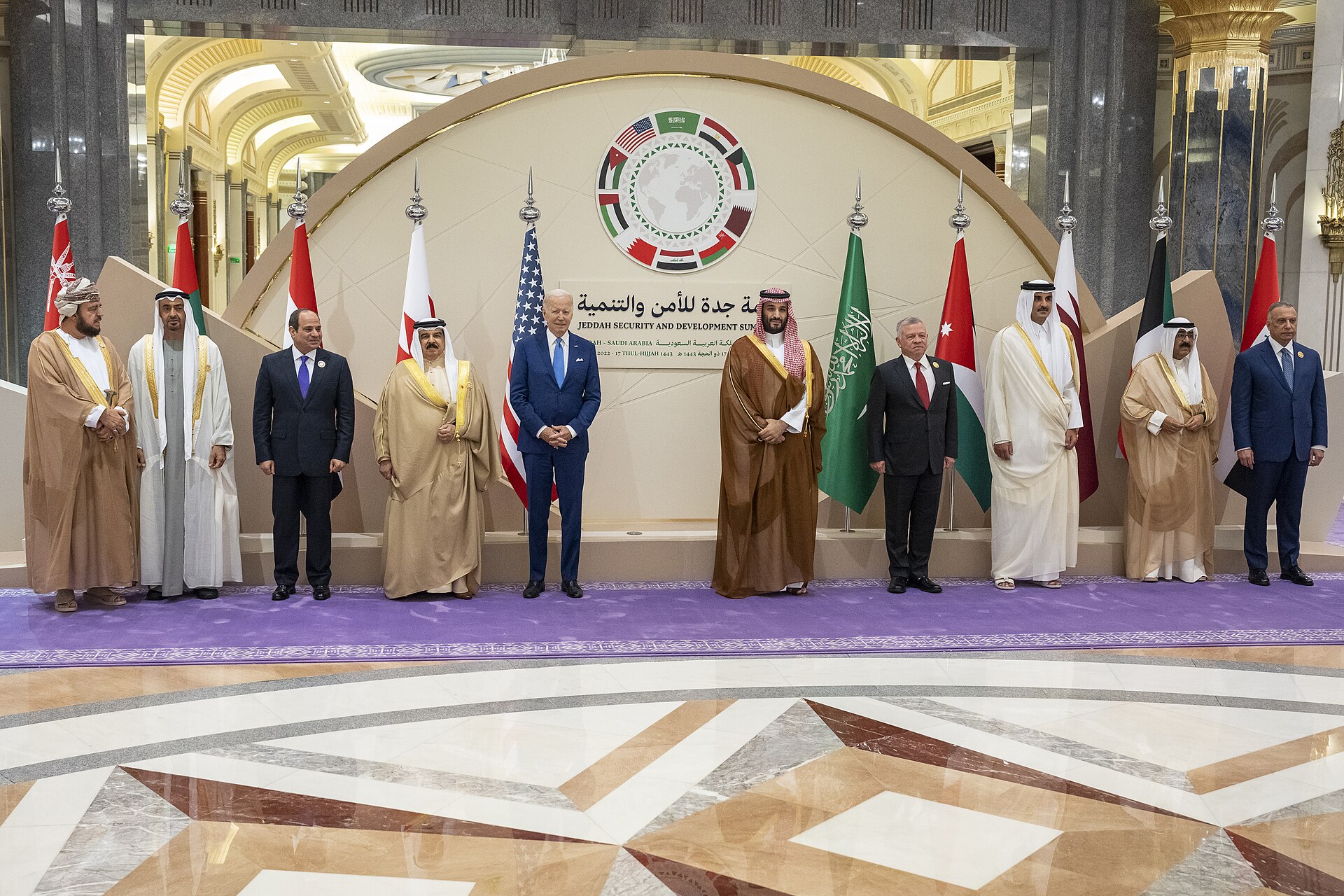
The statement marked a significant escalation in Congressional pressure on Riyadh. A formal mutual defense agreement between Washington and Riyadh has been one of Crown Prince Mohammed bin Salman’s top diplomatic priorities for years. Such a pact would place Saudi Arabia on a similar footing to NATO allies or Japan and South Korea — countries that enjoy an explicit American commitment to treat an attack on them as an attack on the United States.
Graham’s intervention carried particular weight because he has been one of the Senate’s most vocal advocates for stronger US-Saudi ties and a formal defense treaty. For the same senator who has championed the pact to now threaten to block it represents a potentially transformative shift in Congressional attitudes toward the Kingdom.
Within hours of Graham’s social media posts, former Fox News host Megyn Kelly pointed out that he had in a single 24-hour period “threatened Lebanon, Cuba, the Saudis, the wider Arab region and now — checks notes — Spain.” Kelly asked pointedly: “When did Lindsey Graham become our president?”
Graham’s Conditions and the Hannity Proposal
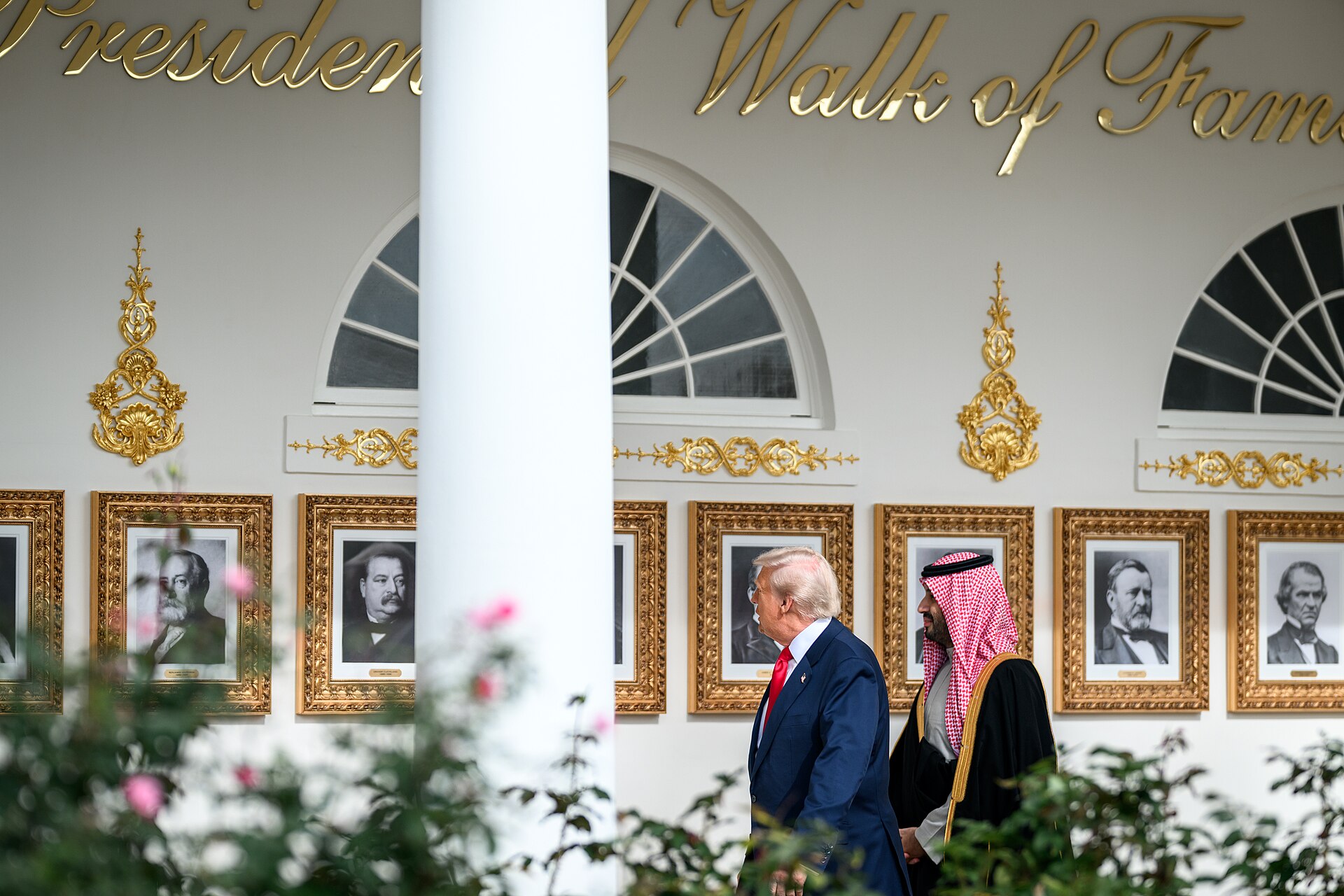
On Fox News’s Hannity program Monday evening, Graham spelled out what he was offering. “I am willing to make a mutual defense agreement with your country to give you protection in perpetuity,” he said, addressing Saudi Arabia directly through the television camera. “Under the agreement I have been pushing — and I hope we can continue to talk about — if you are attacked by Iran, we would go to war for you.”
The offer came with a sharp condition tied to the current conflict. Graham referenced the Iranian drone strike that damaged the United States Embassy compound in Riyadh during the first week of the war, which the State Department has described as one of the most serious attacks on American diplomatic facilities since the 1998 East Africa embassy bombings. “Our embassy was hit in Riyadh,” Graham said. “Do you not have an obligation to join the fight with us? You have to do that.”
He concluded with an explicit threat: “If not, consequences will follow.”
The proposal amounted to a public negotiation conducted through cable television — an unusual venue for security diplomacy between two of the world’s most important military partners. Graham was offering the Kingdom its most-desired strategic commitment while simultaneously threatening to deny it unless Saudi Arabia crossed a line it has carefully avoided: entering into direct military operations against Iran.
Graham has also acknowledged his behind-the-scenes role in shaping the war itself. According to multiple reports, he met privately with Israeli Prime Minister Benjamin Netanyahu and Israeli intelligence officials in the months before the February 28 strikes, coaching Netanyahu on how to persuade President Trump to authorize the joint US-Israeli operation against Iran. Graham first raised the Iran issue with Trump during a round of golf shortly after the 2024 election, and he worked the president alongside retired General Jack Keane and former Bush speechwriter Marc Thiessen, with the trio rotating calls to the White House, according to reporting by the Jewish Telegraphic Agency.
Does a Senator Have the Authority to Offer a Defense Treaty?
Graham’s televised offer raised immediate constitutional questions. The United States Constitution vests treaty-making authority exclusively in the president, with ratification requiring a two-thirds vote of the Senate. Individual senators have no constitutional authority to extend binding defense commitments to foreign governments, and the proposal Graham described would represent one of the most significant American treaty obligations since the NATO founding charter of 1949.
The White House has not publicly endorsed Graham’s specific proposal. The Trump administration has taken concrete steps to deepen the US-Saudi security partnership — describing a $142 billion arms package for Riyadh and granting the Kingdom major non-NATO ally status — but a binding mutual defense pact remains unsigned. Such an agreement would require Senate ratification, and Graham’s public conditioning of his support on Saudi military participation in the Iran war effectively sets a political price tag on the treaty’s passage.
Former Secretary of State James Baker noted in a 2025 interview that mutual defense treaties “create obligations that outlast any single conflict or administration” and should never be negotiated under the duress of an active war. The observation carries particular relevance as Graham’s proposal explicitly ties a permanent strategic commitment to a short-term military demand.
Why Is Saudi Arabia Refusing to Join the War Against Iran?
Saudi Arabia’s decision to withhold its military from the US-Israeli campaign against Iran reflects a calculated strategic choice, not a failure of nerve. Riyadh has made clear through multiple channels that it was not consulted before the February 28 strikes that killed Supreme Leader Ali Khamenei and triggered the current conflict, and senior Saudi officials have privately expressed anger at the scale and timing of the operation, according to reporting by Middle East Eye.
The Kingdom’s position has three pillars. First, Saudi Arabia does not want to be drawn into a war it did not start and cannot control. Crown Prince Mohammed bin Salman told Gulf leaders in the days following the strikes to “avoid taking any steps that could trigger a response by Tehran,” according to regional officials cited by Middle East Eye. Riyadh communicated directly to Tehran through its ambassador that Saudi territory was not being used by the United States or anyone else to launch attacks on Iran.
Second, Riyadh faces an asymmetric vulnerability that Washington does not share. Iran’s drone and missile arsenal has already struck Saudi residential areas — killing two people in Al-Kharj on March 8 — and threatened Aramco’s critical oil infrastructure. The Ras Tanura refinery, one of the world’s largest, went into partial shutdown after an Iranian drone strike. Joining the offensive campaign would almost certainly invite a dramatically escalated Iranian response against Saudi cities and energy facilities.
Third, the Kingdom has invested heavily in diplomatic engagement with Tehran since the 2023 China-brokered rapprochement. Bloomberg reported on March 6 that Saudi officials have “deployed their diplomatic backchannel to Iran with greater urgency” since the war began, communicating with the Iranian ambassador to Riyadh on a near-daily basis. Riyadh sees its non-belligerent status as the last credible avenue for de-escalation — a role it cannot play if it joins the bombing campaign. The full scope of why MBS refuses to strike Iran extends beyond diplomatic preservation into a calculated strategy that is yielding dividends Graham’s ultimatum fails to account for.
The Saudi foreign ministry issued a statement condemning Iranian strikes as “unjustifiable” and affirming the Kingdom’s “full right to take all necessary measures to safeguard its security, sovereignty, and the safety of its citizens.” Notably, the statement made no commitment to join American military operations.
The $142 Billion Arms Deal at Risk
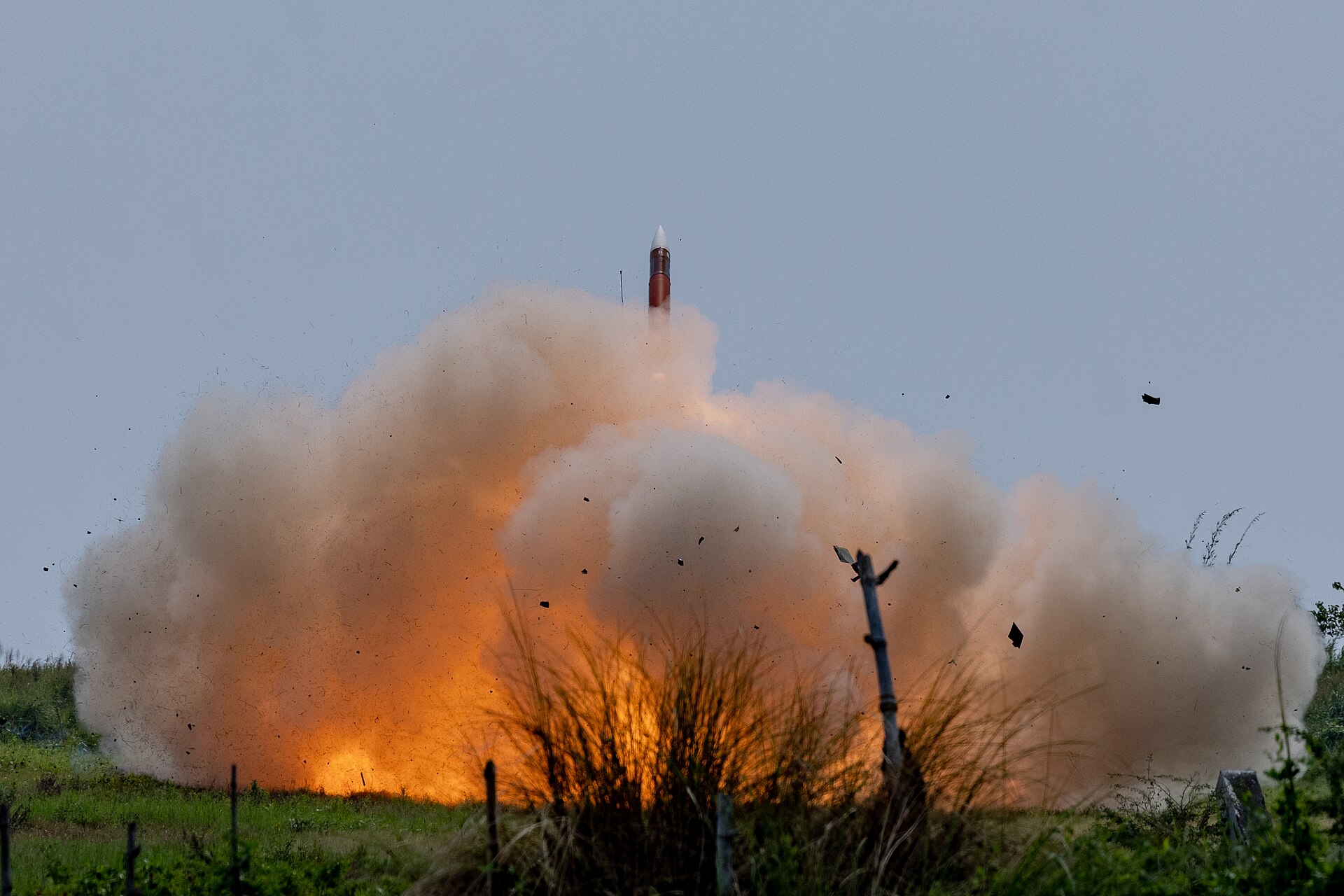
Graham’s threat places an enormous commercial and strategic relationship in jeopardy. The Trump administration outlined a $142 billion arms package for Saudi Arabia during the Crown Prince’s November 2025 visit to Washington, the largest single defense transaction in history. The package includes advanced F-15SA fighter jets, Patriot PAC-3 missile interceptors, THAAD anti-ballistic missile batteries, naval vessels, precision-guided munitions, and surveillance systems. The scale of these transactions and their impact on defence industry revenues is analysed in a separate examination of how the Iran war made defence stocks the safest bet on earth.
The arms relationship extends beyond hardware. An estimated 3,500 American military contractors work in the Kingdom at any given time, maintaining aircraft, training Saudi crews, and providing technical support for weapons systems that cannot operate without American software and spare parts. Lockheed Martin, Raytheon, Boeing, and General Dynamics derive billions of dollars in annual revenue from Saudi contracts.
Congressional approval is required for major foreign military sales, and Graham’s position on the Senate Armed Services Committee gives him significant influence over whether specific transactions proceed. If he were to actively oppose Saudi arms sales, he could rally sufficient votes to block or delay key components of the package — including the THAAD radar and interceptor deliveries that Saudi Arabia desperately needs after Iran destroyed multiple AN/TPY-2 radars in the war’s opening days — particularly in the current political environment where Saudi Arabia’s refusal to join the Iran campaign has drawn bipartisan criticism.
| System | Manufacturer | Estimated Value | Status |
|---|---|---|---|
| F-15SA Advanced Eagles | Boeing | $29.4 billion | In delivery |
| Patriot PAC-3 batteries | Raytheon/RTX | $18.2 billion | Under negotiation |
| THAAD systems | Lockheed Martin | $15.6 billion | Congressional review |
| Naval vessels and systems | Multiple | $22.3 billion | Under contract |
| Precision-guided munitions | Raytheon/RTX | $12.8 billion | In delivery |
| Training and support | Multiple | $8.5 billion | Ongoing |
| Surveillance and C4ISR | Multiple | $35.2 billion | Mixed |
The defense relationship also sustains approximately 100,000 American jobs across 45 states, according to the Aerospace Industries Association, giving it a domestic political constituency that transcends party lines. Graham’s willingness to threaten this relationship signals how profoundly the Iran war has shifted Washington’s calculus on Gulf security.
What Happens to Saudi Air Defense Without American Support?
The operational consequences of a breakdown in US-Saudi defense cooperation would be severe and immediate. Saudi Arabia’s entire air defense architecture is built on American-supplied systems. The Patriot PAC-3 batteries that have intercepted Iranian ballistic missiles aimed at Prince Sultan Air Base, the THAAD systems that provide upper-tier missile defense, and the integrated command-and-control networks that link them all depend on American software, spare parts, and technical support.
The Kingdom has intercepted an estimated 40 to 50 Iranian ballistic missiles and more than 200 drones since the war began on February 28, according to figures compiled from Saudi Defense Ministry statements. That rate of engagement depletes interceptor inventories rapidly. A single Patriot PAC-3 missile costs approximately $4 million, and Saudi Arabia has fired dozens since March 1. Without continued American supply, the Kingdom’s interceptor stocks could be exhausted within weeks of sustained Iranian bombardment.
Saudi Arabia has sought to diversify its defense suppliers — purchasing Chinese-made drones, South Korean howitzers, and European patrol vessels — but no alternative supplier can replace the American air defense ecosystem on which the Kingdom’s survival now depends. The Chinese HQ-9 system, sometimes mentioned as a potential Patriot alternative, has never been tested against the kinds of ballistic missiles Iran has been firing at Saudi territory.
The Kingdom has also activated its defense pact with Pakistan, which has deployed air defense systems and military personnel to Saudi Arabia under the Strategic Mutual Defence Agreement signed in September 2025, providing Riyadh with a non-American allied military presence on its territory.
Gulf states have also complained to Washington that they are not receiving interceptor resupply fast enough. The Prince Sultan Air Base attacks that killed American personnel demonstrated that the existing defensive shield, while effective, is not impenetrable — and that any degradation in the US supply chain would create catastrophic vulnerabilities.
Congressional Divide on the US-Saudi Relationship
Graham’s ultimatum does not reflect a unified Congressional position. The Iran war has created unusual cross-party alignments on the Saudi question, with traditional hawks demanding Riyadh join the fight and progressive Democrats who have long criticized Saudi human rights records now finding common cause in questioning the defense relationship.
Senator Tim Kaine, a Virginia Democrat on the Senate Foreign Relations Committee, has introduced a resolution invoking the War Powers Act to limit American military operations in and around the Gulf. Kaine has argued that the war against Iran was never authorized by Congress and that expanding it to pressure Gulf allies into participation would compound the constitutional violation.
On the Republican side, Senator Rand Paul of Kentucky has opposed Graham’s approach from a different angle, arguing that binding the United States to defend Saudi Arabia in perpetuity would create precisely the kind of entangling alliance the Founders warned against. Paul told reporters on March 8: “We should not be signing blank checks for other countries’ security when we cannot even agree on how long this war should last.”
The Jerusalem Post reported that Graham has been “increasingly vocal” in demanding Gulf state participation, framing the issue as one of reciprocity: America is spending blood and treasure to eliminate Iran’s military capabilities, from which Saudi Arabia benefits directly, and Riyadh should be willing to contribute militarily to the effort. The argument resonates with a significant faction of both parties, particularly after the deaths of eight American service members in the conflict.
Yet defense industry lobbying may ultimately restrain Congressional action against Saudi Arabia. The $142 billion arms package touches manufacturing facilities in dozens of Congressional districts. As Senator Jack Reed of Rhode Island, the Armed Services Committee’s ranking Democrat, noted: “Threatening to tear up the Saudi defense relationship sounds tough on cable news, but it would cost 100,000 American jobs and hand the Gulf’s most important customer to China and Russia.”
Saudi Arabia’s Response and Diplomatic Calculus
Saudi Foreign Minister Prince Faisal bin Farhan has carefully avoided direct responses to Graham’s statements, maintaining a posture of diplomatic restraint that contrasts sharply with the senator’s televised confrontation. The Kingdom’s strategy appears designed to weather the storm of Congressional criticism without abandoning its core position: Saudi Arabia will defend its own territory but will not join offensive operations against Iran.
Saudi Arabia has taken visible defensive actions that stop short of the military participation Graham demands. The Royal Saudi Air Force has intercepted Iranian drones and missiles over Saudi airspace. The Saudi Defense Ministry has issued regular briefings on intercept operations. And Crown Prince Mohammed bin Salman has held calls with leaders including British Prime Minister Keir Starmer, Kuwaiti Crown Prince Sheikh Sabah Khaled, and the presidents of Spain and Ukraine, positioning the Kingdom as a responsible actor seeking de-escalation.
The diplomatic backchannel to Tehran remains active and may represent Saudi Arabia’s most valuable contribution to ending the conflict. Bloomberg reported that Saudi officials are communicating with their Iranian counterparts “with greater urgency” to prevent the war from spiraling further. If the Kingdom joined the military campaign, that channel would immediately close — potentially eliminating the last avenue for negotiated de-escalation.
CNBC reported on March 7 that Saudi Arabia communicated directly to Iran that it should not attack the Kingdom, warning of possible retaliation if strikes continued. That measured threat — defending sovereignty without joining the offensive — represents the diplomatic tightrope Riyadh is attempting to walk.
What Graham’s Threat Means for the Future of Gulf Security
The Graham ultimatum crystallizes a fundamental tension in US-Gulf relations that predates the Iran war but that the conflict has brought to a crisis point. For decades, the bargain has been implicit: the United States provides military protection and arms sales, and Gulf states provide energy security, military basing rights, and strategic alignment. Neither side has been willing to formalize the arrangement in a binding treaty, in part because the ambiguity served both parties.
Graham is attempting to force a formalization on terms that would transform Saudi Arabia from a protected partner into a treaty ally with mutual obligations — including the obligation to fight alongside the United States in conflicts it did not choose. For the Kingdom, accepting that condition would represent a surrender of the strategic autonomy that Mohammed bin Salman has spent years cultivating.
The GCC’s collective defense discussions, the Pakistan-Saudi defense pact invocation, and the Kingdom’s outreach to non-American defense suppliers all suggest that Riyadh is hedging against exactly the scenario Graham described — a future in which American military support comes with conditions that Saudi Arabia cannot accept.
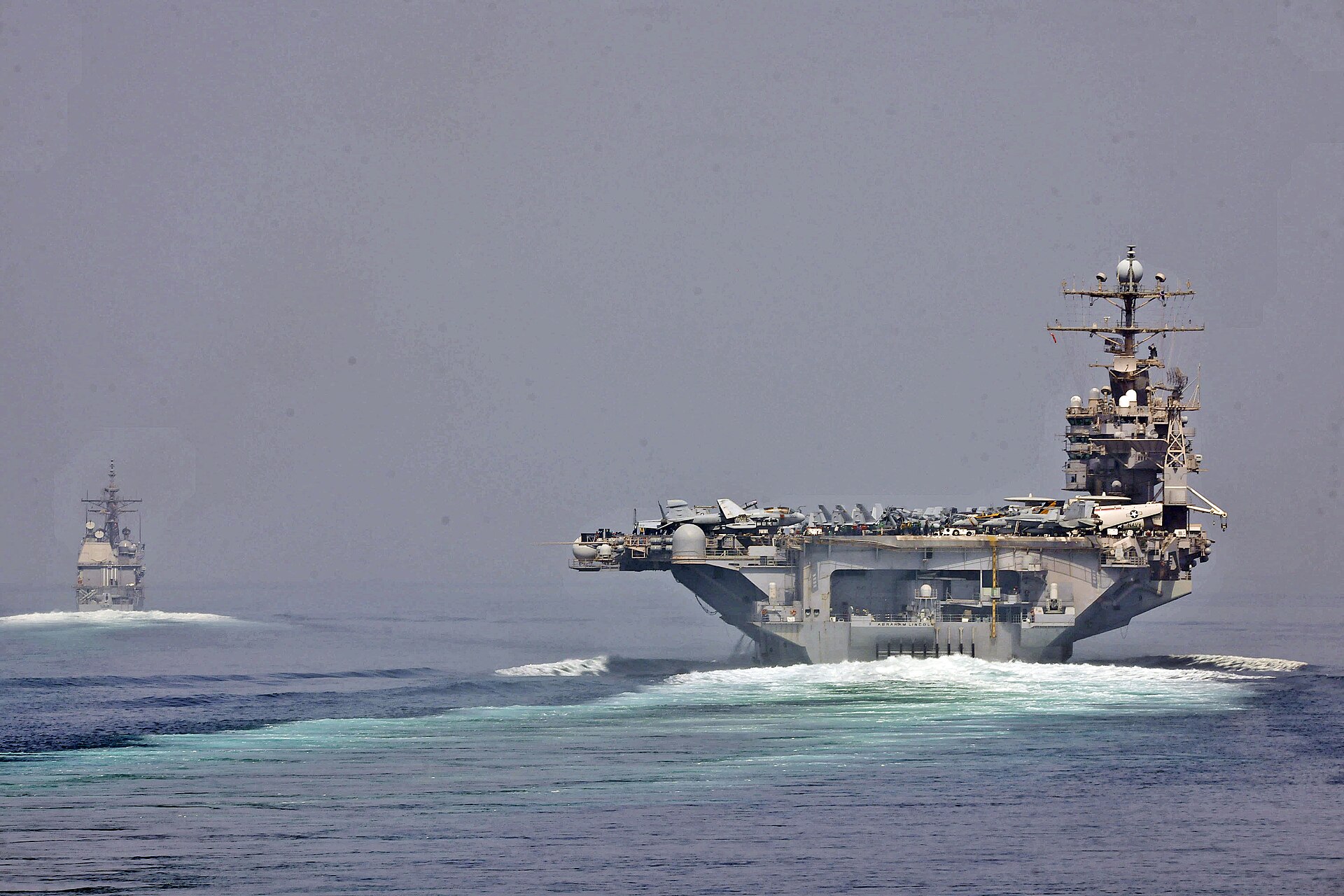
For Washington, the risk is equally significant. If Congressional threats push Saudi Arabia further toward defense diversification with China, Russia, or a domestically produced alternative, the United States could lose not just arms sales but the strategic influence that comes with being the Kingdom’s primary security guarantor. The three carrier strike groups currently deployed to the Gulf operate from facilities built with Saudi cooperation. American intelligence sharing, overflight rights, and military coordination depend on the relationship Graham is threatening to rupture.
The irony of Graham’s position is that he has been both the war’s most prominent Congressional architect — working behind the scenes with Netanyahu to shape the case for strikes — and now one of its most vocal critics of Saudi Arabia’s response to a conflict the Kingdom never endorsed. Whether his ultimatum represents a genuine policy shift or a momentary expression of wartime frustration may determine the trajectory of US-Gulf relations for a generation.
Frequently Asked Questions
What exactly did Lindsey Graham threaten regarding Saudi Arabia?
Senator Graham threatened to withdraw his support for a US-Saudi mutual defense agreement unless Saudi Arabia commits its military to the US-led campaign against Iran. He wrote on X that “consequences will follow” if the Kingdom refuses to join the fight, while simultaneously offering a binding defense treaty on Fox News’s Hannity program on March 9, 2026.
Has Saudi Arabia responded to Graham’s ultimatum?
Saudi Arabia has not directly responded to Graham’s statements. The Kingdom’s foreign ministry issued a general statement condemning Iranian strikes and affirming Saudi Arabia’s right to self-defense, but it made no commitment to join offensive operations against Iran. Riyadh has maintained its position of territorial defense without participation in the US-Israeli military campaign.
Can a US senator offer a defense treaty to a foreign country?
No. The US Constitution grants treaty-making power exclusively to the president, with ratification requiring a two-thirds vote of the Senate. Individual senators cannot extend binding defense commitments. Graham’s proposal on Hannity was a statement of political intent, not a legally binding offer, though his position on the Armed Services Committee gives him significant influence over defense policy.
What is the $142 billion arms deal between the US and Saudi Arabia?
The Trump administration outlined a $142 billion arms package during Crown Prince Mohammed bin Salman’s November 2025 visit to Washington. It includes F-15SA fighter jets, Patriot PAC-3 and THAAD missile defense systems, naval vessels, precision-guided munitions, and surveillance technology. It represents the largest single defense transaction in history and requires Congressional approval for major components.
Why won’t Saudi Arabia join the military campaign against Iran?
Saudi Arabia was not consulted before the US-Israeli strikes that triggered the war and does not want to be drawn into a conflict it cannot control. The underlying tension between Washington’s unconditional surrender demands and Saudi Arabia’s divergent war aims makes Graham’s ultimatum even more dangerous for the alliance. The Kingdom faces asymmetric vulnerability to Iranian retaliation against its oil infrastructure and civilian areas. Riyadh also maintains a diplomatic backchannel to Tehran that it considers essential for eventual de-escalation — a channel that would close if Saudi Arabia joined the bombing campaign.