
HOUSTON — Saudi Aramco Chief Executive Amin Nasser has withdrawn from CERAWeek, the world’s premier energy conference, choosing to remain in Riyadh as Iran’s fourth week of missile and drone strikes forces the Gulf’s most powerful oil executives to manage an existential crisis from home. Nasser, who has been a headline speaker at the annual Houston gathering for more than a decade, will not provide a recorded video message, Reuters reported on March 22, making his absence total.
He is not alone. Abu Dhabi National Oil Company CEO Sultan Al Jaber will address the conference virtually before travelling to Washington for emergency meetings on the Hormuz situation. Kuwait Petroleum Corporation CEO Sheikh Nawaf Al-Sabah will join a Tuesday session by video link from Kuwait City. Abu Dhabi sovereign wealth fund Mubadala has pulled its delegation entirely. The combined absence removes executives who collectively oversee more than 15 million barrels per day of oil production capacity from the most important room in global energy.
Table of Contents
- Who Is Missing From CERAWeek 2026?
- What Did Aramco’s CEO Say About the Hormuz Crisis?
- What Is CERAWeek and Why Does Gulf Absence Matter?
- The Strait of Hormuz Factor
- Deals Continue Despite the Missiles
- What Does Washington Want From the Gulf at CERAWeek?
- Who Is Still Attending?
- Frequently Asked Questions
Who Is Missing From CERAWeek 2026?
The list of Gulf energy leaders absent from Houston reads like the roster of a cancelled OPEC summit. Their withdrawal reflects not scheduling conflicts but the operational reality of managing trillion-dollar energy enterprises while Iranian missiles strike within kilometres of their headquarters.
Amin Nasser, who has led Aramco since 2015 and typically commands one of CERAWeek’s most anticipated speaking slots, cancelled his appearance to remain in Saudi Arabia, according to a source familiar with the matter cited by Reuters. Nasser has overseen Aramco through the 2019 drone attacks on Abqaiq and Khurais, the Covid-19 oil price collapse, and the company’s landmark initial public offering. His decision to stay in the Kingdom during the largest operational crisis in Aramco’s 91-year history signals the severity of what the company faces.
Sultan Al Jaber, who serves as both ADNOC Group CEO and UAE Minister of Industry, will address CERAWeek on Monday by video before flying to Washington for meetings focused on the Hormuz situation, global energy supply continuity, and the UAE-US strategic partnership, according to EnergyNow. Al Jaber’s decision to prioritise Washington over Houston underscores the extent to which the Iran war has transformed energy diplomacy into crisis management.
Sheikh Nawaf Al-Sabah of Kuwait Petroleum Corporation, which is navigating a pipeline leasing deal worth billions of dollars even as Iranian drones target Kuwaiti infrastructure, will participate virtually from Kuwait City on Tuesday. Mubadala, Abu Dhabi’s strategic investment fund with energy holdings spanning four continents, has withdrawn its delegation entirely.
| Executive | Company | Production Capacity | CERAWeek Status |
|---|---|---|---|
| Amin Nasser | Saudi Aramco | 12 million bpd | Withdrawn — staying in Riyadh |
| Sultan Al Jaber | ADNOC | 4 million bpd | Virtual — then Washington meetings |
| Sheikh Nawaf Al-Sabah | Kuwait Petroleum | 2.8 million bpd | Virtual from Kuwait City |
| Mubadala delegation | Mubadala Investment | N/A (sovereign fund) | Pulled entirely |
What Did Aramco’s CEO Say About the Hormuz Crisis?
Nasser’s withdrawal from CERAWeek follows the starkest public warning of his career. During Aramco’s earnings call on March 10, the CEO told reporters that continued disruption to the Strait of Hormuz would produce “catastrophic consequences” for world oil markets and the broader global economy, according to the Daily Signal and Semafor.
“While we have faced disruptions in the past, this one by far is the biggest crisis the region’s oil and gas industry has faced,” Nasser said, according to the Daily Sabah. He noted that global oil inventories stood at a five-year low and warned that the crisis would accelerate drawdowns at a pace that tightly balanced markets could not sustain.
Aramco has responded to the Hormuz closure by cutting oil supply to Asian buyers for a second consecutive month and rerouting crude through the Kingdom’s east-to-west pipeline network. The company has reduced output by approximately 2 million barrels per day from two major fields, according to Reuters, a forced curtailment that costs Aramco roughly $200 million in daily revenue at current prices.
Asian buyers are paying $0.90 to $1.30 more per barrel of Saudi crude for April deliveries, while North American customers face more modest increases of $0.20 to $0.40 per barrel, according to Bloomberg data. The pricing signals a market in which proximity to alternative supply routes commands an escalating premium.
Nasser’s call for an urgent resumption of shipping through the strait carried additional weight given Aramco’s position as the world’s largest oil company and Saudi Arabia’s role as the de facto leader of OPEC+. His absence from CERAWeek removes the single most authoritative voice on Gulf oil supply from the global conversation at the moment it matters most.
What Is CERAWeek and Why Does Gulf Absence Matter?
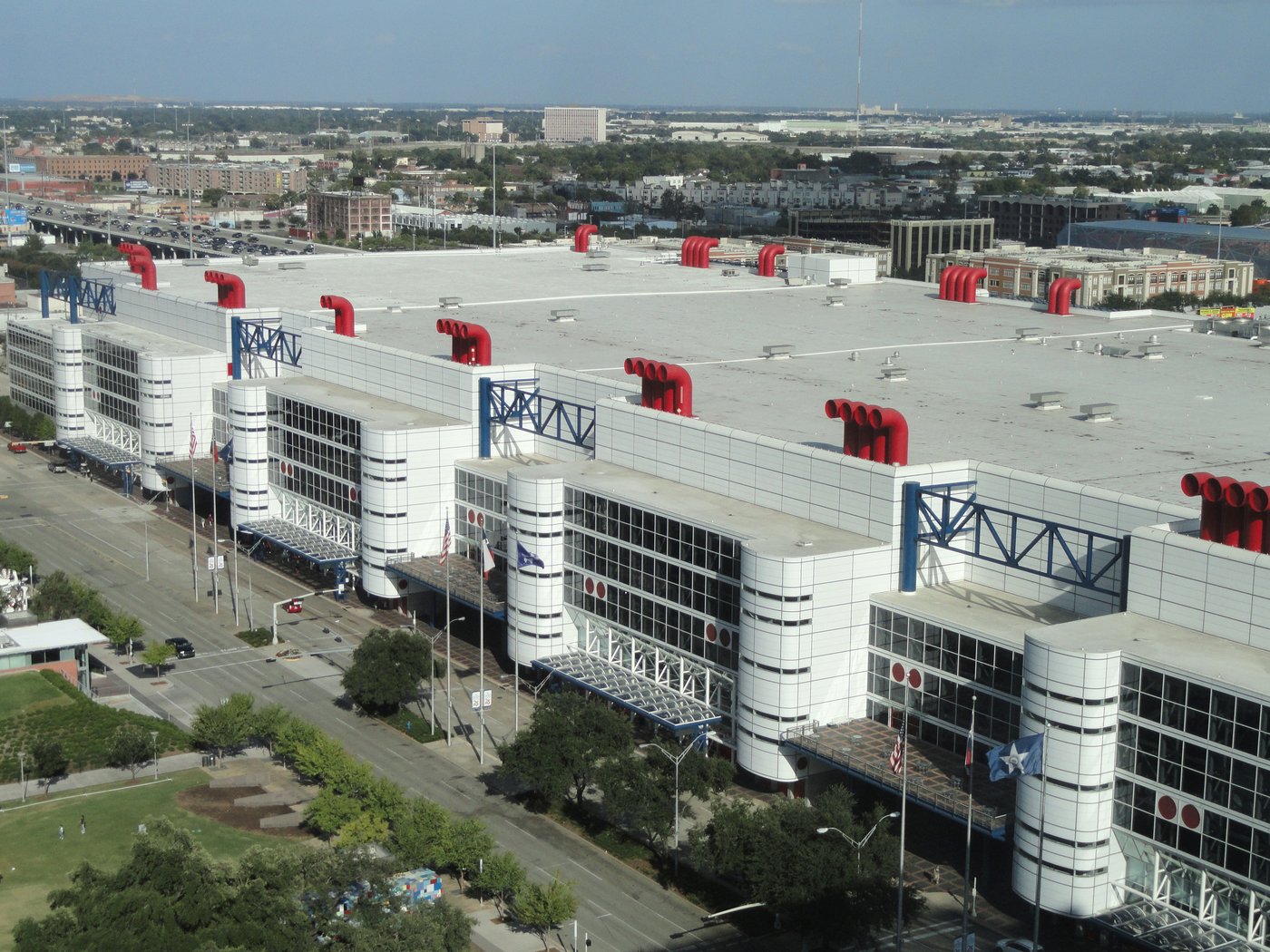
CERAWeek by S&P Global is the world’s largest annual gathering of energy industry executives, government officials, and policymakers. The 44th edition, running March 23-27 at the Hilton Americas-Houston, convenes more than 10,000 participants from over 2,350 companies across 89 countries, including 1,620 C-suite executives and 84 ministers and senior government officials, according to the conference organisers.
The theme for 2026, “Convergence and Competition: Energy, Technology and Geopolitics,” was selected months before the Iran war made geopolitics the only energy topic that matters. Daniel Yergin, the Pulitzer Prize-winning energy historian and S&P Global vice chairman who chairs the conference, will host US Secretary of Energy Chris Wright in a plenary session on opening day and US Secretary of the Interior Doug Burgum on March 25.
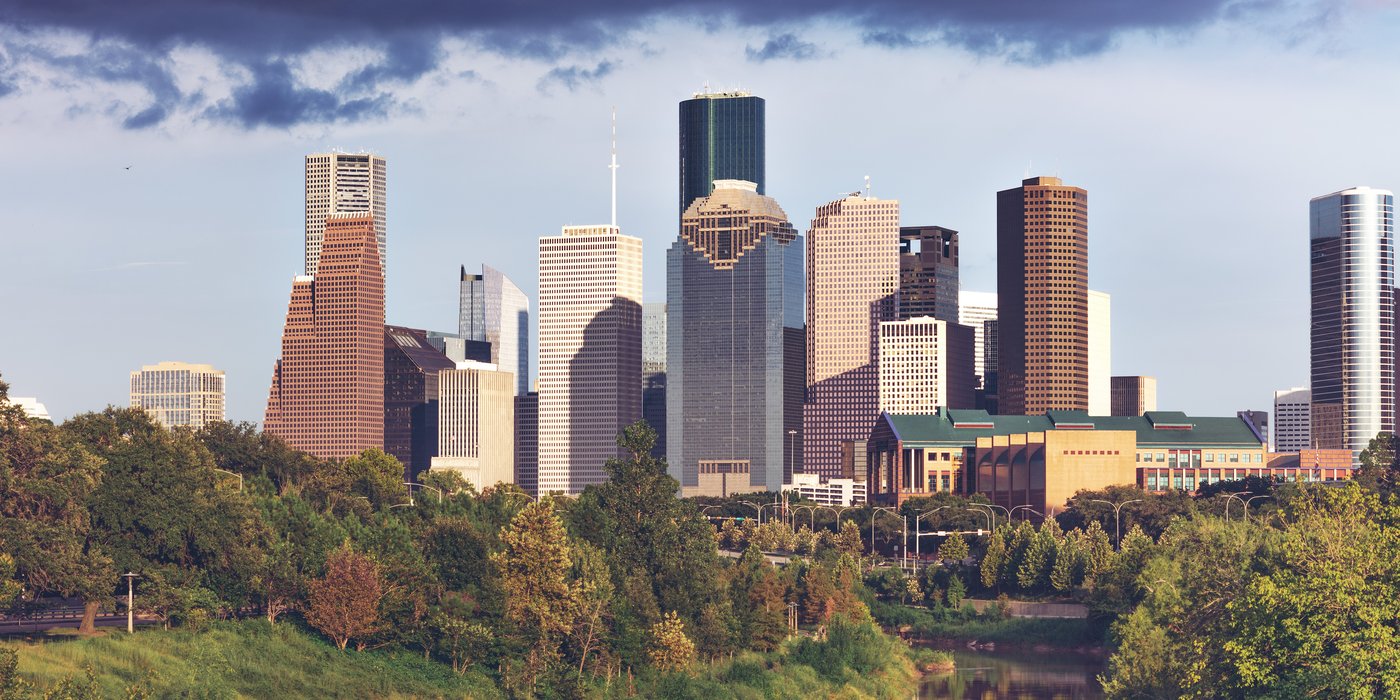
Gulf producers have been central to CERAWeek’s identity since its founding in 1983. Aramco’s CEO traditionally delivers one of the conference’s keynote addresses, setting the tone for global supply expectations. ADNOC, which has used CERAWeek to announce major expansion plans and partnership deals in previous years, treats Houston as its primary interface with the American energy industry. Kuwait Petroleum has used the conference to advance downstream partnerships and pipeline financing negotiations.
The collective absence of these players from a conference designed to discuss global energy security during the worst supply crisis since the 1970s creates what one industry analyst described to AGBI as “a conversation about the Gulf without the Gulf in the room.” The International Energy Agency has warned that the Gulf energy crisis already surpasses the oil shocks of the 1970s in the scale of infrastructure damage, with more than 40 energy assets damaged or destroyed across the region since fighting began on February 28.
The Strait of Hormuz Factor
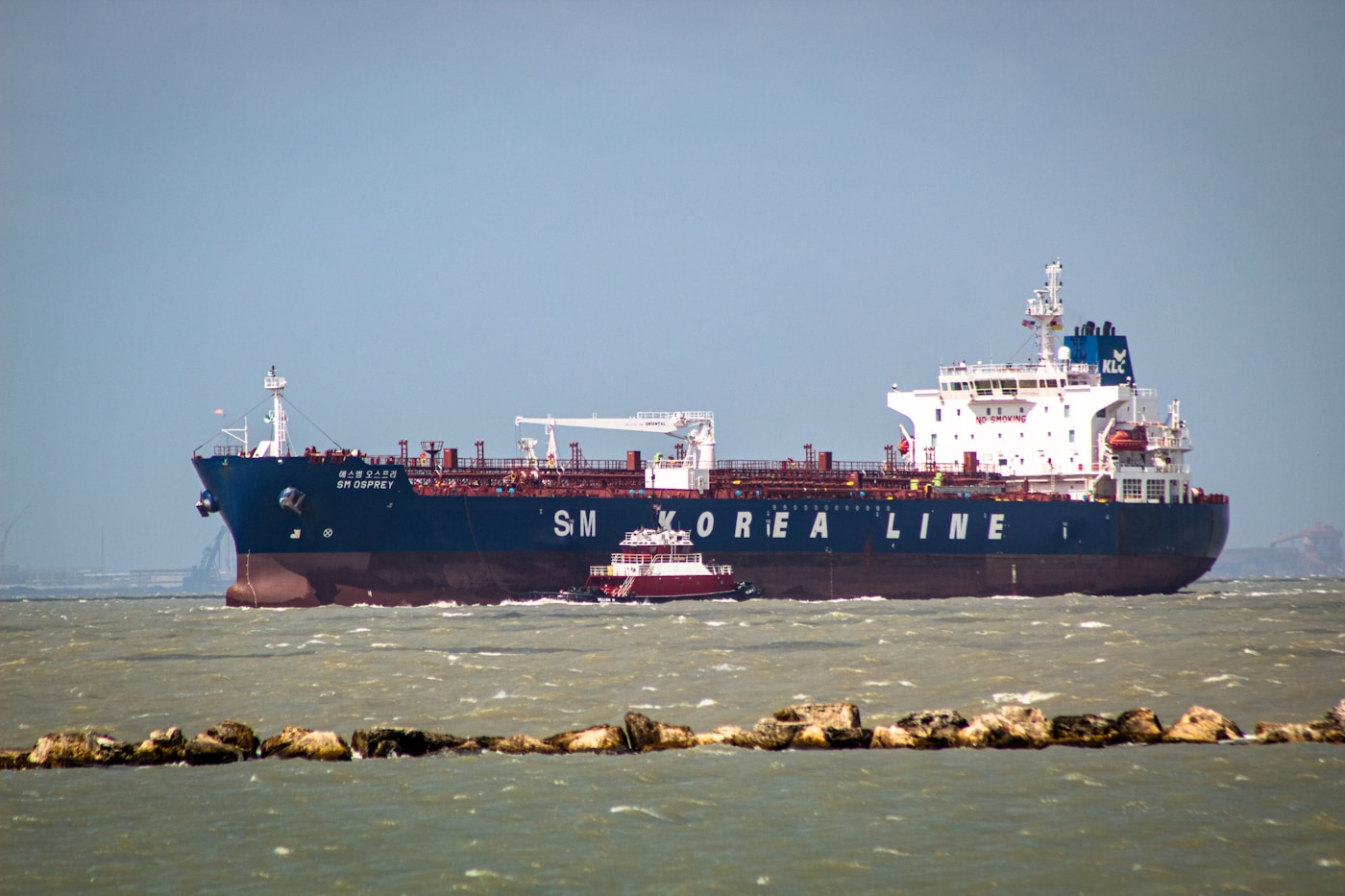
The specific crisis keeping Gulf executives at their desks is the effective closure of the Strait of Hormuz, through which roughly 20 percent of the world’s oil supply normally transits daily. Since the US-Israeli military campaign against Iran began on February 28, Iranian forces have conducted at least 21 confirmed attacks on commercial vessels and offshore infrastructure in the strait, the Gulf of Oman, and the broader Persian Gulf, according to shipping industry data.
Oil prices have surged past $114 per barrel as the disruption has removed an estimated 8 million barrels per day from global markets, according to multiple reporting sources. The crisis has been characterised as the world’s fourth great oil shock, following the 1973 Arab embargo, the 1979 Iranian Revolution, and the 1990 Iraqi invasion of Kuwait.
Saudi Aramco has responded by activating the East-West pipeline, rerouting crude from its Eastern Province facilities to the Red Sea port of Yanbu. The pipeline has a capacity of approximately 5 million barrels per day, but the rerouting imposes logistical constraints and increased transit times for Asian buyers who previously received shipments through the Gulf.
OPEC+ has simultaneously agreed to resume planned production increases, adding 206,000 barrels per day in April, according to Bloomberg and Fortune. The decision reflects a calculation that the market needs every available barrel even as members face difficulty delivering them. The group has outlined a road map to restore a further 1 million barrels per day by the end of September, though analysts have questioned whether the physical delivery infrastructure can support such increases while Hormuz remains contested.
The Saudi Defence Ministry reported on March 23 that three ballistic missiles were fired towards Riyadh, with one intercepted and two falling in uninhabited areas. Eleven drones were also launched at the Kingdom’s Eastern Province, where Aramco’s largest processing facilities are concentrated. All eleven were intercepted and destroyed, according to the ministry’s statement. The daily cadence of Iranian attacks — now entering its fourth week — explains why Nasser chose Riyadh over Houston. The CEO of the world’s largest oil company is operating under wartime conditions, with facilities that produce 12 million barrels per day of capacity located within range of Iranian ballistic missiles.
Qatar, which has lost nearly 20 percent of its liquefied natural gas exports since the conflict began, has also scaled back its representation at CERAWeek, according to industry sources. Iraq has suspended all oil exports following Iranian drone strikes near Basra, adding further pressure to an already overstretched global supply chain.
| Metric | Figure | Source |
|---|---|---|
| Attacks on commercial vessels | 21+ | Shipping industry data |
| Oil supply removed from market | ~8 million bpd | Industry estimates |
| Brent crude price | $114+/barrel | Bloomberg |
| Aramco output cut | ~2 million bpd | Reuters |
| OPEC+ April increase | 206,000 bpd | Bloomberg |
| Energy assets damaged/destroyed | 40+ | IEA |
| Global oil inventories | 5-year low | Aramco earnings call |
Deals Continue Despite the Missiles
The absence of Gulf energy chiefs from Houston has not halted deal-making. Bloomberg reported on March 23 that Saudi Arabia and Kuwait are pressing ahead with planned multibillion-dollar energy transactions despite the widening conflict, a sign that both governments view the war as a temporary — if devastating — disruption rather than a permanent restructuring of the Gulf’s energy economy.
Kuwait Petroleum Corporation’s plan to lease part of its pipeline network has attracted interest from major private equity and infrastructure funds, according to Bloomberg, with suitors remaining committed even as Iranian drones strike Kuwaiti territory. The deal would represent one of the largest infrastructure transactions in Kuwait’s history and would provide the state oil company with capital to invest in export route diversification away from the Strait of Hormuz.
The Saudi-Kuwait deal-making reflects a broader pattern. Riyadh has sent its top dealmakers to international financial centres even as air raid sirens sound in the capital. The calculation appears to be that the war’s disruption creates both urgency and opportunity — urgency to diversify export routes and secure financing, and opportunity to negotiate from a position where the world’s dependence on Gulf oil has never been more visible.
The Bloomberg report noted that Middle East dealmaking more broadly has persisted despite the war’s uncertainty. Saudi Arabia and the UAE have continued to pursue investment partnerships across energy, technology, and infrastructure sectors, with deal flow slowing but not stopping. The strategy reflects a lesson absorbed from the 2020 pandemic: companies that maintained deal momentum during crises emerged stronger when conditions normalised.
The deals also signal confidence that the conflict will eventually end with Gulf energy infrastructure intact enough to resume full operations. Insurance markets have priced in a different view: war risk premiums for tankers transiting the Persian Gulf have surged to levels not seen since the Iran-Iraq War’s “Tanker War” phase in the 1980s, according to Lloyd’s List. Kuwait faces a particular vulnerability in that it lacks a functioning bypass for oil exports around the blocked Strait of Hormuz, making pipeline infrastructure investments not merely profitable but existential.
What Does Washington Want From the Gulf at CERAWeek?
The question that will dominate every corridor conversation in Houston, according to AGBI, is what Washington is asking the Gulf to endure. US Secretary of Energy Chris Wright’s opening-day session with Daniel Yergin will address American energy policy at a moment when the Trump administration’s military campaign against Iran has simultaneously shut the world’s most important oil chokepoint and raised oil prices to levels that threaten the US consumer economy.
From the Gulf perspective, the request is paradoxical. Washington launched a war that has shut the Strait of Hormuz, damaged dozens of Gulf energy facilities, killed civilians across multiple GCC member states, and sent oil prices past $114 per barrel — then asks Gulf producers to increase output to stabilise markets and absorb the economic consequences of a conflict they did not initiate, according to analysis by AGBI.
Al Jaber’s decision to skip Houston in favour of Washington suggests that the real energy diplomacy of CERAWeek 2026 is happening outside the conference. His meetings with US officials will focus on the Hormuz situation, energy supply continuity, and the UAE-US strategic partnership — the same topics that CERAWeek’s panels will discuss, but with decision-making authority that conference attendees lack.
The Trump administration’s decision to delay strikes on Iranian energy infrastructure by five days has provided a temporary respite, but Gulf producers remain sceptical that Washington’s priorities align with their own. Saudi Arabia has expelled Iran’s military attaché and four embassy staff, according to Al Jazeera, but has stopped short of direct military engagement — a restraint that reflects Riyadh’s assessment that its interests are better served by diplomacy than by joining a war it views as unnecessarily escalatory.
Who Is Still Attending?
CERAWeek’s programme remains substantial despite the Gulf withdrawals. US Secretary of Energy Chris Wright and Secretary of the Interior Doug Burgum anchor the government participation. Chevron CEO Mike Wirth, Occidental Petroleum CEO Vicki Hollub, Baker Hughes CEO Lorenzo Simonelli, and Dow CEO Jim Fitterling headline the corporate speakers, according to CERAWeek’s published agenda.
The attending companies represent the Western side of the global energy industry — US shale producers, oilfield services giants, and petrochemical manufacturers. Their perspective on the Iran war differs fundamentally from that of absent Gulf producers. For American producers, the conflict has driven prices higher and potentially expanded their market share as Gulf supply falters. For Gulf producers, the war threatens the physical infrastructure on which their economies depend.
The Electric Reliability Council of Texas, which manages the state’s power grid, will also present at CERAWeek through director Bill Blevins, reflecting Texas’s growing concern about energy security implications of the Gulf crisis for its own power generation and petrochemical industries.
The conference’s Innovation Agora track will feature discussions on artificial intelligence, decarbonisation, hydrogen, nuclear energy, and cybersecurity — topics that now carry additional urgency given the demonstrated vulnerability of Gulf energy infrastructure to drone and missile attacks. The cybersecurity sessions in particular have attracted heightened interest, as Saudi Arabia has identified Iranian cyber operations targeting Aramco and other energy sector systems alongside the kinetic attacks, according to industry sources.
Community organisations, including Oil Change International, have organised protests outside the conference venue, framing CERAWeek as a gathering of the industry that profits from the conflict. Gulf South community leaders planned a march and rally for the opening day to confront the fossil fuel industry’s ties to what they characterise as Trump’s wars abroad, according to Oil Change International.
The University of Houston, through chancellor and president Renu Khator, will also participate in CERAWeek programming, reflecting the city’s attempt to position itself as a centre for energy transition research even as the Iran war has reinforced the world’s continued dependence on the hydrocarbons that built Houston’s economy.
“There would be catastrophic consequences for the world’s oil markets, and the longer the disruption goes on, the more drastic the consequences for the global economy.”
Amin Nasser, Saudi Aramco CEO, March 10 earnings call
The juxtaposition between Houston’s conference halls and Riyadh’s air raid sirens captures the defining tension of the 2026 energy market. The world’s biggest energy conference is proceeding as planned, but the producers who control the world’s largest oil reserves are managing a war instead of attending it. Whether the conversations in Houston can produce results without the Gulf at the table remains the week’s most consequential unanswered question.
Frequently Asked Questions
Why did Aramco’s CEO pull out of CERAWeek 2026?
Amin Nasser withdrew from CERAWeek to remain in Saudi Arabia and manage Aramco’s response to the Iran war, which has effectively closed the Strait of Hormuz and forced the company to cut output by approximately 2 million barrels per day. Nasser described the situation as “the biggest crisis the region’s oil and gas industry has faced” during his March 10 earnings call, according to Reuters.
What is CERAWeek and when does it take place in 2026?
CERAWeek by S&P Global is the world’s premier annual energy conference, held March 23-27, 2026, at the Hilton Americas-Houston. The 44th edition convenes more than 10,000 participants from 2,350 companies across 89 countries, including 1,620 C-suite executives and 84 government ministers. The 2026 theme is “Convergence and Competition: Energy, Technology and Geopolitics.”
Which Gulf energy leaders are missing from CERAWeek 2026?
Saudi Aramco CEO Amin Nasser has withdrawn entirely. ADNOC CEO Sultan Al Jaber will participate virtually before travelling to Washington. Kuwait Petroleum CEO Sheikh Nawaf Al-Sabah will join by video from Kuwait City. Mubadala Investment Company has pulled its delegation. These executives collectively oversee more than 15 million barrels per day of oil production capacity.
How has the Strait of Hormuz closure affected CERAWeek?
The effective closure of the Strait of Hormuz has removed an estimated 8 million barrels per day from global markets, pushed oil prices past $114 per barrel, and forced Gulf energy companies to focus on crisis management rather than conference diplomacy. Aramco has rerouted crude through its east-west pipeline to the Red Sea port of Yanbu and cut production from two major fields.
Are energy deals still happening despite the Iran war?
Saudi Arabia and Kuwait are pressing ahead with multibillion-dollar energy transactions, according to Bloomberg. Kuwait Petroleum Corporation’s pipeline leasing deal has attracted interest from major private equity funds despite ongoing Iranian strikes on Kuwaiti territory. The deal-making signals confidence that the war’s disruption is temporary rather than permanent.