RIYADH — Three years to the day after Saudi and Iranian officials signed the China-brokered agreement that restored diplomatic relations between the two Gulf rivals, the edifice of that rapprochement lies in ruins. Eleven days of Iranian missile and drone strikes across six Gulf states have shattered what diplomats on both sides spent years building, with senior officials in Riyadh, Abu Dhabi, and Doha telling international media that trust with Tehran is broken for decades to come. The UAE has closed its embassy in Tehran and recalled its ambassador; Saudi Arabia has summoned Iran’s envoy; and Qatar — which shot down two Iranian jets in the first direct military clash between an Arab state and Iran — has publicly demanded a price for the attacks.
The collapse carries consequences that extend far beyond bilateral relations. The 2023 Beijing agreement was the centrepiece of a broader regional de-escalation that had drawn down proxy conflicts in Yemen, eased tensions in Iraq, and opened direct flights between Riyadh and Tehran. Its destruction in less than a fortnight has eliminated the diplomatic architecture that Gulf states had relied upon to manage Iranian behaviour, forcing a fundamental reassessment of how the Gulf Cooperation Council engages with its most dangerous neighbour.
Table of Contents
- What Has Iran Done to Gulf States Since February 28?
- How Did Saudi Arabia Respond Diplomatically?
- Which Gulf States Have Cut Ties With Iran?
- What Did the 2023 Beijing Deal Achieve?
- Why Did Iran Attack the States That Defended It?
- What Conditions Will Gulf States Demand for Future Relations?
- Can the Gulf-Iran Rapprochement Be Rebuilt?
- Frequently Asked Questions
What Has Iran Done to Gulf States Since February 28?
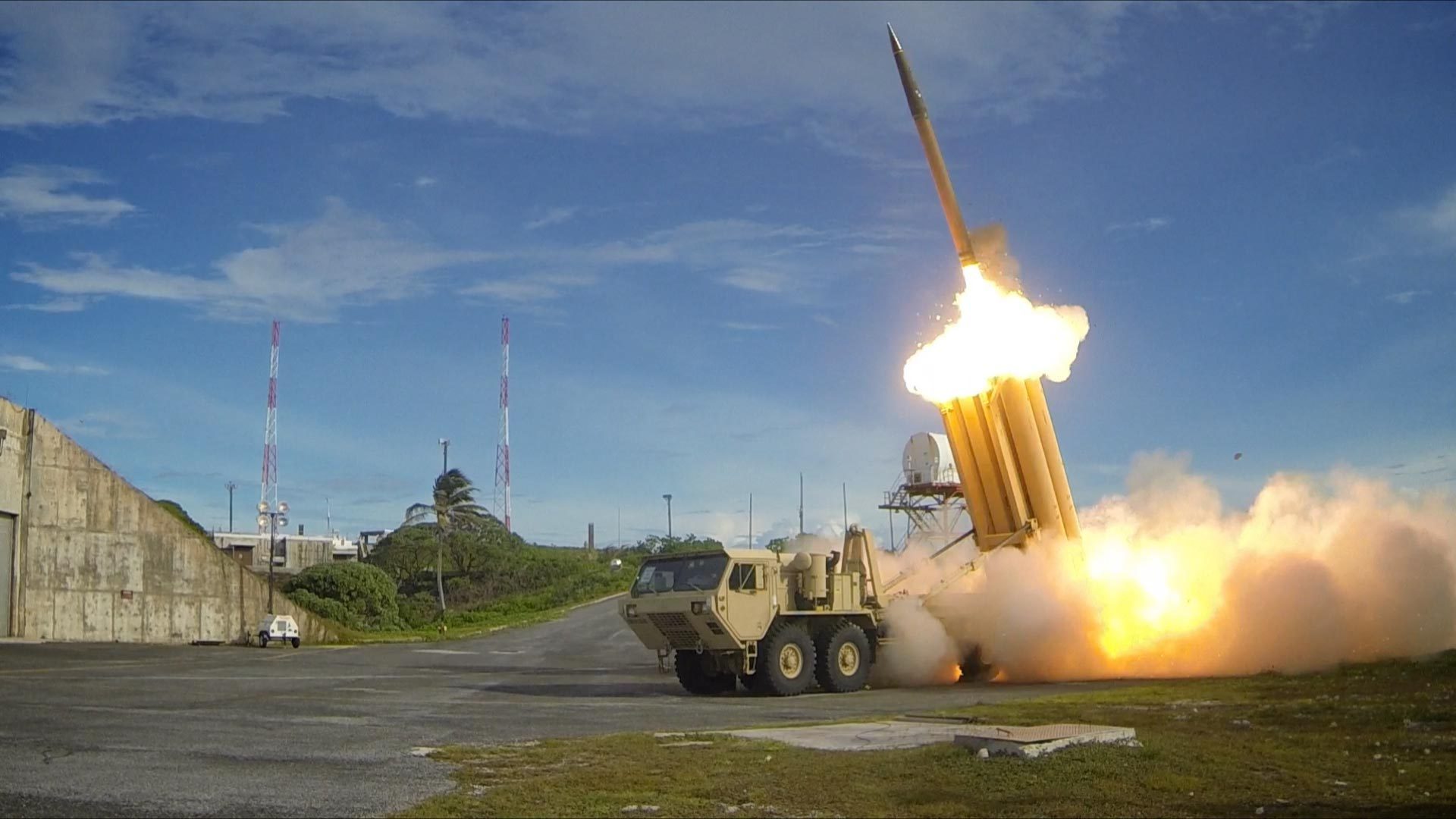
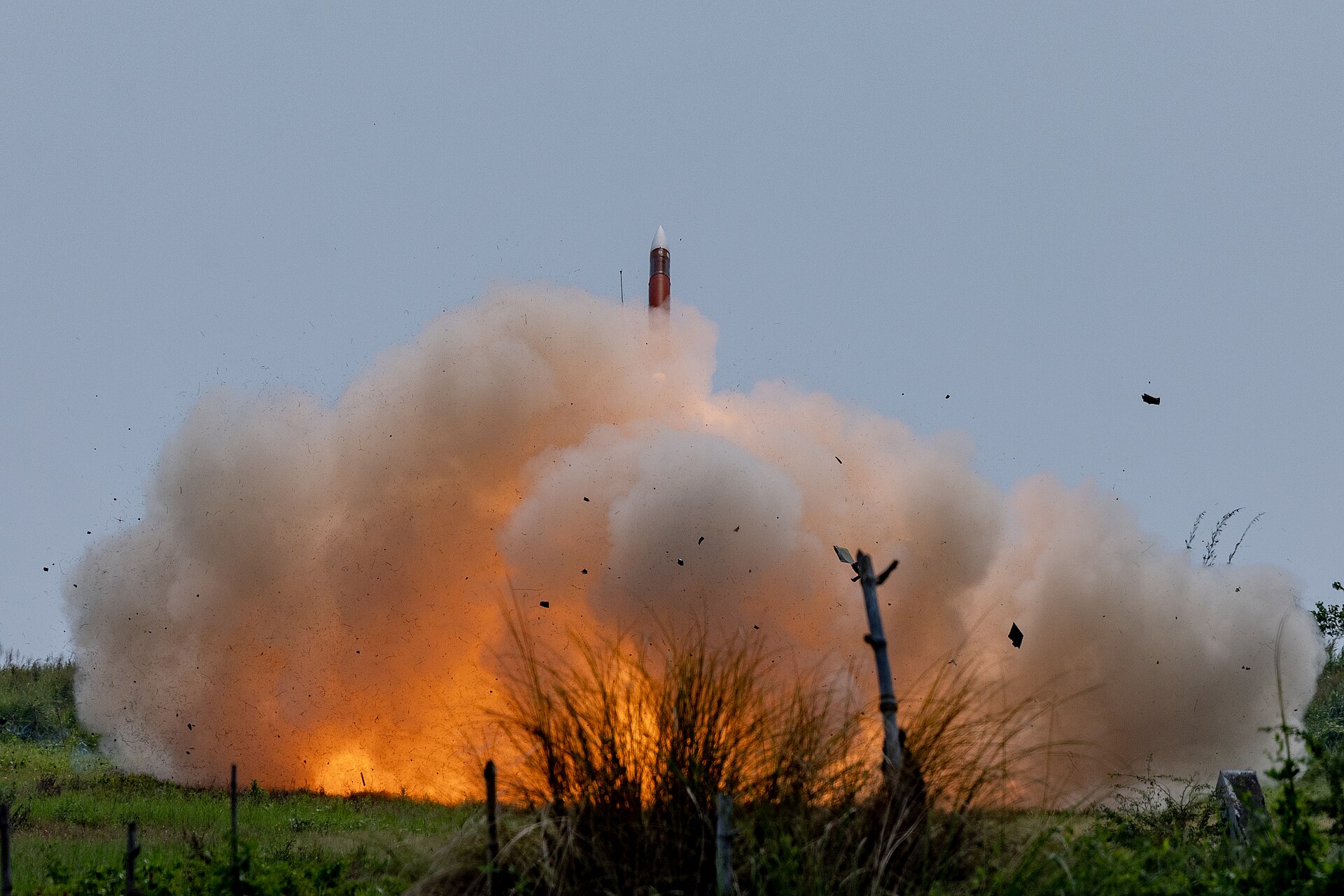
Iran launched retaliatory strikes against Gulf states within hours of the US-Israeli Operation Epic Fury on February 28, 2026, targeting civilian and military infrastructure across the region with a scale and intensity that stunned even those who had anticipated some form of response. Gulf air defence systems intercepted approximately 1,800 Iranian missiles and drones within the first five days of the conflict, according to the Christian Science Monitor, though hundreds broke through and struck targets across Saudi Arabia, the UAE, Kuwait, Bahrain, Qatar, and Oman.
The scope of Iran’s targeting was what most shocked Gulf leaders. Tehran did not confine its strikes to the US military bases that it claimed were the primary targets. Iranian missiles and drones hit airports, seaports, embassies, hotels, residential areas, data centres, gas fields, and oil refineries across all six Gulf Cooperation Council member states, according to CNBC reporting on March 10.
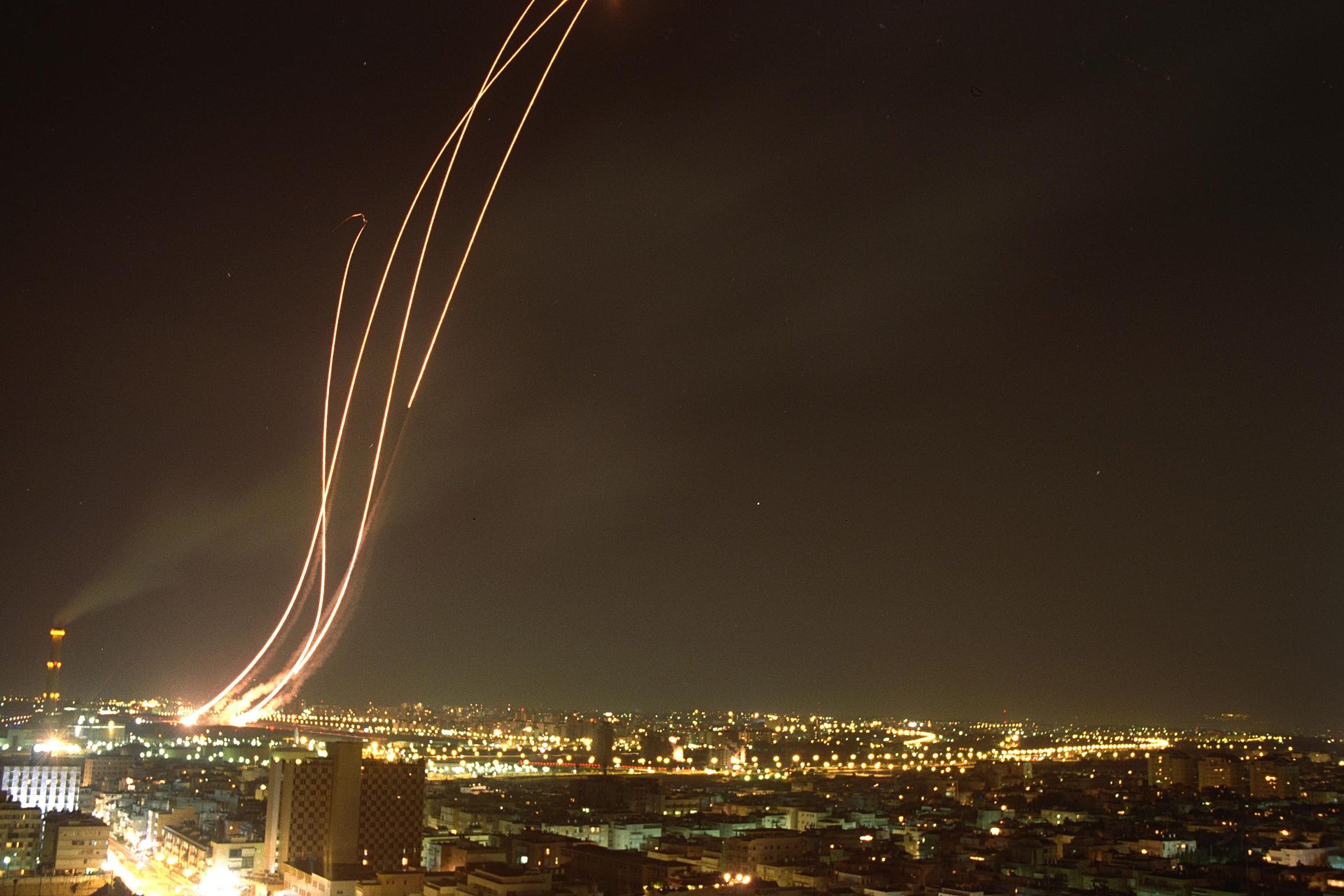
In Saudi Arabia specifically, Iranian strikes targeted the US Embassy compound in Riyadh on March 3, Aramco’s Ras Tanura refining complex on March 2, Prince Sultan Air Base on multiple occasions, and residential areas in al-Kharj where two foreign nationals — one Indian and one Bangladeshi — were killed on March 8, according to Al Jazeera. The Saudi Defence Ministry reported intercepting nine drones heading toward the Shaybah oil field in the Empty Quarter on March 9, and on March 10, Saudi air defence systems engaged a ballistic missile targeting the Eastern Region and destroyed two more drones east of al-Kharj.
The UAE absorbed more than 1,000 Iranian missiles and drones, the Christian Science Monitor reported. Fires broke out near luxury hotels in Dubai. DP World suspended operations at Jebel Ali port. Amazon Web Services data centres were struck by Iranian drones. In Kuwait, a drone attack damaged the international airport, prompting the government to close its airspace entirely and cut oil production. In Qatar, Iranian drones hit LNG export facilities that represent 20 per cent of the global market, Reuters reported. In Oman, successive drone attacks targeted the Duqm port complex.
How Did Saudi Arabia Respond Diplomatically?
Saudi Arabia’s diplomatic response to Iran’s strikes was swift and unambiguous, though Riyadh has so far stopped short of the most drastic measures taken by its Gulf partners. On March 1 — the same day Iranian missiles first struck Saudi territory — the Saudi Ministry of Foreign Affairs summoned Iran’s ambassador to Riyadh, Alireza Enayati, to deliver a formal protest, Al Arabiya reported.
During the meeting, Saudi Deputy Foreign Minister Waleed al-Khuraiji conveyed the Kingdom’s condemnation of what he called “blatant” Iranian attacks against Saudi Arabia and other Gulf states, and reiterated Riyadh’s “categorical rejection of any violation of national sovereignty that undermines regional security and stability,” according to the Qatar News Agency. Al-Khuraiji warned that Saudi Arabia would “take all necessary measures to safeguard its security and protect its territory.” The kingdom has since joined a GCC-sponsored UN Security Council resolution demanding Iran halt all strikes — a resolution the Council adopted on March 11 with near-unanimous support.
Notably, Saudi Arabia has not recalled its own ambassador from Tehran or closed its embassy, a decision that analysts attribute to Crown Prince Mohammed bin Salman’s determination to maintain a backchannel for potential ceasefire negotiations. Bloomberg reported on March 6 that Saudi officials had intensified their direct line to Iran with greater urgency, deploying the very diplomatic infrastructure that the 2023 deal had created.
Saudi Foreign Minister Prince Faisal bin Farhan has navigated what analysts describe as an impossible position — condemning Iranian aggression firmly enough to satisfy domestic anger while leaving sufficient diplomatic space for the back-channel communications that both Riyadh and Tehran recognise may eventually be needed to end the crisis. On March 10, the Saudi government stated that Iran’s actions “do not reflect wisdom or the interest of avoiding a wider escalation.” The speed of this rhetorical hardening obscures its deeper roots; Saudi Arabia’s nine-month reversal from détente partner to confrontation posture was neither sudden nor accidental, but the product of a methodical reassessment that began well before the first Iranian missile struck Gulf territory.
At the multilateral level, Saudi Arabia joined Arab foreign ministers in invoking collective defence provisions after Iran struck eight states, a step that marked a historic first for the Arab League’s mutual security framework.
Which Gulf States Have Cut Ties With Iran?
The most dramatic diplomatic rupture came from the United Arab Emirates. On March 1, the UAE Ministry of Foreign Affairs announced the closure of its embassy in Tehran and the withdrawal of its ambassador and all diplomatic mission staff, the Khaleej Times reported. The ministry described Iran’s strikes as targeting “civilian sites, including residential areas, airports, ports, and service facilities” and called them “a flagrant violation of national sovereignty and a clear breach of international law and the UN Charter.”
The UAE’s decision was particularly significant because Abu Dhabi had been among the most active proponents of engagement with Iran in recent years. UAE Presidential adviser Anwar Gargash subsequently characterised Iran as “the region’s primary source of danger,” the Christian Science Monitor reported — a formulation that effectively reversed years of carefully cultivated ambiguity.
Qatar also escalated sharply. On March 2, Qatari forces shot down two Iranian jets — the first time an Arab state had engaged Iran militarily, the Christian Science Monitor noted. Qatari Foreign Ministry spokesman Majed al-Ansari declared that “this cannot go unanswered; a price has to be paid for this attack,” signalling a fundamental departure from Doha’s traditional role as a diplomatic intermediary between Tehran and Washington.
| Country | Ambassador Recalled | Embassy Closed | Iran Envoy Summoned | Military Engagement |
|---|---|---|---|---|
| UAE | Yes | Yes (Tehran) | Yes | Air defence interceptions |
| Saudi Arabia | No | No | Yes | Air defence interceptions |
| Qatar | Not confirmed | Not confirmed | Yes | Shot down 2 Iranian jets |
| Kuwait | Not confirmed | Not confirmed | Yes | Air defence interceptions; airspace closed |
| Bahrain | Not confirmed | Not confirmed | Yes | Air defence interceptions |
| Oman | No | No | Not confirmed | Air defence interceptions |
Bahrain, whose Shia-majority population has created domestic complications for the ruling Al Khalifa family, intercepted multiple Iranian attacks but faced an additional challenge — internal protests in which some citizens celebrated the Iranian strikes, according to the Carnegie Endowment for International Peace. Kuwait, Iraq, Saudi Arabia, and Bahrain all reported intercepting Iranian missiles and drones across the conflict’s first 11 days.
Oman has taken the most restrained position, with Foreign Minister Badr al-Busaidi calling for “regional diplomacy” and “off ramps,” consistent with Muscat’s historic role as the Gulf’s primary intermediary with Tehran.
What Did the 2023 Beijing Deal Achieve?
The agreement that Iranian and Saudi security officials signed in Beijing on March 10, 2023 — exactly three years before this article’s publication — restored diplomatic relations that had been severed in January 2016, when Saudi Arabia executed Shia cleric Nimr al-Nimr and Iranian protesters ransacked the Saudi embassy in Tehran and its consulate in Mashhad.
The Beijing deal was the product of years of quiet diplomacy. Iraq and Oman hosted several rounds of secret dialogues between Riyadh and Tehran during 2021 and 2022, the Atlantic Council documented, which laid the groundwork for the formal agreement. Chinese President Xi Jinping’s state visit to Saudi Arabia in December 2022 and Iranian President Ebrahim Raisi’s visit to Beijing in February 2023 — the first by an Iranian leader in over 20 years — set the stage for five days of intensive negotiations that produced the accord, according to the United States Institute of Peace.
Implementation followed swiftly. Iran reopened its embassy in Riyadh in June 2023. Saudi Arabia resumed diplomatic operations in Tehran in August 2023. In September of that year, new ambassadors — Iran’s Alireza Enayati to Riyadh and Saudi Arabia’s Abdullah Alanazi to Tehran — arrived at their posts on the same day, a carefully choreographed gesture of mutual respect.
The agreement’s practical achievements extended well beyond the exchange of ambassadors. Direct flights resumed between Saudi and Iranian cities. Trade delegations visited both capitals. By 2025, Saudi and Iranian authorities agreed on an increased quota for Iranian pilgrims and improved management for the 2026 Hajj, including direct flights for pilgrims from several Iranian cities, the Middle East Council on Global Affairs reported. The rapprochement contributed to a broader regional de-escalation that included progress on the Yemen peace process, reduced tensions in Iraq, and a wider “wave of reconciliation” across the Middle East that Chinese Foreign Minister Wang Yi publicly celebrated.
For Crown Prince Mohammed bin Salman, the Beijing deal represented a diplomatic triumph that demonstrated Saudi Arabia’s ability to pursue an independent foreign policy and manage its most volatile regional relationship without Washington’s mediation.
Why Did Iran Attack the States That Defended It?
The question dominating diplomatic corridors in Riyadh, Abu Dhabi, and Doha is why Iran chose to strike the very states that had spent years defending the rapprochement and urging Washington to pursue diplomacy rather than confrontation. As recently as January 2026, Gulf states were lobbying President Trump to engage in direct talks with Iran, the Christian Science Monitor reported.
Hasan Alhasan, a fellow at the International Institute for Strategic Studies in Bahrain, told the Christian Science Monitor that “Iranians are making it more difficult for Gulf states to stay neutral.” His assessment captures the strategic dilemma that Tehran’s decision has created — by targeting the states that had served as a buffer between Iran and the American-Israeli campaign, the Islamic Revolutionary Guard Corps effectively eliminated its own diplomatic shield.
Andrew Leber, writing for the Carnegie Endowment for International Peace, argued that the Gulf monarchies are “caught between Iranian desperation and U.S. recklessness.” Iran’s targeting logic, multiple analysts have noted, appears driven by the IRGC’s operational calculus rather than Tehran’s diplomatic strategy. Iranian President Masoud Pezeshkian apologised to Gulf states for the IRGC’s attacks and announced a halt to strikes on neighbours, the Soufan Center reported — but the IRGC immediately contradicted him, warning that “all military bases and interests of criminal America” would be “considered primary targets.” Hours later, the UAE confirmed new drone strikes on Al Dhafra Air Base. The IRGC’s reach extends beyond the Gulf: the United States designated the Sudanese Muslim Brotherhood as a terrorist organization on March 9, accusing it of deploying 20,000 IRGC-trained fighters in Sudan’s civil war.
The disconnect between Pezeshkian’s conciliatory language and the IRGC’s continued attacks on Gulf states underscores what analysts at the Soufan Center describe as a fundamental fracture within the Iranian power structure. Iran’s formal rejection of ceasefire negotiations and the appointment of Mojtaba Khamenei as Supreme Leader have consolidated military control over foreign policy, effectively sidelining the civilian government that had championed the rapprochement.
Aziz Alghashian, a Saudi researcher at the Gulf International Forum, captured the prevailing sentiment in Riyadh: “We invested in Iran; we defended Iran enough for them not to do this.” Gulf states had gone to extraordinary lengths to understand Iran’s threat perception regarding the presence of US troops on their territory, and had attempted to accommodate Tehran’s security concerns. That investment, senior officials now say, was met with missiles.
The lack of advance warning compounded the betrayal. According to the Soufan Center, US allies received no prior notice of Operation Epic Fury despite being clearly vulnerable to Iranian retaliation — a failure that contradicted January warnings from Oman, Qatar, Saudi Arabia, and Egypt about the regional consequences of military action. Gulf leaders have expressed what multiple reports describe as “anger” at both Washington’s failure to consult and Tehran’s disproportionate response. Prince Turki al-Faisal, the former Saudi intelligence chief, publicly characterised the conflict as “Netanyahu’s war,” reflecting Riyadh’s view that Israel pressured Washington toward an escalation that Saudi Arabia neither wanted nor was prepared for.
What Conditions Will Gulf States Demand for Future Relations?
The emerging consensus among Gulf states is that any future relationship with Iran must be built on fundamentally different terms from those that governed the 2023 agreement. A senior UAE official told CNBC on March 10 that the attacks have created a “huge trust gap that, in my opinion, will last for decades to come.”
A separate UAE official told The National on March 9 that any future settlement with Iran must address the country’s missile programme — a condition that Tehran has historically treated as a non-negotiable red line. The demand signals that Gulf states will no longer accept the framework of the 2023 deal, which deliberately avoided the missile question in favour of broader diplomatic normalisation.
The Carnegie Endowment’s Andrew Leber has identified three likely pillars of any future Gulf approach to Iran: collective GCC security coordination that pools interceptor stockpiles, coordinated diplomatic engagement seeking negotiated off-ramps rather than bilateral deals, and greater domestic political inclusivity to strengthen rulers’ mandates for independent foreign policy decisions.
The Soufan Center noted that Gulf states have already begun reviewing force majeure clauses in contracts and reassessing future investment commitments — a process that represents a potential recalibration of the entire post-oil economic model that countries like the UAE and Saudi Arabia have built around attracting global talent and capital. The unprecedented military alliance that Iran’s attacks forced into existence may prove more durable than the diplomatic architecture it replaced.
| Date | Event | Significance |
|---|---|---|
| January 2016 | Saudi Arabia severs ties with Iran | Embassy attacks after Nimr al-Nimr execution |
| 2021–2022 | Secret Iraq/Oman-hosted dialogues | Groundwork for rapprochement |
| December 2022 | Xi Jinping visits Saudi Arabia | China positions itself as mediator |
| March 10, 2023 | Beijing agreement signed | Full diplomatic restoration agreed |
| June–August 2023 | Embassies reopened | Ambassadors exchanged simultaneously |
| 2024–2025 | Trade, flights, Hajj cooperation expand | Practical benefits of normalisation |
| February 28, 2026 | US-Israeli Operation Epic Fury begins | Iran retaliates against Gulf states |
| March 1, 2026 | UAE closes Tehran embassy; Saudi summons Iranian ambassador | Diplomatic rupture begins |
| March 2, 2026 | Qatar shoots down two Iranian jets | First Arab-Iran military clash |
| March 10, 2026 | Gulf officials declare trust “broken for decades” | Rapprochement formally declared dead |
Can the Gulf-Iran Rapprochement Be Rebuilt?
The short-term prospects for any restoration of the 2023 framework are close to zero, according to multiple analysts. The immediate priority for Gulf states is physical security — intercepting Iranian strikes, protecting critical infrastructure, and managing the humanitarian consequences of the conflict.
China, which brokered the original deal and invested significant diplomatic capital in its success, has dispatched a peace envoy to Riyadh, according to reporting from Beijing Sends Peace Envoy to Riyadh as Gulf War Enters Second Week. Whether Beijing can play the same mediating role it did in 2023 remains doubtful. The power dynamics have shifted fundamentally — Iran’s civilian government, which championed the rapprochement, has been marginalised by the IRGC. Mojtaba Khamenei’s ascension as Supreme Leader has consolidated hardliner control. And Gulf states now view any future engagement with Tehran through the lens of a conflict that struck their airports, refineries, residential neighbourhoods, and diplomatic compounds.
The Foreign Policy journal’s assessment that Trump’s war is “unravelling U.S. strategy in the Gulf” points to a deeper structural problem. The 2023 rapprochement was built on the premise that Gulf states could maintain productive relationships with both Washington and Tehran simultaneously. That premise has been destroyed — not by any Gulf decision, but by an American-Israeli military operation that Gulf states neither requested nor approved, followed by an Iranian response that treated its neighbours as legitimate targets.
“It creates a huge trust gap that, in my opinion, will last for decades to come.”
Senior UAE official to CNBC, March 10, 2026
The ACLED conflict data project’s special March 2026 Middle East assessment noted that the rapprochement’s collapse has created a “security vacuum” in regional diplomacy that no existing institution is positioned to fill. The GCC, which was designed as an economic coordination body, is being forced into a military alliance role for which it was never intended. The Arab League’s invocation of collective defence provisions was a historic first that reflects the absence of any other viable diplomatic framework.
What replaces the Beijing deal will depend on how the war ends — and whether any Iranian government that emerges from the conflict retains the capacity and willingness to engage in the sustained diplomacy that produced the 2023 agreement. For now, Gulf officials are operating under the assumption that the rapprochement era is definitively over, and that the region has entered a period of strategic hostility with Iran that will reshape alliances, defence postures, and economic planning for years to come. That this rupture is playing out during Islam’s holiest month adds a layer of civilisational weight that no diplomatic framework can easily absorb.
Frequently Asked Questions
What was the 2023 Saudi-Iran Beijing deal?
The Beijing deal was a China-brokered agreement signed on March 10, 2023 that restored full diplomatic relations between Saudi Arabia and Iran after a seven-year rupture. The accord reactivated a 2001 security cooperation agreement, led to the exchange of ambassadors, and triggered a broader regional de-escalation that eased tensions across the Middle East.
Has Saudi Arabia closed its embassy in Iran?
Saudi Arabia has not closed its embassy in Tehran or recalled its ambassador as of March 10, 2026. Riyadh summoned Iran’s ambassador on March 1 to deliver a formal protest but has maintained its diplomatic presence, which analysts attribute to Crown Prince Mohammed bin Salman’s desire to preserve a backchannel for potential ceasefire negotiations.
Which Gulf states have severed diplomatic ties with Iran?
The UAE is the only Gulf state to have fully severed ties, closing its embassy in Tehran and recalling its ambassador and all diplomatic staff on March 1, 2026. Saudi Arabia, Qatar, Kuwait, and Bahrain summoned Iranian ambassadors but have not closed their embassies. Oman has maintained its traditional intermediary role and has not taken punitive diplomatic action.
Why did Iran attack Gulf states that supported the rapprochement?
Analysts attribute Iran’s attacks on Gulf states to the IRGC’s targeting of US military installations across the region, with significant collateral damage to civilian infrastructure. The disconnect between President Pezeshkian’s apology to Gulf states and the IRGC’s continued strikes suggests that Iran’s military establishment has overridden its diplomatic leadership in determining targeting priorities.
Can China broker another Saudi-Iran deal?
China has dispatched a peace envoy to Riyadh, but prospects for renewed mediation remain poor. The divergence between Washington’s demand for unconditional surrender and Riyadh’s need for immediate de-escalation further complicates any diplomatic resolution. The power dynamics that enabled the 2023 deal — cooperative civilian leadership in Tehran, mutual interest in economic engagement, and manageable security tensions — have been replaced by IRGC dominance, active military conflict, and a trust deficit that Gulf officials say will last decades. The diplomatic fallout extends beyond Gulf-Iran relations — the war has also destroyed Saudi-Israel normalization prospects, reshaping the entire regional alliance architecture.