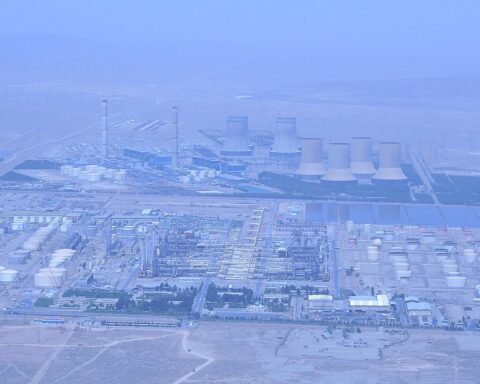
RIYADH — Gulf Arab states led by Saudi Arabia and the United Arab Emirates have told the United States that any agreement to end the Iran war must permanently dismantle Tehran’s missile, drone, and proxy capabilities, rejecting a conventional ceasefire as insufficient to guarantee regional security. The demand, communicated through multiple diplomatic channels and made public in a Wall Street Journal op-ed by UAE Ambassador Yousef Al Otaiba on March 26, sets Gulf expectations far above what a quick negotiated settlement could deliver — and far beyond what Iran has signaled any willingness to accept.
The Gulf position hardens at a moment when a leaked U.S. intelligence assessment, first reported by Reuters and confirmed by five people familiar with the findings, reveals that the United States can determine with certainty it has destroyed only approximately one-third of Iran’s missile arsenal. That gap — two-thirds of Iran’s pre-war missile stockpile potentially intact after four weeks of sustained bombardment — is the data point driving Gulf calculations. If the war stops now, Gulf capitals would face an adversary wounded but still armed.
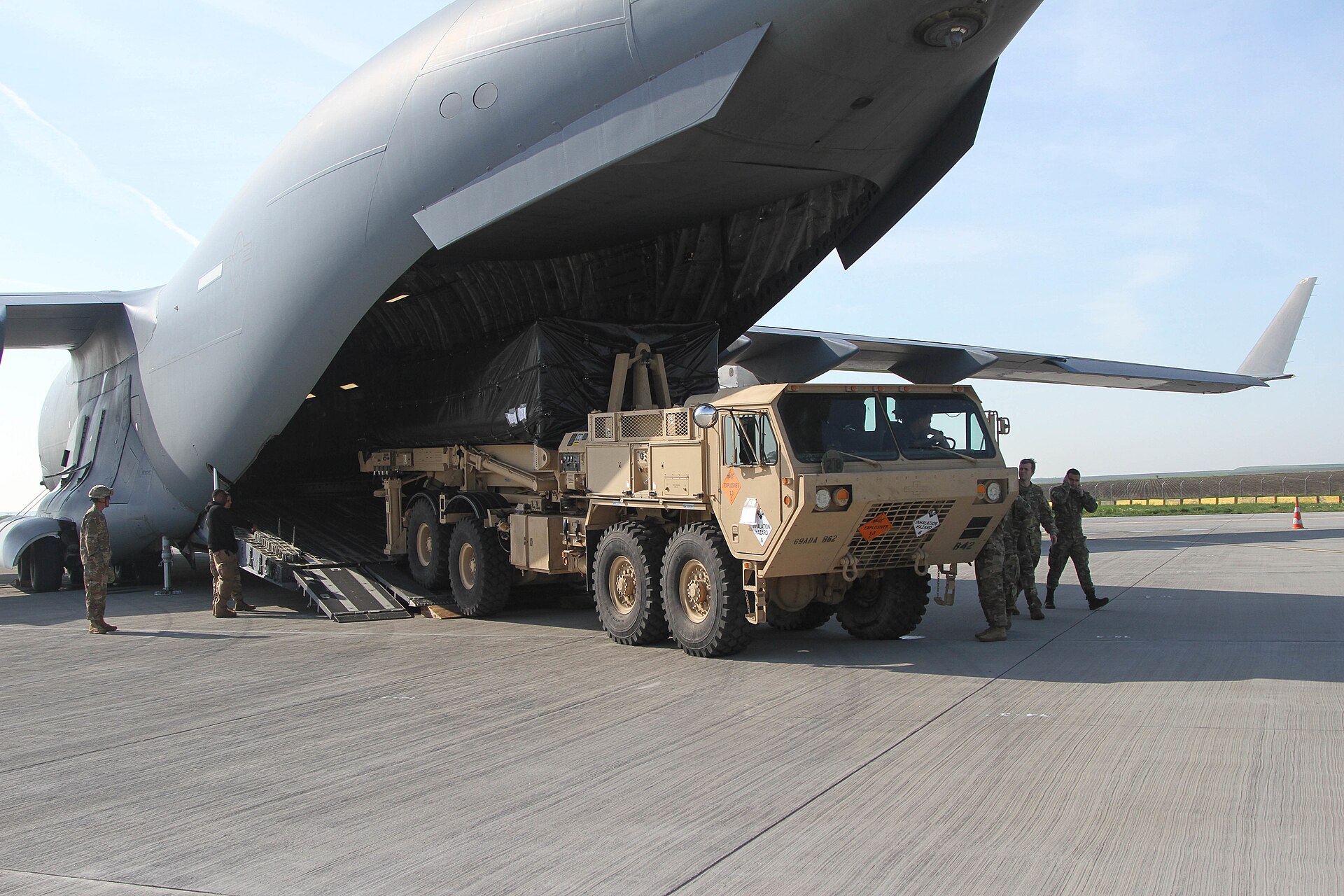
Table of Contents
What Are the Gulf States Demanding?
Gulf governments are not asking Washington for a pause in fighting. They are requesting a new regional security architecture that structurally eliminates Iran’s capacity to threaten its neighbors. The distinction matters. A ceasefire freezes the current balance of power; what the Gulf Cooperation Council states want is to change it permanently.
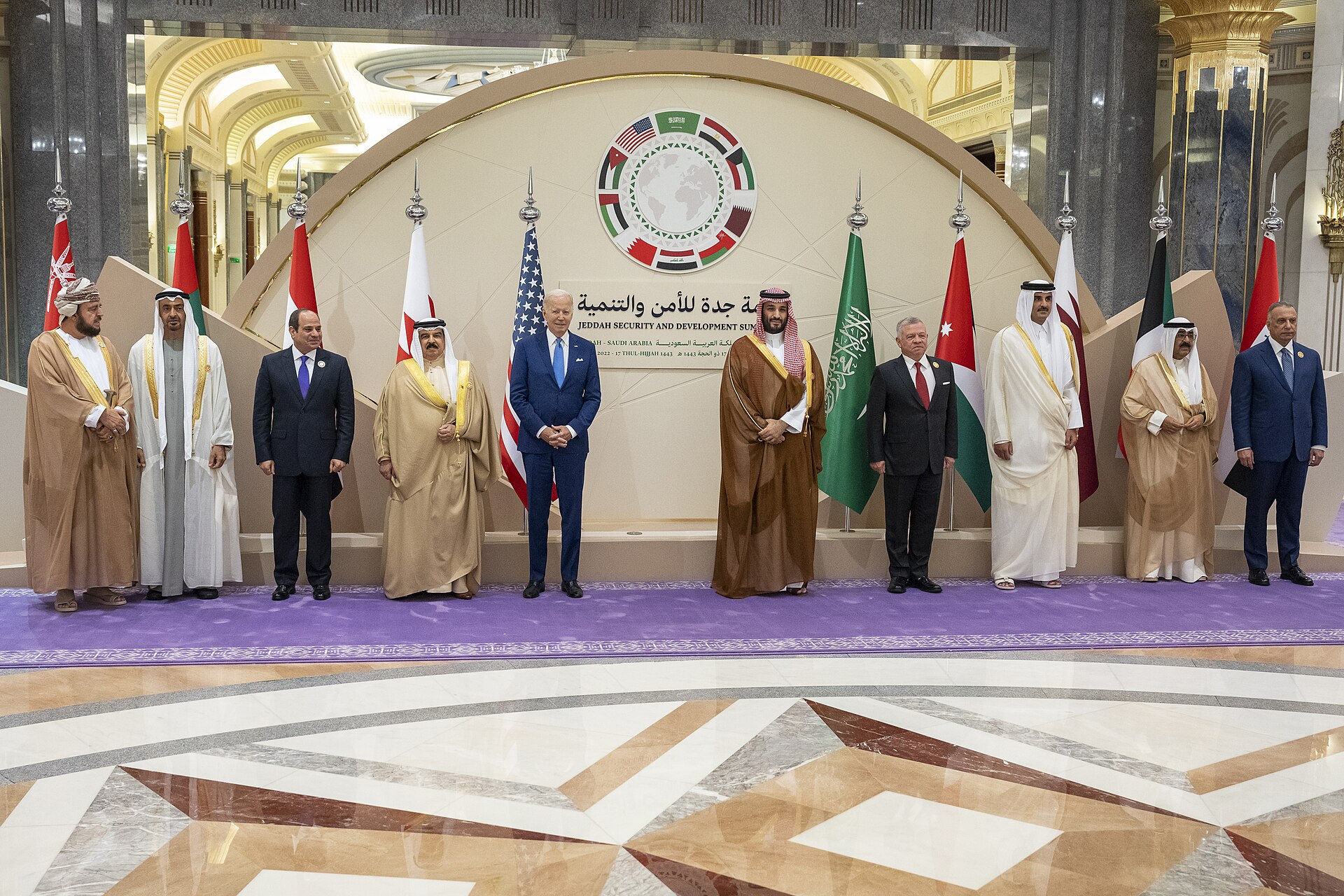
“A simple ceasefire isn’t enough,” Ambassador Al Otaiba wrote in the Wall Street Journal. “We need a conclusive outcome that addresses Iran’s full range of threats: nuclear capabilities, missiles, drones, terror proxies and blockades of international sea lanes.”
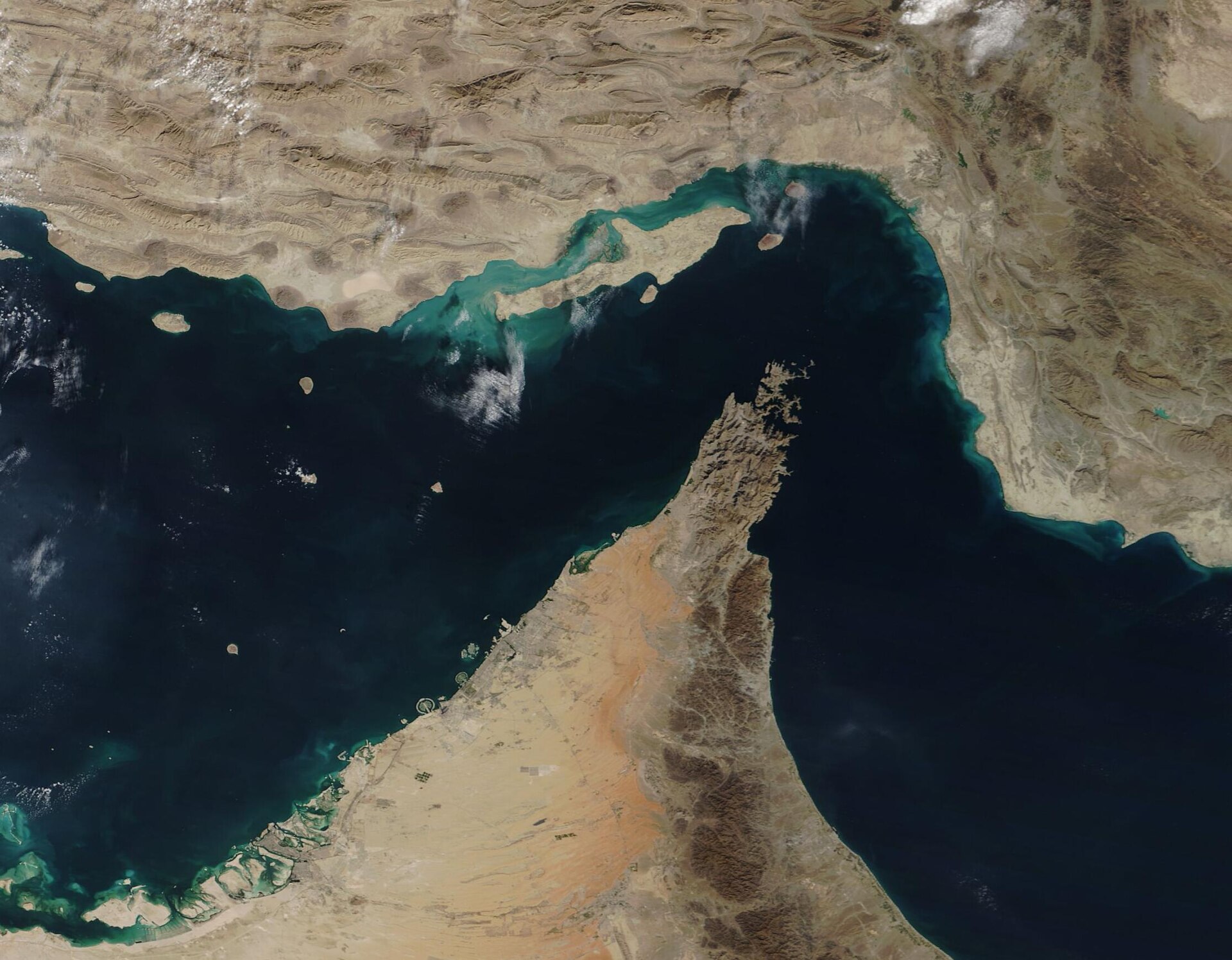
According to four Gulf sources cited by Reuters, the demands fall into several categories. First, enforceable restrictions on Iran’s missile and drone production capacity — not just a pledge to stop firing, but the physical destruction or verifiable dismantlement of manufacturing sites. Second, permanent guarantees that the Strait of Hormuz, which carries approximately 20 percent of global oil and liquefied natural gas shipments, will never again be weaponized as a chokepoint. Third, an end to Iranian support for proxy groups including Hezbollah, the Houthis, and other armed factions that have extended the war across multiple fronts.
GCC Secretary-General Jasem Al-Budaiwi put numbers to the grievance during a press briefing in late March. Iran had directed more than 5,000 missiles and drones at Gulf states since February 28, he said, with 85 percent of all Iranian projectiles aimed at GCC member nations. The UAE absorbed the heaviest volume — more than 2,180 missiles and drones, according to Al Otaiba, who noted that Emirati defense systems intercepted more than 95 percent of incoming threats.
One Gulf official, speaking to Reuters, insisted the war should continue until Iran’s missile and drone manufacturing sites are destroyed. The official acknowledged that Iran would retain the technical knowledge to rebuild its arsenal, but argued that “generational damage” to production infrastructure would be sufficient. The logic: even if Iran can reconstitute, the timeline for doing so — measured in years, not months — gives Gulf states and their allies time to build permanent defenses.
The Intelligence Gap That Explains Everything
The leaked intelligence assessment reported by Reuters explains why Gulf states are refusing to accept a ceasefire on current terms. After nearly a month of U.S. and Israeli strikes on Iranian military infrastructure, American intelligence agencies can confirm the destruction of only approximately one-third of Iran’s pre-war missile inventory.
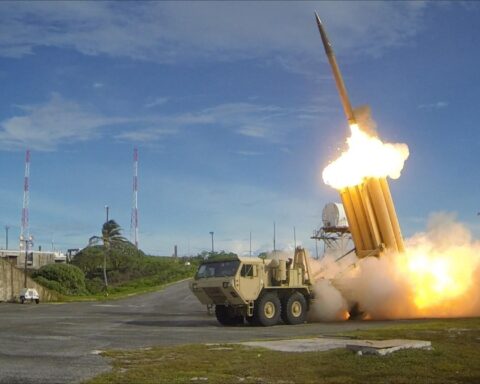
The remaining two-thirds may be dispersed across tunnel networks, mobile launchers, and hardened underground facilities that have proven difficult to locate and strike. Iran spent decades building redundancy into its missile program precisely to survive a sustained aerial campaign. The intelligence gap means that a ceasefire signed today would leave Iran with a substantial residual arsenal — enough to threaten Gulf energy infrastructure, military bases, and civilian populations.
The assessment also carries implications for Washington’s credibility. As the Center for Strategic and International Studies noted in a March analysis, “the credibility of the U.S. defense umbrella is being called into question” as Gulf states watch American interceptor inventories draw down and defenses strain under sustained attack. CSIS analysts characterized Iran’s strategy as “a deliberate strategy to make the war economically unsustainable for the United States, its partners in the Gulf, and the global economy as a whole.”
For Gulf policymakers, the math is stark. If the United States — with the most advanced intelligence apparatus on earth — cannot locate two-thirds of Iran’s missiles after a month of war, those missiles will still be pointed at Riyadh, Abu Dhabi, and Doha on the day any ceasefire takes effect.
| Gulf/U.S. Demands | Iran’s Counter-Demands |
|---|---|
| Destroy or dismantle missile/drone manufacturing sites | End all “aggression by the enemy” |
| Permanent reopening of the Strait of Hormuz | Recognition of Iranian sovereignty over the Strait |
| End Iranian support for proxy groups | Comprehensive end to war across all fronts, including allied resistance groups |
| Nuclear dismantlement (Natanz, Isfahan, Fordow) | Concrete guarantees preventing recurrence of war |
| Verifiable limits on ballistic missile range and quantity | Full payment of war reparations and compensation |
Tehran Rejects the Terms and Sets Its Own
Iran has flatly rejected the framework. Foreign Minister Abbas Araghchi said in an interview on Iranian state television that his government “has not engaged in talks to end the war, and we do not plan on any negotiations.” A source close to the Iranian government told Fars News Agency: “Iran does not accept a ceasefire.”
Tehran has instead laid out five conditions, first articulated by President Masoud Pezeshkian on March 11 and subsequently repeated by Iranian officials. They include: an end to all military operations against Iran; binding guarantees that the war will not recur; full payment of war reparations; a comprehensive end to hostilities across all fronts, explicitly including Iran’s proxy allies; and recognition of Iranian sovereignty over the Strait of Hormuz.
The fifth demand is the most provocative. Iran has been operating what shipping officials describe as a “toll booth” at the Strait, charging approximately $2 million per transit in Chinese yuan. The Gulf states and the United States view the Strait as an international waterway. Iran views it as sovereign territory. There is no overlap between these positions.
Araghchi escalated the rhetoric further on March 27 after Israel struck two Iranian nuclear facilities — the Shahid Khondab Heavy Water Complex in Arak and the Ardakan yellowcake processing plant in Yazd, according to CNN. The Foreign Minister threatened a “heavy price for Israeli crimes” targeting nuclear infrastructure, a statement that reinforced Gulf fears of continued Iranian escalation even as diplomatic channels remain nominally open.
Nader Habibi, an economist consulted by Al Jazeera on the mediation prospects, assessed the likelihood of substantive talks at “60 percent,” noting that costs are mounting for all parties and communication channels exist through intermediaries. But the distance between the two sides’ positions suggests any deal, if it comes, will require one side to abandon core demands — or a military outcome that makes negotiation irrelevant.
Can the April 6 Deadline Deliver What the Gulf Wants?
President Donald Trump extended his deadline for Iran to reopen the Strait of Hormuz to April 6 at 8 p.m. Eastern Time, pausing planned strikes on Iranian energy plants until that date. “As per Iranian Government request, please let this statement serve to represent that I am pausing the period of Energy Plant destruction by 10 Days,” Trump wrote on Truth Social on March 26.
The extension gives Pakistan, Egypt, and Turkey — the three mediating nations — more time to shuttle proposals between Washington and Tehran. Pakistan’s Foreign Minister Ishaq Dar confirmed the mediation publicly, writing on social media: “US-Iran indirect talks are taking place through messages being relayed by Pakistan.” He added that Turkey and Egypt were “extending their support to this initiative.”
The United States has presented a 15-point action plan through Pakistani intermediaries, according to the Washington Post and CNBC. The plan includes a 30-day ceasefire while negotiations continue, nuclear dismantlement at Natanz, Isfahan, and Fordow, limits on missile range and quantity, an end to proxy support, reopening of the Strait, and extensive sanctions relief in return.
But Gulf officials worry the plan does not go far enough. According to a Washington Post report, Gulf countries want Trump to end the war — but not yet. The fear is a premature deal that trades a pause in hostilities for sanctions relief without addressing the structural military threat. Several Gulf officials have privately described the scenario as leaving an “injured beast” on their doorstep — an Iran diminished but not disarmed, with both the grievance and the residual capability to strike again.
The gap between the 15-point plan and the Gulf’s maximalist position is significant. The plan proposes “limits” on missile programs; Gulf states want destruction of manufacturing capacity. The plan seeks a ceasefire with conditions; Gulf states want a permanent strategic settlement. The plan offers sanctions relief; Gulf states want enforceable, not voluntary, compliance mechanisms.
The Battlefield Reinforces the Gulf’s Case
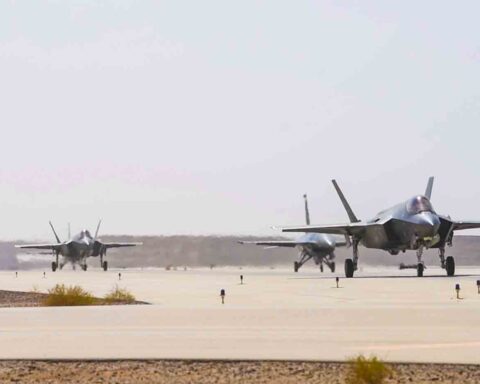
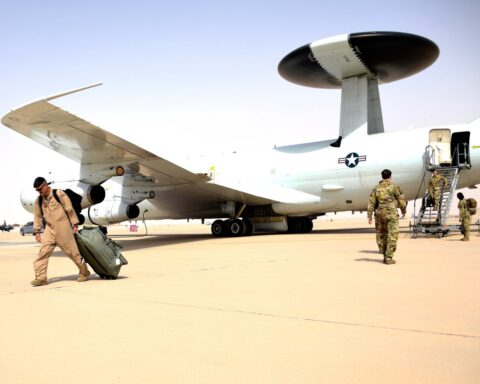
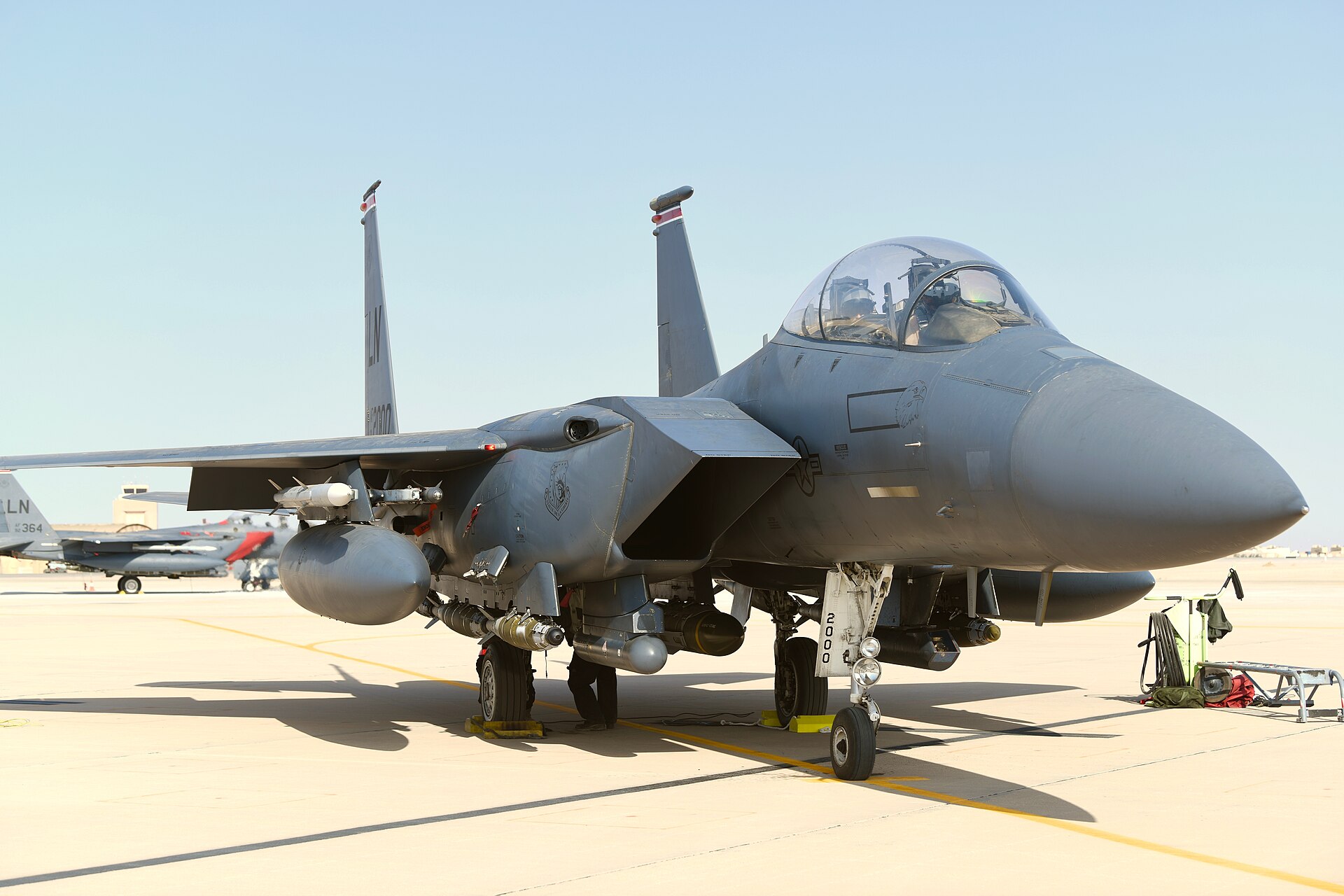
The March 27 Iranian strike on Prince Sultan Air Base in Saudi Arabia underscored the Gulf argument. The attack, using a combination of ballistic missiles and drones, wounded 10 U.S. service members — two seriously — and destroyed at least one KC-135 Stratotanker, with several others heavily damaged, according to the Military Times. Satellite imagery published by The Aviationist showed charring, collapsed structures, and missing engines on the flight line. Each KC-135 represents approximately $80 million in lost capability.
The attack demonstrated that Iran retains the ability to penetrate Gulf air defenses even after weeks of degradation operations. Operation Epic Fury has cost the United States 13 killed and approximately 300 wounded as of March 28, according to military officials — casualties sustained almost entirely on Gulf soil.
The same day, Kuwait’s Shuwaikh Port was struck by Iranian drones, extending the pattern of attacks on civilian infrastructure. Houthi forces in Yemen launched a ballistic missile at Israel on March 28, the first such attack since the October 2025 ceasefire, confirming that Iran’s proxy network remains operationally active.
Six Arab nations have previously invoked Article 51 self-defense rights against Iran at the United Nations. The UN Human Rights Council adopted a motion brought by Bahrain, Kuwait, Oman, Qatar, Saudi Arabia, the UAE, and Jordan condemning Iran’s “unprovoked and deliberate” attacks and demanding full reparations. The legal groundwork for a post-war accountability framework is already being laid — another signal that Gulf governments are thinking beyond a temporary cessation of hostilities.
Oil Markets and the Cost of Waiting
The economic dimension adds urgency to the Gulf position. Brent crude stood at $112.57 per barrel on March 28, up 4.22 percent, with West Texas Intermediate at $99.64, up 5.46 percent, according to market data. The Strait of Hormuz closure and Iranian attacks on Gulf energy infrastructure have driven prices to levels not seen since 2022.
Saudi Arabia has partially mitigated the damage. The kingdom can divert approximately two-thirds of its Hormuz-route shipments to Red Sea terminals including Yanbu, according to industry analysts. OPEC output climbed 640,000 barrels per day in the latest reporting period — the biggest increase since June — with Saudi Arabia accounting for roughly half of the additional volume.
But the costs extend beyond oil. As a Brookings Institution webinar on the war noted, Iranian attacks on Gulf countries are “not surprising” because “you have a desperate regime whose only hope is to raise the costs.” The CSIS assessment that Iran’s strategy aims to make the war “economically unsustainable” for the United States and its Gulf partners is reflected in the numbers: global shipping disruptions, insurance premiums for Gulf-bound tankers at historic highs, and accelerating energy transition investments in Europe and Asia.
The Gulf states are calculating that the cost of continuing the war is high but finite, while the cost of an inadequate deal is permanent. A ceasefire that leaves Iran’s manufacturing base intact means the Strait can be closed again, energy infrastructure can be targeted again, and the cycle of deterrence-by-threat resumes — except next time, Iran will have rebuilt and hardened its capabilities against the specific tactics used in this war.
“The big question confronting Gulf policymakers is no longer how the Iran war ends, but what kind of regional order follows.”
— Gulf diplomatic source, cited by Reuters, March 28, 2026
That framing — from a Gulf diplomatic source cited by Reuters reporter Samia Nakhoul — captures the core tension. President Trump wants a deal, and quickly. Gulf states want a settlement, and permanently. The distance between those two objectives will define the next nine days before the April 6 deadline, and the regional order that emerges from whatever comes after.
Frequently Asked Questions
How many missiles did Iran have before the war began on February 28?
Pre-war estimates from the International Institute for Strategic Studies and the Pentagon placed Iran’s ballistic and cruise missile inventory at approximately 3,000 to 3,500 operational missiles of various ranges, with shorter-range systems in the highest quantities. Iran also maintained an estimated production capacity of 300 to 400 missiles per year across multiple dispersed facilities, making sustained degradation more difficult than a one-time strike campaign.
Have the Gulf states formally coordinated their demands through the GCC?
The GCC has issued collective statements, and Secretary-General Al-Budaiwi has spoken publicly on behalf of member states. However, individual nations have pursued parallel diplomatic tracks. The UAE’s public op-ed in the Wall Street Journal was a unilateral move. Saudi Arabia has communicated its positions through private diplomatic channels rather than public declarations, reflecting a preference for behind-the-scenes pressure over public confrontation with Washington.
What role does Israel play in the Gulf states’ demands?
Israel and the Gulf states share the objective of permanent Iranian military degradation but for partly different reasons. Israel’s priority is the nuclear program, as demonstrated by its March 27 strikes on Arak and Yazd. Gulf states are more focused on conventional missile and drone threats that directly target their infrastructure. The Abraham Accords framework has enabled quiet coordination on intelligence sharing and air defense, but the two sides have not issued joint demands to Washington.
Could Iran rebuild its missile arsenal even if manufacturing sites are destroyed?
Iran retains the engineering expertise, blueprints, and supply chain relationships — including with North Korea and China — to reconstitute its missile program. Gulf officials acknowledge this reality but argue that physical destruction of production facilities would impose a multi-year rebuilding timeline. During that window, Gulf states could complete their own air defense buildouts and reduce dependence on the U.S. defense umbrella through systems like the Saudi-produced SAMI interceptors now in development.
What happens if the April 6 deadline passes without a deal?
Trump has stated that the pause on strikes against Iranian energy plants expires on April 6 at 8 p.m. Eastern Time. If no agreement is reached, the United States would resume targeting Iran’s oil refineries, power generation facilities, and potentially its export terminals. That escalation could collapse Iran’s remaining electricity grid and petroleum exports, but it would also spike global oil prices well above current levels and risk a broader humanitarian crisis that could complicate any subsequent negotiation.