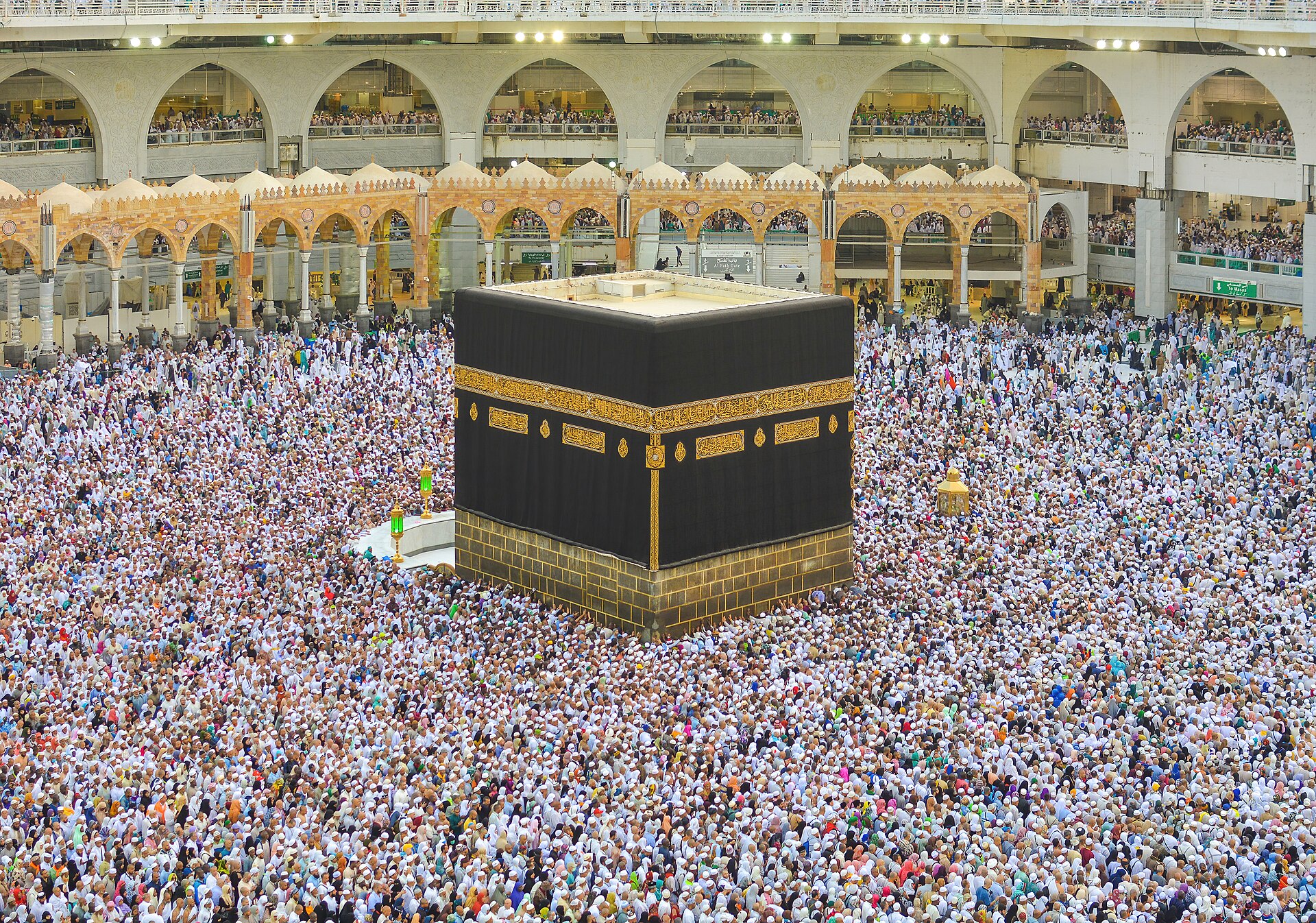

MECCA — Saudi Arabia faces the most complex security challenge in modern Hajj history as it prepares to receive an estimated 1.8 million pilgrims in fewer than eighty days while Iranian missiles and drones continue to strike targets across the Kingdom. The convergence of the 2026 Iran war with the annual pilgrimage — scheduled to begin around May 24 (see our complete Hajj 2026 guide) — forces Riyadh to simultaneously defend the holiest sites in Islam and maintain the logistical infrastructure that moves millions of people through western Saudi Arabia each year. With over 27,000 flights cancelled across Gulf airports and Jeddah’s King Abdulaziz International Airport facing ongoing disruptions, Iranian visa processing suspended for fourteen countries, and Patriot interceptor batteries deployed to protect Mecca and Medina, the question is no longer whether the war will affect Hajj 2026 but how profoundly it will reshape the pilgrimage for a generation.
Table of Contents
- What Are the Dates for Hajj 2026 and How Many Pilgrims Are Expected?
- How Has the Iran War Changed the Security Calculus for Hajj 2026?
- The 1987 Shadow — Why Iran and Saudi Arabia Have Fought Over the Hajj Before
- Will Iranian Pilgrims Be Allowed to Attend Hajj 2026?
- The Air Defense Umbrella — Protecting Mecca From Missiles
- Can Jeddah Airport Handle Hajj Traffic During a Regional War?
- The Pilgrim Risk Assessment Matrix — Evaluating Hajj 2026 Threats by Category
- The $12 Billion Gamble — Why Cancelling Hajj Is Not an Option
- How Is Saudi Arabia Using AI and Technology to Secure the Holy Sites?
- The Heat Factor — Why Climate Threatens More Pilgrims Than Missiles
- The Contrarian Case — Why the War Might Actually Make Hajj 2026 Safer
- What Happens If Hajj 2026 Is Disrupted?
- Frequently Asked Questions
What Are the Dates for Hajj 2026 and How Many Pilgrims Are Expected?
Hajj 2026 is expected to begin on or around May 24, 2026, corresponding to the 8th of Dhul Hijjah 1447 AH, and conclude around May 29. The precise dates will depend on the official moon sighting in Saudi Arabia, which can shift the calendar by a day. Hajj flights from participating countries are scheduled to commence on April 18, giving the Kingdom approximately ten weeks from mid-March to finalize security arrangements under wartime conditions.
The Saudi Ministry of Hajj and Umrah has not publicly revised its pilgrim targets for 2026, but the numbers from recent years provide a baseline. In 2025, a total of 1,673,230 pilgrims performed the Hajj, comprising 166,654 domestic Saudi pilgrims and 1,506,576 international arrivals from 171 countries, according to the Kingdom’s General Authority for Statistics (GASTAT). That represented an 8.5 percent decline from the 1,833,164 pilgrims recorded in 2024, a year scarred by extreme heat that killed more than 1,300 people.
The quota allocation system, administered by the Ministry of Hajj and Umrah, assigns pilgrim slots at a rate of approximately one visa per 1,000 Muslim citizens in each country. Indonesia holds the largest allocation at 221,000 pilgrims, followed by Pakistan at 179,210 and India at 175,025. Combined participation from the United States, United Kingdom, Canada, Europe, and Australia typically ranges between 40,000 and 60,000 pilgrims annually.
| Year | Total Pilgrims | International | Domestic | Notable Factors |
|---|---|---|---|---|
| 2019 | 2,489,406 | 1,855,027 | 634,379 | Pre-pandemic peak |
| 2020 | ~1,000 | 0 | ~1,000 | COVID-19 restrictions |
| 2021 | ~58,745 | 0 | ~58,745 | Domestic-only, vaccinated |
| 2022 | ~1,000,000 | ~779,000 | ~221,000 | Partial reopening |
| 2023 | 1,845,045 | 1,557,382 | 287,663 | Post-pandemic recovery |
| 2024 | 1,833,164 | 1,611,310 | 221,854 | Extreme heat crisis: 1,300+ deaths |
| 2025 | 1,673,230 | 1,506,576 | 166,654 | Post-heat-crisis reforms |
Saudi Arabia’s Vision 2030 roadmap targets 3 million Hajj pilgrims and 30 million Umrah visitors annually by the end of the decade. That ambition now collides with the reality of a shooting war that has, since February 28, brought Iranian cruise missiles within range of the Kingdom’s western population centres. Whether the 2026 Hajj maintains attendance near historical norms or suffers a significant decline will depend on three variables: the trajectory of the conflict, the confidence of foreign governments in Saudi air defences, and the willingness of commercial airlines to resume full operations into Jeddah.
How Has the Iran War Changed the Security Calculus for Hajj 2026?
The outbreak of hostilities between the United States, Israel, and Iran on February 28, 2026, has transformed the security environment for Hajj from a conventional crowd-management challenge into a wartime air-defence operation. Iranian retaliatory strikes have hit targets across the Gulf Cooperation Council states — including the US Embassy in Riyadh, the Aramco facility at Ras Tanura, and radar installations near Prince Sultan Air Base — making clear that no location in Saudi Arabia sits beyond the reach of Iranian ballistic missiles and attack drones.
Since the war began, the Saudi Ministry of Defence has reported intercepting multiple waves of incoming threats. On March 1, Saudi forces intercepted eight drones targeting Riyadh and the Al-Kharj military complex. On March 6, the ministry confirmed the destruction of five missiles and five drones aimed at different targets across the Kingdom. As recently as March 7, three cruise missiles and three drones were intercepted near Al-Kharj, eighty kilometres southeast of Riyadh. The attacks have struck oil infrastructure, military installations, and diplomatic compounds — but the holy cities of Mecca and Medina have thus far been spared.
That distinction is not accidental. Mecca and Medina occupy a unique position in the calculus of Middle Eastern conflict. An Iranian strike on the holiest sites in Islam would unite the entire Sunni Muslim world — 1.8 billion people — against Tehran. Even during the Iran-Iraq War, when Saddam Hussein’s missiles fell on Iranian cities, neither side targeted the other’s most sacred religious sites. The implicit taboo remains intact in 2026, but implicit taboos are not iron-clad guarantees, and Saudi defence planners cannot afford to rely on restraint alone.
A review of the threat landscape reveals several categories of risk that did not exist before the war. Stray missiles and interceptor debris represent the most probable danger to Hajj infrastructure. Even successful interceptions generate falling fragments that can damage buildings, start fires, and injure people on the ground — as demonstrated at the Ras Tanura refinery, where intercepted drones sparked fires despite being destroyed before impact. The dense concentration of millions of pilgrims in Mecca, Mina, Arafat, and Muzdalifah creates an environment where even a single piece of debris could cause mass casualties.
The nightmare scenario is not a deliberate strike on Mecca — it is a missile or drone aimed at a military target nearby that malfunctions, goes off course, or sheds debris over a populated area during the height of Hajj.
Senior Gulf security analyst, speaking to Breaking Defense, March 2026
The war has also raised the spectre of proxy action. Iran’s network of non-state allies — the Houthis in Yemen, Hezbollah in Lebanon, and various Iraqi militia groups — have conducted their own operations since the conflict began. The Houthis, positioned just across Saudi Arabia’s southern border, have previously launched missiles and drones at Saudi cities. A Houthi attack during Hajj, whether directed by Tehran or conducted independently, would represent a catastrophic security failure with global diplomatic consequences.
The 1987 Shadow — Why Iran and Saudi Arabia Have Fought Over the Hajj Before
The tension between Iran and Saudi Arabia over the Hajj did not begin with the 2026 war. It has deep roots in the ideological competition between Riyadh and Tehran for leadership of the Muslim world — a competition that erupted into bloodshed on July 31, 1987, when Iranian pilgrims staged a political demonstration inside the Grand Mosque in Mecca that ended with more than 400 dead.
The 1987 Mecca incident, as it became known, began when approximately 155,000 Iranian pilgrims — acting on instructions from Ayatollah Khomeini — attempted to hold a political rally they called “Disavowal of the Polytheists” during the Hajj. The demonstration, which included chants of “Death to America” and “Death to Israel,” directly violated Saudi Arabia’s longstanding prohibition on political activity during the pilgrimage. When Saudi security forces moved to contain the protest, a violent confrontation erupted. According to official Saudi figures, 402 people died: 275 Iranian pilgrims, 85 Saudi security personnel, and 42 pilgrims from other countries.
The aftermath was severe. Iran severed diplomatic relations with Saudi Arabia. Khomeini called for the overthrow of the House of Saud. The Iranian government banned its citizens from performing the Hajj for three years, from 1988 to 1990. Saudi Arabia slashed the Iranian pilgrim quota from 150,000 to 45,000, a restriction that remained in place for years. Diplomatic relations were not fully restored until 1991.
The 1987 crisis established a template that has repeated itself in various forms over the decades. In 2015, a stampede at Mina during the Hajj killed an estimated 2,400 people, including at least 464 Iranian pilgrims — the largest contingent of victims from any single country. Iran’s Supreme Leader Ali Khamenei blamed Saudi mismanagement and called the deaths a “crime.” Diplomatic relations, already strained over the Yemen war and Iran’s nuclear programme, collapsed entirely in January 2016 when Saudi Arabia executed Shia cleric Nimr al-Nimr and Iranian protesters stormed the Saudi embassy in Tehran.
The 2023 China-brokered rapprochement between Riyadh and Tehran appeared to close this chapter. Saudi and Iranian officials negotiated practical arrangements for Iranian pilgrims, including expanded quotas, improved consular services, and the facilitation of direct flights from several Iranian cities. By 2025, the two sides had agreed on an increased quota for Iranian pilgrims and improved management for the 2026 Hajj season. The February 28 war shattered that progress overnight.
The historical parallel is instructive but imperfect. In 1987, Iran used the Hajj as a deliberate tool of political confrontation. In 2026, the question is whether Iran will use the Hajj as a tool of restraint — demonstrating that it does not wish to wage war against Islam’s holiest sites — or whether the escalatory logic of the conflict will overwhelm such considerations. Saudi Arabia cannot afford to assume the best-case scenario.
The 2016 diplomatic break provides the most recent template. When Saudi Arabia executed Shia cleric Nimr al-Nimr in January 2016 and Iranian protesters stormed the Saudi embassy in Tehran, Riyadh severed diplomatic relations entirely. Zero Iranian pilgrims attended the Hajj that year. The Kingdom managed the absence by redistributing Iran’s quota allocation to other countries and framing the exclusion as a consequence of Iran’s diplomatic aggression. The 2026 scenario may follow a similar pattern, though the context is far more volatile: in 2016, Saudi Arabia could claim to be defending its sovereignty against diplomatic provocation. In 2026, the picture is muddied by Saudi Arabia’s own alleged role in encouraging the US strikes that provoked Iranian retaliation.
Will Iranian Pilgrims Be Allowed to Attend Hajj 2026?
As of early March 2026, the status of Iranian participation in the Hajj remains one of the most diplomatically sensitive questions arising from the conflict. Saudi Arabia has suspended the issuance of visit visas for citizens of fourteen countries, including Iran, though the temporary ban explicitly does not apply to pilgrims holding official Hajj permits. The distinction is significant: it signals that Riyadh has not formally excluded Iranian pilgrims from the 2026 Hajj, but the practical barriers to their attendance have grown enormously.
The suspension covers applicants without formal Hajj permits and affects nationals from Iran, Nigeria, Yemen, Ethiopia, Kenya, Somalia, Chad, Niger, Mali, the Democratic Republic of Congo, the Central African Republic, Libya, Sudan, and Pakistan. For Iranian pilgrims specifically, the obstacles extend beyond visa processing. Direct flights between Iran and Saudi Arabia — which the two countries had agreed to facilitate for the 2026 Hajj season — are now impossible while the war continues. Iranian pilgrims would need to transit through third countries, an increasingly difficult proposition given widespread airspace closures across the region.
Iran’s Hajj and Pilgrimage Organization has not publicly addressed the status of the 2026 Hajj for Iranian citizens. Historically, Iran has maintained a Hajj quota of approximately 86,500 pilgrims, though the actual number has fluctuated dramatically with the state of bilateral relations. After the 1987 massacre, the quota dropped to 45,000. After the 2016 diplomatic rupture, zero Iranian pilgrims attended the Hajj. The 2023 rapprochement saw quotas normalised and Iran reportedly seeking an increase.
| Period | Diplomatic Status | Iranian Pilgrims | Key Factor |
|---|---|---|---|
| 1985-1987 | Strained | ~150,000 | Growing political demonstrations during Hajj |
| 1988-1990 | Severed | 0 | Iran boycott after 1987 Mecca massacre |
| 1991-2015 | Restored | 45,000-86,500 | Quota gradually normalised |
| 2016 | Severed | 0 | Nimr al-Nimr execution, embassy storming |
| 2017-2022 | Severed | 0 (2020-21: COVID) | No diplomatic relations; COVID closures |
| 2023-2025 | Restored (China deal) | ~86,500 | Rapprochement, expanded quotas agreed |
| 2026 | At war (via US-Iran) | TBD | Visas suspended; no direct flights; war ongoing |
The diplomatic calculation is delicate. Formally barring Iranian pilgrims from the Hajj would play directly into Tehran’s narrative that Saudi Arabia is denying Muslims their religious rights. It would also vindicate hardliners in Iran who have long argued that the House of Saud is an illegitimate custodian of the Two Holy Mosques. On the other hand, admitting tens of thousands of Iranian nationals into the Kingdom during an active military conflict carries obvious security risks — not from ordinary pilgrims, who are overwhelmingly devout civilians, but from the possibility that Iranian intelligence could embed operatives among them.
The most likely outcome, based on historical precedent and current diplomatic signals, is a de facto exclusion without a formal ban. Saudi Arabia will maintain that Hajj permits for Iranian nationals remain theoretically available while pointing to the practical impossibility of processing visas, arranging flights, and guaranteeing security as reasons why attendance is unfeasible. This allows both governments to avoid the political cost of an explicit prohibition while acknowledging the reality on the ground.
The Air Defense Umbrella — Protecting Mecca From Missiles
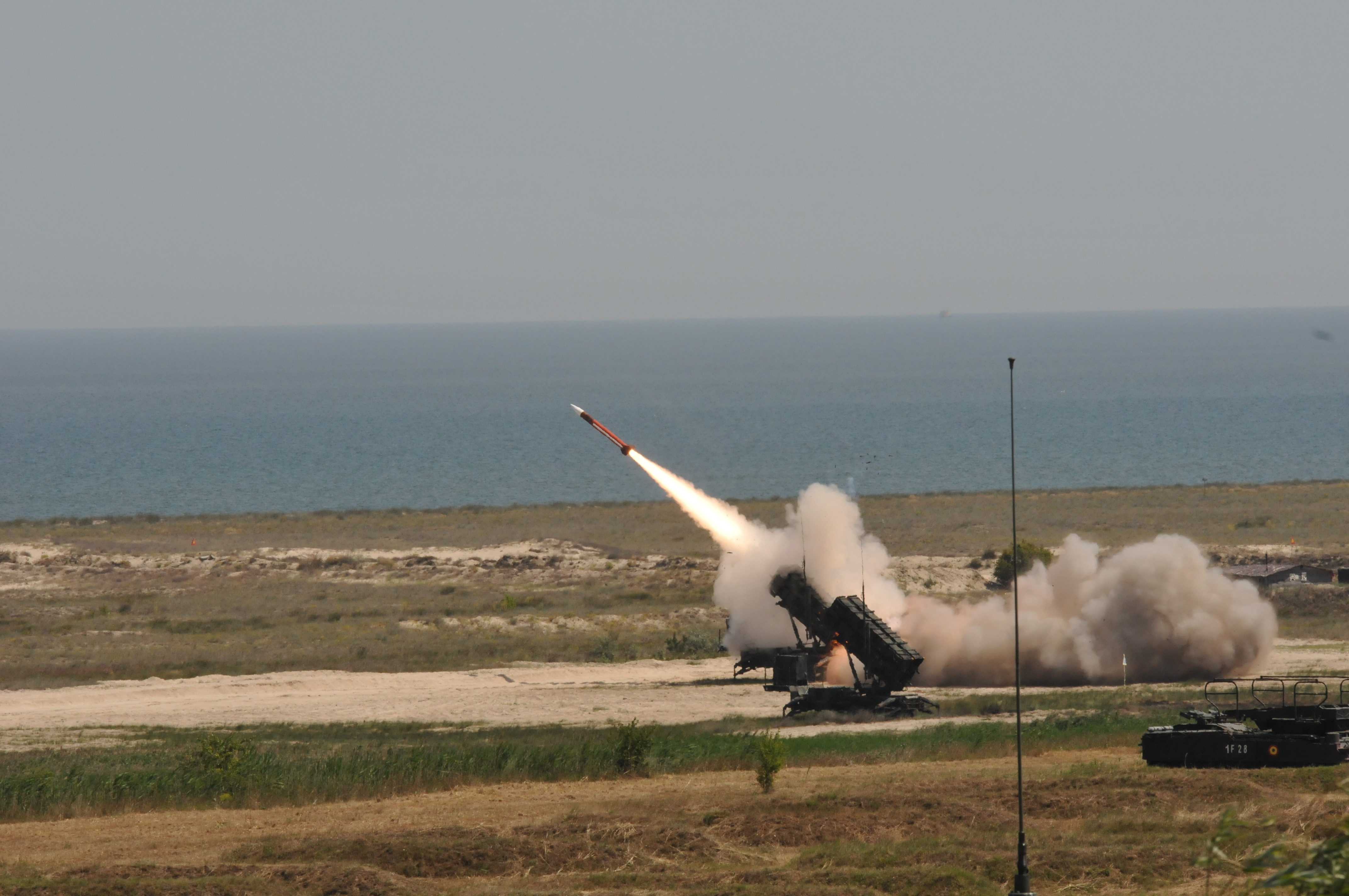
Saudi Arabia’s air defence network, a multi-layered system valued at an estimated $80 billion and anchored by American Patriot PAC-3 batteries, faces its most demanding test since deployment as the Kingdom moves to establish a protective umbrella over the Hajj corridor. The defensive challenge is unprecedented: protecting a 450-kilometre stretch of western Saudi Arabia from Jeddah to Medina during a period when nearly two million people will be concentrated in open-air locations with minimal structural protection.
The centrepiece of Saudi Arabia’s air defence architecture is the MIM-104 Patriot system, with the Kingdom operating one of the world’s largest Patriot fleets. In January 2026 — just weeks before the war began — the US State Department approved a potential sale of PAC-3 Patriot missile interceptors to Saudi Arabia worth approximately $9 billion, according to Breaking Defense. That deal, combined with an existing fleet and the $8.8 billion in defence contracts signed at the World Defense Show in Riyadh in February, has given Saudi Arabia what military analysts describe as the most capable integrated air defence system in the Middle East outside of Israel.
The system’s real-world performance since the war began has been mixed but broadly encouraging. Saudi forces have intercepted cruise missiles near Al-Kharj, drones targeting Riyadh, and projectiles aimed at oil infrastructure in the Eastern Province. The March 7 interception of three cruise missiles and three drones near Al-Kharj demonstrated the system’s ability to engage multiple simultaneous threats — a capability that will be critical during the Hajj, when any gap in coverage could prove catastrophic.
However, the air defence network has not achieved a perfect record. Debris from intercepted projectiles has caused fires at the Ras Tanura refinery. CNN reported on March 5 that satellite imagery showed the radar for a US THAAD missile battery near Prince Sultan Air Base had been struck and apparently destroyed by Iranian fire. The loss of a THAAD radar — one of the most advanced missile defence sensors in the American arsenal — underscored the vulnerability of even the most sophisticated systems to concentrated attack.
For the Hajj period specifically, military analysts expect Saudi Arabia to deploy additional air defence assets around the western corridor. Mecca sits approximately 900 kilometres from the nearest Iranian launch sites, giving Saudi radar systems relatively long detection windows for ballistic missiles. That defensive architecture has already faced its first major wartime test: during Laylat al-Qadr, Saudi Arabia deployed a missile shield over Makkah to protect an estimated two million worshippers gathered for the holiest night of Ramadan — a rehearsal, in effect, for the far larger Hajj security challenge ahead. Drones present a different challenge: slower, lower-flying, and harder to detect on radar, they can be launched from much closer range — including from Houthi-controlled territory in Yemen, which borders Saudi Arabia’s southwest. The Houthi threat axis represents the most concerning vector for Hajj security, as the distance from northern Yemen to Mecca is less than 400 kilometres.
| System | Type | Range | Primary Threat | Status (March 2026) |
|---|---|---|---|---|
| Patriot PAC-3 | Surface-to-air missile | 70+ km | Ballistic missiles, cruise missiles, aircraft | Active; $9B expansion approved Jan 2026 |
| THAAD | Terminal high altitude | 200+ km | Ballistic missiles | US-operated; one radar reportedly damaged |
| NASAMS | Medium-range | 25-40 km | Aircraft, cruise missiles, drones | Deployment status classified |
| Skyguard/Oerlikon | Short-range | 10-15 km | Low-altitude drones, helicopters | Active around critical infrastructure |
| Electronic warfare | Jamming/spoofing | Variable | GPS-guided drones | Enhanced deployment reported |
The cost asymmetry between offence and defence remains Saudi Arabia’s fundamental strategic problem. A single Iranian Shahed-136 drone costs an estimated $20,000-$50,000 to produce. A Patriot PAC-3 interceptor costs approximately $4 million per round. Iran can manufacture drones at industrial scale; Saudi Arabia must purchase interceptors from the United States at prices that make sustained defence enormously expensive. During the Hajj, when the political cost of a single strike on the holy sites would be incalculable, Saudi Arabia has no choice but to absorb this cost disparity. The Kingdom’s defence spending calculus has never faced a more consequential test.
Can Jeddah Airport Handle Hajj Traffic During a Regional War?
King Abdulaziz International Airport in Jeddah, the primary gateway for Hajj and Umrah pilgrims travelling to Mecca, has already experienced severe disruption since the outbreak of hostilities. Over 130 flights were cancelled at the airport in early March as Iranian missile attacks prompted aviation authorities to restrict operations along approach and departure routes. The question is whether these disruptions will persist — and intensify — as Hajj flights are scheduled to begin on April 18, barely six weeks away.
The scale of Hajj aviation is staggering. In a normal year, the Hajj season generates approximately 5,000-7,000 additional international flights into Jeddah over a period of roughly eight weeks, according to Saudi aviation data. The airport’s Hajj Terminal — a UNESCO-recognised structure capable of processing 80,000 passengers per day — was designed specifically for this annual surge. But its operations assume the availability of commercial airspace that is currently contested.
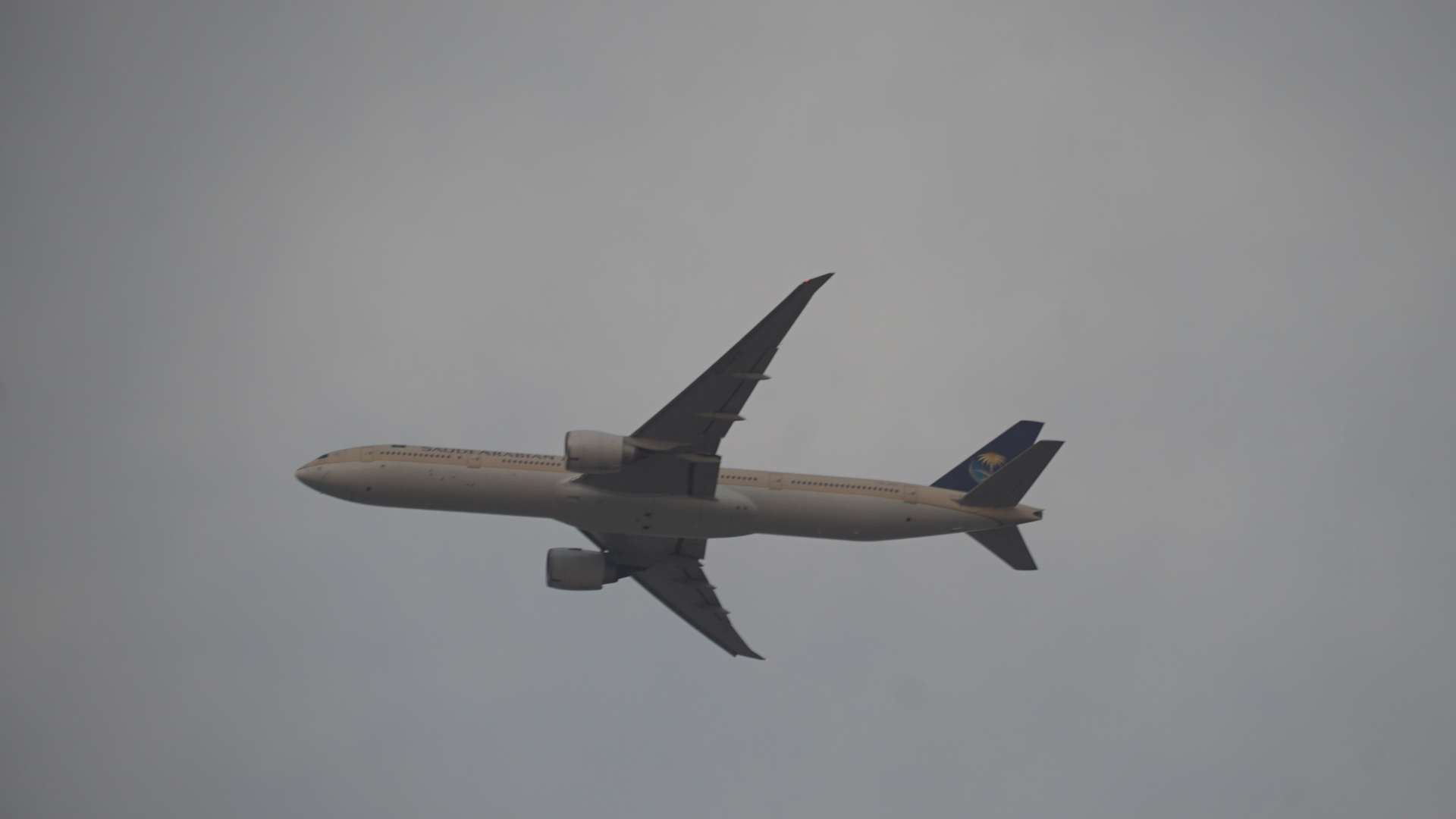
Multiple international carriers have suspended or reduced service to Saudi Arabia since the war began. Malaysia Airlines suspended Jeddah operations until March 4. Air India paused and then selectively resumed limited Jeddah services on March 5 after assessing Saudi airspace as safe for operations. Turkish Airlines, Emirates, and Gulf carriers have rerouted flights to avoid Iranian airspace and areas of active conflict, adding hours to journey times and increasing fuel costs.
Saudi aviation authorities have stressed that decisions to cancel or delay flights were taken on safety grounds as missile threats to airports in neighbouring states became clearer. Dubai International Airport, one of the world’s busiest hubs and a key transit point for pilgrims from South and Southeast Asia, was damaged by drone strikes on the second day of the conflict, temporarily halting all flights before reopening at limited capacity.
Aviation analysts warn that as long as missile and drone attacks remain a feature of the conflict, the risk calculus for airlines operating in and around Saudi Arabia will remain elevated. Insurance premiums for flights into the region have spiked. War-risk coverage, typically a minor cost for airlines, has become a significant factor in route planning. Several insurers have added the entire Gulf region to their high-risk exclusion zones, forcing airlines to obtain additional coverage or suspend operations.
The impact on Hajj logistics extends beyond commercial aviation. Charter flights operated by national Hajj committees — which carry the majority of pilgrims from countries like Indonesia, Pakistan, and Nigeria — require overflight permissions and transit agreements that become exponentially more complex during a regional conflict. Pilgrims from Iran’s neighbours, including Iraq and Afghanistan, typically transit through Gulf hubs that are now operating at reduced capacity. Pilgrims from sub-Saharan Africa, many of whom travel via multi-stop itineraries, face cascading delays as each disrupted connection compounds the next.
The ground transportation network faces its own vulnerabilities. The Haramain High-Speed Railway, which connects Mecca, Medina, Jeddah, and King Abdullah Economic City at speeds of up to 300 kilometres per hour, has become the backbone of inter-city pilgrim transport since its commissioning in 2018. The railway carries approximately 60,000 passengers per day during peak Hajj periods. Its infrastructure — elevated tracks, stations, and power supply systems — presents targets of opportunity in a conflict environment, though the railway’s location in western Saudi Arabia places it at greater distance from Iranian launch sites than the Kingdom’s eastern military and oil installations.
Saudi Arabia’s response has included accelerating the commissioning of the new King Abdulaziz International Airport terminal and exploring alternative routing options. Medina’s Prince Mohammad bin Abdulaziz International Airport, which serves pilgrims visiting the Prophet’s Mosque, offers an alternative entry point that sits farther from Iranian launch sites and the Gulf conflict zone. Redirecting a portion of Hajj traffic to Medina would reduce pressure on Jeddah but would require additional ground transportation infrastructure to move pilgrims the approximately 420 kilometres between Medina and Mecca.
The Pilgrim Risk Assessment Matrix — Evaluating Hajj 2026 Threats by Category
The unprecedented combination of military conflict, climate risk, logistical disruption, and diplomatic tension facing Hajj 2026 demands a structured approach to threat assessment. Five categories of risk — military, logistical, environmental, political, and health — each carry distinct probability and impact profiles that will determine whether the pilgrimage proceeds safely.
| Risk Category | Specific Threat | Probability | Impact If Realized | Mitigation Status |
|---|---|---|---|---|
| Military — Direct | Deliberate strike on Mecca/Medina | Very Low | Catastrophic | Implicit taboo + air defense umbrella |
| Military — Indirect | Interceptor debris falling on pilgrim areas | Moderate | High (mass casualty potential) | Air defense positioning; fallout zones |
| Military — Proxy | Houthi drone/missile from Yemen | Moderate | Very High | Southern air defense corridor |
| Logistical — Aviation | Mass flight cancellations during Hajj period | High | High (pilgrim stranding) | Alternative routing via Medina; charter agreements |
| Logistical — Insurance | Airlines refusing to fly due to war-risk premiums | Moderate-High | Moderate (reduced attendance) | Saudi government insurance guarantees (expected) |
| Environmental | Extreme heat exceeding 50°C | High (seasonal) | Very High (1,300+ died in 2024) | Cooling stations, mist systems, medical teams |
| Political — Iranian | Iran weaponizes Hajj exclusion diplomatically | High | Moderate (reputational damage) | De facto exclusion without formal ban |
| Political — Domestic | Pilgrims from warring countries clash | Low | High (1987 repeat) | Strict no-political-activity enforcement |
| Health — Pandemic | Disease outbreak in crowded conditions | Low-Moderate | High | COVID-era screening protocols maintained |
| Health — Stampede | Crowd crush during ritual movements | Moderate | Very High (2015: 2,400+ deaths) | AI crowd monitoring, flow control, capacity limits |
The matrix reveals an uncomfortable truth: the most probable risks are not military but logistical and environmental. The likelihood of a deliberate Iranian strike on Mecca remains very low — the political consequences for Tehran would be civilization-altering. The more pressing threats are the cascading effects of aviation disruption, insurance market dysfunction, and the ever-present danger of extreme heat, which killed over 1,300 pilgrims in 2024 when temperatures at Mecca reached a record 51.8°C.
The matrix also highlights the critical importance of the proxy threat. Houthi forces in Yemen, located fewer than 400 kilometres from Mecca, have demonstrated the capability and willingness to launch cross-border attacks on Saudi territory. While a direct Houthi strike on the holy sites would be as politically untenable as an Iranian one, the Houthis’ operational history suggests a higher tolerance for miscalculation. A drone aimed at a Saudi military installation near Taif — approximately 90 kilometres from Mecca — that veered off course could create exactly the kind of mass-casualty incident that Saudi planners fear most.
The framework serves as both a planning tool and a communication device. Foreign governments assessing whether to advise their citizens against Hajj attendance will weigh each category differently. Countries with strong military relationships with Saudi Arabia may emphasise the effectiveness of the air defence umbrella. Countries with strained relations may focus on the aviation and insurance risks. The ultimate decision for each of the 1.5 million-plus international pilgrims expected to attend is deeply personal — a calculation that balances religious obligation against physical safety in a way that no risk matrix can fully capture.
The $12 Billion Gamble — Why Cancelling Hajj Is Not an Option
Religious tourism contributes approximately $12 billion annually to Saudi Arabia’s economy, accounting for nearly 20 percent of the non-oil economy and roughly 7 percent of total GDP, according to Saudi government data. The Hajj tourism industry alone was valued at $183.8 billion in 2025 and is projected to reach $368.3 billion by 2035, according to Future Market Insights. Cancelling or significantly curtailing the 2026 Hajj would deliver a devastating blow to an economy already reeling from war-driven oil market disruptions and the forced shutdown of the Ras Tanura refinery.
The economic impact extends far beyond the direct spending of pilgrims on accommodation, food, transportation, and religious supplies. In 2023, religious tourism supported over 936,000 jobs across Saudi Arabia, with projections under Vision 2030 targeting 1.6 million jobs by the end of the decade. Mecca and Medina’s local economies are structurally dependent on the annual pilgrimage cycle, with entire sectors — hospitality, retail, transportation, food services — calibrated to the Hajj surge.
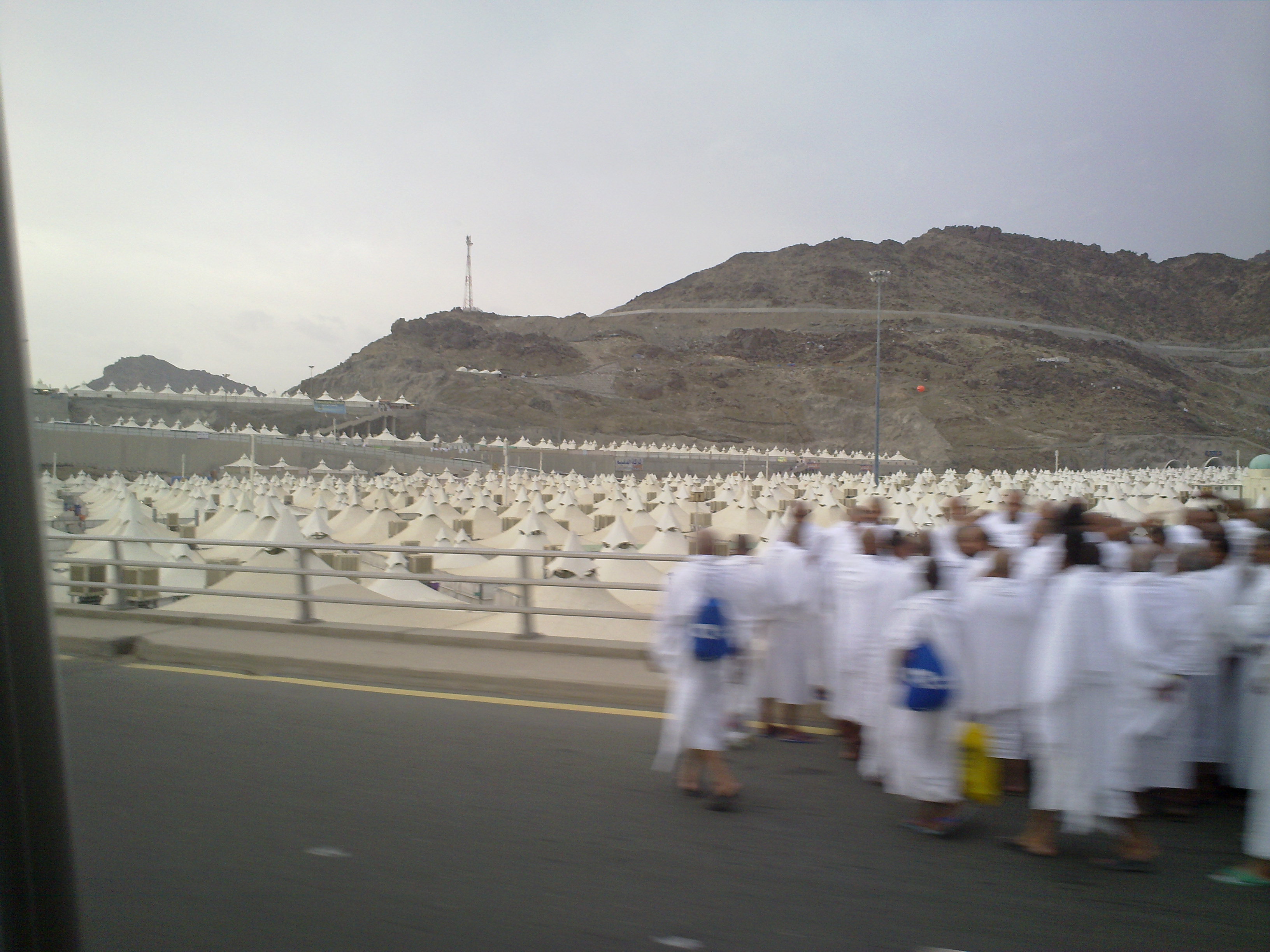
The Saudi government has invested $87.4 billion in Hajj infrastructure improvements, including massive expansions of the Grand Mosque, new transportation networks connecting the ritual sites at Mina, Arafat, and Muzdalifah, and the construction of modern accommodation facilities. These investments generate returns only when pilgrims arrive. A cancelled or diminished Hajj would mean idle infrastructure earning no revenue while the debt service continues.
There is also the question of Saudi Arabia’s religious legitimacy. The King of Saudi Arabia holds the title “Custodian of the Two Holy Mosques,” a designation that carries profound obligations. The custodianship is not merely ceremonial; it is the theological foundation of the Saudi state’s claim to special status in the Islamic world. A Saudi government that failed to facilitate the Hajj — one of the Five Pillars of Islam and a religious obligation for every Muslim who is physically and financially able — would face severe reputational damage across the Muslim world. The COVID-19 pandemic, which reduced Hajj attendance to fewer than 1,000 in 2020 and approximately 58,000 in 2021, was accepted as a genuine public health emergency. A cancellation driven by a war that many Muslims view as an American-Saudi provocation would not receive the same understanding.
The counterargument is equally compelling. A Hajj that proceeds under wartime conditions and suffers a mass-casualty incident — whether from missile debris, a stampede triggered by air-raid warnings, or a Houthi drone that penetrates the defensive perimeter — would be catastrophically worse for Saudi legitimacy than a precautionary cancellation. The 2015 Mina stampede, which killed an estimated 2,400 pilgrims, caused diplomatic crises with Iran, Nigeria, Mali, and other countries that lost significant numbers of citizens. A wartime incident could be orders of magnitude worse.
The economic data suggests that Saudi Arabia will choose to proceed with the 2026 Hajj while implementing unprecedented security measures. The financial, diplomatic, and theological costs of cancellation are simply too high. The kingdom will instead attempt to demonstrate that it can protect the world’s largest annual gathering even in the midst of a regional war — a demonstration that, if successful, would significantly enhance Saudi Arabia’s standing as custodian of the holy sites.
The financial architecture of the Hajj extends beyond Saudi borders. The pilgrimage generates substantial revenue for the economies of sending countries, where Hajj travel agencies, training programmes, equipment suppliers, and financial service providers constitute a multi-billion-dollar industry. In Indonesia alone, the Hajj savings programme managed by the government holds over $8 billion in pilgrim deposits. In Pakistan, the Hajj economy supports tens of thousands of jobs in travel, textiles, and logistics. Any disruption to the 2026 pilgrimage would be felt across the entire Organisation of Islamic Cooperation, not just in the Kingdom’s treasury.
The insurance industry presents a particularly acute challenge. Saudi Arabia may need to offer sovereign guarantees to airlines and tour operators to ensure they maintain Hajj services during the conflict. Without such guarantees, the war-risk premiums imposed by Lloyd’s of London and other major insurers could render Hajj charter operations economically unviable. The precedent exists: during the COVID-19 pandemic, Saudi Arabia offered financial guarantees and logistical support to ensure that the reduced pilgrimage could proceed. The wartime version of this support would need to be substantially larger and would represent a direct fiscal cost of the conflict to the Saudi state.
How Is Saudi Arabia Using AI and Technology to Secure the Holy Sites?
Saudi Arabia has invested billions of riyals in advanced surveillance, crowd management, and security technology for the holy sites, creating what security specialists describe as one of the most comprehensively monitored public spaces on Earth. The integration of artificial intelligence, image-recognition software, and sensor networks into Hajj security operations has accelerated since the 2015 Mina stampede, and the 2026 wartime environment is expected to push these systems to their maximum capability.
The General Authority for the Care of the Affairs of the Grand Mosque and the Prophet’s Mosque deployed a sophisticated network of ground-based sensors and entrance-reading devices for the 2025 Hajj season. The system combines smart surveillance cameras with motion-sensing capabilities to provide real-time monitoring of entry and exit points. A dual-layer tracking system monitors movement patterns and identifies congestion hotspots, enabling faster crowd control decisions. Over 200 advanced smart screens have been installed across key locations in Mecca as part of a cutting-edge surveillance system.
Image-recognition software now forms an integral part of the government’s crowd control apparatus. The software notifies officials when crowd pressure at specific points within the Grand Mosque reaches critical thresholds — the same kind of density levels that caused the 2015 stampede. Saudi Arabia has developed proprietary AI algorithms specifically for crowd management at the holy sites, analysing patterns in foot traffic, pedestrian flow rates, and bottleneck formation to predict and prevent dangerous crowding before it develops.
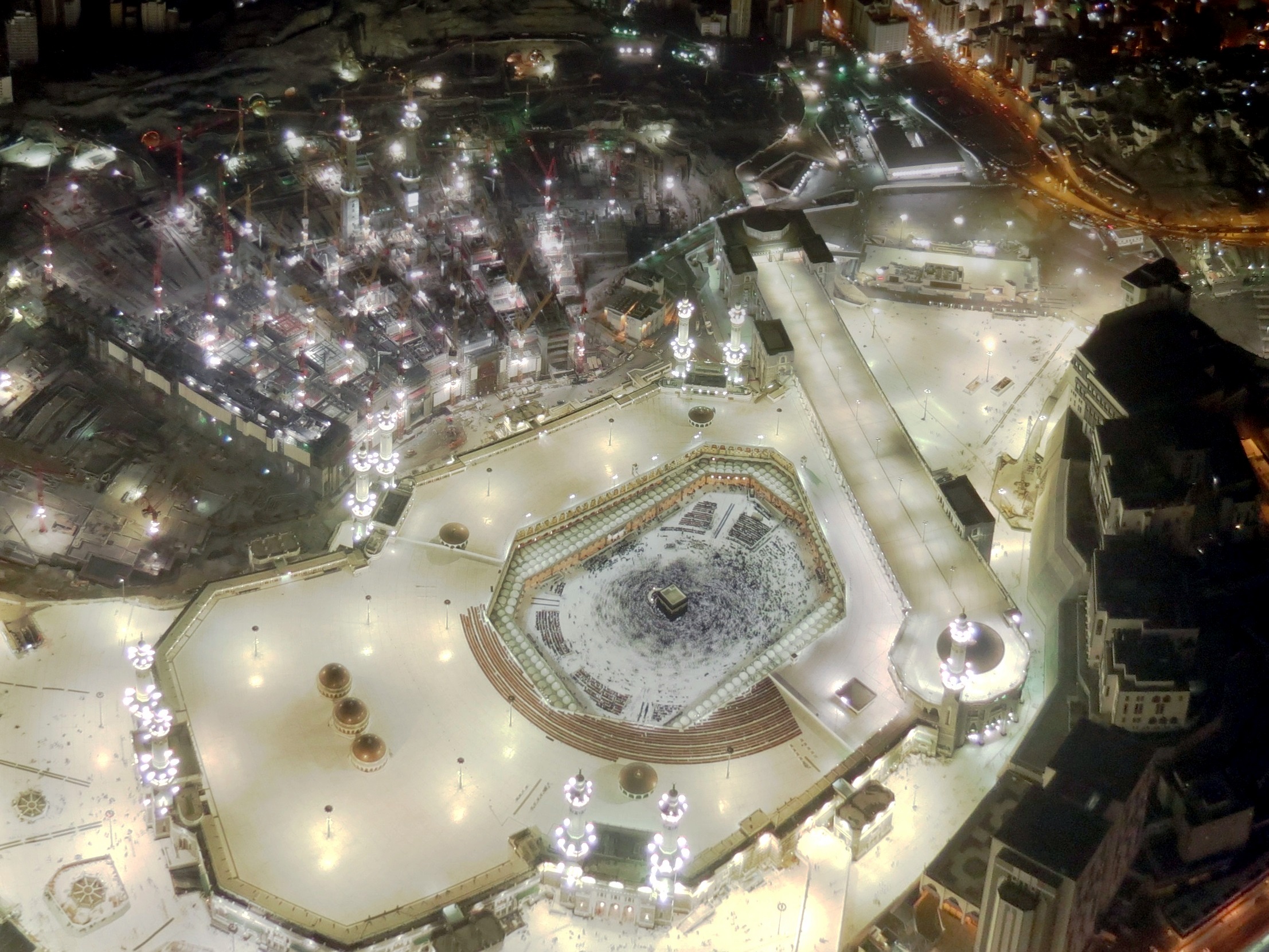
Mecca’s Control Centre oversees operations across eleven main entrances and eight security checkpoints surrounding the Grand Mosque. The surveillance network covers all districts and neighbourhoods of Mecca, with live data streaming directly to the Grand Mosque’s Security Operations Centre. This centralised command structure allows security officials to coordinate responses across the entire Hajj corridor in real time — a capability that becomes critical during air-raid scenarios, when the organised movement of millions of people to shelter must be executed rapidly and without panic.
| Technology | Application | Coverage | Status |
|---|---|---|---|
| AI crowd analytics | Real-time density monitoring and prediction | Grand Mosque, Mina, Arafat | Operational since 2024 |
| Smart surveillance cameras | Motion-sensing, facial recognition, congestion detection | All entry/exit points | 200+ screens installed 2025 |
| Ground-based sensors | Foot traffic measurement, flow rate analysis | Grand Mosque perimeter | Enhanced deployment for 2026 |
| E-bracelet tracking | Real-time pilgrim location tracking, emergency alerts | All registered pilgrims | Expanded for 2026 |
| Nusuk digital platform | Permit verification, crowd scheduling, wayfinding | All pilgrims | Active since 2023 |
| Drone detection radar | Low-altitude airspace monitoring for hostile drones | Mecca-Medina corridor | New deployment for 2026 (expected) |
The 2026 Hajj is expected to see the deployment of additional counter-drone technology specifically designed to protect the holy sites from the kind of low-altitude threats that have characterised the Iran war. Electronic warfare systems capable of jamming drone GPS signals, spoofing navigation systems, and disrupting command-and-control links are likely to be positioned around Mecca and the ritual sites. These systems complement the kinetic air defence network by addressing the category of threat — small, slow, low-flying drones — that conventional Patriot batteries are least effective against.
The Nusuk digital platform, which manages pilgrim registration, scheduling, and permits, also serves as a security tool. Every registered pilgrim carries an electronic identifier that allows authorities to track their location within the Hajj corridor. In an emergency — such as an air-raid warning — the platform can push alerts to pilgrims’ smartphones, directing them to the nearest shelter or assembly point. The system was tested during the 2024 heat crisis, when authorities used digital alerts to warn pilgrims about extreme temperatures and direct them to cooling stations.
The Heat Factor — Why Climate Threatens More Pilgrims Than Missiles
The 2024 Hajj produced the deadliest heat event in the history of the pilgrimage. Temperatures at Mecca reached a record 51.8°C, and more than 1,300 pilgrims died from heat-related causes, according to Saudi government data compiled by The Lancet. The majority of victims — an estimated 83 percent — were unregistered pilgrims who had travelled on personal visit visas through unofficial tour operators and lacked access to air-conditioned facilities, medical services, and hydration stations provided to registered pilgrims.
The timing of Hajj 2026 — late May rather than mid-June — offers a modest improvement in thermal conditions compared to recent years. The Islamic calendar shifts approximately eleven days earlier each year relative to the Gregorian calendar, and the May dates for 2026 will see average maximum temperatures in Mecca of approximately 43-45°C rather than the 48-52°C range that characterised the June timings of 2023 and 2024. However, 43°C with high humidity remains medically dangerous, particularly for elderly pilgrims, those with chronic conditions, and the unregistered pilgrims who continue to attend despite Saudi enforcement efforts.
The climate threat and the military threat interact in ways that compound the overall risk. Air-raid warnings during periods of extreme heat could force pilgrims to leave air-conditioned shelters and move to open-air assembly points or underground structures that may lack adequate cooling. Conversely, the wartime security environment may deter some of the unregistered pilgrims — who accounted for the vast majority of heat deaths in 2024 — from attempting the journey, paradoxically reducing the population most vulnerable to heat-related mortality.
The Arabian Peninsula is a climate change hotspot where heat extremes are emerging as a new normal, and this trend is expected to continue for the coming decades. Longer and more intense heatwaves will likely pose the greatest challenge imposed by climate change on the Hajj pilgrimage.
Climate Analytics research brief, 2025
Saudi Arabia’s heat mitigation infrastructure has expanded significantly since the 2024 crisis. The Kingdom deployed portable water stations, misting systems, shade structures, and expanded air-conditioned tent capacity for the 2025 Hajj. The Saudi Ministry of Health provided free healthcare services to over 465,000 pilgrims during Hajj 2024, including 141,000 services to unregistered pilgrims. For 2026, additional cooling stations and medical facilities are expected along the Mina-Arafat corridor, where pilgrims are most exposed during the ritual progression between sites.
The heat factor underscores a broader truth about Hajj security: the most lethal threats are often the most mundane. Missiles and drones dominate headlines, but heat, dehydration, stampedes, and communicable diseases have historically killed far more pilgrims than any military action. Saudi Arabia’s challenge in 2026 is managing the extraordinary threat of war without losing focus on the ordinary threats that kill pilgrims every year.
The Contrarian Case — Why the War Might Actually Make Hajj 2026 Safer
The conventional wisdom holds that the Iran war makes Hajj 2026 more dangerous. The contrarian case — supported by several structural arguments — is that the wartime environment may actually produce a safer pilgrimage than recent peacetime editions.
The argument rests on five pillars. First, attendance will almost certainly be lower. The combination of flight disruptions, insurance costs, travel advisories, and visa restrictions will deter a significant portion of would-be pilgrims, particularly from countries with weak Hajj committee infrastructure. Lower attendance means lower crowd density, which directly reduces the risk of stampedes — the single deadliest category of Hajj incident, responsible for an estimated 7,000+ deaths since 1990.
Second, the unregistered pilgrim problem — the root cause of most heat deaths in 2024 — will be substantially mitigated. Unregistered pilgrims travel through unofficial channels that are particularly vulnerable to wartime disruption. The heightened security environment, additional checkpoints, and restricted visa processing will make it far more difficult for unofficial tour operators to smuggle pilgrims into the Hajj corridor without proper permits. Fewer unregistered pilgrims means fewer people without access to medical services, cooling facilities, and emergency support.
Third, the Saudi security apparatus will operate at a level of readiness and resource deployment that peacetime Hajj operations never receive. The military assets, surveillance systems, medical teams, and emergency response capabilities being mobilised for the war will be available to support Hajj security. Air defence batteries positioned to protect the holy sites from missiles also protect them from any other airborne threat. The integrated command-and-control infrastructure being used to coordinate wartime operations can simultaneously manage Hajj crowd flows.
Fourth, international attention will be at unprecedented levels. The global media focus on the first wartime Hajj will ensure that any Saudi security failure is immediately visible to a worldwide audience. This attention creates a powerful incentive for Saudi authorities to invest maximum resources in ensuring the pilgrimage proceeds without incident — resources that might not be allocated during a routine peacetime Hajj.
Fifth, the exclusion of Iranian pilgrims — while diplomatically costly — removes the specific category of political risk that has historically caused the most dangerous Hajj incidents. The 1987 massacre, the diplomatic crises following the 2015 stampede, and the recurring tensions over Iranian political demonstrations during the pilgrimage all involved the intersection of Iranian pilgrims and Saudi security forces. Without that intersection, one of the most volatile elements of Hajj security is eliminated.
The contrarian case is not an argument for complacency. The missile and drone threat is real, and a single incident at the holy sites would be catastrophic regardless of how many other risk factors had been reduced. But it is a reminder that safety is determined by the totality of risk factors, not by the most dramatic one. A Hajj with 1.2 million well-managed, properly registered pilgrims under maximum security may prove safer than a Hajj with 1.8 million pilgrims — including hundreds of thousands of unregistered ones — under routine security protocols.
What Happens If Hajj 2026 Is Disrupted?
A serious disruption to Hajj 2026 — whether from a military incident, a mass-casualty event, or a forced cancellation — would trigger consequences far beyond the immediate human toll. The Hajj is not merely a Saudi national event; it is the single largest coordinated gathering in the world and one of the Five Pillars of Islam. Its disruption would ripple across diplomatic, economic, religious, and strategic domains in ways that would reshape the Middle East for years.
The diplomatic consequences would be immediate and severe. Countries that lose citizens to a wartime Hajj incident would demand accountability from Saudi Arabia, which as custodian of the Two Holy Mosques bears ultimate responsibility for pilgrim safety. After the 2015 Mina stampede, Iran, Nigeria, Mali, Cameroon, and other nations demanded independent investigations that Saudi Arabia refused to conduct. A wartime incident would intensify these demands exponentially, particularly from non-aligned countries that oppose the US-led military campaign against Iran.
The Organisation of Islamic Cooperation, headquartered in Jeddah, would face an existential institutional crisis. The OIC’s fifty-seven member states include both the US-allied Gulf monarchies and countries sympathetic to Iran. A Hajj incident would split the organisation along precisely the fault lines that the GCC has tried to manage since the war began. Indonesia, the world’s most populous Muslim nation and the largest Hajj participant, would face enormous domestic pressure to respond — and Indonesia’s response would carry weight across Southeast Asia.
The economic consequences would compound the financial damage already inflicted by the war. Saudi Arabia’s sovereign credit rating, placed under review by Moody’s and S&P in the first week of the conflict, would face further downward pressure. The Hajj tourism industry’s projected trajectory from $183.8 billion in 2025 to $368.3 billion by 2035 assumes sustained annual growth in pilgrim numbers. A significant disruption could set that trajectory back by years, as potential pilgrims defer their journey and foreign governments impose travel restrictions.
The religious consequences are perhaps the most profound and the least quantifiable. For the 1.8 billion Muslims worldwide, the Hajj is a sacred obligation. Its disruption by a war that many Muslims associate with American and Israeli aggression against a Muslim-majority country would generate deep anger directed not only at the belligerents but at Saudi Arabia for allowing it to happen. The theological question — whether Saudi Arabia remains a worthy custodian of the holy sites — is one that the Kingdom’s rivals, particularly Iran and Turkey, would exploit aggressively.
The strategic consequence would be a fundamental reassessment of Mohammed bin Salman’s leadership. The Crown Prince’s decision to align with the United States and Israel in the confrontation with Iran — a decision detailed in the Washington Post’s account of how “Push from Saudis, Israel helped move Trump to attack Iran” — would be judged against its consequences for the Kingdom’s most sacred responsibility. If MBS delivered the war that destroyed the Hajj, his legacy as “War King” would take on an entirely different and far more damaging character.
Frequently Asked Questions
When does Hajj 2026 start and end?
Hajj 2026 is expected to begin on or around May 24, 2026, corresponding to the 8th of Dhul Hijjah 1447 AH, and conclude around May 29, 2026. Final dates depend on the official moon sighting in Saudi Arabia, which can shift the calendar by a day. Hajj flights from participating countries are scheduled to begin on April 18, 2026.
How many pilgrims are expected at Hajj 2026?
Saudi Arabia has not officially revised its pilgrim targets, but attendance is expected to be lower than the 1.67 million recorded in 2025 due to the Iran war’s impact on aviation, insurance, and travel advisories. Estimates from regional analysts suggest attendance could range from 1.2 to 1.5 million, depending on how the conflict evolves in the weeks before the pilgrimage begins.
Will Iranian pilgrims be allowed to attend Hajj 2026?
Saudi Arabia has suspended visit visa processing for Iranian nationals but has not formally banned Hajj permit holders. In practice, the war has made Iranian attendance virtually impossible: direct flights between Iran and Saudi Arabia are suspended, Iranian airspace is a conflict zone, and visa processing infrastructure is severely disrupted. The most likely outcome is a de facto exclusion without a formal ban.
Is it safe to perform Hajj during the Iran war?
Saudi Arabia’s air defence network has intercepted multiple Iranian missile and drone attacks since the war began on February 28, and the holy cities of Mecca and Medina have not been targeted. However, risks include interceptor debris, aviation disruption, proxy attacks from Houthi forces in Yemen, and the recurring danger of extreme heat. Prospective pilgrims should consult their national government travel advisories and assess their personal risk tolerance.
Has the Hajj ever been cancelled due to war?
The Hajj has been disrupted or cancelled on multiple occasions throughout Islamic history, though not in modern times due to military conflict. The most recent major disruptions were during the COVID-19 pandemic (2020-2021), when attendance was restricted to fewer than 60,000 domestic pilgrims. Historical disruptions include the Qarmatian sack of Mecca in 930 CE, various plague outbreaks, and political upheavals during the early Islamic period.
What air defence systems protect Mecca during the Hajj?
Saudi Arabia deploys a multi-layered air defence network including Patriot PAC-3 surface-to-air missiles, US-operated THAAD batteries for terminal-phase interception, and medium-range systems. The Kingdom approved a $9 billion expansion of its Patriot capabilities in January 2026. Electronic warfare systems designed to jam drone navigation are also deployed around the Hajj corridor to counter the low-altitude drone threat from Iran and its proxies.
How does the Saudi government manage crowd safety during Hajj?
Saudi authorities use a combination of AI-powered crowd analytics, smart surveillance cameras at over 200 locations, ground-based motion sensors, electronic pilgrim tracking bracelets, and the Nusuk digital platform. A centralised Control Centre monitors eleven main entrances and eight security checkpoints around the Grand Mosque. Image-recognition software alerts officials when crowd density reaches dangerous levels, enabling preventive intervention before crushes develop.