The Saudi charitable sector is undergoing a profound transformation as it increasingly integrates Artificial Intelligence (AI) and digital technology into its operations, aiming to improve transparency, efficiency, and the overall impact of humanitarian work. Under the umbrella of the Kingdom’s Vision 2030, which emphasizes a vibrant and technologically advanced non-profit sector, several innovative new platforms have been launched that utilize AI to better connect donors with those in need. This shift towards ‘AI for Good’ is a clear indication that Saudi Arabia is leveraging its technological prowess to solve complex social and charitable challenges in a modern and sustainable way.
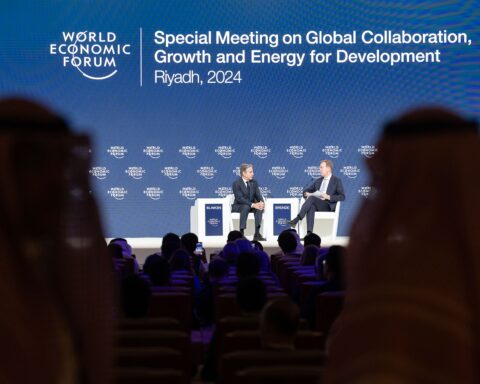
At the center of this revolution is the ‘Ehsan’ platform, which has become the Kingdom’s primary gateway for charitable giving. By using AI algorithms to analyze social data and identify the most urgent needs, Ehsan ensures that donations are channeled as effectively as possible. The platform provides donors with real-time feedback on the impact of their contributions, fostering a higher level of trust and engagement. The government’s goal is to increase the non-profit sector’s contribution to GDP to 5% by 2030, and digital innovation is the key engine of this growth. During a recent forum in Riyadh, officials showcased how AI is being used for everything from coordinating food aid to identifying students in need of educational scholarships.
Crown Prince Mohammed bin Salman has been a vocal supporter of the charitable sector, viewing it as an essential component of a healthy and balanced society. The integration of technology allows for a more proactive and data-driven approach to social welfare. For example, AI-enabled predictive analytics are being used to identify vulnerable populations and develop targeted intervention programs before a crisis occurs. This shift from reactive to proactive charity is a major step forward, ensuring that resources are utilized where they can do the most good. The Kingdom is also sharing these technological insights with international humanitarian organizations, positioning itself as a leader in the global field of digital philanthropy.
Furthermore, the use of blockchain technology is being explored to further enhance the transparency and security of charitable transactions. By creating an immutable record of every donation and its usage, blockchain can eliminate the risk of fraud and ensure that every riyal reaches its intended destination. Several Saudi-based charities are already piloting these systems, demonstrating the Kingdom’s willingness to adopt the latest innovations for the public good. The Digital Transformation Summit earlier this month highlighted several of these projects, drawing interest from global tech firms and international non-profits who are looking to learn from the Saudi model.
As the charitable sector continues to evolve, the focus remains on the human element. Technology is a tool, but the heart of Saudi charity remains the deep-seated cultural and religious commitment to helping others. The government is working to ensure that as the sector becomes more digital, it also remains deeply personalized and accessible. New initiatives are being developed to encourage more young Saudis to volunteer and participate in charitable work, utilizing social media and digital platforms to build a culture of giving that is modern, inclusive, and highly effective.
The success of AI-enabled charitable work in Saudi Arabia is a source of national pride and a model for the rest of the world. By embracing innovation, the Kingdom is proving that technology can be a powerful force for social justice and humanitarianism. The impact is felt every day in the lives of the millions of people who benefit from these modernized services. The legacy of Vision 2030 will be defined not just by economic growth, but by the strength and compassion of the society it builds. In Saudi Arabia, the future of charity is digital, transparent, and more impactful than ever before.