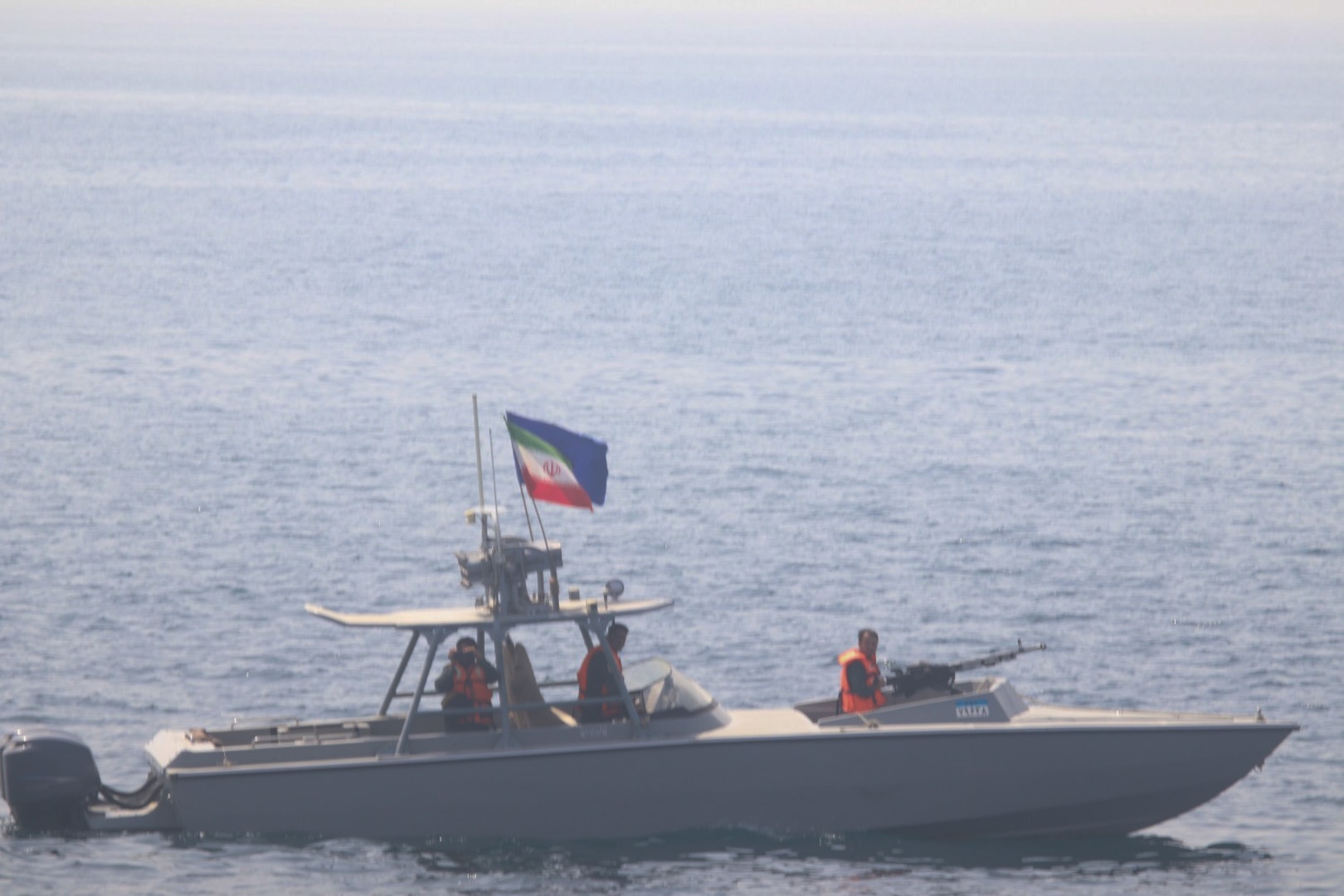

JEDDAH — Yemen’s Houthi forces launched a ballistic missile barrage against Israel on March 28, marking the group’s first direct military intervention in the Iran war, while a senior Houthi official declared that closing the Bab al-Mandab strait remains a “viable option.” The twin escalation threatens to trap Saudi Arabia’s oil exports between two chokepoints now controlled or contested by Iran and its proxies.
The strike matters far beyond its military impact on Israel. Aramco has spent the past month rerouting 3.8 million barrels per day through the East-West Pipeline to its Red Sea terminal at Yanbu, bypassing the Iranian-controlled Strait of Hormuz. A Houthi blockade of Bab al-Mandab would sever that lifeline, leaving the world’s largest oil exporter with no safe maritime route for the majority of its crude. Brent crude, already above $100 per barrel, spiked on the news.
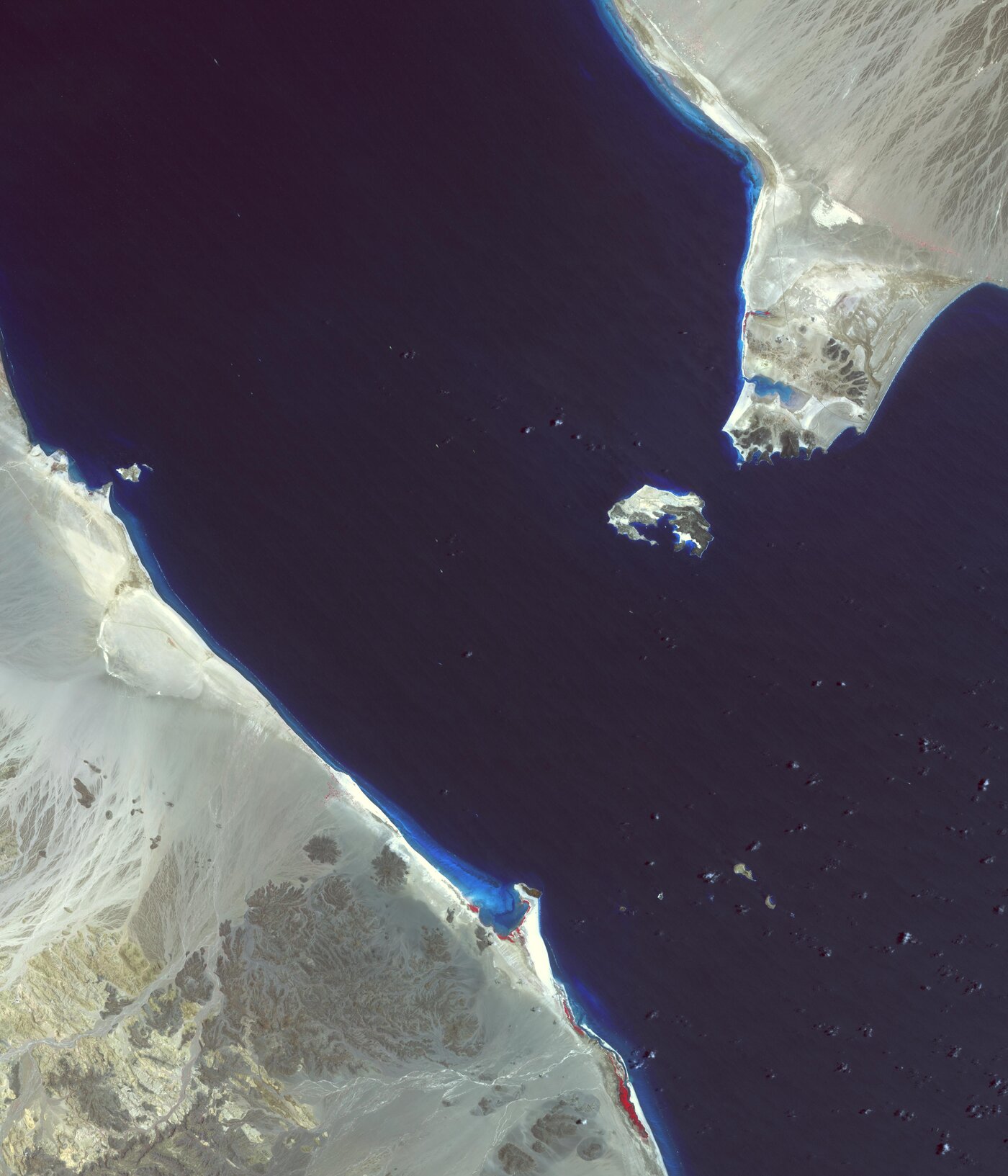
Table of Contents
What Happened in the Houthi Strike on Israel?
Brigadier-General Yahya Saree, spokesman for Yemen’s Houthi-controlled armed forces, announced on Al Masirah TV on March 28 that the group had launched a barrage of ballistic missiles targeting what he called “sensitive Israeli military sites.” The strike was explicitly framed as an act of solidarity with Iran, one month into the war that began on February 28.
Air raid sirens sounded across Beersheba and the Negev desert. The Israel Defense Forces confirmed intercepting at least one inbound missile, reporting no casualties and no damage to military infrastructure (CNN, March 28). The strike brought the total number of Houthi missiles fired since March to 68, according to the Times of Israel.
The military significance of the strike itself was limited. Houthi ballistic missiles fired at Israel have consistently been intercepted or landed in open areas. What made March 28 different was the political statement: the Houthis formally entered the Iran war as a belligerent, opening a front that extends the conflict from the Persian Gulf to the southern Red Sea.
Al Jazeera reported that Houthi leader Abdul-Malik al-Houthi said the group “is ready to act and is coordinating with Iran” in a televised address hours before the strike (Al Jazeera, March 28). The coordination claim, if accurate, transforms the Houthis from an autonomous proxy into an integrated component of Iran’s wartime strategy.
The Bab al-Mandab Threat
The missile strike on Israel was the headline. The statement from Mohammed Mansour, undersecretary of Yemen’s Houthi-controlled information ministry, may prove more consequential. Mansour told reporters that closing the Bab al-Mandab strait is a “viable option” for the Houthi forces (Euronews, March 28).
The Bab al-Mandab is a 20-mile-wide chokepoint connecting the Red Sea to the Gulf of Aden and, beyond it, the Indian Ocean. Approximately 12% of total seaborne-traded oil passes through the strait annually, along with more than 30 million tonnes of natural gas, according to the U.S. Energy Information Administration. Any disruption would force tankers to reroute around the Cape of Good Hope, adding roughly 10 days and significant cost to every voyage.
The U.S. Maritime Administration issued a warning to commercial shipping in the Bab al-Mandab area on March 26, citing a “heightened threat environment,” Bloomberg reported. That advisory predated the missile strike by two days, suggesting U.S. intelligence had already detected preparations for Houthi escalation.
For Saudi Arabia, the Bab al-Mandab threat is not hypothetical. Every barrel of crude flowing through the Yanbu terminal on the Red Sea coast must pass through the strait to reach customers in Europe, the Mediterranean, and the Americas. A closure would leave Yanbu functional but commercially useless — a port with nowhere to ship.
How Did Saudi Arabia’s Two-Strait Trap Take Shape?
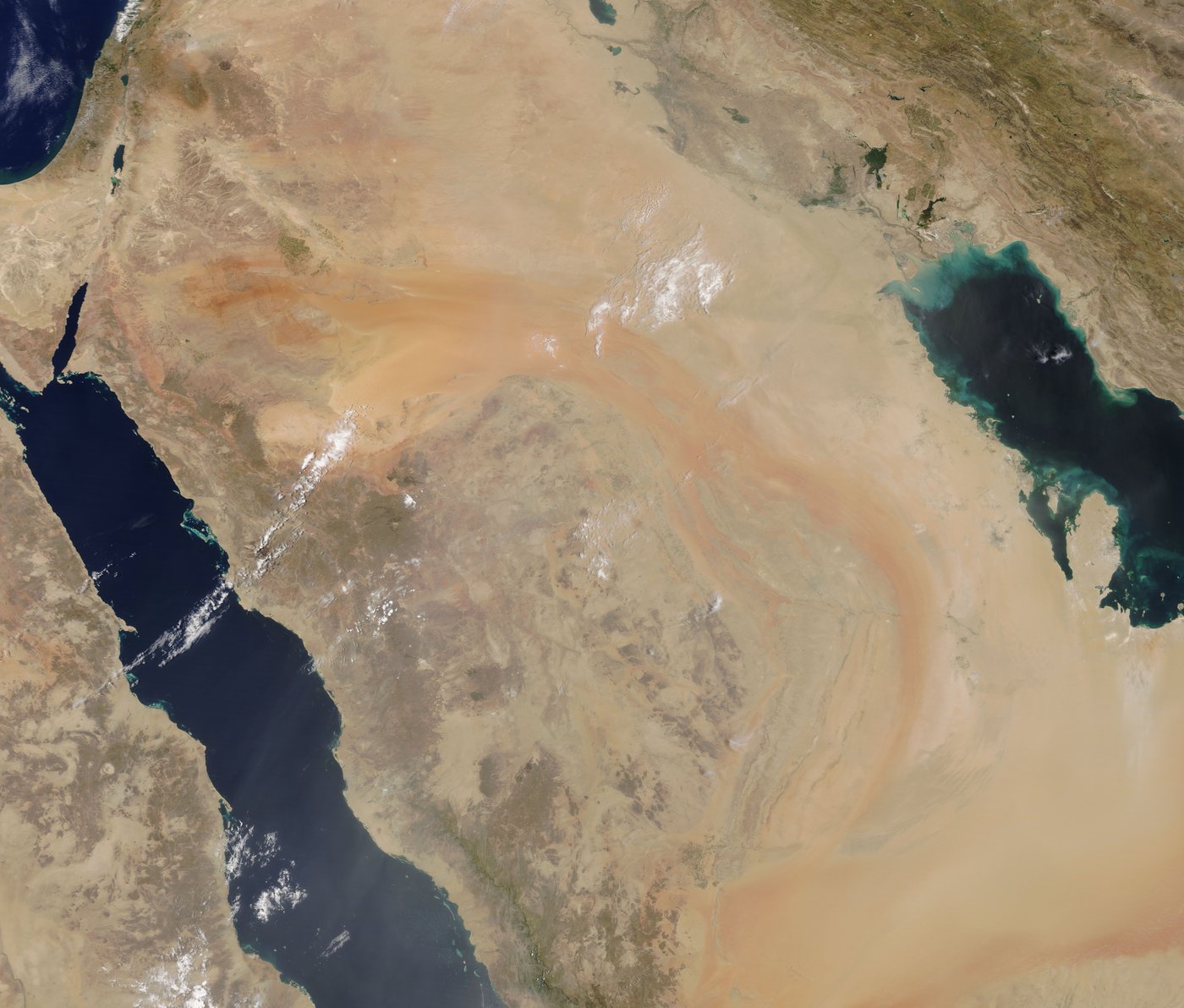
Saudi Arabia’s oil export architecture was designed around geographic diversification. The kingdom’s eastern terminals — Ras Tanura, Ju’aymah, and Ras al-Khair — ship crude through the Strait of Hormuz to Asian markets. The western terminal at Yanbu, connected by the 1,200-kilometre East-West Pipeline (Petroline), serves European and Atlantic customers via the Red Sea and Bab al-Mandab.
When Iran effectively seized control of the Strait of Hormuz in the opening weeks of the war, Saudi Arabia activated its contingency. Aramco CEO Amin Nasser confirmed that the East-West Pipeline was being ramped to full capacity, with Yanbu exports surging from 1.1 million barrels per day in February to a projected 3.8 million bpd by end of March — a 220% increase (Bloomberg, March 25).
The pipeline has a maximum capacity of 5 million bpd for export, with an additional 2 million bpd reserved for domestic refineries. Combined with the UAE’s Habshan-Fujairah pipeline, which bypasses Hormuz on the Emirati side, total Gulf bypass capacity reaches approximately 9 million bpd. That compares to the roughly 20 million bpd that normally transits the Strait of Hormuz, according to EIA data.
Iran has imposed a de facto toll regime on Hormuz traffic, charging $2 million per vessel with payments demanded in Chinese yuan. Ships from China, Russia, India, Iraq, and Pakistan are permitted passage. Saudi-flagged vessels are blocked entirely (Washington Post, March 28).
The Yanbu bypass was the plan. It was working. And then the Houthis entered the war.
The strategic geometry is now stark. Iran controls the eastern chokepoint. Its Houthi allies threaten the western one. Saudi Arabia’s two-ocean export strategy assumed at least one route would remain open at all times. That assumption collapsed on March 28.
Yanbu Under Fire
Yanbu was already under direct threat before the Houthis made their Bab al-Mandab declaration. On March 19, the port complex was briefly shut after an Iranian ballistic missile was intercepted overhead and a drone struck the SAMREF refinery, a joint venture between Aramco and ExxonMobil (OilPrice.com, March 19). Damage was contained, and operations resumed within hours.
The IRGC subsequently named SAMREF in Yanbu explicitly as a target in its retaliation warnings, according to an FDD analysis published March 24. The threat was specific: not a general warning about Saudi infrastructure, but a named facility at the precise location where Aramco is concentrating its bypass exports.
The vulnerability math is unforgiving. Before the war, Yanbu handled roughly 1.1 million bpd — significant but not existential. At 3.8 million bpd, Yanbu now carries the majority of Saudi Arabia’s export volume. A sustained disruption at the terminal or along the pipeline route would remove more crude from global markets than any single infrastructure attack in history, exceeding even the 5.7 million bpd temporarily lost in the September 2019 Abqaiq-Khurais attack.
Aramco has not publicly addressed the Houthi escalation. The company’s last statement on Yanbu operations came on March 25, when Nasser said the pipeline ramp-up was proceeding “on schedule and at capacity,” according to Bloomberg.
Can the Houthis Actually Close the Red Sea?
The Houthis demonstrated in 2023 and 2024 that they can sustain a campaign of disruption against Red Sea shipping for months. During that earlier campaign, launched in response to Israel’s war in Gaza, the group forced major shipping lines including Maersk, MSC, and Hapag-Lloyd to reroute vessels around the Cape of Good Hope. Insurance premiums for Red Sea transit rose by 10 to 15 times their pre-crisis levels.
Their arsenal is extensive. The Houthis operate Iranian-supplied anti-ship ballistic missiles, cruise missiles, explosive-laden drones, and naval mines, according to a USNI News assessment published March 27. During the 2023-2024 campaign, they struck vessels including the MV Galaxy Leader and damaged the Rubymar, which eventually sank. A U.S.-led naval coalition, Operation Prosperity Guardian, spent months attempting to suppress the threat without fully succeeding.
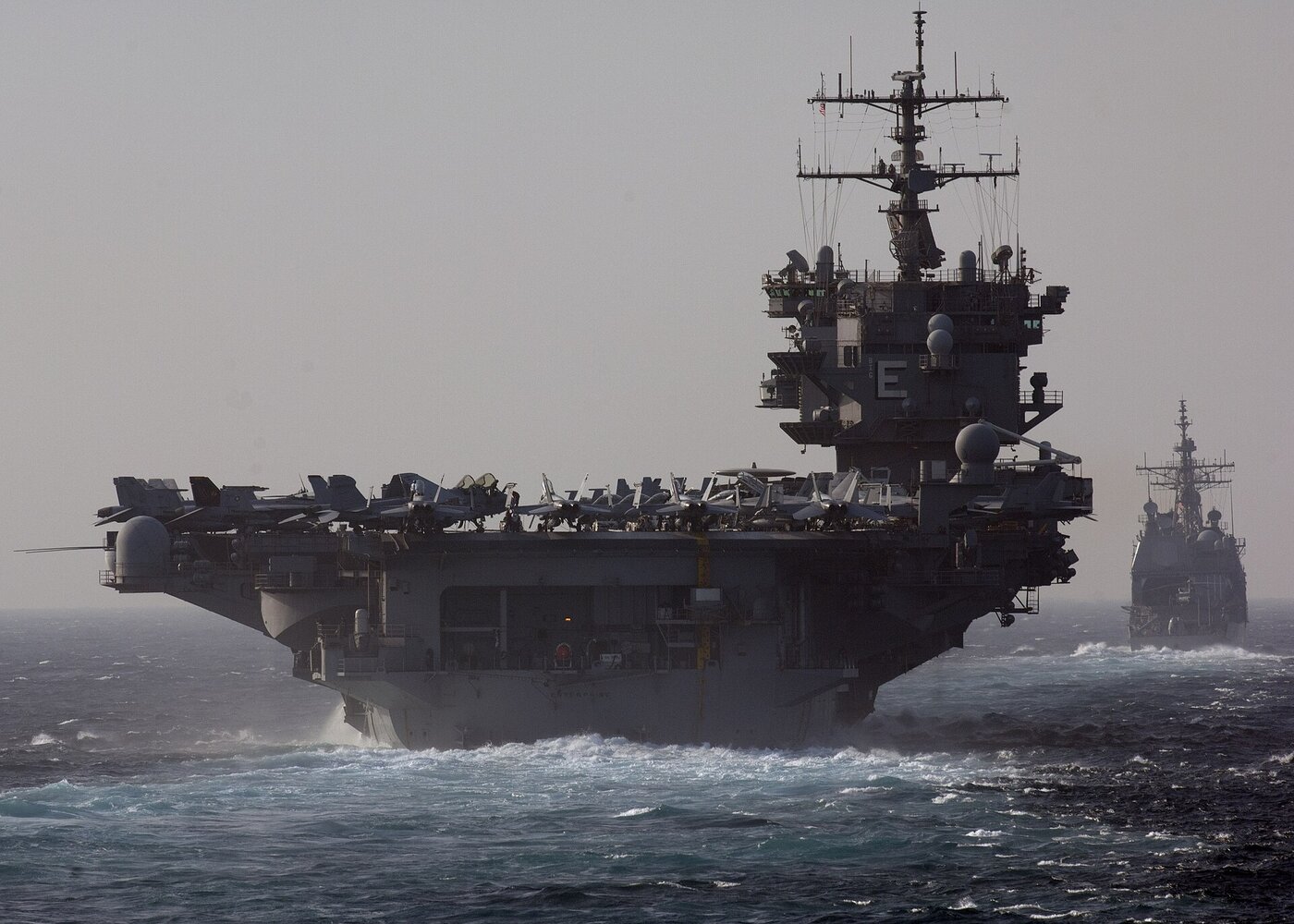
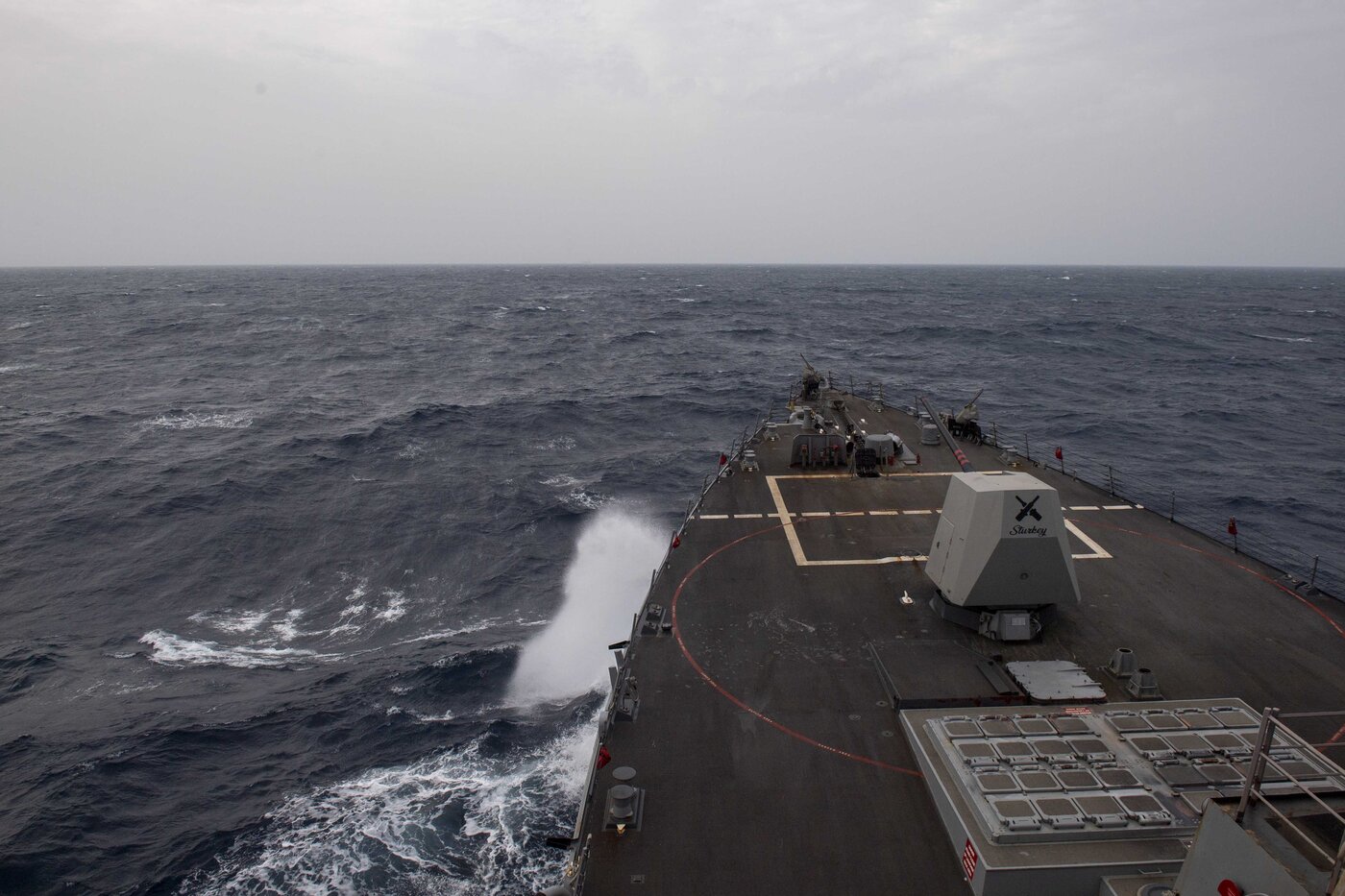
A full closure of the Bab al-Mandab — preventing all commercial transit — would require a sustained, high-intensity campaign that the Houthis may not be able to maintain against U.S. naval assets currently deployed in the region. The U.S. Fifth Fleet operates from Bahrain, and multiple carrier strike groups are present in the area.
But closing the strait to Saudi tankers specifically, or raising insurance costs to levels that make Red Sea transit commercially unviable, is well within Houthi capability. The 2023-2024 precedent proved that even selective, intermittent attacks can functionally deny a waterway to commercial shipping. At the campaign’s peak in early 2024, container traffic through the Suez Canal fell by more than 40%, according to data from the Suez Canal Authority.
The Houthi arsenal has grown since that campaign. The IRGC has continued supplying weapons throughout the current conflict, and the group’s anti-ship ballistic missile inventory now includes systems with ranges exceeding 1,000 kilometres, according to the Critical Threats Project at the American Enterprise Institute. That range would allow the Houthis to threaten shipping well beyond the Bab al-Mandab itself, covering much of the southern Red Sea from launch sites deep inside Yemen.
One Month of War
The Houthi entry adds yet another geographic dimension to a war that already spans the Persian Gulf, the Levant, and Iraq.
On March 27, Iran fired 6 ballistic missiles and 29 drones at Prince Sultan Air Base south of Riyadh, wounding 10 to 12 U.S. troops, destroying a KC-135 tanker aircraft, and damaging an E-3 AWACS surveillance plane, according to Military Times. Cumulative U.S. casualties since the war began have reached 13 killed and more than 300 wounded (NPR, March 28).
Iranian casualties are far higher. Iran’s Health Ministry reported 1,937 killed and 24,800 injured by March 25. The independent Human Rights Activists News Agency (HRANA) documented 3,114 deaths by March 17, including 1,354 civilians (Foreign Policy, March 26).
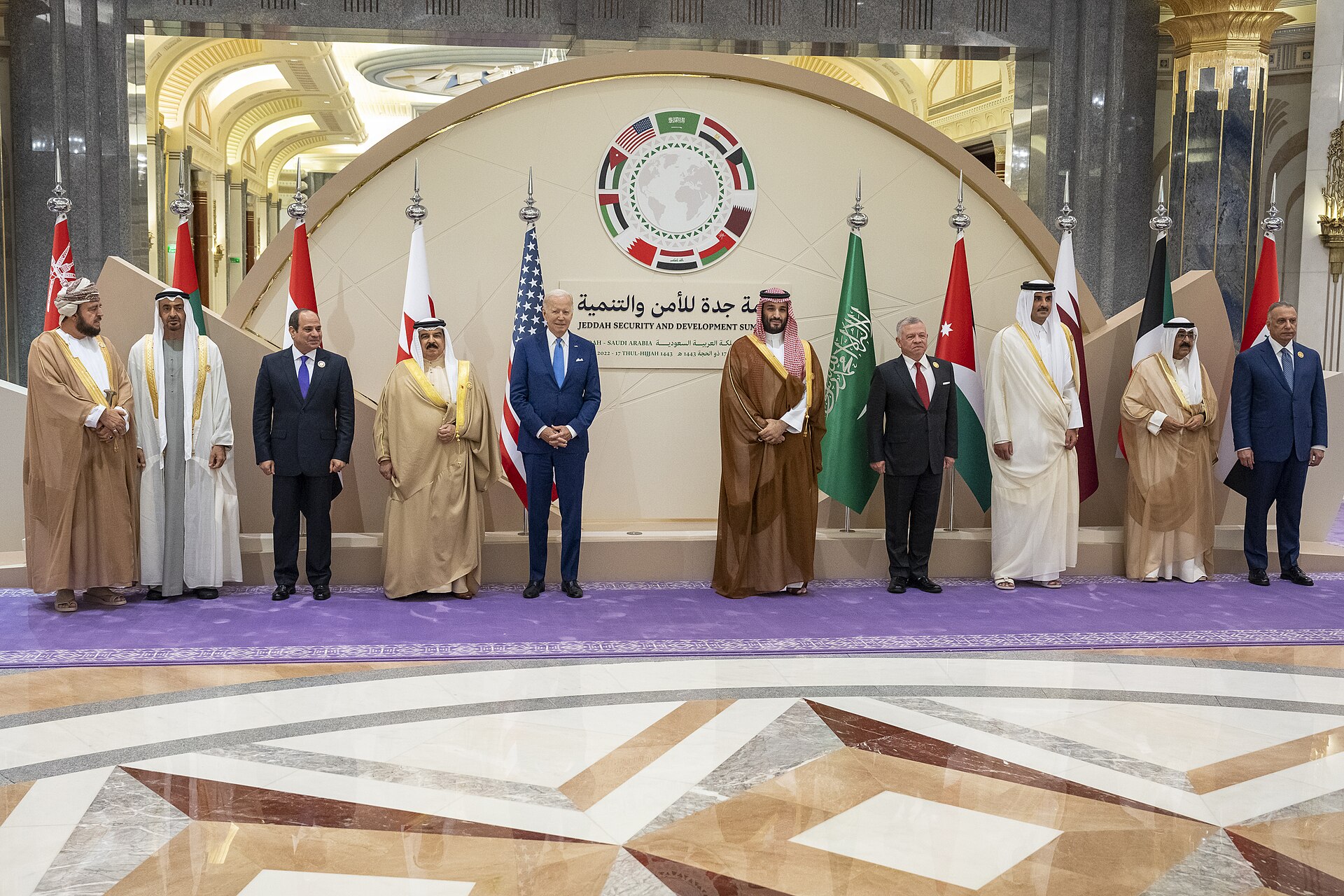
The GCC’s joint statement invoking Article 51 self-defense rights on March 25-26 reflected the alliance’s position that Gulf states, not Israel, have borne the brunt of Iranian aggression — yet the GCC still lacks the integrated military command structure to act on that declaration. Arab News reported that GCC nations received 83% of Iran’s missiles and drones, compared to 17% directed at Israel.
Diplomatic efforts remain stalled. Iran dismissed the U.S. 15-point peace plan as “maximalist and unreasonable.” Pakistan confirmed it is serving as an intermediary for indirect U.S.-Iran talks, but President Trump’s characterization that talks are “going very well” (CNN, March 26) has not been matched by any Iranian acknowledgment of progress. Trump’s pause on strikes against Iranian energy infrastructure extends to April 6 — nine days away, with no deal in sight.
The Houthi escalation complicates every diplomatic calculation. A second front in the Red Sea gives Iran additional negotiating pressure without risking further damage to its own territory. For Saudi Arabia, it transforms a pipeline bypass strategy into a potential trap, with Brent crude having peaked at $126 per barrel on March 8 (Bloomberg) and the prospect of simultaneous disruptions at both chokepoints now priced into energy markets.
Crown Prince Mohammed bin Salman reportedly told Trump to “keep hitting Iran hard,” according to the Jerusalem Post citing the New York Times. That posture reflects Riyadh’s calculation that deterring Iran from further escalation, including through its Houthi proxy, requires sustained military pressure rather than premature negotiations. But the Houthi Bab al-Mandab threat introduces a variable that military strikes on Iran itself may not address. Yemen is not Iran. Houthi positions are dispersed, hardened by years of Saudi-led coalition airstrikes, and deeply embedded in civilian areas.
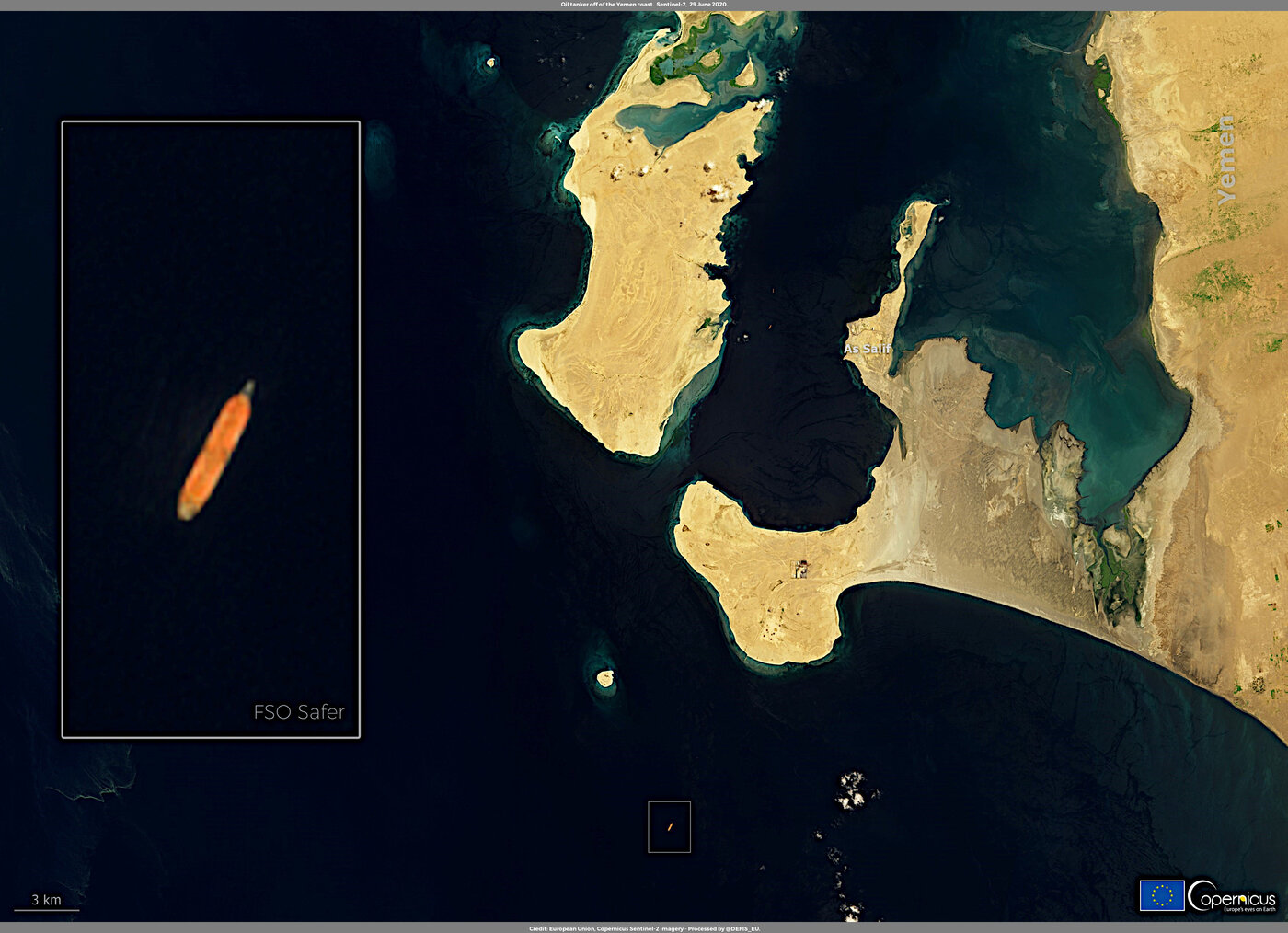
The question facing Riyadh is no longer whether the Yanbu bypass can replace Hormuz. It is whether any maritime route from Saudi Arabia is safe. The Houthis, with a proven record of disrupting Red Sea traffic and a declared willingness to do so again, have ensured that the answer is no longer certain.
Frequently Asked Questions
What is the Bab al-Mandab strait and why does it matter for oil markets?
The Bab al-Mandab is a 20-mile-wide passage between Yemen and Djibouti connecting the Red Sea to the Gulf of Aden. It serves as the only southern exit from the Red Sea. Roughly 6.2 million barrels of oil per day flowed through it before the war, according to EIA 2023 data. If blocked, tankers must take the 3,500-nautical-mile detour around Africa’s Cape of Good Hope, adding approximately $1 million in fuel costs per voyage and 10 to 14 days of transit time, according to S&P Global Commodity Insights.
Has the United States responded to the Houthi threat against Bab al-Mandab?
The Pentagon has not issued a public statement specifically addressing the Bab al-Mandab closure threat as of March 28. The U.S. Fifth Fleet, headquartered in Bahrain, maintains a carrier strike group presence in the region. During the 2023-2024 Houthi Red Sea campaign, the U.S. launched Operation Prosperity Guardian with allied navies, but the coalition struggled to fully suppress Houthi attacks despite conducting over 800 strikes on Houthi positions in Yemen, according to U.S. Central Command data from that campaign.
Could Saudi Arabia export oil overland instead of through maritime chokepoints?
Saudi Arabia has limited overland options. The Trans-Arabian Pipeline (Tapline) to Lebanon has been inactive since 1990. The Iraqi Pipeline through Saudi Arabia (IPSA) was shut after the 1990 Gulf War and has not been reopened. The kingdom’s newly opened rail freight corridor to Jordan could theoretically support small volumes to the port of Aqaba on the Red Sea’s northernmost tip, above the Bab al-Mandab, but rail infrastructure is not designed for bulk crude transport. No existing overland route can substitute for maritime export at scale.
What is Iran’s stated position on the Houthi escalation?
Iran’s state media, including IRNA and Press TV, reported the Houthi strike approvingly but stopped short of claiming direct operational control. Tehran has historically maintained that the Houthis act independently, a position that provides diplomatic cover while the IRGC supplies weapons, training, and targeting intelligence. Abdul-Malik al-Houthi’s public statement that the group “is coordinating with Iran” (Al Jazeera, March 28) was unusually explicit and may signal that both parties have abandoned the pretence of separation for this conflict.
How does insurance pricing affect Red Sea shipping even without a full blockade?
Maritime war risk insurance for Red Sea transit surged from 0.02% of hull value to 0.5-1.0% during the 2023-2024 Houthi campaign, according to Lloyd’s of London market data. For a supertanker valued at $100 million, that translates to a per-voyage premium increase from $20,000 to as much as $1 million. Several underwriters withdrew Red Sea coverage entirely during that period. Even a modest resumption of Houthi anti-shipping operations could push premiums back to those levels, making the route commercially unviable regardless of whether physical blockade is achieved.