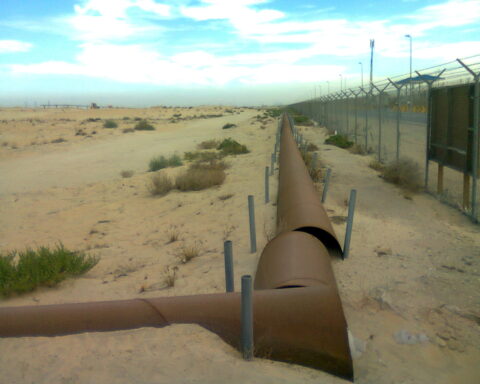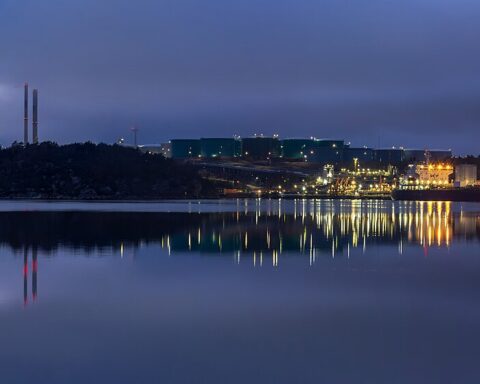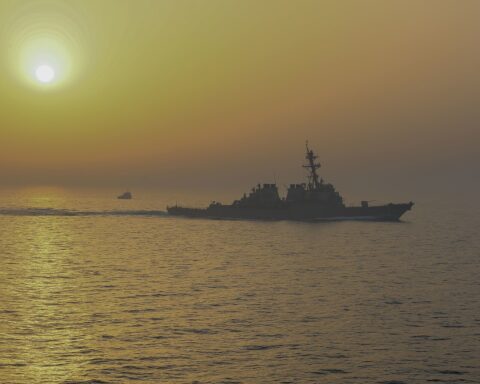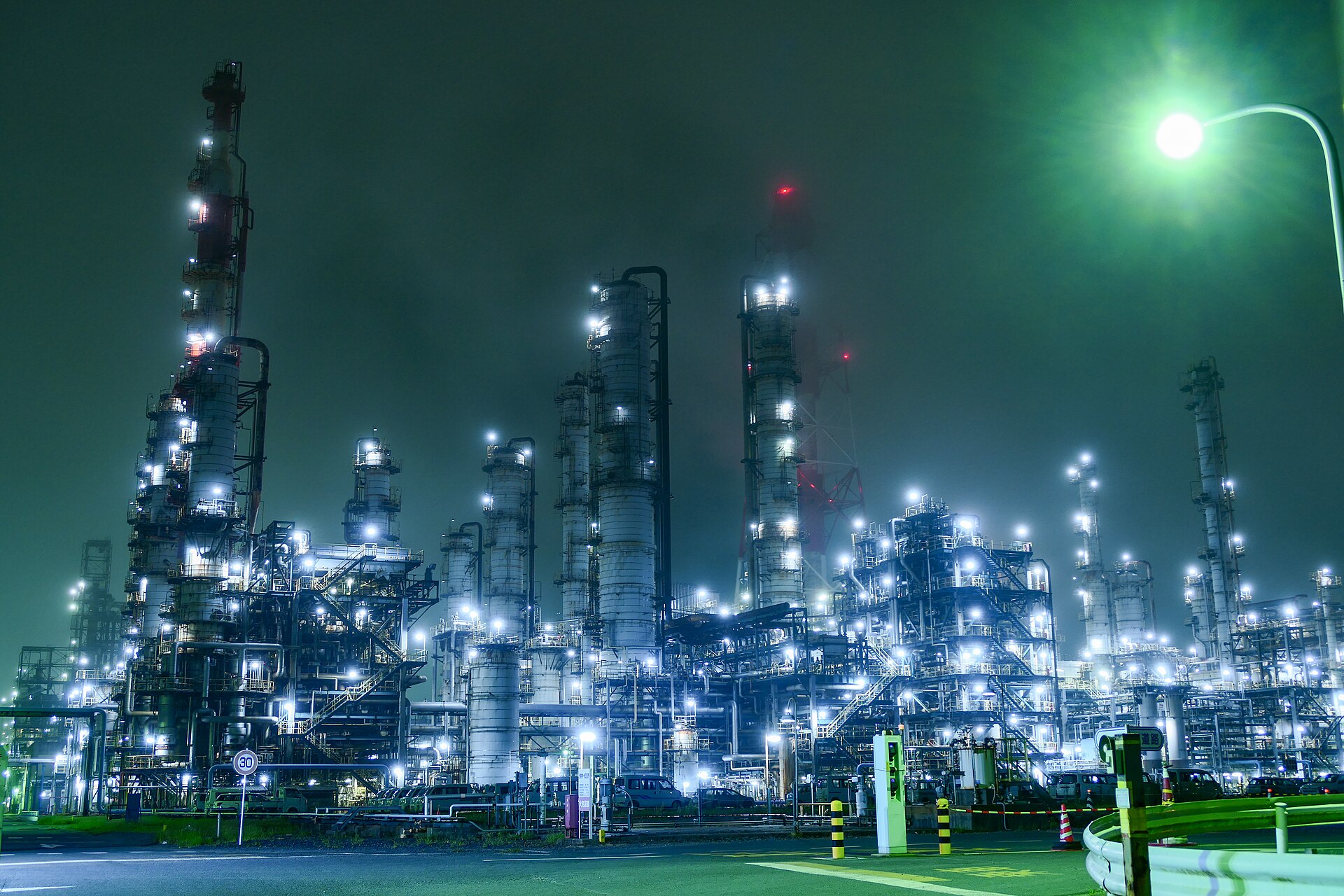

PARIS — The International Energy Agency declared on Sunday that more than 40 energy assets across nine countries in the Middle East have been “severely or very severely damaged” since the Iran war began on February 28, warning that the resulting supply disruption already exceeds the two oil shocks of the 1970s and the 2022 gas crisis from Russia’s invasion of Ukraine combined. IEA Executive Director Fatih Birol, speaking from the agency’s Paris headquarters, said the destruction of oil fields, refineries, pipelines, and liquefied natural gas terminals would take years to repair even if a ceasefire were reached tomorrow, and warned that “no country will be immune” to the economic consequences.
The severity of the crisis has forced Gulf energy leaders to withdraw from the CERAWeek conference in Houston. Aramco CEO Amin Nasser, ADNOC CEO Sultan Al Jaber, and Kuwait Petroleum CEO Sheikh Nawaf Al-Sabah have all cancelled their attendance at the world’s premier energy gathering, choosing to manage operations from the Gulf instead.
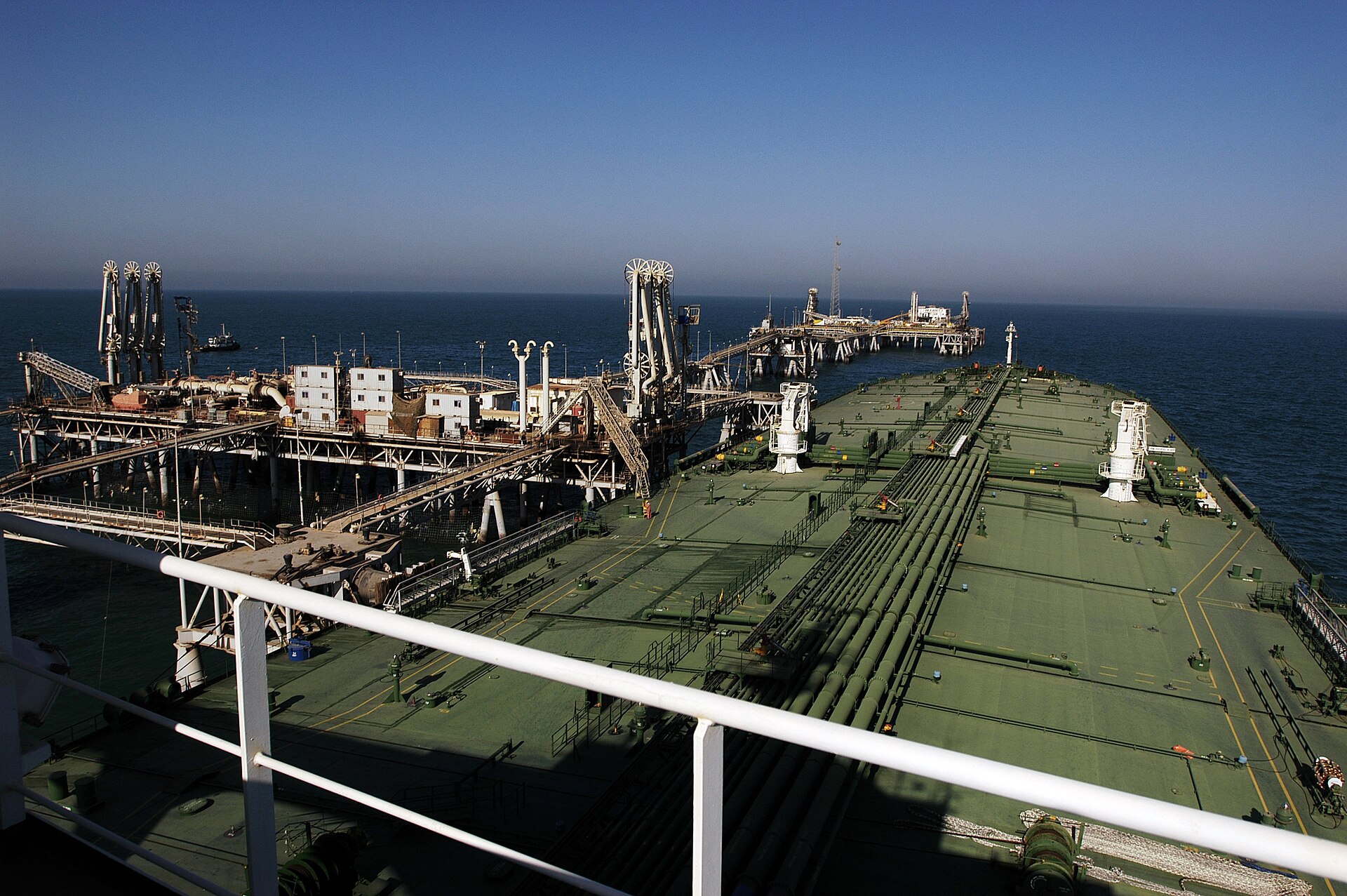
The assessment marks the first time a major international energy body has formally quantified the physical infrastructure toll of a conflict that has already removed an estimated 11 million barrels per day of crude oil from global markets, pushed Brent crude above $113 per barrel, and disrupted trade in petrochemicals, fertilisers, sulphur, and helium across the Strait of Hormuz chokepoint — a closure that Pentagon AI models had deemed unlikely.
Table of Contents
- What Did the IEA Say About the Scale of Energy Destruction?
- Which Countries Have Suffered the Worst Damage?
- How Does This Crisis Compare to the 1970s Oil Shocks?
- Saudi Arabia’s Infrastructure Under Fire
- What Cannot Be Fixed by a Ceasefire Alone?
- Oil Prices and the Global Market Response
- Strategic Reserve Releases and Their Limits
- Frequently Asked Questions
What Did the IEA Say About the Scale of Energy Destruction?
Fatih Birol said the Iran war has inflicted damage on energy infrastructure that dwarfs any previous conflict in the oil era. More than 40 energy assets across nine countries — oil fields, refineries, gas processing plants, LNG export terminals, and pipeline networks — have been classified as “severely or very severely damaged,” according to the IEA’s latest operational assessment released on March 23, 2026.
“Some of the vital arteries of the global economy, such as petrochemicals, fertilisers, such as sulfur, such as helium — their trade is all interrupted, which would have serious consequences for the global economy,” Birol told reporters.
The IEA chief characterised the crisis as a convergence of multiple supply shocks occurring simultaneously. The effective closure of the Strait of Hormuz, combined with the targeted destruction of processing facilities on both sides of the Persian Gulf, has created what Birol described as a situation “potentially more damaging than the two seismic energy shocks of the 1970s combined.”
Birol said the reopening of the Strait of Hormuz was the “single most important” solution to the global energy crisis but warned that even full restoration of maritime traffic would not resolve the problem of physically crippled infrastructure. Oil fields that have been shut down for weeks require careful restart procedures. Refineries that sustained missile or drone damage need months of assessment and repair. Gas processing plants hit by precision strikes face multi-year reconstruction timelines.

Which Countries Have Suffered the Worst Damage?
The IEA’s tally of 40-plus damaged assets spans the full breadth of the Persian Gulf energy corridor. Nine countries have sustained damage to critical energy infrastructure since February 28, with the heaviest toll falling on the Gulf Cooperation Council states that host the world’s largest concentration of oil and gas processing capacity.
| Country | Key Assets Damaged | Estimated Impact |
|---|---|---|
| Qatar | Ras Laffan LNG terminal, Pearl GTL plant | 17% of global LNG supply disrupted; 3-5 year repair |
| Saudi Arabia | Ras Tanura refinery, Yanbu refinery, SAMREF, Shaybah oil field | ~2 million bpd output cut |
| Iran | Asaluyeh complex (South Pars), Tehran oil storage | 4 gas treatment plants damaged |
| UAE | Shah gas field, Fujairah oil terminal, Mussafah fuel terminal | Gas facilities closed |
| Kuwait | Mina al-Ahmadi refinery | 730,000 bpd refining capacity offline |
| Iraq | Oil export infrastructure near Basra | Force majeure declared on foreign-operated fields |
| Oman | Port of Duqm fuel tanks, Port of Salalah | Fuel storage and mineral trade disrupted |
| Bahrain | Fuel depot near airport | Domestic fuel supply affected |
| Israel | Refinery infrastructure | Targeted in retaliatory strikes |
Qatar has suffered what energy analysts describe as the single most consequential infrastructure loss. Iranian missiles struck the Ras Laffan complex — the world’s largest LNG liquefaction facility, responsible for roughly 20 percent of global LNG production — on March 18-19, causing “extensive damage,” according to Qatar’s energy ministry. The Shell-operated Pearl GTL plant at the same complex also sustained damage. Qatar’s energy minister said repairs could take “weeks to months” for export volumes to return to pre-war levels, but independent assessments cited by Bloomberg put the full reconstruction timeline at three to five years.
The escalation in strikes on energy facilities began on March 8, when Israel struck oil storage facilities in Tehran, causing large fires and what residents described as toxic “black rain.” Iran retaliated by intensifying attacks on Gulf energy infrastructure, targeting the Shaybah oil field in Saudi Arabia, the Shah gas field near Abu Dhabi, and Fujairah oil facilities on March 11-12, according to reports compiled during the conflict.
Oman, which had maintained a position of relative neutrality during the conflict, saw multiple Iranian drones strike fuel tanks and a tanker at the Port of Duqm, with at least one direct hit on a fuel storage tank causing an explosion, according to Omani state media. A separate drone strike was recorded at the Port of Salalah, which handles fuel and industrial minerals. The attacks on Oman marked a significant widening of Iran’s target set beyond the GCC states that host American military assets.
Iraq declared force majeure on all foreign-operated oil fields on March 21, according to a statement from the Oil Ministry in Baghdad, after Iranian drone strikes near Basra damaged export infrastructure. Iraq’s southern oil export terminal at the Fao Peninsula had already been operating at reduced capacity since the Hormuz closure. The force majeure declaration affects contracts with international oil companies including BP, ExxonMobil, and TotalEnergies, according to Reuters.
Bahrain’s main fuel depot near the international airport was struck by an Iranian missile in the second week of the war, disrupting domestic fuel supply chains. Bahrain’s missile defence system has intercepted 385 Iranian strikes since the conflict began, according to the Bahraini Defence Ministry, but the sheer volume of incoming projectiles has meant several penetrated the Kingdom’s defences.
How Does This Crisis Compare to the 1970s Oil Shocks?
The IEA’s comparison to the 1970s is historically significant because it frames the current disruption as the worst supply crisis the global energy system has ever faced. Birol described the situation as “two oil crises and one gas crash put all together.”
The 1973 Arab oil embargo, triggered by the Yom Kippur War, removed approximately 7 percent of the world’s oil supply from the market and quadrupled crude prices from $2.90 per barrel to $11.65 by January 1974, according to the Federal Reserve Bank of Chicago. The 1979 Iranian Revolution and subsequent Iran-Iraq War reduced Iranian output by 4.8 million barrels per day, according to the Federal Reserve’s historical analysis, and pushed prices above $36 per barrel by late 1980.
The combined shortfall from both 1970s crises totalled roughly 8-9 million barrels per day at their peaks. The current disruption has removed an estimated 11 million barrels per day from global markets — a figure that includes shut-in production from Saudi Arabia, the UAE, Kuwait, and Iraq caused by the Hormuz closure and the need to protect fields from ongoing attack, according to OPEC data.
| Crisis | Year | Supply Loss (bpd) | Peak Price Impact | Duration |
|---|---|---|---|---|
| Arab Oil Embargo | 1973 | ~4.4 million | $2.90 → $11.65 (4x) | 5 months |
| Iranian Revolution / Iran-Iraq War | 1979-80 | ~4.8 million | $16 → $36+ (2.3x) | 18+ months |
| Gulf War (Kuwait invasion) | 1990 | ~4.3 million | $17 → $41 (2.4x) | 8 months |
| 2026 Iran War | 2026 | ~11 million | ~$70 → $113+ (1.6x so far) | 24 days (ongoing) |
What distinguishes the current crisis from its historical predecessors, according to the IEA assessment, is the simultaneous disruption of oil, natural gas, and non-energy commodities. The 1973 and 1979 shocks were primarily oil crises. The 2022 Russia-Ukraine shock was primarily a gas crisis affecting European markets. The 2026 Iran war has disrupted both oil and gas simultaneously while also cutting off maritime trade routes for petrochemicals, fertilisers, and industrial minerals that transit the Strait of Hormuz.
Saudi Arabia’s Infrastructure Under Fire
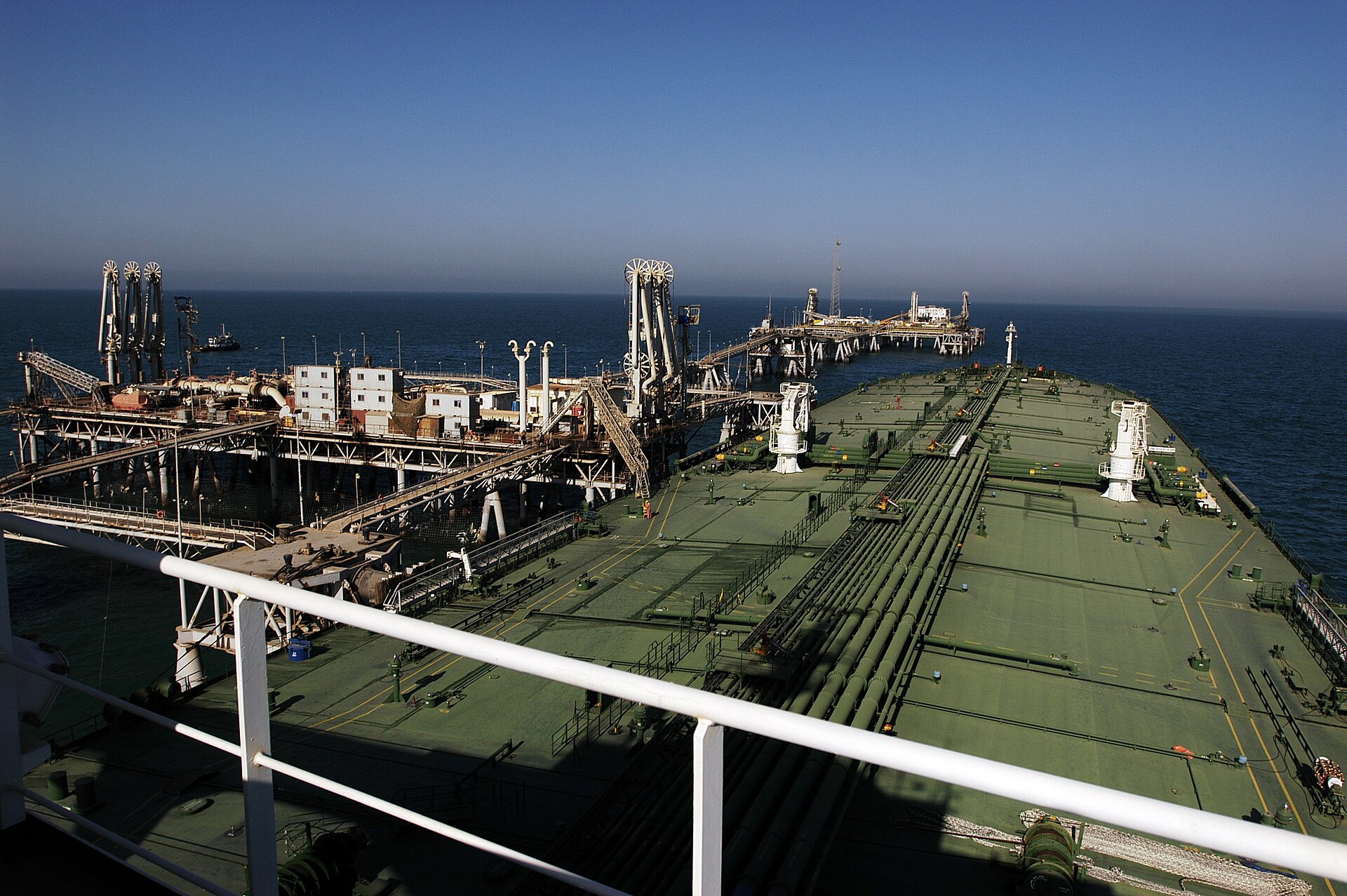
Saudi Arabia has sustained damage to at least four major energy installations since Iran began retaliatory strikes against Gulf states hosting American military assets. The Ras Tanura refinery, one of Saudi Aramco’s most important processing facilities, was forced to halt operations after debris from intercepted Iranian drones caused a fire, according to the Saudi Ministry of Defence.
The SAMREF refinery in the Red Sea port city of Yanbu was struck directly by an Iranian drone on March 19, damaging Saudi Arabia’s critical alternative export route that bypasses the Strait of Hormuz. Yanbu sits at the western terminus of the East-West Pipeline, the 1,200-kilometre corridor that had become Saudi Arabia’s primary means of getting crude oil to market after Iran effectively shut down the Strait.
The Shaybah oil field in the Empty Quarter near the UAE border was also targeted by Iranian drones in the second week of the conflict. Saudi Aramco CEO Amin Nasser, who cancelled his planned appearance at the CERAWeek energy conference in Houston on March 22 to remain in the Kingdom, had warned during a March 10 earnings call that there would be “catastrophic consequences” for world oil markets if the conflict continued to disrupt the Strait, according to CNBC.
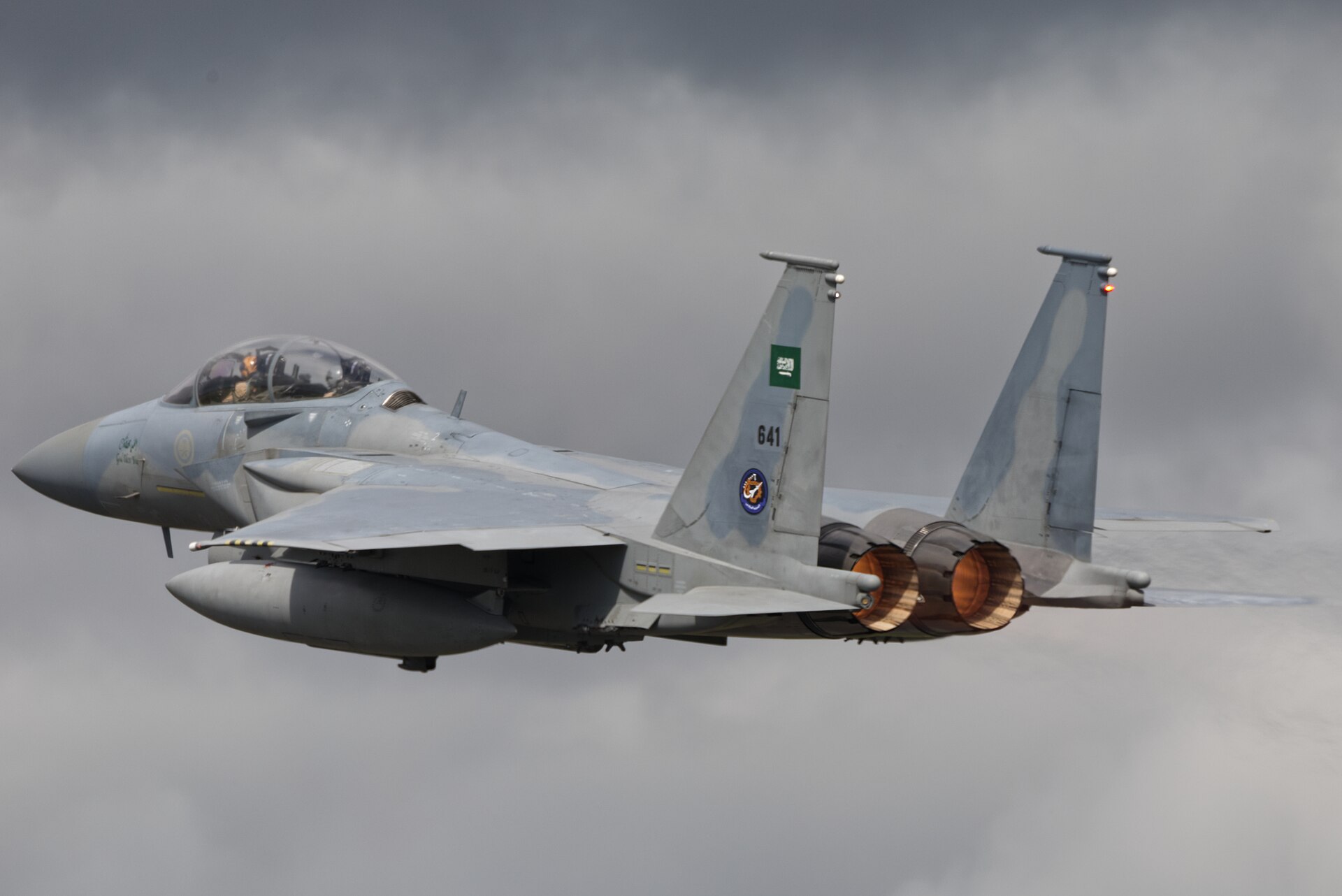
Saudi Arabia has cut oil output by approximately 2 million barrels per day from two major fields, according to Bloomberg, as the Kingdom rushes to reroute exports through its western pipeline network while protecting eastern facilities from ongoing Iranian drone and missile attacks. Saudi air defences have intercepted at least 45 ballistic and seven cruise missiles, along with dozens of drones, since the war began, according to the Saudi Ministry of Defence.
What Cannot Be Fixed by a Ceasefire Alone?
The IEA’s most consequential warning was that the crisis cannot be resolved by diplomacy alone. Even if a ceasefire were declared and the Strait of Hormuz fully reopened, the physical destruction of processing infrastructure means global energy supply would remain constrained for months or years.
“The damage to oil and gas fields, refineries and pipelines across the Middle East would take some time to repair,” Birol said, according to Euronews. “The longer the conflict continues, the more difficult it will be to restore production capacity.”
Qatar’s Ras Laffan terminal, which processes gas from the massive North Field and accounts for roughly 17 percent of global LNG supply, faces the longest reconstruction timeline. Independent engineering assessments cited by Bloomberg project three to five years for full restoration. Qatar had been in the midst of a major expansion project adding six new LNG trains that were expected online by 2027 — a timeline now almost certainly delayed.
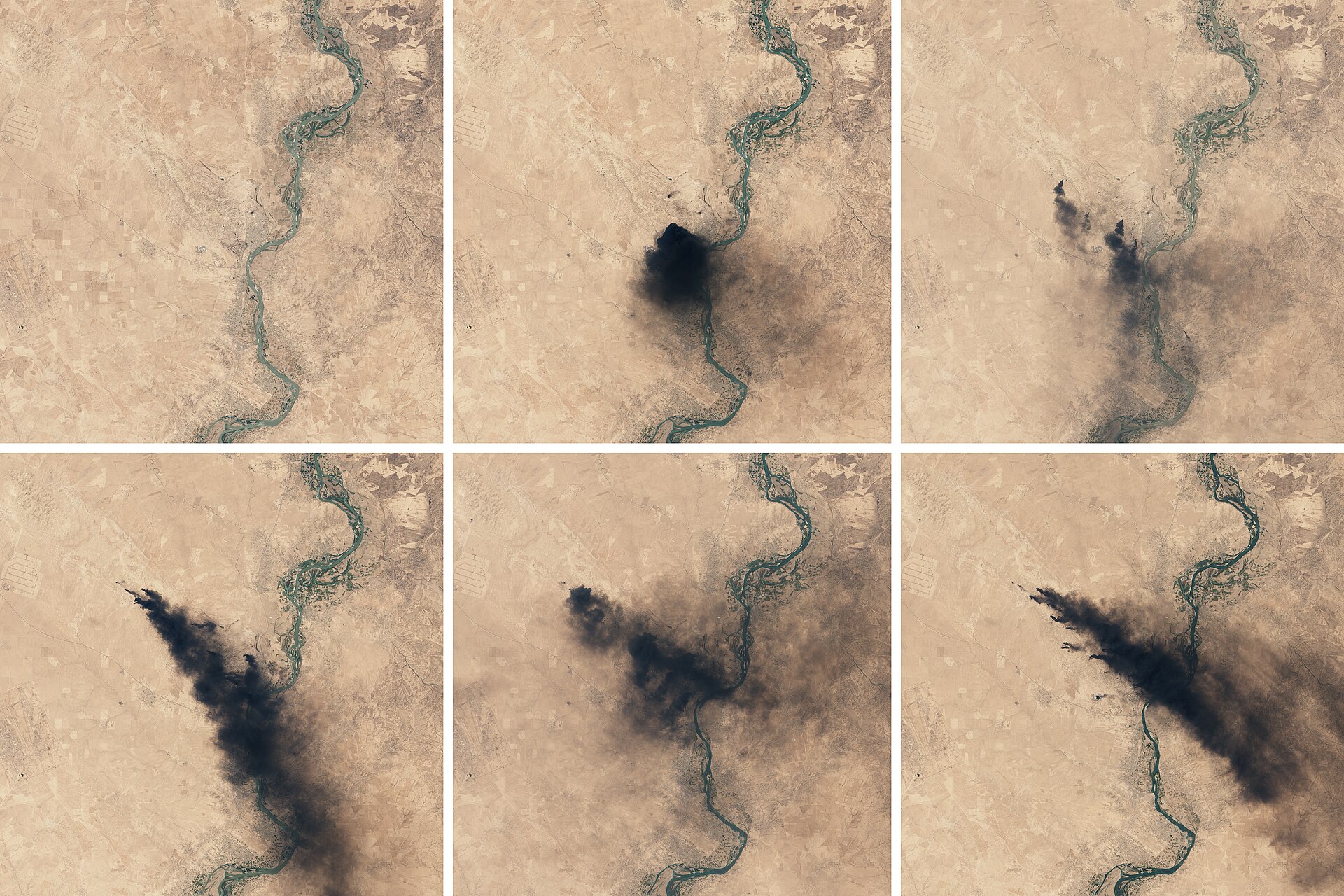
Iran’s own energy infrastructure has also been crippled. An Israeli drone strike on March 18 damaged four gas treatment plants at the Asaluyeh complex, which processes gas from the South Pars field — the world’s largest natural gas reserve, shared with Qatar. Israeli strikes on Tehran’s oil storage facilities on March 8 caused fires that burned for days, according to satellite imagery analysed by the Cooperative Institute for Research in the Atmosphere.
Kuwait’s Mina al-Ahmadi refinery, which processes roughly 730,000 barrels per day, sustained damage from suspected Iranian aerial attacks, according to Al Jazeera. Fires broke out across multiple units at the facility. The UAE’s Shah gas field and Fujairah oil terminal — the latter a critical bypass hub for Hormuz — were both struck, forcing the closure of gas facilities, according to PBS News.
Oil Prices and the Global Market Response
Brent crude was trading above $113 per barrel on March 23, heading for a fifth consecutive weekly gain, according to trading data compiled by OilPrice.com. US WTI crude surged above $100 per barrel. Both benchmarks have approximately doubled from pre-war levels, when Brent was trading near $70 in late February.
The price surge has been more muted in percentage terms than the 1970s crises because global oil markets are significantly larger and more diversified, with major non-OPEC producers including the United States, Brazil, Canada, Guyana, and Norway partially offsetting Gulf losses. But the absolute price level — above $110 per barrel — is already straining economies across Asia, Africa, and Latin America that are heavily dependent on imported energy.
Asian stock markets plunged as trading opened on March 23, with the Nikkei, Hang Seng, and Sensex all recording steep losses as President Trump’s 48-hour deadline for Iran to reopen the Strait of Hormuz expired without compliance. Goldman Sachs warned in a note cited by Reuters that Gulf states face the worst recession in a generation if the conflict continues through the second quarter.
The IEA noted that beyond crude oil, the disruption of approximately 20 percent of global LNG trade through the Strait of Hormuz was pushing European and Asian gas prices to levels that threatened industrial production. Fertiliser prices have spiked globally as sulphur and petrochemical feedstocks from the Gulf have been cut off, raising concerns about food production costs ahead of the Northern Hemisphere planting season, according to the Financial Times.
Three weeks of sustained Iranian drone and missile strikes across the Persian Gulf have knocked more than three million barrels per day of refining capacity offline, according to an analysis by The Conversation. The refining losses are separate from the crude production shutdowns and compound the supply crisis by reducing the availability of finished petroleum products — gasoline, diesel, and jet fuel — in regional markets. Several GCC states have begun rationing fuel for non-essential transport, according to Bloomberg.
India, the world’s third-largest oil consumer, has seen the crisis hit with particular force. Indian refiners, who had built supply chains heavily dependent on Gulf crude and discounted Russian oil transiting the Strait, are scrambling to secure alternative cargoes from West Africa, Latin America, and the US Gulf Coast, according to Reuters. India’s oil import bill for March is projected to be $18 billion above the pre-war baseline, straining the country’s current account balance.
Strategic Reserve Releases and Their Limits
The IEA coordinated a historic release of 400 million barrels of oil from strategic petroleum reserves on March 11, the largest such intervention in the agency’s 50-year history. But Birol acknowledged that reserves are “finite” and represent a “temporary bridge, not permanent solution.”
Birol said the IEA was consulting with governments in Europe and Asia regarding a potential follow-up release, pending further assessment of market conditions. The United States holds approximately 395 million barrels in its Strategic Petroleum Reserve, down from a peak of 727 million in 2009 after multiple releases under the Obama, Trump, and Biden administrations.
China, India, Japan, and South Korea hold their own strategic reserves totalling an estimated 1.4 billion barrels combined, according to IEA data. But these reserves are designed to bridge temporary disruptions lasting weeks, not sustained losses of 11 million barrels per day over months. At current drawdown rates, major consuming nations could face depletion within 60 to 90 days unless production is restored or alternative supply routes are secured.
Birol called for “global efforts” rather than individual national responses, warning that uncoordinated reserve releases could lead to competitive hoarding. “This is not a challenge that any single country can manage alone,” he said, according to AFP.
The European Union has separately announced emergency energy consultations, with the European Commission proposing a coordinated gas-purchasing mechanism to prevent bidding wars among member states as LNG cargoes from the Gulf remain suspended. Japan and South Korea, both heavily dependent on Gulf LNG, have activated emergency energy protocols and are in discussions with Australia and the United States about redirecting cargoes, according to Nikkei Asia.
The assessment adds urgency to President Trump’s 48-hour ultimatum to Iran, which expires on Monday evening, demanding full reopening of the Strait of Hormuz under threat of strikes on Iran’s power grid. Iran’s National Defence Council responded on March 23 that any attack on Iranian coastal infrastructure would trigger the mining of all shipping lanes in the Persian Gulf, raising the prospect of an even deeper and more prolonged energy crisis.
Frequently Asked Questions
How many energy assets has the Iran war damaged?
The International Energy Agency says more than 40 energy assets across nine countries in the Middle East have been “severely or very severely damaged” since the war began on February 28, 2026. These include oil fields, refineries, gas processing plants, LNG terminals, and fuel storage facilities in Saudi Arabia, Qatar, Iran, the UAE, Kuwait, Iraq, Oman, Bahrain, and Israel.
Why did the IEA compare this crisis to the 1970s oil shocks?
IEA Executive Director Fatih Birol said the current disruption exceeds the combined impact of the 1973 Arab oil embargo and the 1979 Iranian Revolution oil shock. The 1970s crises collectively removed roughly 8-9 million barrels per day from the market at their peaks, while the 2026 Iran war has removed approximately 11 million barrels per day. The current crisis also simultaneously disrupts gas and non-energy commodity trade through the Strait of Hormuz.
How long will it take to repair the damaged infrastructure?
Repair timelines vary by facility. Qatar’s Ras Laffan LNG terminal, which accounts for 17 percent of global LNG supply, faces a projected three-to-five year reconstruction timeline, according to independent engineering assessments cited by Bloomberg. Refineries that sustained direct missile or drone strikes typically require 6-18 months of repair. Oil fields that have been shut in for safety reasons can restart more quickly but still require weeks of careful procedures to resume full production.
What commodities beyond oil have been disrupted?
The IEA warned that the conflict has interrupted trade in petrochemicals, fertilisers, sulphur, and helium — all of which transit the Strait of Hormuz. Sulphur from Gulf producers is a critical input for global fertiliser production, and the disruption has raised concerns about food production costs ahead of the 2026 Northern Hemisphere planting season. Helium supply, used in medical imaging and semiconductor manufacturing, has also been severely curtailed.
Can strategic petroleum reserves cover the shortfall?
The IEA coordinated a release of 400 million barrels from strategic reserves on March 11, but Executive Director Birol described reserves as a “temporary bridge, not permanent solution.” At current consumption rates and with 11 million barrels per day offline, strategic reserves held by the United States, China, Japan, and other IEA members could face depletion within 60 to 90 days without a restoration of Gulf supply or the opening of alternative trade routes.