
PARIS — The International Energy Agency confirmed on Wednesday what oil traders, shipping executives, and Gulf energy ministers have feared since Iranian forces shut the Strait of Hormuz two weeks ago: the world is experiencing the largest oil supply disruption ever recorded. Global output has plunged by an estimated 8 million barrels per day in March, the IEA said in its closely watched monthly Oil Market Report, surpassing every previous supply shock including the 1973 Arab oil embargo, the 1990 Iraqi invasion of Kuwait, and the 2011 Libyan civil war.
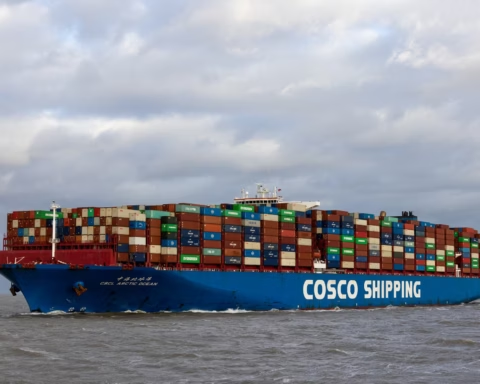
The report, released on March 12, painted a stark picture of a global energy system in crisis. Approximately 500 oil tankers remain anchored in the Persian Gulf with nowhere to go, according to vessel-tracking data from MarineTraffic. Crude and product flows through the 21-mile-wide Strait of Hormuz — the chokepoint through which roughly 20 million barrels per day moved before the war — have fallen to what the IEA described as “a trickle.” Brent crude surged back above $100 a barrel on Thursday as markets digested the agency’s assessment that an unprecedented 400-million-barrel emergency stockpile release announced just 24 hours earlier may prove insufficient without a swift ceasefire.
Table of Contents
- What Does the IEA’s March Report Say About Global Oil Supply?
- How Did the Strait of Hormuz Shutdown Reach This Scale?
- Five Hundred Tankers and Nowhere to Go
- Saudi Arabia’s Pipeline Gamble to Bypass the Blockade
- Oil Prices and the Limits of Emergency Reserves
- Which Countries Face the Greatest Risk?
- The Road Ahead for Global Energy Markets
- Frequently Asked Questions
What Does the IEA’s March Report Say About Global Oil Supply?
The IEA’s March 2026 Oil Market Report delivered the most severe downward revision in the agency’s 52-year history. Global oil supply is projected to fall by 8 million barrels per day during March, with curtailments concentrated in the Middle East only partly offset by higher output from non-OPEC+ producers, Kazakhstan, and Russia. The agency described the disruption as “the largest in the history of the global oil market,” eclipsing every previous recorded supply shock.
Gulf countries have collectively cut total oil production by at least 10 million barrels per day, the IEA said, as the near-complete halt in tanker movements through the Strait of Hormuz has left producers with no way to export crude through their primary route. With domestic storage tanks approaching capacity, producers across the region have been forced to shut in wells rather than allow crude to accumulate with nowhere to go.
The agency also slashed its forecast for 2026 global oil demand growth by 210,000 barrels per day, bringing the revised figure to 640,000 barrels per day. In the near term, the IEA projected demand reductions of more than 1 million barrels per day on average for March and April as soaring prices suppress consumption across Asia, Europe, and emerging markets.
| Metric | Value | Change |
|---|---|---|
| Global oil supply drop (March) | 8 mb/d | Largest ever recorded |
| Gulf production curtailment | 10+ mb/d | From ~30 mb/d pre-war |
| Hormuz flow before war | ~20 mb/d | Now near zero |
| Emergency reserve release | 400 million bbl | Largest coordinated release ever |
| 2026 demand growth forecast | 640 kb/d | Down 210 kb/d from prior forecast |
| Brent crude (March 13) | ~$100/bbl | Up ~60% from January 2026 |
“In the absence of a swift resolution to the conflict, the emergency stock release remains a stop-gap measure,” the IEA warned in the report, according to Reuters. The agency noted that IEA member countries hold approximately 4.1 billion barrels in total government and industry stocks, enough to cover roughly 90 days of net imports — but at current drawdown rates, that cushion would deplete far faster than policymakers anticipated when the reserves were designed during the 1970s oil crisis.
How Did the Strait of Hormuz Shutdown Reach This Scale?
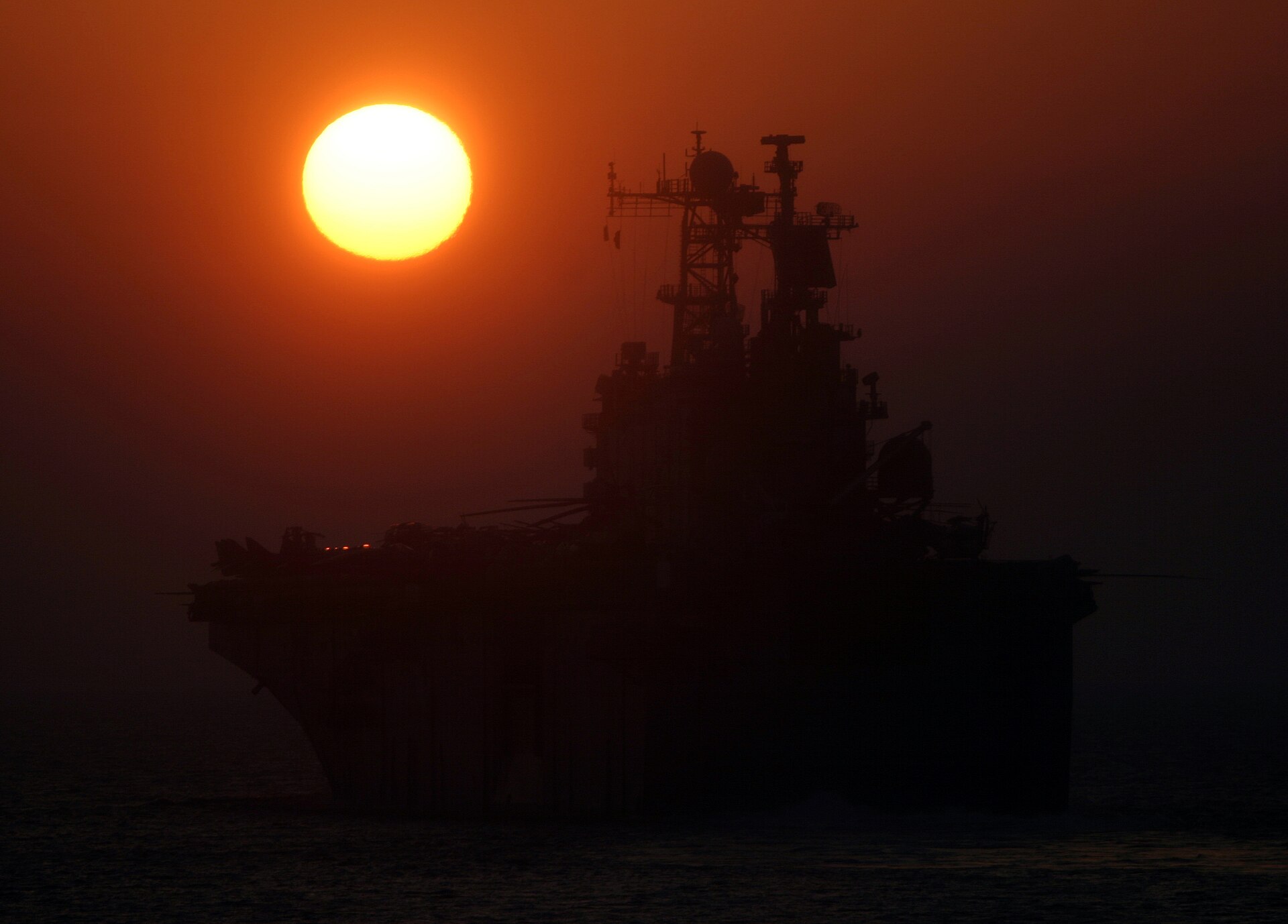
The Strait of Hormuz has been effectively closed to commercial shipping since the opening days of the US-Israeli military campaign against Iran, which began on February 28 with coordinated strikes that killed Supreme Leader Ali Khamenei. In retaliation, Iran’s Islamic Revolutionary Guard Corps Navy issued warnings prohibiting vessel passage through the strait and began attacking commercial ships attempting the transit.
Tanker traffic initially dropped by approximately 70 percent as shipping companies pulled vessels from the route. Within days, according to Bloomberg, the flow fell to near zero. The IRGC has demanded that all ships seek explicit permission before transiting, a condition that virtually no Western-flagged or Western-insured vessel has been willing to accept. Three more foreign-flagged ships were struck in the Persian Gulf overnight on Wednesday, authorities said, according to NBC News, as attacks intensified on vessels sailing near the strait.
Iran’s newly installed Supreme Leader Mojtaba Khamenei, the son of the slain Ali Khamenei, broke his silence on Wednesday with a statement distributed by Iranian state media vowing to keep the strait closed as a “tool of pressure” until the US and Israel halt their military campaign. The statement, which NPR reported was his first public address since assuming the supreme leader title on March 8, signalled that the blockade would persist indefinitely unless a ceasefire framework takes shape.
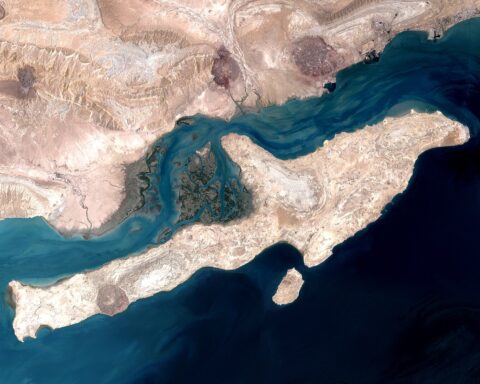
The scale of the disruption reflects the unique vulnerability of the Persian Gulf’s geography. Seven Gulf oil-producing states — Saudi Arabia, Iraq, the United Arab Emirates, Kuwait, Qatar, Bahrain, and Iran itself — depend on the Strait of Hormuz as the sole maritime exit for the vast majority of their crude exports. Before the war, approximately 20 percent of global daily oil consumption passed through this single narrow waterway, according to the U.S. Energy Information Administration.
Five Hundred Tankers and Nowhere to Go
MarineTraffic vessel-tracking data showed approximately 500 oil tankers anchored in the Persian Gulf as of Thursday morning, according to CBS News. Just five oil tankers left the area in the preceding 24 hours, a near-total paralysis of what was until two weeks ago the most heavily trafficked tanker route on earth.
The consequences for the vessels and their crews are severe. Greenpeace International warned this week that the concentration of fully laden oil tankers in confined Gulf waters represents a mounting environmental hazard, with the risk of collisions, mechanical failures, or targeted strikes increasing as more vessels crowd into anchorages never designed to hold this volume. Insurance premiums for Gulf voyages have become functionally prohibitive, with war-risk rates exceeding 10 percent of hull value, according to Reuters — effectively locking tankers in place even if Iran were to allow selective transit.
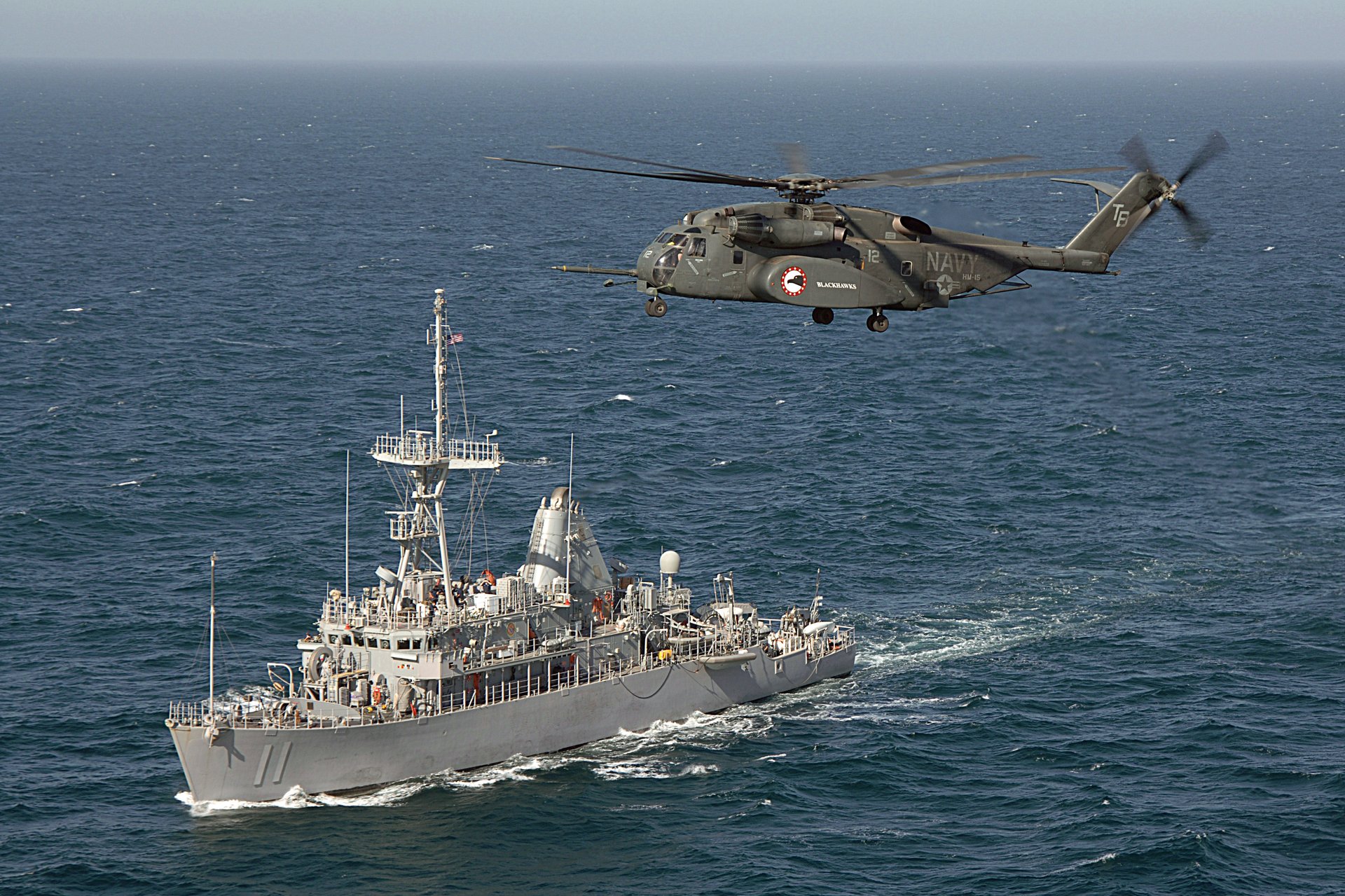
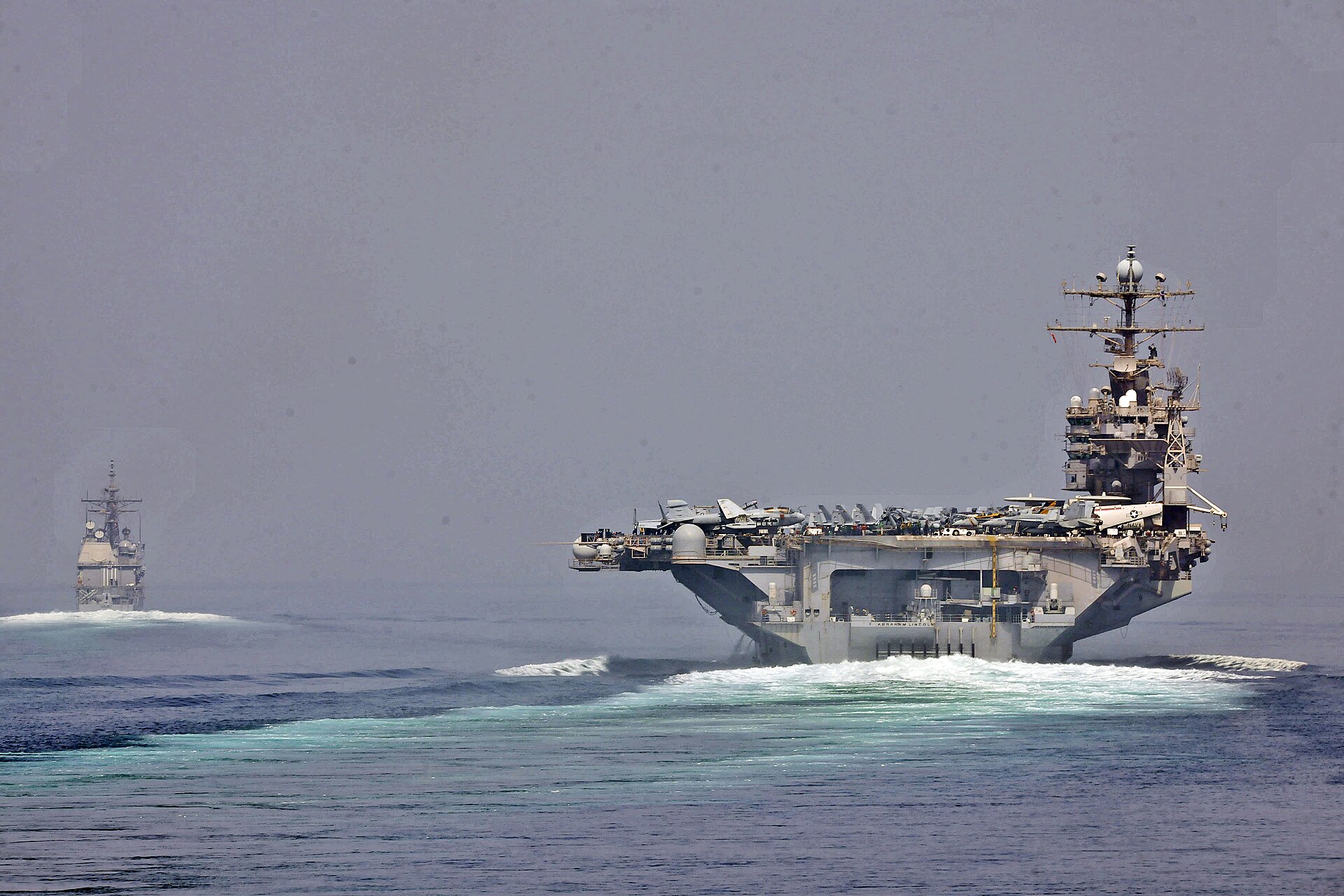
The Washington Post reported Wednesday that attacks on commercial ships have spread beyond the immediate Strait of Hormuz area into broader Persian Gulf shipping lanes, with at least three cargo vessels damaged in the past 48 hours. The U.S. Navy’s Fifth Fleet, based in Bahrain, is weighing plans for a convoy escort operation — dubbed “Operation Epic Escort” by USNI News — but Pentagon officials have acknowledged that protecting individual tankers across hundreds of miles of contested waters would strain available naval assets. Energy Secretary Chris Wright subsequently admitted the Navy was simply not ready to begin escort operations, despite the president having promised them ten days earlier.
Saudi Arabia’s Pipeline Gamble to Bypass the Blockade
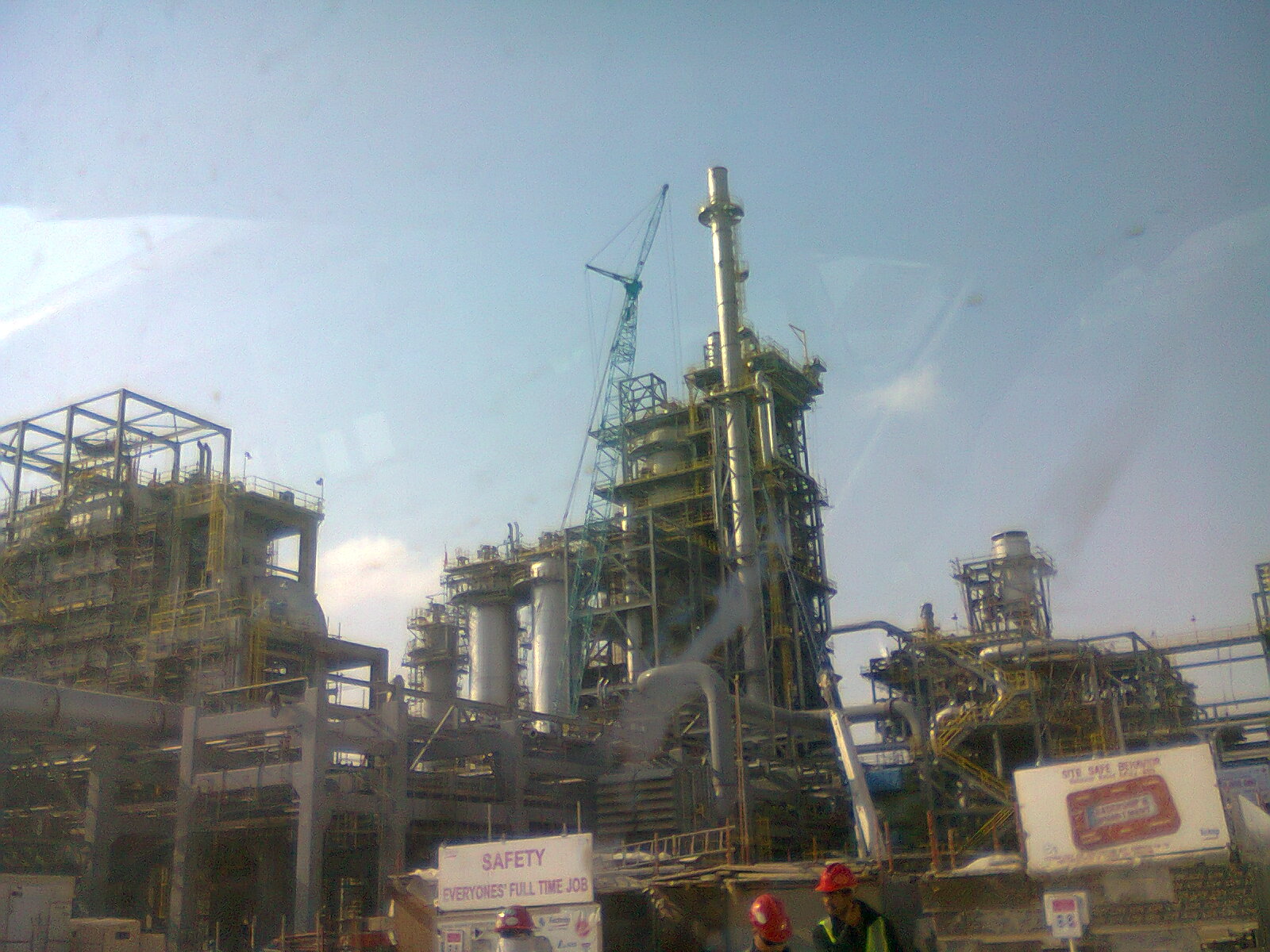
Saudi Arabia has moved faster than any other Gulf state to mitigate the blockade, activating its 750-mile East-West Pipeline — also known as the Petroline — to reroute crude from the oil-rich Eastern Province to the Red Sea port of Yanbu. Aramco chief executive Amin Nasser said on Tuesday that flows through the pipeline would reach its full daily capacity of 7 million barrels within days, according to Bloomberg.
The results are already visible in export data. Yanbu’s oil exports surged to approximately 2.47 million barrels per day, a 330 percent increase from pre-war levels, according to Al Arabiya. Saudi Arabia has effectively tripled its Red Sea export volumes, according to the Daily News Egypt, in the most dramatic geographic reorientation of Saudi oil flows since the pipeline was first built in the 1980s as an insurance policy against precisely this scenario.
The pipeline’s activation was anticipated by energy analysts who had flagged Saudi Arabia’s unique advantage among Gulf producers: the Kingdom is the only major exporter with a fully operational cross-country pipeline capable of bypassing Hormuz entirely. The UAE’s ADCOP pipeline to Fujairah carries roughly 1.5 million barrels per day, but Iraq, Kuwait, Qatar, and Bahrain have no comparable bypass infrastructure.
Even with the pipeline running at capacity, however, Saudi Arabia has been forced to cut total output. Bloomberg reported on March 9 that the Kingdom reduced production from its pre-war rate of approximately 10.1 million barrels per day to between 8 and 9 million barrels per day. OPEC’s monthly data, released March 11, showed that Saudi Arabia had pumped 10.882 million barrels per day in February — an 8 percent increase from January — suggesting Riyadh anticipated the disruption and built up inventories in the weeks before the war began.
Oil Prices and the Limits of Emergency Reserves
Brent crude traded at approximately $100.84 per barrel on Thursday, with intraday swings between $99.53 and $101.78, according to Investing.com. The benchmark has risen roughly 60 percent from its level at the start of 2026 and briefly touched $110 during the first week of the war before the IEA reserve release announcement temporarily calmed markets.
The IEA’s coordinated 400-million-barrel emergency stockpile release, the largest in the agency’s history, was announced on March 11 — just one day before the monthly report confirmed the 8-million-barrel supply gap. CNBC reported that the decision to release reserves at this scale, equivalent to roughly 50 days of the current supply shortfall, signals that Western governments expect the disruption to persist for months rather than weeks.
Energy analysts at Goldman Sachs warned in a note this week that if the Hormuz blockade continues through the end of March, Brent could test $120 per barrel, a level not seen since 2022. The bank noted that strategic reserves provide a temporary buffer but cannot substitute for the sustained production that has been taken offline. Each week of continued blockade removes approximately 56 million barrels from global supply that no reserve release can permanently replace.
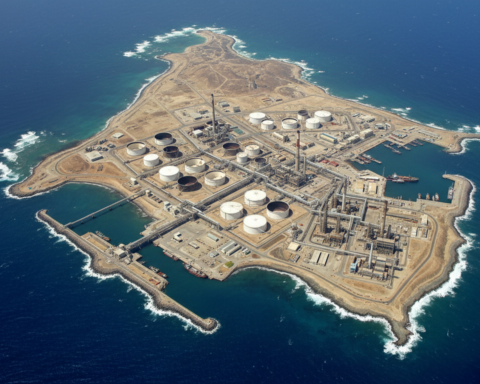
Washington has also moved to ease supply constraints from outside the Gulf. President Trump lifted sanctions on Russian oil exports as Brent surged past $100 a barrel, a concession designed to unlock additional non-Gulf crude at a moment when every available barrel carries strategic weight. The calculus shifted further after the US strike on Kharg Island that made Saudi oil untouchable, which neutralized Iran’s primary export terminal while leaving its petroleum infrastructure intact — effectively guaranteeing that Iranian barrels would not return to the market for months, if not years.
The price surge is already feeding through to consumer economies. The EIA, in its own short-term energy outlook updated this week, projected that U.S. gasoline prices would average $4.20 per gallon in March, up from $3.05 in January. In Europe, where dependence on Middle Eastern crude is more pronounced, diesel prices have risen 45 percent since the war began, according to the Financial Times.
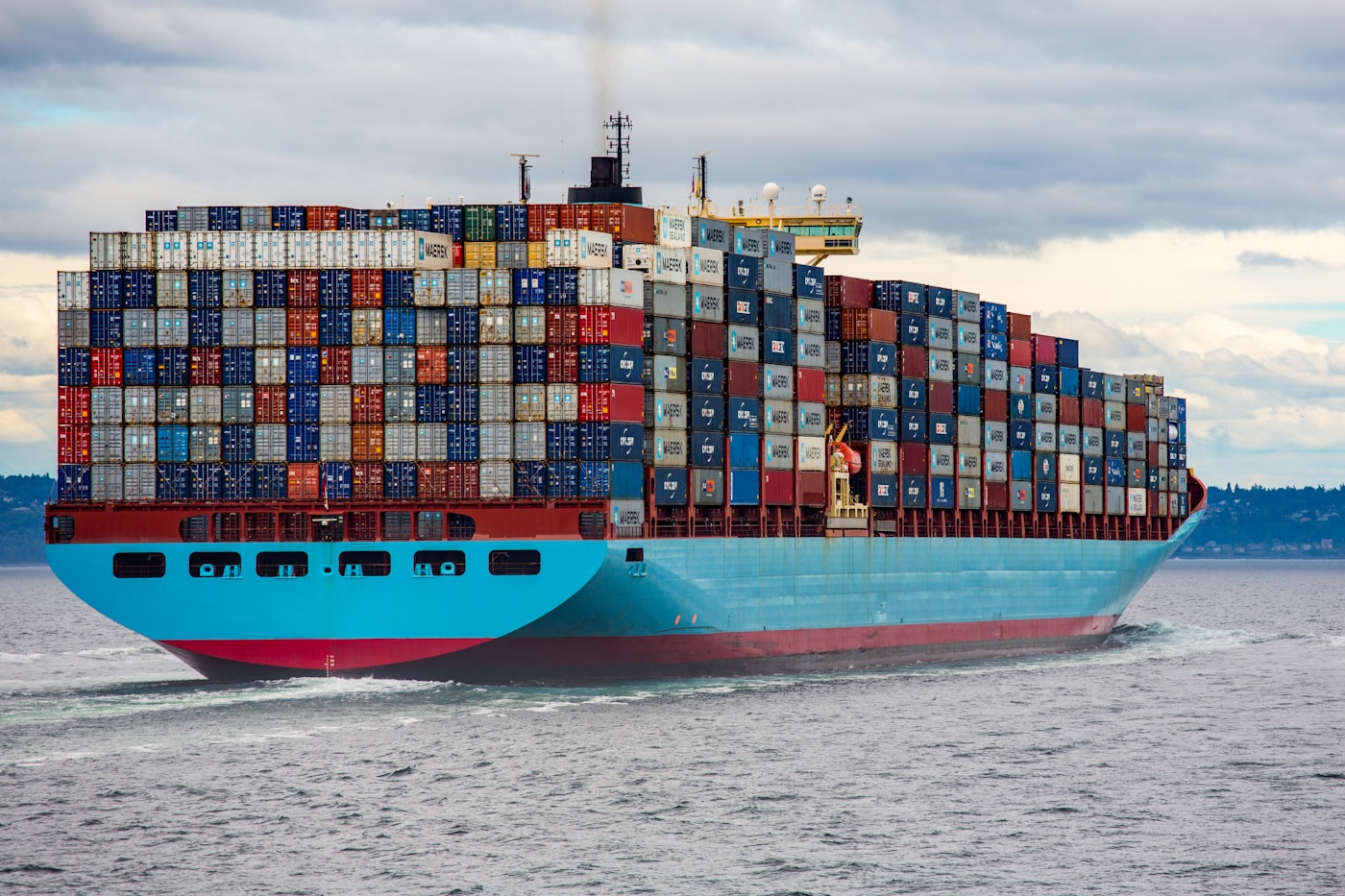
The disruption to LNG carriers is particularly consequential. While the oil supply crisis dominates headlines, the LNG supply emergency that dwarfs the oil shock is unfolding with fewer safety nets: unlike crude oil, there is no strategic reserve system for natural gas, leaving importing nations exposed to a supply gap that no coordinated release can fill.
Which Countries Face the Greatest Risk?
Japan and South Korea are the most immediately vulnerable major economies. Both nations import more than 80 percent of their crude oil from the Persian Gulf, and neither has pipeline alternatives available to Gulf producers. Japan holds approximately 175 days of strategic reserves, according to the IEA, but South Korea holds roughly 93 days — a cushion that begins to erode rapidly at current consumption rates if the blockade persists into April.
India, the world’s third-largest oil importer, faces a dual crisis. Roughly 60 percent of Indian crude imports transit the Strait of Hormuz, and approximately 9 million Indian citizens live and work in Gulf states now under Iranian missile and drone attack. New Delhi has so far avoided taking a public position on the war, according to Al Jazeera, but the economic pressure is mounting: the Indian rupee fell to record lows against the dollar this week as petroleum import costs surged. With strategic petroleum reserves covering just 9.5 days and 90 per cent of LPG imports cut off, India faces its worst energy crisis since the 1973 oil embargo.
European nations have activated their own strategic reserves and accelerated purchases of non-Gulf crude from West Africa, the North Sea, and the Americas. The EU’s energy commissioner said on Wednesday that Europe faces “no immediate risk” of supply shortages, according to EU News, but acknowledged that the price impact would be severe and sustained. European refiners configured to process Gulf medium-sour crude grades are particularly exposed, as alternative light-sweet crudes from the Atlantic Basin are not directly substitutable without refinery adjustments. The scale of Africa’s emerging oil renaissance suggests that these procurement shifts may prove permanent rather than temporary.
| Region | Gulf Import Dependency | Strategic Reserve (Days) | Key Vulnerability |
|---|---|---|---|
| Japan | ~80% | 175 | No pipeline alternatives, refinery grade mismatch |
| South Korea | ~82% | 93 | Smaller reserves, petrochemical sector at risk |
| India | ~60% | ~65 | 9 million citizens in Gulf, rupee pressure |
| China | ~45% | ~80 | Russian pipeline offsets some Gulf loss |
| European Union | ~20% | 90+ | Refinery grade mismatch, diesel shortage |
| United States | ~10% | ~380 | Domestic production offsets, but gasoline prices rising |
China, which imports roughly 45 percent of its crude from the Gulf, is better positioned than Japan or South Korea to absorb the shock. Beijing has been increasing pipeline imports from Russia’s Eastern Siberia-Pacific Ocean pipeline and from Central Asian suppliers, according to Bloomberg, and holds strategic reserves estimated at roughly 80 days of net imports. China has also maintained quiet contacts with Tehran throughout the conflict, positioning itself as a potential mediator while ensuring continued access to discounted Iranian crude shipped via non-Hormuz routes. Yet Beijing’s exposure remains far deeper than these buffers suggest, particularly in liquefied natural gas, where China’s Hormuz energy crisis reveals critical vulnerabilities that no pipeline can fill.
The Road Ahead for Global Energy Markets
The IEA’s report made clear that the global energy system has entered uncharted territory. No previous supply disruption has removed 8 million barrels per day from the market simultaneously. The 1990 Gulf War disrupted approximately 4.3 million barrels per day, and the 2011 Libyan crisis removed roughly 1.5 million barrels per day — both of which were resolved within months. The current disruption is nearly double the largest prior event and shows no signs of resolution.
Ceasefire negotiations remain stalled. Iranian President Masoud Pezeshkian laid out three conditions for ending hostilities on March 12 — recognition of Iran’s “legitimate rights,” reparations for damage from US-Israeli strikes that have killed over 1,200 Iranian civilians, and international guarantees against future military aggression, according to Al Jazeera. The United States and Israel have rejected the reparations demand outright, and the IRGC has threatened to escalate attacks on Gulf oil infrastructure if the war continues.
For Saudi Arabia, the crisis has validated decades of investment in bypass infrastructure while simultaneously exposing the limits of that investment. The East-West Pipeline can carry 7 million barrels per day, but the Kingdom was producing nearly 11 million barrels per day in February. The gap of approximately 3 to 4 million barrels per day represents revenue that simply cannot reach global markets until the strait reopens — costing Riyadh an estimated $300 million to $400 million per day in lost export income at current prices. The crude oil shortfall is compounded by a collapse in commercial shipping: on March 12, Saudi Arabia announced a Logistics Corridors Initiative to reroute container trade from the Persian Gulf to Red Sea ports, an acknowledgment that the blockade has disrupted far more than petroleum flows. The full economic balance sheet after fourteen days of war details how the price surge partially offset Saudi volume losses, creating a complex arithmetic of petrodollar resilience.
Energy analysts at the Oxford Institute for Energy Studies warned this week that even after a ceasefire, the normalization of Hormuz shipping could take months. Insurance markets will require sustained evidence of safety before reinstating standard rates. Shipping companies will demand naval escort guarantees. And the hundreds of tankers currently idling in the Gulf will create a bottleneck of their own as they attempt to transit simultaneously through a waterway that can handle only a limited number of laden supertankers per day.
The war in the Middle East is creating the largest supply disruption in the history of the global oil market.
International Energy Agency, Oil Market Report, March 2026
The IEA concluded its report with a stark warning. Even with the record 400-million-barrel reserve release providing a buffer, total IEA member stocks would last approximately 90 days at current net import levels. If the disruption extends beyond three months — a scenario that now appears increasingly plausible given the trajectory of the conflict — governments will face the choice between deeper reserve drawdowns, formal rationing, or both.
The duration of the supply disruption hinges on how quickly the Strait of Hormuz can be reopened — a challenge complicated by Iran’s deployment of thousands of naval mines that could take months to clear even after hostilities end.
The scale of the disruption raises urgent questions about whether the world’s strategic petroleum reserves — even at full drawdown — can sustain markets. A barrel-by-barrel accounting of global emergency stockpiles suggests they provide roughly fifty days of coverage before exhaustion.
Frequently Asked Questions
What is the IEA’s Oil Market Report?
The IEA’s Oil Market Report is a monthly publication by the International Energy Agency, based in Paris, that provides authoritative analysis of global oil supply, demand, prices, and inventories. The March 2026 edition confirmed that the Iran war has caused the largest recorded oil supply disruption, with global output falling by 8 million barrels per day due to the effective closure of the Strait of Hormuz.
How many oil tankers are stuck in the Persian Gulf?
Approximately 500 oil tankers remain anchored in the Persian Gulf as of March 13, 2026, according to MarineTraffic vessel-tracking data reported by CBS News. Only five tankers departed the area in the previous 24 hours, reflecting the near-complete shutdown of the Strait of Hormuz to commercial shipping since Iran’s IRGC imposed transit restrictions in early March.
How is Saudi Arabia bypassing the Strait of Hormuz?
Saudi Arabia is using its 750-mile East-West Pipeline, also known as the Petroline, to move crude from the Eastern Province to the Red Sea port of Yanbu. Aramco CEO Amin Nasser said the pipeline would reach its full capacity of 7 million barrels per day within days. Yanbu exports have already surged 330 percent above pre-war levels, making the Red Sea Saudi Arabia’s primary export route for the first time since the pipeline was built in the 1980s.
How long can emergency oil reserves last?
IEA member countries hold approximately 4.1 billion barrels in government and industry stocks, equivalent to roughly 90 days of net imports. The March 11 coordinated release of 400 million barrels was the largest in the agency’s history. However, the IEA warned that reserves are a “stop-gap measure” and cannot indefinitely replace the 8 million barrels per day currently offline. If the disruption lasts beyond three months, governments may face rationing decisions.
When could the Strait of Hormuz reopen to oil tankers?
No timeline for reopening exists. Iran’s new Supreme Leader Mojtaba Khamenei vowed on March 12 to keep the strait closed as a “tool of pressure,” while ceasefire negotiations between Iran, the US, and Israel remain stalled over reparations and security guarantees. Energy analysts at the Oxford Institute for Energy Studies have warned that even after a ceasefire, normalizing Hormuz shipping could take months as insurance markets, shipping companies, and naval forces reassess conditions.