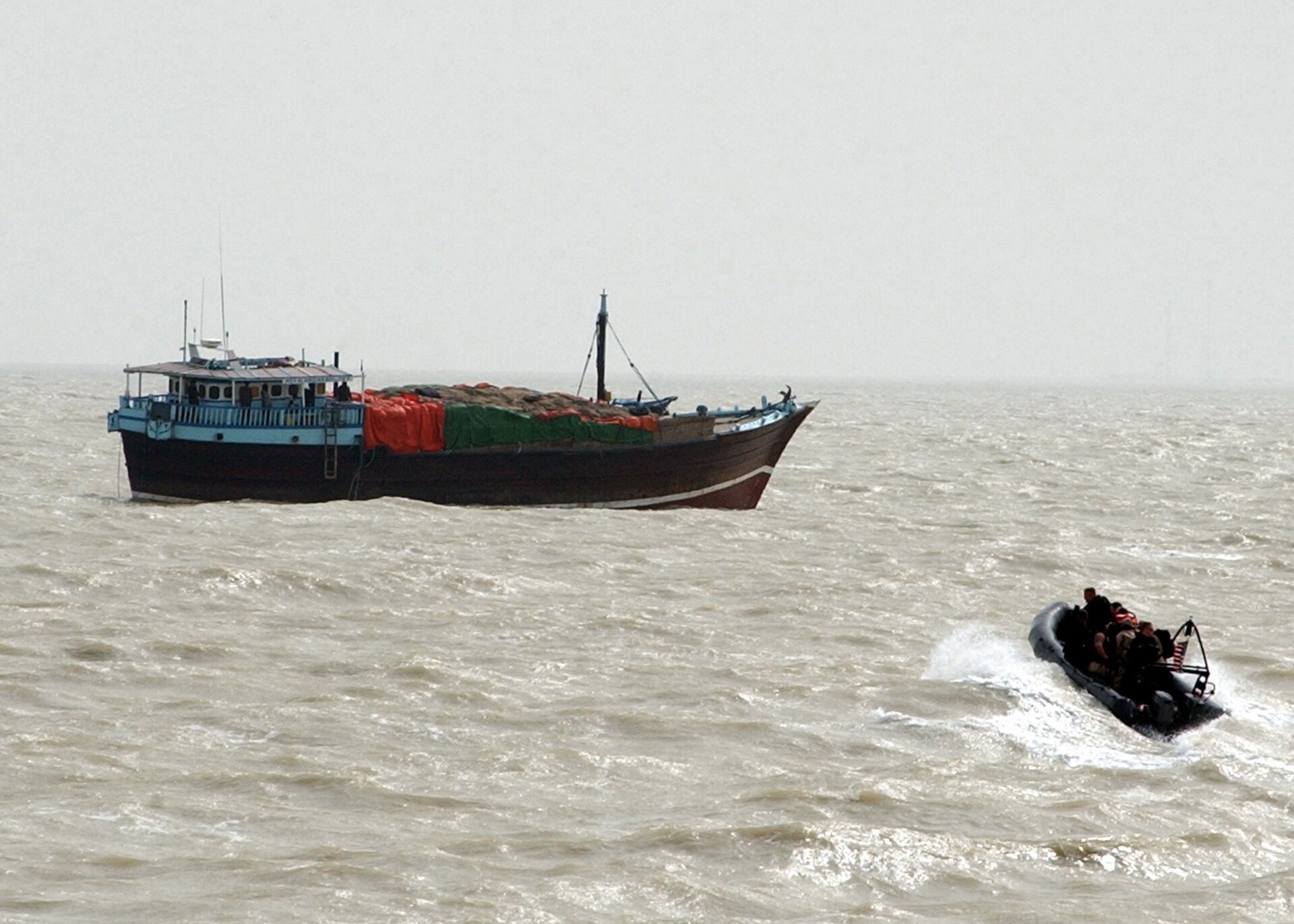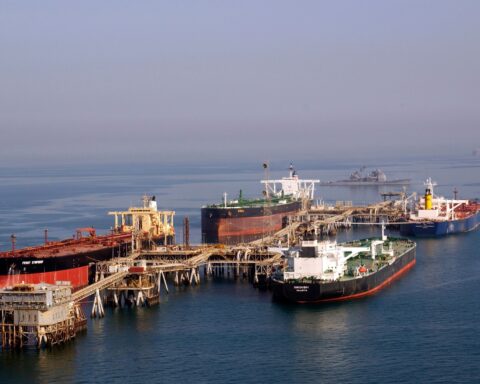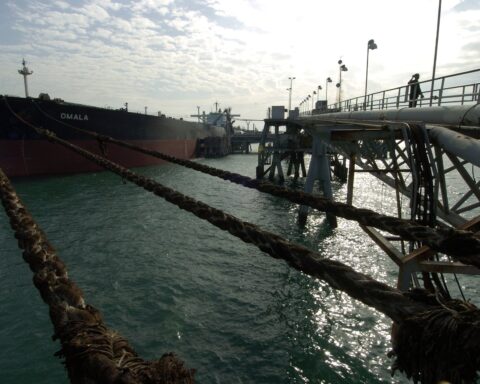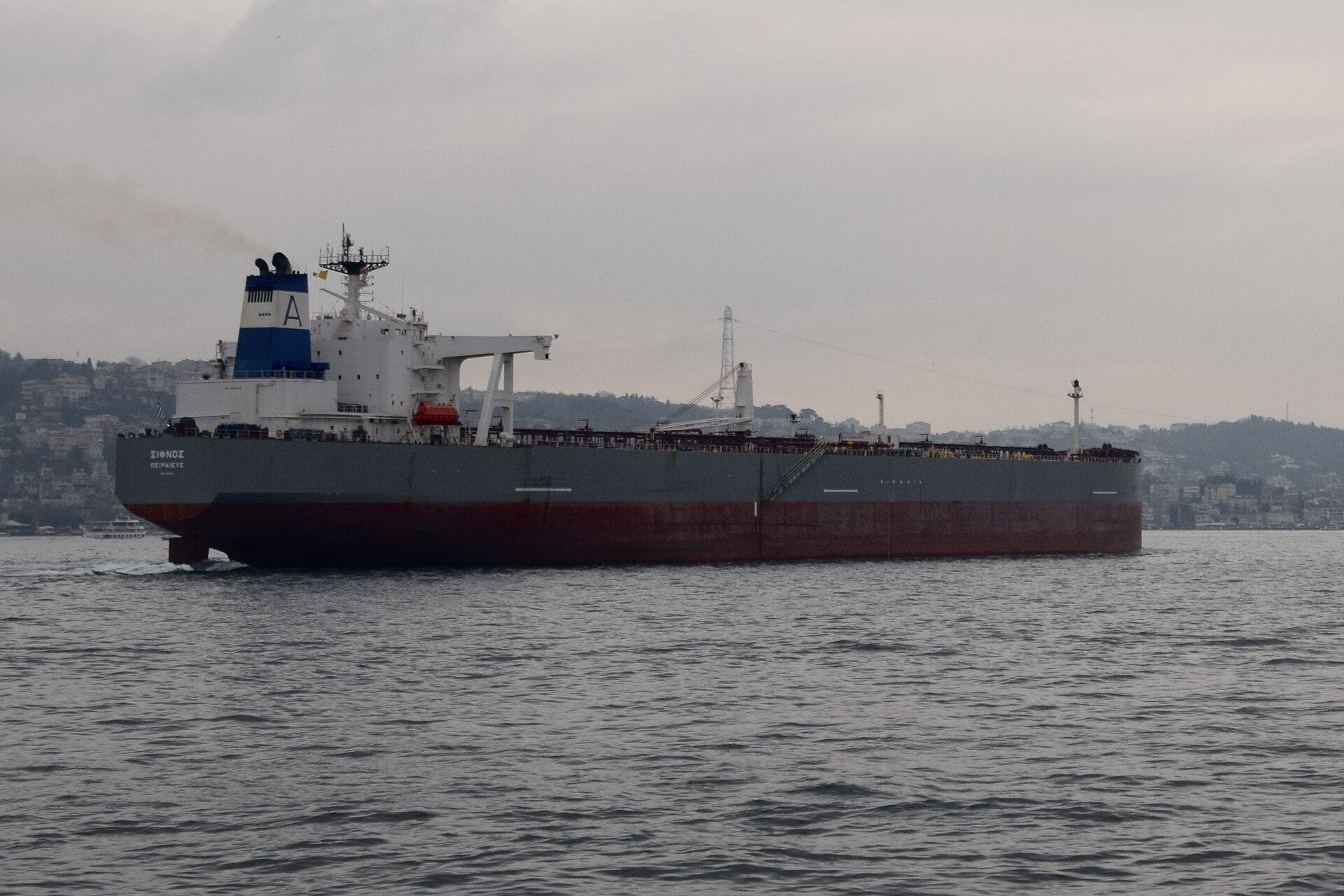

LONDON — The Strait of Hormuz did not close because Iran mined it, torpedoed a tanker, or deployed enough fast-attack craft to physically halt twenty-one million barrels of daily oil transit. It closed because seven of the twelve insurance clubs that collectively underwrite ninety per cent of the world’s ocean-going tonnage cancelled their war risk cover within seventy-two hours of the first American strike on Iranian soil. By March 5, 2026 — five days into the war — tanker traffic through the strait had collapsed by more than ninety-five per cent, from a pre-crisis average of one hundred and thirty-eight daily transits to fewer than four. The most consequential blockade of the twenty-first century was enforced not by the Islamic Revolutionary Guard Corps navy but by actuaries in London, reinsurers in Zurich, and Protection and Indemnity clubs scattered across Scandinavia and the City of London.
Saudi Arabia, the world’s largest crude exporter and the nation with the most to lose from a sealed Hormuz, now confronts an adversary that no Patriot battery can intercept and no F-15 can shoot down. The insurance withdrawal has added between five and twenty dollars to the cost of every barrel of Gulf crude, rerouted Aramco’s entire export operation to the Red Sea port of Yanbu, and trapped approximately two hundred non-sanctioned tankers and forty thousand seafarers inside the Persian Gulf. Understanding how the insurance mechanism functions as a de facto blockade — and why restoring coverage may prove harder than reopening the physical strait — is essential to grasping the true strategic architecture of the 2026 Iran war.
Table of Contents
- How Did Insurance Close the Strait of Hormuz?
- What Do War Risk Premiums Actually Cost?
- Why Did P&I Clubs Cancel Coverage?
- The Blockade Escalation Ladder
- How Are Shipping Companies Responding?
- What Does the Insurance Crisis Mean for Saudi Arabia?
- Iran’s Actuarial Warfare
- Can Washington’s $20 Billion Insurance Backstop Reopen the Strait?
- The 1987 Precedent That Didn’t Work
- The Ticking Clock of Constructive Total Loss
- The Real Blockade Is Not Where You Think
- Frequently Asked Questions
How Did Insurance Close the Strait of Hormuz?
Within forty-eight hours of the coordinated American-Israeli strikes on Iranian nuclear and military infrastructure on February 28, 2026, the global maritime insurance market underwent a structural seizure. War risk premiums surged fivefold. Major marine insurers terminated existing coverage and offered replacements at roughly sixty times pre-crisis rates. Lloyd’s Joint War Committee redesignated the entire Arabian Gulf — from the waters around Bahrain and Kuwait to the Gulf of Oman — as a conflict zone. Tanker traffic collapsed by more than eighty per cent before a single Iranian mine had been confirmed in the shipping lanes.
The mechanism was brutally simple. Commercial shipping cannot operate without three layers of insurance: hull and machinery cover, which protects the physical vessel; Protection and Indemnity cover, which handles third-party liabilities including crew injury and pollution; and cargo cover, which insures the oil, gas, or goods on board. Remove any one layer and a shipowner faces unlimited personal exposure. No responsible operator will send a vessel — often valued at one hundred to two hundred and fifty million dollars — into an active conflict zone without all three.
Iran did not need to destroy every vessel transiting the strait. It needed only to establish a credible threat sufficient to convince London’s underwriters that the risk-reward calculus had shifted irreversibly. A handful of drone strikes on tankers near Fujairah, a VHF broadcast declaring the strait “closed,” and the IRGC’s March 2 announcement threatening the “targeting” of vessels created exactly the conditions that insurance markets are designed to price. The result, according to the Irregular Warfare Center at the Modern War Institute, was an “insurance-driven shutdown” that achieved in four days what Iran’s conventional navy could not have accomplished in four months.
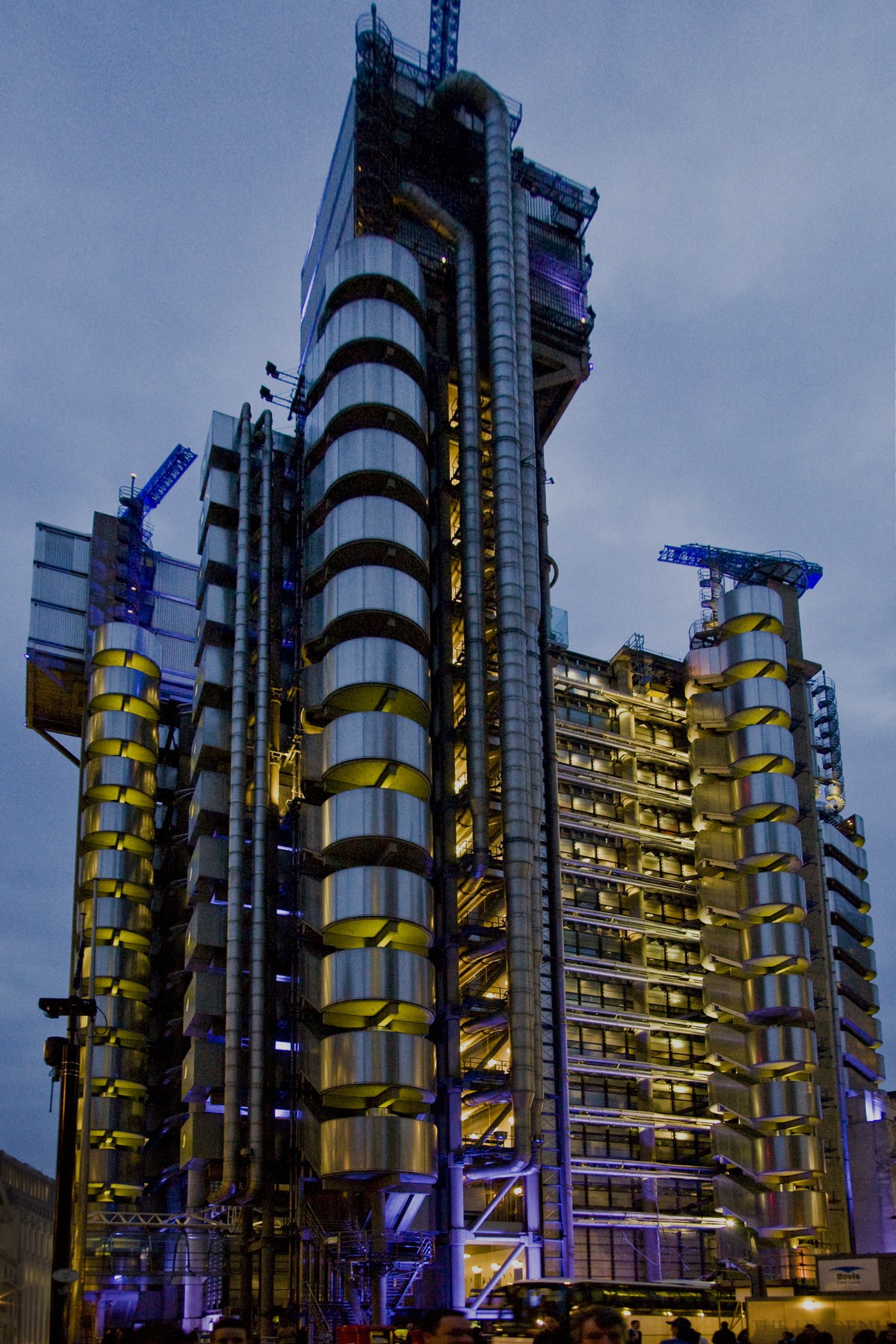
What Do War Risk Premiums Actually Cost?
The numbers tell a story more dramatic than any military communique. Before the war, a standard hull war risk premium for a Persian Gulf transit cost approximately 0.125 to 0.25 per cent of a vessel’s insured value — a rounding error in the economics of a supertanker voyage. On a vessel valued at one hundred and twenty million dollars, that translated to roughly forty thousand dollars per trip, according to S&P Global Market Intelligence.
The escalation was vertical. Within the first forty-eight hours after strikes began, premiums surged to between 0.5 and 1 per cent of vessel value — a fivefold increase. By March 6, hull war insurance had reached approximately 3 per cent of vessel value. By March 19, rates for Strait of Hormuz transit specifically had climbed to 5 per cent of hull value, according to insurance industry data cited by the Insurance Journal — roughly five times higher than rates in the earliest phase of the conflict and forty times higher than pre-war levels.
| Date | Rate (% of Hull Value) | Cost on $120M Vessel | Change vs Pre-War |
|---|---|---|---|
| Pre-war (Feb 27) | 0.125-0.25% | $40,000 | Baseline |
| March 1-3 | 0.5-1.0% | $600,000-$1.2M | 4-8x increase |
| March 6 | ~3.0% | $3.6M | 24x increase |
| March 19 | ~5.0% | $6.0M | 40x increase |
| Late March (sanctioned vessels) | Uninsurable | N/A | Coverage unavailable |
Lloyd’s List reported that war risk premiums had topped “double-digit millions of dollars per trip” for larger vessels. On a two-hundred-and-fifty-million-dollar Very Large Crude Carrier, a 3 per cent premium translates to seven and a half million dollars for a single voyage — compared to six hundred and twenty-five thousand dollars before the war. Dr Michel Leonard of the Insurance Information Institute described the pricing logic succinctly: “It’s like insuring a burning building.”
The premium escalation operates on a renewal cycle that compounds the pressure. Unlike conventional insurance policies measured in annual terms, war risk cover in the Gulf now renews every seven days. Each renewal represents a fresh risk assessment, and each Iranian drone strike, each IRGC broadcast, each confirmed vessel hit resets the calculation upward. David Smith of McGill and Partners, a London-based specialist broker, noted that “each underwriter is invariably increasing rates or declining to offer terms” — a market reality that has transformed the war premium on Gulf oil from a temporary surcharge into a structural feature of the global energy market.
Why Did P&I Clubs Cancel Coverage?
The most consequential decisions came not from Lloyd’s syndicates or commercial hull insurers but from the twelve members of the International Group of Protection and Indemnity Clubs — the mutual associations that collectively insure approximately ninety per cent of the world’s ocean-going tonnage. Seven of these twelve clubs executed identical cancellation notices on March 1, 2026, giving shipowners just seventy-two hours before coverage terminated.
The seven clubs — Gard AS, NorthStandard, Assuranceforeningen Skuld, Steamship Mutual, the American Club, the Swedish Club, and the London P&I Club — each cited the same justification: “materially heightened geopolitical and operational uncertainty, tightening reinsurance appetite, and escalating kinetic risk.” The synchronised timing was not coordinated in the cartel sense; it reflected a common trigger. When major reinsurers — the companies that insure the insurers — withdrew capacity for war risk exposures in the Gulf, the P&I clubs had no choice but to follow. As one industry source told Lloyd’s List, “once reinsurers issue notice, clubs must follow to remain back-to-back with their reinsurance protections.”
The geographic exclusion zone was sweeping: Iran and Iranian waters to twelve nautical miles offshore, the Persian and Arabian Gulf and adjacent waters, the Gulf of Oman, and all waters west of a boundary line running from Oman’s Cape al-Hadd to the Iran-Pakistan border. Skuld’s formal notice invoked specific cancellation clauses across owners’ coverage, charterers’ coverage, offshore coverage, and yacht coverage. The club offered a buy-back option effective March 9 — but at rates that reflected wartime pricing.
A critical distinction, highlighted by Lloyd’s List, deserves emphasis: P&I clubs cancelled their war risk extensions, not all P&I cover. Mutual liability coverage remained intact. But without war risk extensions, a shipowner who sent a vessel into the Gulf and suffered a war-related loss — a drone strike, a mine detonation, collateral damage from a missile interception — would bear the full financial exposure personally. The practical effect was identical to a complete withdrawal: no rational operator would accept that risk.
The Blockade Escalation Ladder
The conventional understanding of a naval blockade assumes warships, mines, submarines, and physical interdiction. The 2026 Hormuz crisis reveals a more sophisticated architecture. The blockade functions through four escalating layers, each reinforcing the others, creating a compound barrier that is far more effective than any single mechanism alone.
| Layer | Mechanism | Actors | Threshold to Activate | Difficulty to Reverse |
|---|---|---|---|---|
| Layer 1: Threat Signalling | IRGC broadcasts, drone demonstrations, publicly declared “closure” | Iran | Low — requires only credible statements and minimal kinetic action | Moderate — requires sustained ceasefire |
| Layer 2: Insurance Withdrawal | P&I cancellations, war risk premium spikes, reinsurer retreat | London, Zurich, Scandinavia | Very low — activated by Layer 1 alone | High — requires months of stability data |
| Layer 3: Commercial Suspension | Shipping line route cancellations, port closures, charter refusals | Maersk, Hapag-Lloyd, MSC, CMA CGM | Automatic — follows Layer 2 | High — requires Layer 2 reversal first |
| Layer 4: Physical Interdiction | Mines, fast-attack boats, anti-ship missiles, naval patrols | IRGC Navy | High — requires significant military commitment | Very high — requires minesweeping, naval dominance |
The critical insight is that Layer 4 — the physical blockade — is the most expensive, most risky, and least necessary component. Iran activated Layers 1 and 2 within forty-eight hours using a handful of drone strikes and a VHF radio broadcast. Layers 2 and 3 cascaded automatically through market mechanisms. The IRGC never needed to deploy the thousands of mines, hundreds of fast-attack craft, and dozens of anti-ship cruise missiles that Western war-planners had modelled for decades. The insurance market did the work for them.
This represents a fundamental shift in the doctrine of maritime interdiction. As Dr John Hatzadony wrote in the Irregular Warfare Center’s analysis published March 24, “in the contemporary globalised economy, a sufficiently credible threat — backed by minimal kinetic activity — can achieve commercial closure through the rational risk-avoidance behaviour of insurance markets, without the full conventional naval capability historically required to enforce a blockade.” The implication for Saudi Arabia and every Gulf state dependent on maritime energy exports is profound: the bar for disrupting global oil supply has dropped dramatically. Any actor capable of launching a credible strike on a single vessel in a chokepoint can trigger a cascading insurance withdrawal that achieves the strategic effect of a full naval blockade.
How Are Shipping Companies Responding?
The world’s largest container shipping lines and tanker operators made their decisions with a speed that underscored the insurance market’s power. Maersk, the Danish shipping giant that moves roughly one-fifth of the world’s container trade, suspended all vessel crossings through the Strait of Hormuz until further notice and paused future Trans-Suez sailings through the Bab el-Mandeb Strait. Its ME11 and MECL services — connecting the Middle East and India to the Mediterranean and the American East Coast — were rerouted around the Cape of Good Hope, adding ten to fourteen days and approximately one million dollars in additional fuel costs per voyage.
Hapag-Lloyd, the German-based carrier, implemented a War Risk Surcharge effective March 2: fifteen hundred dollars per standard container and thirty-five hundred dollars per refrigerated container for cargo bound for Iraq, Bahrain, Kuwait, Qatar, Oman, the UAE, Yemen, and Saudi Arabian ports at Dammam and Jubail. CMA CGM instructed all vessels inside the Gulf and bound for the region to proceed to shelter. MSC, the world’s largest container line by capacity, suspended all bookings for worldwide cargo to the Middle East and instructed its fleet to proceed to designated safe shelter areas.
The tanker market reacted with even greater violence. Daily charter rates for Very Large Crude Carriers surged to an all-time high of four hundred and twenty-three thousand, seven hundred and thirty-six dollars on March 3 — a ninety-four per cent increase from the previous trading day, according to Bloomberg data. A single VLCC fixture recorded on March 7 reached seven hundred and seventy thousand dollars per day. Worldscale rates hit seven hundred points, a more than threefold increase from February 27. South Korean shipping company Sinokor, which controls roughly a quarter of the spot VLCC fleet, demanded the equivalent of approximately twenty dollars per barrel to transport oil from the Middle East to China — eight times the pre-war rate of two dollars and fifty cents.
An estimated two hundred and fifty thousand containers remained stranded across the region. Freight rates on some lanes surged as much as nine hundred per cent. The ghost fleet now transiting the strait comprises almost exclusively sanctioned, high-risk, or uninsured vessels — the maritime equivalent of a war zone’s no-man’s land.
What Does the Insurance Crisis Mean for Saudi Arabia?
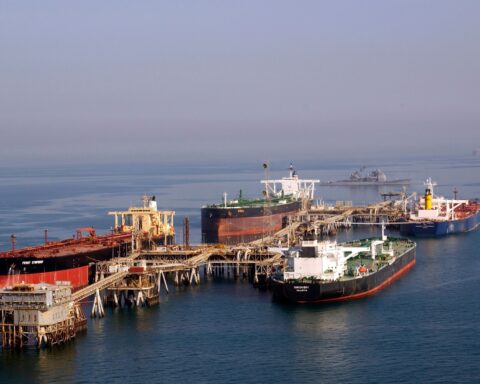
For Saudi Arabia, the insurance withdrawal represents a strategic vulnerability that cannot be resolved through military means. Aramco’s largest export terminal at Ras Tanura — with a refinery capacity of five hundred and fifty thousand barrels per day — halted operations as a precautionary measure after the first Iranian drone strikes reached the Eastern Province. The kingdom rerouted its entire exportable crude production through the 1,201-kilometre East-West Pipeline, from the Abqaiq processing facility to the Red Sea port of Yanbu.
Crude exports from Yanbu surged to a five-day rolling average of 3.66 million barrels per day — approximately half of Saudi Arabia’s pre-crisis export levels and close to the practical loading capacity of roughly four to four and a half million barrels per day. The Yanbu route avoids the Strait of Hormuz entirely, but it introduces new constraints. Ships departing Yanbu must still navigate the Bab el-Mandeb Strait, another chokepoint that has faced Houthi-linked security threats. The pipeline itself, running across more than a thousand kilometres of desert terrain, represents a concentrated point of vulnerability that Iran could target with cruise missiles or long-range drones.
The cost implications cascade through every level of the Saudi oil value chain. Insurance now adds between five and fifteen dollars to every barrel of Gulf crude, according to industry estimates compiled by the Strauss Center at the University of Texas. The Goldman Sachs commodity desk estimated in early March that traders demanded approximately fourteen dollars per barrel more than pre-conflict prices as a pure geopolitical risk premium. Brent crude surpassed one hundred dollars per barrel on March 8, peaked at one hundred and twenty-six dollars, and remains above one hundred dollars — a level that generates enormous revenue for Aramco but simultaneously signals a market structure that could accelerate the long-term energy transition Saudi Arabia has spent billions trying to shape.
The fourth great oil shock has transformed Saudi Arabia’s competitive position in ways that defy simple calculation. Higher prices generate windfall revenue. But if the insurance market remains closed — if Gulf crude permanently carries a five-to-twenty-dollar war premium — buyers in Asia, Europe, and the Americas will accelerate their pivot to alternative suppliers in West Africa, Brazil, Guyana, and the Permian Basin. The fifty years of Saudi dependence on Hormuz may have ended, but the market dynamics that made Saudi oil indispensable are shifting underneath Aramco’s feet.
Iran’s Actuarial Warfare
Tehran’s strategists understood something that decades of Western war-gaming had overlooked: in a globalised economy connected by insurance contracts, letters of credit, and reinsurance treaties, the target is not the ship but the spreadsheet. The IRGC’s March 2 announcement declaring the Strait of Hormuz “closed” and threatening the “targeting” of all vessels was not primarily a military communication directed at naval commanders. It was an actuarial communication directed at underwriters.
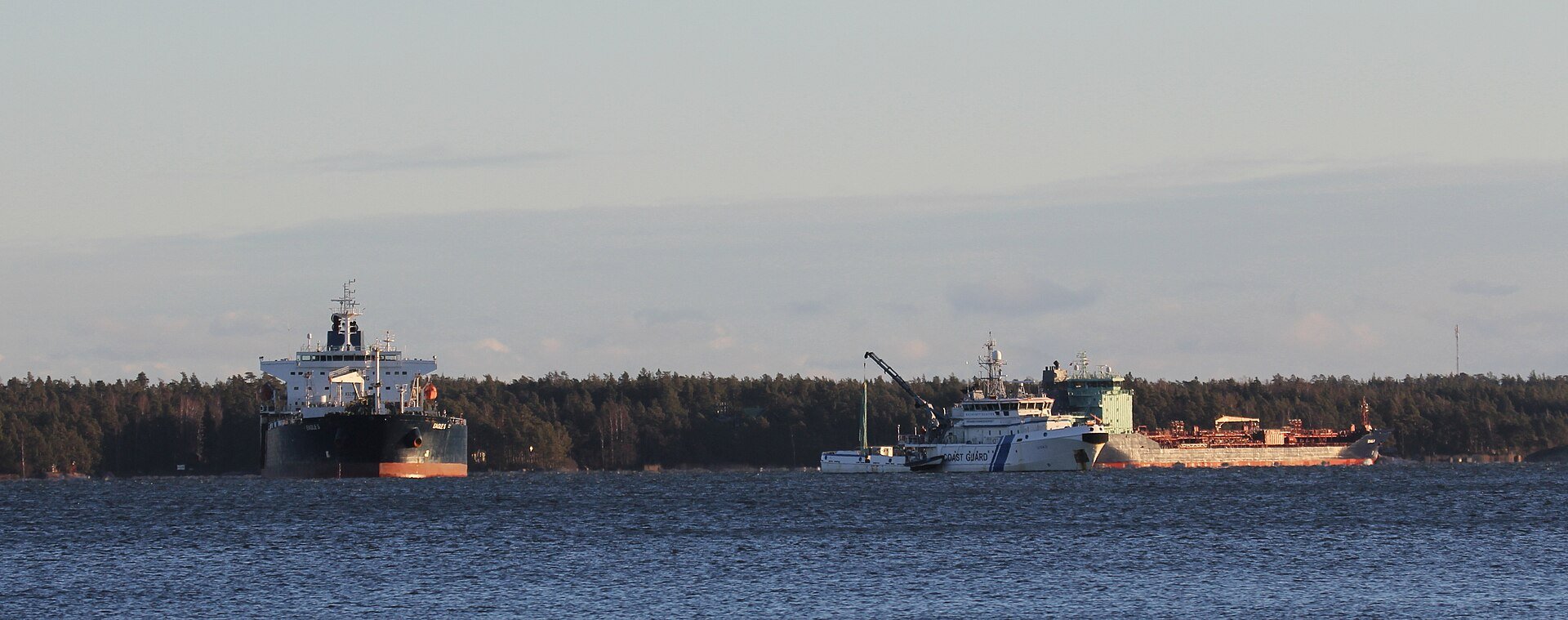
The strategy required remarkably little kinetic investment. Windward AI data shows that at least eleven confirmed vessel strikes occurred in the first three weeks of the war: the Skylight, Mkd Vyom, Sea La Donna, Hercules Star, Stena Imperative, Athe Nova, Ocean Electra, Safeen Prestige, Musaffah 2, Prima, and Sonagal Namibe. By March 18, approximately twenty vessels had been damaged, with at least six seafarer deaths confirmed. Measured against the 1980-88 Tanker War — in which Iraq and Iran collectively struck over four hundred vessels — the 2026 campaign achieved far greater strategic effect with a fraction of the kinetic output.
The IRGC supplemented its physical strikes with electronic warfare that compounded insurer anxiety. More than sixteen hundred and fifty vessels experienced GPS and AIS interference on a single day — March 7 — representing a fifty-five per cent increase over the previous week, with more than thirty jamming clusters detected across the Gulf region. AIS spoofing creates uncertainty about vessel positions, speeds, and identities — precisely the kind of ambiguity that insurance risk models cannot tolerate.
Iran’s approach inverts the traditional cost calculus of asymmetric warfare. A Shahed drone costs roughly thirty thousand dollars. A single VLCC carries two million barrels of crude worth approximately two hundred million dollars. The drone does not need to sink the tanker; it needs only to scratch the hull, trigger a fire alarm, or force a diversion. Each incident feeds into the insurance market’s risk models, nudging premiums higher, pushing more shipowners to suspend transits, and tightening the economic noose around every Gulf state dependent on maritime energy exports.
Munro Anderson of Vessel Protect, a specialist maritime risk consultancy, captured the dynamic precisely: “The market is facing a de facto close based primarily around perception of threat.” Perception, not destruction, is the weapon. The IRGC figured out that targeting London’s actuaries is cheaper, more effective, and less escalatory than targeting the US Fifth Fleet.
Can Washington’s $20 Billion Insurance Backstop Reopen the Strait?
The Trump administration’s response to the insurance crisis has centred on a twenty-billion-dollar public-private reinsurance facility, announced on March 6 and structured through the US International Development Finance Corporation in coordination with the Treasury Department. Chubb, one of the world’s largest property and casualty insurers, was named as lead underwriter on March 11, with responsibility for managing the facility, determining pricing and terms, assuming risk, issuing policies, and managing claims.
The facility was expanded on March 20 to include liability coverage — a critical addition after Moody’s Senior Vice President Benjamin Serra warned that the exclusion of liability would be “a deal-killer” for shipowners. Serra specifically cited the risk of “massive pollution for the beaches of Dubai” — an uninsurable catastrophic scenario that no shipowner would accept.
The twenty-billion-dollar facility represents a significant government intervention in a market that has historically operated on commercial principles alone. Yet three weeks after its announcement, it has failed to restart meaningful commercial traffic through the strait. The reasons illuminate the limits of state power against market logic.
Shipowners and their insurers assess risk through actuarial models that weigh probability, severity, and correlation. The DFC facility addresses severity — it provides a financial backstop for war losses. It does not address probability — the ongoing kinetic threat to vessels transiting the strait — or correlation — the risk that a single catastrophic event could simultaneously trigger claims across dozens of insured vessels. As the Lloyd’s Market Association’s CEO Sheila Cameron noted, approximately one thousand vessels worth exceeding twenty-five billion dollars remain in Persian and Arabian Gulf waters. A coordinated Iranian strike on anchored vessels could generate claims that would test even a twenty-billion-dollar facility.
More fundamentally, insurance is only one input in a shipowner’s decision calculus. The Lloyd’s Market Association issued a pointed statement on March 23: “The reason ships are not moving is not through a lack of insurance; it is a question of the risk to crew and vessel safety being assessed by the ship masters and owners as too high.” No insurance policy compensates for dead seafarers. The forty thousand sailors currently trapped aboard vessels on either side of the strait are a human dimension that no financial facility can address.
The 1987 Precedent That Didn’t Work
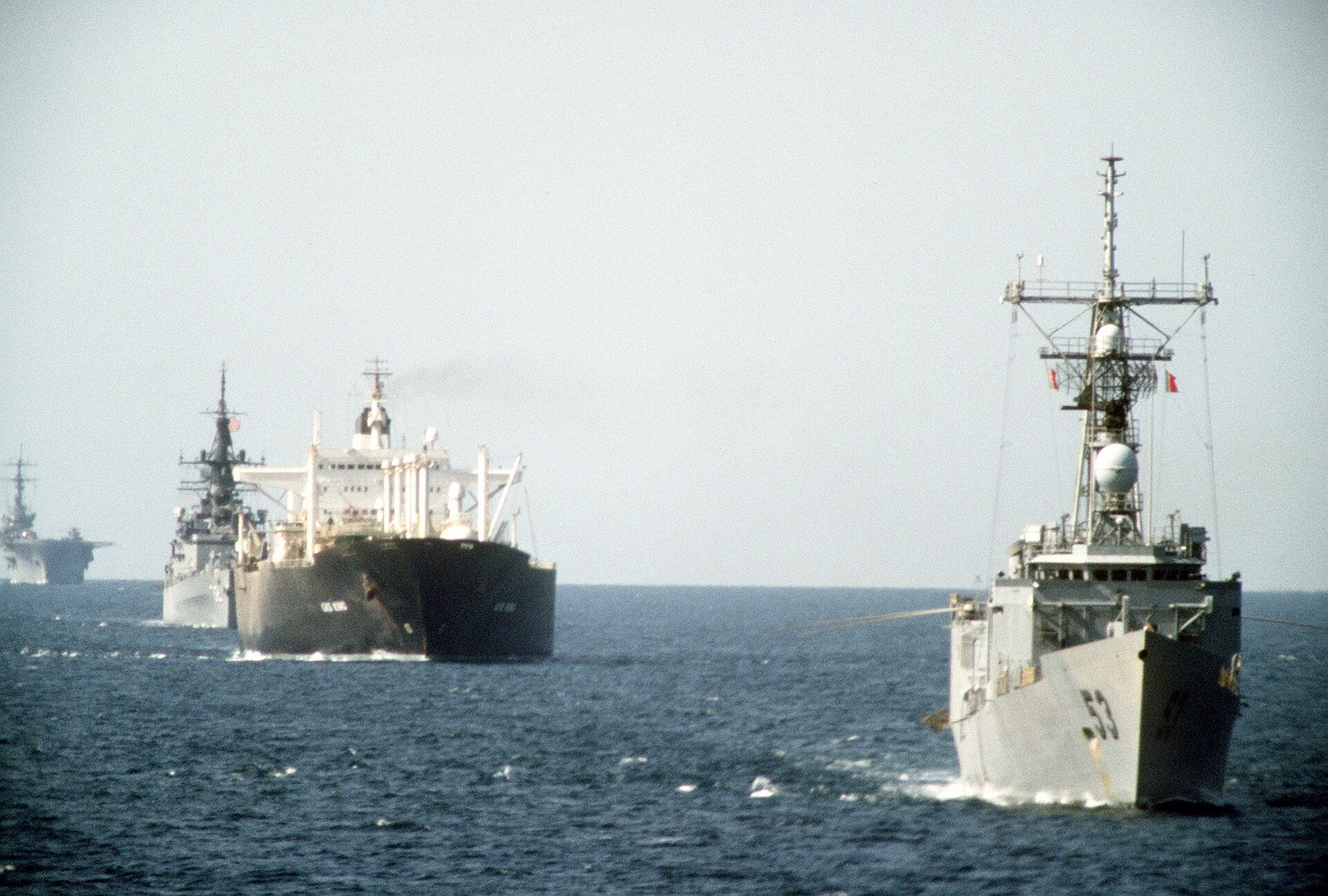
The closest historical parallel — and the one most frequently cited by policymakers advocating for a naval escort solution — is Operation Earnest Will, the largest US naval convoy operation since the Second World War. From July 1987 to September 1988, the US Navy escorted reflagged Kuwaiti tankers through the Strait of Hormuz during the Iran-Iraq Tanker War, in which Iraq and Iran collectively struck over four hundred merchant vessels.
The parallels are instructive but the differences are more revealing. During the 1980s Tanker War, insurance premiums for the Gulf reached 5 per cent of hull value at peak — roughly comparable to current rates. After Iraq attacked the Saudi tanker Yanbu Pride in May 1984, hull rates for Kharg Island loadings climbed to 7.5 per cent. Total insurance claims by the war’s end reached two billion dollars, with half falling on the Lloyd’s market. By 1981 alone, underwriters had accrued an estimated five hundred and seventy-five million dollars in losses.
Operation Earnest Will did eventually reduce premiums — but slowly. The operation began in July 1987 and insurance rates did not stabilise until well into 1988. Strategic measures like reflagging had “a slow impact on insurance rates,” according to the Strauss Center’s analysis. Iranian mine-laying outpaced US minesweeping and proved the biggest obstacle. On the operation’s third day, the reflagged Kuwaiti tanker Bridgeton struck an Iranian mine, creating a public relations crisis that temporarily spiked premiums further.
The 2026 crisis presents a fundamentally more hostile insurance environment. The 1980s Tanker War reduced commercial shipping by approximately twenty-five per cent — significant, but the strait remained open. The 2026 crisis has produced a traffic reduction exceeding ninety-five per cent. The weapon systems available to Iran are vastly more capable: precision-guided drones that can overwhelm point defences, anti-ship ballistic missiles with manoeuvring warheads, and electronic warfare systems that can blind the navigation equipment of an entire convoy. A naval escort in 2026 would need to defend against threats that did not exist in 1987 — and the insurance market would price the residual risk accordingly.
Jakob Larsen, Chief Safety Officer at BIMCO, the world’s largest international shipping association, warned that vessels with “business connections to the US or Israel may be unable to obtain coverage at any price” — a risk dimension that no number of escort destroyers can resolve. The 1987 solution assumed that military protection could substitute for insurance confidence. In 2026, the insurance market has made clear that military presence reduces but does not eliminate the risk — and the residual risk, priced through wartime actuarial models, remains prohibitive for most commercial operators.
The Ticking Clock of Constructive Total Loss
A less visible but potentially more consequential dimension of the insurance crisis concerns the roughly two hundred non-sanctioned tankers stranded in the Persian Gulf. Under standard marine insurance policy provisions, a vessel that is seized or trapped and remains unrecovered after twelve months can be declared a constructive total loss — triggering a full payout of the ship’s insured value.
The “blocking and trapping” clause operates as an automatic escalator. If the Strait of Hormuz remains effectively closed for a continuous period of six to twelve months — the specific threshold varies by policy — shipowners can file constructive total loss claims for every vessel trapped inside the Gulf. With approximately one thousand vessels worth exceeding twenty-five billion dollars currently in Gulf waters, according to Lloyd’s Market Association data, the potential exposure for the global insurance industry ranges from twenty-five to forty billion dollars.
Steven Weiss of Incarnation Specialty Underwriters acknowledged that “blocking and trapping claims under war policies” are a growing concern, though he noted that vessels would need to be stuck for “six months, a year or longer” for coverage to come into play. The precedent from the Black Sea and Sea of Azov after Russia’s 2022 invasion of Ukraine demonstrated that constructive total loss claims can and do materialise when vessels are trapped by conflict. Ships that entered Ukrainian ports before the invasion and remained trapped for over a year triggered total loss payouts that strained specialty insurers.
For the insurance industry, the constructive total loss clock creates a perverse incentive structure. Every month that the strait remains closed brings the industry closer to a potential twenty-five-to-forty-billion-dollar claims event — significant but manageable given the industry’s 2024 handling of fifty billion dollars in hurricane losses. Yet the prospect of such claims makes reinsurers even more reluctant to re-enter the Gulf market, creating a negative feedback loop that further entrenches the blockade. The insurance market’s rational self-protective behaviour — limiting exposure, tightening terms, reducing capacity — simultaneously deepens the crisis it is trying to avoid.
The Real Blockade Is Not Where You Think
Conventional analysis frames the Hormuz crisis as a military problem requiring a military solution. Deploy enough warships, clear enough mines, establish enough air superiority, and the strait reopens. This framing is wrong. The real blockade is financial, and it will outlast any military operation by months or years.
Consider the asymmetry. The US Navy can probably clear a physical lane through the Strait of Hormuz in weeks. It cannot clear the risk from an insurance underwriter’s model in less than months. The 2003 Iraq War offers a telling precedent: war risk premiums for the area around Iraq peaked at 3.5 per cent of hull value immediately following the US invasion but did not drop back to 0.25 per cent until early 2004 — roughly twelve months after major combat operations had ended. The insurance market requires sustained evidence of stability before repricing, and “sustained” in underwriter vocabulary means quarters, not days.
Even after a ceasefire, the insurance blockade will persist. Unmapped mines, unexploded ordnance, debris fields, and the institutional memory of catastrophic losses create what insurers call “residual war risk” — a premium surcharge that attaches to formerly contested waters for years. The Suez Canal carried a residual war risk surcharge for more than a decade after the 1973 war. The waters around the Falkland Islands retained elevated rates well into the 1990s. The Gulf will be no different.
For Saudi Arabia, this means that the financial toll Iran has imposed on Hormuz transit may prove more durable than the military threat. MBS can lobby Washington for more Patriot batteries, more THAAD interceptors, more F-35s. He cannot lobby Lloyd’s of London to reprice risk faster than the data supports. The kingdom’s strategic future depends less on the missiles pointed at Tehran than on the actuarial models running in London — and those models will not reset to pre-war levels until long after the last drone has been shot down.
Insurance closed the strait before Iran’s Islamic Revolutionary Guard Corps navy did. A sufficiently credible threat — backed by minimal kinetic activity — can achieve commercial closure through the rational risk-avoidance behaviour of insurance markets, without the full conventional naval capability historically required to enforce a blockade.
Dr John Hatzadony, Irregular Warfare Center, March 24, 2026
Frequently Asked Questions
Why can’t the US Navy simply escort tankers and force the insurance market to provide coverage?
Naval escorts reduce but do not eliminate the risk to commercial vessels. Insurance underwriters assess residual risk through actuarial models that account for drone attacks, mine threats, electronic warfare, and the possibility that an escort vessel itself could be damaged. During Operation Earnest Will in 1987-88, it took six to twelve months of continuous naval presence before insurance rates stabilised. Modern Iranian weapon systems — precision drones, anti-ship ballistic missiles, GPS jammers — present threats that 1987-era escorts never faced, and the insurance market prices accordingly.
How much does the insurance crisis add to the cost of a barrel of oil?
Industry estimates vary between five and twenty dollars per barrel depending on the route, vessel type, and insurer. The Strauss Center at the University of Texas calculates that a 2 per cent war risk premium on a hundred-million-dollar VLCC carrying two million barrels adds approximately one dollar per barrel from insurance alone. At current rates of 3 to 5 per cent, this scales to one dollar fifty to two dollars fifty per barrel in pure insurance costs. Broader war-related shipping costs — including rerouting, higher charter rates, and surcharges — push the total to approximately twenty dollars per barrel on the Middle East to China route, according to Sinokor data.
What is constructive total loss and why does it matter for the Gulf crisis?
Constructive total loss is an insurance provision that allows shipowners to claim the full insured value of a vessel that has been trapped or seized for a continuous period — typically six to twelve months. With approximately two hundred non-sanctioned tankers and one thousand total vessels worth over twenty-five billion dollars stranded in the Gulf, the global insurance industry faces potential claims of twenty-five to forty billion dollars if the strait remains closed beyond the triggering period. This creates a negative feedback loop: the prospect of massive claims makes reinsurers less willing to re-enter the market.
How does the 2026 insurance crisis compare to the 1980s Tanker War?
The 1980s Tanker War saw over four hundred vessels struck and insurance premiums peak at 7.5 per cent of hull value for the highest-risk routes. Total claims reached two billion dollars over eight years. The 2026 crisis has achieved a far greater commercial effect with far fewer kinetic actions: traffic through Hormuz has fallen by more than 95 per cent compared to approximately 25 per cent in the 1980s. Peak premiums are comparable at 5 per cent, but the market contraction is more severe because modern reinsurance capital requirements and risk models are far more conservative than their 1980s equivalents.
Will maritime insurance for the Strait of Hormuz return to pre-war levels after a ceasefire?
Historical precedent suggests not for months or years. After the 2003 Iraq War, Gulf war risk premiums took approximately twelve months to return to baseline levels. The Suez Canal carried a residual war risk surcharge for more than a decade after the 1973 war. Lloyd’s CEO Patrick Tiernan has acknowledged that “you may see spikes and you may see prices drop off pretty quickly” in maritime war risk, but the structural withdrawal of reinsurance capacity and P&I coverage for the Gulf represents a deeper reset that will require quarters of sustained stability data before reversal.