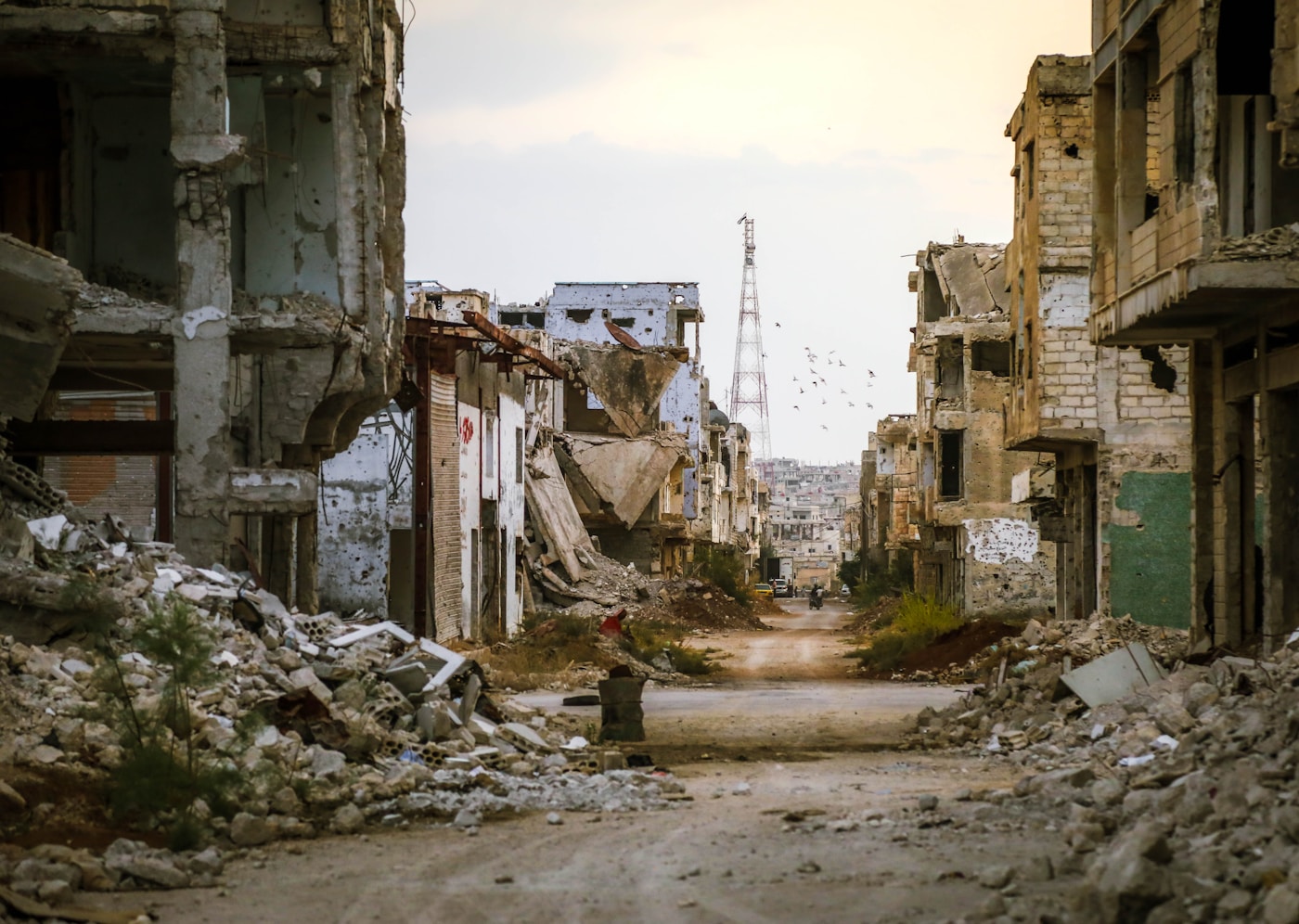

RIYADH — Iran’s Red Crescent Society reported on 24 March that more than 82,000 civilian structures have been damaged or destroyed since US-Israeli strikes began on 28 February, a figure that includes at least 62,000 homes, 281 medical facilities, and 498 schools across multiple provinces. The data represents the most comprehensive damage assessment released since the war entered its fourth week and places the scale of physical destruction inside Iran alongside some of the most devastating aerial campaigns of the twenty-first century.
The numbers arrive at a moment of acute strategic consequence for Riyadh. Saudi Arabia and the United Arab Emirates are weighing direct military involvement against Tehran, according to reporting by Bloomberg and the Wall Street Journal on 24 March, even as Washington claims to be pursuing a negotiated settlement through Vice President JD Vance and Secretary of State Marco Rubio. For Crown Prince Mohammed bin Salman, the humanitarian toll inside Iran is no abstraction. The Kingdom’s experience in Yemen demonstrated how civilian casualties can define a conflict’s legacy long after the last missile falls.
Independent human rights monitors, including the Human Rights Activists News Agency and the Kurdish rights group Hengaw, have documented figures that diverge sharply from both Iranian government claims and US military assessments. What follows is a full accounting of the civilian damage reported across Iran after 25 days of sustained bombardment, the international response, and what the destruction means for the Gulf states now contemplating whether to deepen their involvement.
Table of Contents
- What Is the Full Scale of Civilian Damage Inside Iran?
- How Many Hospitals and Schools Have Been Hit?
- The Human Toll Behind the Numbers
- What Have International Organizations Said?
- How Does Iran’s War Damage Compare to Other Conflicts?
- Saudi Arabia and the Humanitarian Calculus
- What Will Post-War Reconstruction Cost?
- Why the Damage Data Could Shape Peace Talks
- Frequently Asked Questions
What Is the Full Scale of Civilian Damage Inside Iran?
The Iranian Red Crescent Society’s 24 March update placed the number of damaged or destroyed civilian structures at 82,000, a sharp increase from the 70,000 figure reported by the Anadolu Agency just days earlier. Of these, approximately 62,000 are residential units ranging from single-family homes in provincial towns to multi-story apartment blocks in Tehran, Isfahan, and Shiraz. The remaining structures include commercial buildings, government offices, cultural sites, and community centres.
The Human Rights Activists News Agency, an independent Iranian monitoring group operating outside government control, documented nearly 6,000 individual attacks across Iran during the first two weeks of the conflict alone. HRANA’s statistical overview, published after the second week concluded around 14 March, noted that strikes were concentrated in western provinces bordering Iraq, the Tehran metropolitan area, and military-industrial zones around Isfahan, but that secondary damage radiated well beyond the intended targets.
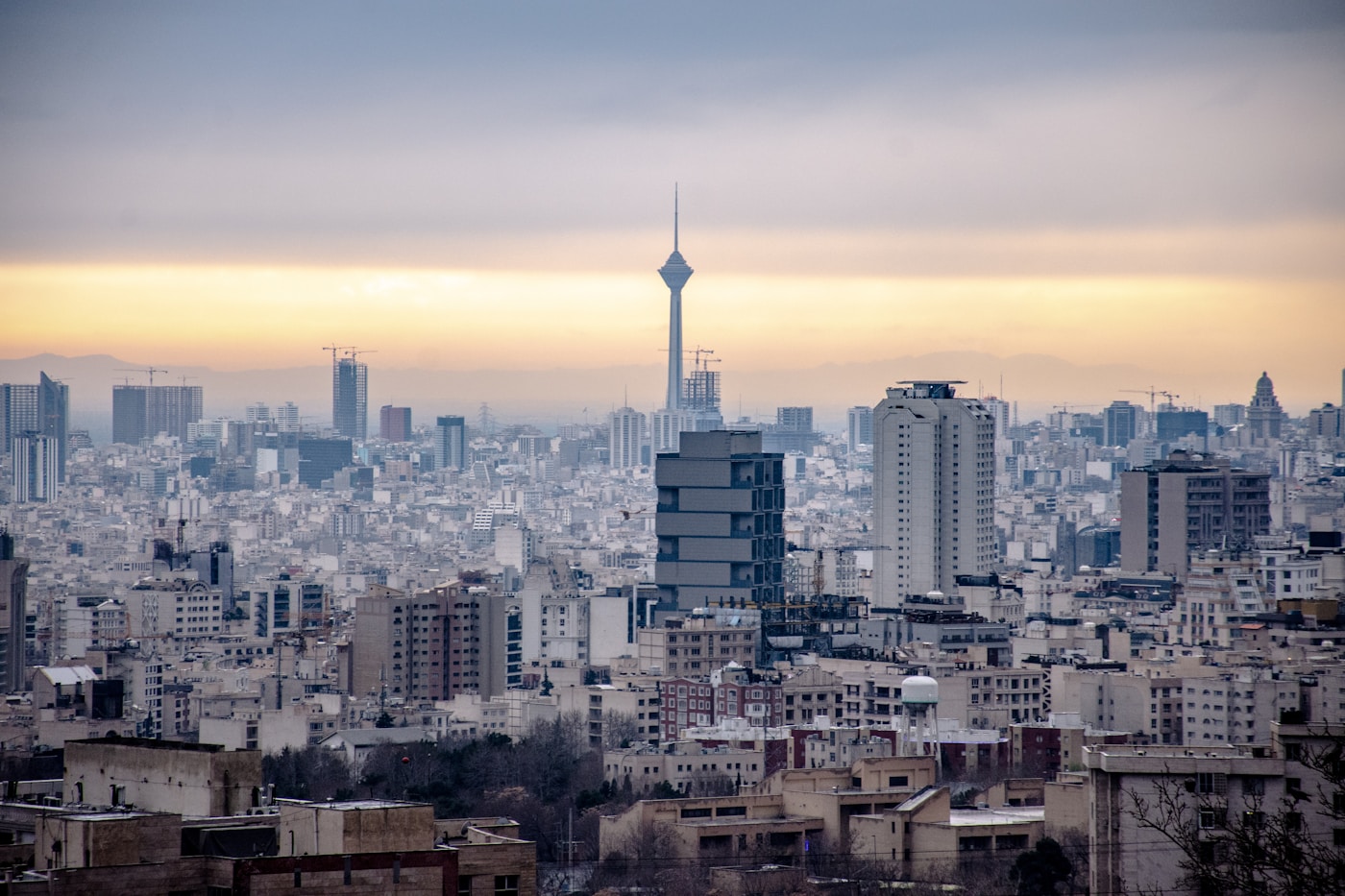
The geographic spread of the damage underscores a pattern that human rights groups have flagged since the first week. Strikes on military targets in densely populated areas have generated concentric rings of destruction affecting civilian infrastructure. In Kermanshah province alone, the HRANA documented damage to more than 200 civilian sites within a 10-kilometre radius of a single military compound.
UNESCO issued a rare statement after debris from an airstrike damaged Golestan Palace, a World Heritage Site in central Tehran. The organisation warned that damaging UNESCO-designated property violates international law, though it stopped short of attributing the damage to a specific strike.
| Category | Reported Figure | Source |
|---|---|---|
| Total civilian structures damaged/destroyed | 82,000+ | Iranian Red Crescent, 24 March |
| Residential units | ~62,000 | Iranian Red Crescent |
| Medical facilities hit | 281 | Iranian Red Crescent |
| Schools damaged | 498 | Iranian Red Crescent |
| Individual attacks (first 2 weeks) | ~6,000 | HRANA |
| Provinces affected | 20+ | Multiple sources |
How Many Hospitals and Schools Have Been Hit?
The Red Crescent’s figure of 281 damaged medical facilities encompasses hospitals, clinics, and pharmacies spread across multiple provinces. Iran’s Deputy Health Minister said that 31 major clinical facilities and hospitals have sustained direct damage from strikes or secondary debris, with 12 of those hospitals rendered completely inactive and unable to receive patients, according to an Al Jazeera report from 11 March.
The World Health Organisation verified more than 10 attacks on Iran’s health infrastructure during the US-Israeli campaign as of mid-March, a figure the agency described as a preliminary count subject to revision upward. Those verified attacks resulted in four healthcare worker deaths and 25 injuries among medical staff. The WHO’s verification process is intentionally conservative, requiring cross-referenced evidence before confirming an incident, meaning the actual number of health facilities affected is almost certainly higher than the 10 attacks formally verified.
Iran’s education system has absorbed severe damage as well. The 498 schools reported damaged by the Red Crescent include the Minab elementary school in Hormozgan province, where a strike on 28 February — the first day of the war — killed 167 people, most of them students. Human Rights Watch called the Minab strike a potential war crime and urged an independent investigation into whether the school was a legitimate military target or whether the attack violated the principle of distinction under international humanitarian law.
The school attack drew condemnation from UNICEF, which stated that attacks on schools are never acceptable under international law regardless of the surrounding military context. Tehran has used the Minab incident extensively in its diplomatic messaging, framing it as evidence that the US-Israeli campaign is deliberately targeting civilian infrastructure rather than confining itself to military objectives.
The Human Toll Behind the Numbers
Estimating civilian casualties in an active conflict where both sides have incentives to distort the numbers is inherently difficult. Three independent monitoring groups have produced figures that diverge from one another but collectively point to a death toll well into the thousands.
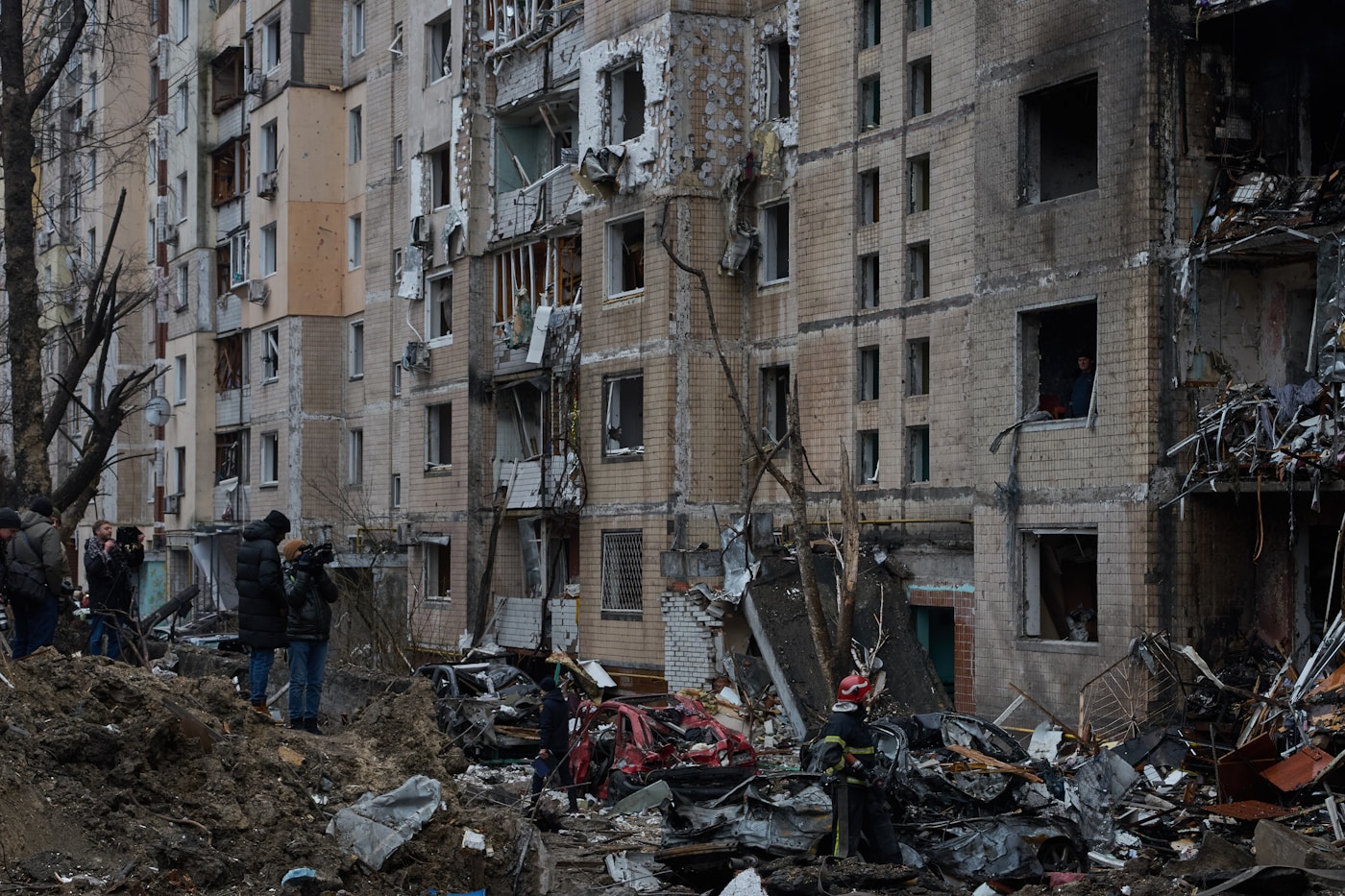
The HRANA documented 3,114 total deaths inside Iran as of 17 March, breaking that figure into 1,354 confirmed civilians, 1,138 military personnel, and 622 whose status could not be determined. The agency acknowledged that military casualties are significantly higher than reported, as the Iranian government restricts access to military casualty data. By the same date, HRANA counted 5,402 civilian injuries, including at least 100 children.
The Kurdish rights group Hengaw, which focuses on Iran’s western Kurdish-majority provinces that sit closest to Iraq and have absorbed a disproportionate share of strikes, published a fifth comprehensive report on 18 March. That report placed the total death toll at 5,300, including 511 confirmed civilians, through the first 18 days of conflict. The higher total figure reflects Hengaw’s inclusion of deaths in Kurdish regions that HRANA may not have independently verified.
Iran International, citing multiple rights organisations, reported on 23 March that over 1,400 civilians had been killed in three weeks of war, with the figure trending upward as rescue teams reach previously inaccessible areas. The Iranian Red Crescent Society’s president stated that strikes had injured more than 18,000 civilians as of late March, a figure that includes both primary blast injuries and secondary effects such as building collapses and fires.
| Source | Deaths Documented | Civilians Confirmed | Injuries | Date of Report |
|---|---|---|---|---|
| HRANA | 3,114 | 1,354 | 5,402 | 17 March |
| Hengaw (Kurdish regions) | 5,300 | 511 | Not specified | 18 March |
| Iran International (multiple sources) | Not specified | 1,400+ | Not specified | 23 March |
| Iranian Red Crescent Society | 1,500+ (preliminary) | Not specified | 18,000+ | 24 March |
| Iranian government (official) | 1,255 | “Mostly civilians” | Not specified | 9 March |
At least 207 children have been killed, according to HRANA’s most recent figures. The agency has identified children among the casualties at schools, residential areas, and in one case a public park in Isfahan where a strike hit during daylight hours. Communication disruptions across western Iran have made real-time verification difficult, and multiple monitoring organisations cautioned that their published figures lag significantly behind the actual toll.
What Have International Organizations Said?
The United Nations High Commissioner for Human Rights, Volker Türk, stated on 19 March that civilians are bearing the brunt of what he described as a reckless war in the Middle East. His office called on all parties to the conflict to comply with international humanitarian law, specifically citing the principles of distinction, proportionality, and precaution in attack.
Amnesty International published an urgent call on its website demanding protection of civilians and respect for international law amid the escalating regional conflict. The organisation warned that the scale of destruction to civilian infrastructure, including hospitals and schools, raises serious questions about whether individual strikes meet the legal standard of proportionality required under the Geneva Conventions.
Human Rights Watch has been the most specific in its legal assessments. Beyond calling for an investigation into the Minab school strike, HRW documented on 17 March what it described as Iran’s own unlawful strikes across the Gulf that endanger civilians in Saudi Arabia, Bahrain, Kuwait, and the UAE. The organisation framed the conflict as one in which both sides are violating international humanitarian law, with civilian populations in multiple countries paying the price.
The International Committee of the Red Cross has not released a detailed public assessment but reminded all belligerents of their obligations under the Geneva Conventions to distinguish between military targets and civilian objects. The ICRC has been providing medical supplies and technical assistance to the Iranian Red Crescent, which serves as Iran’s designated national society under the Red Cross and Red Crescent Movement.
At the UN Security Council, two draft resolutions related to the conflict were put to a vote in March. The Gulf Cooperation Council member states, including Saudi Arabia, submitted a resolution condemning Iran’s retaliatory strikes on Gulf civilian infrastructure, calling them a violation of international law and a deliberate attempt to destabilise the region. A separate draft, supported by several non-aligned nations, called for an immediate ceasefire and independent investigation into civilian casualties on all sides. Neither resolution passed, with vetoes and abstentions preventing adoption.
How Does Iran’s War Damage Compare to Other Conflicts?
Twenty-five days of sustained aerial bombardment have produced structural damage figures that approach the scale of multi-year conflicts. The 82,000 damaged structures reported by the Red Crescent exceeds the total residential damage documented in the first three months of Russia’s invasion of Ukraine in 2022, when the Kyiv School of Economics estimated approximately 29,000 residential buildings damaged or destroyed by the end of May 2022.
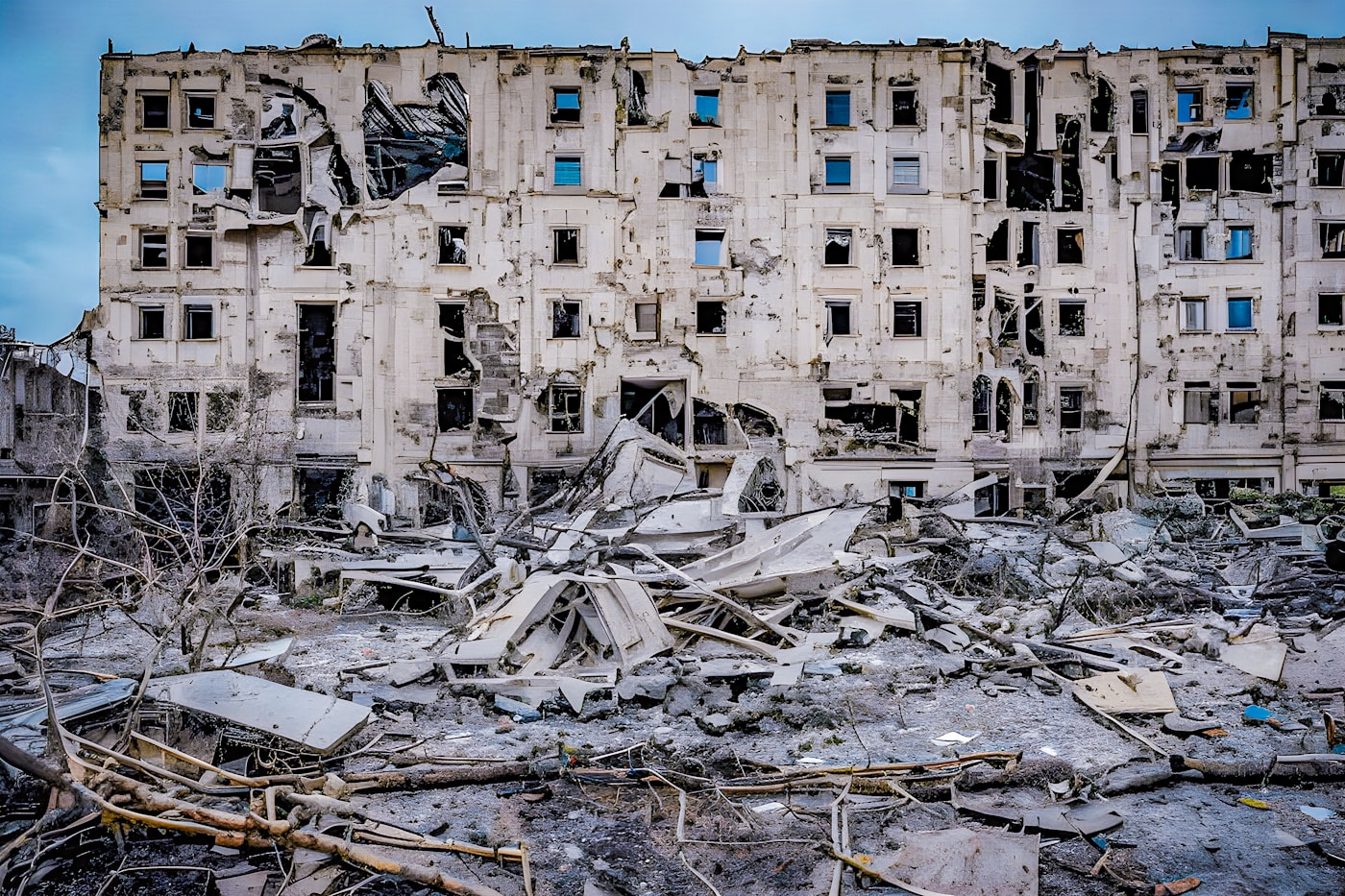
The comparison to Yemen is particularly relevant for Saudi Arabia. After seven years of Saudi-led coalition airstrikes in Yemen, the UN Development Programme estimated that 150,000 Yemeni civilian structures had been damaged or destroyed. Iran has reached more than half of Yemen’s seven-year figure in less than a month, reflecting both the intensity of the US-Israeli air campaign and Iran’s far larger building stock and urban population density compared to Yemen.
The civilian death toll, while tragic, remains lower than many analysts expected given the volume of ordnance deployed. The RAND Corporation estimated in a pre-war analysis that a sustained US air campaign against Iran could produce between 5,000 and 15,000 civilian deaths within the first 30 days, depending on targeting parameters and the density of military installations near civilian areas. The current documented toll of 1,354 to 5,300 dead, depending on the source, falls at the lower end of that range, suggesting either more precise targeting than feared or significant undercounting in the early weeks.
| Conflict | Structures Damaged/Destroyed | Duration at Time of Count | Source |
|---|---|---|---|
| Iran (2026) | 82,000+ | 25 days | Iranian Red Crescent |
| Ukraine (2022) | ~29,000 residential | 3 months | Kyiv School of Economics |
| Gaza (2023-2024) | ~60,000 | 6 months | UN OCHA |
| Yemen (2015-2022) | ~150,000 | 7 years | UNDP |
| Syria (2011-2020) | ~400,000+ | 9 years | World Bank |
Saudi Arabia and the Humanitarian Calculus
For Crown Prince Mohammed bin Salman, the humanitarian dimension of the Iran war intersects directly with the most consequential military decision of his tenure. The Wall Street Journal reported on 24 March that Saudi Arabia has already granted the US military access to King Fahd Air Base near Taif, a reversal of Riyadh’s earlier insistence that Saudi bases would not be used to strike Iran. Bloomberg’s reporting the same day suggested that MBS is close to a decision on deeper involvement, with one unnamed source stating that Saudi entry into the war is only a matter of time.
The humanitarian data complicates that calculation. Saudi Arabia’s seven-year air campaign in Yemen generated sustained international criticism, congressional pushback in Washington, and reputational damage that MBS spent years trying to repair through diplomatic outreach and the Iran war’s own narrative of Saudi restraint. Direct participation in strikes on Iran — a country of 88 million people with dense urban centres and a functioning civilian infrastructure far more developed than Yemen’s — would magnify the humanitarian scrutiny exponentially.
Saudi Arabia has tried to position itself on both sides of the humanitarian ledger. At the UN Security Council, the Kingdom co-sponsored a resolution condemning Iran’s strikes on Gulf civilian infrastructure, including airports, oil terminals, and residential areas in Saudi Arabia, Bahrain, Kuwait, and the UAE. Riyadh has documented its own civilian casualties, including two people killed and 20 injured in the central governorate of Al Kharj from an Iranian drone strike that hit a residential area.
But the Kingdom has been conspicuously quiet about the civilian toll inside Iran. Saudi state media has focused overwhelmingly on Iranian aggression against Gulf states rather than the humanitarian consequences of the US-Israeli campaign inside Iran. That silence preserves diplomatic flexibility — allowing Riyadh to join the strikes without having previously condemned the damage they cause — but it also creates a vulnerability if international opinion shifts decisively against the air campaign.
What Will Post-War Reconstruction Cost?
The World Bank has not yet produced a formal damage assessment for Iran, but preliminary estimates based on the Red Crescent’s structural data suggest a reconstruction bill that could approach $40 billion to $60 billion depending on the depth of infrastructure damage to utilities, roads, and industrial facilities beyond the 82,000 structures counted by the Red Crescent.
For context, the World Bank estimated Syria’s cumulative war damage at approximately $400 billion after nine years of conflict. Ukraine’s reconstruction needs were estimated at $411 billion by the World Bank in September 2023, roughly 18 months into Russia’s full-scale invasion. Iran’s 25-day damage figure, while substantially below those multi-year totals, is accumulating at a rate that could push the final bill into comparable territory if the conflict continues for months rather than weeks.
The question of who pays for reconstruction carries direct implications for Saudi Arabia and the broader Gulf. If the war ends with a negotiated settlement, pressure will mount on the US-led coalition and its Gulf partners to contribute to rebuilding Iranian civilian infrastructure, particularly hospitals and schools that serve no military purpose. If the war ends with Iranian capitulation, reconstruction costs become a leverage point in negotiations over Tehran’s future behaviour — and potentially over the shape of Iran’s post-war government.
The economic dimension is further complicated by existing US sanctions on Iran, which restrict the flow of construction materials, banking transactions, and international aid into the country. Humanitarian exemptions exist in theory but have historically been difficult to operationalise, as banks and contractors fear secondary sanctions for engaging with Iranian entities.
Why the Damage Data Could Shape Peace Talks
The 82,000-structure figure enters the diplomatic arena at a moment of maximum ambiguity over the possibility of negotiations. On 24 March, US President Donald Trump claimed that Vice President Vance and Secretary of State Rubio were participating in talks with Iranian officials, and suggested that a broader deal was within reach. Tehran flatly denied any negotiations were taking place, with the Islamic Revolutionary Guard Corps and parliamentary leaders calling Trump’s claims fake news.
Pakistan’s Foreign Ministry announced the same day that Islamabad stands ready to host face-to-face US-Iran talks, offering a neutral venue for what would be the first direct diplomatic encounter since the war began. China’s top diplomat told his Iranian counterpart in a phone call that talking is always better than fighting, a statement interpreted by analysts as Beijing’s strongest signal yet that it wants the conflict to end.
The humanitarian data serves both sides of the negotiating table. For Iran, the 82,000-structure figure is evidence that the US-Israeli campaign is disproportionate, devastating civilian life, and unlikely to achieve its stated military objectives without reducing Iranian cities to rubble. Tehran has used the numbers to rally domestic support, shore up regional sympathy, and build a legal case at international forums.
For Washington and its allies, the relatively contained civilian death toll — tragic as it is — can be framed as evidence of precision targeting and restraint compared to what a less discriminating campaign could produce. Trump’s decision to postpone planned strikes on Iranian power plants for five days, announced on 23 March, was explicitly framed as an act of humanitarian consideration, even as critics noted that the threat itself constituted psychological pressure on Iran’s civilian population.
The Gulf states occupy a middle ground that grows more uncomfortable by the day. Saudi Arabia, the UAE, Bahrain, and Kuwait have all sustained Iranian strikes on their own soil, giving them legitimate grievance and a claim to self-defence under Article 51 of the UN Charter. But direct involvement in an air campaign that has already destroyed 82,000 civilian structures would implicate the Gulf states in the humanitarian fallout in ways that their carefully cultivated international image — particularly MBS’s diplomatic renaissance — may not survive.
The damage data does not exist in isolation. It forms part of a larger political calculus in which every destroyed building, every damaged hospital, and every killed child becomes a data point in future reparations claims, international court proceedings, and the narrative history that will define this conflict for decades. For Saudi Arabia, the decision to enter the war is not merely a military question. It is a question of whether the Kingdom is prepared to accept co-ownership of 82,000 destroyed structures and the human suffering they represent.
Frequently Asked Questions
How many civilian structures have been destroyed in Iran during the 2026 war?
The Iranian Red Crescent Society reported on 24 March that more than 82,000 civilian structures have been damaged or destroyed since US-Israeli strikes began on 28 February. That figure includes approximately 62,000 residential units, 281 medical facilities comprising hospitals, clinics, and pharmacies, and 498 schools across multiple Iranian provinces.
How many civilians have been killed in the Iran war?
Independent monitoring groups report between 1,354 and over 5,300 total deaths inside Iran, with confirmed civilian deaths ranging from 511 to over 1,400 depending on the source and methodology. The Human Rights Activists News Agency documented 1,354 confirmed civilian deaths as of 17 March, while the Kurdish rights group Hengaw reported 5,300 total deaths including 511 confirmed civilians by 18 March. At least 207 children have been killed according to HRANA.
Has Saudi Arabia commented on Iran’s civilian casualties?
Saudi Arabia has focused its public statements on condemning Iran’s retaliatory strikes against Gulf civilian infrastructure rather than addressing the humanitarian toll inside Iran. The Kingdom co-sponsored a UN Security Council resolution condemning Iranian attacks on Gulf airports, oil terminals, and residential areas, but has not issued a standalone statement on civilian casualties from US-Israeli strikes inside Iran.
What international organisations have responded to the civilian damage?
The UN High Commissioner for Human Rights Volker Türk said civilians bear the brunt of the conflict. Amnesty International called for protection of civilians under international law. Human Rights Watch investigated the Minab school strike as a potential war crime and documented violations by both sides. The World Health Organisation verified more than 10 attacks on Iranian health facilities, resulting in four healthcare worker deaths.
How does Iran’s war damage compare to the Yemen conflict?
Iran has reached more than half of Yemen’s seven-year structural damage total in less than a month. The UN Development Programme estimated that 150,000 civilian structures were damaged in Yemen over the course of the 2015-2022 Saudi-led campaign. Iran’s 82,000-structure figure after just 25 days reflects both the intensity of the US-Israeli air campaign and the higher density of Iranian urban centres compared to Yemen.