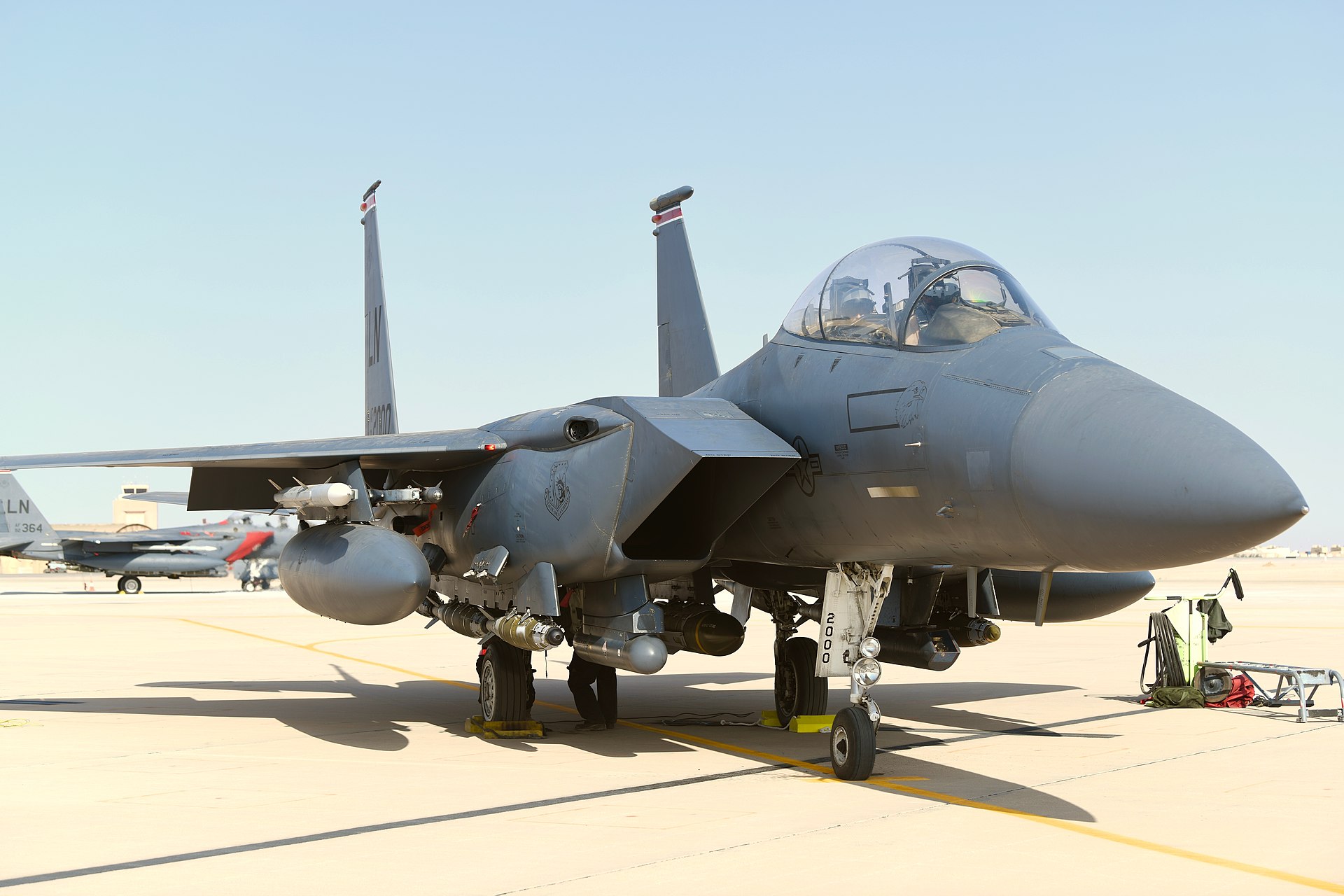

RIYADH — Iranian missiles have damaged five U.S. Air Force KC-135 Stratotanker refueling aircraft at Prince Sultan Air Base in Saudi Arabia, the Wall Street Journal reported on Saturday, bringing the total number of American tanker planes damaged or destroyed since the start of the Iran war to at least seven. No personnel were killed in the strikes, according to U.S. officials, and the aircraft are expected to be repaired and returned to service — but the incident exposes the vulnerability of America’s most critical air campaign asset parked on Saudi soil and raises urgent questions about the effectiveness of the multi-layered air defense systems deployed to protect the Kingdom’s most important joint-use military installation.
The damage to the five KC-135s occurred in recent days, officials told the Journal, though the Pentagon has not specified the exact date or the type of Iranian munition that struck the aircraft. The revelation comes as U.S. Central Command simultaneously disclosed that a separate incident — a midair collision between two KC-135s near the Iraqi-Jordanian border on Thursday — killed all six crew members aboard one of the aircraft and left the other badly damaged. Taken together, the two incidents have removed at least seven aerial refueling platforms from the active war effort at a moment when the air campaign against Iran is intensifying.
Table of Contents
- What Happened at Prince Sultan Air Base?
- How Many U.S. Tanker Aircraft Have Been Lost in the Iran War?
- Why KC-135 Stratotankers Are the Air Campaign’s Most Critical Asset
- Prince Sultan Air Base Under Sustained Iranian Fire
- Can Saudi Arabia’s Air Defenses Protect American Aircraft on the Ground?
- What the Tanker Damage Means for the War Effort
- Pentagon Response and the Aging Tanker Fleet
- Saudi Arabia’s Basing Dilemma Deepens
- Frequently Asked Questions
What Happened at Prince Sultan Air Base?
Five U.S. Air Force KC-135 Stratotanker aircraft sustained damage from an Iranian missile strike at Prince Sultan Air Base, a sprawling military installation located approximately 80 kilometres south of Riyadh near the city of Al Kharj. U.S. officials speaking to the Wall Street Journal confirmed that the tankers were hit in recent days and that no personnel were killed in the attack. The aircraft suffered damage but were not destroyed outright, and military maintenance teams are working to repair and return them to service, according to the officials.
The Pentagon has not publicly identified the type of Iranian weapon that struck the aircraft — whether ballistic missile, cruise missile, or a combination — nor has it specified whether the tankers were hit on the tarmac, in hardened shelters, or at dispersal points across the base. Prince Sultan Air Base, which covers approximately 45 square kilometres of Saudi desert, hosts a significant concentration of U.S. Air Force assets. Satellite imagery analysed in June 2025 by defence intelligence outlets identified 53 F-16 Fighting Falcon fighters, 22 KC-135 Stratotanker aerial refueling aircraft, and 10 C-130 Hercules tactical transports at the installation, according to The Defense News.
If the pre-war figure of 22 KC-135s stationed at Prince Sultan Air Base remained accurate at the time of the strike, the damage to five aircraft represents approximately 23 percent of the base’s tanker fleet removed from operations in a single attack. That figure does not account for any tankers that may have been redeployed, dispersed, or reinforced since the war began on 28 February.
How Many U.S. Tanker Aircraft Have Been Lost in the Iran War?
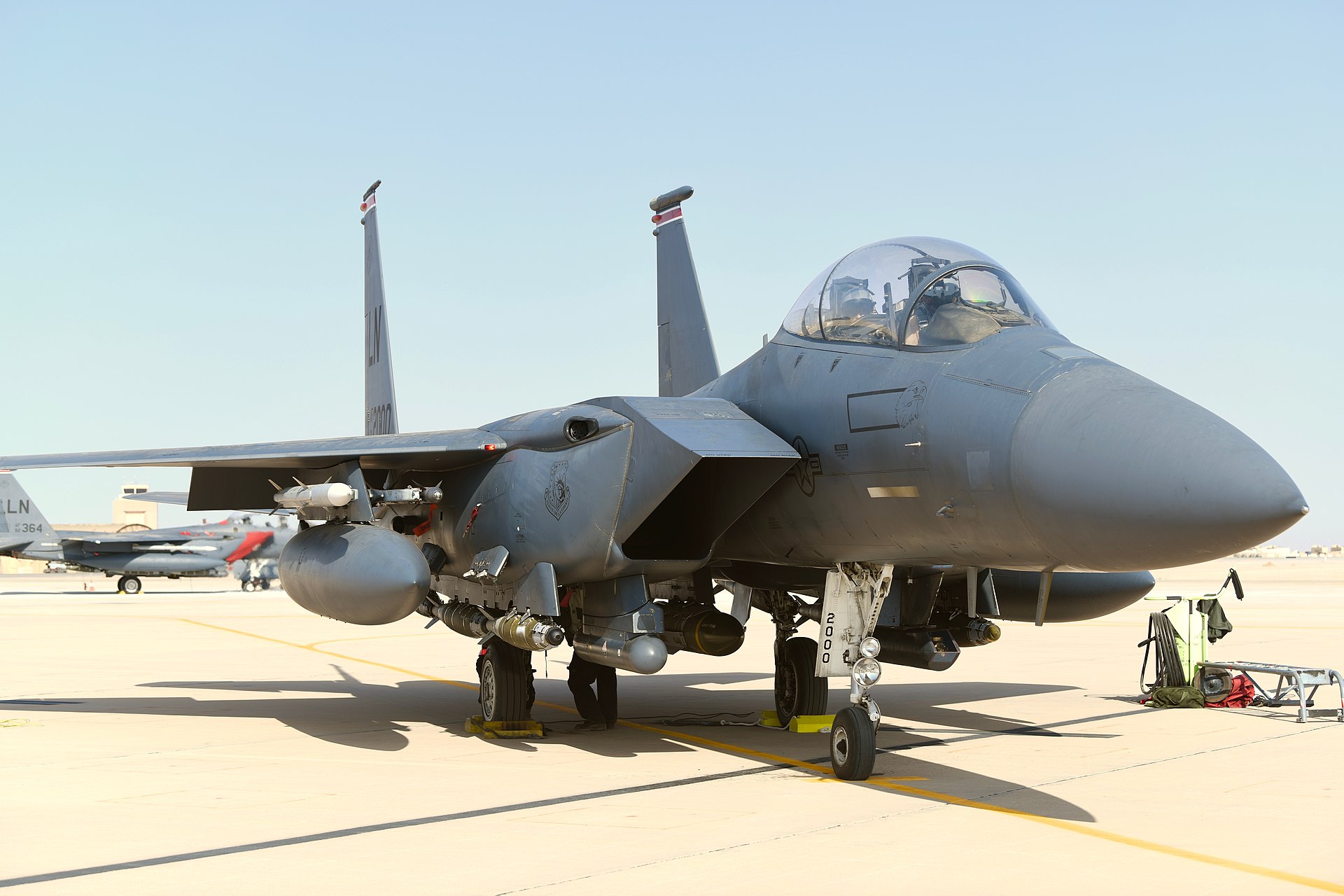
At least seven U.S. Air Force KC-135 Stratotanker aircraft have been damaged or destroyed since the beginning of Operation Epic Fury on 28 February, according to figures compiled from Pentagon statements, Wall Street Journal reporting, and Central Command disclosures. The losses break down into two separate incidents that occurred within days of each other during the war’s second week.
The first and larger incident involved the five tankers damaged at Prince Sultan Air Base by Iranian missiles. The second occurred on Thursday, 13 March, when two KC-135s collided near Turaibil along the Iraqi-Jordanian border. One of the aircraft crashed, killing all six crew members aboard. The other sustained significant damage. U.S. Central Command confirmed the six fatalities, while the Islamic Resistance in Iraq — an Iran-backed umbrella militia group — claimed responsibility for downing one of the aircraft, asserting it acted “in defence of our country’s sovereignty and airspace,” according to wire service reports.
The Pentagon has not confirmed the militia’s claim. The collision may have been an accident rather than the result of hostile fire, though investigators have not yet released preliminary findings.
| Incident | Date | Location | Aircraft Lost/Damaged | Personnel |
|---|---|---|---|---|
| Iranian missile strike | Recent days (reported 14 March) | Prince Sultan Air Base, Saudi Arabia | 5 damaged (repairable) | No casualties |
| Midair collision | 13 March | Turaibil, Iraq-Jordan border | 1 destroyed, 1 damaged | 6 killed |
The combined figure of seven tankers removed from service — representing roughly 1.9 percent of the U.S. Air Force’s total KC-135 fleet of approximately 376 aircraft — may appear modest in absolute terms. In theatre, however, the loss is more significant. Every tanker removed from the Persian Gulf region directly reduces the number of combat sorties that fighters and bombers can conduct over Iranian territory on any given day.
Why KC-135 Stratotankers Are the Air Campaign’s Most Critical Asset
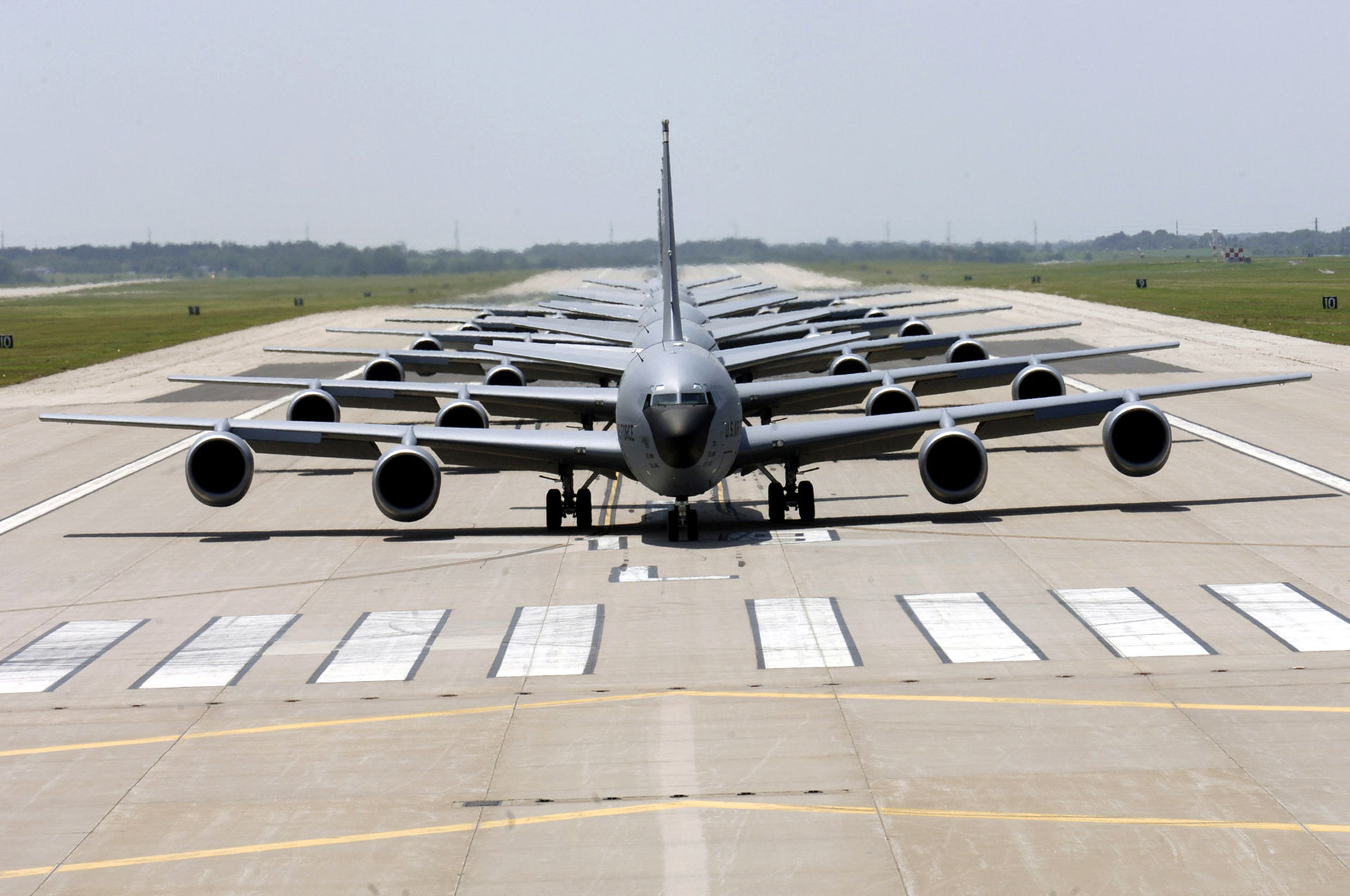
The KC-135 Stratotanker is the backbone of American power projection in the Middle East and the single most important aircraft type enabling the sustained air campaign against Iran. Without aerial refueling, U.S. fighter jets operating from bases in Saudi Arabia, Qatar, the United Arab Emirates, and Bahrain cannot reach targets deep inside Iran, hold station over contested airspace, or return safely to base after extended combat missions.
The aircraft, which first entered service with the U.S. Air Force in 1957, can carry approximately 90,700 kilograms of transferable fuel and refuel most NATO-standard fixed-wing aircraft in flight. A single KC-135 sortie can extend the combat radius of a flight of four F-16 Fighting Falcons by hundreds of kilometres — the difference between striking targets in western Iran and reaching facilities near Tehran, Isfahan, or Natanz.
The U.S. Air Force maintains a fleet of roughly 376 KC-135s across active duty, Air National Guard, and Air Force Reserve units, according to Air Force fact sheets. The service has taken delivery of approximately 89 Boeing KC-46A Pegasus tankers — the KC-135’s eventual replacement — out of 179 planned, but the newer aircraft has faced persistent technical problems with its remote vision system and cargo hold that have limited its operational employment in combat scenarios.
In the context of the Iran war, the tanker fleet’s importance is amplified by geography. Prince Sultan Air Base sits roughly 1,200 kilometres from central Iran. Without midair refueling, most tactical fighters would be unable to complete a round trip to targets in the Iranian heartland. Every KC-135 removed from operations at the base effectively grounds a proportional share of the strike force for the duration of repairs or replacement.
Prince Sultan Air Base Under Sustained Iranian Fire
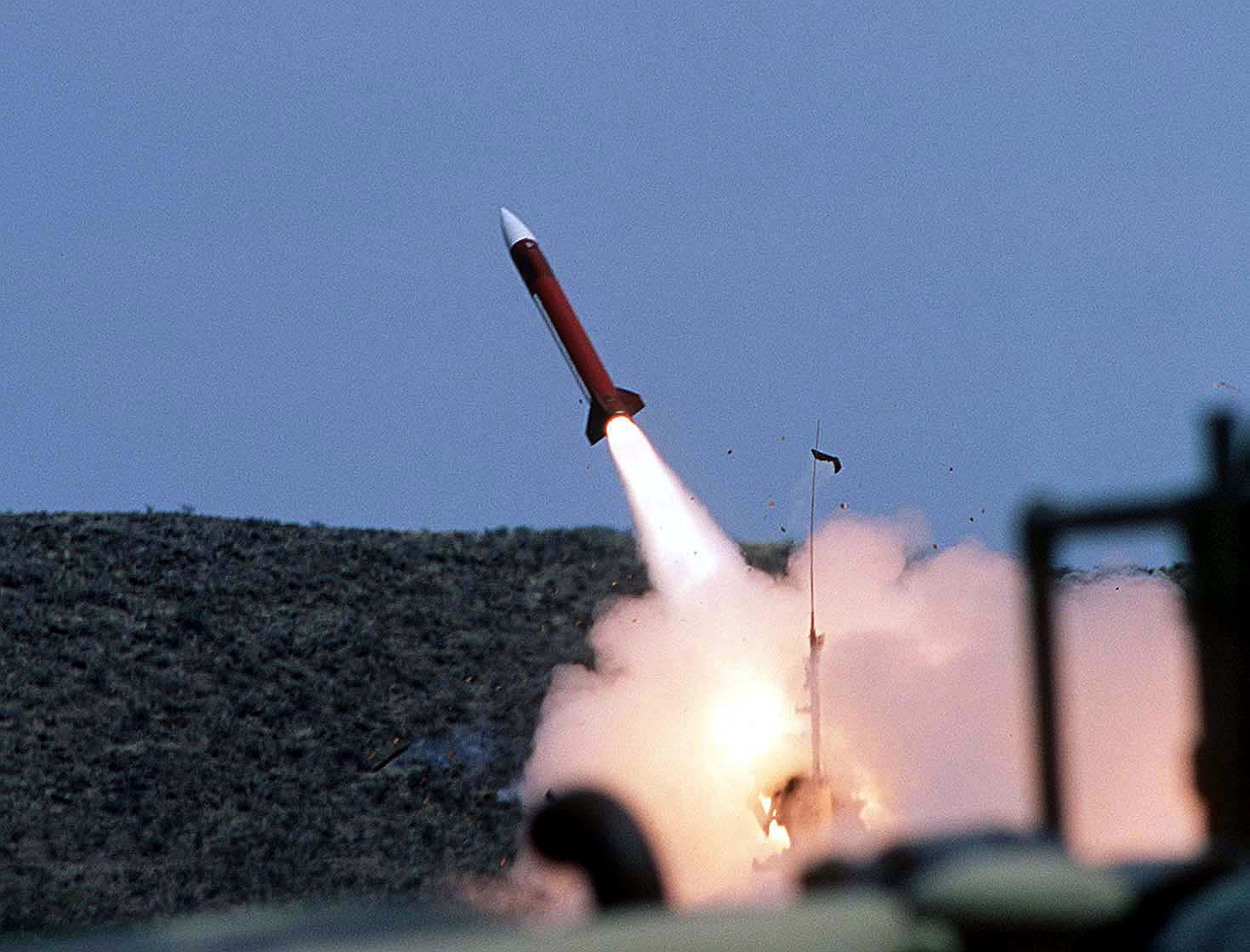
The damage to the five KC-135s is not an isolated incident. Prince Sultan Air Base has been under repeated Iranian attack since the first day of the war on 28 February. Saudi and U.S. air defence systems at the installation have intercepted dozens of ballistic missiles and drones targeting the facility, but the latest revelation confirms that at least some Iranian ordnance has penetrated those defences and struck high-value assets on the ground.
The Saudi Ministry of Defence announced on 6 March that three ballistic missiles launched toward Prince Sultan Air Base were successfully intercepted and destroyed. On 8 March, three drones were thwarted over Riyadh. Throughout the following week, the ministry issued near-daily statements cataloguing interceptions across the Eastern Province, the Empty Quarter near the Shaybah oil field, and the capital itself.
On 12 March, Saudi forces intercepted 18 drones in the Eastern Province and two more heading toward Shaybah. By 14 March, the ministry reported destroying 51 drones across the Kingdom in a single day, with attacks reaching as far as Riyadh’s Diplomatic Quarter, according to Al Arabiya.
The sheer volume of Iranian attacks — encompassing ballistic missiles, cruise missiles, drones, and combinations thereof — has placed enormous strain on Saudi Arabia’s air defence network. Patriot missile batteries, THAAD systems, and shorter-range point defence weapons have been firing at an unprecedented rate. Interceptor stockpiles are a mounting concern, according to defence analysts, particularly given that each Patriot PAC-3 missile costs approximately $4 million while the Iranian drones they are shooting down may cost as little as $20,000 to $50,000 each.
Can Saudi Arabia’s Air Defenses Protect American Aircraft on the Ground?
The successful Iranian strike on five KC-135s raises pointed questions about whether the layered air defence architecture at Prince Sultan Air Base — one of the most heavily defended installations in the Middle East — is capable of stopping every incoming threat. U.S. and Saudi officials have consistently characterised the base’s defences as robust, pointing to multiple intercept successes. But the damage to five tanker aircraft suggests that Iran is finding or creating gaps in the shield.
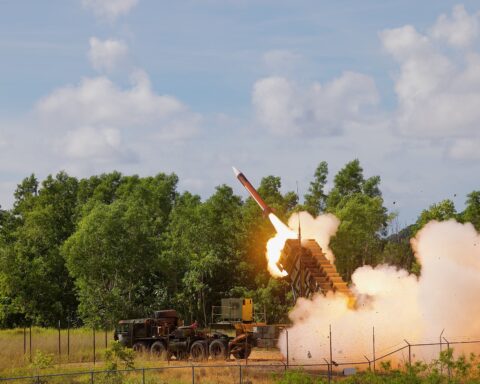
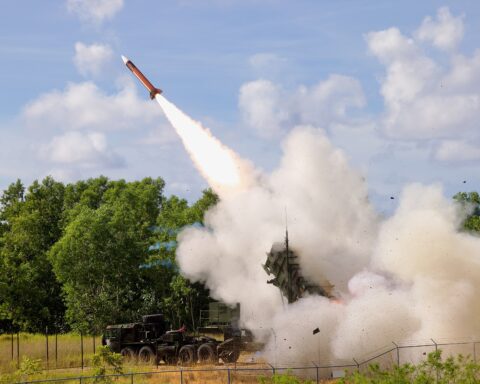
Prince Sultan Air Base is defended by a combination of U.S. Patriot PAC-3 and Saudi Patriot batteries, at least one Terminal High Altitude Area Defense (THAAD) battery, and shorter-range systems including the Avenger and C-RAM platforms, according to publicly available information from the Department of Defence. Secretary of State Mike Pompeo visited a Patriot battery at the base in February 2020, and the U.S. military presence has expanded significantly since November 2025 under the Strategic Defence Agreement that elevated Saudi Arabia to Major Non-NATO Ally status.
Iran’s approach has evolved over the two weeks of war. Early attacks relied on single ballistic missiles or small drone salvos that were relatively straightforward for layered defences to handle. More recent attacks have employed what military analysts describe as “saturation tactics” — launching dozens of drones alongside ballistic and cruise missiles in coordinated waves designed to overwhelm radar tracking capacity and exhaust interceptor stocks.
The 14 March wave that saw 51 drones destroyed across Saudi Arabia in a single day illustrates the scale. If even a fraction of those drones were accompanied by ballistic missiles — which travel at speeds exceeding Mach 5 and give defenders seconds to react — the probability of at least some warheads reaching their targets rises substantially.
What Does the Tanker Damage Mean for the War Effort?
The immediate operational impact of losing five KC-135s at Prince Sultan Air Base depends on how quickly the aircraft can be repaired and whether the Pentagon has moved additional tankers into the theatre to compensate. U.S. officials told the Wall Street Journal that the damaged aircraft are expected to be returned to service, suggesting the damage was not catastrophic — likely involving shrapnel penetration of fuselages, wing surfaces, or engine nacelles rather than structural destruction.
In the near term, however, the reduction in available tanker capacity at Prince Sultan Air Base could force the Pentagon to reduce the daily sortie rate for strike missions into Iran, reroute tanker orbits from more distant bases in Qatar or the UAE, or accept shorter loiter times for fighter aircraft over Iranian targets. Each option carries tactical costs. Fewer sorties mean fewer targets struck. Longer tanker routes consume more fuel and reduce the amount available for transfer. Shorter loiter times give pilots less opportunity to identify and engage time-sensitive targets.
The damage also carries a psychological dimension. The KC-135, while unglamorous compared to the F-35 or B-2, is the aircraft that makes the entire air campaign possible. Demonstrating that even the most heavily defended American base in Saudi Arabia cannot fully protect its tanker fleet sends a signal — to Tehran, to Riyadh, and to other Gulf states hosting U.S. forces — that no air base in the region is truly safe.
Separately, the Wall Street Journal report also disclosed that Kuwait’s air defences mistakenly shot down three U.S. F-15 fighter jets in what U.S. Central Command characterised as apparent friendly fire. All six crew members safely ejected and were recovered in stable condition, but the incident underscores the chaotic and congested air environment across the Gulf, where dozens of nations’ air defence systems are simultaneously tracking hundreds of targets in skies crowded with friendly, hostile, and civilian aircraft.
Pentagon Response and the Aging Tanker Fleet
The Pentagon has not issued a formal public statement on the KC-135 damage at Prince Sultan Air Base beyond what officials disclosed to the Wall Street Journal. U.S. Central Command’s daily operational updates have focused on the Kharg Island strikes — in which the military said it destroyed 90 Iranian military targets while preserving oil infrastructure — and on the broader trajectory of the air campaign.
The KC-135 fleet’s age compounds the significance of each aircraft lost or damaged. The youngest KC-135 in the Air Force inventory was built in 1965, making even the newest airframes over 60 years old. The aircraft have undergone multiple re-engining programmes — from the original J57 turbojets to the CFM International CFM56 turbofans — and structural overhauls, but corrosion, metal fatigue, and parts obsolescence make every repair more complex and time-consuming than it would be for a younger fleet.
The Air Force has taken delivery of approximately 89 Boeing KC-46A Pegasus tankers out of 179 planned aircraft, but the type’s well-documented problems — including a defective remote vision system that required a complete redesign and cargo restraint issues that prompted flight restrictions — have limited the Pentagon’s willingness to deploy the aircraft to active combat zones. Whether the KC-135 losses in the Iran war accelerate the KC-46’s deployment to the Gulf remains to be seen.
Air Force leadership has repeatedly warned Congress that the tanker fleet is the service’s most pressing recapitalisation priority. The Congressional Research Service has noted that the Air Force must maintain a minimum of 466 aerial refueling aircraft to meet combatant commander requirements, a figure it currently meets only by counting both KC-135s and KC-46s together. The loss of any tankers — whether permanent or temporary — pushes the force closer to a capacity shortfall that could constrain operations across multiple theatres simultaneously. The scale of the challenge is reflected in the Pentagon’s $200 billion supplemental funding request to Congress, which seeks to cover the ballooning costs of waging a sustained air war from Saudi soil.
Saudi Arabia’s Basing Dilemma Deepens
For Saudi Arabia, the revelation that Iranian missiles struck American aircraft on Saudi soil intensifies an already fraught political calculation. Riyadh has positioned itself throughout the Iran war as a non-belligerent partner — providing basing rights, overflight access, and logistical support to the U.S. military while carefully avoiding direct Saudi participation in offensive operations against Iran. Crown Prince Mohammed bin Salman and the Saudi leadership have sought to maintain a distinction between hosting American forces and being an active combatant in the war.
Iran has not respected that distinction. Since 28 February, Tehran has launched ballistic missiles, cruise missiles, and drone swarms at targets across Saudi Arabia, striking military installations, oil infrastructure, and — on at least one occasion — residential areas in Al Kharj. Two civilians were killed in Al Kharj on 9 March, the first Saudi fatalities of the war on the ground.
The damage to five American tankers raises the stakes further. If the U.S. Air Force’s most strategically important aircraft in the theatre are not safe at America’s most important base in Saudi Arabia, the basing arrangement itself faces pressure from multiple directions. Hawks in Washington, led by Senator Lindsey Graham, have already criticised Riyadh’s refusal to join offensive operations against Iran. Domestically, Saudi officials face a population watching Iranian missiles fall on their country in defence of an American war they did not choose.
The pressure intensified further when Iran’s Foreign Minister Abbas Araghchi demanded that Gulf nations expel American forces entirely, coupling the ultimatum with threats against U.S. corporate interests across the region.
The approximately 2,700 U.S. servicemembers stationed at Prince Sultan Air Base operate under a bilateral framework that was significantly upgraded in November 2025, when the Strategic Defence Agreement elevated Saudi Arabia to Major Non-NATO Ally status. That agreement, negotiated as part of a broader $1 trillion investment pledge from Riyadh to Washington, was designed to deepen military cooperation, streamline arms sales, and formally cement the U.S.-Saudi security partnership for a generation. Fifteen days into a war that has put American lives at risk on Saudi territory, the agreement is being tested in ways neither side anticipated.
The broader pattern of Iranian attacks on Gulf states hosting U.S. forces — including strikes on Bahrain’s fuel depots, Oman’s Salalah port, and military facilities in the UAE and Kuwait — has created what analysts describe as a collective security crisis. Every Gulf Cooperation Council member that hosts American forces has been struck. The implicit bargain of the post-1991 security architecture — that American military presence deters attack — has been visibly shattered.
Frequently Asked Questions
How many KC-135 Stratotankers does the U.S. Air Force have?
The U.S. Air Force operates approximately 376 KC-135 Stratotankers across active duty, Air National Guard, and Air Force Reserve units. The fleet includes 224 KC-135R and 54 KC-135T variants. The aircraft first entered service in 1957, making even the youngest airframes over 60 years old, though they have undergone multiple engine and structural upgrades over the decades.
What is Prince Sultan Air Base?
Prince Sultan Air Base is a military air installation located near Al Kharj, approximately 80 kilometres south of Riyadh in Saudi Arabia. The base hosts roughly 2,700 U.S. servicemembers operating fighter jets, aerial refueling tankers, intelligence platforms, and Patriot missile defence batteries. It serves as the primary hub for U.S. Central Command’s air operations in the western Persian Gulf region and has been a key staging point for the air campaign against Iran since 28 February 2026.
Were any U.S. military personnel killed in the Prince Sultan Air Base strike?
No personnel were killed in the Iranian missile strike that damaged five KC-135 Stratotanker aircraft at Prince Sultan Air Base, according to U.S. officials who spoke to the Wall Street Journal. However, six U.S. Air Force crew members were killed separately on 13 March when two KC-135s collided near the Iraqi-Jordanian border, bringing the total American fatalities in the Iran war to at least seven service members.
What is the KC-46A Pegasus?
The Boeing KC-46A Pegasus is the U.S. Air Force’s next-generation aerial refueling tanker, designed to eventually replace the aging KC-135 Stratotanker fleet. Approximately 89 of the 179 planned aircraft have been delivered, but the programme has experienced significant delays and technical issues — including a defective remote vision system that required a complete redesign — which have limited the type’s deployment to combat theatres. The Air Force plans to retain KC-135s in service until at least 2050.
How effective are Saudi Arabia’s air defences against Iranian missiles?
Saudi Arabia deploys a layered air defence network including Patriot PAC-3 interceptors, THAAD systems, and shorter-range platforms that have intercepted hundreds of Iranian ballistic missiles and drones since the war began. The interception rate has been high but not perfect. The successful Iranian strike on five KC-135 tankers at Prince Sultan Air Base — one of the most heavily defended installations in the Middle East — demonstrates that saturation attacks combining large drone swarms with ballistic missiles can overwhelm even advanced multi-layered defences.