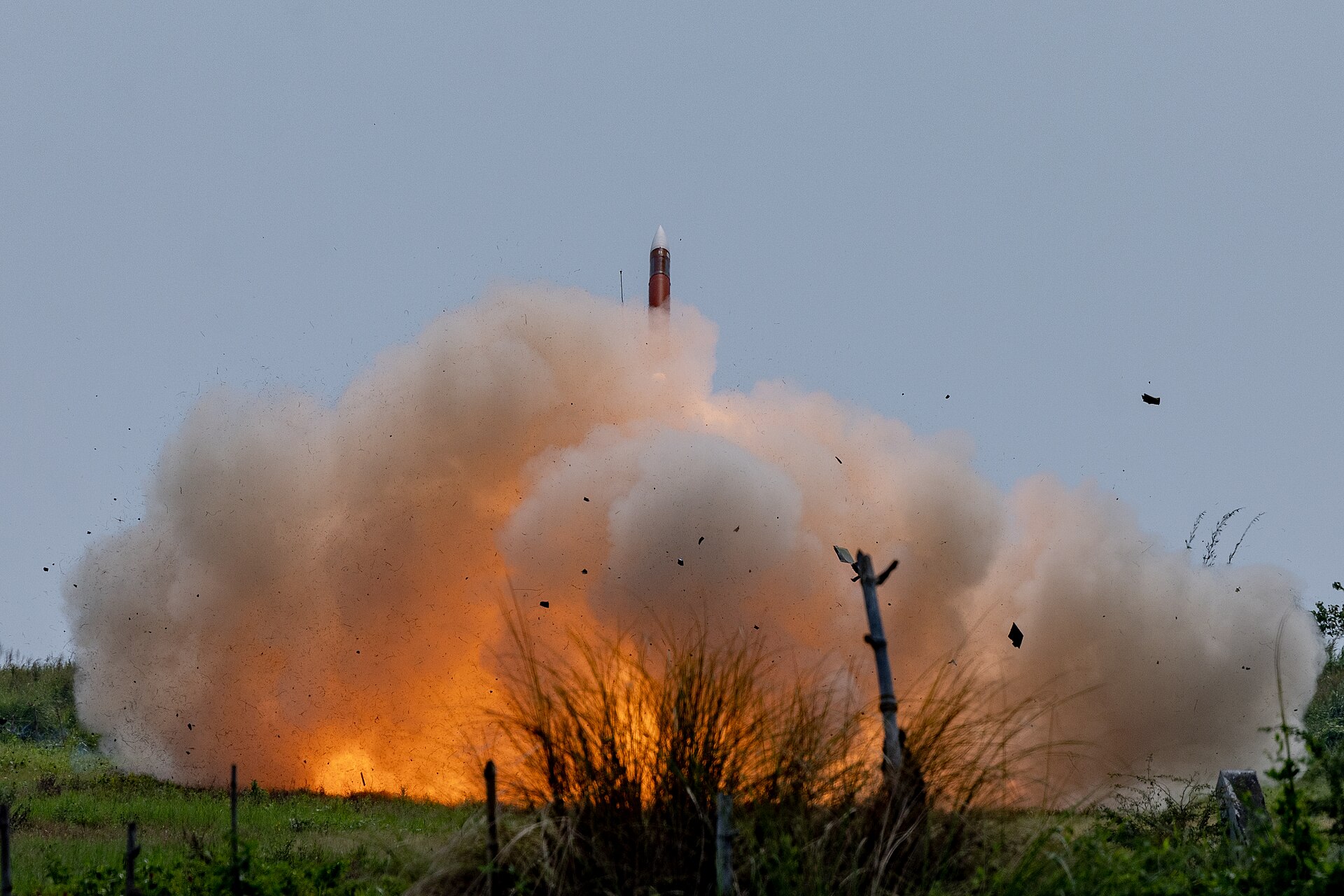

RIYADH — Iran is not trying to beat Saudi Arabia’s air defenses. It is trying to empty them. On Monday morning, seven Iranian ballistic missiles arced over Riyadh and Saudi Patriot batteries knocked all seven out of the sky — an 85-90 percent intercept rate that the Ministry of Defense announced as a success, according to Saudi Gazette. Two people in Al-Kharj were injured by falling interceptor debris, which the ministry did not announce at all.
That second fact is the one that matters. Every successful interception burns through a PAC-3 MSE interceptor that costs $4.2 million, takes Lockheed Martin months to build, and cannot be replaced on any timeline that matches the rate at which Iran is forcing Saudi Arabia to use them. Tehran entered this war with roughly 2,500 ballistic missiles, according to IDF assessments. Saudi Arabia procured 730 PAC-3 MSE interceptors, according to Bloomberg. The maths is not complicated, and it does not favour Riyadh.
With Trump’s April 6 deadline for energy infrastructure strikes now six days away, and the Houthis opening a second front from Yemen, Saudi Arabia faces a war of industrial arithmetic in which the factory floor matters more than the battlefield. This is the story of how Iran turned missile defense from a shield into a countdown clock.
Table of Contents
- What 31 Days of War Have Done to Saudi Interceptor Stocks
- Why Does a $35,000 Drone Force a $4 Million Response?
- Can Lockheed Martin Build Missiles Fast Enough to Save Saudi Arabia?
- The THAAD Problem Nobody Wants to Talk About
- How Is Interceptor Debris Eroding Saudi Public Confidence?
- What Does Iran Think It Is Winning?
- The April 6 Deadline and the Exhaustion Cliff
- The Second Front That Changes Everything
- Who Wins the Reload Race?
What 31 Days of War Have Done to Saudi Interceptor Stocks
The numbers from the first month of combat tell a story that no amount of official optimism can rewrite. Gulf and US Patriot batteries fired 943 interceptor rounds in the first 96 hours alone, consuming 18 months of factory output in four days, according to the Foreign Policy Research Institute. Coalition forces expended 11,294 total munitions in the first 16 days at an estimated cost of $26 billion, according to RUSI’s munitions accounting.
Saudi Arabia started this war with a stockpile of 730 PAC-3 MSE interceptors, purchased through a $9 billion foreign military sales contract. Bloomberg reported in early March that between 300 and 450 of those were consumed in the first 11 days. At peak-intensity combat rates, the entire Saudi stockpile would be depleted in 18 to 27 days of sustained fighting. Day 31 has arrived.
The intercept rate — 85 to 90 percent against ballistic missiles, according to IISS — sounds reassuring in isolation. But an 85 percent intercept rate applied across hundreds of incoming rounds still means dozens of missiles get through. And every successful intercept subtracts from a stockpile that the American defense industrial base cannot replenish at anything close to the rate it is being consumed.
Why Does a $35,000 Drone Force a $4 Million Response?
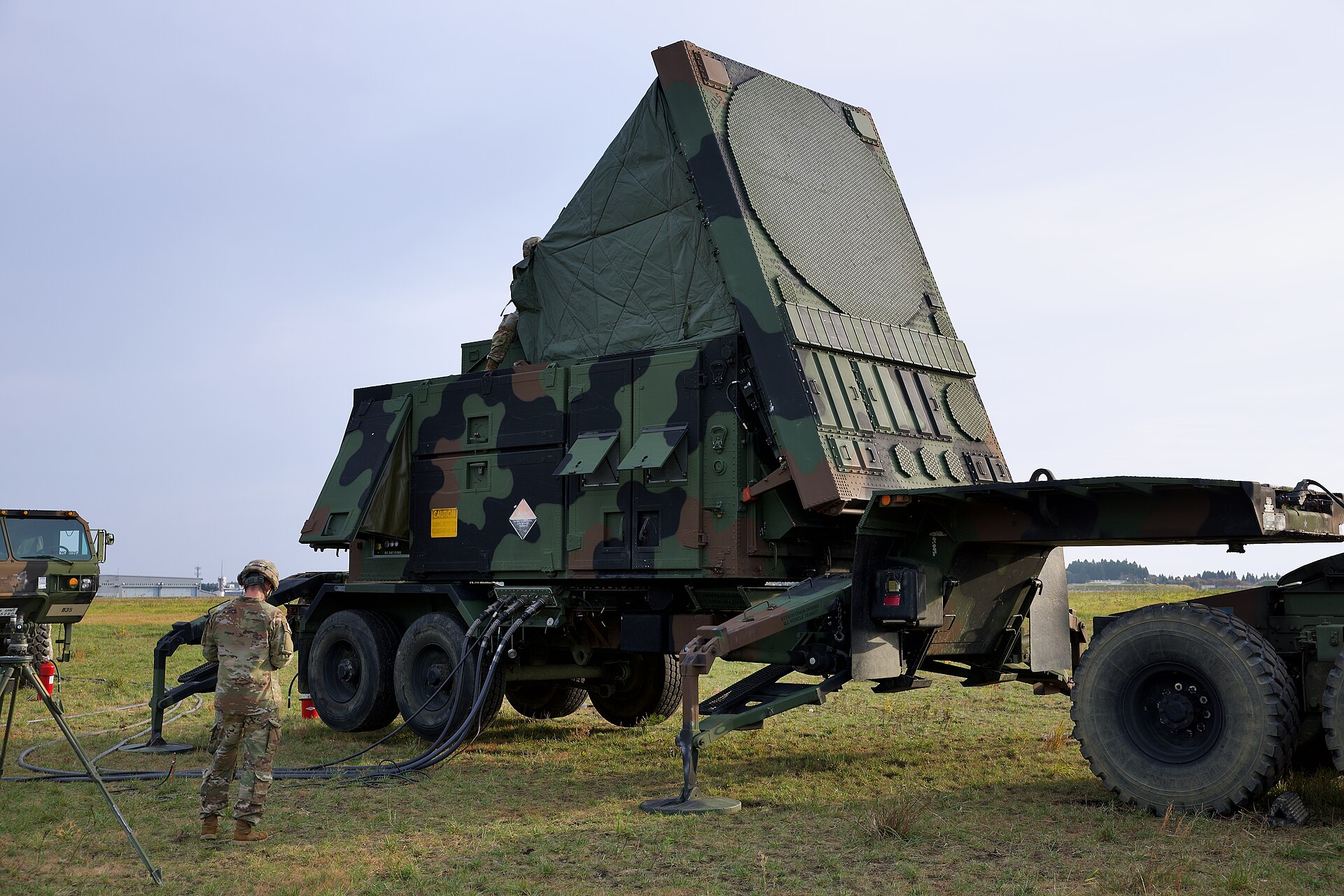
The cost-exchange ratio in this war is the single most lopsided in the history of modern air defense. A single Iranian Shahed-136 drone costs roughly $35,000 to manufacture. The PAC-3 MSE interceptor that Saudi Arabia fires to destroy it costs $4.2 million. That is a 114-to-1 ratio in Iran’s favour, according to Military Times.
For THAAD interceptors, the arithmetic is even more grotesque. Each THAAD round costs between $12 million and $15 million. Iran can build and launch more than 400 Shahed drones for the price of a single THAAD interception. Tehran’s Shahed production capacity runs between 200 and 500 units per month, a rate achievable even under international sanctions, according to defense analysts. Secretary of State Marco Rubio put the disparity bluntly on CNN in early March: Iran is producing “over 100 of these missiles a month,” compared to only “six or seven interceptors that can be built a month.”
This is not a flaw in Iranian strategy. This is the strategy. Tehran does not need its drones and missiles to reach their targets. It needs Saudi Arabia and its coalition partners to keep shooting them down, because every interception depletes a finite resource that the defender cannot replace and the attacker can produce almost indefinitely. The defender wins every engagement and loses the war — a paradox that the entire Western air defense architecture was not designed to confront.
The financial burden compounds the arithmetic. If barrage operations similar to those in the first weeks of the war were sustained through the year, the resulting interceptor expenditure for the United States and its partners could reach $50 billion to $100 billion, according to estimates from the Payne Institute and RUSI. The projected FY2026 US missile defense budget sits between $15 billion and $20 billion. The gap between what this war costs to defend and what Washington budgeted to spend is not a rounding error — it is a strategic crisis measured in tens of billions of dollars.
Can Lockheed Martin Build Missiles Fast Enough to Save Saudi Arabia?
The short answer is no. Not in time for this war, and probably not in time for the next one.
Lockheed Martin delivered a record 620 PAC-3 MSE interceptors in 2025 — a 60 percent increase over two years and the highest annual production figure in the programme’s history. In January 2026, Lockheed signed a landmark framework agreement with the Department of War to triple annual production to 2,000 interceptors per year. The target date for reaching that capacity is the end of 2030. Four years from now. The Saudi war will be decided in weeks.
The gap between aspiration and reality is not subtle. Even at the record 2025 production rate of 620 per year, Lockheed produces roughly 50 interceptors per month — and the coalition burned through 19 months of that output in the war’s first four days. The $9.8 billion multi-year contract for nearly 2,000 PAC-3 MSE interceptors, awarded by the US Army in September 2025, covers future requirements — but future requirements are a concept; incoming Iranian missiles are not.
Kelly Grieco, a senior fellow at the Stimson Center, told Military Times in March: “You can’t replace those kinds of missiles overnight. It would take years.” She warned that at current usage rates, the United States could deplete its entire interceptor stockpile in four to five weeks. The war has now lasted more than four weeks.
“It’s a race of attrition between the two sides to see who can get over the finish line before the other.”
— Shalom Lipner, Atlantic Council, Military Times, March 6, 2026
The production bottleneck is not a single factory. It is a web of specialised suppliers, rare materials, and manufacturing processes that cannot be scaled by throwing money at them. The framework agreement commits the Department of War to working with key sub-contractors on seven-year contracts to expand component production, but Lockheed executives have acknowledged that underperforming vendors will need to be replaced or supplemented. Biden halted Patriot and NASAMS deliveries for all countries except Ukraine and Taiwan in June 2024, creating a backlog that the current war inherited. The production pipeline was already stretched before the first Iranian missile crossed Saudi airspace.
The THAAD Problem Nobody Wants to Talk About
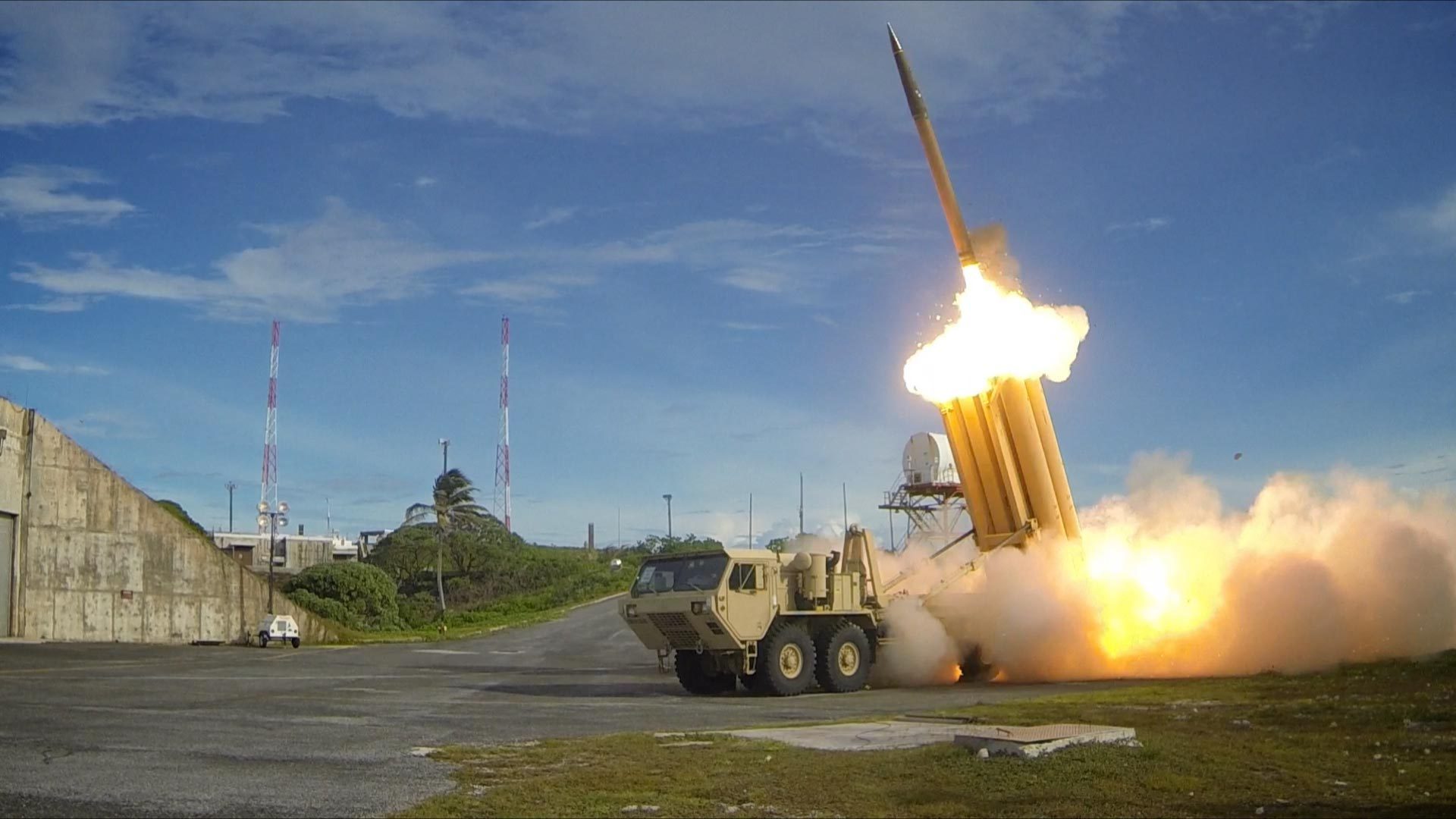
If the PAC-3 supply picture is bad, the THAAD situation is catastrophic. The United States fired 198 THAAD interceptors in the first 16 days of this war — roughly 40 percent of the 534-unit inventory that existed before the conflict began, according to CSIS data from December 2025 and Military Times reporting.
No new THAAD interceptors have been delivered to the US inventory since July 2023, according to Breaking Defense. The missiles ordered under the FY2021 budget are not slated for delivery until April 2027 — more than a year from now. At current expenditure rates, CSIS analysts warned, the US could exhaust available THAAD stocks within approximately one month of sustained combat without operational adjustment.
The hardware losses extend beyond interceptors. At least four AN/TPY-2 THAAD radars were struck across Jordan, Saudi Arabia, and the UAE in the war’s first week, according to The War Zone and CNN. Each of those radars costs between $300 million and $500 million. Only 16 AN/TPY-2 radars have ever been manufactured. Losing four of them represents a 25 percent reduction in the total global inventory of the sensor system that makes THAAD functional.
Senator Mark Kelly, a member of the Senate Armed Services Committee, articulated the fear on Military Times: “If our magazine depth goes to zero and they can then shoot these things freely around the region.” He did not finish the sentence. He did not need to.
How Is Interceptor Debris Eroding Saudi Public Confidence?
Successful interceptions are not clean events. A PAC-3 hitting an incoming ballistic missile at altitude produces a debris field that falls over populated areas, and the damage it causes is politically toxic even when the intercept itself works exactly as designed.
On March 18, four people were injured in Riyadh when fragments from a successful interception struck a residential building, according to Anadolu Agency. On March 25, debris from intercepted missiles struck two residential buildings in the Eastern Province, according to Arab News. On March 31 — Monday — two more people were injured in Al-Kharj from interceptor fragments. The cumulative picture is of a defense system that protects the population from warheads but rains metal on their homes in the process.
The worst single incident came on March 8 at Al-Kharj, when an Iranian drone struck a residential compound near Prince Sultan Air Base, killing two foreign nationals — one Indian, one Bangladeshi — and injuring 12 others, according to Al Jazeera. That strike penetrated the defense network entirely. It was not debris from a successful interception. It was a failure, and it happened within the defensive perimeter of one of the most protected air bases in the Gulf.
Iran does not need to publicise these incidents. The residents of Riyadh and the Eastern Province experience them directly — the air raid sirens, the booms overhead, and the occasional crash of metal on concrete that follows a “successful” defense. Each incident erodes the implicit social contract between the Saudi government and its population: we will keep you safe. The longer the war continues, the harder that promise is to keep, regardless of intercept statistics.
What Does Iran Think It Is Winning?
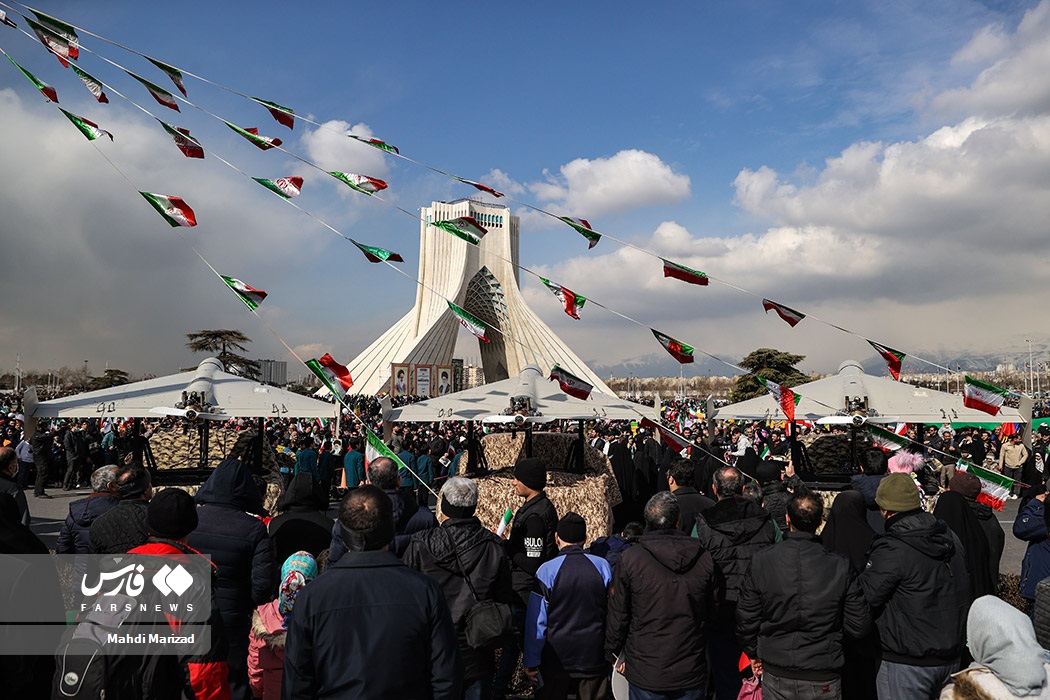
Tehran’s strategy is legible in its fire patterns. Iran entered the war and launched 480 ballistic missiles on day one, February 28, according to Jerusalem Post tracking. By March 9, the daily fire rate had collapsed 92 percent to 40 launches. In total, Iran expended approximately 2,410 ballistic missiles and 3,560 drones in the first ten days of Operation Roaring Lion, according to IDF assessments and GlobalSecurity.org.
Western analysts initially read the fire-rate collapse as evidence that Iran was running out of ammunition. The IRGC’s Aerospace Force offered a different interpretation through its actions: it maintained constant, low-rate drone and missile launches throughout March, never stopping entirely, forcing Saudi and coalition air defenses to remain on permanent alert and continue burning through interceptor stocks at a steady rate even when the volume of incoming fire dropped.
Fabian Hinz, a research fellow at IISS, described this as a sustained campaign designed to deplete interceptor stockpiles and exhaust radar operators. The logic is not complex: a defender that must maintain 24-hour readiness against unpredictable attacks suffers crew fatigue, equipment wear, and consumable depletion whether the attack rate is 480 missiles a day or 40. The attacker chooses when to surge; the defender must be ready always.
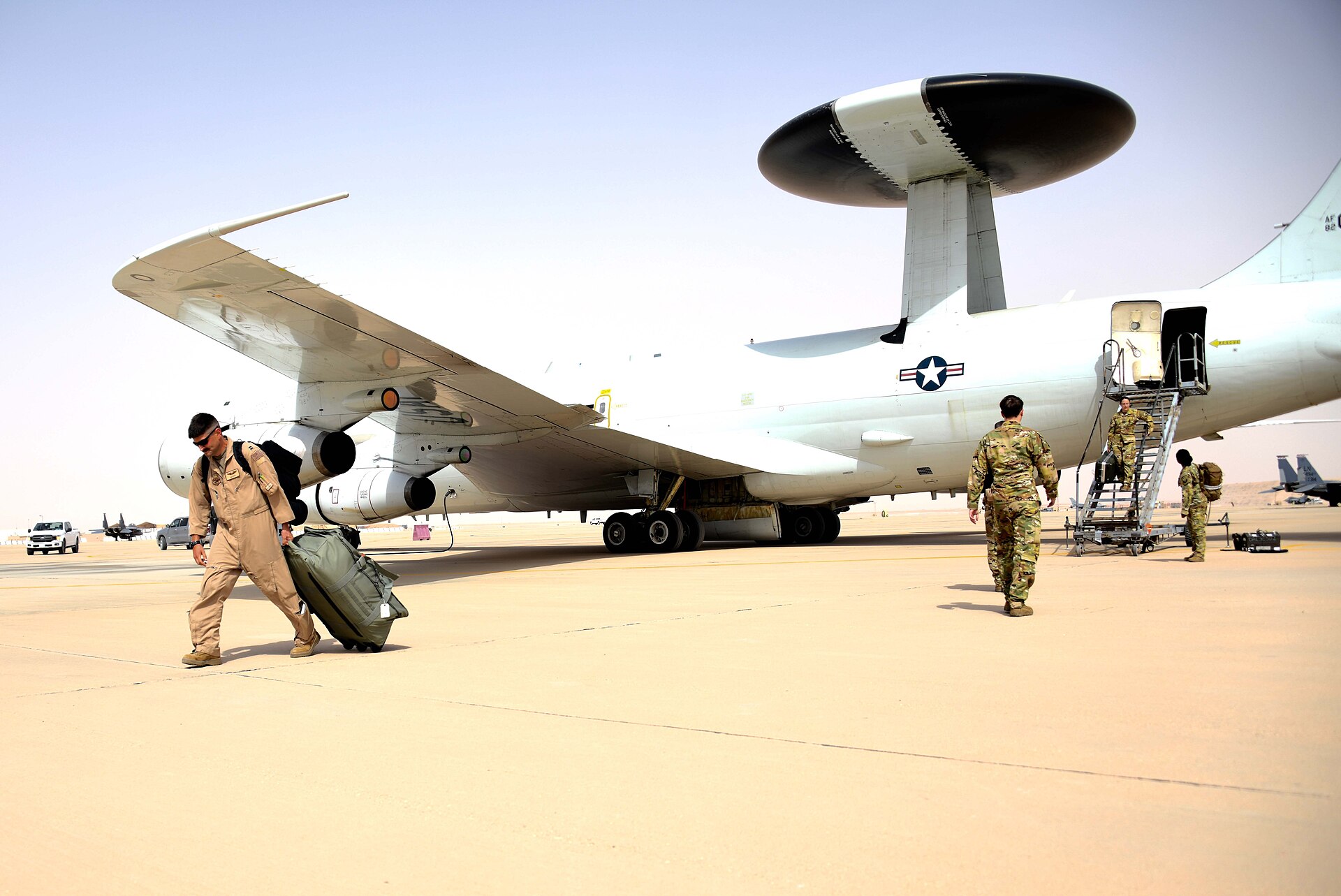
The IRGC Aerospace Force was explicit about its targeting doctrine after the March 27 strike on Prince Sultan Air Base — the attack that destroyed at least one E-3 Sentry AWACS and wounded 15 US service members, five seriously. The IRGC statement, carried by PressTV on March 29, called the strike a response “to the hostile actions of the terrorist US army” and claimed to have “completely destroyed an E3 aircraft.” The Aviationist and NPR confirmed the E-3 destruction and damage to KC-135 Stratotankers.
Iran-aligned analysts have pushed a broader argument about sovereignty and legitimacy. Reza Nasri wrote on PressTV on March 29 that Arab states hosting US bases had “forfeited sovereignty,” arguing that “a state that cannot control who bears arms on its soil has, by definition, surrendered the exclusivity of authority required by Montevideo.” The argument is self-serving, but it is aimed at domestic and regional audiences who are watching Gulf governments absorb Iranian strikes without retaliating directly — a posture that Tehran frames as proof of subordination to Washington.
The April 6 Deadline and the Exhaustion Cliff
President Trump extended the pause on US strikes against Iranian energy infrastructure to April 6, 2026 at 8 PM Eastern time, according to CNBC. He said the Iranians had asked for a one-week extension but that he decided on ten days “because they gave me ships.” US special envoy Steve Witkoff has presented Iran with a 15-point peace proposal. Tehran has denied that direct talks are taking place and has threatened to escalate attacks across the region if the US or Israel targets its energy grid.
The deadline creates a paradox for Saudi air defense. If talks collapse and the US strikes Iranian energy infrastructure, Tehran has promised to escalate — which means heavier missile and drone volleys against Gulf targets at precisely the moment when interceptor stocks are at their lowest point since the war began. If talks succeed, any ceasefire deal is likely to be structured around US and Israeli interests, not Saudi ones, as Trump’s negotiating posture has made clear.
Either path leads to the same place for Riyadh: continued dependence on an interceptor supply chain that is running dry. Wes Rumbaugh at CSIS’s Missile Defense Project identified the structural cause in December 2025: “While the demand coming from political and military leaders for deployments is strong, the demand signal sent to industry by budgets and appropriations is inconsistent.” The military wanted more interceptors for years. Congress did not fund them at the required rate. Now the gap between demand and supply is measured in incoming warheads.
Trump’s March 30 threat to “blow up” Iranian desalination plants adds another variable. Every escalatory signal from Washington increases the probability of an Iranian surge response, and every surge response accelerates the depletion of the interceptor stocks that keep Saudi cities protected. Riyadh’s defense posture is hostage to decisions being made in Washington and Tehran, neither of which is optimising for Saudi survival.
The Second Front That Changes Everything
On March 28, the Houthis entered the war. They launched their first ballistic missile at Israel since the broader conflict began, and the International Crisis Group warned that a full Houthi entry could open a second axis of attack against Saudi Arabia from the south — precisely the scenario that the Kingdom’s air defense architecture is least prepared to handle. The timing was not accidental. The Houthis struck on the same day as the Prince Sultan Air Base attack, creating a coordinated two-front threat that pushed the Pentagon deeper into the war while splitting the coalition’s defensive attention.
Saudi air defenses are oriented primarily against threats from the north and northeast — the Iranian vector. The Houthi threat axis from southern Yemen requires different battery positions, different radar coverage, and different interceptor allocations. Running two defensive fronts simultaneously with a stockpile designed for one front is the definition of overstretch, and it is exactly the scenario that the Soufan Center warned about on March 19 when it assessed the “Houthi wild card.” Saudi officials fear that a full-scale Houthi entry could revive the kind of drone and missile attacks on Saudi energy infrastructure that defined the earlier Yemen war — except this time, the interceptor cupboard is nearly bare.
The Gulf International Forum noted that Houthi entry would force Gulf states into confronting simultaneous threats from multiple directions — “a challenge these countries have limited experience countering.” Bahrain may have already expended 87 percent of its interceptor missiles, according to JINSA. The UAE and Kuwait are estimated at roughly 75 percent depletion. These are not countries with deep reserves to redirect toward a second front.
The coalition that has been defending Saudi airspace — with Greek-operated Patriots, French SAMP/T systems, and American THAAD batteries — was assembled to address a single-vector threat. A two-front war against Iranian missiles from the north and Houthi attacks from the south demands either twice the hardware or half the coverage. Neither option is acceptable. Both are now on the table.
Who Wins the Reload Race?
RUSI coined the term “Command of the Reload” in its March 2026 assessment to describe the new decisive factor in this war: “the decisive advantage belongs to whoever replenishes critical stockpiles fastest.” The framework replaces the old American concept of “Command of the Commons” — the ability to project power across sea, air, and space — with something more brutal and more industrial. It does not matter how good your missiles are if you run out of them before the enemy runs out of targets.
The reload arithmetic favours Iran on every axis. Tehran’s monthly missile and drone output — detailed in the cost-exchange data above — dwarfs the Western production rates for the interceptors designed to stop them. Lockheed Martin’s pledge to triple PAC-3 output arrives in 2030. The Pentagon’s plan to quadruple THAAD production from 96 to 400 per year will ramp over seven years.
The historical precedents are not encouraging. Ukraine received approximately 600 Patriot interceptors across the entire war and was forced to allocate just one interceptor per incoming ballistic missile — down from the doctrinal two to three — reducing probability of kill. Israel agreed to an early ceasefire in Operation Pillar of Defense in 2012 partly because Iron Dome ran out of ammunition. During the June 2025 Twelve-Day War, coalition forces fired over 150 THAAD interceptors, roughly 25 percent of total stocks ever funded, and consumed up to 20 percent of available SM-3 interceptors. Interceptor scarcity may have contributed to ending that war early.
| System | Pre-War Stock | Estimated Consumed (31 days) | Annual Production Rate | Replenishment Timeline |
|---|---|---|---|---|
| PAC-3 MSE | 730 (Saudi) | 300-450+ | ~620/year (current) | 2,000/year target by 2030 |
| THAAD | 534 (US total) | ~198+ (40%) | ~96/year | No deliveries since July 2023; next batch April 2027 |
| Iranian ballistic missiles | ~2,500 | ~2,410 (first 10 days) | ~1,200+/year | Continuous domestic production |
| Shahed-136 drones | Unknown (large) | 3,560 (first 10 days) | 2,400-6,000/year | Continuous domestic production |
The table tells the story that no strategic briefing can soften. Iran produces offensive weapons faster than the Western industrial base produces the defensive weapons designed to stop them. The mismatch is not a temporary shortage caused by this specific war. It is a structural feature of the global defense industrial ecosystem, built over decades of procurement decisions that prioritised quality over quantity, unit cost over production volume, and peacetime efficiency over wartime surge capacity.
Asia Times has reported that China is watching US missile stocks drain with direct implications for Taiwan’s defense. If the US burns through its interceptor reserves in the Gulf, the stockpiles earmarked for a potential Taiwan contingency evaporate with them. The oil-for-security bargain that has underpinned the US-Saudi relationship for decades assumed that American military capacity was effectively unlimited. That assumption died somewhere around day 16.
The data also reveals an uncomfortable truth about Iran’s own constraints. Tehran fired 92 percent fewer ballistic missiles by day ten than it did on day one. Its pre-war stockpile of 2,500 was largely expended in the opening salvo. The question is whether Iran’s monthly production of 100-plus missiles can sustain enough pressure to keep draining Saudi stockpiles faster than American factories refill them — or whether Tehran’s own exhaustion arrives first. Critical Threats at AEI reported on March 25 that Iran had limited attacks on Saudi Arabia partly due to concerns that continued strikes could trigger a direct Saudi military response. The exhaustion strategy works both ways, but on current trajectories, the defender hits empty before the attacker does.
Riyadh’s air raid sirens sounded seven times on Monday morning. Seven missiles were launched, seven were intercepted, and two people bled from the debris of a successful defense. Somewhere in a Lockheed Martin plant in Camden, Arkansas, a production line that runs at roughly two interceptors per day kept doing what it does. In Tehran, another Shahed rolled off a line that produces five to fifteen per day. The Saudi insurance policy that MBS purchased from Washington is being cashed in faster than the underwriter can cover the claims, and April 6 is six days away.
FAQ
How many PAC-3 MSE interceptors does Saudi Arabia have left?
Saudi Arabia started the war with 730 PAC-3 MSE interceptors procured through a $9 billion foreign military sales deal. Bloomberg reported 300-450 consumed in the first 11 days. With continued daily engagements through 31 days of war, the remaining inventory is likely below 200 rounds — sufficient for perhaps one to two more weeks of sustained high-intensity defense at peak rates, though operational adjustments such as reducing salvos per target could extend that timeline. The Saudi Air Force has also received older PAC-2 GEM-T interceptors, which provide some supplementary capability against certain threats but cannot match PAC-3 MSE performance against advanced ballistic missiles.
Has Iran actually run out of ballistic missiles?
Iran expended roughly 2,410 of its estimated 2,500 pre-war ballistic missiles in the first ten days, according to IDF assessments. However, Iran produces over 100 ballistic missiles monthly according to US Secretary of State Rubio, meaning it could have rebuilt 100-300 missiles in the weeks since its initial surge. The 92 percent collapse in fire rate likely reflects both depletion and a deliberate shift to conservation — maintaining enough volume to keep Gulf defenses perpetually engaged without exhausting remaining stocks. Iranian IRGC officials have not acknowledged any supply constraints, and dispersed production across multiple hardened facilities makes independent verification difficult.
What happens if Saudi Arabia’s interceptors run out entirely?
Without interceptors, Saudi Arabia would rely on last-resort close-in weapons systems such as the Oerlikon Skyshield and short-range point defense. These systems are designed to protect individual military installations, not cities. Riyadh, Dhahran, and Jeddah would become effectively undefended against ballistic missile attack. The most likely response before total depletion would be an emergency resupply from US strategic reserves, reallocation of interceptors from other theaters including the Pacific, or an accelerated push for ceasefire. The June 2025 Twelve-Day War may have ended early precisely because interceptor scarcity made continued fighting untenable.
Could low-cost counter-drone systems solve the cost asymmetry?
Directed-energy weapons — such as the US Army’s DE-SHORAD laser system and Raytheon’s high-energy laser — could theoretically intercept drones at pennies per shot rather than millions per missile. However, none of these systems are deployed at scale in the Gulf theater. The US Army conducted its first successful combat laser engagement against a drone in 2024, but the system remains in limited operational testing. Even optimistic Pentagon timelines place operational deployment of laser-based counter-drone defenses at 2028-2029 for initial operating capability. For this war, the cost asymmetry is a fixed condition, not a solvable problem.
Why can Lockheed Martin not simply surge production immediately?
PAC-3 MSE manufacturing depends on a complex global supply chain involving specialised solid-rocket propellant, custom-fabricated seeker heads, proprietary guidance electronics, and materials sourced from limited suppliers. A January 2026 Government Accountability Office report found that 17 of the programme’s 23 critical sub-tier suppliers operate single-source production lines. Expanding capacity requires new tooling, facility construction, workforce training, and qualification testing for every component — a process that historically takes 18-36 months per supplier node. The industrial base was optimised for peacetime procurement efficiency, not wartime surge, and that design choice cannot be reversed on a wartime timeline.